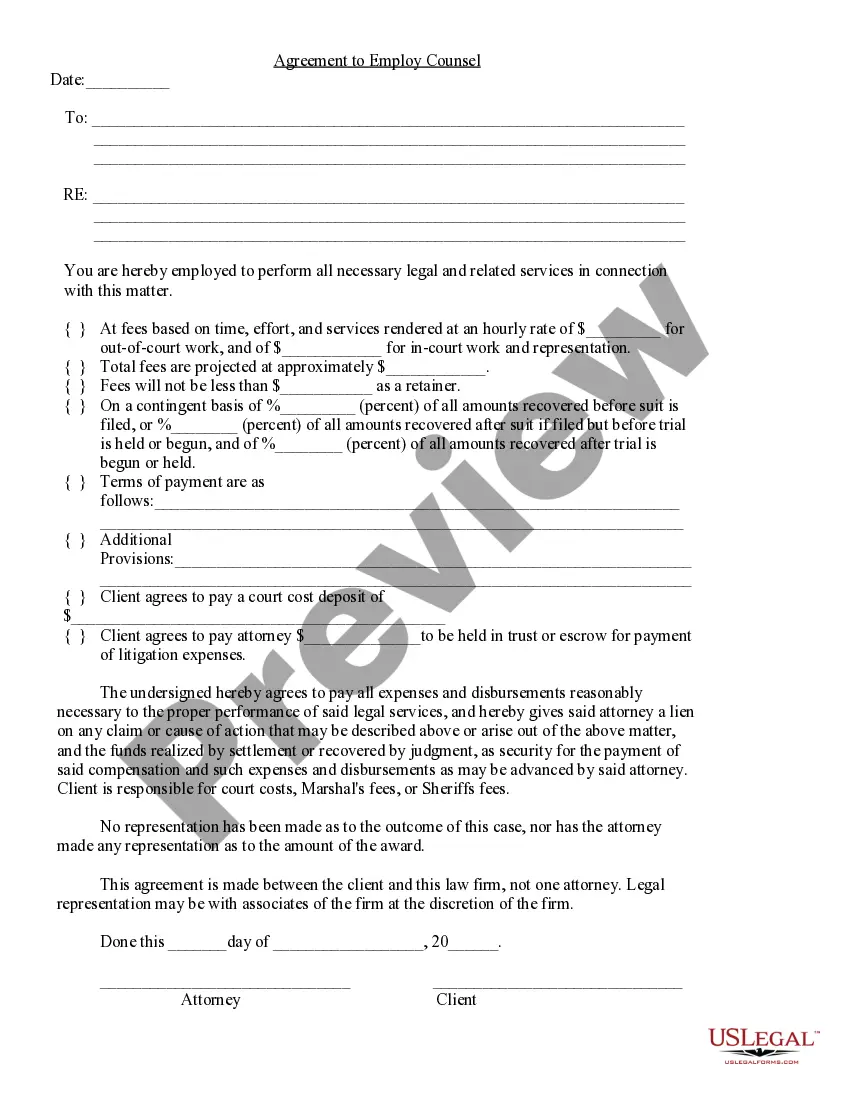
Attorney Fee For Will Preparation
Description



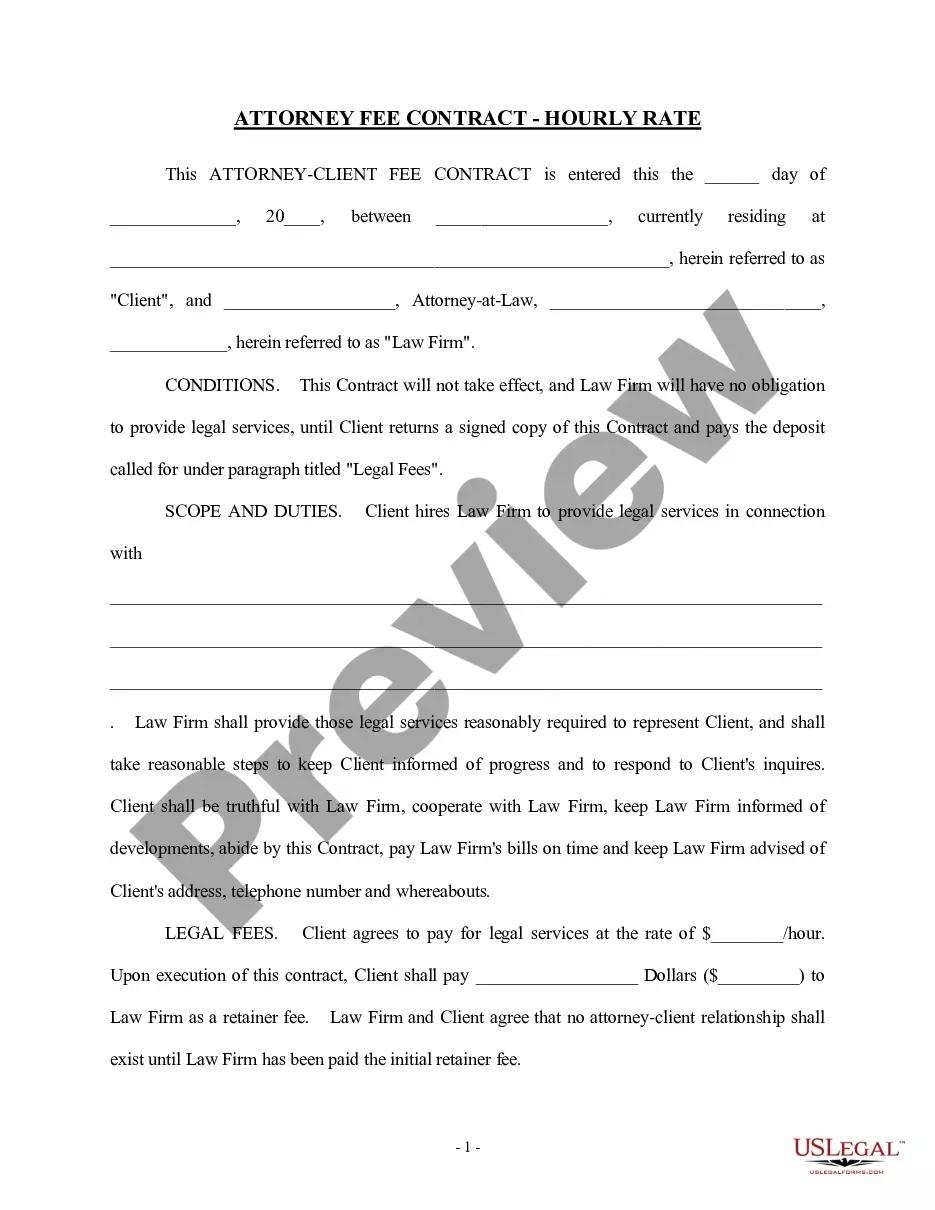

Get your form ready online
Our built-in tools help you complete, sign, share, and store your documents in one place.
Make edits, fill in missing information, and update formatting in US Legal Forms—just like you would in MS Word.
Download a copy, print it, send it by email, or mail it via USPS—whatever works best for your next step.
Sign and collect signatures with our SignNow integration. Send to multiple recipients, set reminders, and more. Go Premium to unlock E-Sign.
If this form requires notarization, complete it online through a secure video call—no need to meet a notary in person or wait for an appointment.
We protect your documents and personal data by following strict security and privacy standards.

Make edits, fill in missing information, and update formatting in US Legal Forms—just like you would in MS Word.

Download a copy, print it, send it by email, or mail it via USPS—whatever works best for your next step.

Sign and collect signatures with our SignNow integration. Send to multiple recipients, set reminders, and more. Go Premium to unlock E-Sign.

If this form requires notarization, complete it online through a secure video call—no need to meet a notary in person or wait for an appointment.

We protect your documents and personal data by following strict security and privacy standards.
Looking for another form?




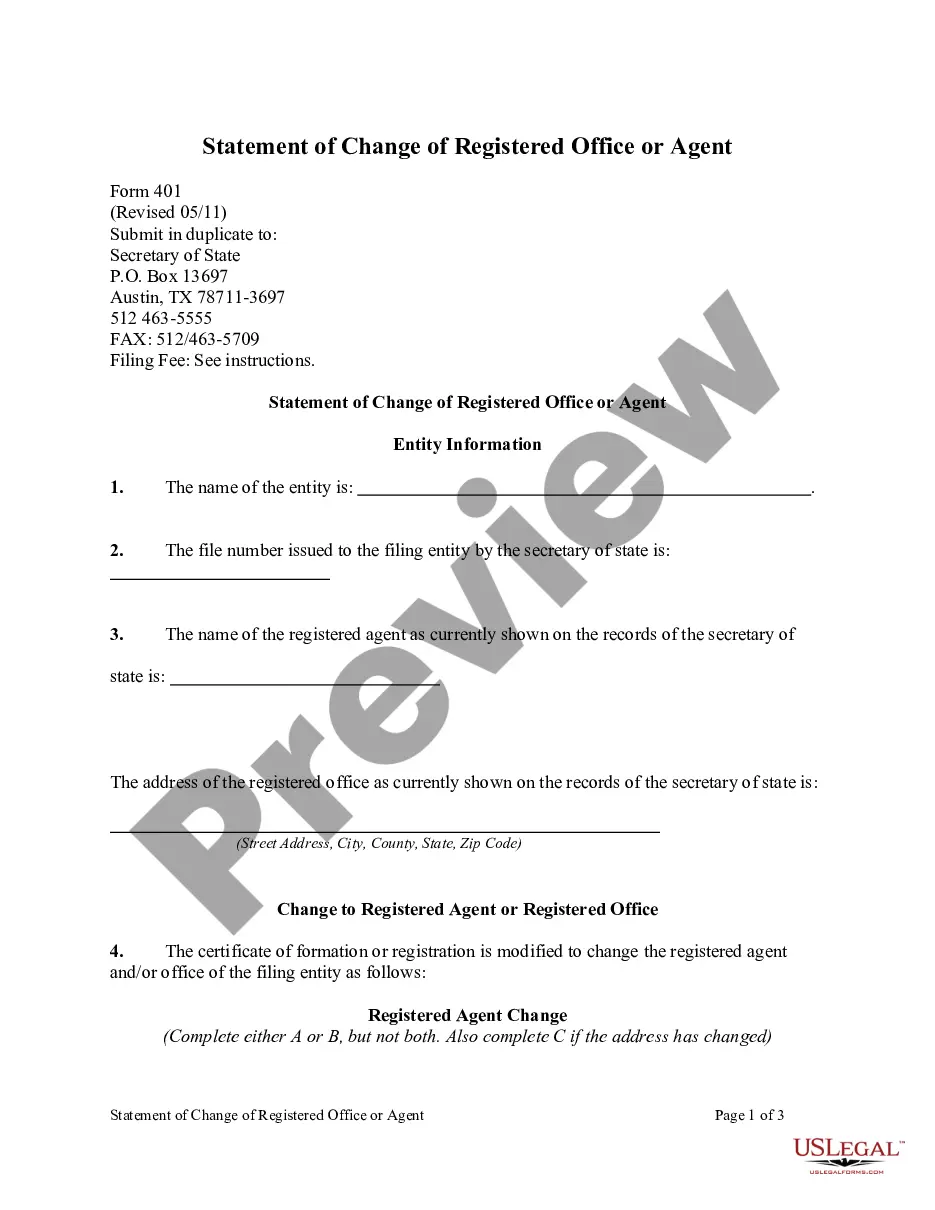


How to fill out Alabama Attorney Fee Agreement?
- If you are a returning user, log in to your account and locate the required form template. Click the Download button to save it on your device. Ensure your subscription is active; renew it if needed.
- For new users, start by exploring the Preview mode and read the form description carefully to select the right document that meets your jurisdiction's requirements.
- In case you find any discrepancies, utilize the Search tab to find the correct template. Once you locate the appropriate one, proceed to the next step.
- Purchase the document by clicking the Buy Now button and selecting your desired subscription plan. Create an account for full access to the library.
- Complete your payment using a credit card or PayPal. After your purchase, download your form to your device.
- Access your document anytime via the My Forms section in your profile.
In conclusion, US Legal Forms simplifies the process of acquiring essential legal documents while ensuring compliance and accessibility. By following these straightforward steps, you can efficiently secure your needed forms.
Start your legal journey today with US Legal Forms and take advantage of their extensive range of legal documents!
Form popularity
FAQ
Typically, the seller is responsible for the preparation of the deed and legal fees associated with document completion. Conversely, the buyer often covers recordation fees for grantors, so it is essential to specify these details in your agreement. Misunderstandings can arise, making communication vital throughout the process. If you're considering creating a will, US Legal Forms supports you by clearly outlining attorney fees for will preparation and other necessary expenses.
The term commonly used for lawyer fees is 'attorney fees.' This encompasses costs associated with services provided by an attorney, including attorney fees for will preparation. Understanding this terminology can help you navigate legal discussions more effectively.
Typically, the client is responsible for payment of attorney's fees for preparation of the deed, including those related to will preparation. However, arrangements can vary based on the agreement you have with your attorney. It's important to discuss these details upfront to ensure clarity on your financial obligations.
When writing about attorney fees for will preparation, be clear and precise. Include details such as the hourly rate, flat fees, or retainer amounts, if applicable. Always ensure that you explicitly state what services are covered under these fees to avoid any misunderstandings about the costs involved.
Recording legal fees, such as attorney fees for will preparation, requires meticulous documentation. You can use accounting software or a simple spreadsheet to track each expense. Include the date, description of the service, the amount charged, and the payment method to keep your records organized.
To report legal fees accurately, you should maintain detailed records of all expenses associated with attorney fees for will preparation. This includes invoices, receipts, and any other relevant documentation. Providing a clear breakdown of these fees can help in tax reporting and ensure that you comply with legal requirements.
Generally, you cannot write off attorney fees as personal deductions unless they are incurred in the course of producing taxable income. However, specific deductions may apply if the fees relate to business income or certain legal matters. For those exploring the specifics of attorney fees for will preparation, it’s crucial to consult a tax professional for personalized advice. Additionally, resources like US Legal Forms can help you navigate these inquiries with ease.
Yes, the correct term is 'attorney's fees,' which indicates that the fees belong to the attorney. However, if you are referring to multiple attorneys, it can also be written as 'attorneys' fees.' When discussing attorney fees for will preparation, understanding this distinction ensures clear communication regarding costs. Using the correct phrasing helps you avoid any confusion in legal discussions.
In the context of legal matters, typically, the party benefiting from the settlement pays for the associated fees. However, negotiated terms during the settlement process may shift responsibilities. It's essential to consult with your attorney, as they can guide you on how attorney fees for will preparation might impact the overall settlement costs. Platforms like US Legal Forms provide essential information to clarify these financial responsibilities.