Tenant Landlord Shut With A Fire
Description

Get your form ready online
Our built-in tools help you complete, sign, share, and store your documents in one place.
Make edits, fill in missing information, and update formatting in US Legal Forms—just like you would in MS Word.
Download a copy, print it, send it by email, or mail it via USPS—whatever works best for your next step.
Sign and collect signatures with our SignNow integration. Send to multiple recipients, set reminders, and more. Go Premium to unlock E-Sign.
If this form requires notarization, complete it online through a secure video call—no need to meet a notary in person or wait for an appointment.
We protect your documents and personal data by following strict security and privacy standards.

Make edits, fill in missing information, and update formatting in US Legal Forms—just like you would in MS Word.

Download a copy, print it, send it by email, or mail it via USPS—whatever works best for your next step.

Sign and collect signatures with our SignNow integration. Send to multiple recipients, set reminders, and more. Go Premium to unlock E-Sign.

If this form requires notarization, complete it online through a secure video call—no need to meet a notary in person or wait for an appointment.

We protect your documents and personal data by following strict security and privacy standards.
Looking for another form?



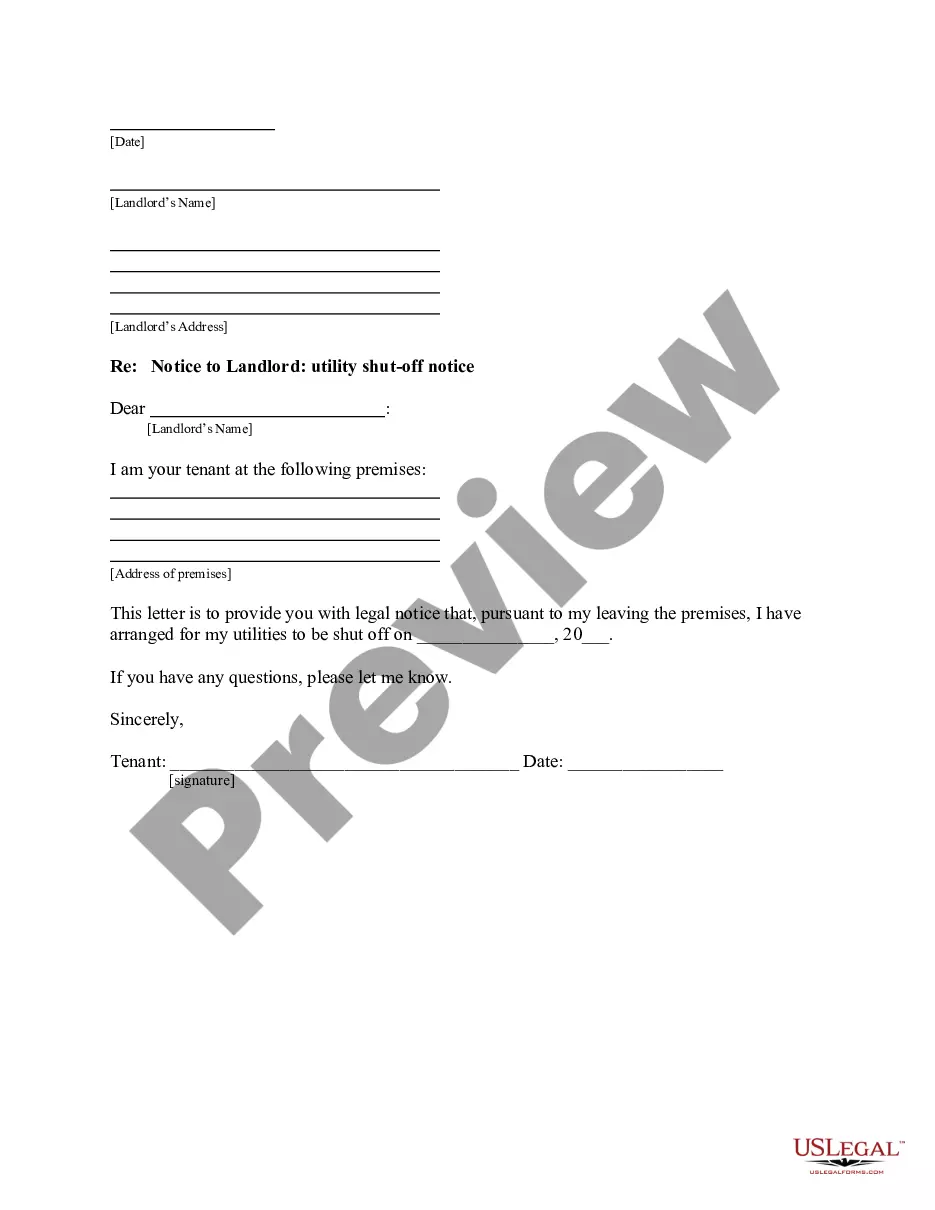
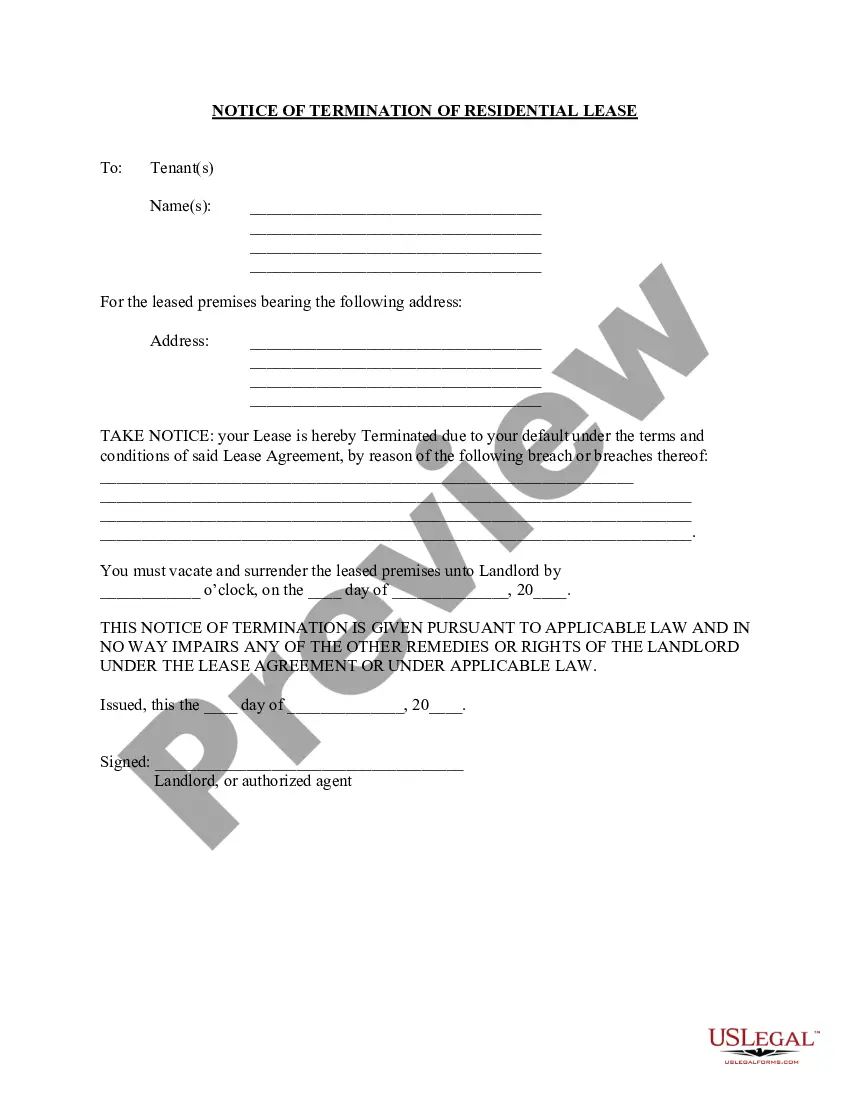
How to fill out Alabama Letter From Tenant To Landlord - Utility Shut Off Notice To Landlord Due To Tenant Vacating Premises?
- Log into your US Legal Forms account if you're a returning user. Click the Download button for your desired template, ensuring your subscription is active. If it's not, renew based on your chosen payment plan.
- For first-time users, start by previewing the form descriptions to ensure they align with your legal requirements. Verify the form suits your specific needs and complies with local jurisdiction.
- If necessary, use the Search tab to find alternative templates that might be more suitable. Keep searching until you find the perfect match for your situation.
- Purchase the required document by clicking the 'Buy Now' button. Select a subscription plan that fits your needs and create an account to access a wealth of legal resources.
- Complete your purchase by entering your payment details via credit card or PayPal.
- Once your transaction is successful, download the form to your device. You can easily access it anytime in the 'My Forms' section of your account for future use.
By utilizing US Legal Forms, individuals and attorneys can quickly and confidently create legal documents tailored to their specific needs. Offering a robust collection of over 85,000 fillable forms, users can rely on expert assistance for completing their documents accurately.
Take the first step towards efficiently managing your legal needs today by visiting US Legal Forms!
Form popularity
FAQ
As a tenant in Tennessee, you have several legal rights that protect you, even in situations involving tenant landlord shut with a fire. You have the right to safe living conditions and the obligation of your landlord to address hazards. If your landlord neglects repairs or safety issues, you can pursue remedies, which may include rent reduction or termination of your lease. For reliable guidance on your rights, consider tools provided by US Legal Forms for a seamless experience.
In Georgia, habitability law mandates that landlords maintain properties in a condition suitable for living. This means addressing issues like fire safety and structural integrity. If your landlord fails to meet these standards, you have the right to demand repairs or even take legal action. Utilize resources like US Legal Forms to understand your rights more clearly and ensure you're living in a safe environment.
When a property is condemned due to safety issues, such as aftermaths from a fire, tenants face immediate challenges. The landlord usually must provide notice and alternatives for relocation. Additionally, as a tenant, you may be eligible for compensation depending on local laws and your lease agreement. It's crucial to understand your rights and seek assistance, such as expert advice from US Legal Forms, to navigate this process effectively.
Yes, there are several online resources where you can report bad landlords. Websites like the Indiana Housing and Community Development Authority offer tools to file complaints about landlord misconduct, particularly after events like a tenant landlord shut with a fire. Additionally, US Legal Forms provides documents and templates that streamline the process of lodging complaints against landlords.
Filing a complaint against a landlord in Indiana starts with gathering all relevant documentation, such as lease agreements and communication records, particularly if issues arose from a tenant landlord shut with a fire. You then complete the appropriate forms and submit them to your local housing authority or court. You may also consider seeking legal guidance through resources available at US Legal Forms to ensure your complaint is properly structured.
To report a landlord in Indiana, you can contact your local housing authority or file a complaint with the Indiana Attorney General's office. Provide detailed information about the situation, especially if it involves health and safety violations or instances of a tenant landlord shut with a fire. Utilizing platforms like US Legal Forms can help draft a formal complaint that accurately presents your case.
Landlord retaliation in Indiana occurs when a landlord takes adverse action against a tenant for exercising their legal rights, such as reporting unsafe conditions, like after a tenant landlord shut with a fire. This can include rent increases, lease termination, or refusing necessary repairs. Tenants should document any retaliation as it strengthens their case when seeking assistance.
In Indiana, a landlord cannot shut off utilities or deny access to a tenant, especially when issues arise after a tenant landlord shut with a fire. Landlords must also respect the tenant's right to privacy and cannot enter the rental property without proper notice. Furthermore, it is illegal for a landlord to retaliate against a tenant for exercising their rights.
Landlords are generally not responsible for tenant possessions lost or damaged due to a fire, unless negligence is proven. They are also not liable for costs associated with tenant relocation if the lease allows for emergency repairs. It's essential to have renter’s insurance to cover personal property. Understanding your lease and local laws can clarify what a landlord is not responsible for in these situations.
After a fire, landlords often have an obligation to provide alternative accommodation if the rental unit becomes uninhabitable. This obligation can vary based on local laws and the specific circumstances of the fire. Tenants should review their lease agreement for details on what to expect in such situations. If you're unsure of your rights, consulting resources like uslegalforms might help clarify your options.