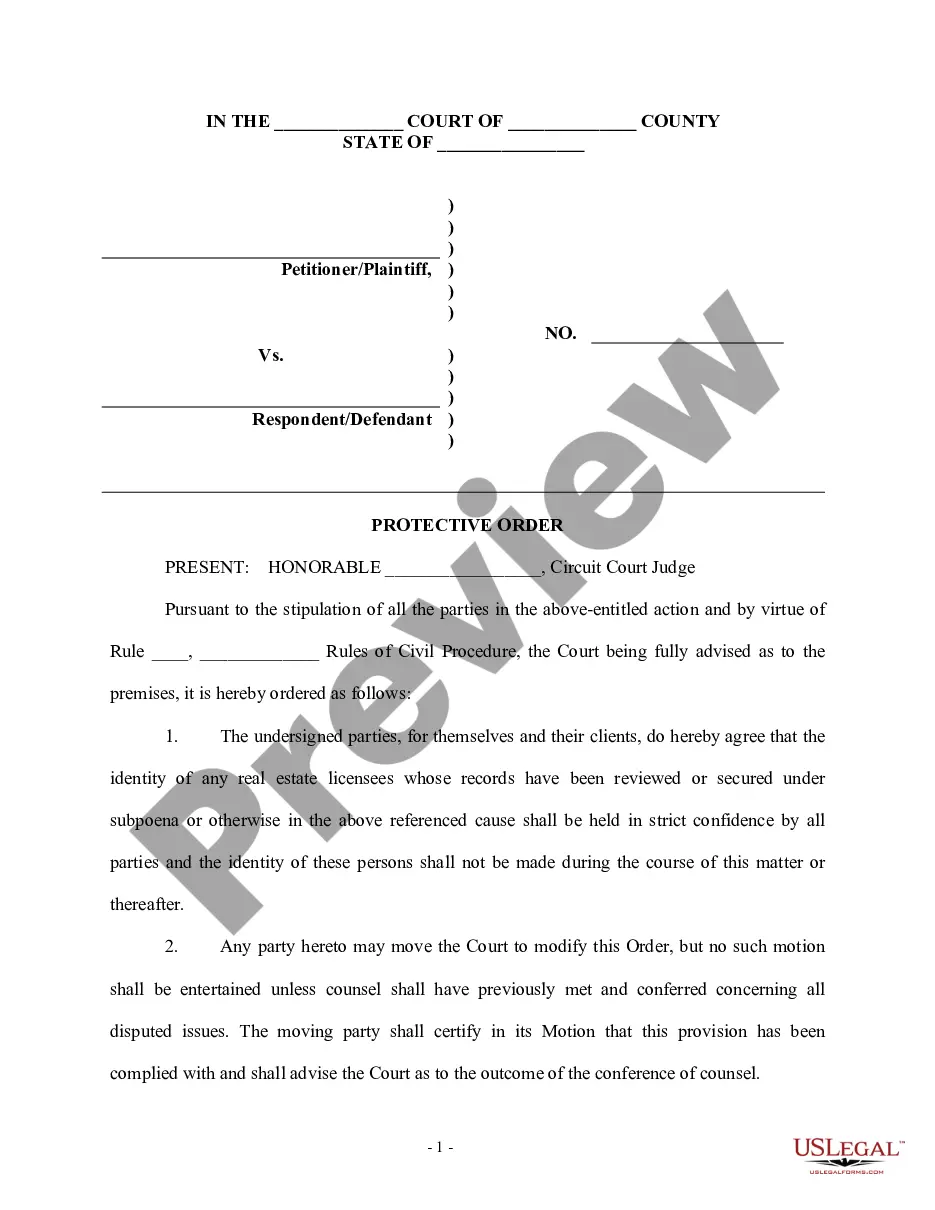
Sample Motion For Protective Order Discovery California
Description
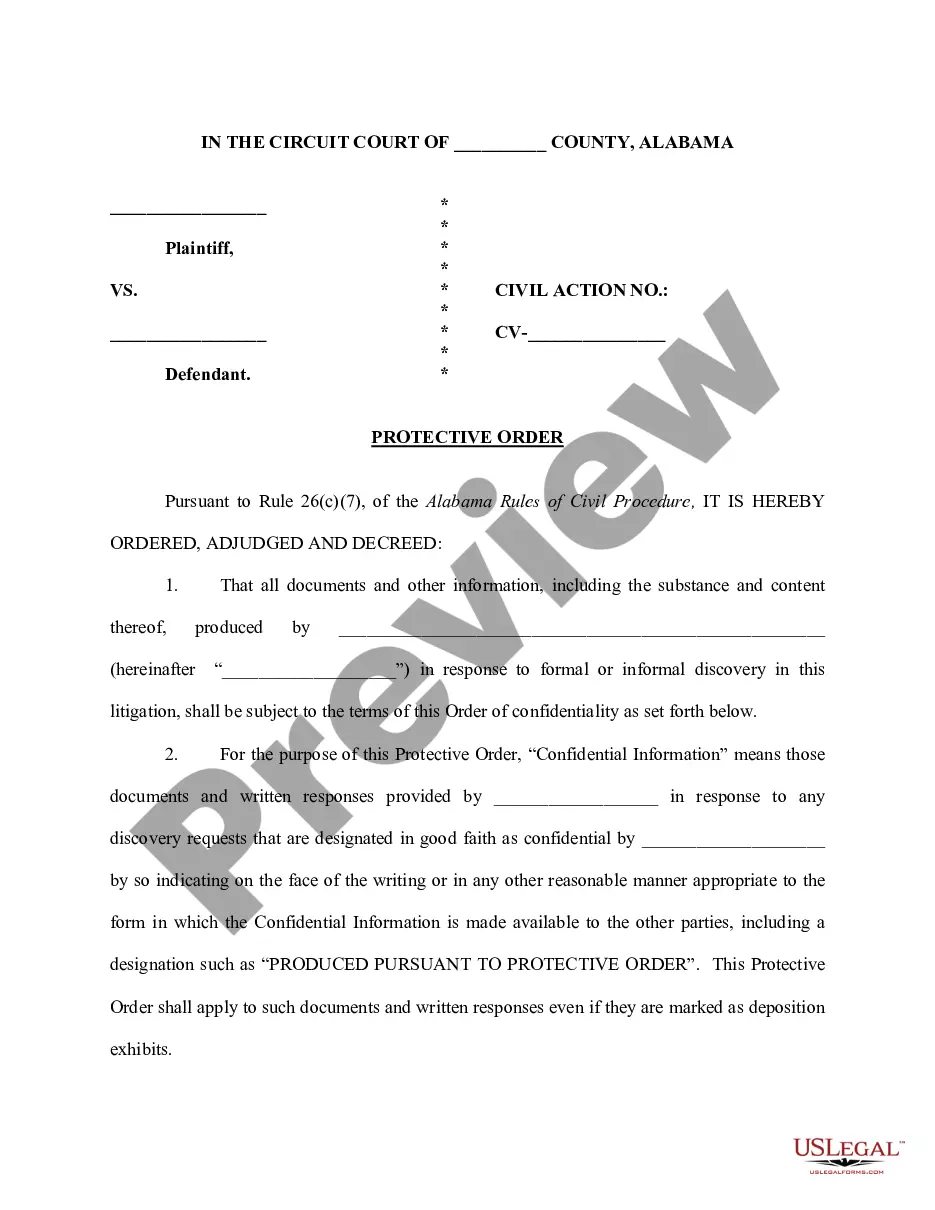
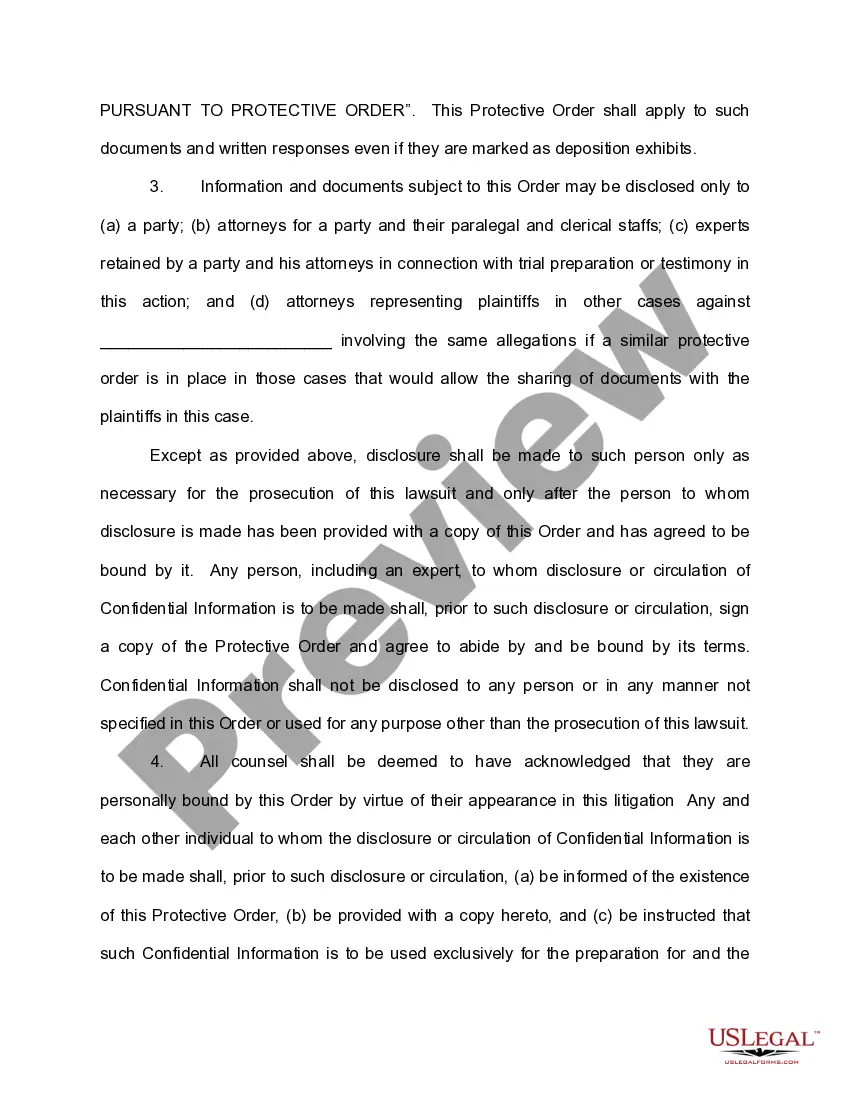
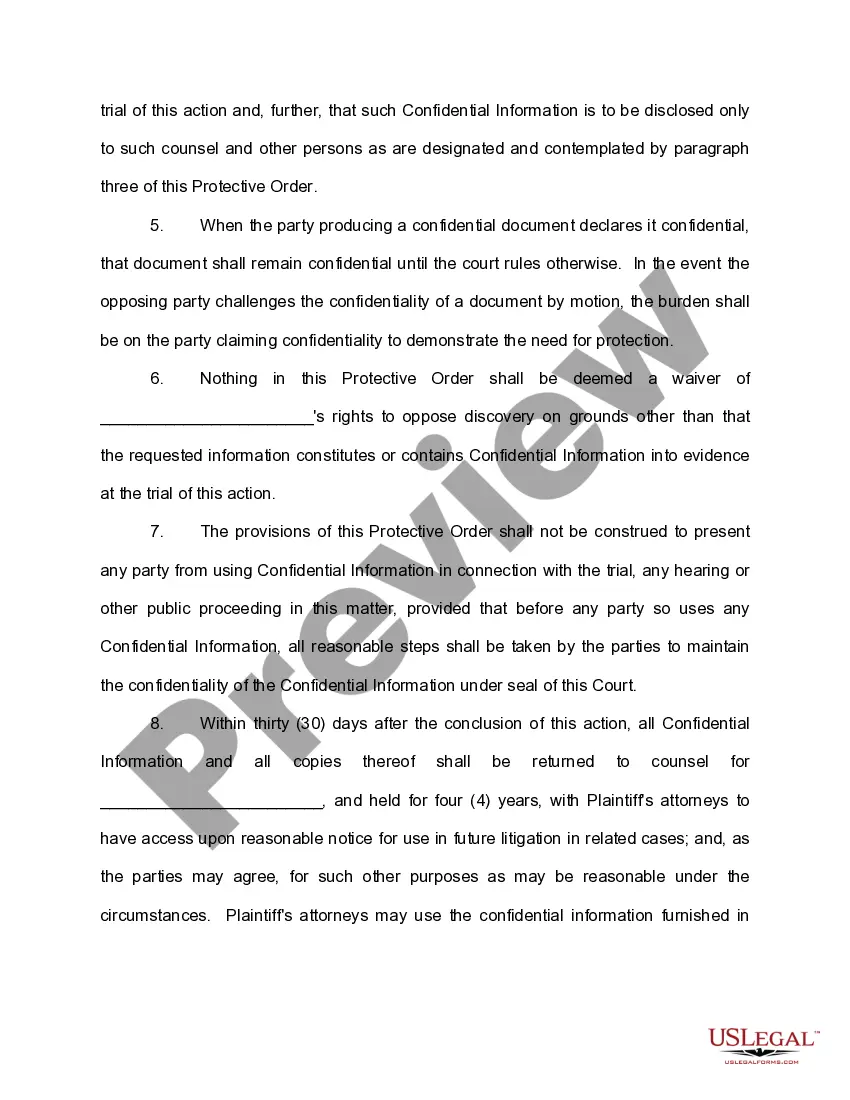
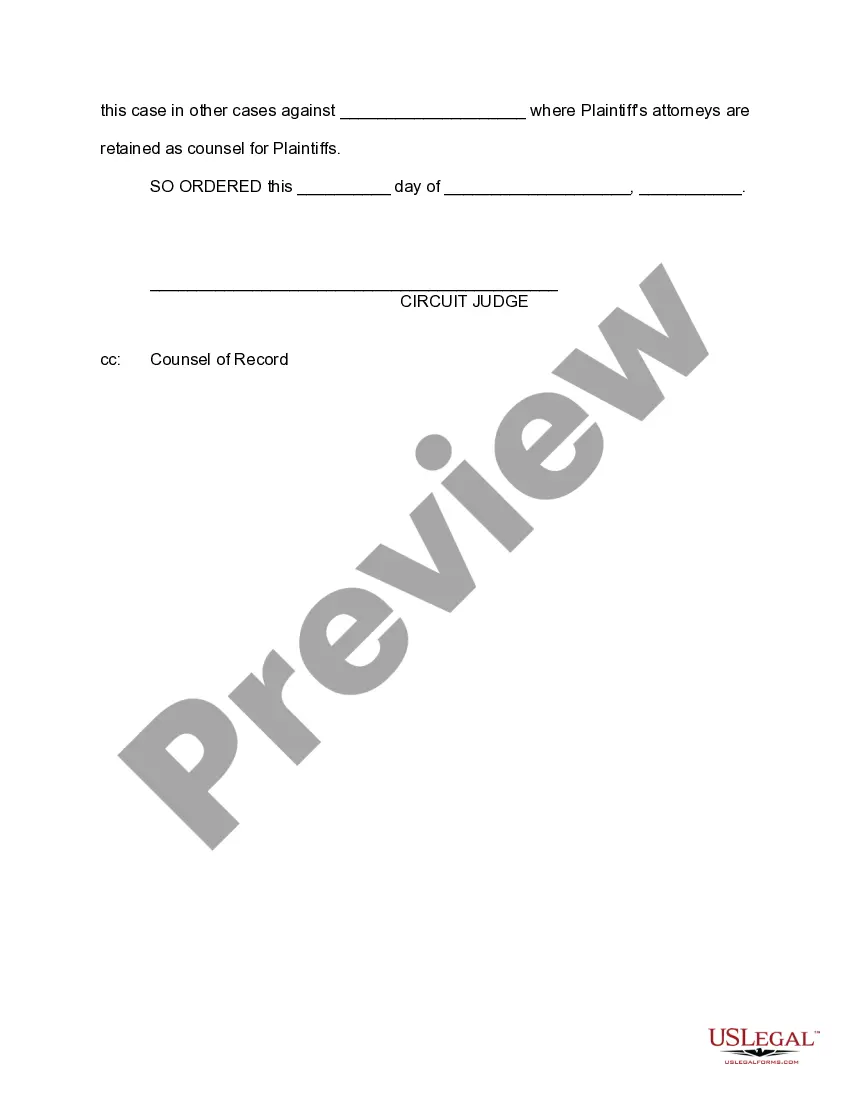
Get your form ready online
Our built-in tools help you complete, sign, share, and store your documents in one place.
Make edits, fill in missing information, and update formatting in US Legal Forms—just like you would in MS Word.
Download a copy, print it, send it by email, or mail it via USPS—whatever works best for your next step.
Sign and collect signatures with our SignNow integration. Send to multiple recipients, set reminders, and more. Go Premium to unlock E-Sign.
If this form requires notarization, complete it online through a secure video call—no need to meet a notary in person or wait for an appointment.
We protect your documents and personal data by following strict security and privacy standards.

Make edits, fill in missing information, and update formatting in US Legal Forms—just like you would in MS Word.

Download a copy, print it, send it by email, or mail it via USPS—whatever works best for your next step.

Sign and collect signatures with our SignNow integration. Send to multiple recipients, set reminders, and more. Go Premium to unlock E-Sign.

If this form requires notarization, complete it online through a secure video call—no need to meet a notary in person or wait for an appointment.

We protect your documents and personal data by following strict security and privacy standards.
Looking for another form?
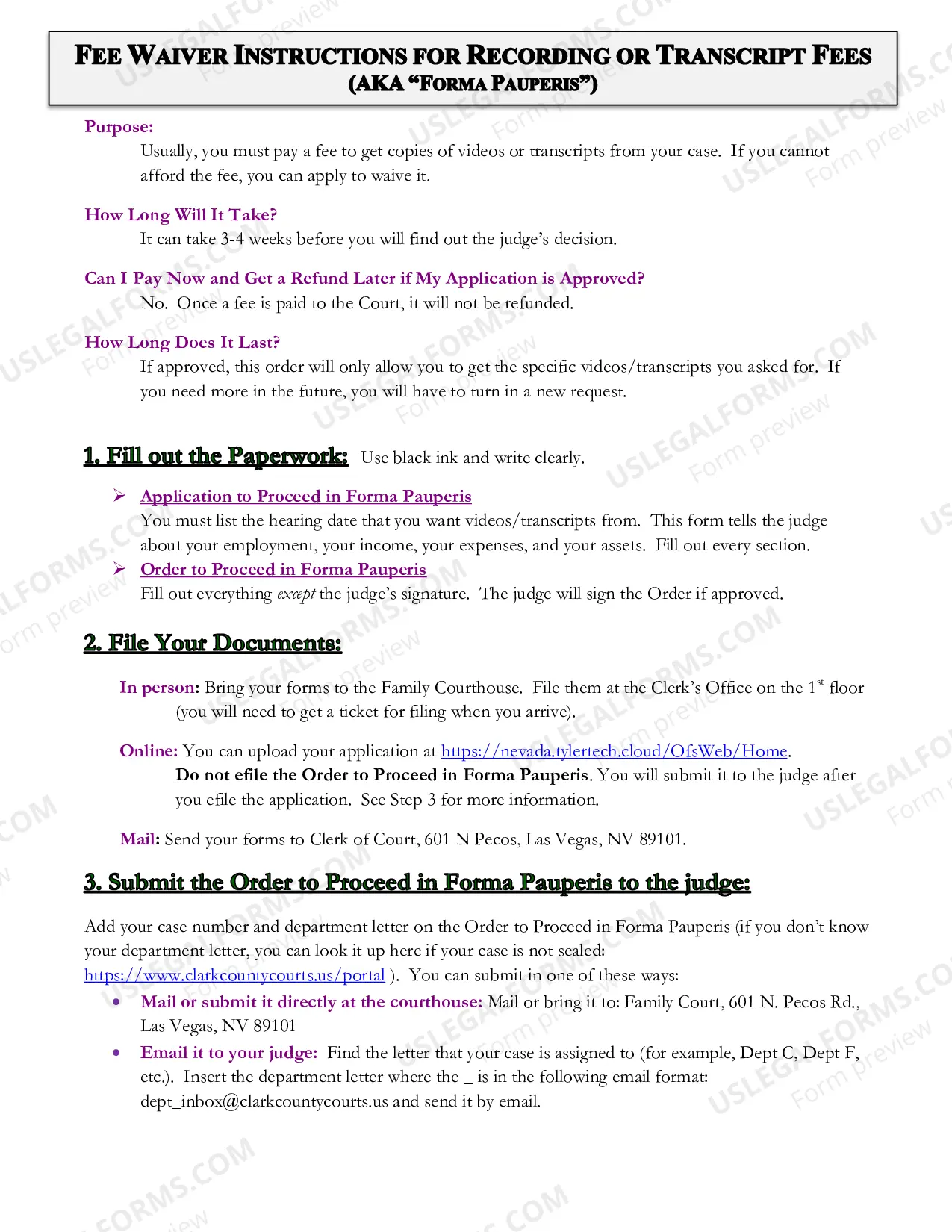

How to fill out Alabama Sample Discovery Protective Order?
Collaborating with legal documents and processes can be a lengthy addition to the day.
Sample Motion For Protective Order Discovery California and similar forms frequently necessitate you to search for them and understand how to fill them out correctly.
Consequently, if you are managing financial, legal, or personal issues, utilizing a thorough and accessible online repository of forms readily available will be highly beneficial.
US Legal Forms is the premier online source of legal templates, boasting over 85,000 state-specific documents and several resources to help you complete your paperwork with ease.
Is it your first time using US Legal Forms? Register and create a free account in just a few minutes, and you'll gain access to the form library and Sample Motion For Protective Order Discovery California. Then, follow the steps outlined below to fill out your form: Confirm you have the correct form by utilizing the Preview feature and reviewing the form details. Click Buy Now when prepared, and select the subscription plan that fits you. Choose Download, then complete, eSign, and print the form. US Legal Forms has 25 years of experience assisting users with their legal documents. Find the form you need today and streamline any process effortlessly.
- Explore the collection of relevant documents available to you with just one click.
- US Legal Forms provides you with state- and county-specific forms accessible at any time for downloading.
- Protect your document management procedures with a high-quality service that enables you to create any form within minutes without additional or hidden charges.
- Simply Log In to your account, locate Sample Motion For Protective Order Discovery California, and obtain it immediately from the My documents section.
- You can also access previously downloaded forms.
Form popularity
FAQ
Discovery allows you to get information and evidence from the other party or other persons you can use in your lawsuit.
Under California Code of Civil Procedure §2025.420, the court, for good cause shown, may make any order that justice requires to protect any party, deponent, or other natural person or organization from unwarranted annoyance, embarrassment, or oppression, or undue burden and expense.
Upon receipt of a motion for a protective order, the Court may issue a temporary stay of discovery pending resolution of the motion. However, a party's diligence in seeking relief is a principal factor in the decision whether to grant a stay.
A motion for protective order is a request made by one party to the court to protect them from potentially harmful actions by the other party, usually in regards to sharing information during the legal process. This can happen when one party wants to access the other party's trade secrets.
In civil litigation, an order that prevents the disclosure of certain information. A party or person, such as a non-party recipient of a subpoena, may move for a protective order by showing good cause that the court should not permit the requested discovery because the discovery request is: Annoying. Embarrassing.