Letter Tenant Permission For Rent
Description
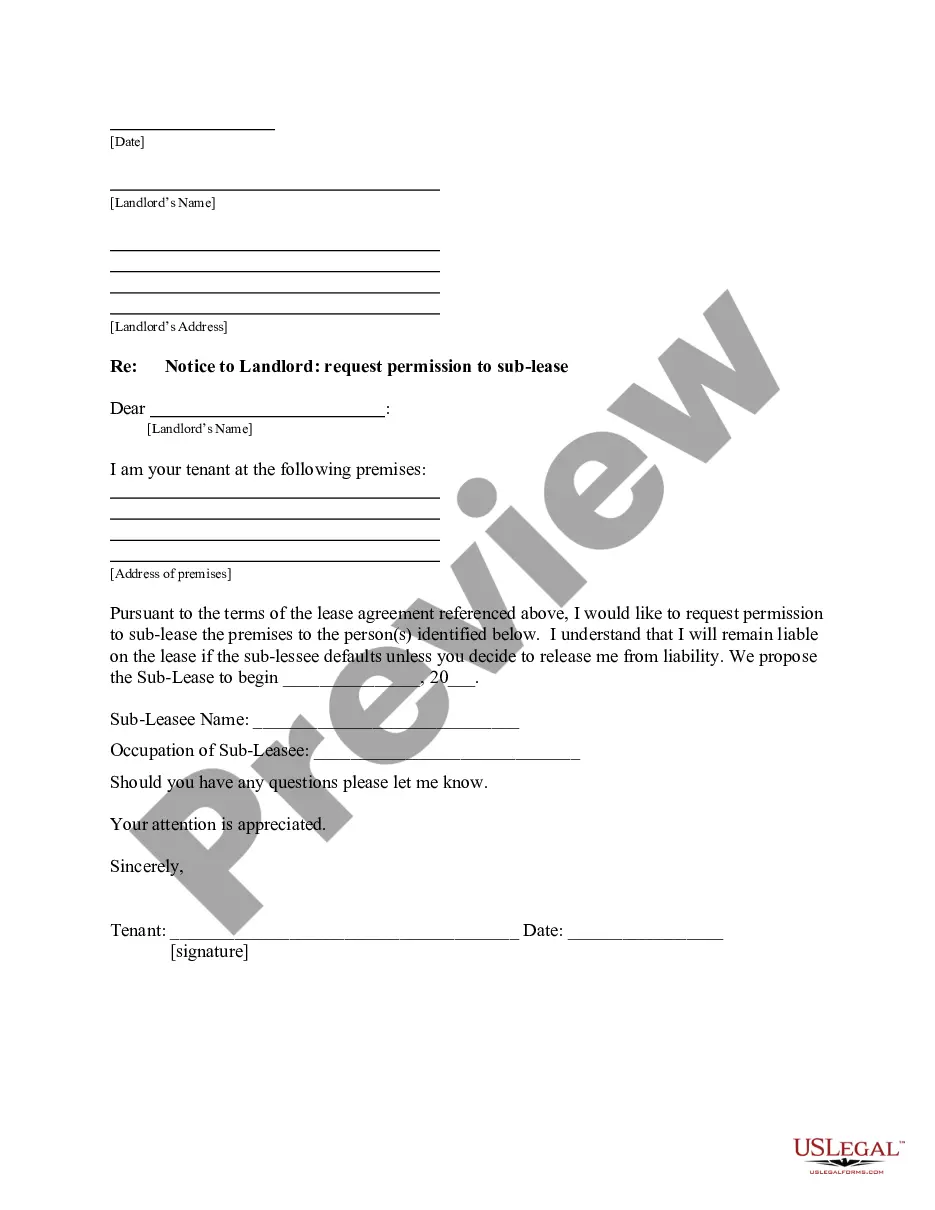

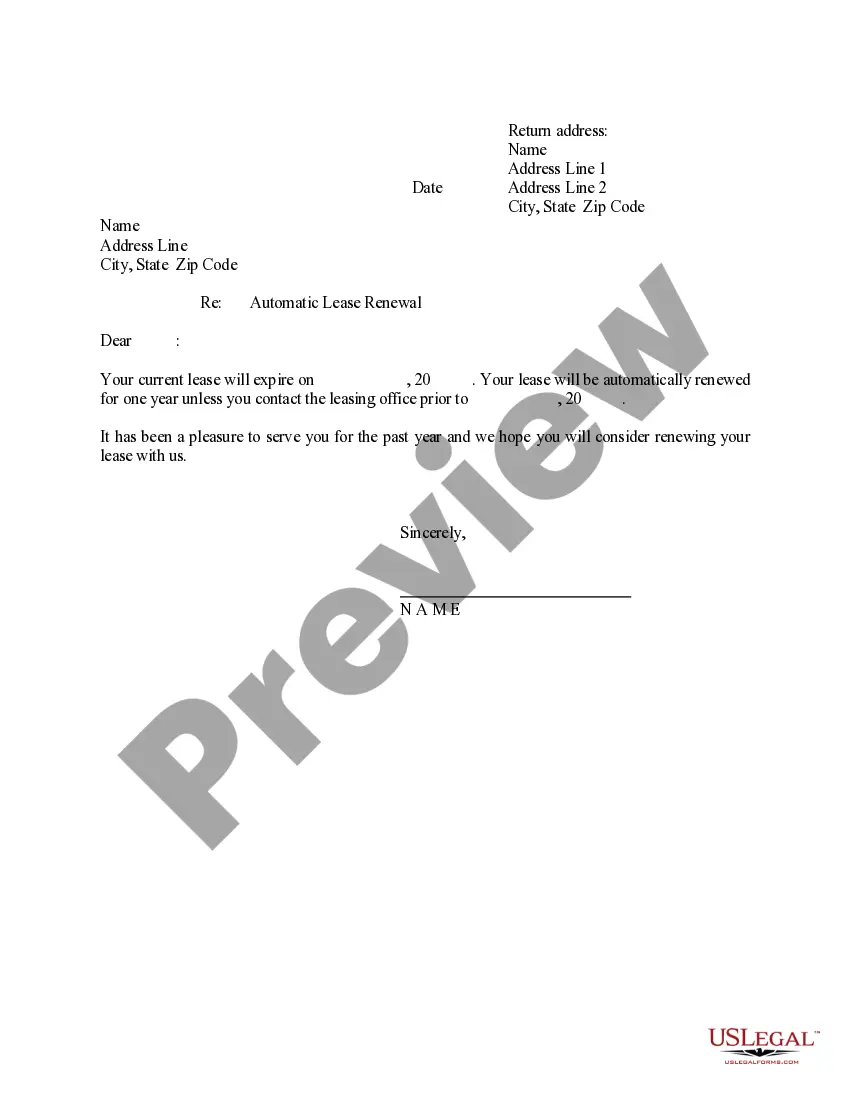
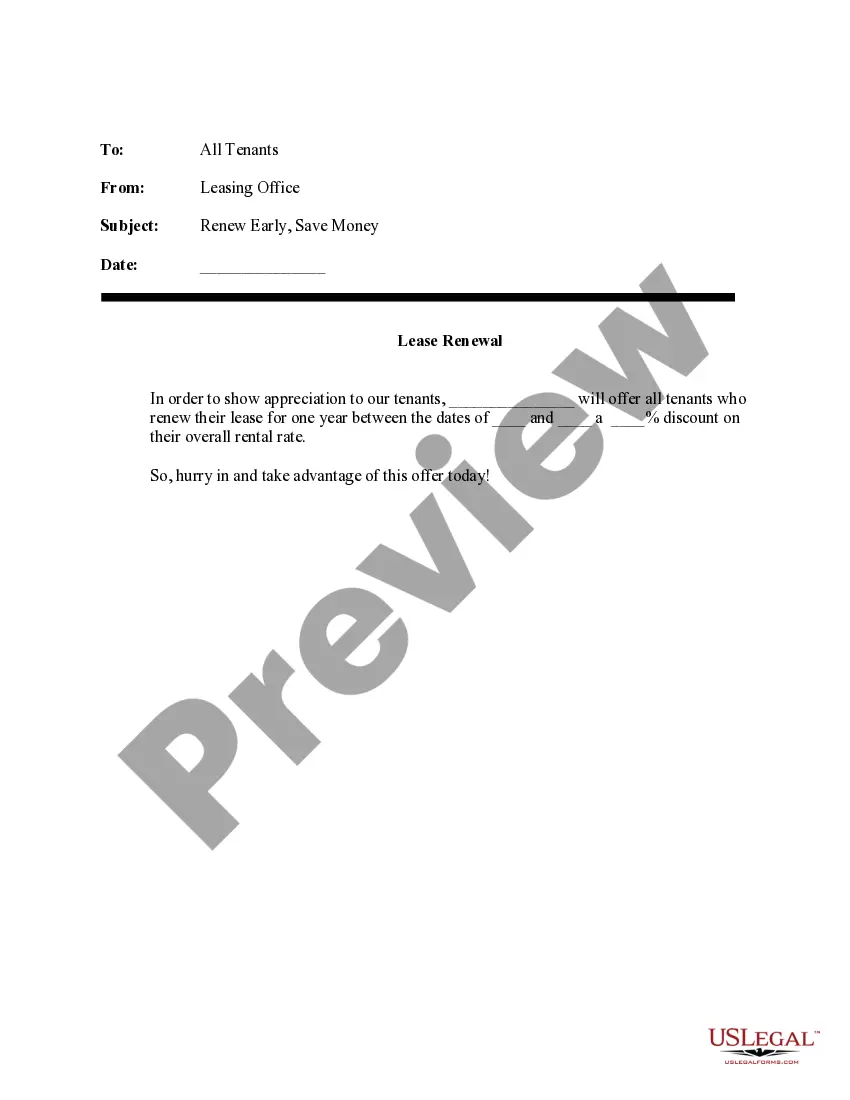
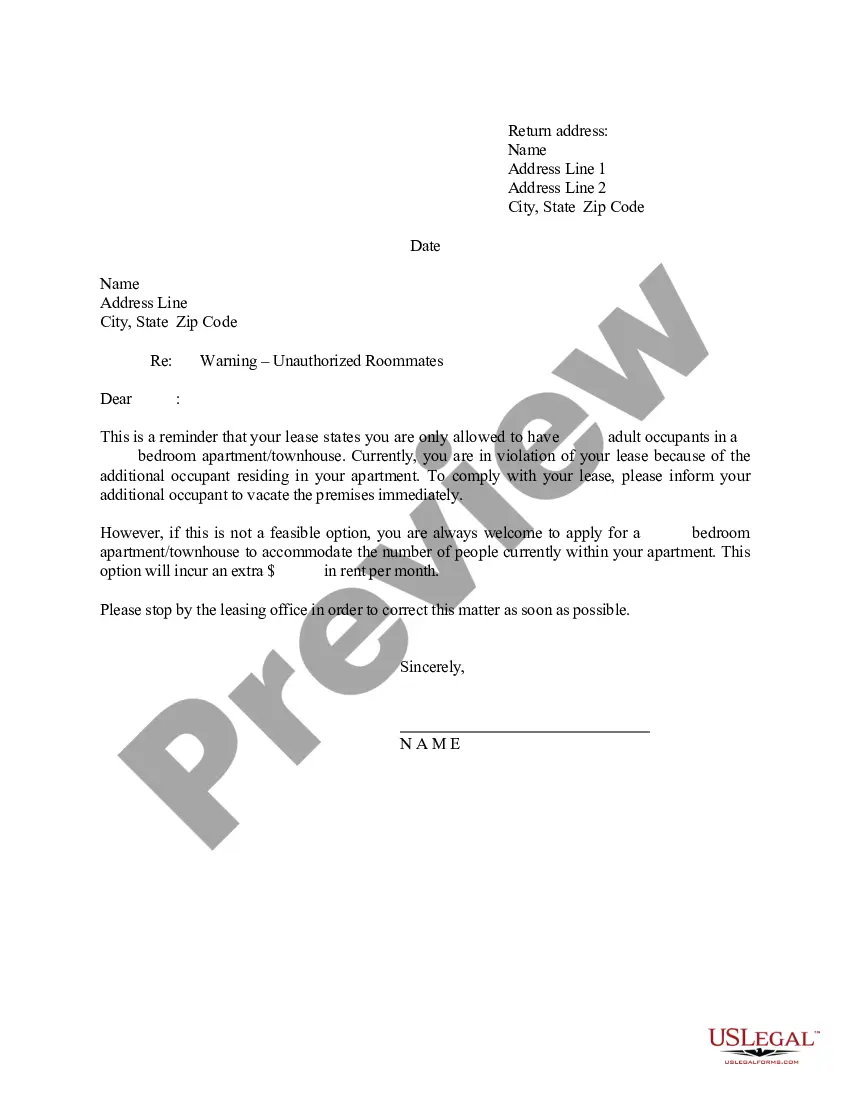
Get your form ready online
Our built-in tools help you complete, sign, share, and store your documents in one place.
Make edits, fill in missing information, and update formatting in US Legal Forms—just like you would in MS Word.
Download a copy, print it, send it by email, or mail it via USPS—whatever works best for your next step.
Sign and collect signatures with our SignNow integration. Send to multiple recipients, set reminders, and more. Go Premium to unlock E-Sign.
If this form requires notarization, complete it online through a secure video call—no need to meet a notary in person or wait for an appointment.
We protect your documents and personal data by following strict security and privacy standards.

Make edits, fill in missing information, and update formatting in US Legal Forms—just like you would in MS Word.

Download a copy, print it, send it by email, or mail it via USPS—whatever works best for your next step.

Sign and collect signatures with our SignNow integration. Send to multiple recipients, set reminders, and more. Go Premium to unlock E-Sign.

If this form requires notarization, complete it online through a secure video call—no need to meet a notary in person or wait for an appointment.

We protect your documents and personal data by following strict security and privacy standards.
Looking for another form?







Form popularity
FAQ
An example of a letter to a tenant to vacate should begin with a polite greeting, followed by a clear statement of the intention to terminate the lease. Include details like the date the tenant must vacate. You can enhance this communication with a letter tenant permission for rent to remind them of any responsibilities they have during the moving process, such as maintaining condition and security of the property.
Writing a notice letter for a tenant involves being clear and concise. Start with the date and address the tenant by name. Clearly state the purpose of the letter, whether it is regarding rental payment, lease violations, or the need for repairs. Utilize a letter tenant permission for rent to outline specific requests and expectations, ensuring the tenant understands their obligations.
To express that you are a good tenant, you can highlight your timely rent payments, your respect for property rules, and your ability to communicate effectively with your landlord. Providing references from previous landlords can also strengthen your position. Remember to mention how a letter tenant permission for rent can clarify your responsibilities and contributions as a reliable tenant.
To write a letter to your tenant, begin with a clear subject line to indicate the letter's purpose. Use a friendly greeting and maintain clarity throughout the letter, addressing any issues or updates regarding the lease. Be sure to provide any necessary contact information for follow-up and invite them to reach out if they have further questions.
When writing to your landlord about rent, begin with your name, address, and date. Clearly state your concerns, whether they relate to rent increases, payment difficulties, or lease terms. Be honest yet respectful, and if necessary, suggest possible resolutions, such as payment plans, to demonstrate your willingness to cooperate.
A good tenant letter includes essential elements: a clear subject line, a warm greeting, specific reasons for writing, and a straightforward closing statement. For instance, if addressing maintenance issues, you might state the problem, suggest a resolution, and request a timeline for repairs. The tone should be professional yet approachable, creating a dialogue.
Start a letter to a tenant by using a professional greeting, such as 'Dear Tenant’s Name.' Follow this with a brief introduction, stating the purpose of the letter. It's best to maintain a respectful and friendly tone throughout the letter, which will help foster good communication.
To tell a tenant to move out politely, begin your letter with a friendly greeting and acknowledge their contributions as a tenant. Clearly but gently explain the reasons for the move-out request, ensuring to provide a reasonable timeframe for their departure. Ending the letter on a positive note, offering assistance with the moving process can foster goodwill.
When writing a letter to notify a tenant to move out, start by addressing the tenant by name. Clearly state the reason for the notice, whether it’s due to lease violations or other issues, and provide a specific move-out date. Including a reference to the lease agreement can reinforce your position and make the letter more authoritative.
To write a notice indicating you are moving out, start by including your name, address, and the date at the top of the letter. Clearly state your intention to vacate and include your planned move-out date. It’s helpful to mention any arrangements for the return of your security deposit, and express your gratitude for your landlord’s support during your tenancy, as this sets a positive tone.
