Rent Increase
Description
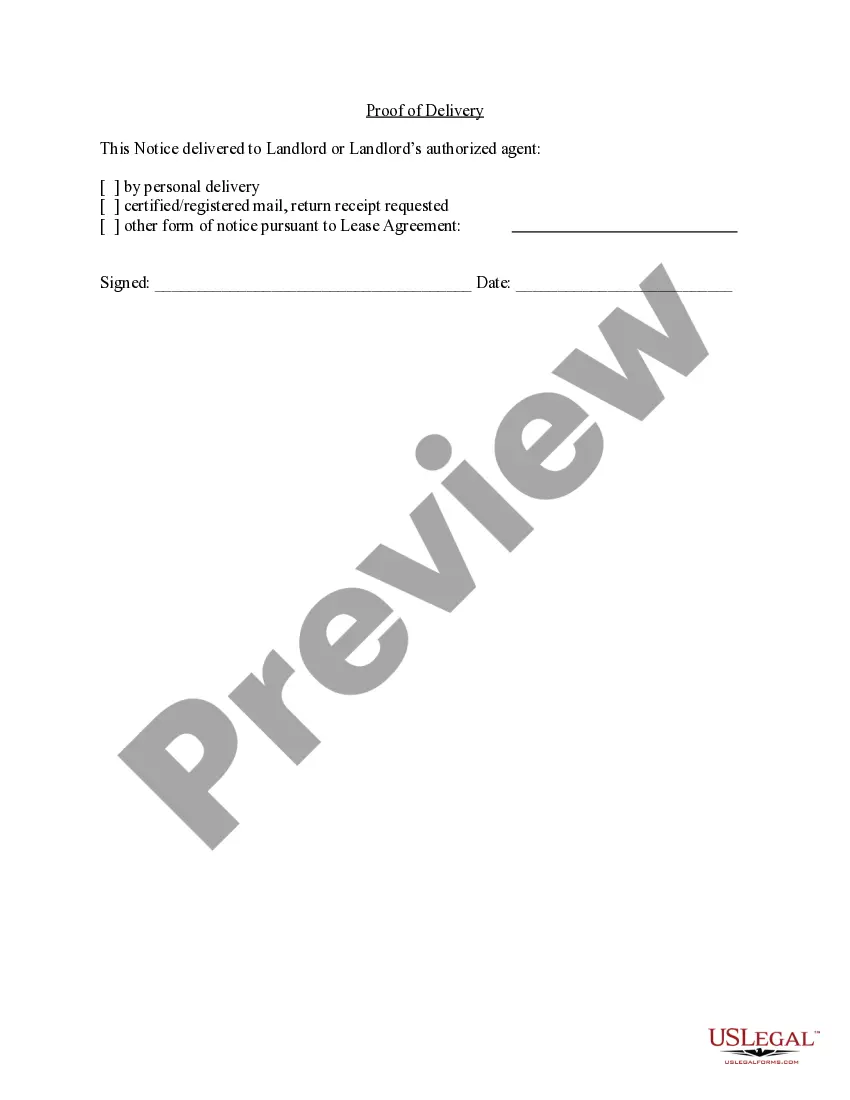

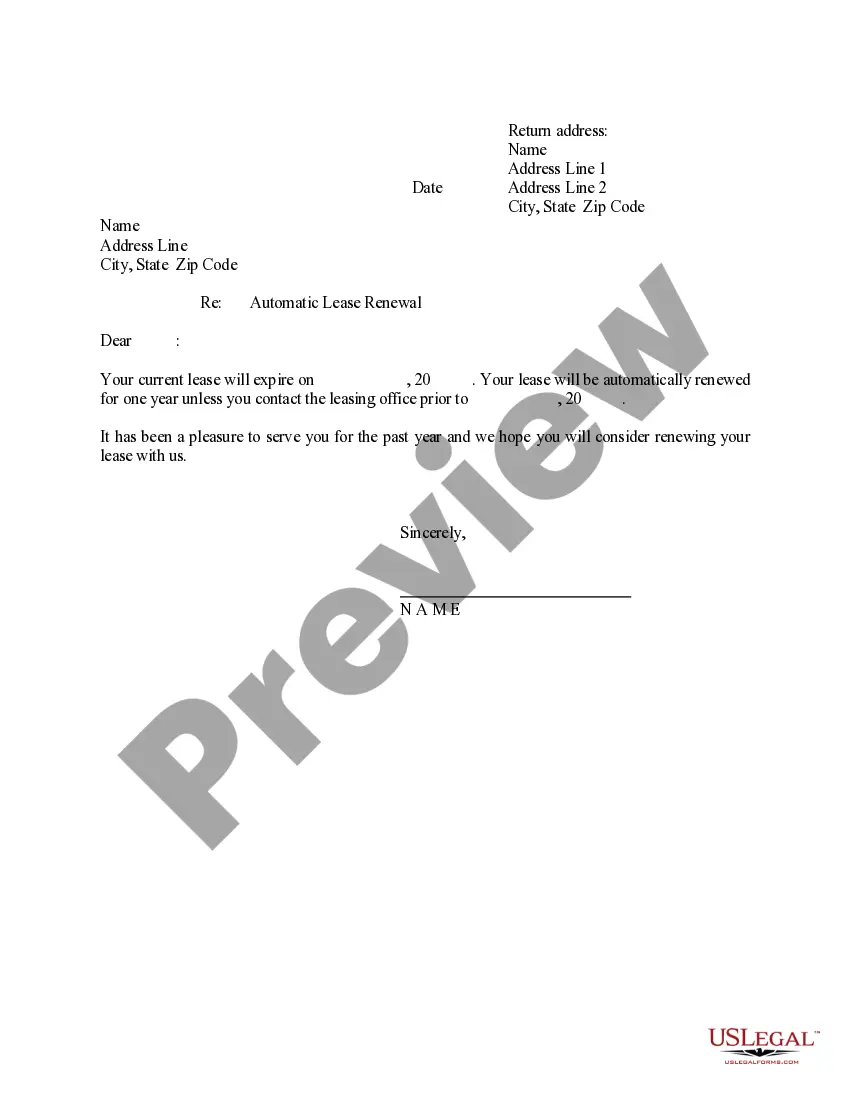
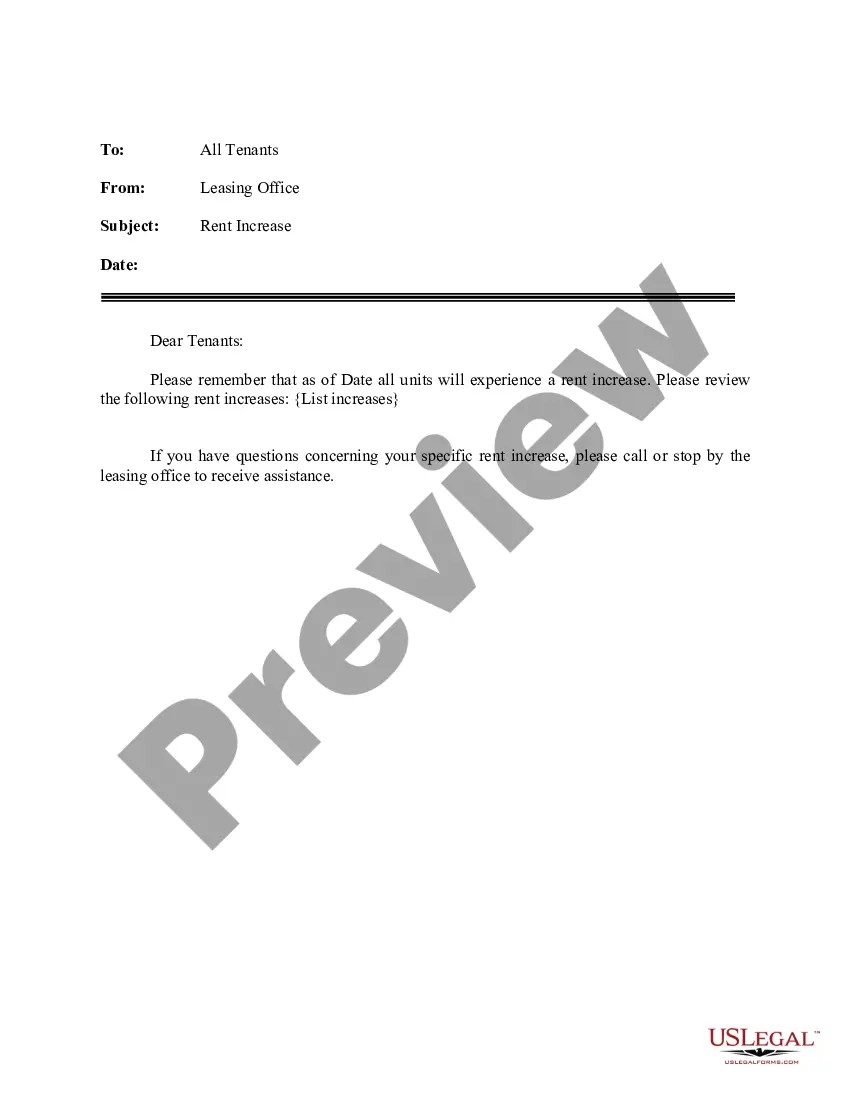

Get your form ready online
Our built-in tools help you complete, sign, share, and store your documents in one place.
Make edits, fill in missing information, and update formatting in US Legal Forms—just like you would in MS Word.
Download a copy, print it, send it by email, or mail it via USPS—whatever works best for your next step.
Sign and collect signatures with our SignNow integration. Send to multiple recipients, set reminders, and more. Go Premium to unlock E-Sign.
If this form requires notarization, complete it online through a secure video call—no need to meet a notary in person or wait for an appointment.
We protect your documents and personal data by following strict security and privacy standards.

Make edits, fill in missing information, and update formatting in US Legal Forms—just like you would in MS Word.

Download a copy, print it, send it by email, or mail it via USPS—whatever works best for your next step.

Sign and collect signatures with our SignNow integration. Send to multiple recipients, set reminders, and more. Go Premium to unlock E-Sign.

If this form requires notarization, complete it online through a secure video call—no need to meet a notary in person or wait for an appointment.

We protect your documents and personal data by following strict security and privacy standards.
Looking for another form?







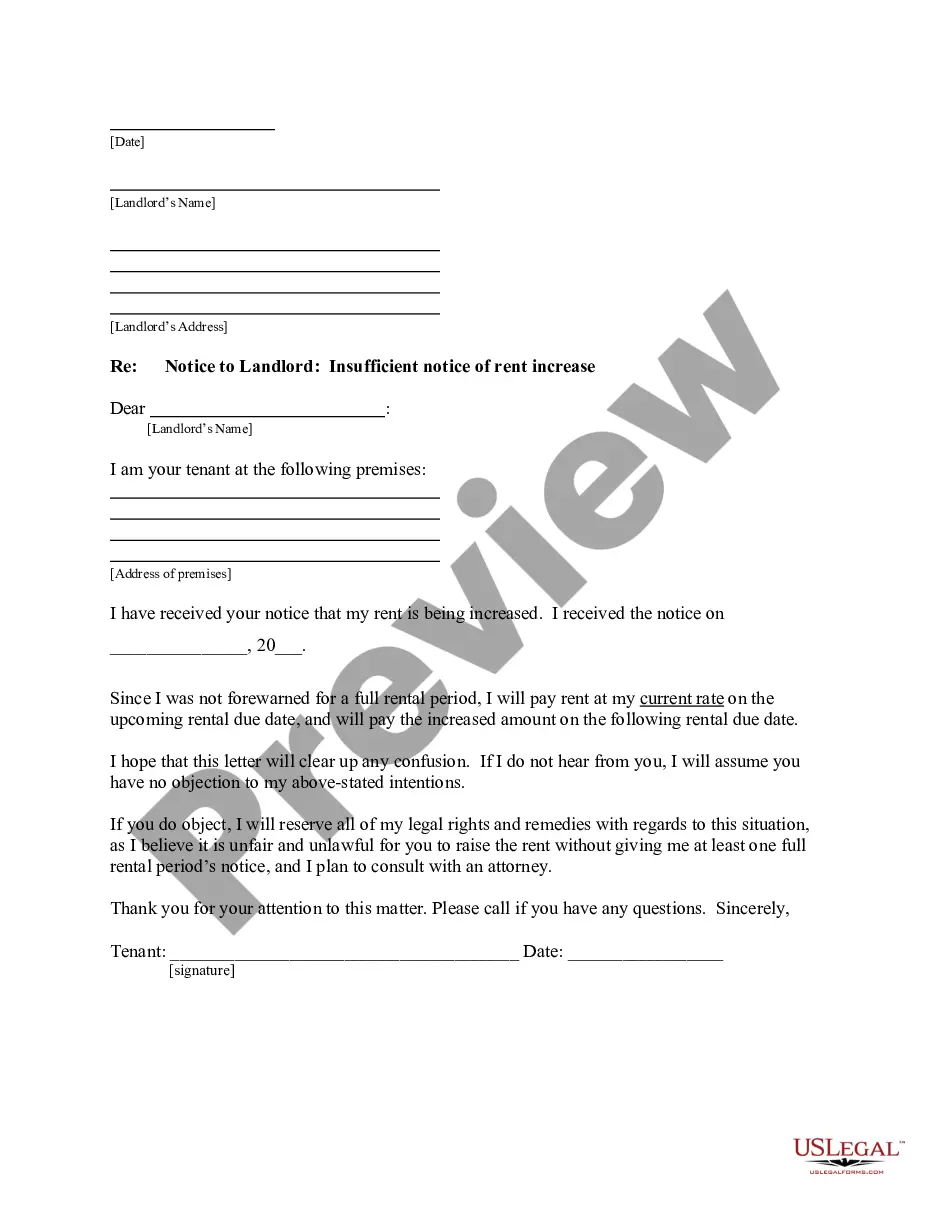
How to fill out Alabama Letter From Tenant To Landlord About Insufficient Notice Of Rent Increase?
- Log in to your US Legal Forms account if you're a returning user. If your subscription is expired, renew it according to your payment plan.
- For first-time users, start by reviewing the form previews and descriptions to select the appropriate template for your needs.
- Utilize the search feature to find any additional templates if the initial choice doesn't meet your requirements.
- Purchase the selected document by clicking 'Buy Now' and choose your subscription plan. You'll need to register to access the resources.
- Complete your purchase by providing payment details through credit card or PayPal.
- Download the form and save it to your device. You can access it anytime through the 'My Forms' section in your profile.
Following these steps ensures that you can effectively manage any rent increase situations with the proper legal documentation.
Take control of your renting experience today! Visit US Legal Forms to explore our extensive library and empower yourself with the right legal documents.
Form popularity
FAQ
In New York, the most a landlord can raise rent is dictated by the Rent Guidelines Board for rent-stabilized apartments. Each year, the board votes on allowable percentage increases, which can help protect tenants from steep rent hikes. If you're unsure about the specifics regarding your rental situation, US Legal Forms provides accessible forms and legal documentation to assist you.
The most a landlord can raise rent varies by location and apartment type. In New York City, for example, the maximum allowable increase for a rent-stabilized apartment is set each year by the Rent Guidelines Board. This ensures rent increases remain reasonable for tenants. If you’re facing uncertainties regarding your rental situation, the US Legal Forms platform can provide the tailored support you need.
The highest percentage a landlord can raise rent typically depends on local regulations and property type. In New York, for rent-stabilized apartments, the Rent Guidelines Board establishes the increase percentage annually. Understanding these guidelines can help you better anticipate any potential rent increase. For detailed information, US Legal Forms offers valuable insights and legal resources.
Yes, New York has a rent increase cap in place. This cap applies to rent-stabilized apartments and can vary each year based on decisions made by the Rent Guidelines Board. It's crucial for tenants to stay informed since the cap impacts how much a landlord can legally raise rent. If you have concerns about your specific situation, consider exploring resources on the US Legal Forms platform.
The amount your landlord can legally raise your rent typically aligns with state laws and your lease agreement. Many locations have set guidelines that dictate a reasonable increase based on inflation or market trends. It's beneficial to be informed of these rules to ensure your rights are protected. For precise legal assistance regarding rent increases, consider using USLegalForms to access relevant resources.
The maximum amount a landlord can increase rent often depends on local regulations and any rent control laws that may exist. In areas without rent control, the increase may be dictated by the rental market. To understand your specific maximum limits, consult local laws or review your lease agreement. USLegalForms can assist by providing information to clarify these terms for you.
To request a rent increase from your landlord, start by preparing a formal written request that explains your reasons. Highlight any improvements you have made or rising market rates in your area. This approach shows professionalism and can facilitate a positive negotiation process. Accessing templates through USLegalForms can help you frame your request effectively.
Tennessee does not have statewide rent control laws, meaning landlords can generally set rental prices as they see fit. Nonetheless, local municipalities may establish their own regulations, so it's essential to check with your city or county for specific rules. For clarity on your local laws regarding rent increases, USLegalForms offers comprehensive legal resources. Being informed empowers you as a tenant.
In Nevada, there are limits on how much a landlord can raise rent, particularly for tenants who have had continuous occupancy for more than one year. Typically, landlords cannot increase rent by more than 5% plus the current inflation rate, which is specified in Nevada law. Understanding these limits can help you be proactive about your rental agreements. USLegalForms can provide valuable information to help you navigate your rights as a tenant in such situations.
The allowable rent increase varies based on state laws and lease agreements. Generally, landlords can raise rent by any amount that does not violate local regulations or lease terms. It's wise to review your lease and consult local statutes to understand your specific situation. Utilize platforms like USLegalForms to access templates and resources that can help clarify your rights regarding rent increase.