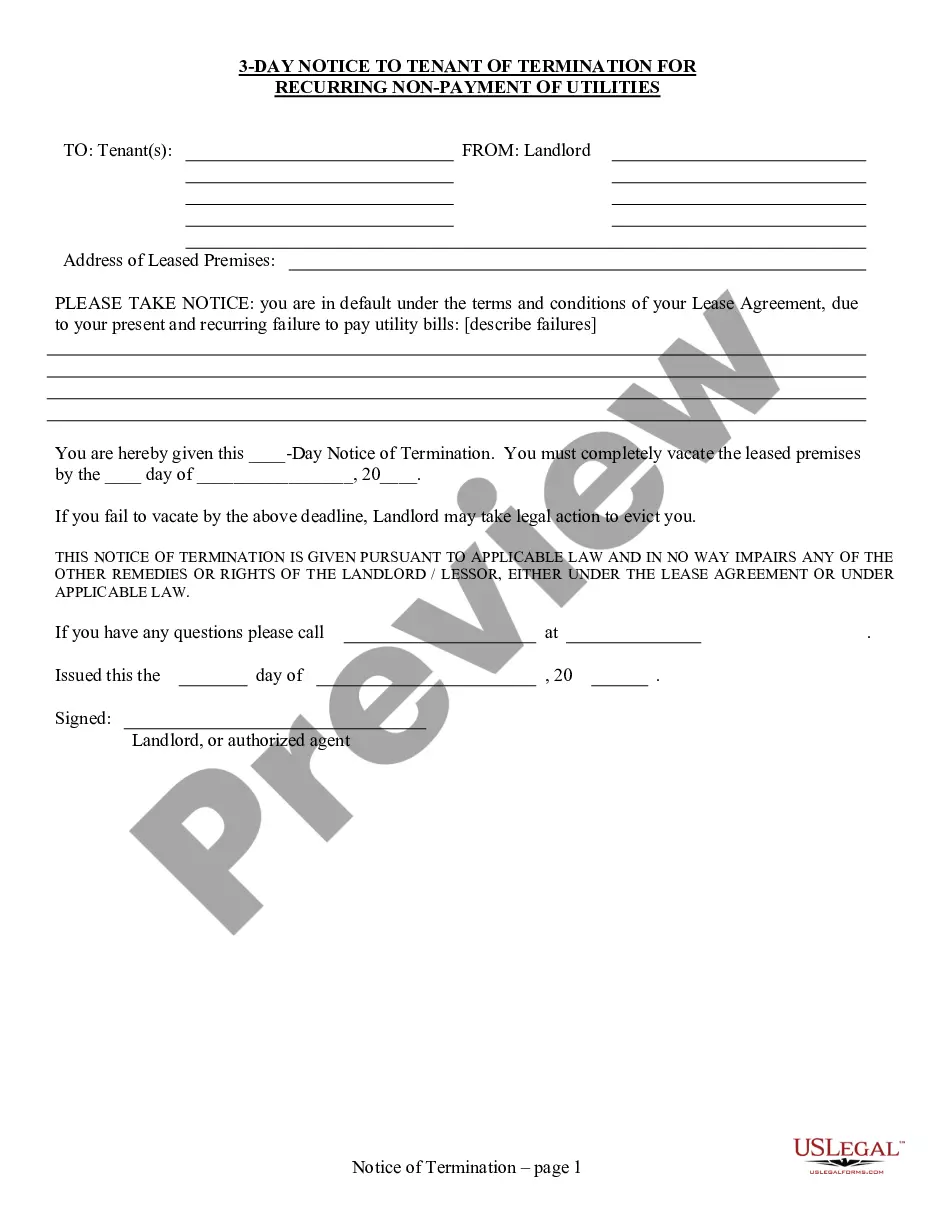
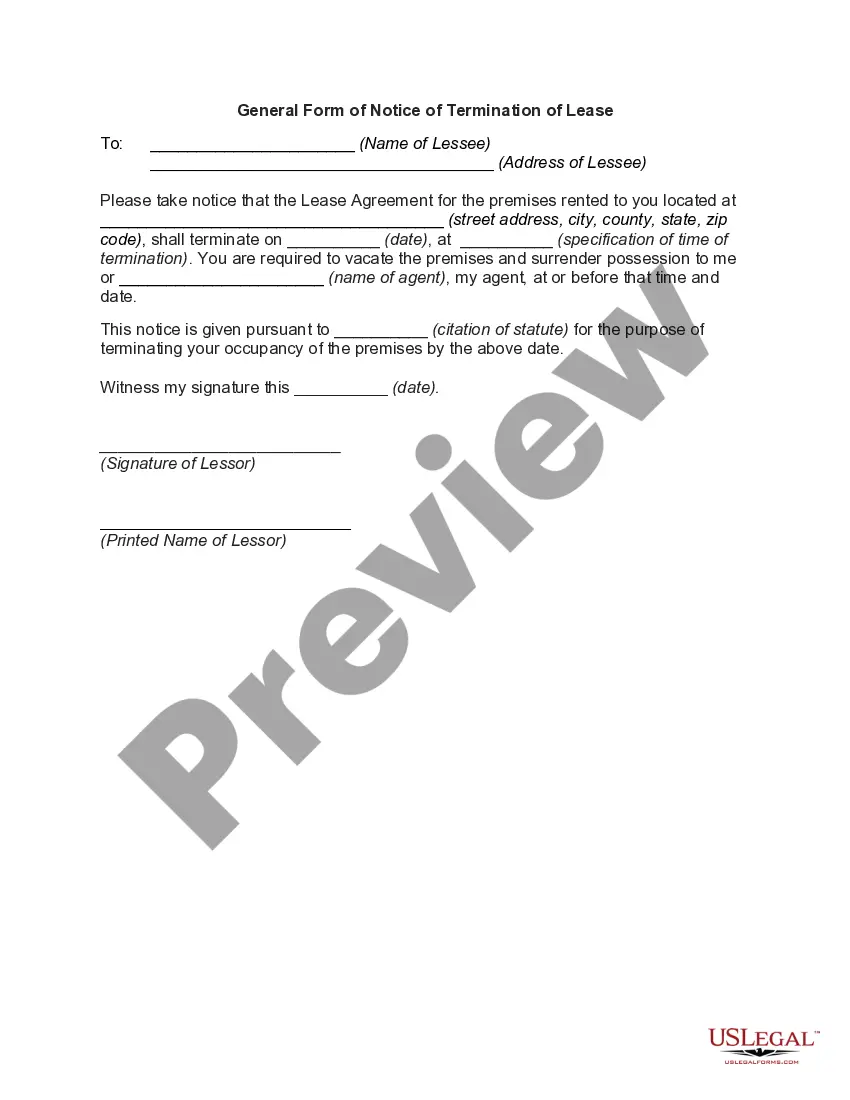
Notice Tenant
Description



Get your form ready online
Our built-in tools help you complete, sign, share, and store your documents in one place.
Make edits, fill in missing information, and update formatting in US Legal Forms—just like you would in MS Word.
Download a copy, print it, send it by email, or mail it via USPS—whatever works best for your next step.
Sign and collect signatures with our SignNow integration. Send to multiple recipients, set reminders, and more. Go Premium to unlock E-Sign.
If this form requires notarization, complete it online through a secure video call—no need to meet a notary in person or wait for an appointment.
We protect your documents and personal data by following strict security and privacy standards.

Make edits, fill in missing information, and update formatting in US Legal Forms—just like you would in MS Word.

Download a copy, print it, send it by email, or mail it via USPS—whatever works best for your next step.

Sign and collect signatures with our SignNow integration. Send to multiple recipients, set reminders, and more. Go Premium to unlock E-Sign.

If this form requires notarization, complete it online through a secure video call—no need to meet a notary in person or wait for an appointment.

We protect your documents and personal data by following strict security and privacy standards.
Looking for another form?


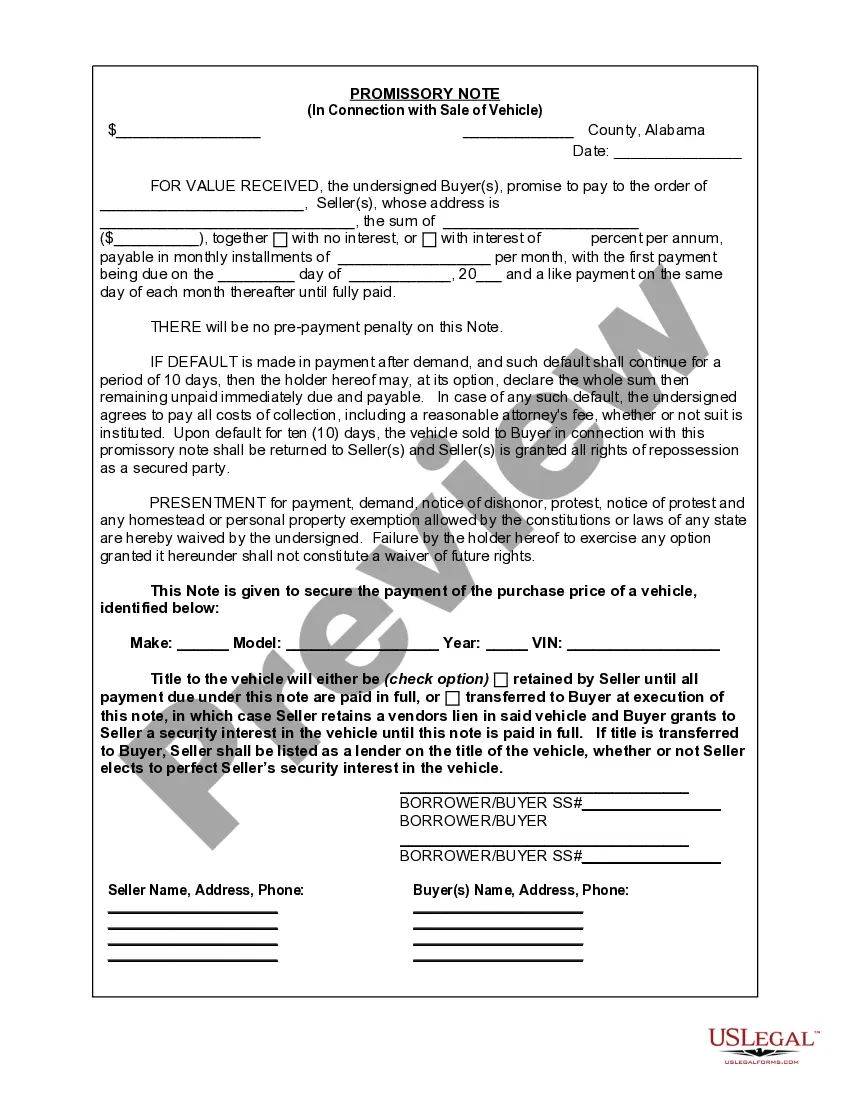





How to fill out Alaska 3 Day Notice To Tenant Of Termination For Recurring Nonpayment Of Utilities For Residential From Landlord To Tenant?
- If you're a returning user, log in to your account and locate the required notice template. Download it directly by clicking on the Download button, ensuring your subscription is active. Renew it if needed based on your payment terms.
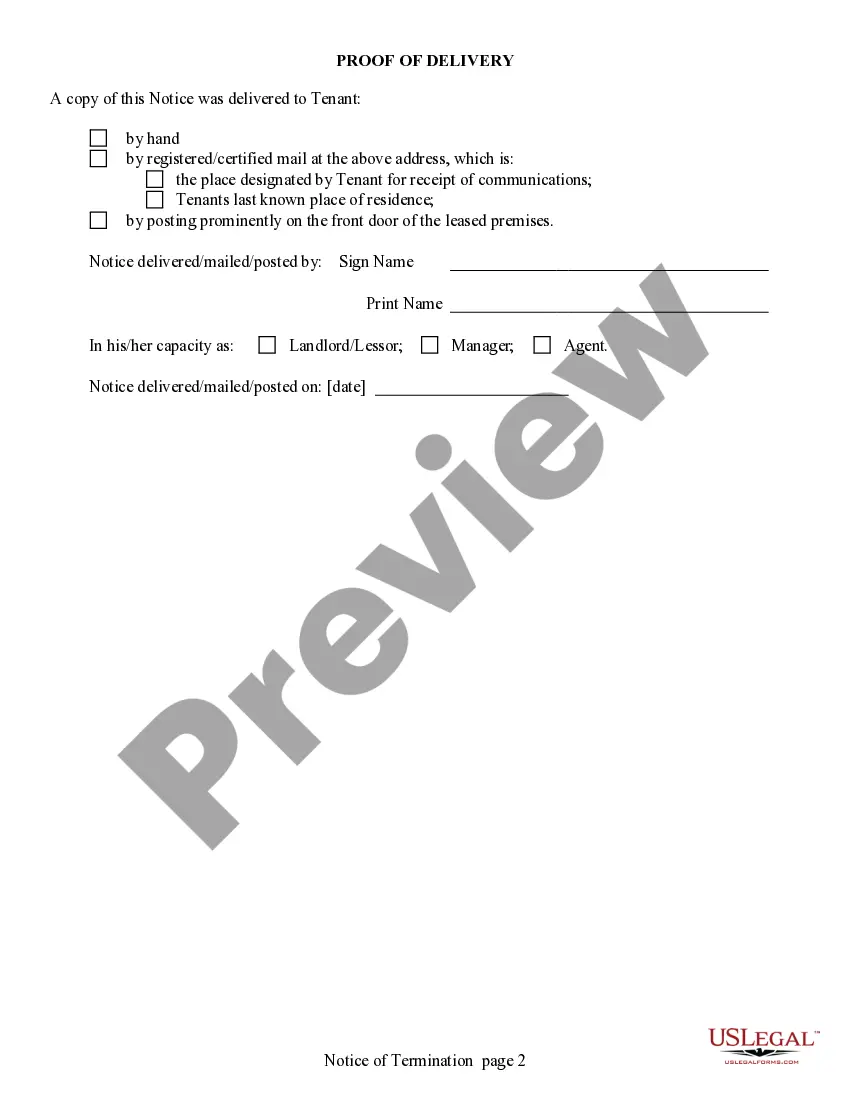
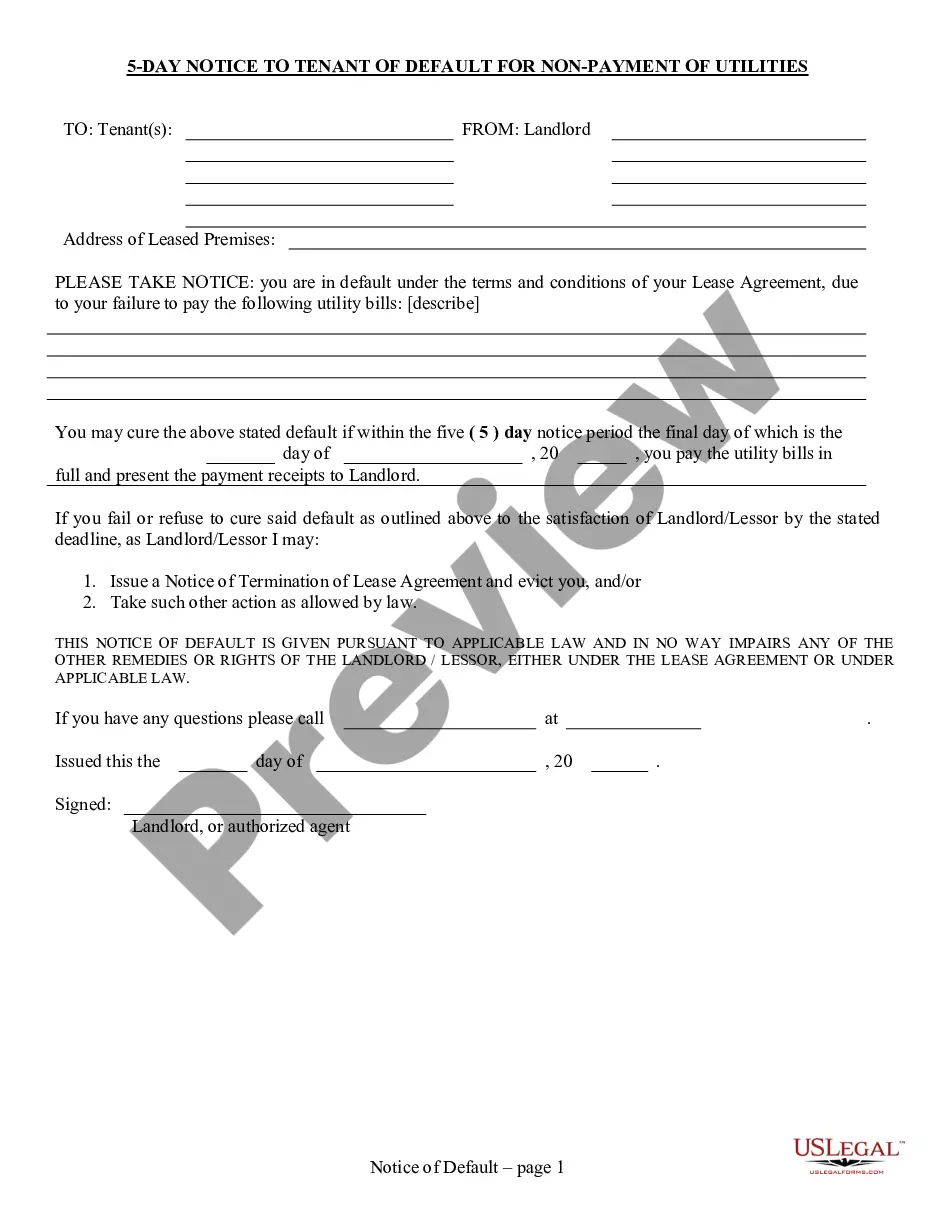
- For first-time users, start by exploring the Preview mode and reading the form description to confirm it meets your needs and adheres to local jurisdictional standards.
- If you find discrepancies or need a different notice, utilize the Search tab to find the correct form that precisely aligns with your requirements.
- Proceed to purchase the notice by clicking the Buy Now button, selecting your preferred subscription plan, and registering an account for access to the extensive library.
- Complete your payment by entering your credit card details or using your PayPal account to finalize the subscription.
- Download your notice form and save it to your device. You can access it anytime in the My Forms section of your profile.
In conclusion, utilizing US Legal Forms allows you to effortlessly navigate the process of noticing your tenant with a wealth of resources at your fingertips.
Take action today and streamline your rental management process with US Legal Forms!
Form popularity
FAQ
The quickest way to evict a tenant is to follow the legal process laid out in your state. Begin by issuing a formal notice to the tenant that specifies the eviction reason, whether it's non-payment of rent or lease violations. After the notice period has expired, file for eviction in court for legal proceedings. Always consult with an attorney or a service like USLegalForms to ensure you meet all legal requirements.
A quick notice letter for a tenant should be straightforward and concise. Start with a personal greeting to establish a connection. Clearly state your intention, whether it's to demand payment, outline a lease violation, or provide a notice to vacate. Always sign and date the letter, providing your contact information for any follow-ups.
To write an effective tenancy notice, begin with a clear heading that states it's a notice to the tenant. Include essential details like the tenant’s name, rental property address, and the date you are issuing the notice. Clearly state the reason for the notice along with any specific actions or deadlines required. Ensure you keep a copy of this notice for your records.
When you need to tell a tenant to move out, approach the situation with kindness and respect. Start by scheduling a private conversation to discuss your plans. Clearly explain your reasons and offer support during their transition, such as their right to a reasonable time frame. This compassionate approach can ease the process for both you and your tenant.
Eviction timelines in Florida can vary based on several factors, but generally, it can take as little as two to four weeks from the date a notice to tenant is issued. After the notice period expires, the landlord may file for eviction, leading to a court hearing. If the court rules in favor of the landlord, the eviction process can proceed quickly. Staying informed and proactive can help tenants navigate these situations effectively.
No, a landlord cannot evict you immediately in Florida without following proper procedures. They must first provide a notice to tenant detailing the grounds for eviction. This legal process ensures that the tenant has an opportunity to respond or rectify the situation before eviction can occur. Ignoring proper notice can result in delays or legal challenges for the landlord.
In Florida, the amount of notice a landlord must provide depends on the reason for eviction. Generally, for non-payment of rent, a landlord must give a three-day notice to tenant. For most other lease violations, a seven-day or thirty-day notice may be required. This notice allows the tenant to address the issue before eviction proceedings begin.
To write a notice to a tenant, begin by including your contact information, the tenant’s name, and the date at the top of the document. Clearly specify the terms of the notice, such as the reason for the notice and any actions required from the tenant. Always ensure the language is clear and direct, so there is no ambiguity. You might also consider using platforms like US Legal Forms to access templates that can guide you through the process effectively.
Currently, evicting someone in California can take several weeks to several months based on current laws and court backlogs. After serving the notice to the tenant, they will typically have a set period to respond or vacate. If the tenant contests the eviction, the process may involve a court hearing, which can prolong the overall timeline. Understanding the eviction process and timelines can help you prepare accordingly.
When writing a notice from a tenant to a landlord, start with a clear heading that includes your name, address, and the date. Clearly state the purpose of the notice, whether it is requesting repairs, giving notice to vacate, or addressing other issues. Be concise and direct, making sure to include appropriate details so that the landlord understands your request. It is always good practice to keep a copy of the notice for your records.