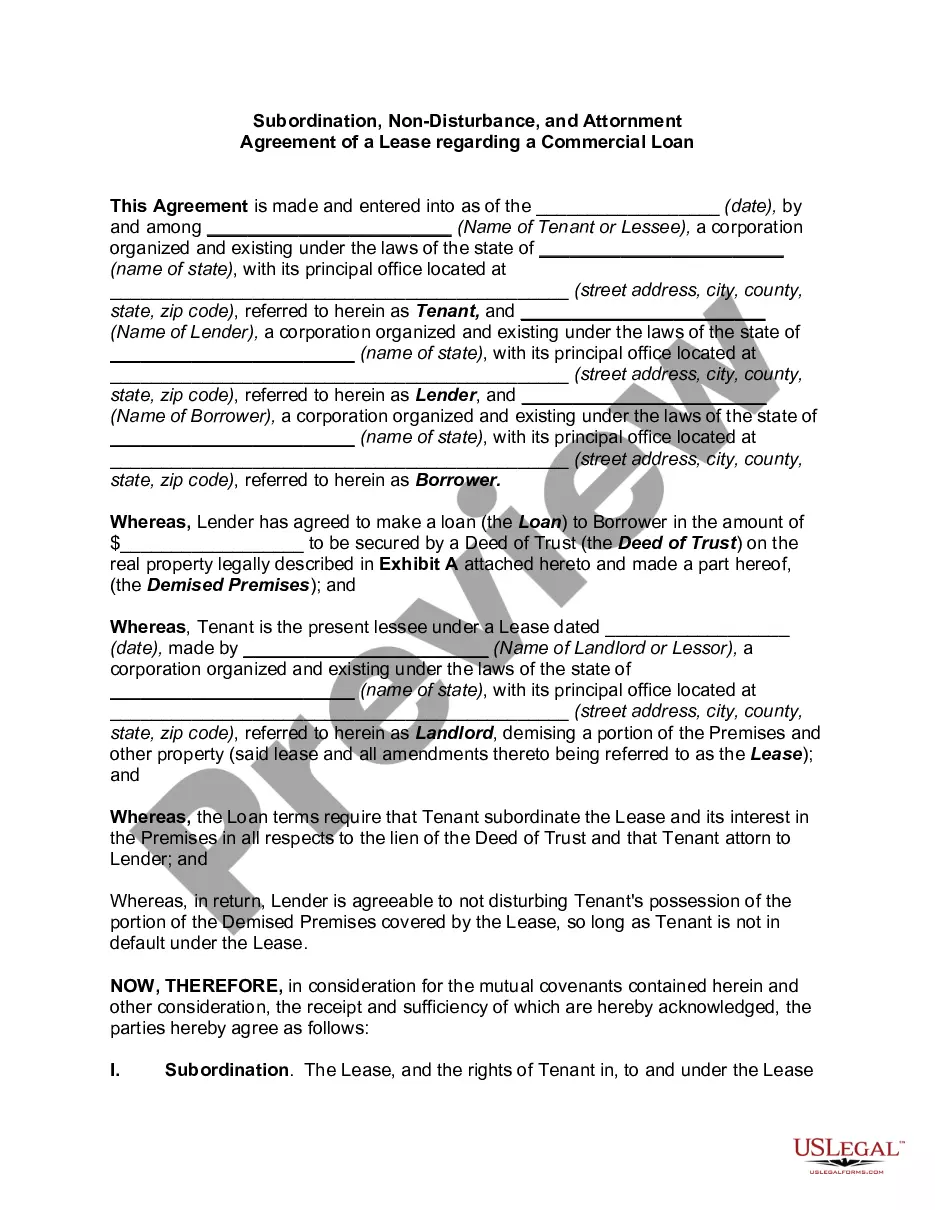
Aurora Subordination, Non-Disturbance, and Attornment Agreement of a Lease regarding a Commercial Loan
Austin Subordination, Non-Disturbance, and Attornment Agreement of a Lease regarding a Commercial Loan
Bakersfield Subordination, Non-Disturbance, and Attornment Agreement of a Lease regarding a Commercial Loan
Boston Subordination, Non-Disturbance, and Attornment Agreement of a Lease regarding a Commercial Loan
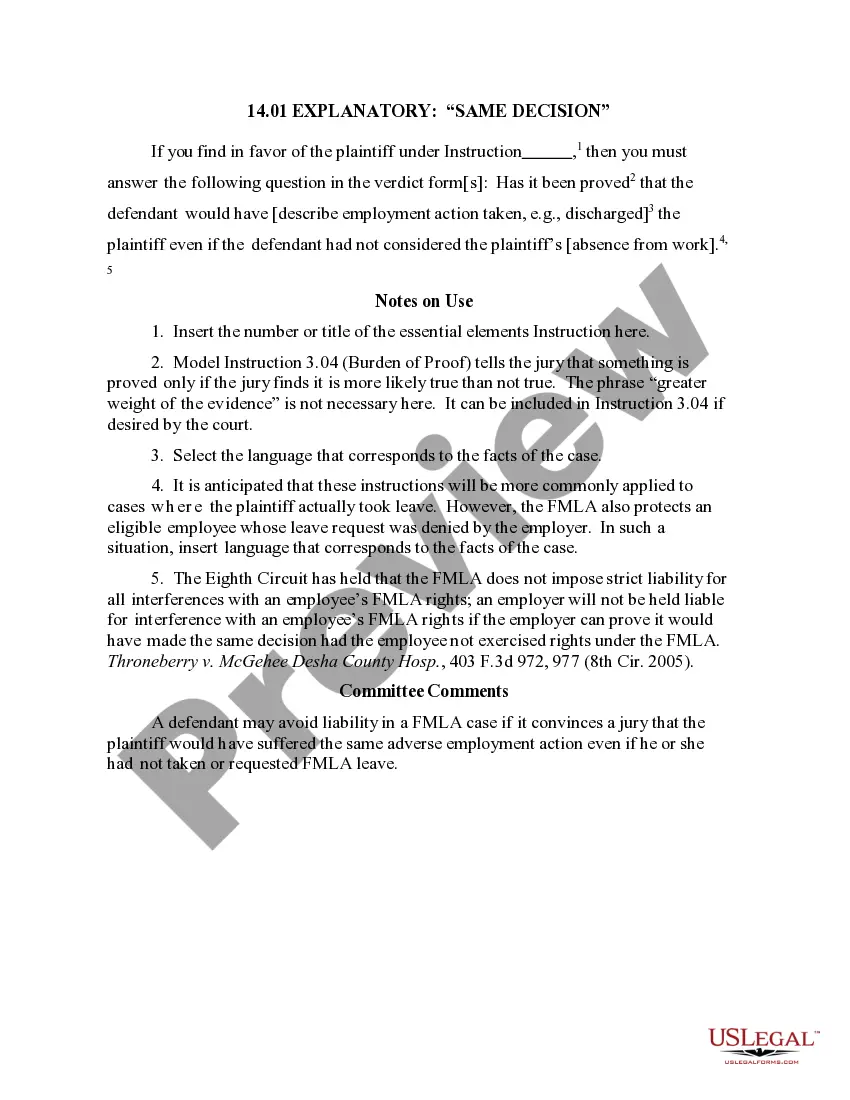
14.01 EXPLANATORY: "SAME DECISION"
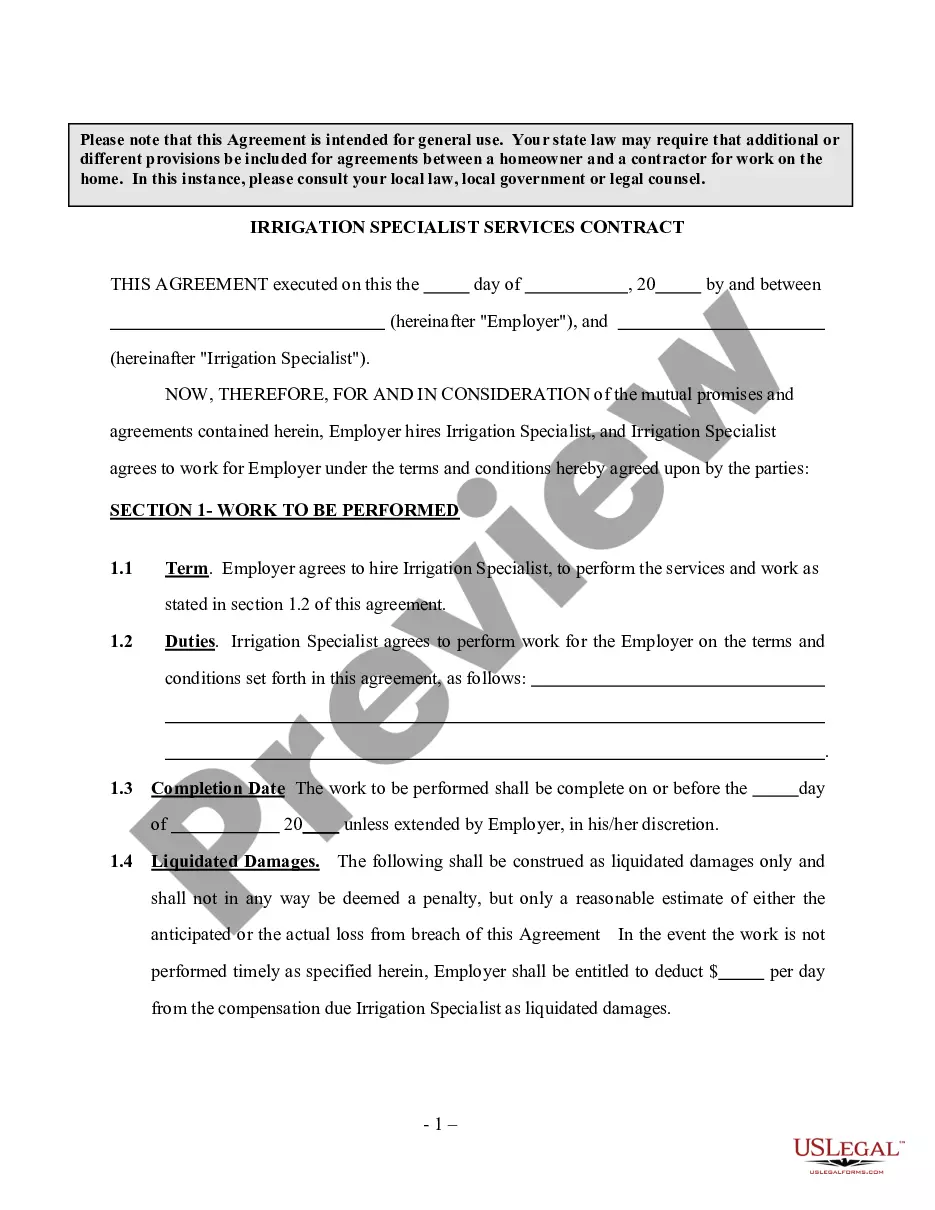
Contrato de servicios de especialista en riego por cuenta propia
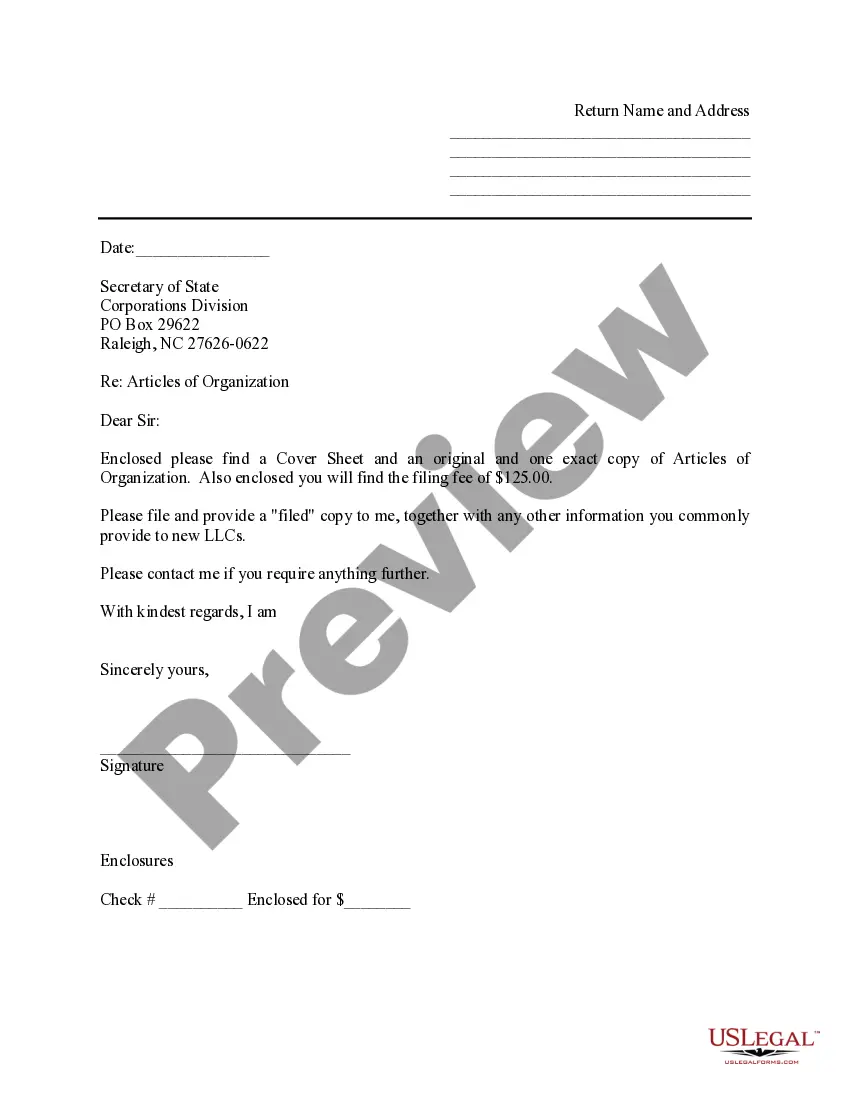
Sample Cover Letter for Filing of LLC Articles or Certificate with Secretary of State
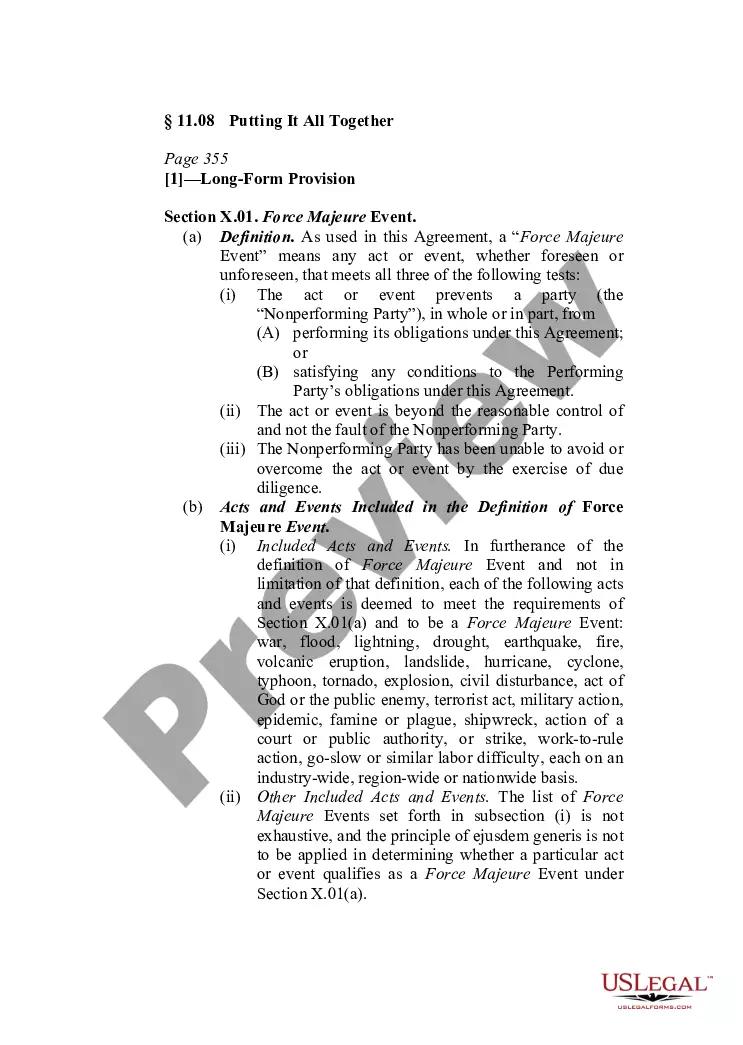
Putting It All Together - Force Majeure Provisions
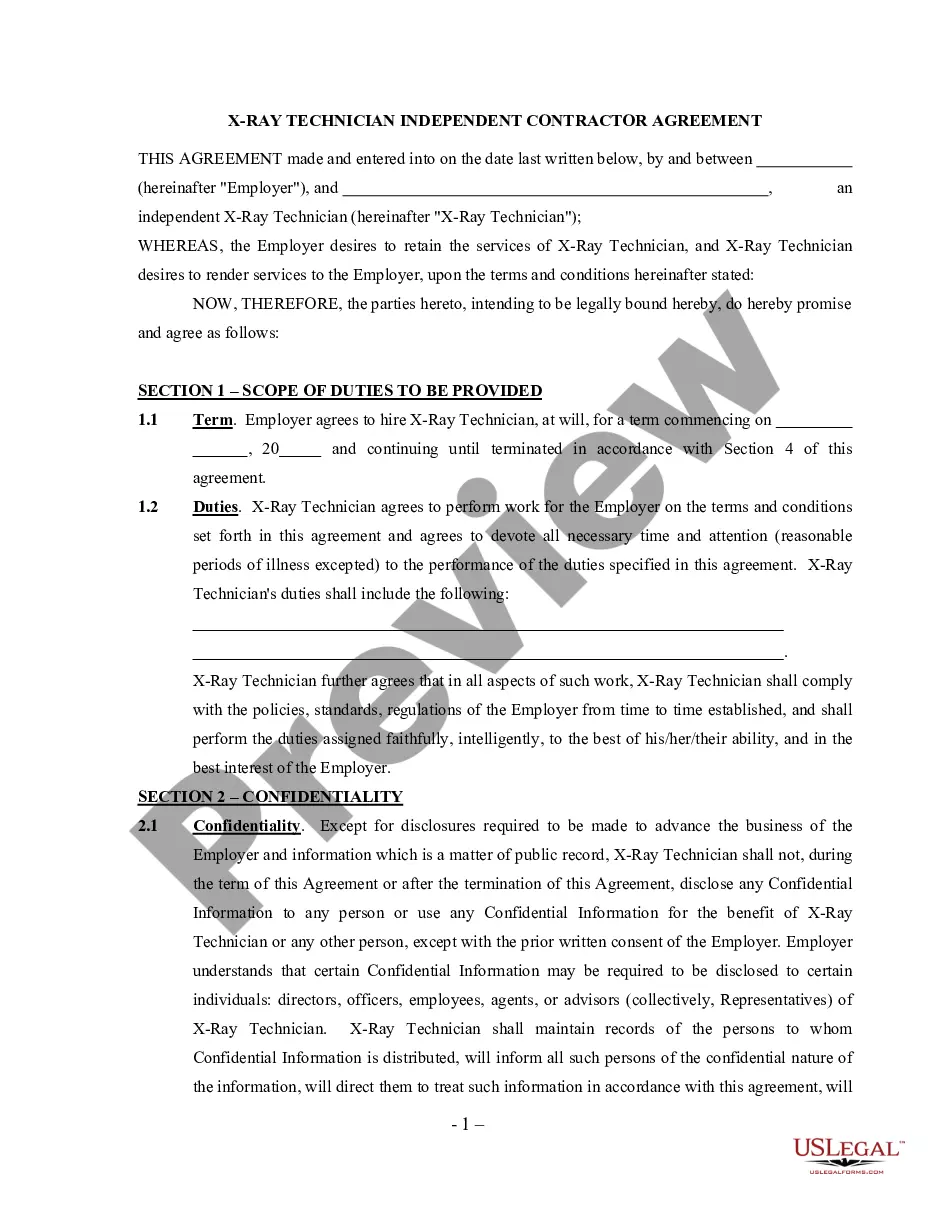
Técnico de rayos X por cuenta propia Contratista independiente por cuenta propia
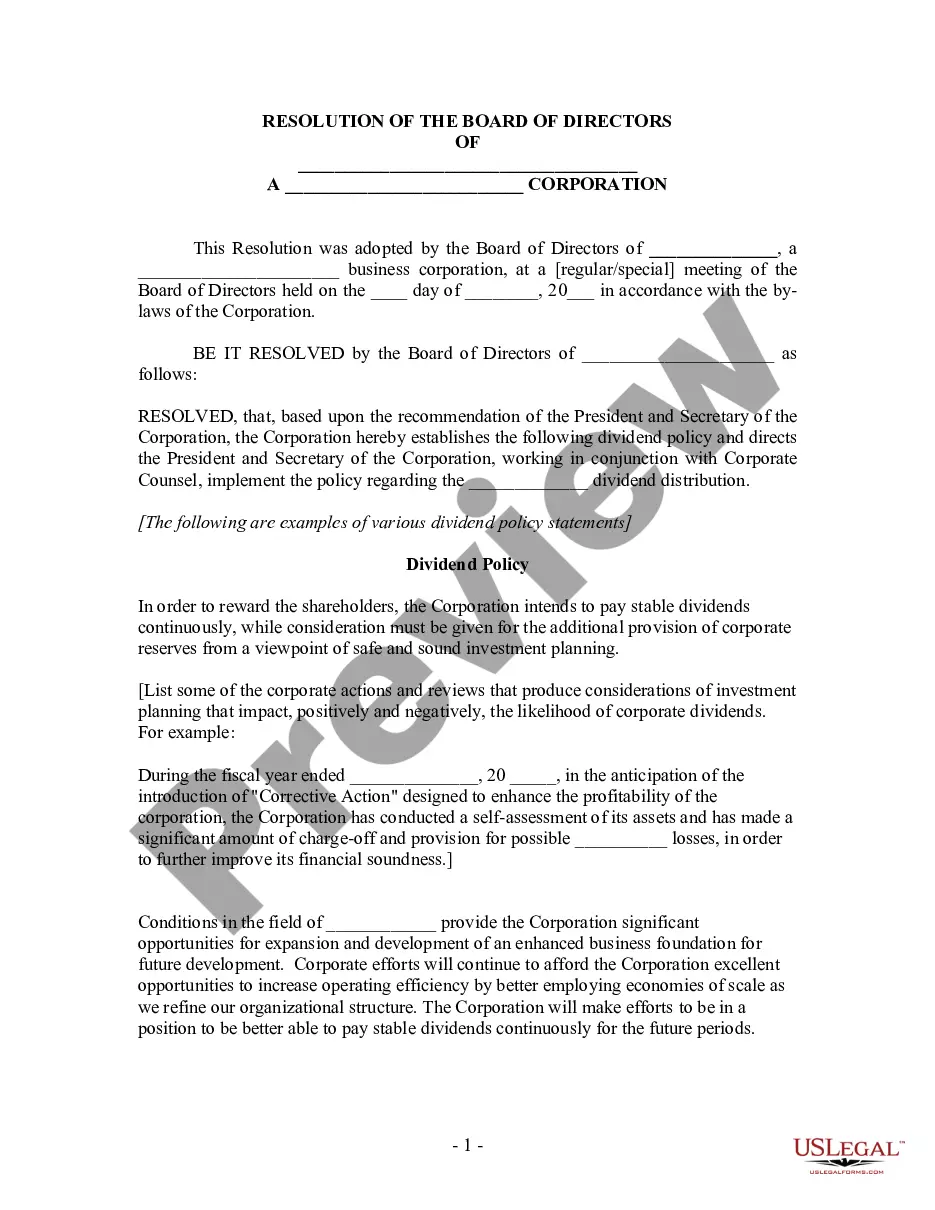
Política de Dividendos - Formulario de Resoluciones - Resoluciones Corporativas
Advertising Expenses
Petition for Writ of Habeas Corpus by a Person in State Custody
Consentimiento para la divulgación de información de empleo y divulgación
Sample Letter for Warranty Deed - Request for Signature
If it's not documented, it can lead to misunderstandings down the road. Always make sure any changes are put in writing to keep everything clear.
Absolutely! If you believe a change order is unfair, it's best to discuss your concerns with the contractor and reach a mutual agreement.
Approval times can vary, but it’s usually best to get it sorted out as quickly as possible to keep the project on track.
A good change order should detail the changes being made, the reasons for those changes, and any adjustments to the project timeline or resources.
If something unexpected pops up during the project—like discovering hidden problems or needing to adjust the project—you may need a change order.
Typically, the contractor or the project owner can request a change order if unexpected issues arise or if changes to the project are needed.
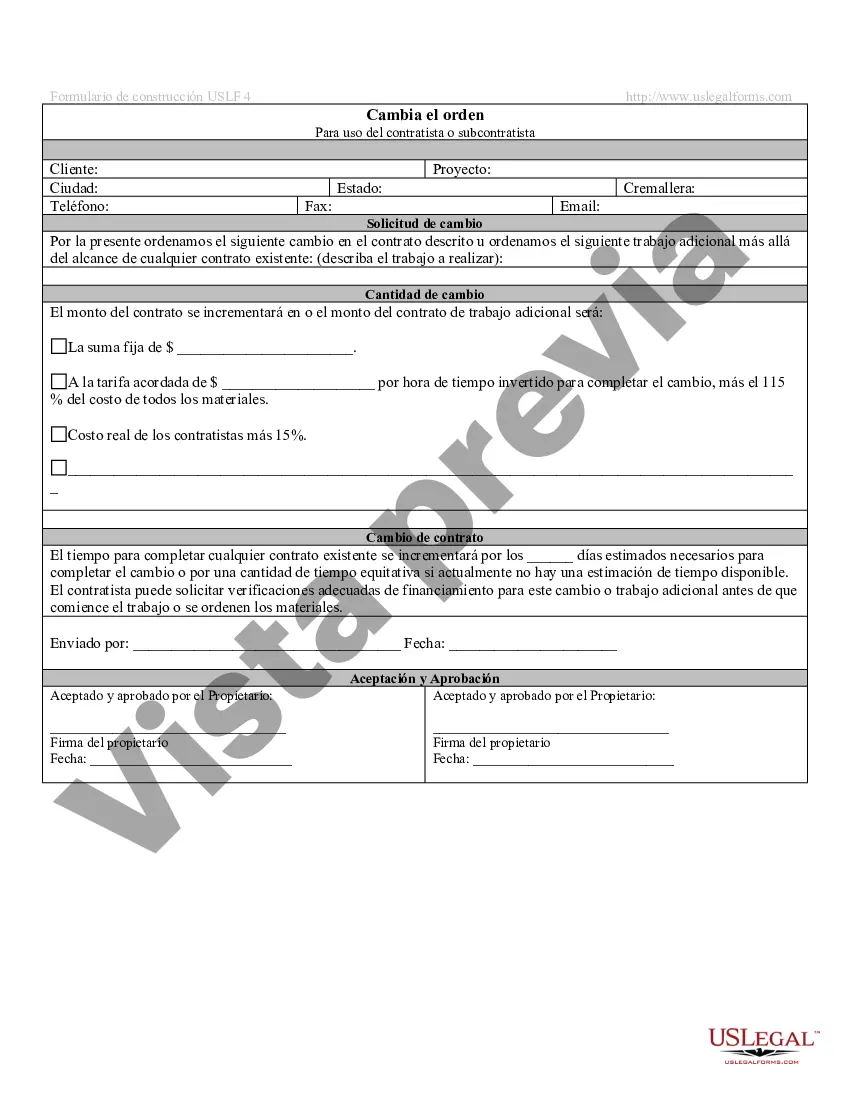
A change order is a written agreement that modifies the original contract. It can include changes to the scope of work, costs, and project timelines.