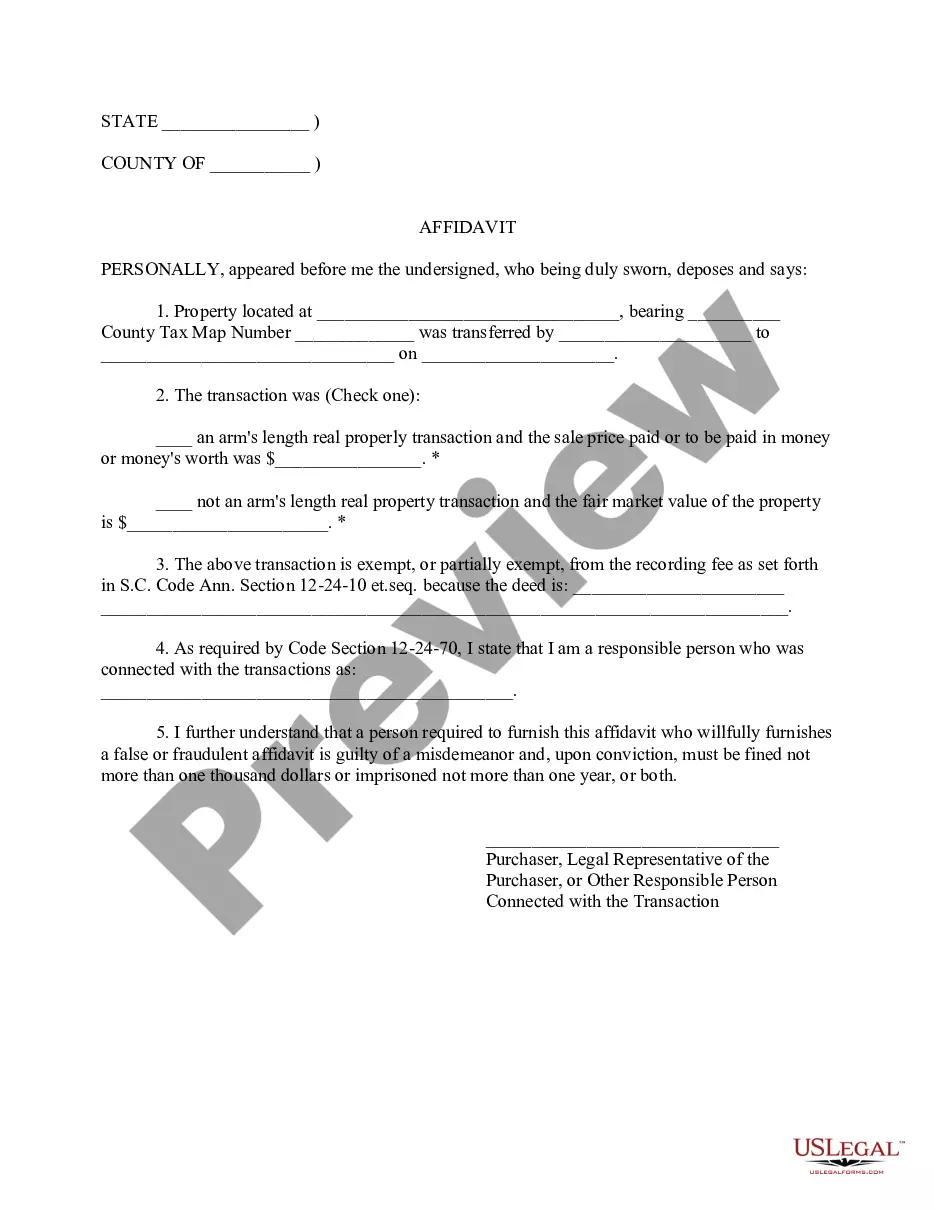
Formal Case - Preliminary Testimony
Understanding this form
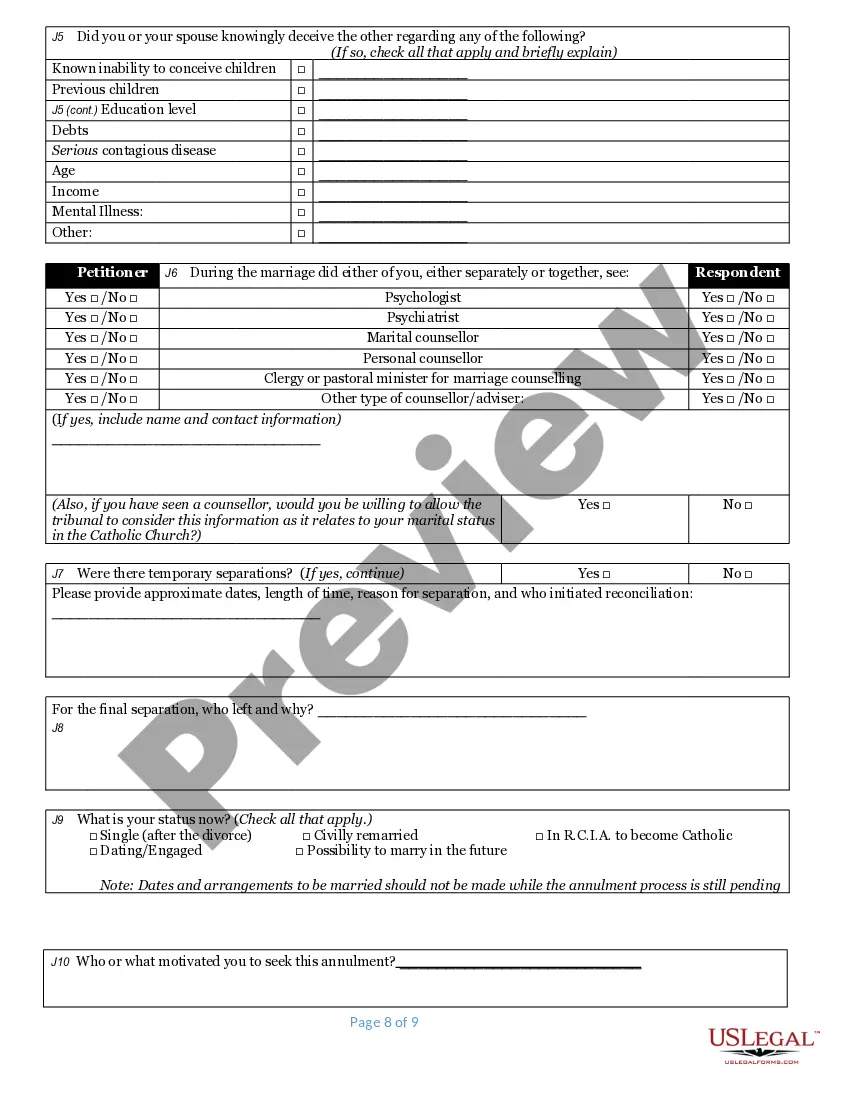
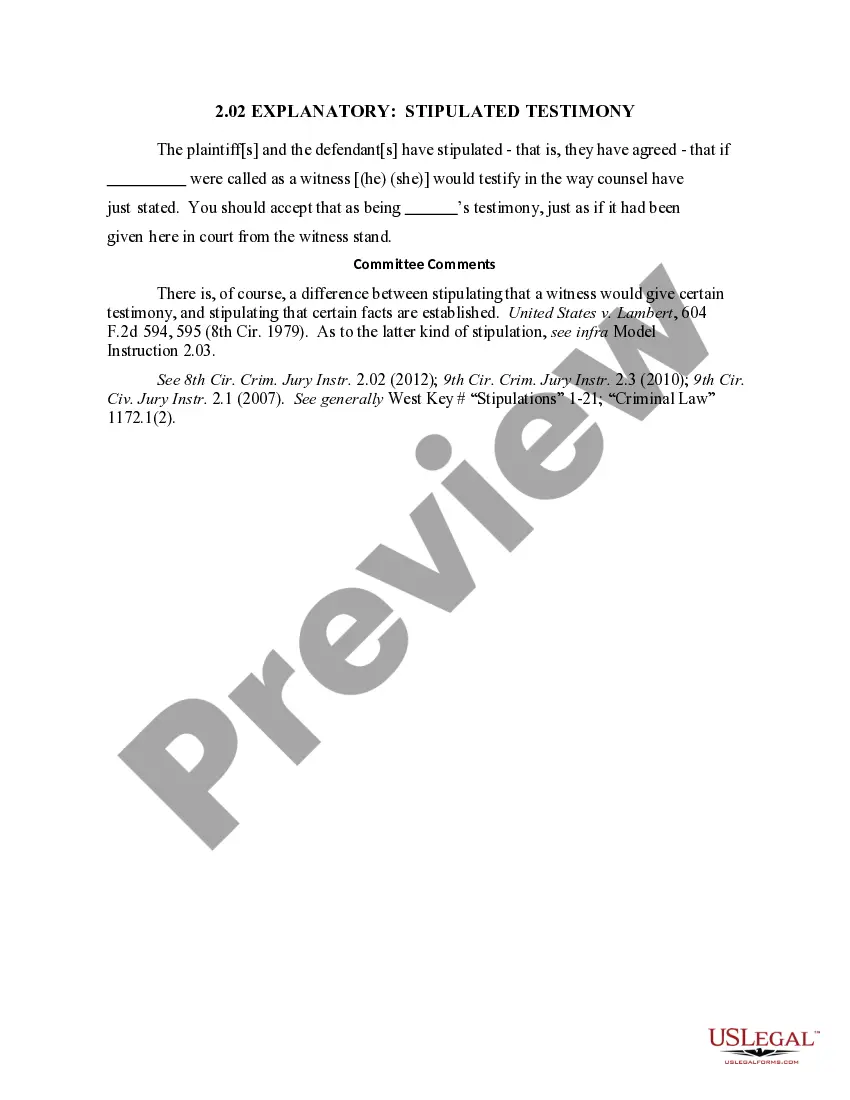
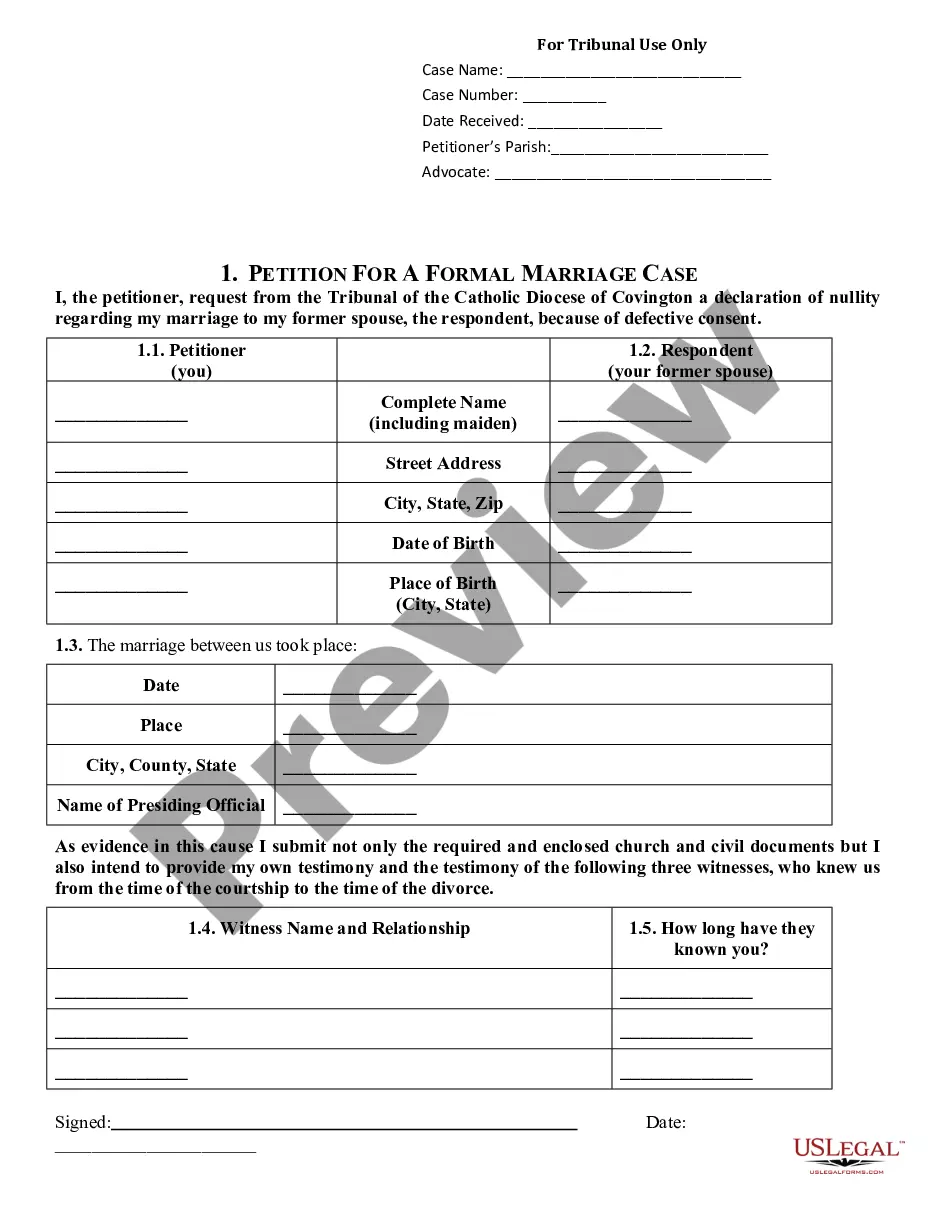
The Formal Case - Preliminary Testimony form is a legal document used when a party in a marriage that has ended in divorce seeks the Church's review of the validity of their prior marriage. This process is non-adversarial and helps determine whether the previous marriage meets the Church's criteria for validity. Unlike other legal forms related to divorce, this form specifically addresses concerns within the context of Church teachings and aims to provide clarity on the marital status according to religious beliefs.
What’s included in this form
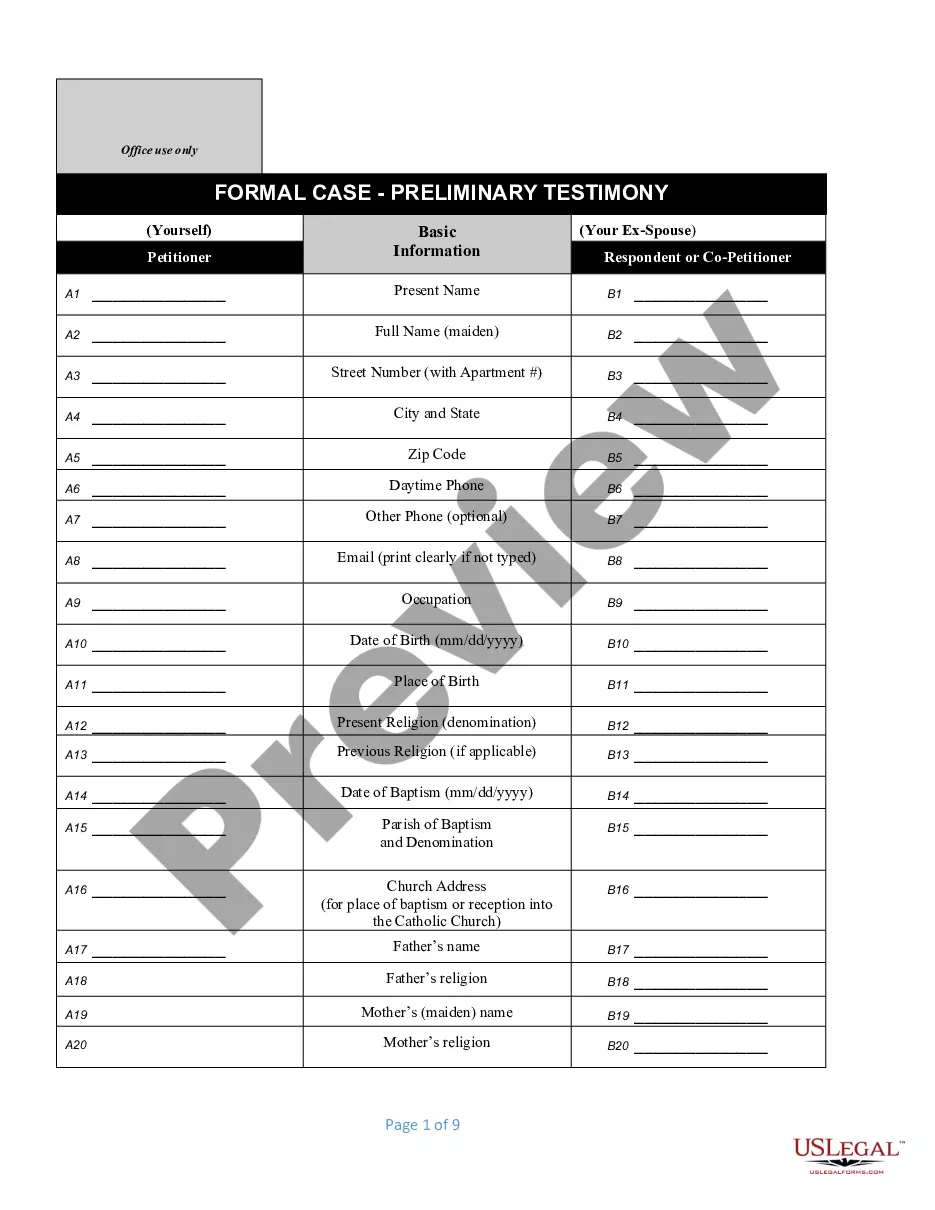
- Basic petitioner and respondent information, including names, contact details, and religious affiliation.
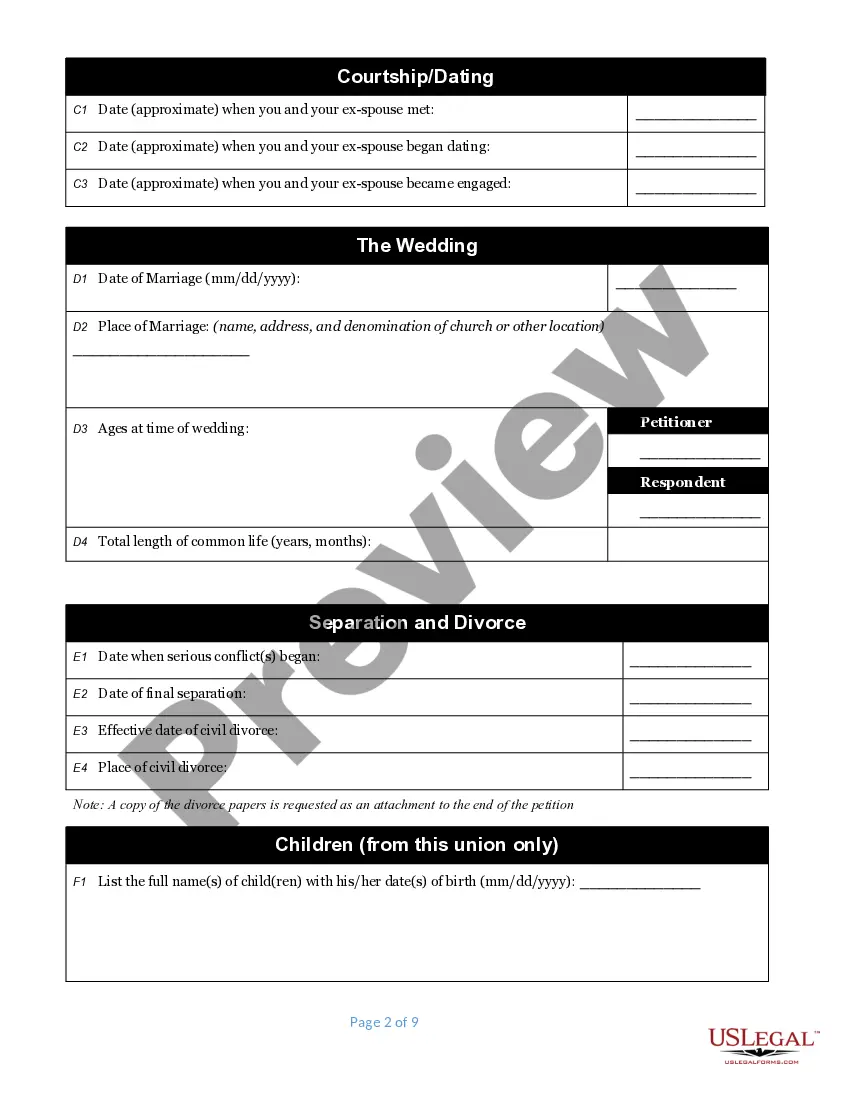
- Details regarding the wedding, including date, place, and ages at the time of marriage.
- Information about the separation and divorce, including key dates and the involvement of children.
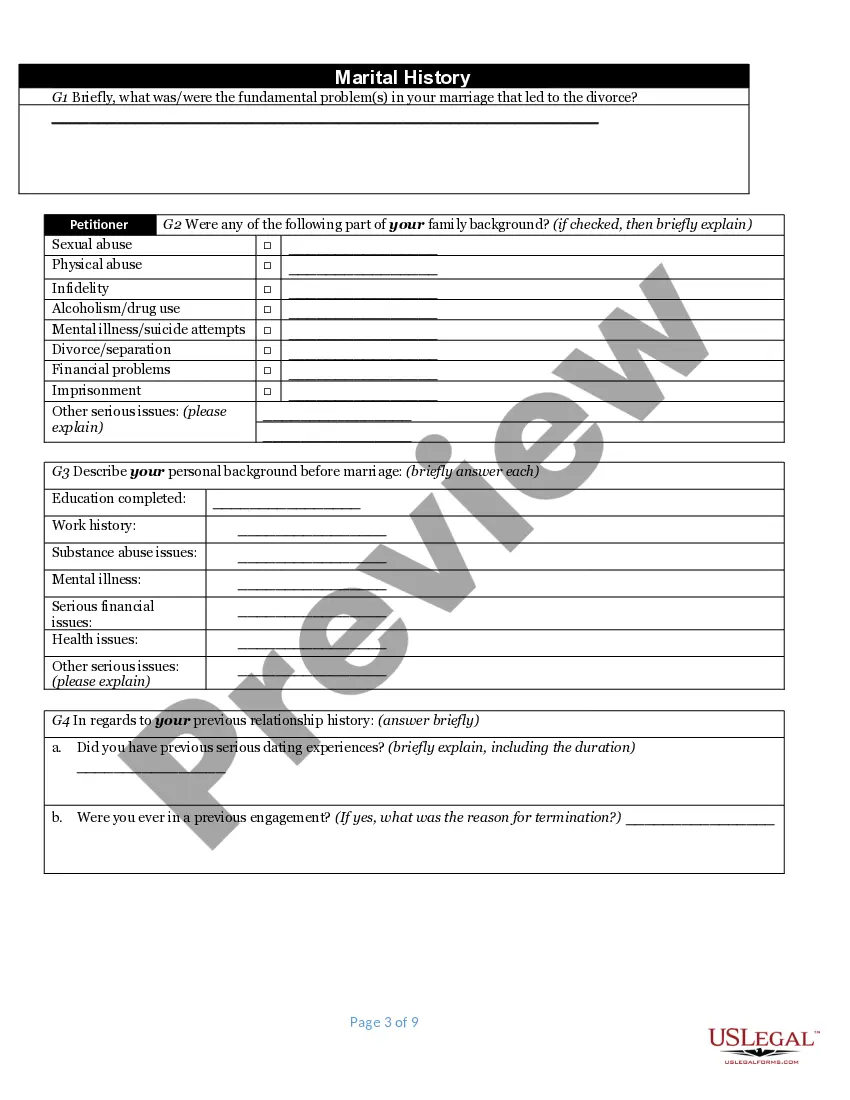
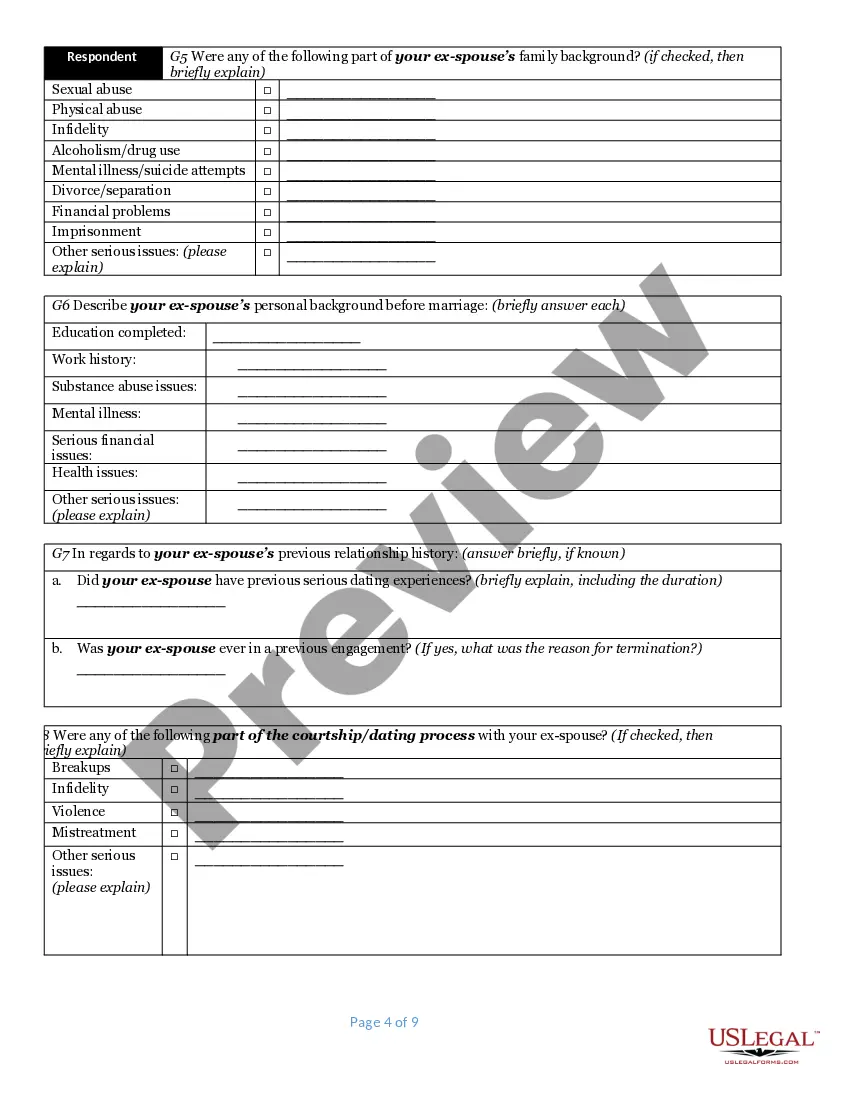
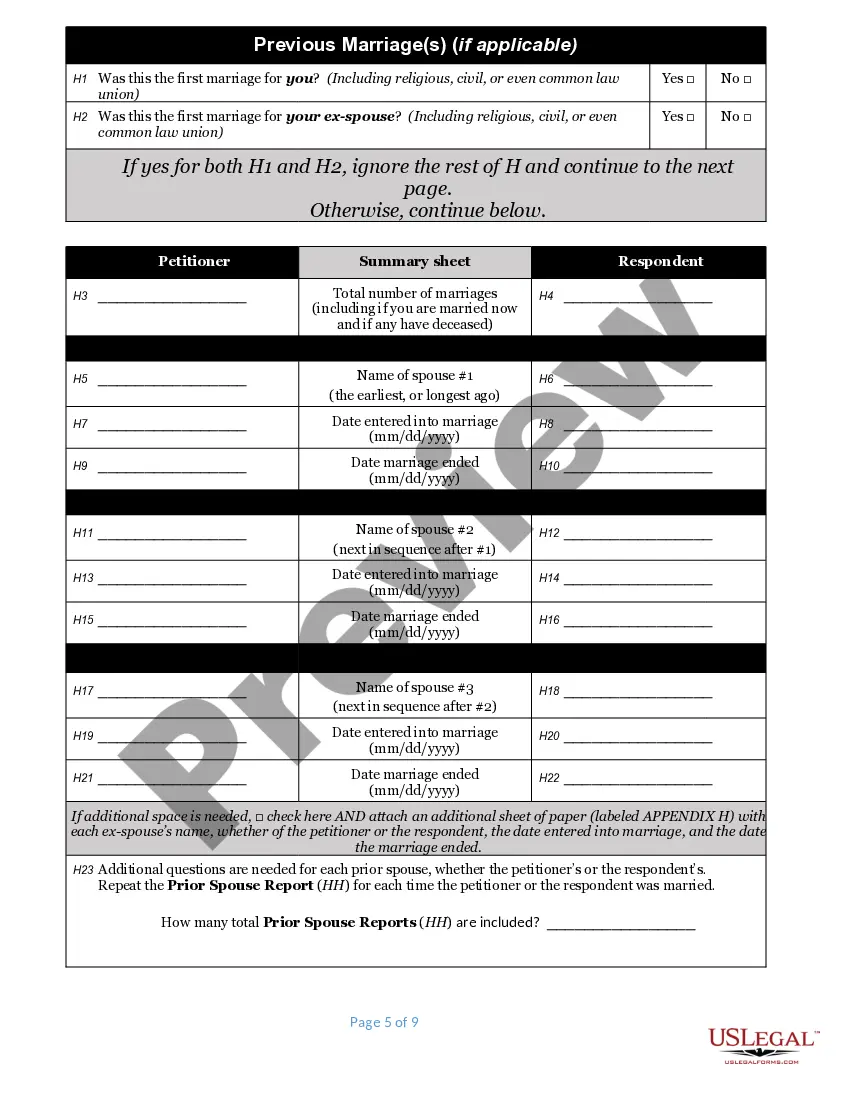
- Marital history of both parties, including previous marriages and reasons for dissolution.
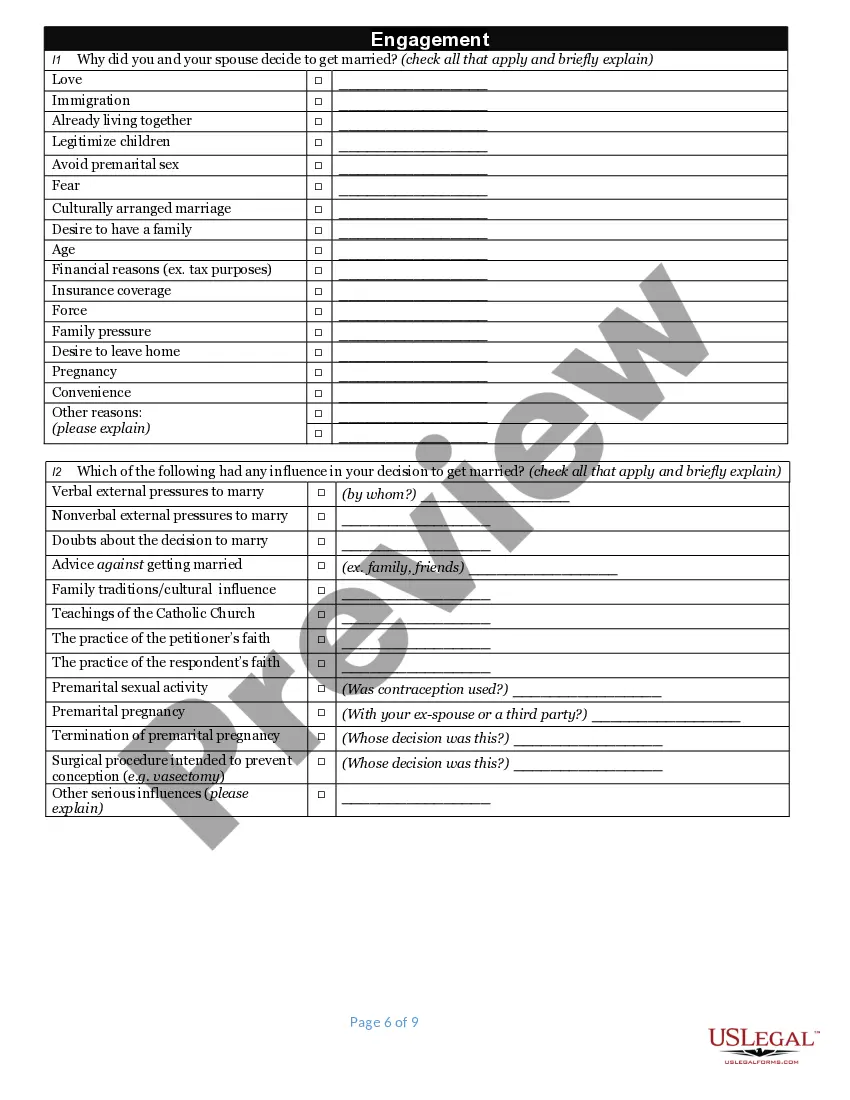
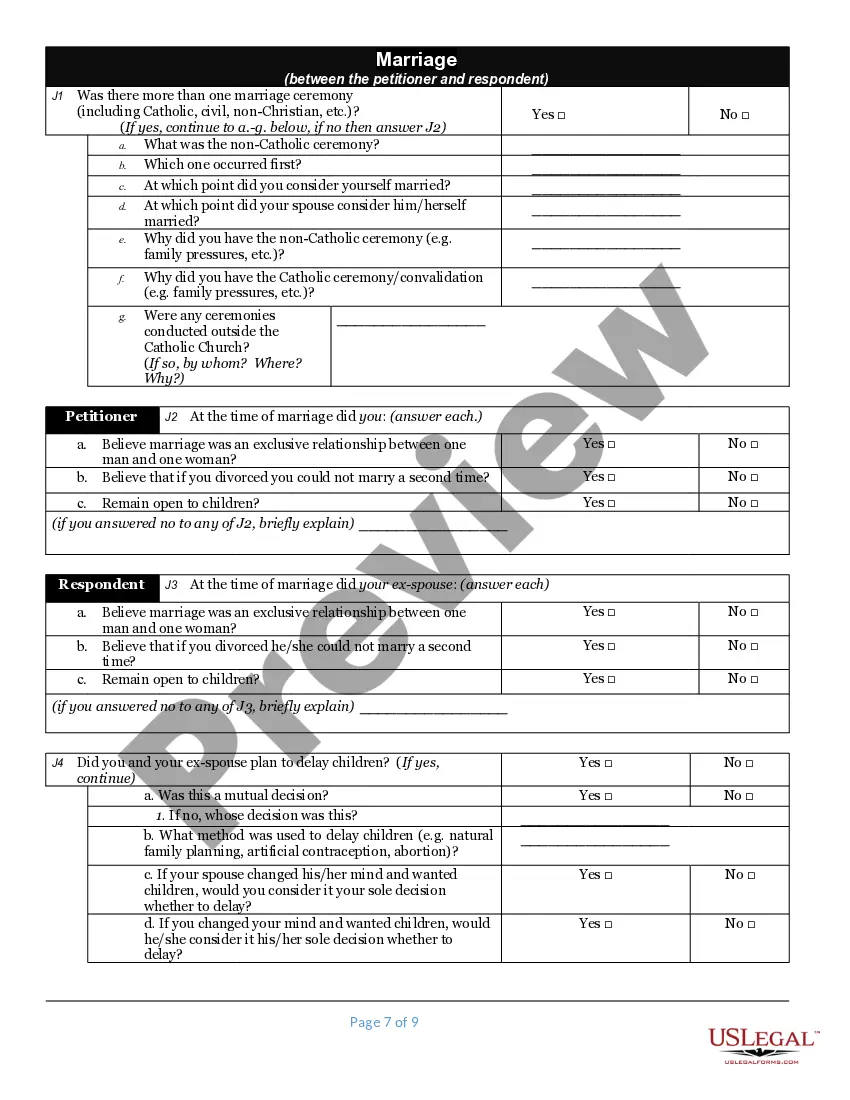
- Factors influencing the decision to marry, engagement details, and any significant issues encountered during courtship.
- A summary sheet detailing the prior marriages of both parties, if applicable.
When this form is needed
This form is necessary when:- A divorced individual wishes to seek an annulment through the Church.- One party needs to present evidence and circumstances surrounding their previous marriage to a Church tribunal.- Individuals wish to clarify their marital status in accordance with Church teachings before remarrying.
Who can use this document
- Individuals who have been divorced and seek to have their previous marriage reviewed by the Church.
- Parties who are considering remarriage and want to ensure their previous marriage is declared invalid.
- Any party, whether a petitioner or a respondent, involved in a formal case seeking Church review of their previous union.
How to complete this form
- Gather personal information for both parties, including names, addresses, and religious affiliations.
- Provide detailed information about the marriage, separation, and divorce, ensuring all dates and locations are accurate.
- List any children from the union and include their dates of birth.
- Complete the marital history for both the petitioner and respondent, including prior marriages, if relevant.
- Detail the reasons leading to the decision for marriage and any significant issues during the marriage.
- Sign and date the form, ensuring that all parts are filled out completely.
Does this document require notarization?
This form does not typically require notarization unless specified by local law. Always consult local guidelines to confirm any specific requirements that may apply.
Get your form ready online
Our built-in tools help you complete, sign, share, and store your documents in one place.
Make edits, fill in missing information, and update formatting in US Legal Forms—just like you would in MS Word.
Download a copy, print it, send it by email, or mail it via USPS—whatever works best for your next step.
Sign and collect signatures with our SignNow integration. Send to multiple recipients, set reminders, and more. Go Premium to unlock E-Sign.
If this form requires notarization, complete it online through a secure video call—no need to meet a notary in person or wait for an appointment.
We protect your documents and personal data by following strict security and privacy standards.

Make edits, fill in missing information, and update formatting in US Legal Forms—just like you would in MS Word.

Download a copy, print it, send it by email, or mail it via USPS—whatever works best for your next step.

Sign and collect signatures with our SignNow integration. Send to multiple recipients, set reminders, and more. Go Premium to unlock E-Sign.

If this form requires notarization, complete it online through a secure video call—no need to meet a notary in person or wait for an appointment.

We protect your documents and personal data by following strict security and privacy standards.
Typical mistakes to avoid
- Failing to provide complete names and contact details for both parties.
- Omitting important dates related to marriage and divorce.
- Not attaching the required divorce papers with the form.
- Leaving sections blank that may affect the tribunal's assessment.
Why complete this form online
- Convenience of filling out the form at your own pace without time constraints.
- Immediate access to a downloadable template designed by licensed attorneys.
- Ability to save and edit the form as needed before final submission.
- Secure online storage of your completed forms for future reference.
Looking for another form?

Form popularity
FAQ
What is the purpose of a Preliminary Hearing? The purpose of a Preliminary Hearing is very limited. It is only held to determine whether or not a crime may have been committed and whether the defendant may have been involved in that crime.
What is the purpose of a Preliminary Hearing? The purpose of a Preliminary Hearing is very limited. It is only held to determine whether or not a crime may have been committed and whether the defendant may have been involved in that crime.
What is a primary purpose of a preliminary hearing? to establish whether probable cause and is conducted before a lawyer-court judge and is in an open public place.
At the preliminary hearing, the Commonwealth must present a prima facie case, or in other words, they must show enough evidence that a crime has been committed and that the defendant is most likely the one who committed the crime.
During a preliminary hearing, the judge determines whether probable cause exists that the defendant committed the crime and whether to allow the case to move forward to the Court of Common Pleas. Defendants can waive the preliminary hearing and allow the case to proceed directly to the Court of Common Pleas.
Possible Outcomes Of The Preliminary Hearing The most prevalent outcome of a preliminary hearing is that the judge finds probable cause to charge you.