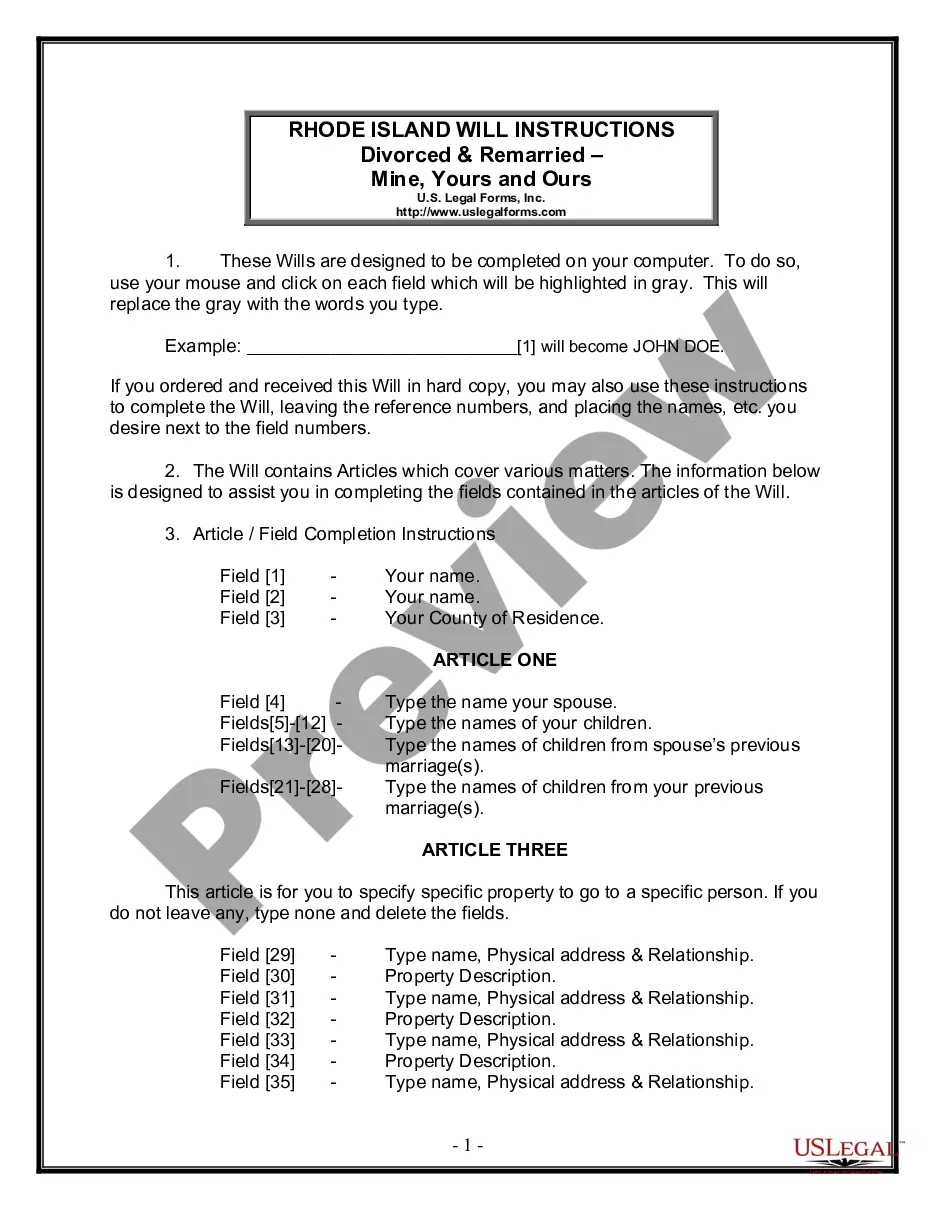
Bylaws with Commentary
About this form
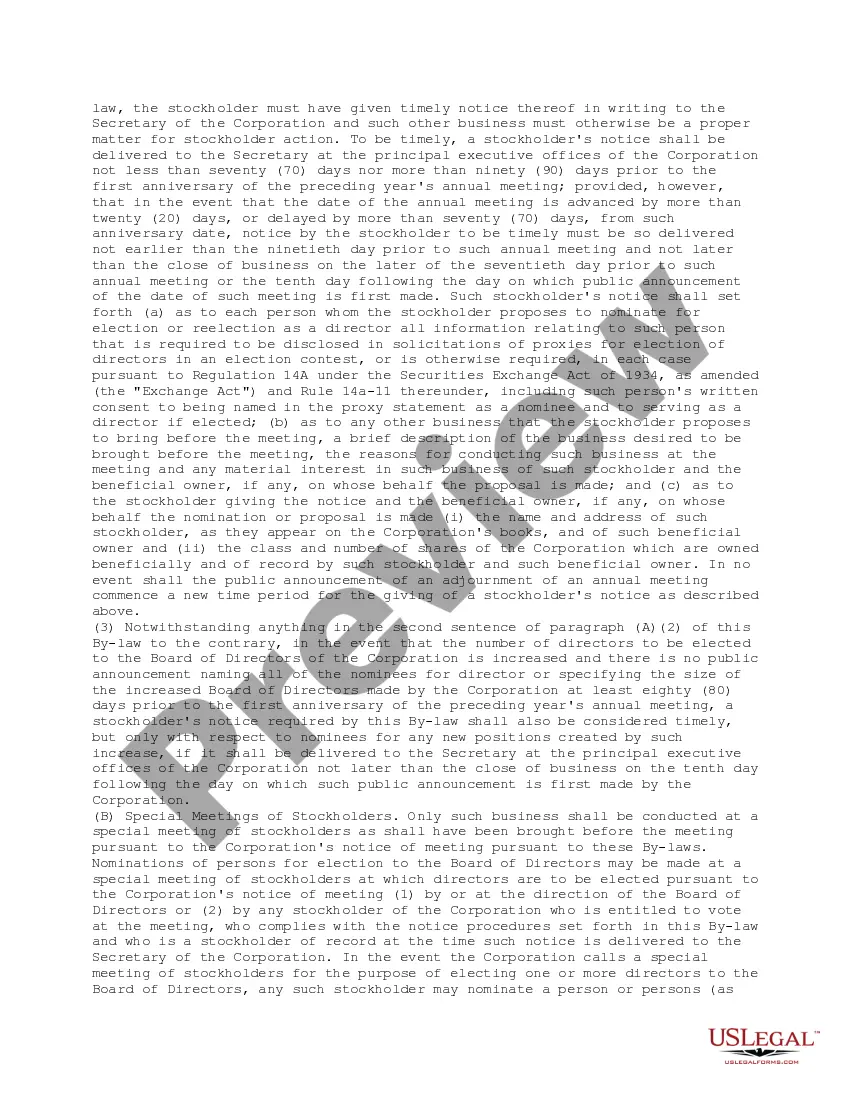
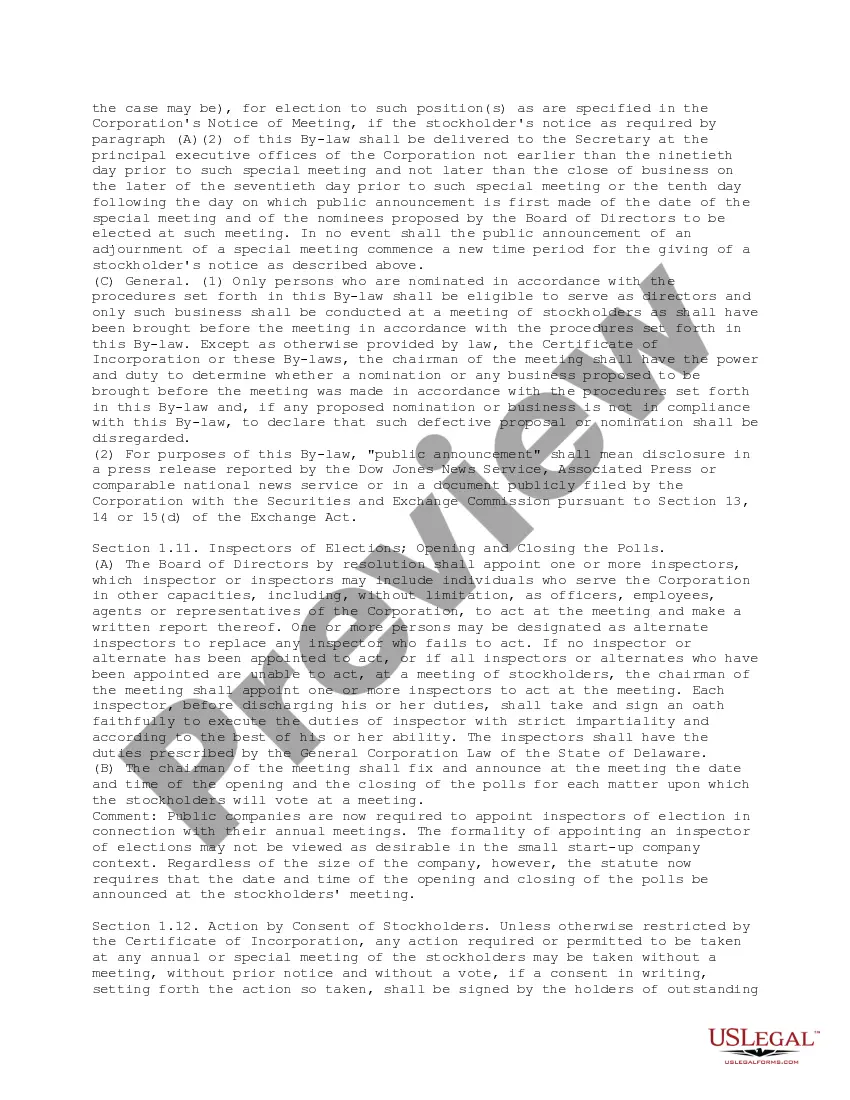
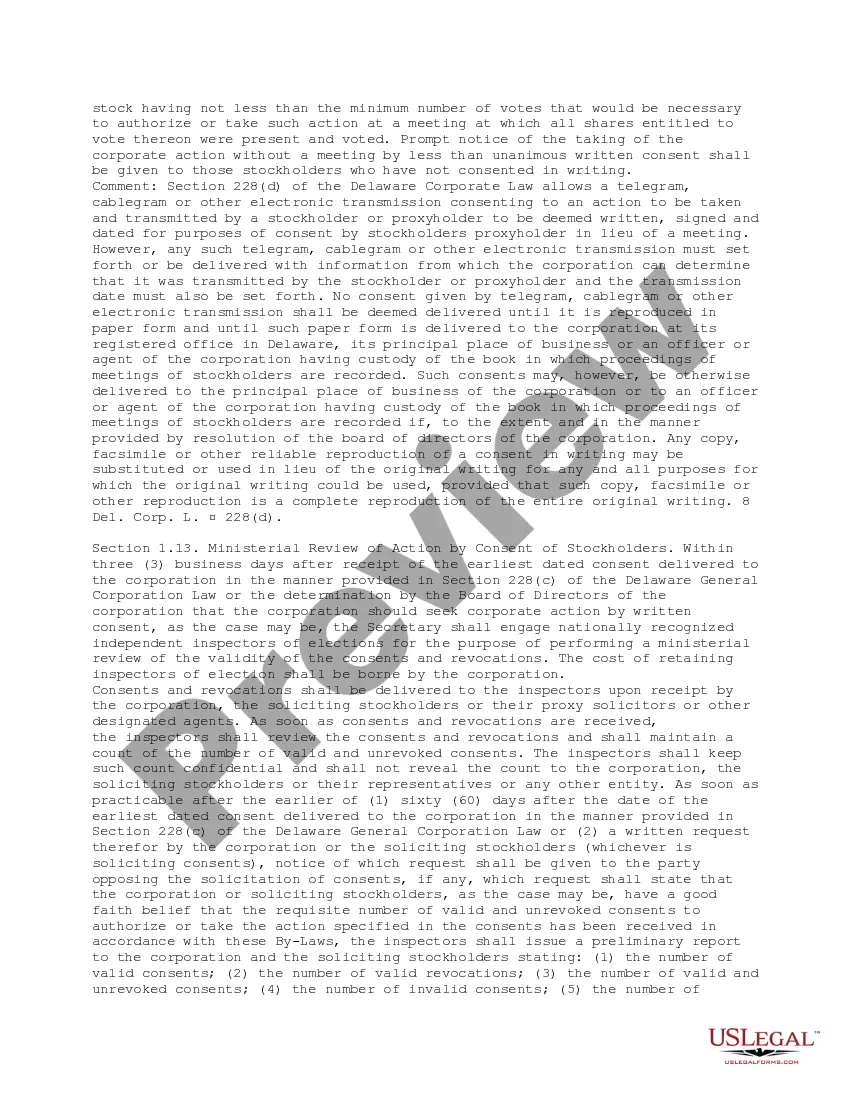
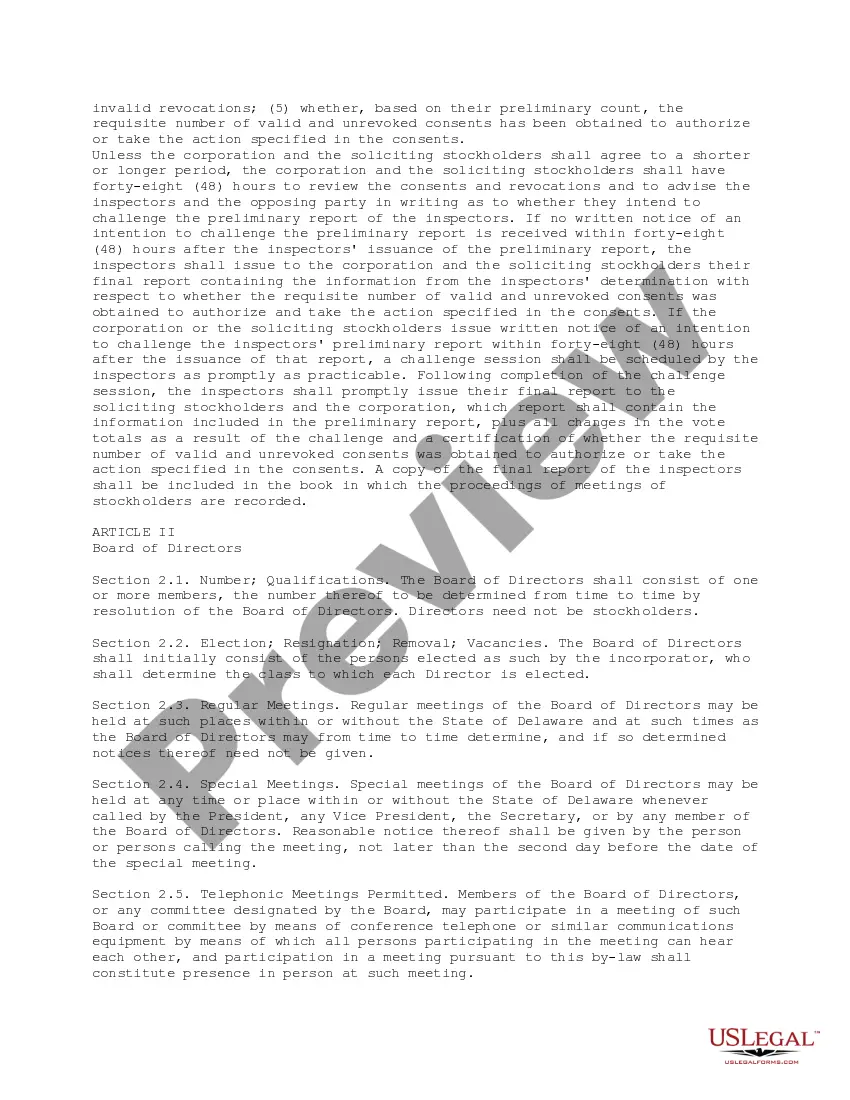
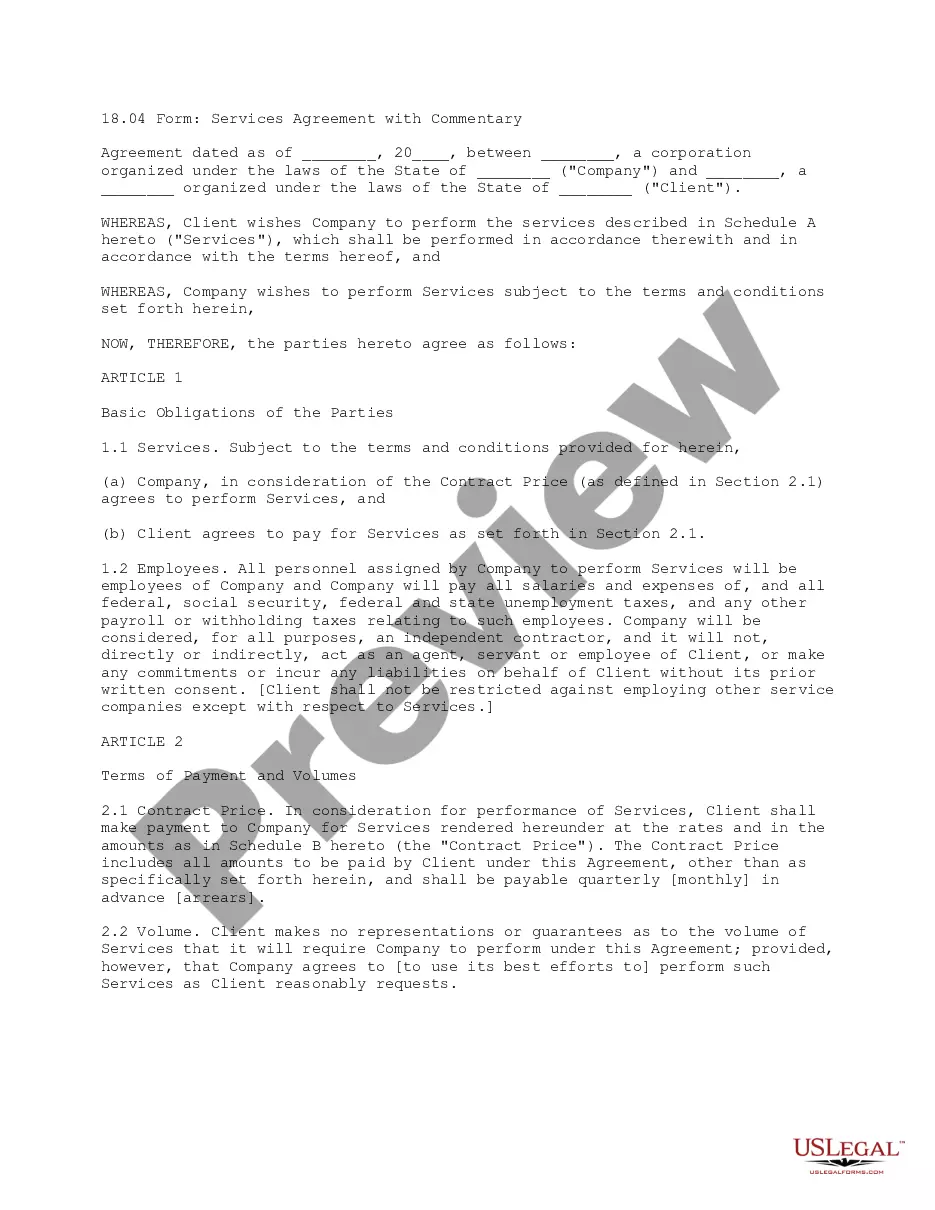
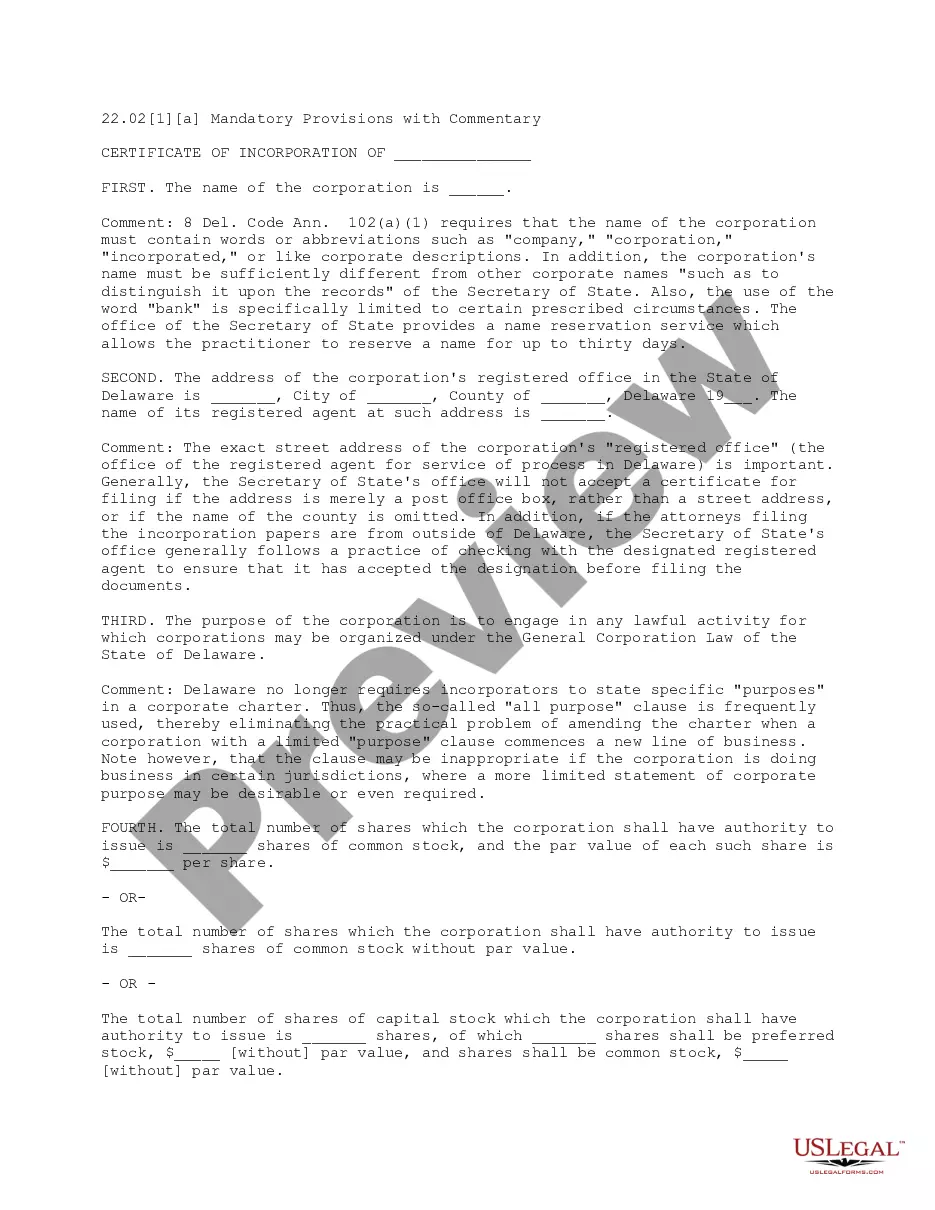
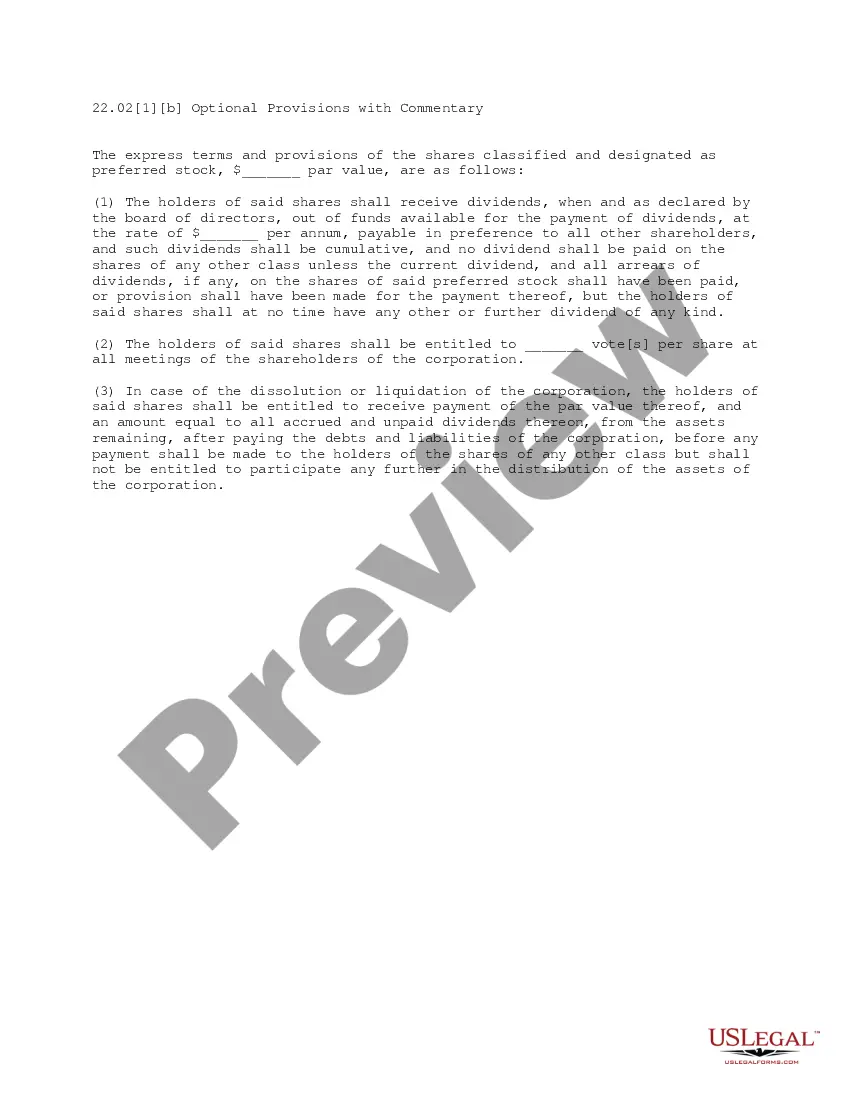
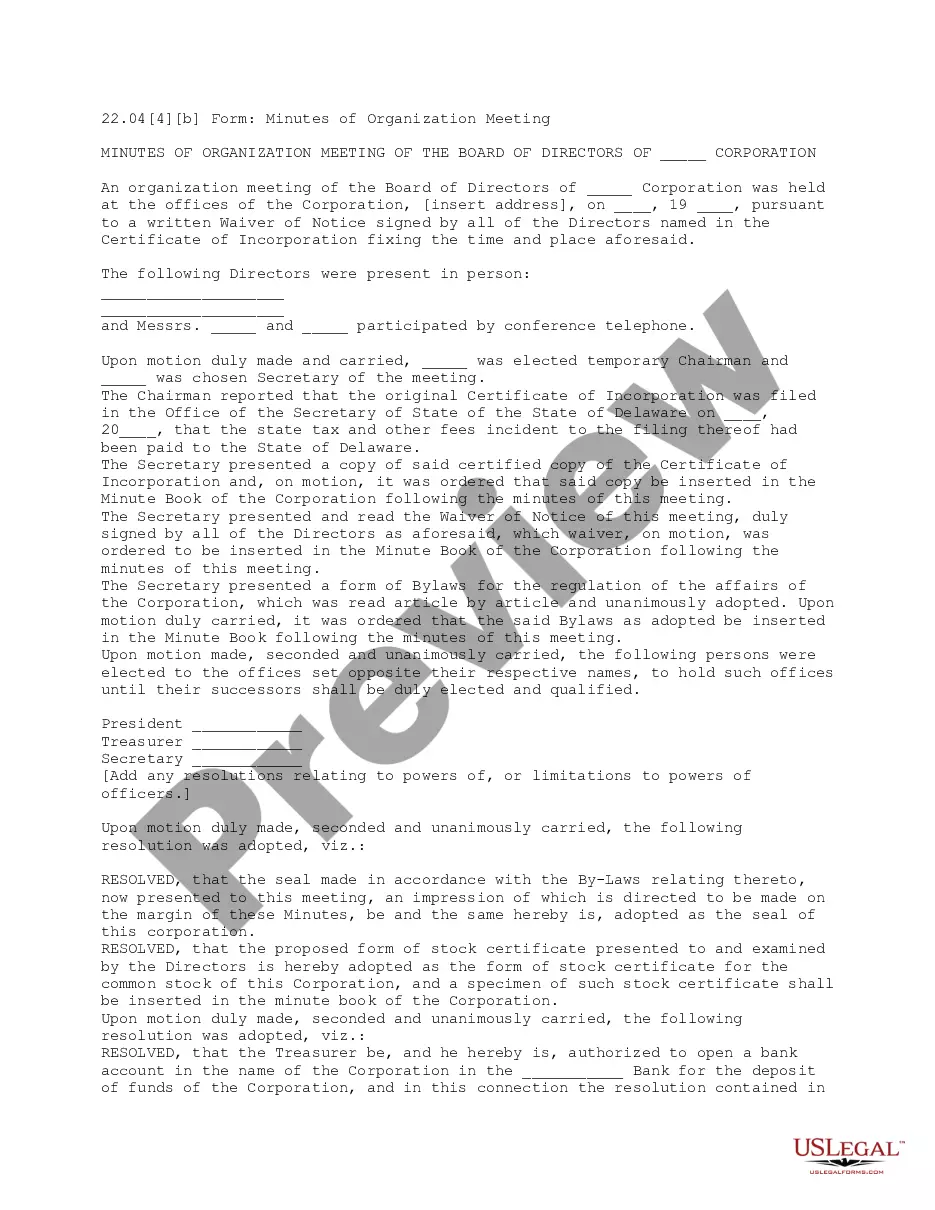
The Bylaws with Commentary document is a legal template designed for corporations and businesses. Its primary purpose is to outline the internal rules governing the corporation's operations, including the procedures for meetings, voting, and director responsibilities. Unlike generic bylaws, this template includes commentary that provides additional insights into the text, making it easier to understand and customize for specific needs while ensuring compliance with applicable state laws.
Main sections of this form
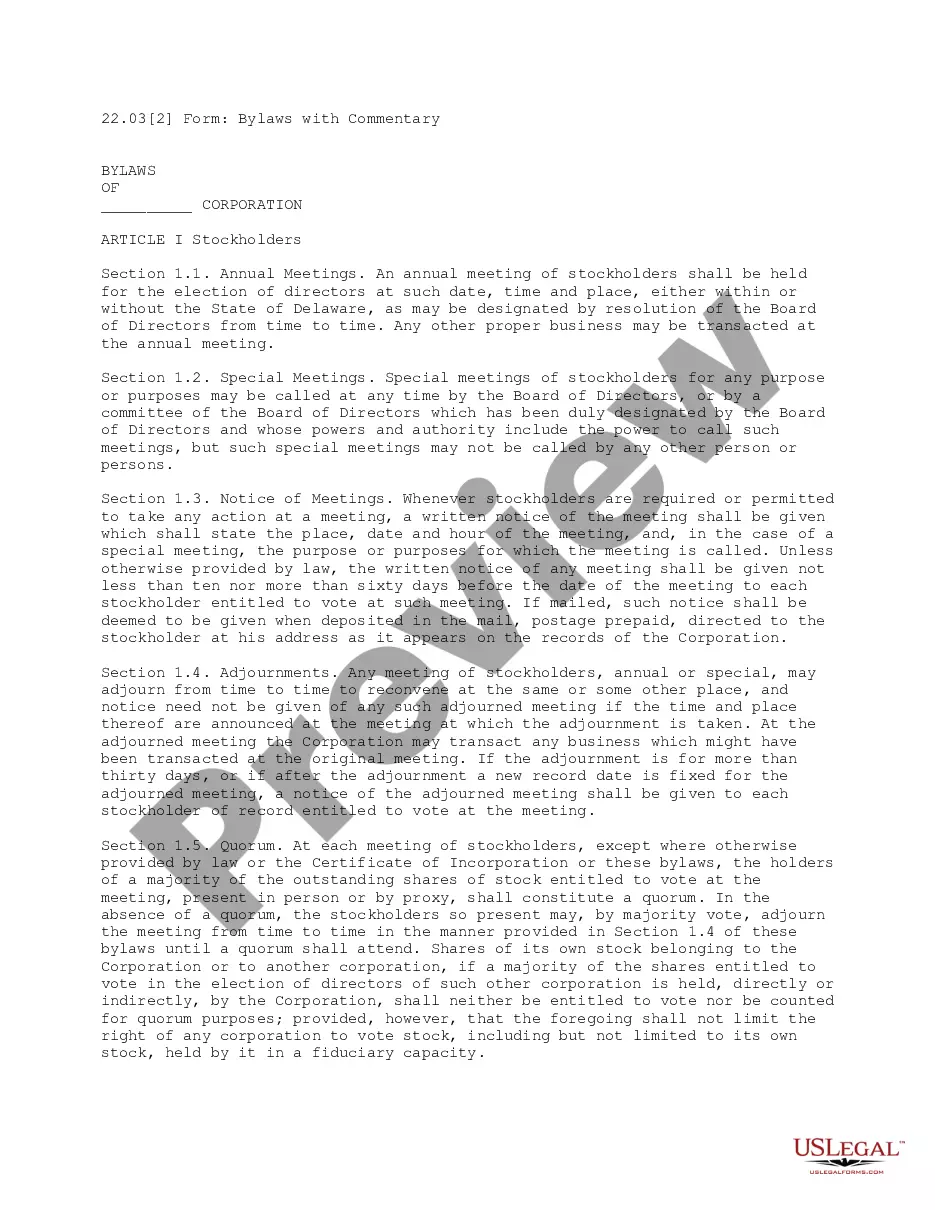
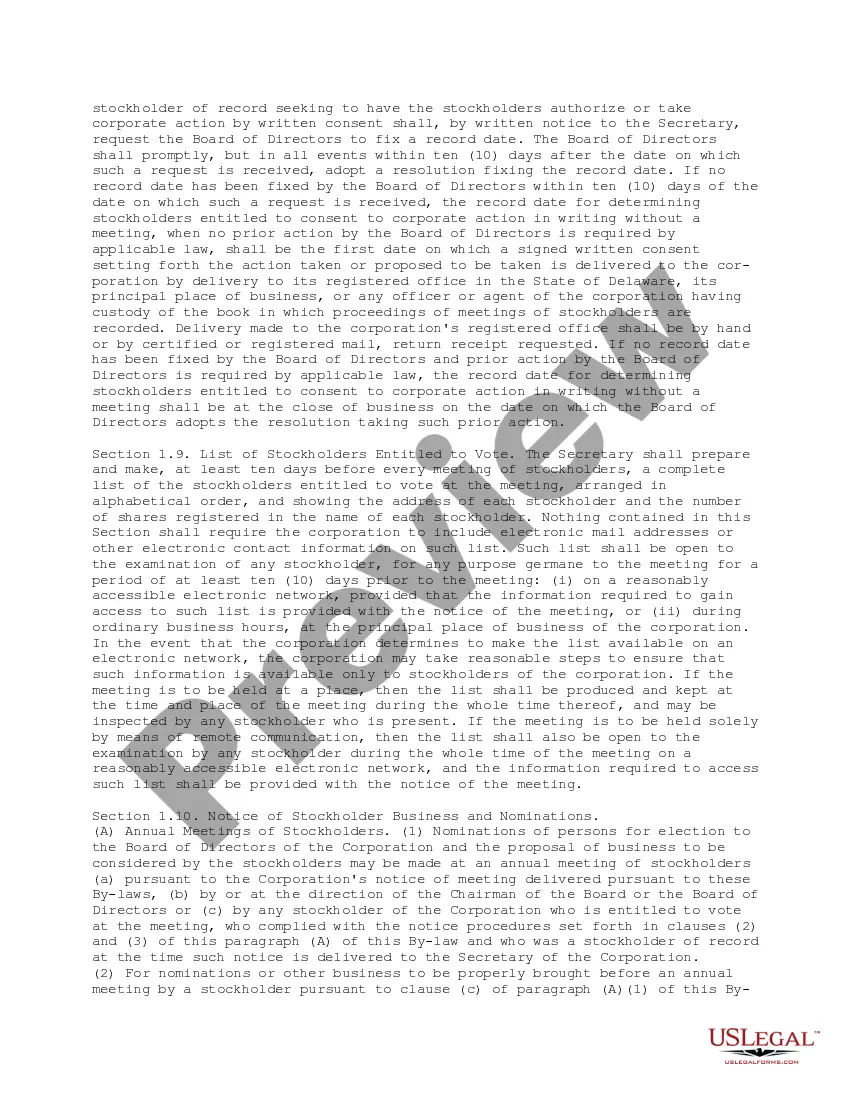
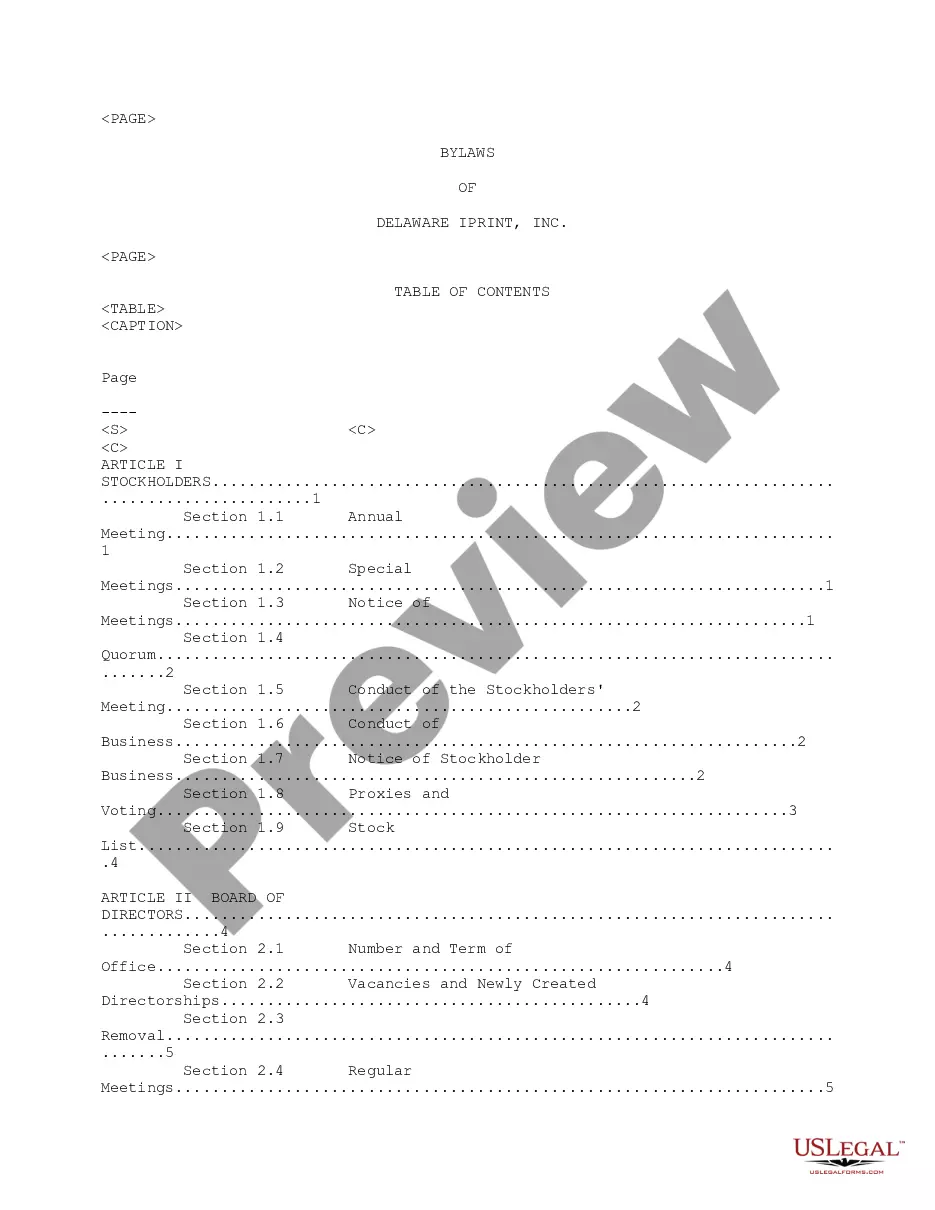
- Annual Meetings: Details regarding the scheduling and conduct of the corporation's annual meetings for stockholders.
- Special Meetings: Guidelines on how special meetings can be called and organized by the Board of Directors.
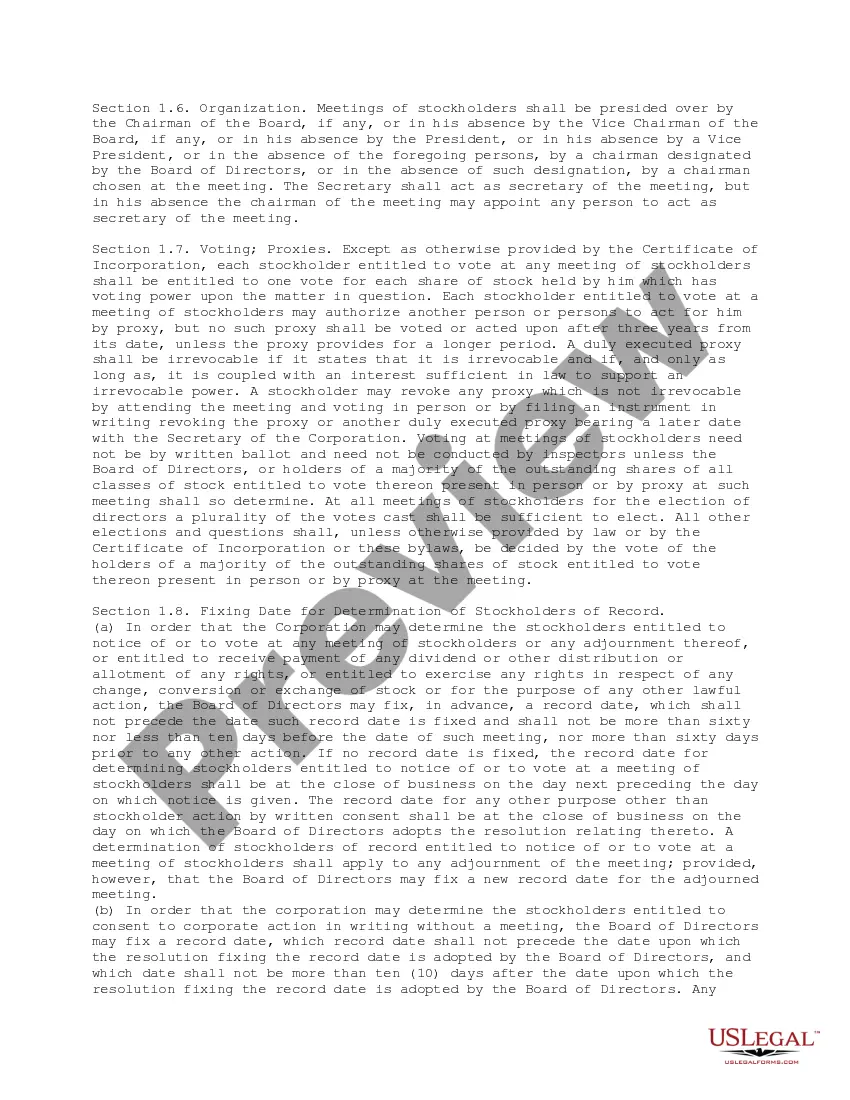
- Voting Procedures: Information on how stockholders can vote, including the use of proxies.
- Quorum Requirements: Definitions of what constitutes a quorum for stockholder meetings.
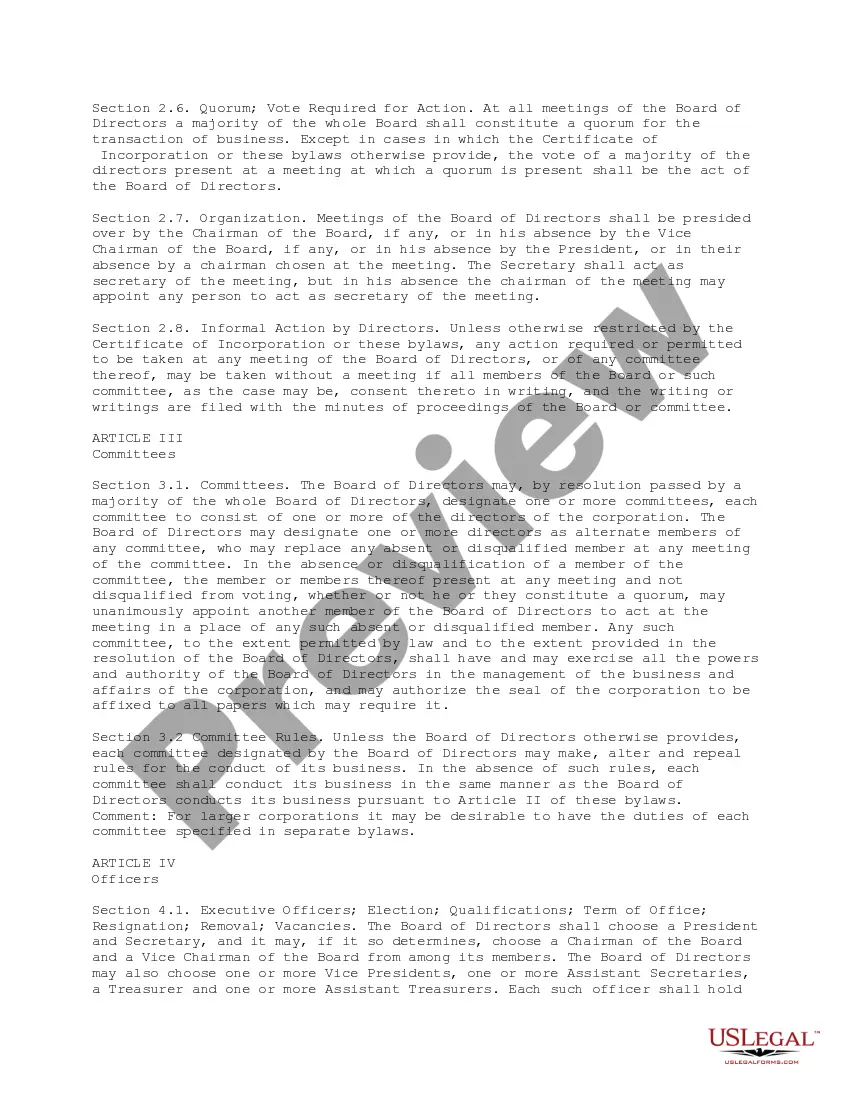
- Board of Directors: Regulations governing the election, duties, and meetings of the Board.
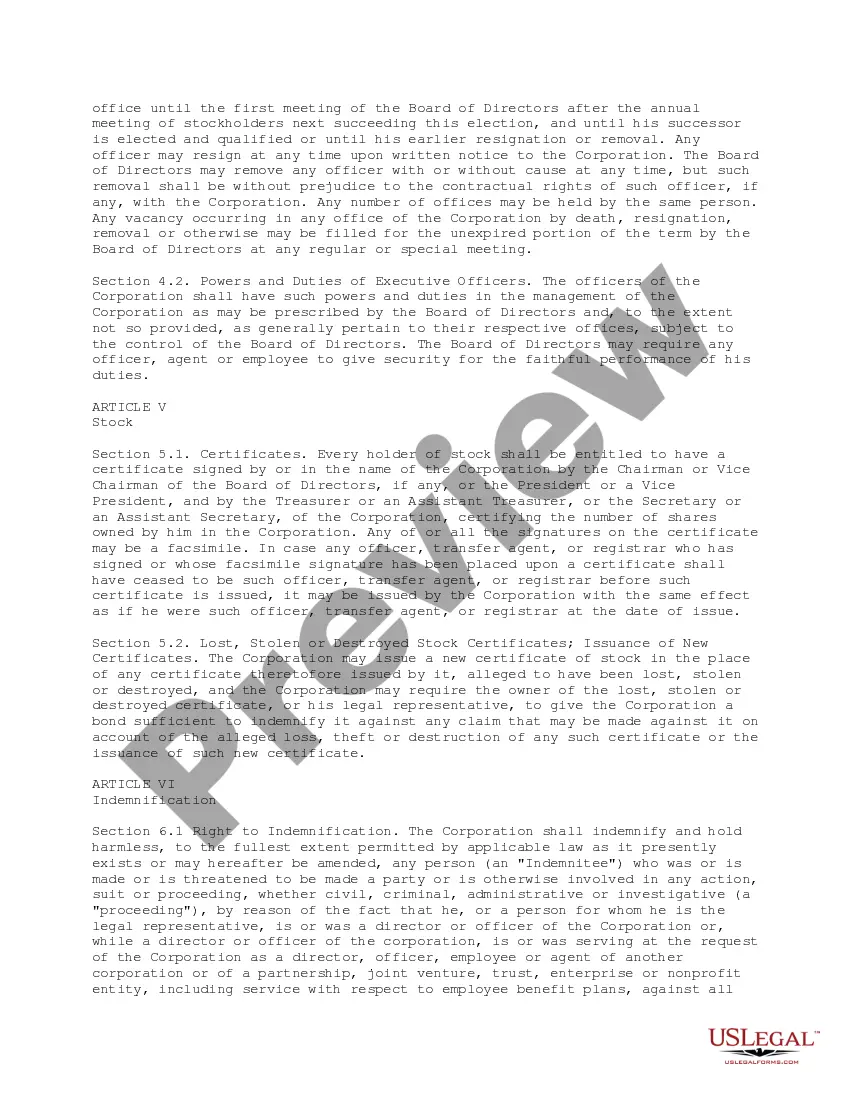
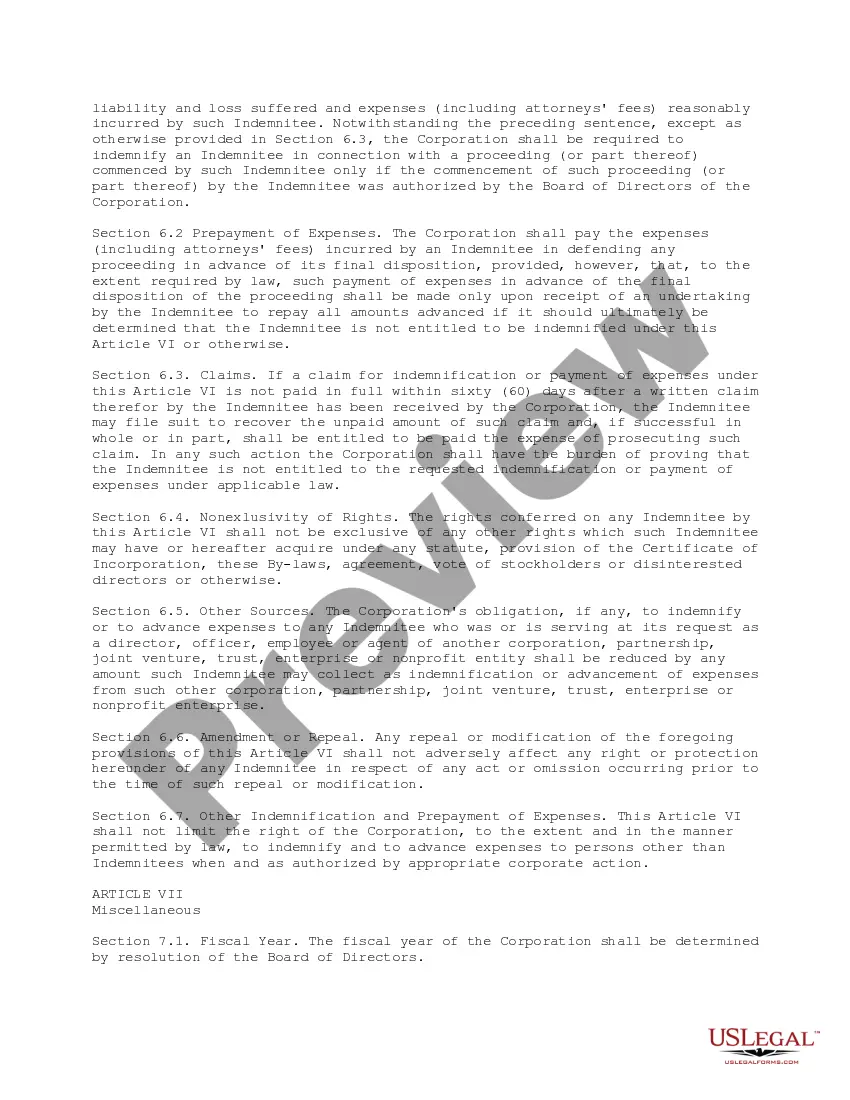
- Indemnification Provisions: Clauses detailing the circumstances under which the corporation will indemnify its officers and directors.

When to use this form
This form should be used when establishing the bylaws for a new corporation or when revising the existing bylaws of an established corporation. It is particularly helpful in situations involving corporate governance, compliance with state requirements, and addressing the operational dynamics needed for stockholders and directors. Whenever a corporation needs to clarify its internal rules or address changes in leadership or stockholder structures, this document provides a solid foundation.
Intended users of this form
- Corporation owners and founders responsible for governance.
- Board members who need a clear understanding of their roles and responsibilities.
- Legal professionals advising corporations on compliance matters.
- Business advisors and consultants developing corporate structures for clients.
Instructions for completing this form
- Identify your corporation's name and provide it in the designated section.
- Specify the dates and locations for your annual and special meetings.
- Outline the voting processes, including proxy voting instructions.
- Detail the composition and responsibilities of your Board of Directors.
- Include any indemnification clauses relevant to your corporate officers and directors.
Is notarization required?
In most cases, this form does not require notarization. However, some jurisdictions or signing circumstances might. US Legal Forms offers online notarization powered by Notarize, accessible 24/7 for a quick, remote process.
Get your form ready online
Our built-in tools help you complete, sign, share, and store your documents in one place.
Make edits, fill in missing information, and update formatting in US Legal Forms—just like you would in MS Word.
Download a copy, print it, send it by email, or mail it via USPS—whatever works best for your next step.
Sign and collect signatures with our SignNow integration. Send to multiple recipients, set reminders, and more. Go Premium to unlock E-Sign.
If this form requires notarization, complete it online through a secure video call—no need to meet a notary in person or wait for an appointment.
We protect your documents and personal data by following strict security and privacy standards.

Make edits, fill in missing information, and update formatting in US Legal Forms—just like you would in MS Word.

Download a copy, print it, send it by email, or mail it via USPS—whatever works best for your next step.

Sign and collect signatures with our SignNow integration. Send to multiple recipients, set reminders, and more. Go Premium to unlock E-Sign.

If this form requires notarization, complete it online through a secure video call—no need to meet a notary in person or wait for an appointment.

We protect your documents and personal data by following strict security and privacy standards.
Common mistakes to avoid
- Failing to include essential meeting details, such as time and location.
- Ignoring state-specific regulations that could render the bylaws non-compliant.
- Overlooking to update bylaws when there are changes in corporate structure.
- Not specifying the procedures for proxy voting adequately.
Why complete this form online
- Convenient access and immediate download of the form.
- Editability allows for customization to meet specific corporate needs.
- Reliable formatting that adheres to legal standards and simplifies compliance.
- Easy storage and retrieval of documents in a digital format.
Legal use & context
- Bylaws serve as the fundamental governance document for corporations and outline how the corporation will operate.
- Properly adopted bylaws can enhance the legal standing of a corporation and help avoid disputes.
- Compliance with bylaws is critical for protecting the corporation's interests and ensuring smooth operations.
Quick recap
- This form serves as a comprehensive guide for establishing corporate bylaws.
- It includes commentary that provides clarity and operational guidance.
- Ensuring compliance with state laws is critical when using this template.
- Regular updates and revisions are essential to accommodate changing corporate needs.
Looking for another form?
Form popularity
FAQ
The official name of your nonprofit. the organization's principal address (the location where you will store your corporate records) the organization's purpose (more below) an outline of the board structure (minimum and maximum number of directors)
The bylaws of a corporation specify the numerous methods that affect the company's operations. A corporation's bylaws can contain provisions relating to the ways it conducts its affairs, the duties of its directors and the responsibilities of its officers and employees.
Bylaws generally define things like the group's official name, purpose, requirements for membership, officers' titles and responsibilities, how offices are to be assigned, how meetings should be conducted, and how often meetings will be held.
Like the Constitution, your bylaws should deal with only the highest level of governing issues such as: Organizational purpose, board structure, officer position descriptions and responsibilities, terms of board service, officer/board member succession and removal, official meeting requirements, membership provisions,
Bylaws. In the early years of the industry, developer lawyers used by laws or by-laws. Now it is a single word without spaces or hyphens: bylaws. The word is not capitalized if used generically.
ARTICLE I. NAME OF ORGANIZATION. The name of the corporation is YOUR NONPROFIT NAME HERE. ARTICLE II. CORPORATE PURPOSE. Section 1. ARTICLE III. MEMBERSHIP. ARTICLE IV. MEETINGS OF MEMBERS. ARTICLE V. BOARD OF DIRECTORS. ARTICLE VI. OFFICERS. ARTICLE VII. COMMITTEES. ARTICLE VIII. CORPORATE STAFF.
1 : a rule adopted by an organization chiefly for the government of its members and the regulation of its affairs. 2 : a local ordinance.
Like the Constitution, your bylaws should deal with only the highest level of governing issues such as: Organizational purpose, board structure, officer position descriptions and responsibilities, terms of board service, officer/board member succession and removal, official meeting requirements, membership provisions,
Bylaws generally define things like the group's official name, purpose, requirements for membership, officers' titles and responsibilities, how offices are to be assigned, how meetings should be conducted, and how often meetings will be held.