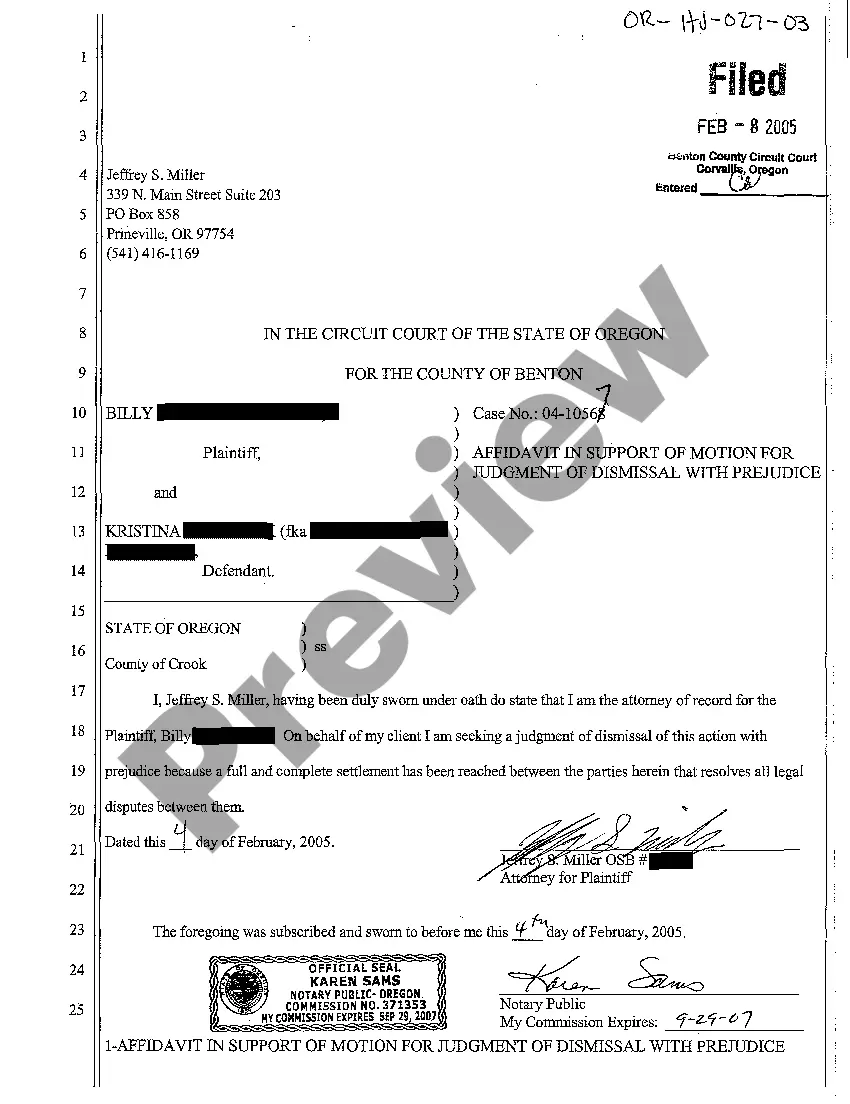
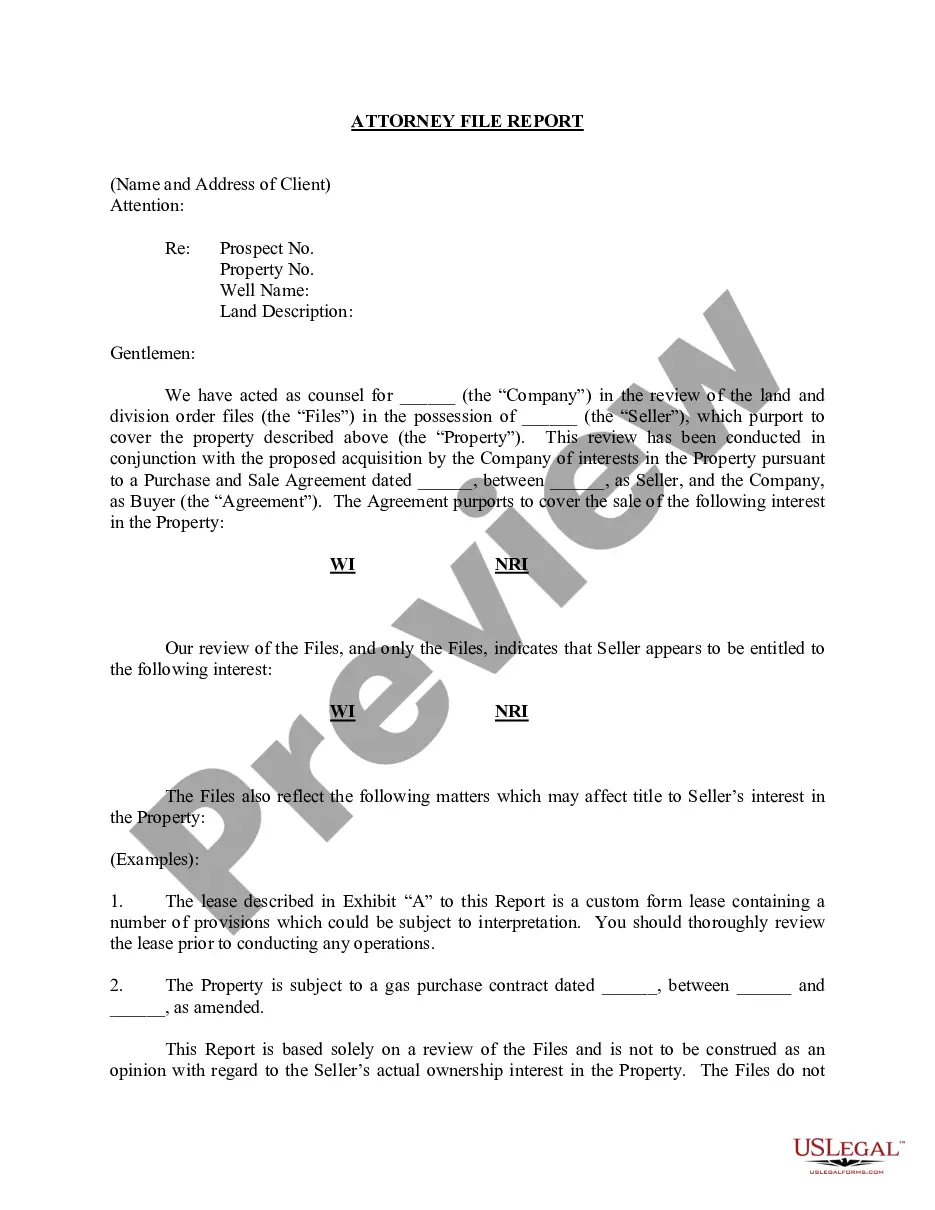
Attorney File Report
About this form
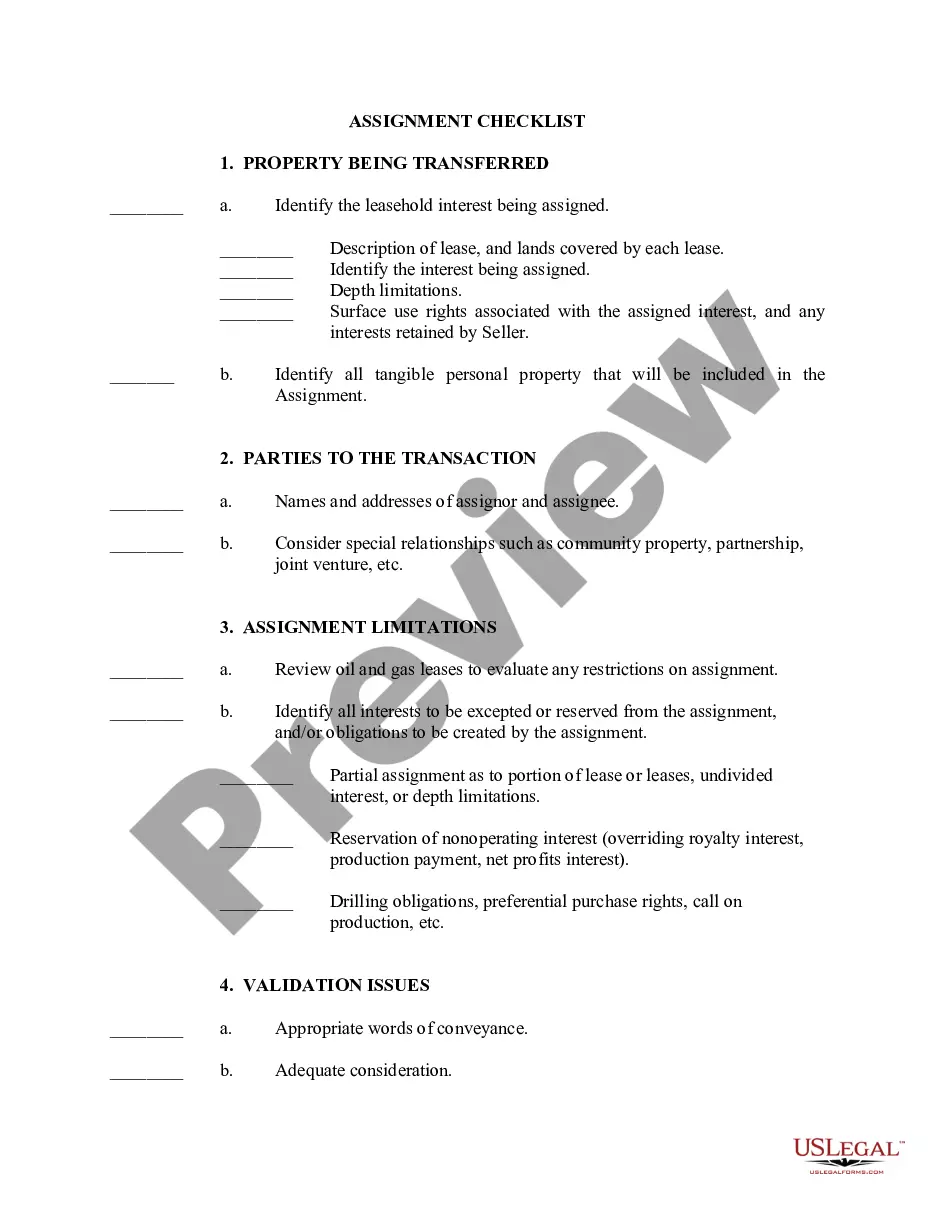
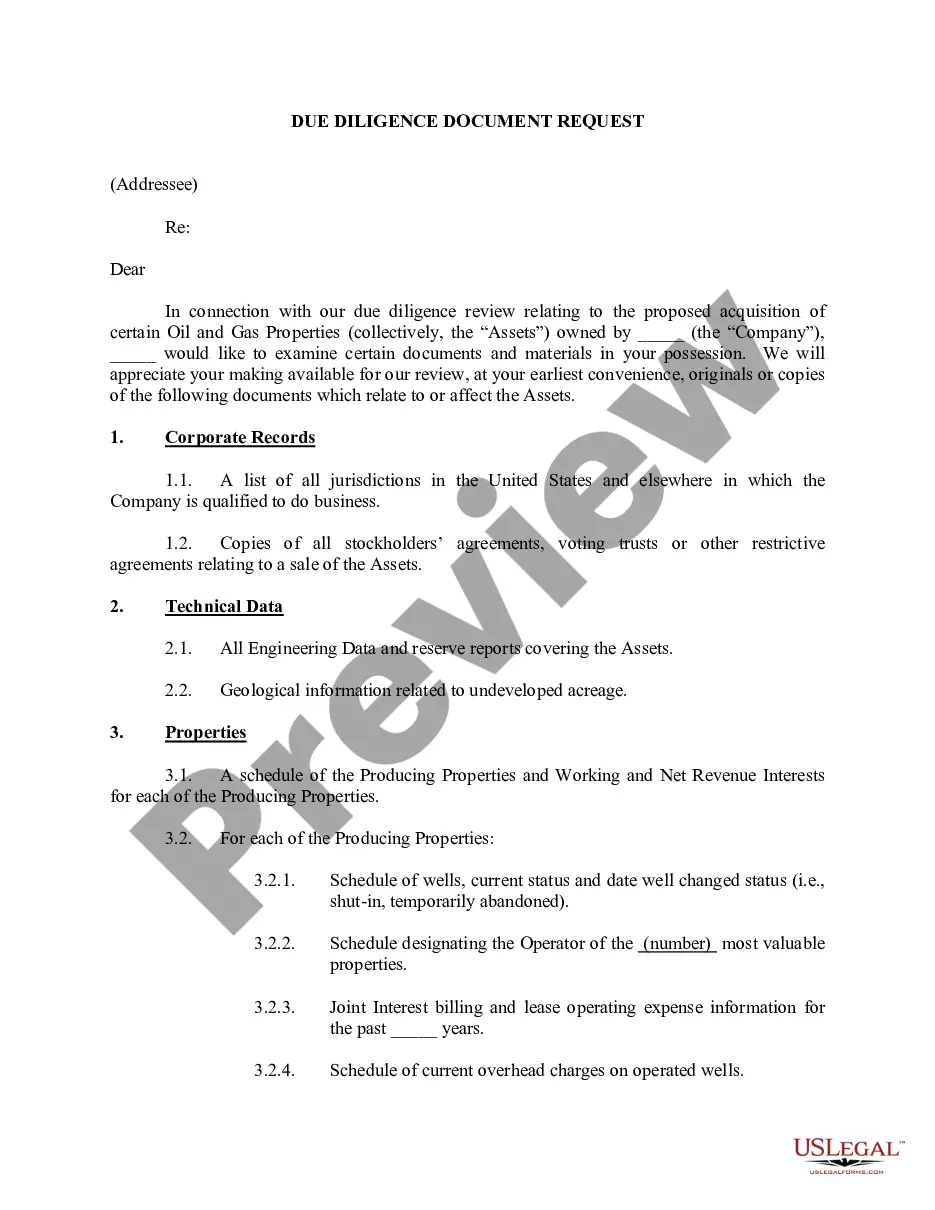
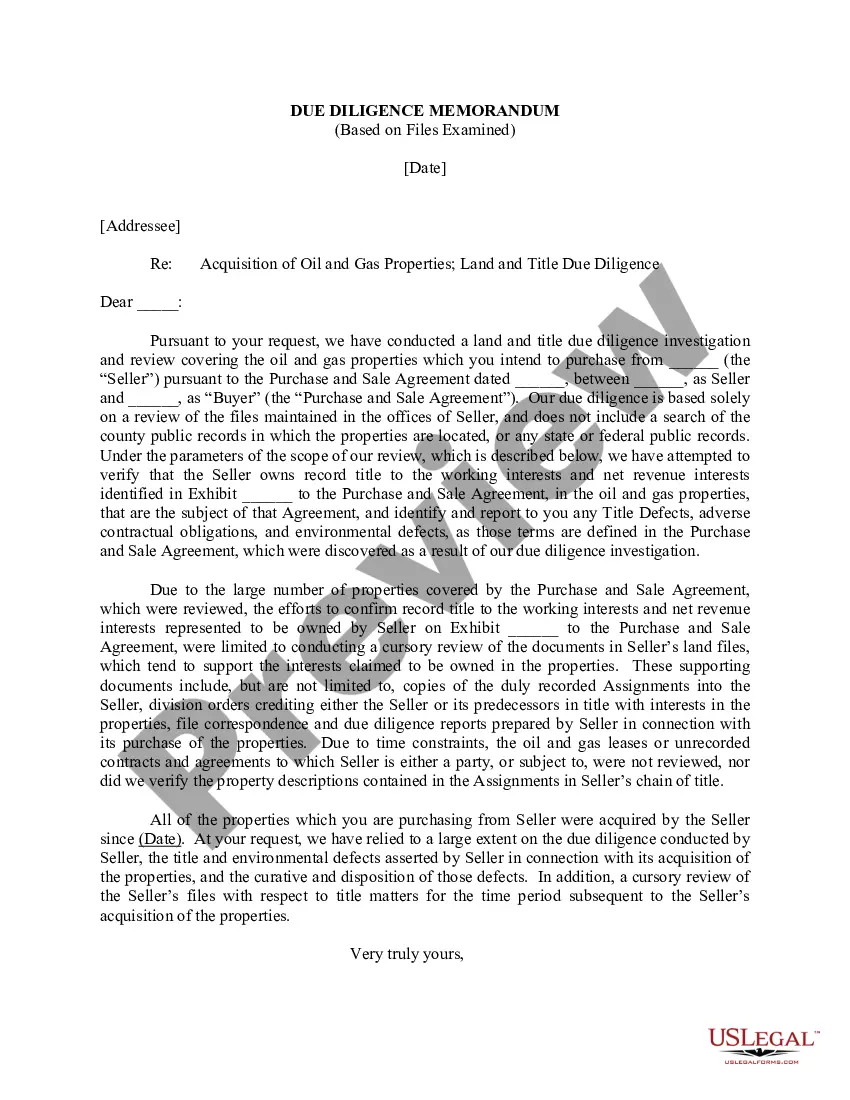
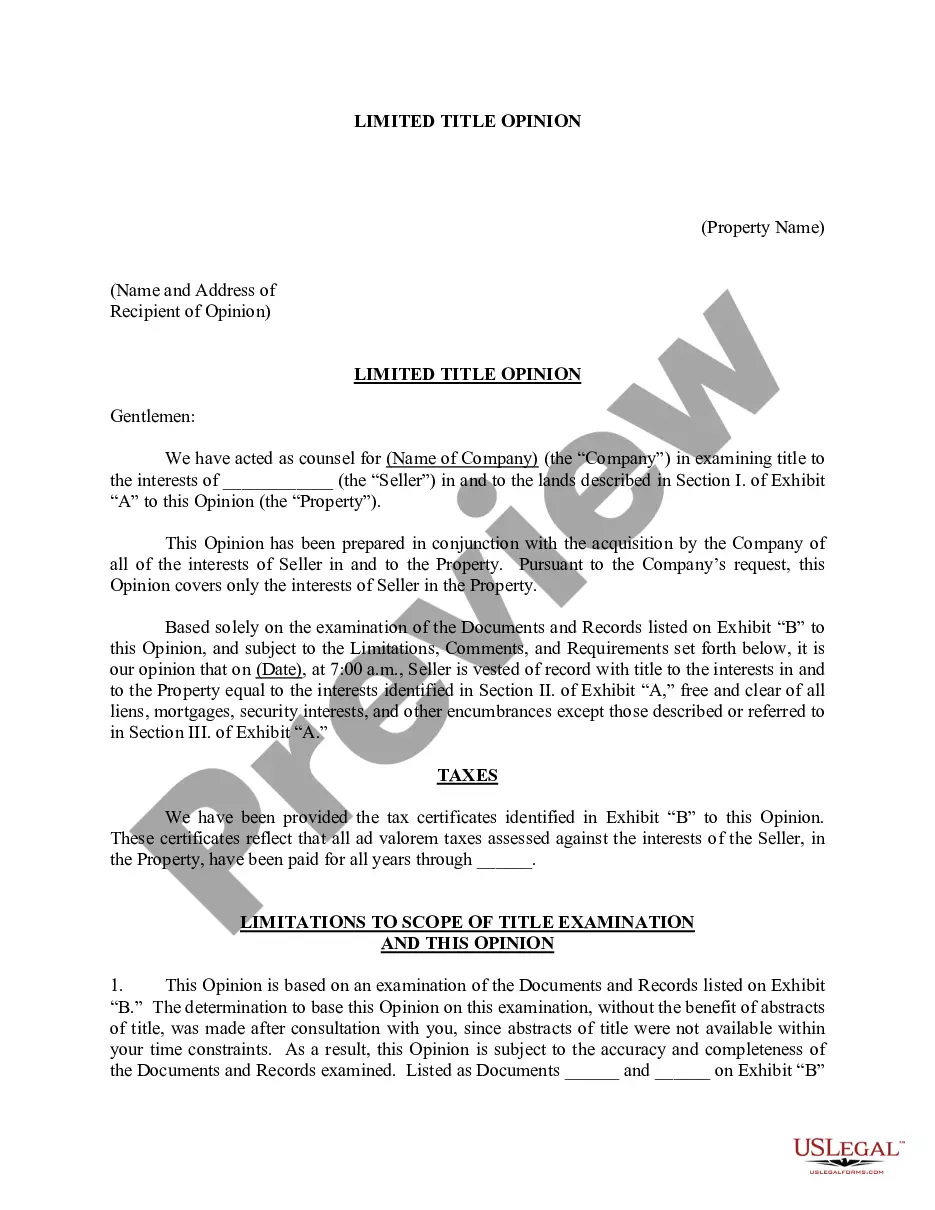
The Attorney File Report is a legal document used by attorneys to summarize their findings from a review of land and division order files during an acquisition. This report is particularly essential for conducting due diligence, as it helps identify the rights and interests in a property. Unlike standard property reports, the Attorney File Report is drafted by licensed attorneys, ensuring its reliability and legal compliance.
Key components of this form
- Name and address of the client
- Details of the property being reviewed
- Summary of the attorney's findings related to ownership interests
- Specific matters that may affect title to the property
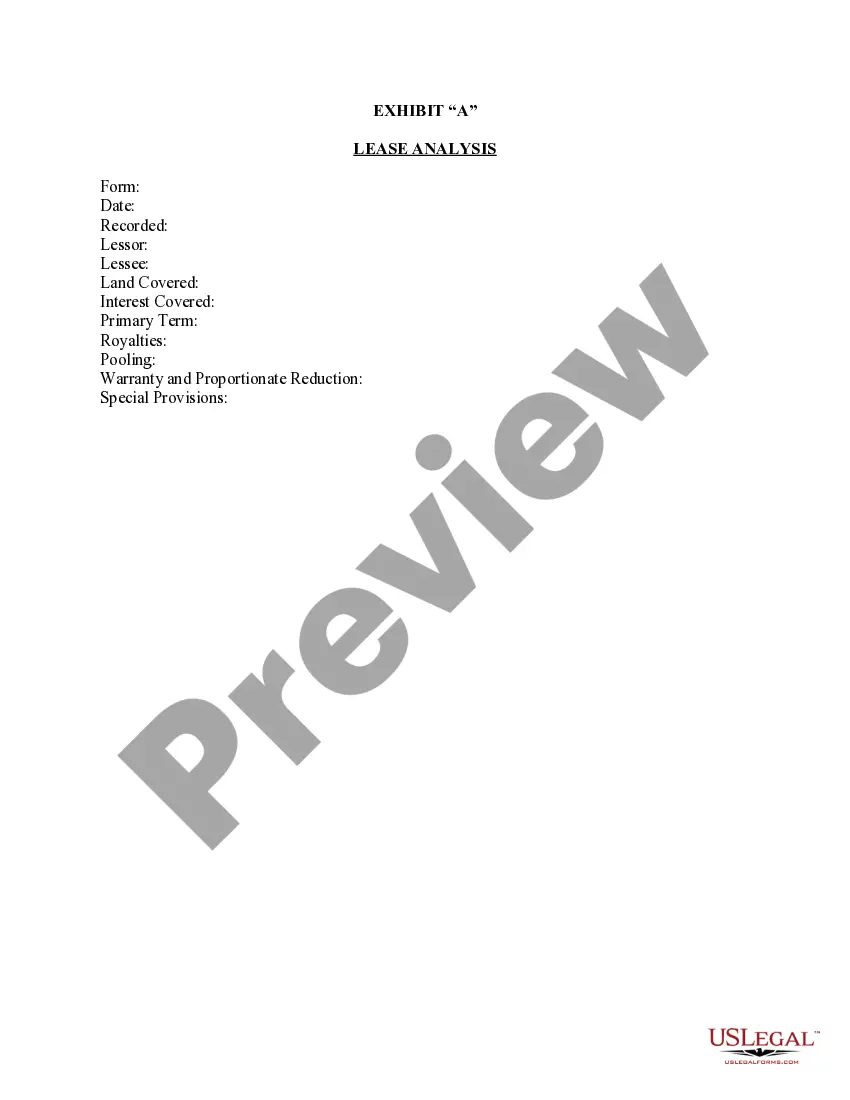
- Lease analysis attached as Exhibit A

When to use this document
This form should be used when an attorney conducts a review of land and division order files in connection with an acquisition. It is particularly relevant when a client is looking to purchase interests in a property and requires a thorough examination of title and associated risks. It can also be used in negotiations to provide insights on lease agreements or existing contractual obligations affecting the property.
Who can use this document
- Attorneys conducting due diligence on property acquisitions
- Real estate professionals involved in property transactions
- Businesses or individuals purchasing property interests
- Any party needing clarification on property rights and obligations
How to complete this form
- Identify the client and provide their name and address at the top of the report.
- Enter the property details, including well name and land description.
- Summarize the findings from the review of the files, highlighting the ownership interests.
- List any significant matters that may affect the title to the property.
- Attach the lease analysis as Exhibit A and ensure all sections are complete.
Does this document require notarization?
Notarization is generally not required for this form. However, certain states or situations might demand it. You can complete notarization online through US Legal Forms, powered by Notarize, using a verified video call available anytime.
Get your form ready online
Our built-in tools help you complete, sign, share, and store your documents in one place.
Make edits, fill in missing information, and update formatting in US Legal Forms—just like you would in MS Word.
Download a copy, print it, send it by email, or mail it via USPS—whatever works best for your next step.
Sign and collect signatures with our SignNow integration. Send to multiple recipients, set reminders, and more. Go Premium to unlock E-Sign.
If this form requires notarization, complete it online through a secure video call—no need to meet a notary in person or wait for an appointment.
We protect your documents and personal data by following strict security and privacy standards.

Make edits, fill in missing information, and update formatting in US Legal Forms—just like you would in MS Word.

Download a copy, print it, send it by email, or mail it via USPS—whatever works best for your next step.

Sign and collect signatures with our SignNow integration. Send to multiple recipients, set reminders, and more. Go Premium to unlock E-Sign.

If this form requires notarization, complete it online through a secure video call—no need to meet a notary in person or wait for an appointment.

We protect your documents and personal data by following strict security and privacy standards.
Common mistakes to avoid
- Failing to thoroughly review the lease and property files.
- Omitting critical details regarding property interests from the report.
- Using outdated or incorrect information about the property or parties involved.
Why complete this form online
- Convenient access to legal forms that are easy to download and complete.
- Editability of the form allows customization for specific property details.
- Reliability of forms drafted by licensed attorneys ensures compliance with legal standards.
Looking for another form?


Form popularity
FAQ
: the formal act of going in front of judge to have one's case decided One man has been convicted of the crime, and two others are awaiting court appearances.
That is when an attorney lets the court and opposing counsel know that he is getting involved in a case and representing one of the parties. When a defense attorney files an appearance, it means he is officially announcing that he is the lawyer for the defendant.
Entering an appearance is a very important step as it indicates in writing that the defendant intends to defend the proceedings.To enter an appearance, the defendant must lodge an Entry of appearance form at the Circuit Court office. A copy of the form must also be given to the plaintiff or the plaintiff's solicitor.
Comply With the Relevant Federal, State, and Local Rules. Research Before Writing. Allege Subject Matter Jurisdiction, Personal Jurisdiction, and Venue. Draft Concise and Plain Statement of the Facts. Draft Separate Counts for Each Legal Claim. Plead Facts With Particularity Where Necessary.
Appearance attorney can make a minimum of $60 per appearance, but this price is not fixed. They can make more than that if the attorney of record offers a higher rate. Read about our pricing to have a better idea of our rates.
The standard rate for an abogado consultation is 1000 pesos per hour. They also standardized rates for documentation that ranges from 1000 pesos to 1500 pesos. The abogado also has the right to ask for 2% from the contract they prepare or a fee of not less than 1500 pesos.
4 attorney answers A notice of appearance means that the person is appearing on behalf of the listed party, and any pleadings should be sent to the address indicated. However, this does not apply to the initial Summons and Complaint.
Comply With the Relevant Federal, State, and Local Rules. Research Before Writing. Allege Subject Matter Jurisdiction, Personal Jurisdiction, and Venue. Draft Concise and Plain Statement of the Facts. Draft Separate Counts for Each Legal Claim. Plead Facts With Particularity Where Necessary.
Read the Complaint. Find copies of contracts and any other written communications between you and the other side. Analyze the strengths and weaknesses of your case. Prepare your documents and evidence for trial. Identify and prepare any witnesses. Practice, Practice, Practice your presentation.