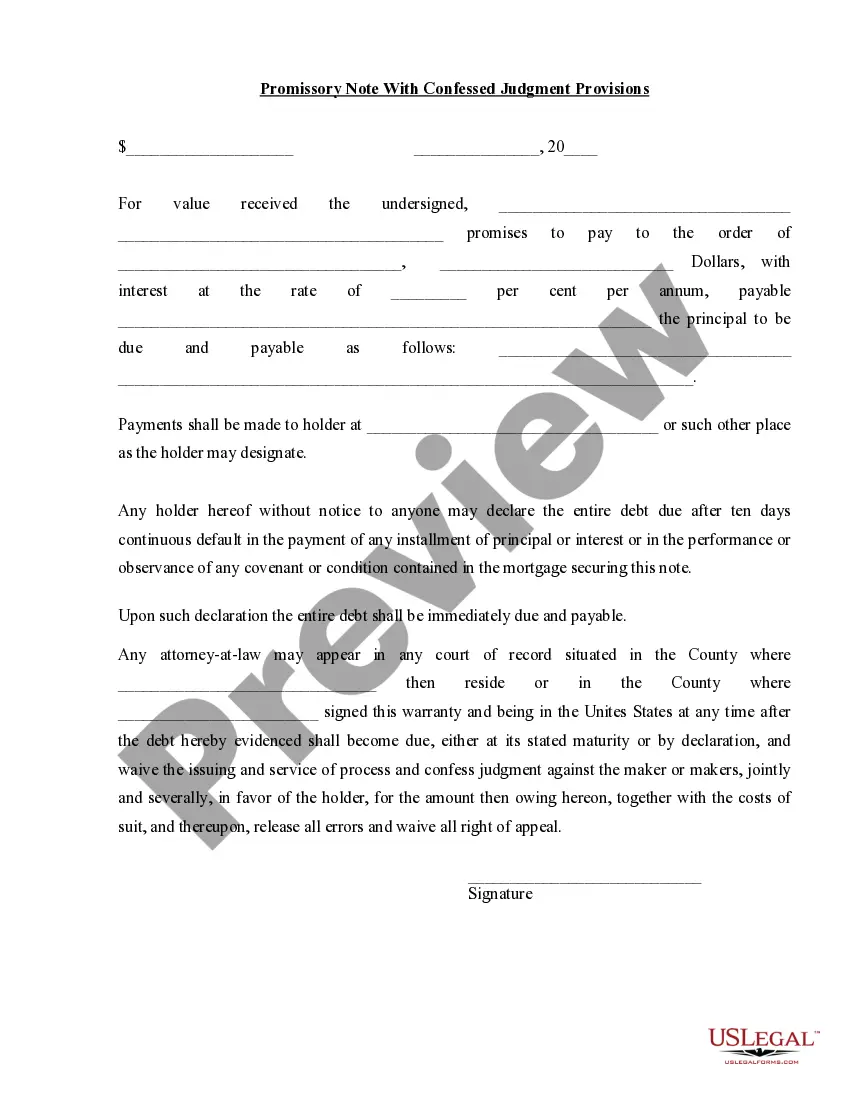
Promissory Note with Confessed Judgment Provisions
About this form
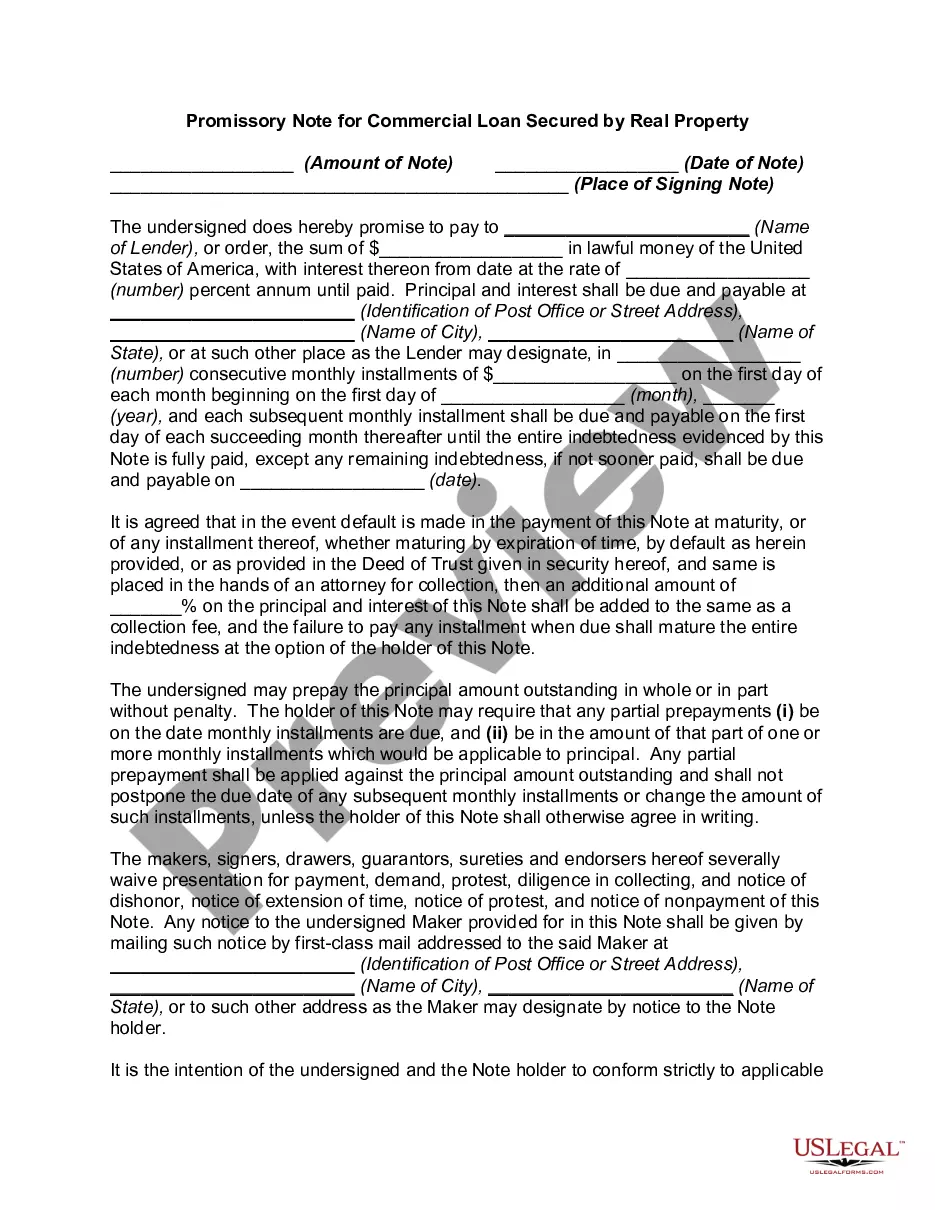
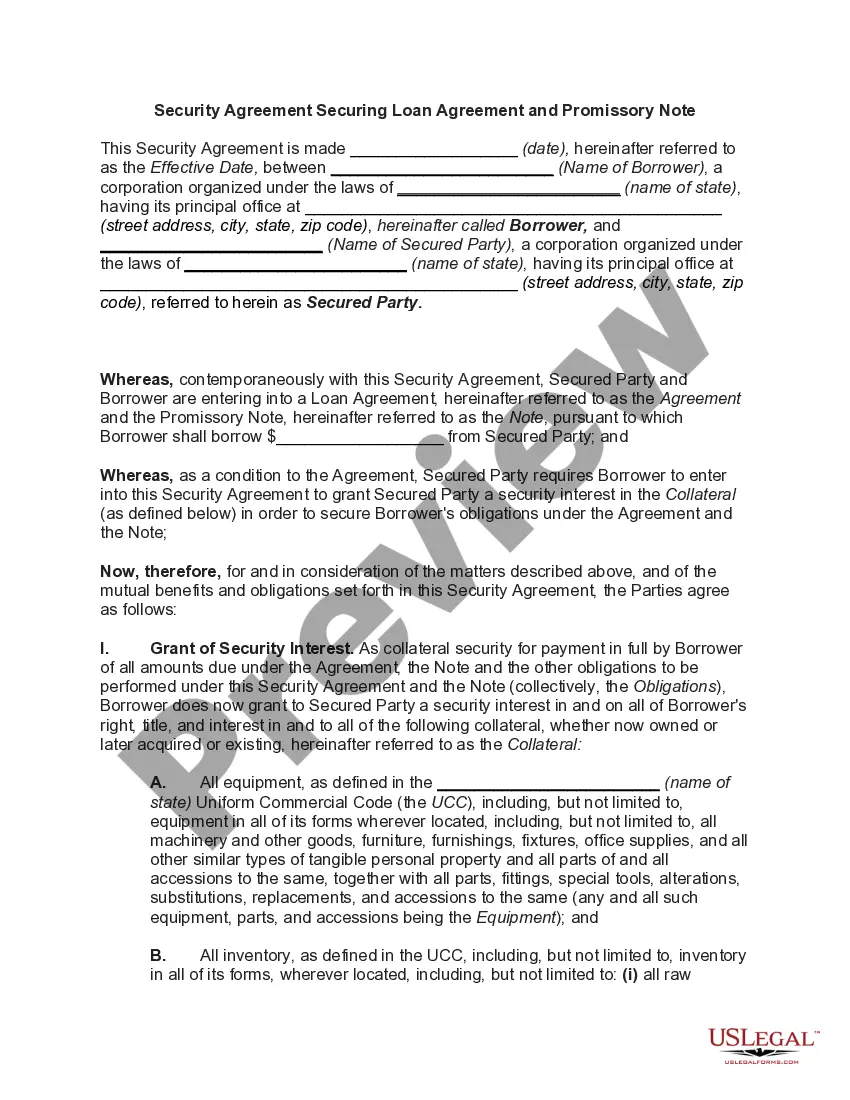
The Promissory Note with Confessed Judgment Provisions is a legally binding document where the maker agrees to repay a loan to the lender, including interest. This form is specifically designed to protect the lender by allowing them to demand repayment of the full loan amount if the maker defaults. Unlike standard promissory notes, this version includes provisions for confessed judgment, which allows the lender to obtain a court judgment without notice to the borrower in case of default.
What’s included in this form
- Loan amount: States the total amount to be repaid.
- Interest rate: Details the annual interest percentage applicable to the loan.
- Payment schedule: Outlines how and when payments will be made.
- Default provisions: Specifies conditions under which the lender can declare the entire amount due after a default occurs.
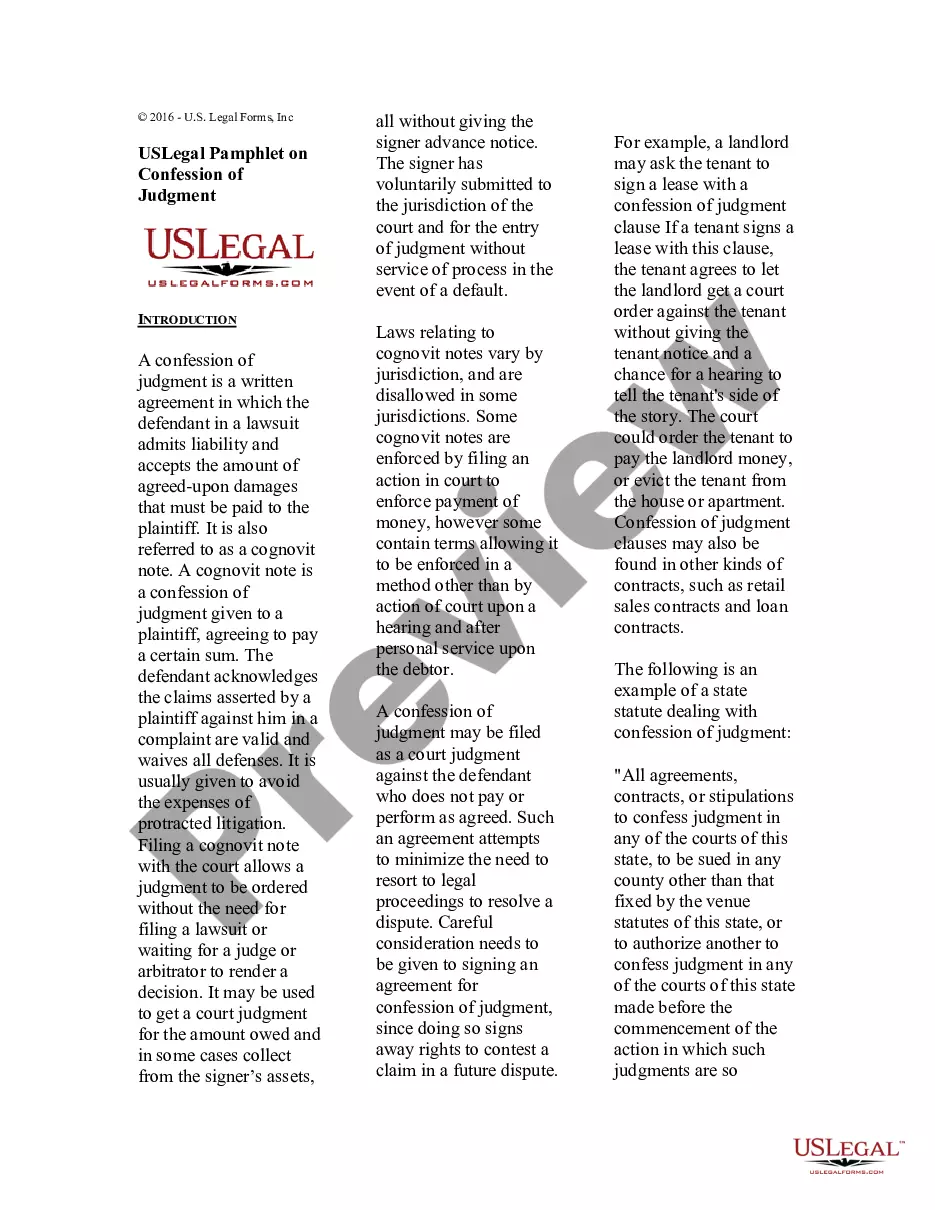
- Confession of judgment clause: Allows the lender to secure a judgment for the debt immediately if the borrower defaults.
- Signatures: Requires signatures from the maker and any other obligated parties.
When to use this document
This form is useful in situations where a borrower needs to secure funds from a lender with the understanding that if payment terms are violated, the lender has a streamlined process to reclaim the owed amount. It is commonly utilized in personal loans, business financing, or real estate transactions to ensure clear and enforceable repayment terms.
Who should use this form
- Individuals or businesses borrowing money and wanting to formalize the repayment terms.
- Lenders, including private individuals or financial institutions, seeking secure repayment options with provisions for default.
- Real estate investors requiring a structured loan agreement with protections in case of borrower default.
Instructions for completing this form
- Identify the parties involved: Clearly state the names of the borrower (maker) and the lender.
- Specify the loan amount: Enter the total dollar amount to be loaned.
- Indicate the interest rate: Fill in the annual interest percentage for the loan.
- Define the payment terms: Outline the schedule for payments, including due dates and frequency.
- Include the confession of judgment clause details: This details how the lender may proceed in the event of a default.
- Secure signatures: Ensure all necessary parties sign the document for it to be legally binding.
Does this form need to be notarized?
This form usually doesn’t need to be notarized. However, local laws or specific transactions may require it. Our online notarization service, powered by Notarize, lets you complete it remotely through a secure video session, available 24/7.
Get your form ready online
Our built-in tools help you complete, sign, share, and store your documents in one place.
Make edits, fill in missing information, and update formatting in US Legal Forms—just like you would in MS Word.
Download a copy, print it, send it by email, or mail it via USPS—whatever works best for your next step.
Sign and collect signatures with our SignNow integration. Send to multiple recipients, set reminders, and more. Go Premium to unlock E-Sign.
If this form requires notarization, complete it online through a secure video call—no need to meet a notary in person or wait for an appointment.
We protect your documents and personal data by following strict security and privacy standards.

Make edits, fill in missing information, and update formatting in US Legal Forms—just like you would in MS Word.

Download a copy, print it, send it by email, or mail it via USPS—whatever works best for your next step.

Sign and collect signatures with our SignNow integration. Send to multiple recipients, set reminders, and more. Go Premium to unlock E-Sign.

If this form requires notarization, complete it online through a secure video call—no need to meet a notary in person or wait for an appointment.

We protect your documents and personal data by following strict security and privacy standards.
Typical mistakes to avoid
- Failing to accurately state the interest rate or loan amount.
- Omitting payment schedule details leading to ambiguities.
- Not including all required signatures or neglecting to clarify party responsibilities.
Why complete this form online
- Easy access: Download and complete the form at your convenience.
- Editability: Make changes as needed without formatting issues.
- Reliability: Templates are drafted by licensed attorneys to ensure legal compliance.
Looking for another form?


Form popularity
FAQ
A confession of judgment is a written agreement, signed by the defendant, that accepts the liability and amount of damages that was agreed on. A confession of judgment is a way to circumvent normal court proceedings and avoid a lengthy legal process to resolve a dispute.
A provision that may be included in notes, leases, and contracts by which the debtor, lessee, or obligor authorizes any attorney to go into court to confess a judgment against him or her for a default in payment.
The three-year shelf-life of affidavits of confession of judgment is sometimes overlooked by practitioners and is important to bear in mind.
It can only be filed if your funder is unable to collect on your debt. If there's never a need to take collection action against you, a confession of judgment is simply an innocuous piece of paper. All that said, you should avoid signing one if you can possibly help it it's not worth risking your business' future.
United StatesConfessions of judgment are permitted in many states. New Jersey and Pennsylvania permit them, among others. Some states, including Michigan, require they be specially labelled or have other procedural requirements.
A confessed judgment clause allows a creditor's attorney to file an affidavit with the lawsuit and effectively confess, on behalf of the debtor, that the judgment is owed.Confessed Judgments are governed by Maryland Rules 2-611 (in Circuit Court) and 3-611 (in District Court).
United StatesConfessions of judgment are permitted in many states. New Jersey and Pennsylvania permit them, among others. Some states, including Michigan, require they be specially labelled or have other procedural requirements.
In Maryland, a judgment is only valid for 12 years. If you have not been able to collect your judgment within that time, you will have to renew the judgment to continue your collection efforts.