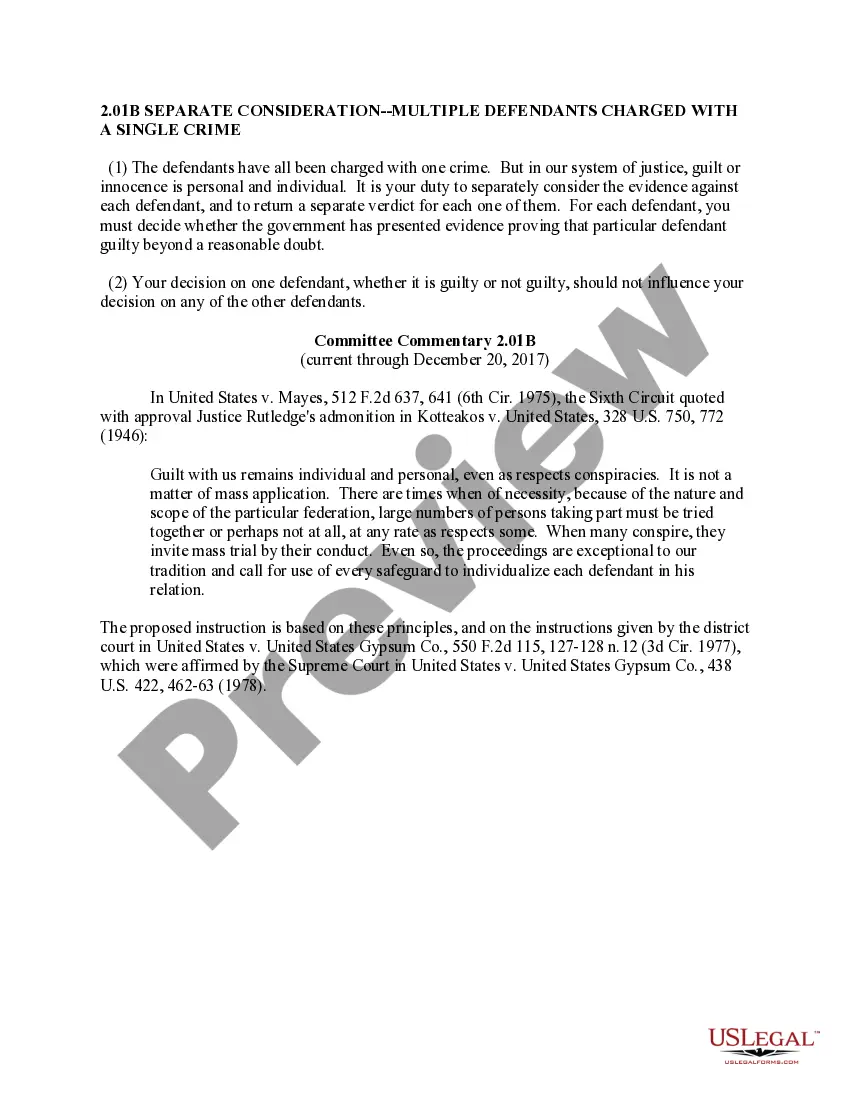
SEPARATE CONSIDERATION--MULTIPLE DEFENDANTS CHARGED WITH A SINGLE CRIME
About this form
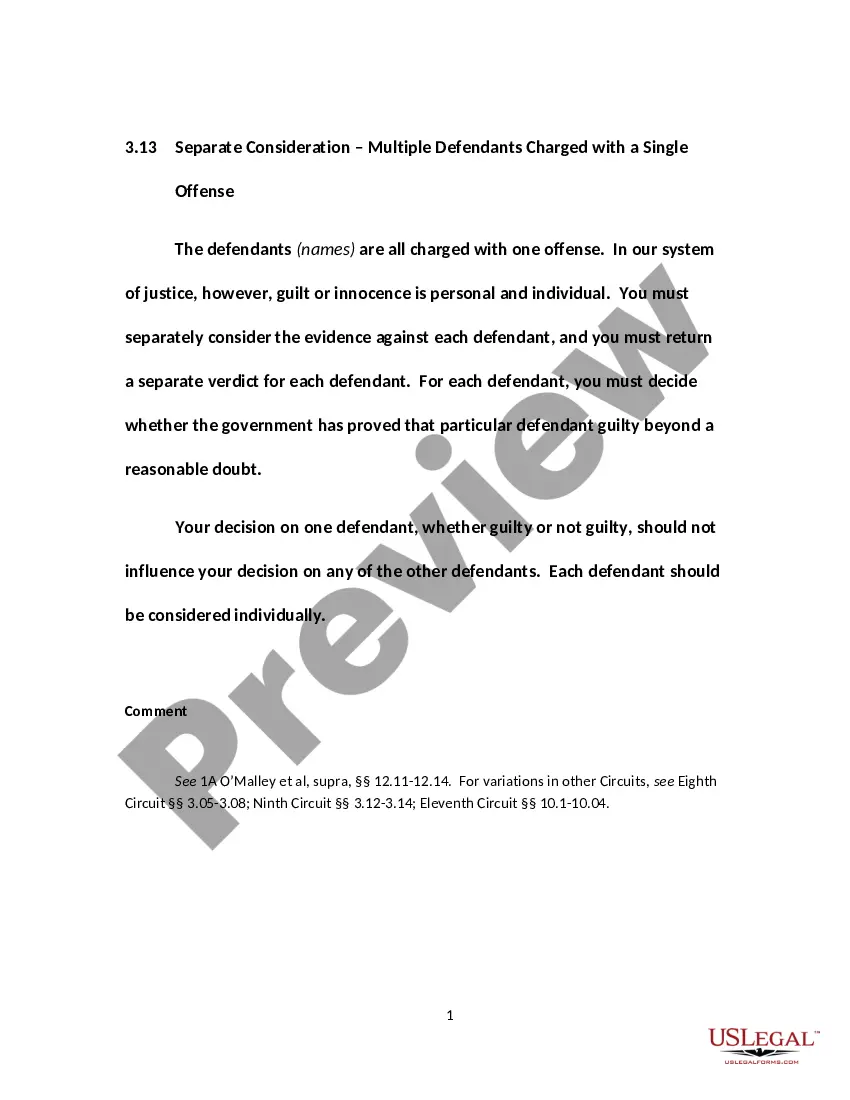
The Separate Consideration for Multiple Defendants Charged with a Single Crime form is designed to ensure that each defendant in a joint trial is evaluated on an individual basis. This form emphasizes the principle of individual accountability under the law, which dictates that jurors must consider the evidence against each defendant separately and reach independent verdicts. Unlike forms that apply collective judgment, this form serves to protect the rights of each accused person in cases where multiple individuals face the same charge.
Form components explained
- A directive to jurors to assess each defendant's guilt or innocence individually.
- Instructive clauses that clarify the obligation to disregard verdicts of other defendants when making a decision.
- Reference to relevant case law to reinforce the legal basis for the instructions provided.




Situations where this form applies
This form is utilized during trials where multiple defendants are charged with a single crime. It is crucial in ensuring that jurors follow proper legal procedures by evaluating evidence against each defendant independently. Situations such as conspiracy cases or group offenses often require this form to uphold the principle of individual justice.
Who should use this form
- Jurors in a trial involving multiple defendants charged with the same offense.
- Attorneys representing defendants who need to ensure specific instructions are given to jurors.
- Legal professionals involved in preparing jury instructions to maintain focus on individual guilt or innocence.
How to complete this form
- Review the case details and identify the defendants involved.
- Instruct the jury to focus on the evidence presented against each individual defendant.
- Ensure each juror understands their duty to deliver a separate verdict for each defendant.
- Reference applicable case law as needed for legal context during instructions.
Notarization requirements for this form
This form does not typically require notarization unless specified by local law. It is recommended to check the pertinent legal requirements within your jurisdiction prior to use.
Get your form ready online
Our built-in tools help you complete, sign, share, and store your documents in one place.
Make edits, fill in missing information, and update formatting in US Legal Forms—just like you would in MS Word.
Download a copy, print it, send it by email, or mail it via USPS—whatever works best for your next step.
Sign and collect signatures with our SignNow integration. Send to multiple recipients, set reminders, and more. Go Premium to unlock E-Sign.
If this form requires notarization, complete it online through a secure video call—no need to meet a notary in person or wait for an appointment.
We protect your documents and personal data by following strict security and privacy standards.

Make edits, fill in missing information, and update formatting in US Legal Forms—just like you would in MS Word.

Download a copy, print it, send it by email, or mail it via USPS—whatever works best for your next step.

Sign and collect signatures with our SignNow integration. Send to multiple recipients, set reminders, and more. Go Premium to unlock E-Sign.

If this form requires notarization, complete it online through a secure video call—no need to meet a notary in person or wait for an appointment.

We protect your documents and personal data by following strict security and privacy standards.
Common mistakes
- Failing to emphasize the individual consideration of each defendant.
- Allowing jurors to discuss verdicts of co-defendants, which could lead to bias.
- Neglecting to reference relevant case law that reinforces the need for separate verdicts.
Advantages of online completion
- Easy access to properly drafted legal forms by licensed attorneys.
- Convenient download options for immediate use in a trial setting.
- Editable fields allow for tailored instructions specific to each case.
Legal use & context
- This form aligns with the principle of individual assessment in legal proceedings.
- Ensures compliance with judicial standards for handling multiple defendants.
- Establishes a framework for fair jury deliberation and verdict rendering.
Looking for another form?



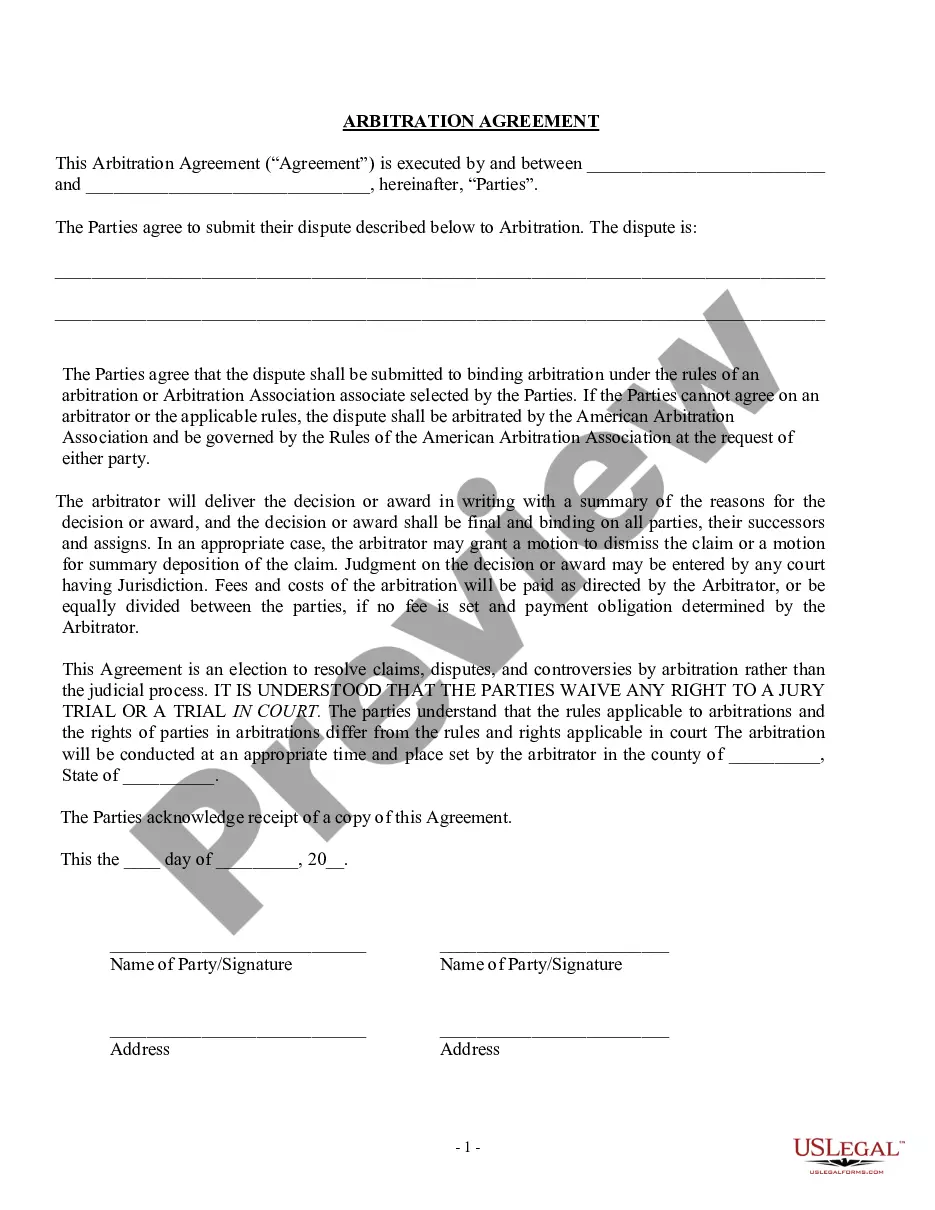

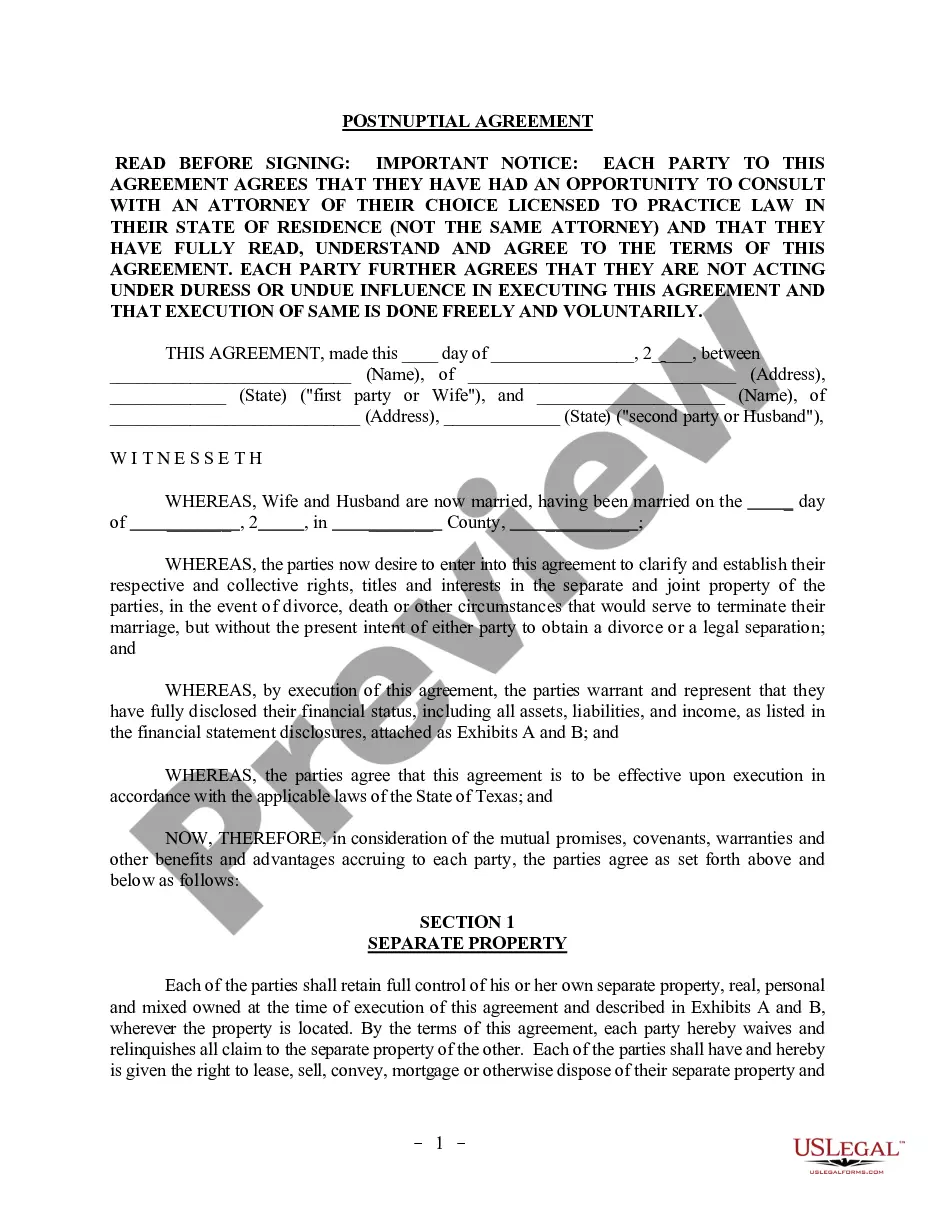

Form popularity
FAQ
Criminal Cases with Co-Defendants When going through the legal process, they can either have separate trials or have them together, depending on the case.
A codefendant is one of multiple defendants jointly sued in the same civil action or formally accused of committing the same crime. For instance, if A sues B and C, B and C are codefendants.
In some situations, a judge may join trials that are based on different charges if the prosecution would need to prove one charge to prove the others. A joint trial often arises in cases involving conspiracy or sophisticated, organized criminal enterprises.
A judge in a criminal case may feel that it is appropriate to combine the cases of multiple defendants when their charges involve the same set of circumstances. This can help a judge streamline their calendar and resolve a case more efficiently.
Yes. Generally, courts will make sure that all those involved in a drug incident will be prosecuted together. That means that you would typically find out who the co-defendants are in your case very early on. That can be important information.
It can be difficult for an attorney to represent both codefendants competently and diligently as required. The American Bar Association advises against representing co-defendants, but there is no general law forbidding it.
A joint trial of codefendants (also known as "joinder") occurs when a judge merges the cases of two or more defendants. Joint trials happen when the issues in the defendants' cases overlap enough to make a single trial both fair and more efficient.