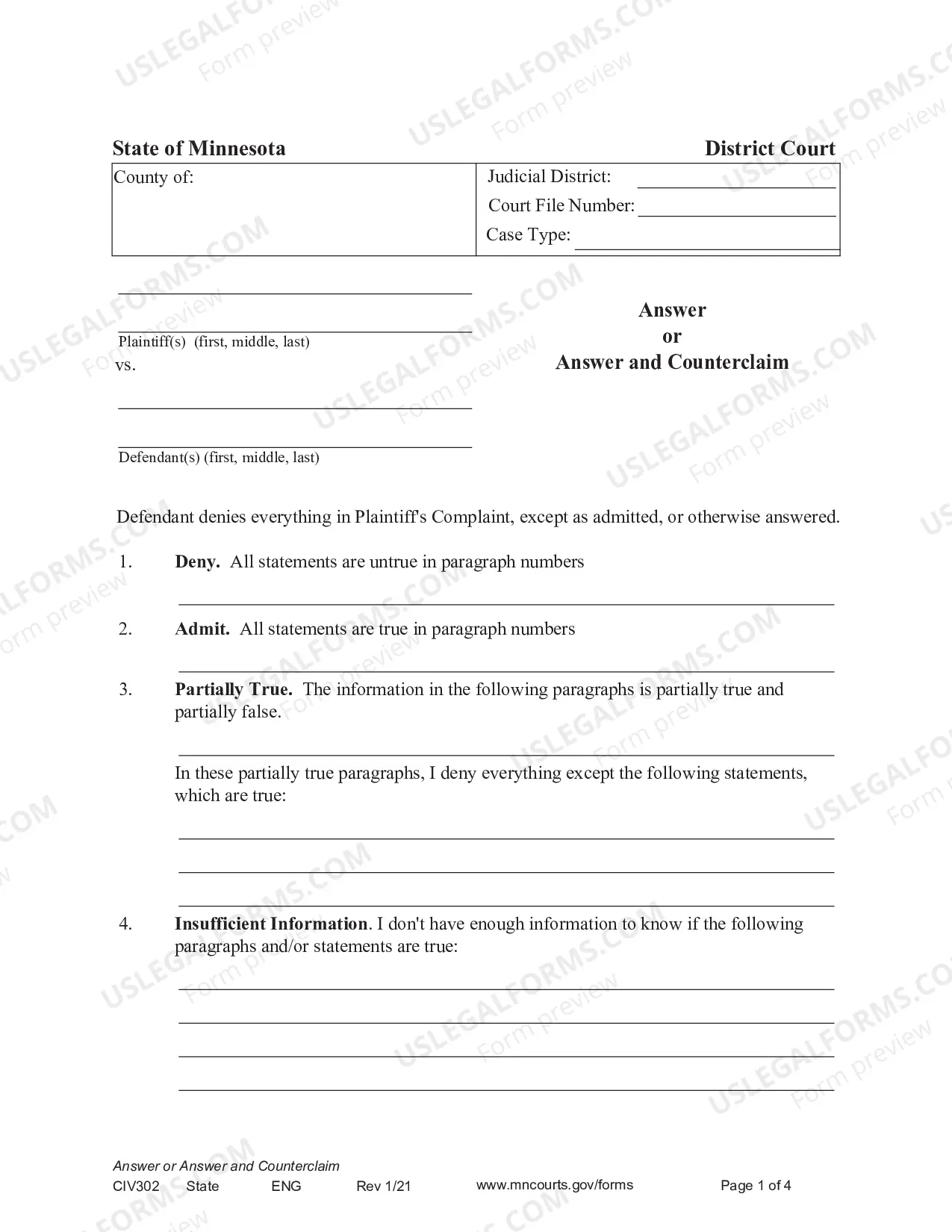
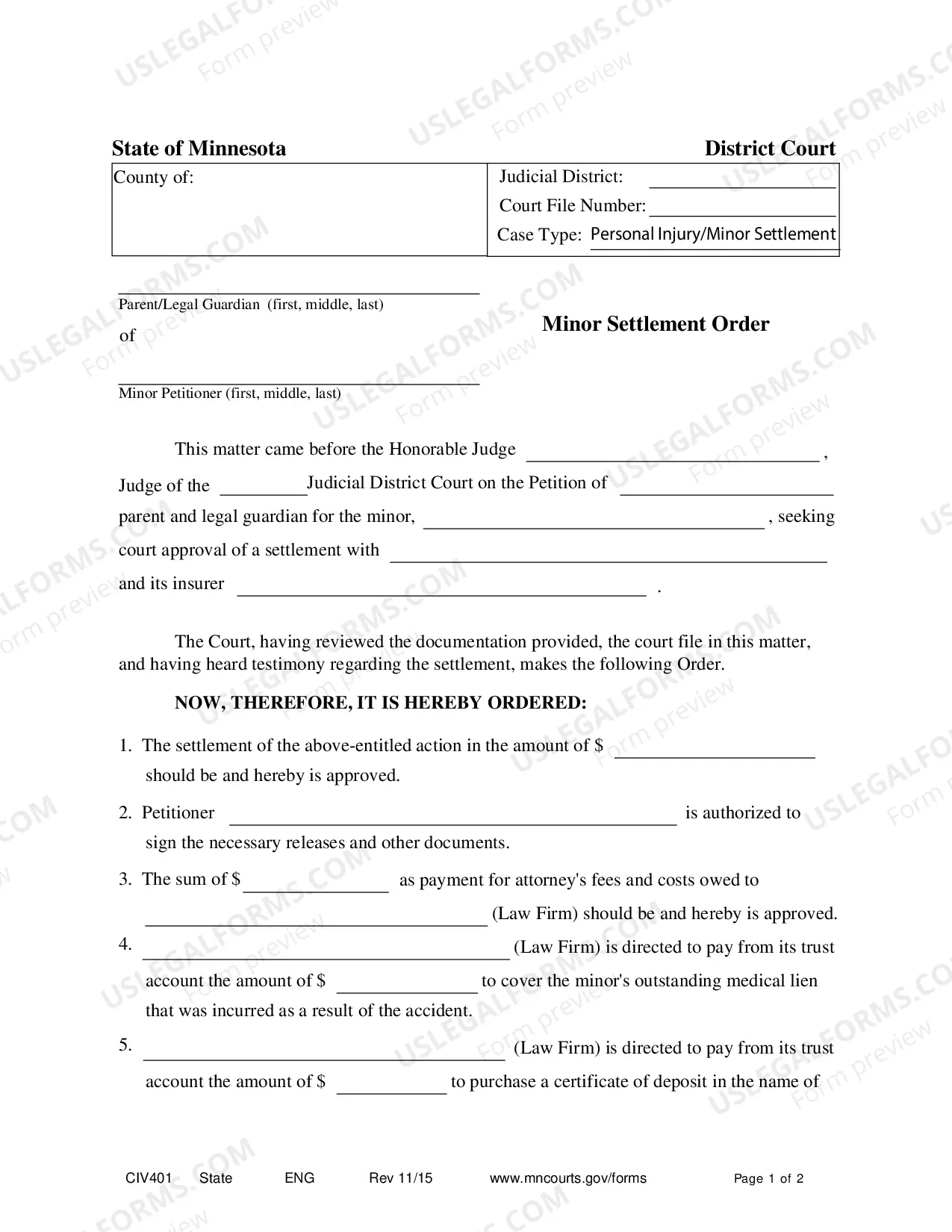
Hazard Investigation Report
About this form
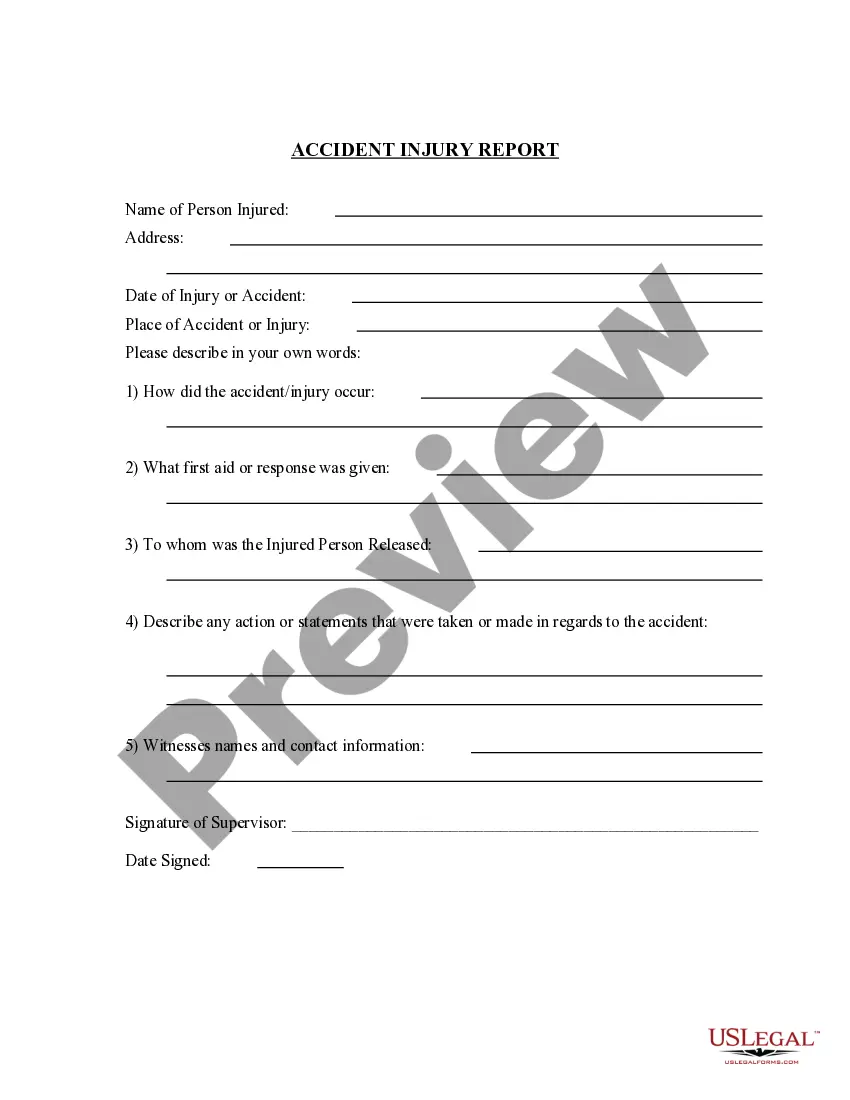
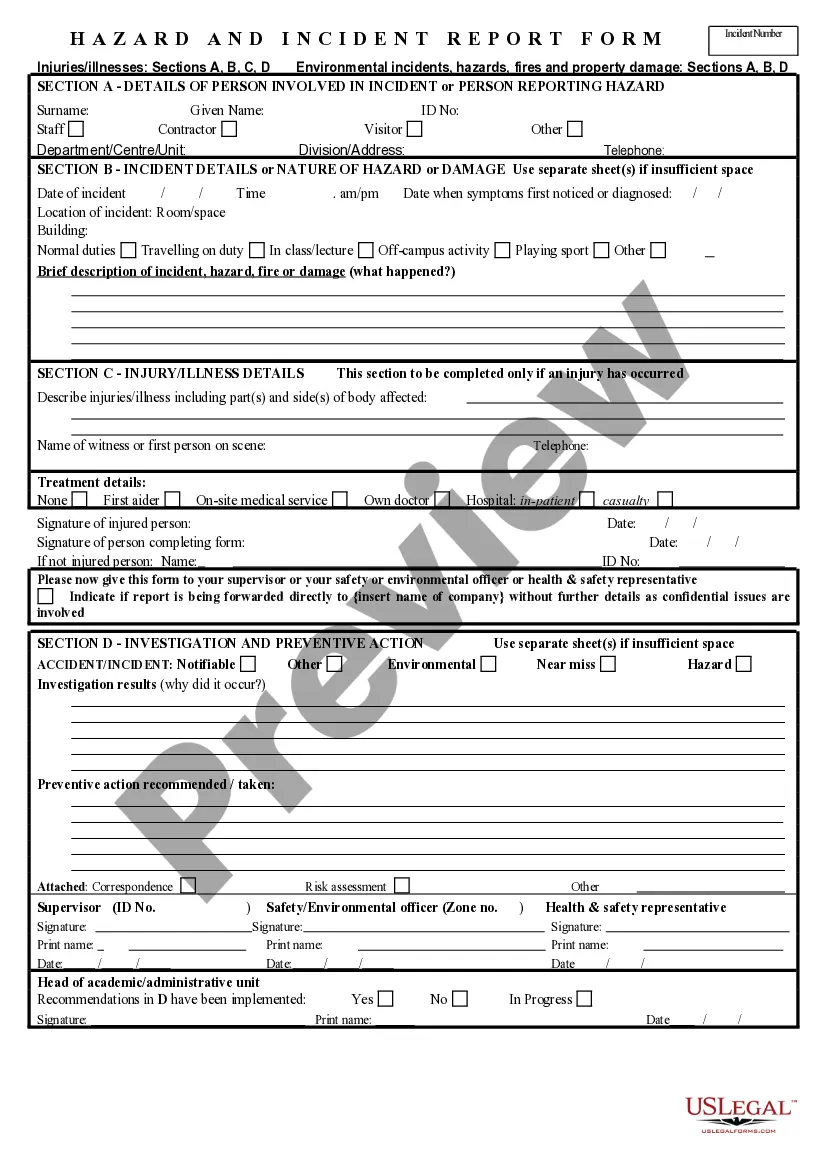
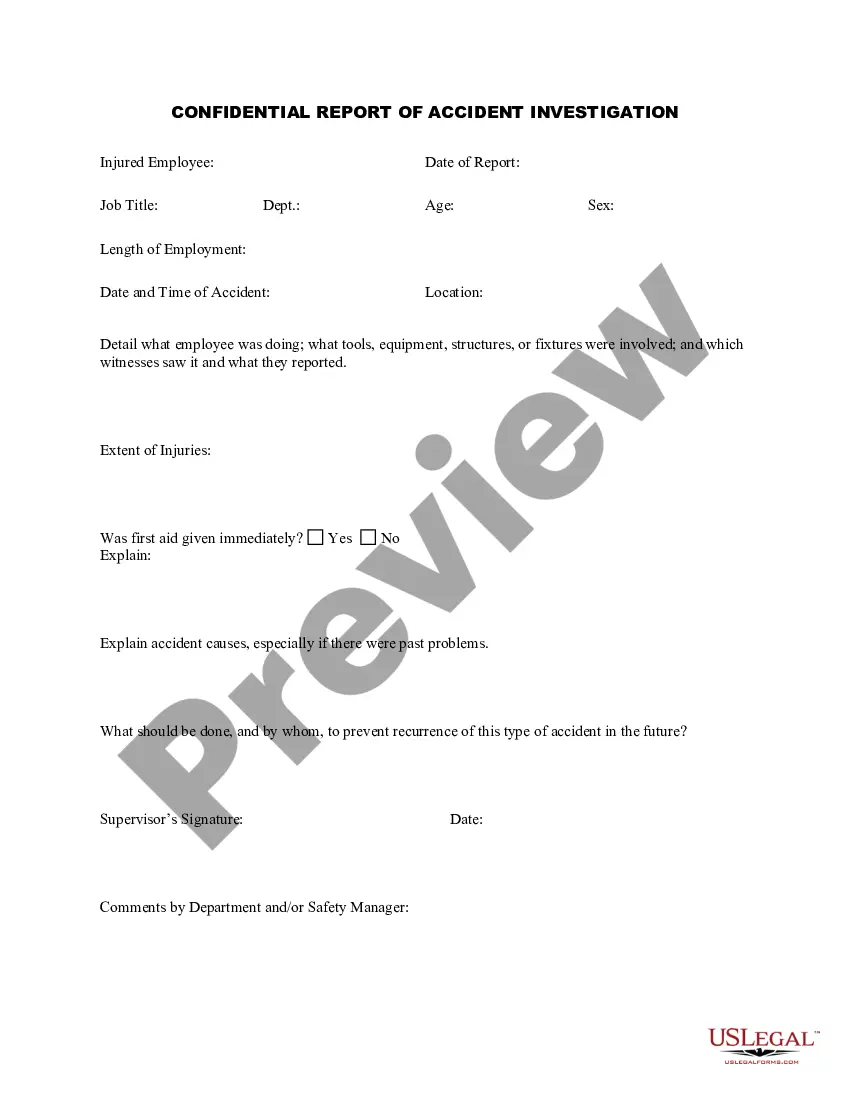
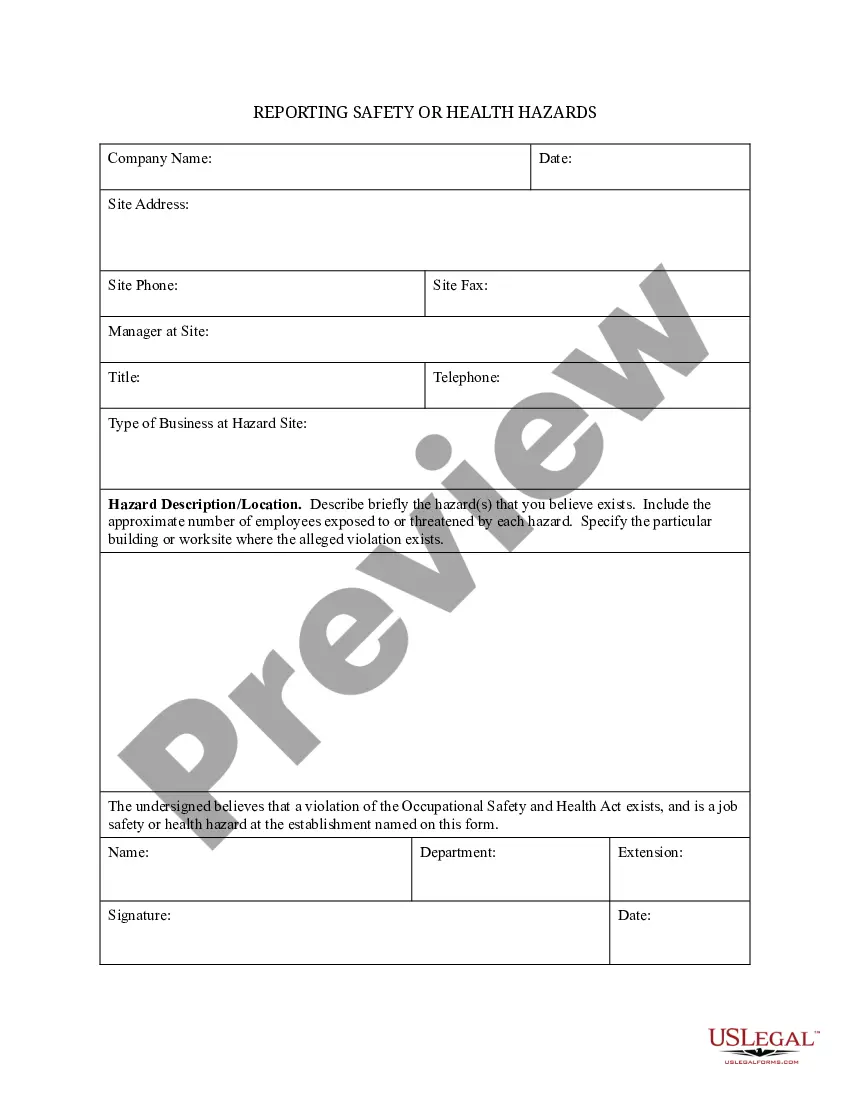
The Hazard Investigation Report is a crucial document used by organizations to systematically identify, assess, and document potential hazards in the workplace. This form serves to outline the findings of the investigation, emphasizing safety protocols and recommendations for mitigating risks. Unlike general safety assessment forms, the Hazard Investigation Report focuses specifically on the identification and evaluation of hazards, making it essential for maintaining workplace safety.
What’s included in this form
- Type of Hazard: Specify the nature of the hazard identified.
- Date: Record the date of the investigation.
- Location: Indicate where the hazard was discovered.
- Department: Name the department involved or affected.
- Investigation Trigger: Determine what prompted the hazard investigation.
- Findings: Describe the circumstances surrounding the hazard, including past incidents if applicable.

Common use cases
The Hazard Investigation Report should be used when a potential hazard is identified in the workplace, requiring a structured assessment to ensure employee safety. It is essential after an incident occurs or when there is a request for an assessment from management or employees. Additionally, this report is useful for regular safety audits and training sessions designed to promote workplace awareness regarding health and safety protocols.
Who needs this form
This form is intended for:
- Safety officers in organizations responsible for workplace safety.
- Managers who oversee departments that may encounter hazards.
- Employees reporting issues related to safety in the workplace.
- Health and safety committees conducting workplace assessments.
How to prepare this document
- Identify the type of hazard and enter it in the designated field.
- Record the date of the investigation in the appropriate section.
- Specify the location of the hazard within the workplace.
- Document the department responsible for the area where the hazard exists.
- Provide details on what triggered the investigation, such as a request or incident report.
- Include any relevant findings regarding previous incidents and potential risks associated with the hazard.
Notarization guidance
This form usually doesn’t need to be notarized. However, local laws or specific transactions may require it. Our online notarization service, powered by Notarize, lets you complete it remotely through a secure video session, available 24/7.
Get your form ready online
Our built-in tools help you complete, sign, share, and store your documents in one place.
Make edits, fill in missing information, and update formatting in US Legal Forms—just like you would in MS Word.
Download a copy, print it, send it by email, or mail it via USPS—whatever works best for your next step.
Sign and collect signatures with our SignNow integration. Send to multiple recipients, set reminders, and more. Go Premium to unlock E-Sign.
If this form requires notarization, complete it online through a secure video call—no need to meet a notary in person or wait for an appointment.
We protect your documents and personal data by following strict security and privacy standards.

Make edits, fill in missing information, and update formatting in US Legal Forms—just like you would in MS Word.

Download a copy, print it, send it by email, or mail it via USPS—whatever works best for your next step.

Sign and collect signatures with our SignNow integration. Send to multiple recipients, set reminders, and more. Go Premium to unlock E-Sign.

If this form requires notarization, complete it online through a secure video call—no need to meet a notary in person or wait for an appointment.

We protect your documents and personal data by following strict security and privacy standards.
Avoid these common issues
- Failing to document all relevant details that contribute to understanding the hazard.
- Inaccurately identifying the location of the hazard.
- Neglecting to include previous accidents related to the identified hazard.
- Omitting signatures from the investigator or management, which may invalidate the report.
Why complete this form online
- Convenience: Complete the form from anywhere, at any time.
- Editability: Easily make adjustments to the report as needed.
- Reliability: Ensures all necessary fields are filled out and compliant with safety regulations.
Legal use & context
- This form is a key component in compliance with occupational safety regulations.
- Ensures accountability within the organization regarding safety procedures.
- Provides evidence in case of follow-up legal disputes or audits related to workplace safety.
Key takeaways
- The Hazard Investigation Report is essential for documenting workplace safety hazards.
- Organizations should use this form proactively to prevent accidents and ensure safety compliance.
- Accurate and detailed reporting contributes to workplace safety and accountability.
Looking for another form?

Form popularity
FAQ
Type of incident (injury, near miss, property damage, or theft) Address. Date of incident. Time of incident. Name of affected individual. A narrative description of the incident, including the sequence of events and results of the incident.
First: Report the incident occurrence to a designated person within the organization. Provide first aid and medical care to injured person(s) and prevent further injuries or damage.
The investigation report should aim to educate and persuade. The report should clearly explain how the conclusions have been reached. Keep the report as short and as clear as possible and avoid any hint of bias.
Accurate. All data must be clear and specific. Factual. An incident report should be objective and supported by facts. Complete. Ensure that all essential questions (what, where, when, why, and how) are covered in the incident report. Graphic. Valid.
Type of incident (injury, near miss, property damage, or theft) Address. Date of incident. Time of incident. Name of affected individual. A narrative description of the incident, including the sequence of events and results of the incident.
Start With What You Know. The investigator should record the information about the subject (respondent or accused person) and the details of the complaint. Make Sense of What You Have. Evidence analysis can substantiate claims from either party. Formulate a Conclusion.
Incident Description. Date / Time / Location. Details of injuries / Damage to equipment / Environmental impact / Impact on production or operations. Risk rating (actual and potential consequence) Photographs. Timeline / Sequence of events.
Provide first aid and/or medical care to the injured persons and take action to prevent further injury or damage. Report the accident as required by your company's policies. Investigate the accident as soon as possible after it occurs. Identify the causes of the accident. Report your findings in a written report.
The U.S. Chemical Safety and Hazard Investigation Board, generally referred to as the Chemical Safety Board or CSB, is an independent U.S. federal agency charged with investigating industrial chemical accidents.The CSB conducts root cause investigations of chemical accidents at fixed industrial facilities.