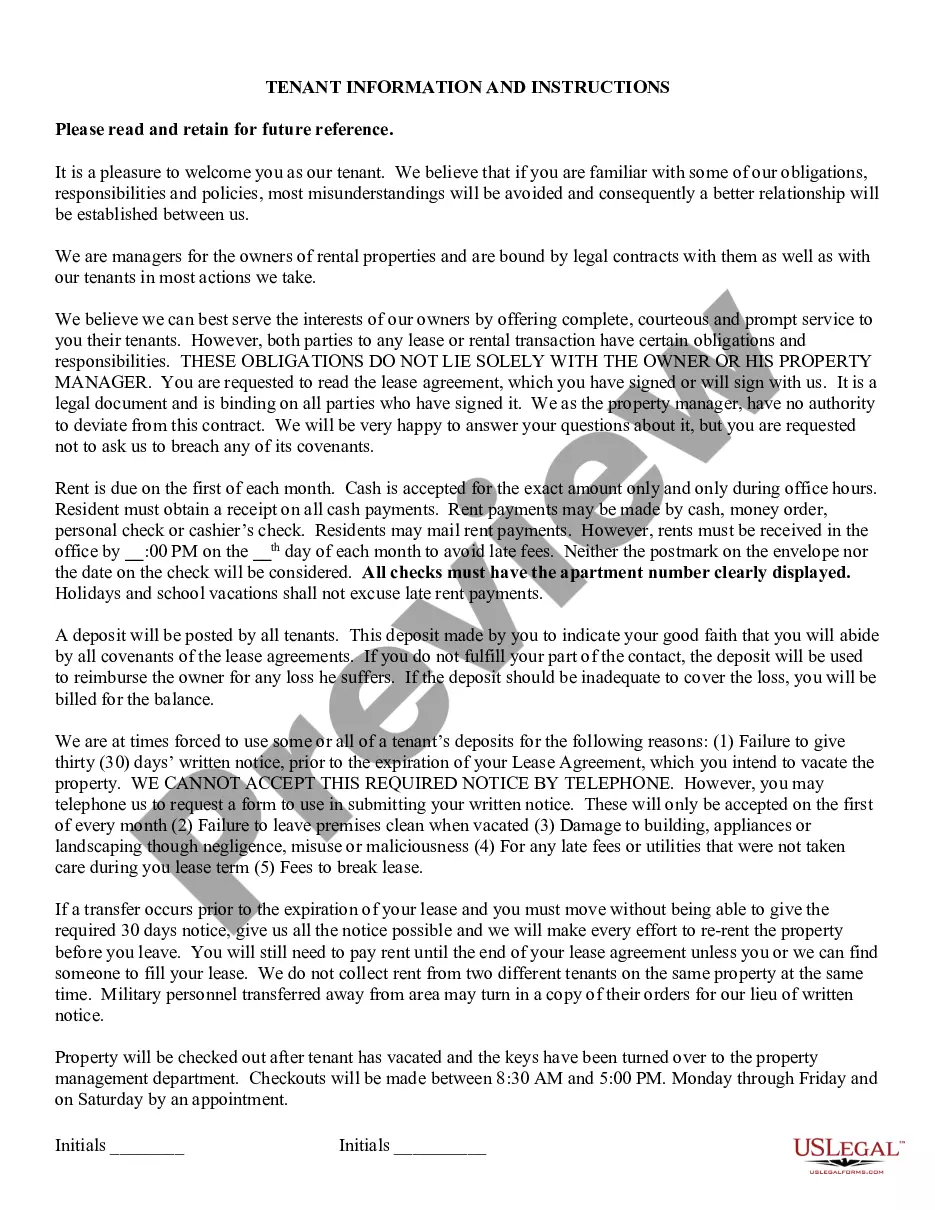
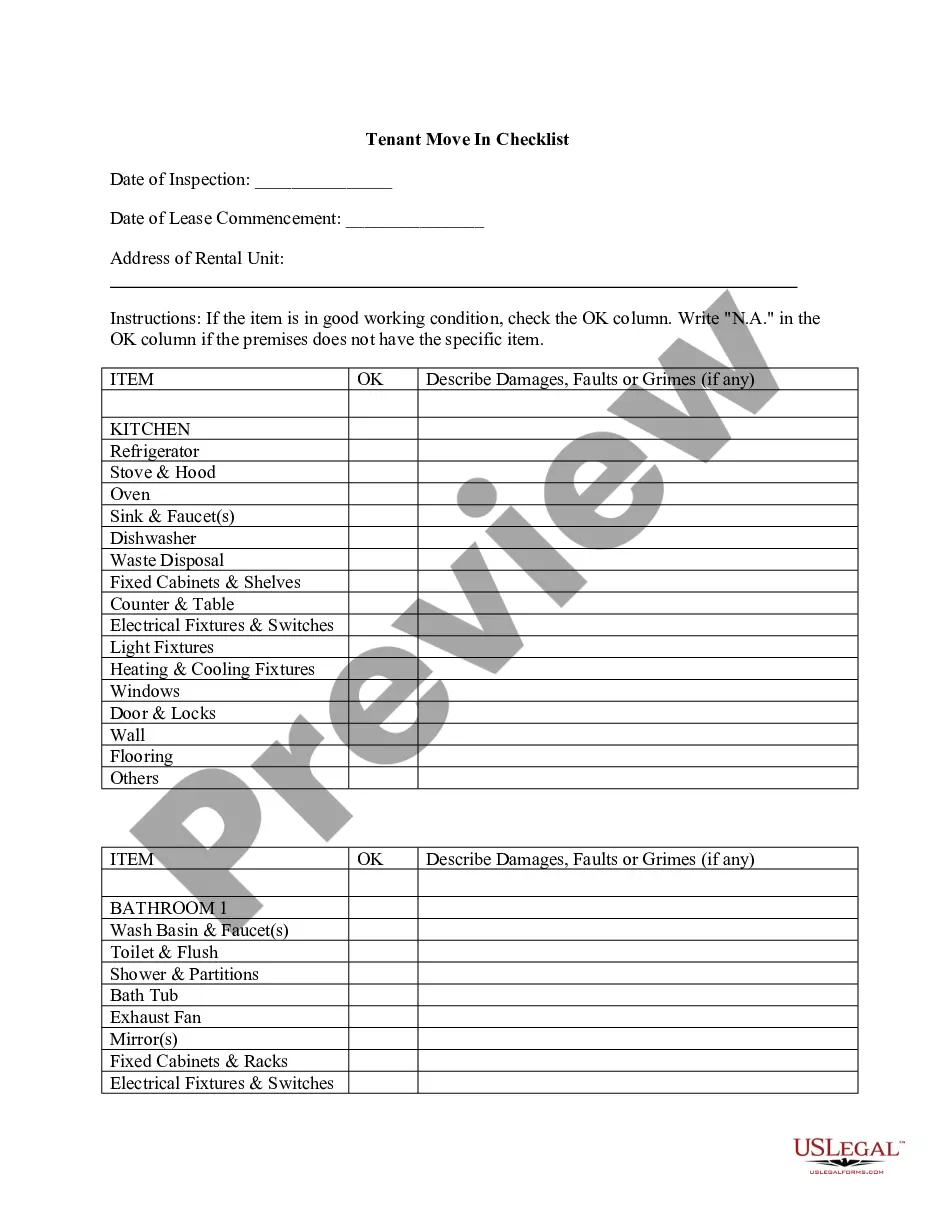
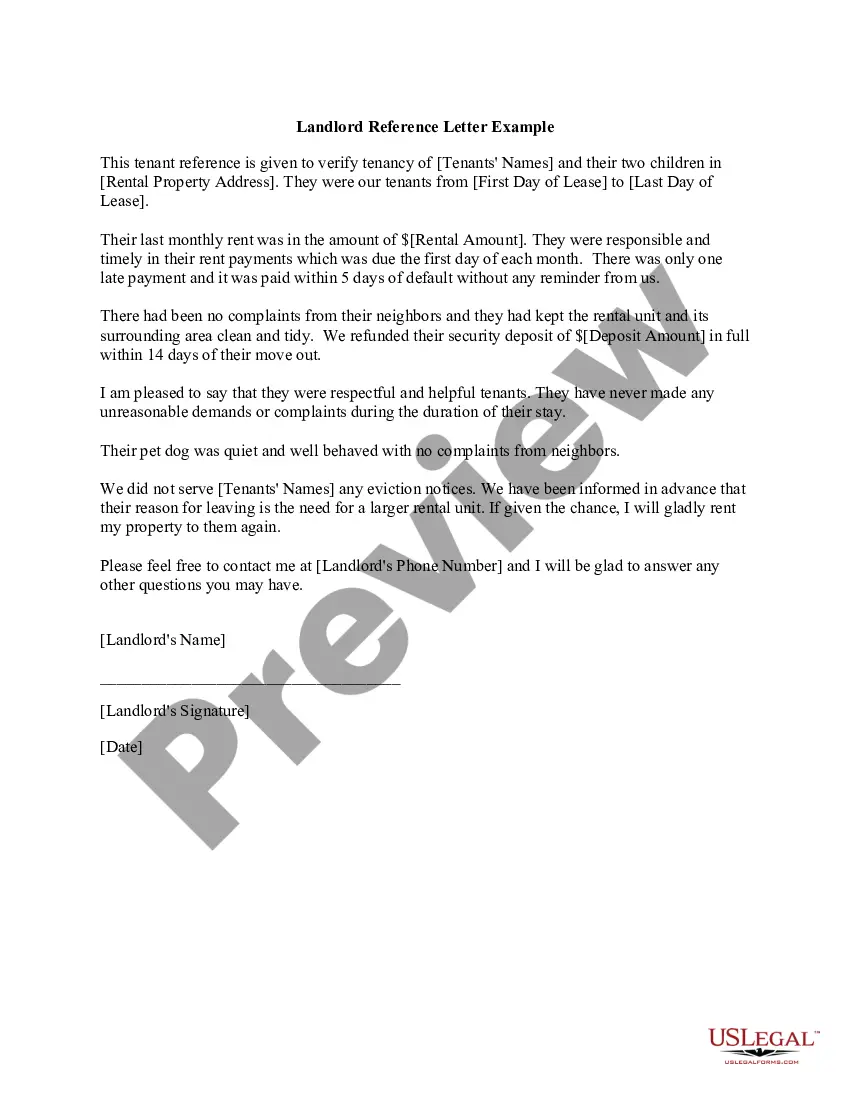
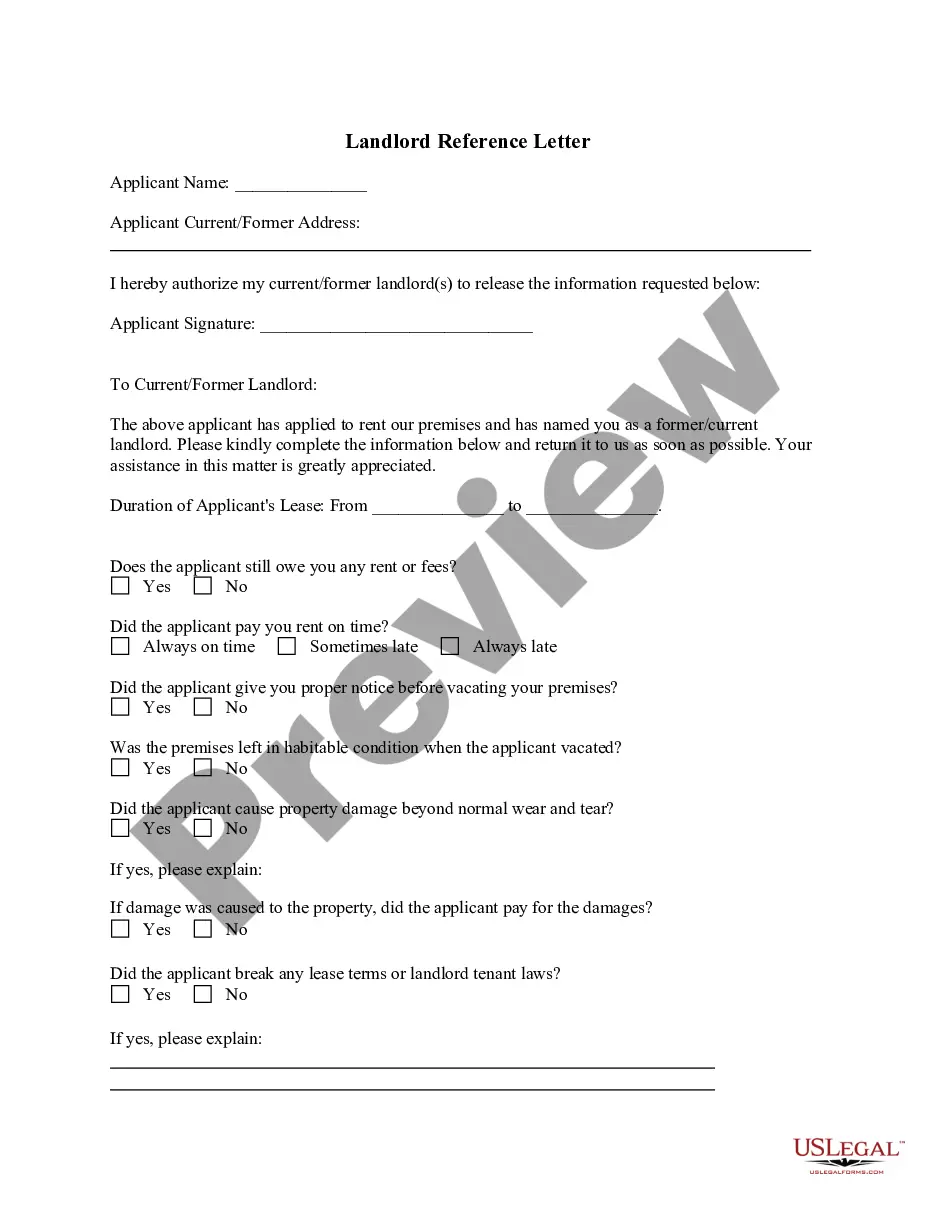
Tenant Information and Instructions
Notarization guidance
This form usually doesn’t need to be notarized. However, local laws or specific transactions may require it. Our online notarization service, powered by Notarize, lets you complete it remotely through a secure video session, available 24/7.
Get your form ready online
Our built-in tools help you complete, sign, share, and store your documents in one place.
Make edits, fill in missing information, and update formatting in US Legal Forms—just like you would in MS Word.
Download a copy, print it, send it by email, or mail it via USPS—whatever works best for your next step.
Sign and collect signatures with our SignNow integration. Send to multiple recipients, set reminders, and more. Go Premium to unlock E-Sign.
If this form requires notarization, complete it online through a secure video call—no need to meet a notary in person or wait for an appointment.
We protect your documents and personal data by following strict security and privacy standards.
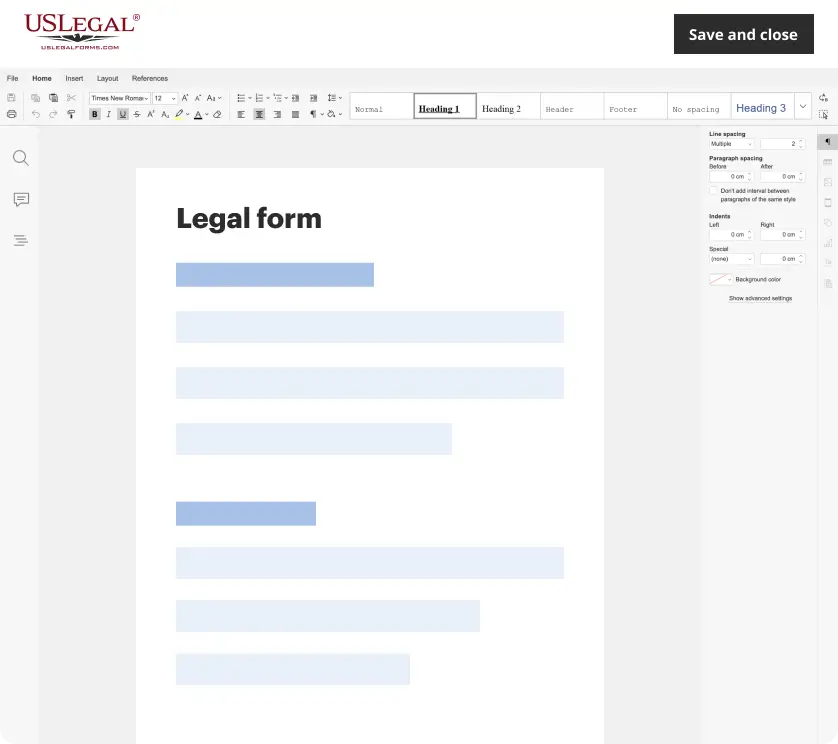
Make edits, fill in missing information, and update formatting in US Legal Forms—just like you would in MS Word.
Download a copy, print it, send it by email, or mail it via USPS—whatever works best for your next step.
Sign and collect signatures with our SignNow integration. Send to multiple recipients, set reminders, and more. Go Premium to unlock E-Sign.
If this form requires notarization, complete it online through a secure video call—no need to meet a notary in person or wait for an appointment.
We protect your documents and personal data by following strict security and privacy standards.
Looking for another form?
Form popularity
FAQ
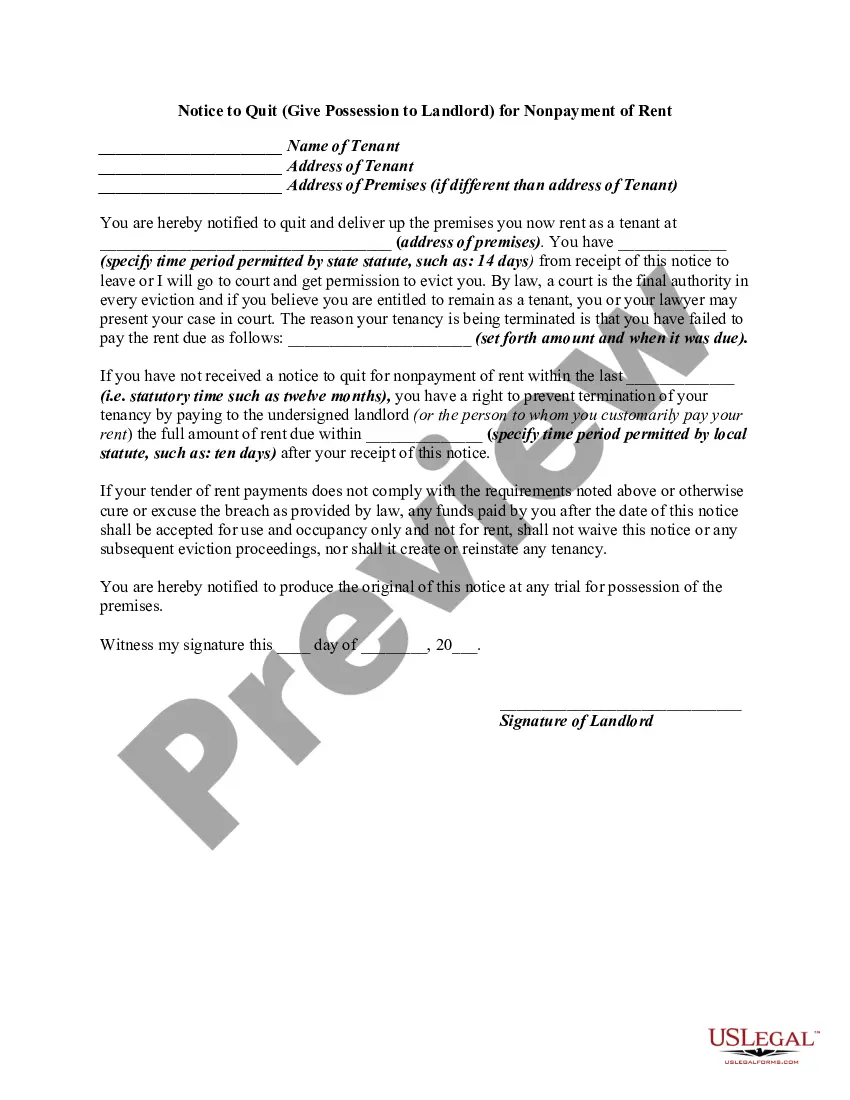
A Florida landlord can terminate without cause a month-to-month tenancy by giving the tenant a written notice at least 15 days before the end of the monthly period. The notice must inform the tenant that the tenancy will end in 15 days and that the tenant must move out of the rental unit by that time.
If a tenant won't leave when the lease is up, then a landlord can evict them. To do so, a landlord must follow a legal process to obtain a writ of possession. Evicting a tenant on your own ? even if they have no legal right to be on your property ? is illegal in Florida.
The Florida Residential Landlord Tenant Act prevails over what the lease says. A tenant is entitled to the right of private, peaceful possession of the dwelling. Once rented, the dwelling is the tenant's to lawfully use.
The entire process can be done is as little as one week if the eviction is uncontested, or take years in unusual circumstances. On average, an eviction process takes about 15 days if there are no valid defenses to the eviction action.
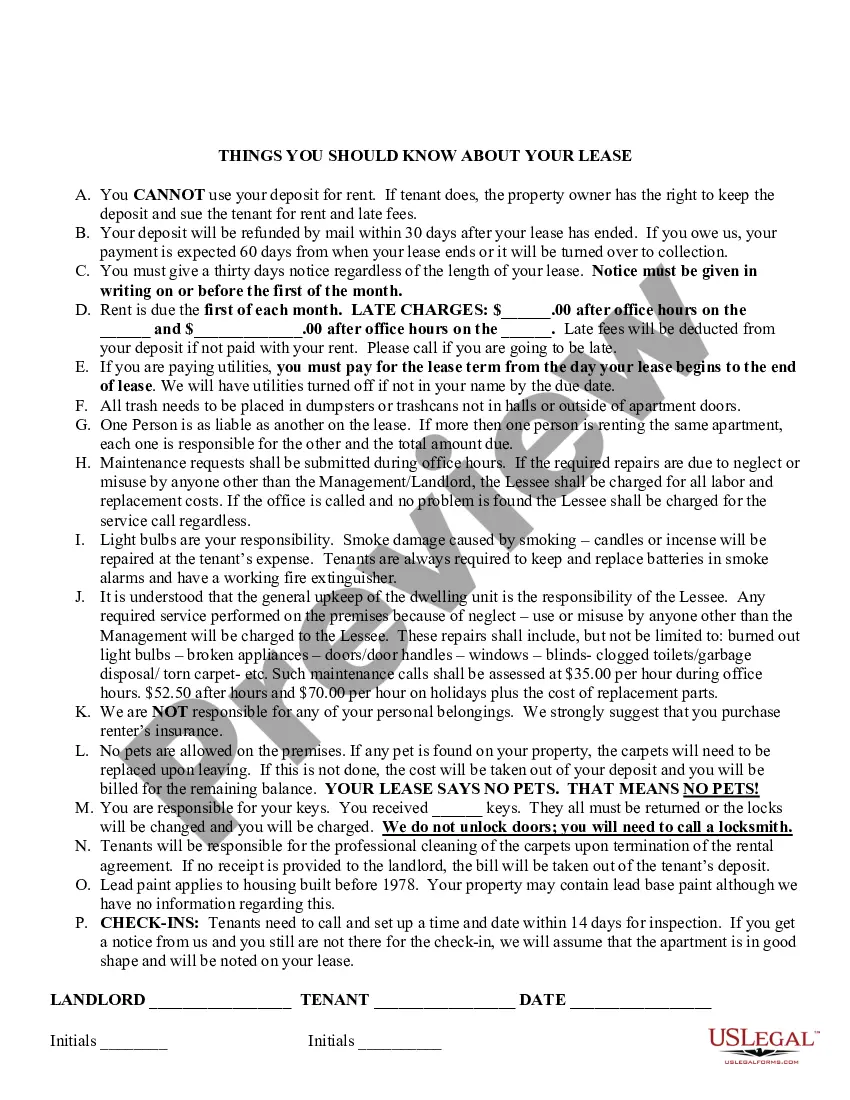
Many of these responsibilities are spelled out in the terms of the lease, which the tenant is obligated to abide by. A tenant is also required to maintain the rental, ensuring it is kept clean and free of garbage, waste, pests, and other hazards, and that the appliances within it are used and maintained properly.
In Florida a tenant must give the landlord 30 days written notice of his intention to vacate the premises at the end of the agreement term. He could be staying, or he could be moving on, but he has to provide that 30 days notice.
Notice Requirements for Florida Landlords A landlord can simply give you a written notice to move, allowing you 15 days as required by Florida law and specifying the date on which your tenancy will end.
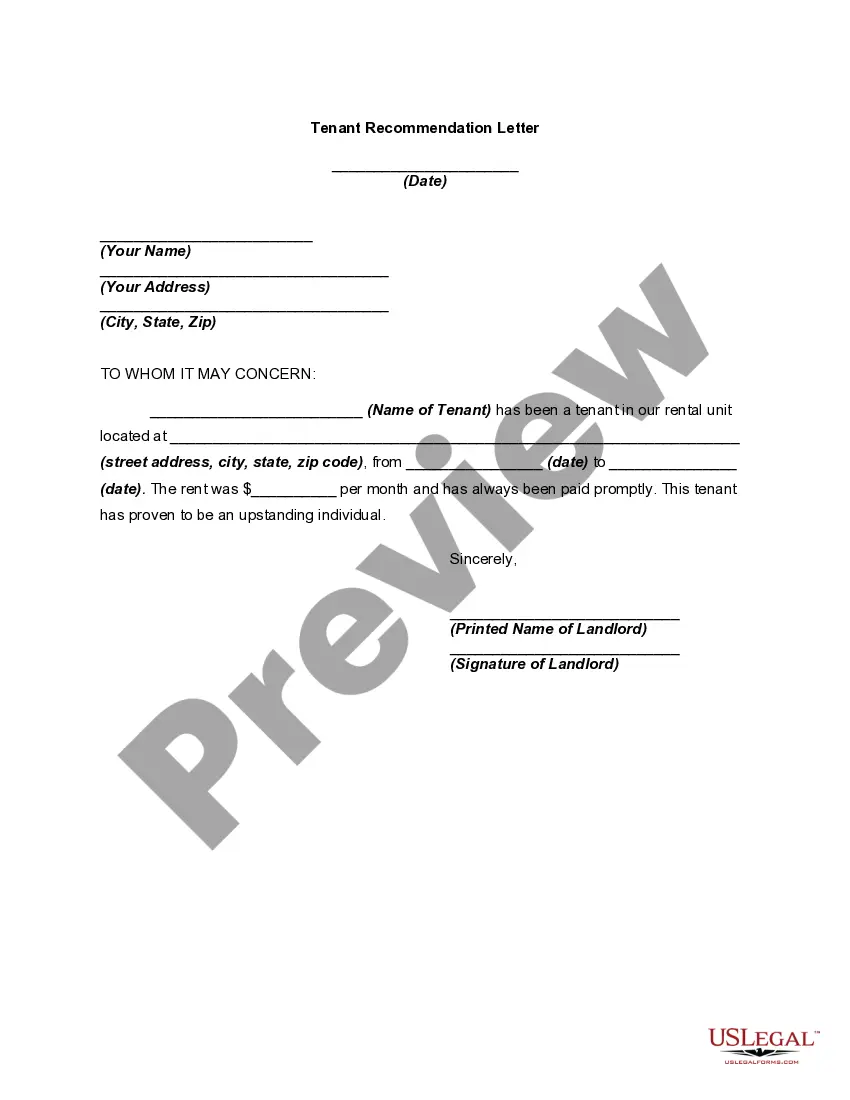
A tenet is a principle held as being true, especially by an organization or a group of people. A tenant is (1) someone who pays rent to occupy property; (2) a dweller in a place; and, (3) in law, one who holds or possesses lands, tenements, or property by any kind of title.