Agreement between Retiring Partner and Remaining Partners to Dissolve and Wind up Partnership with Mutual Conveyances of Assets
Overview of this form
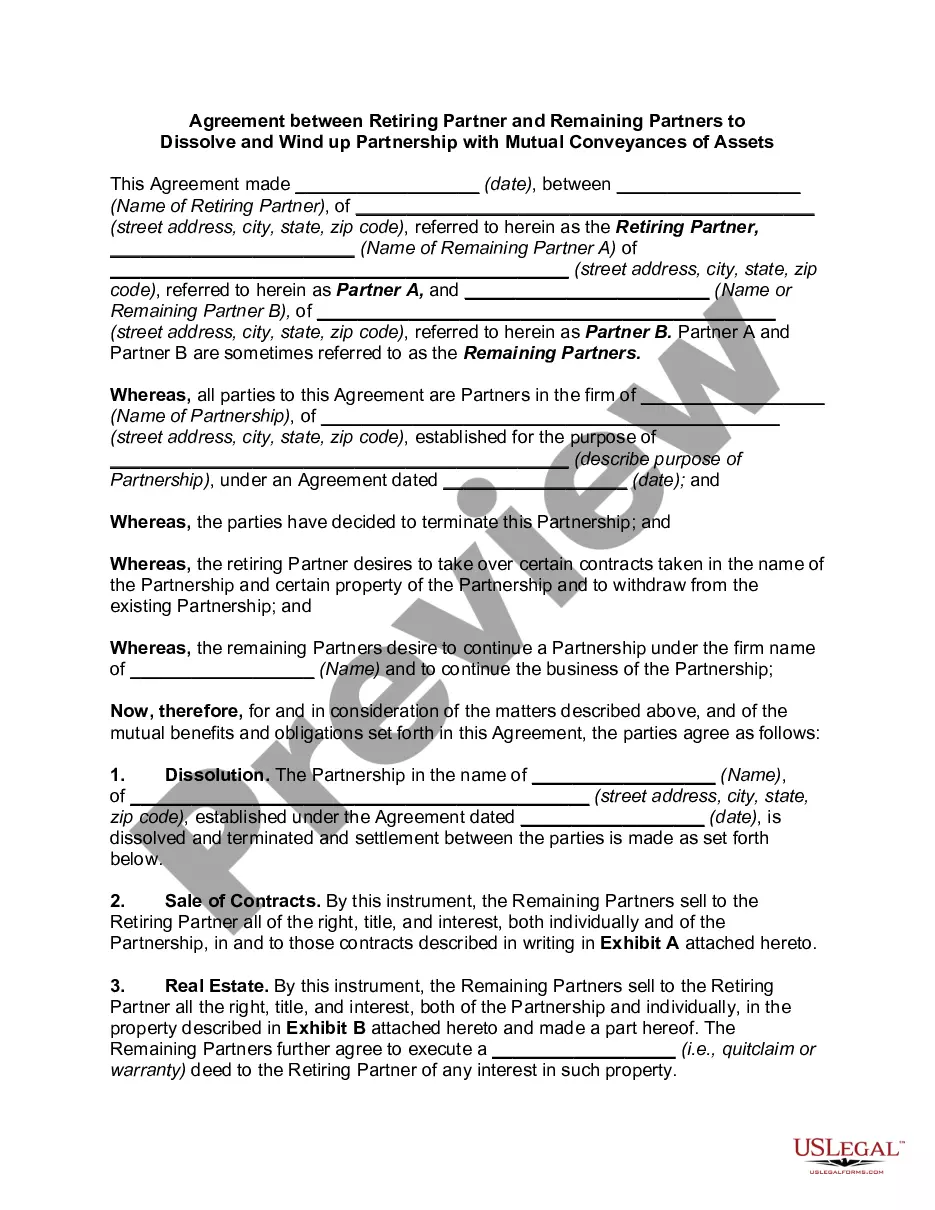
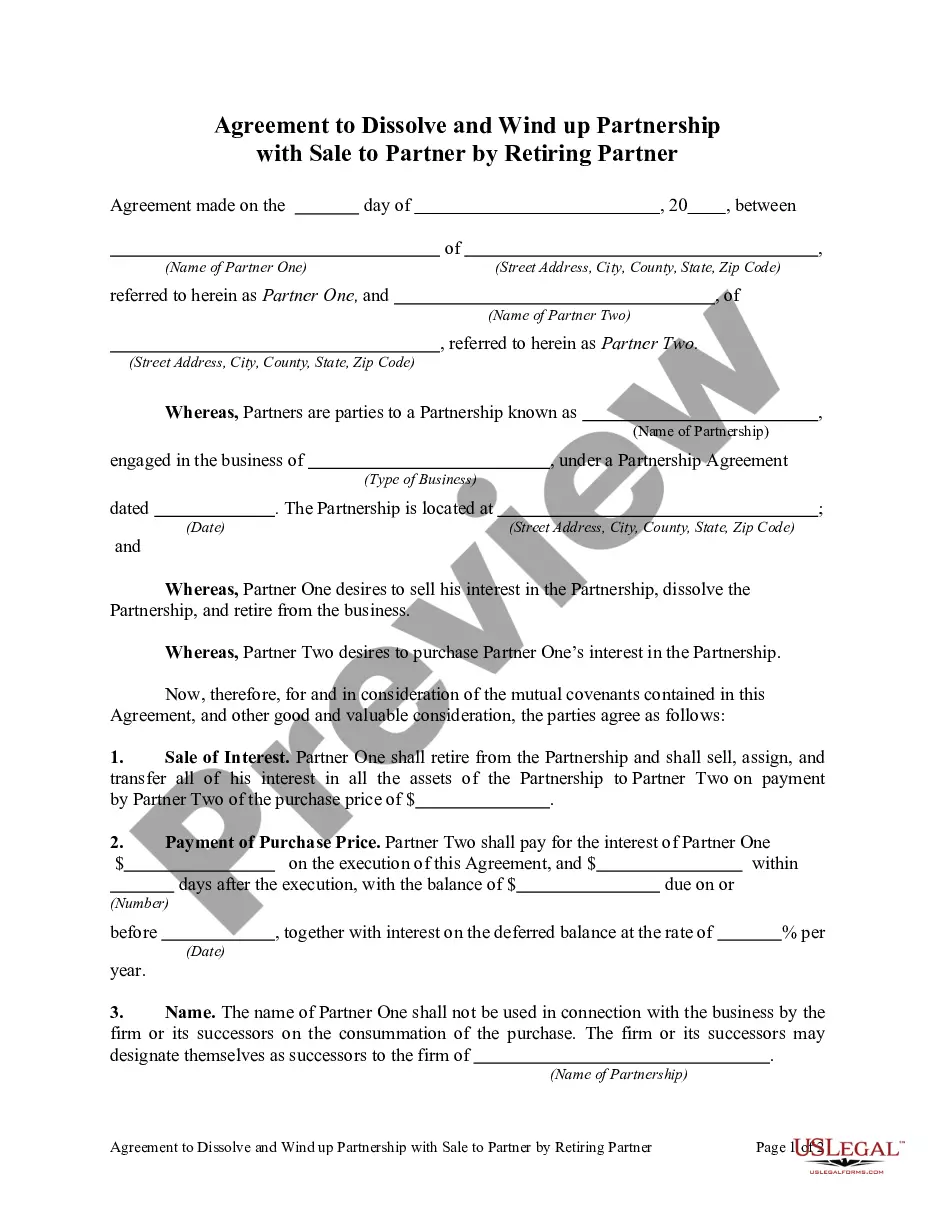
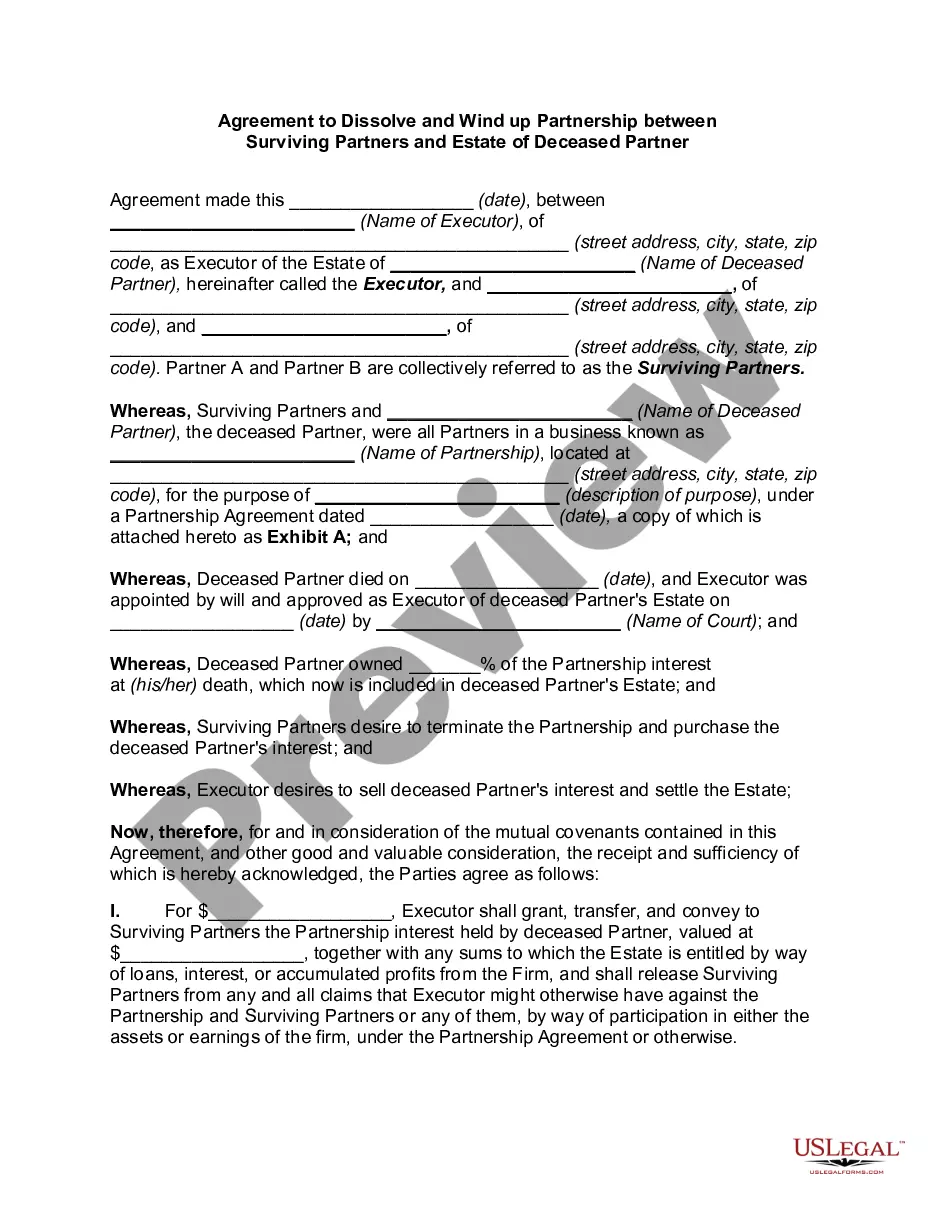
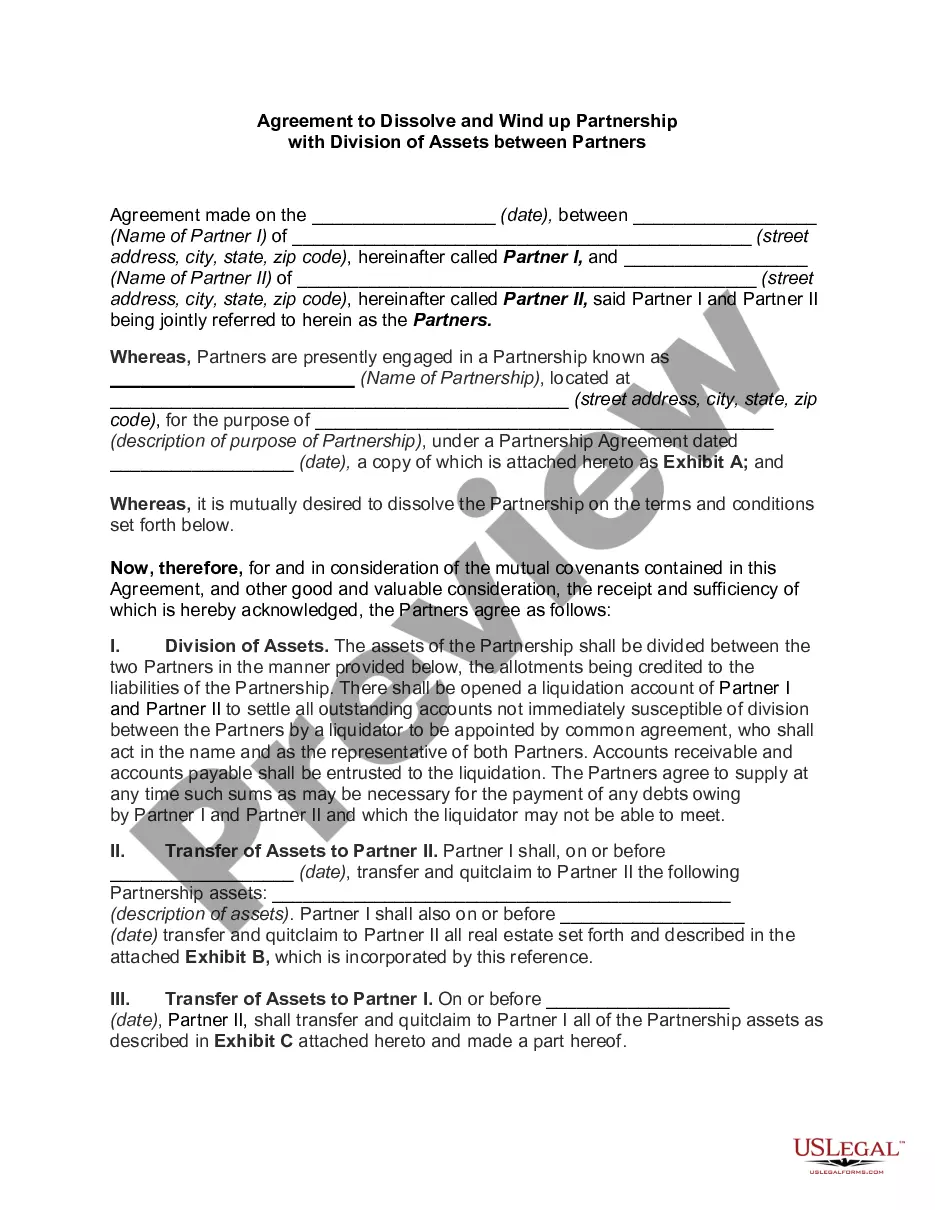
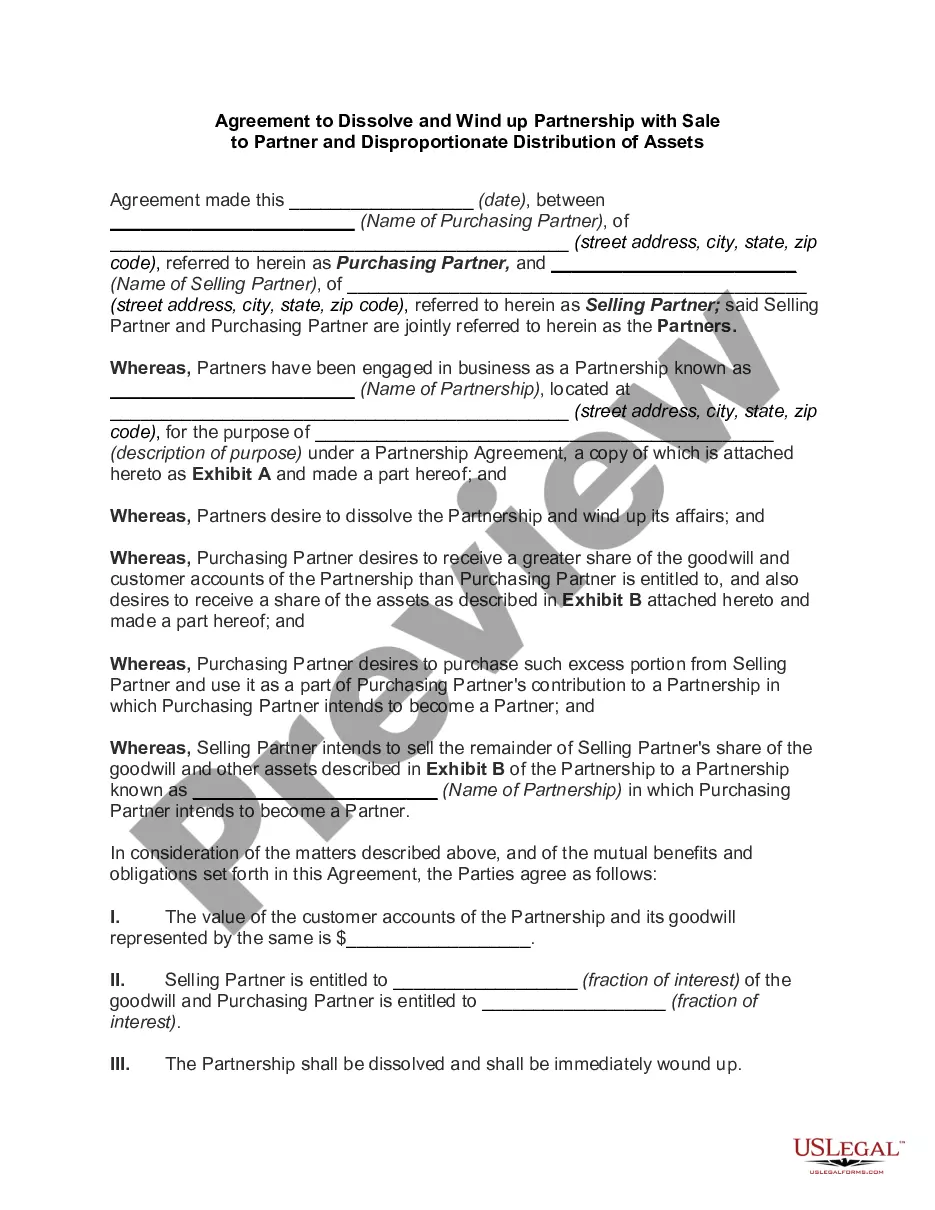
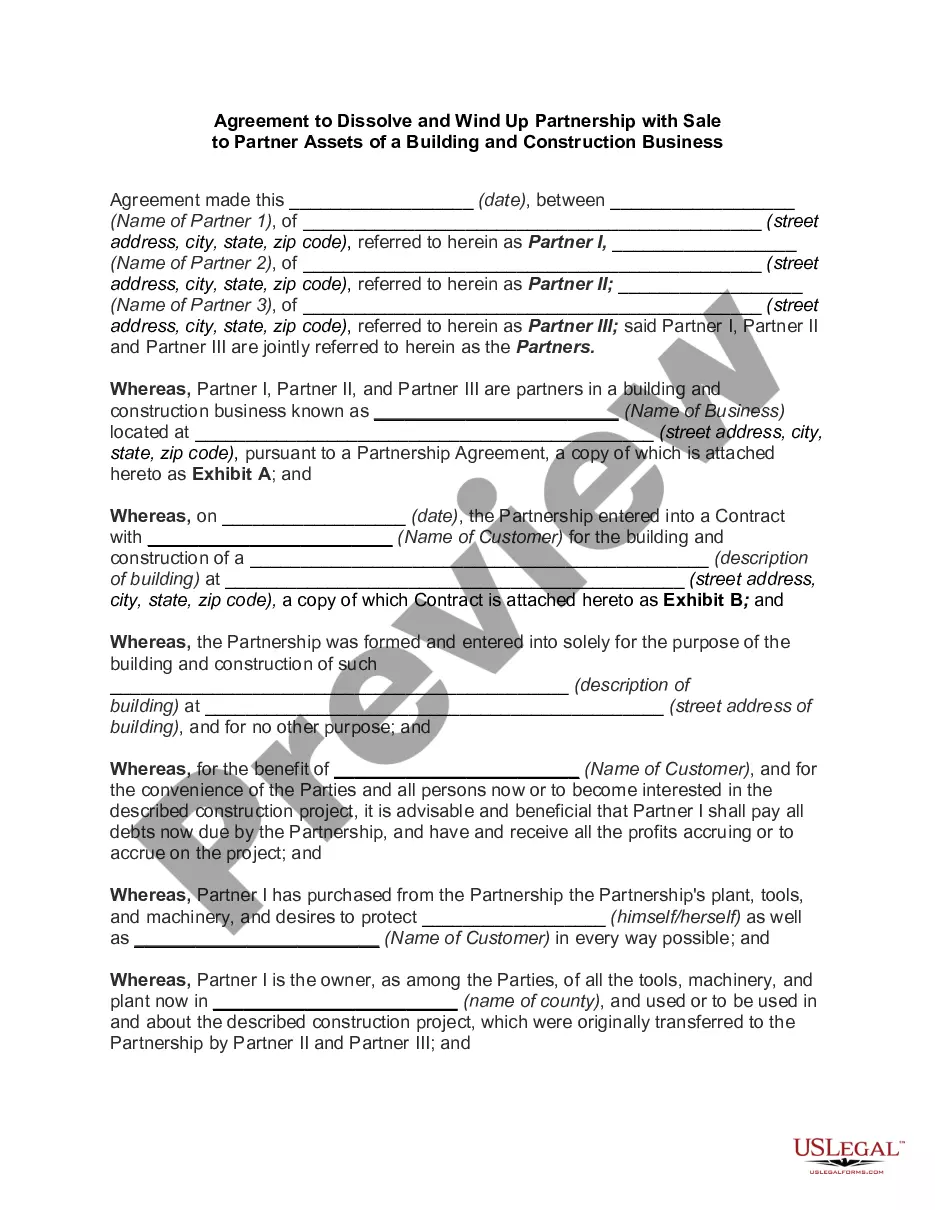
This Agreement between Retiring Partner and Remaining Partners to Dissolve and Wind up Partnership with Mutual Conveyances of Assets outlines the process by which a partnership is dissolved when a partner retires. This form specifies the rights, responsibilities, and mutual agreements regarding the distribution of assets and liabilities among the partners involved, ensuring a clear and legal transition. It is distinct from termination documents, as it also includes provisions for the transfer of assets and obligations related to the partnershipâs ongoing operations.
Key components of this form
- Dissolution of the partnership and agreement on settlement terms.
- Transfer of contracts and property from the partnership to the retiring partner.
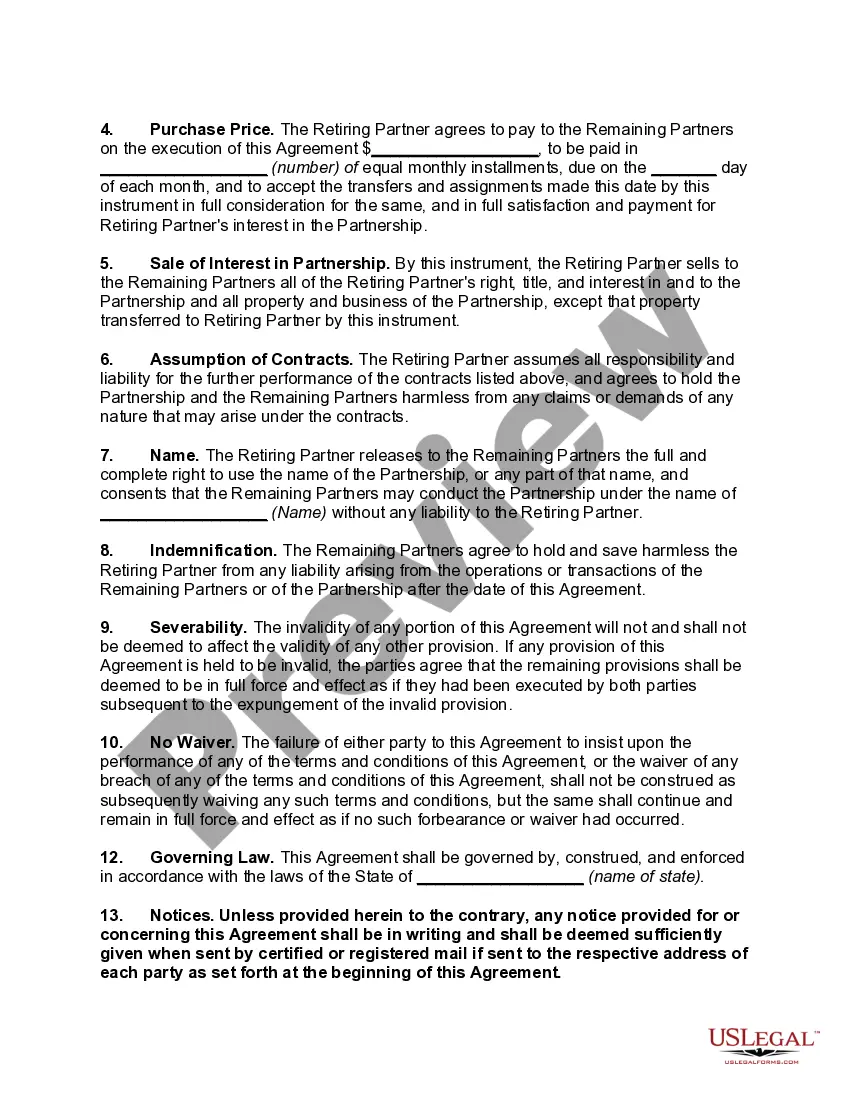
- Details on the purchase price and payment structure.
- Indemnification clauses to protect all parties post-dissolution.
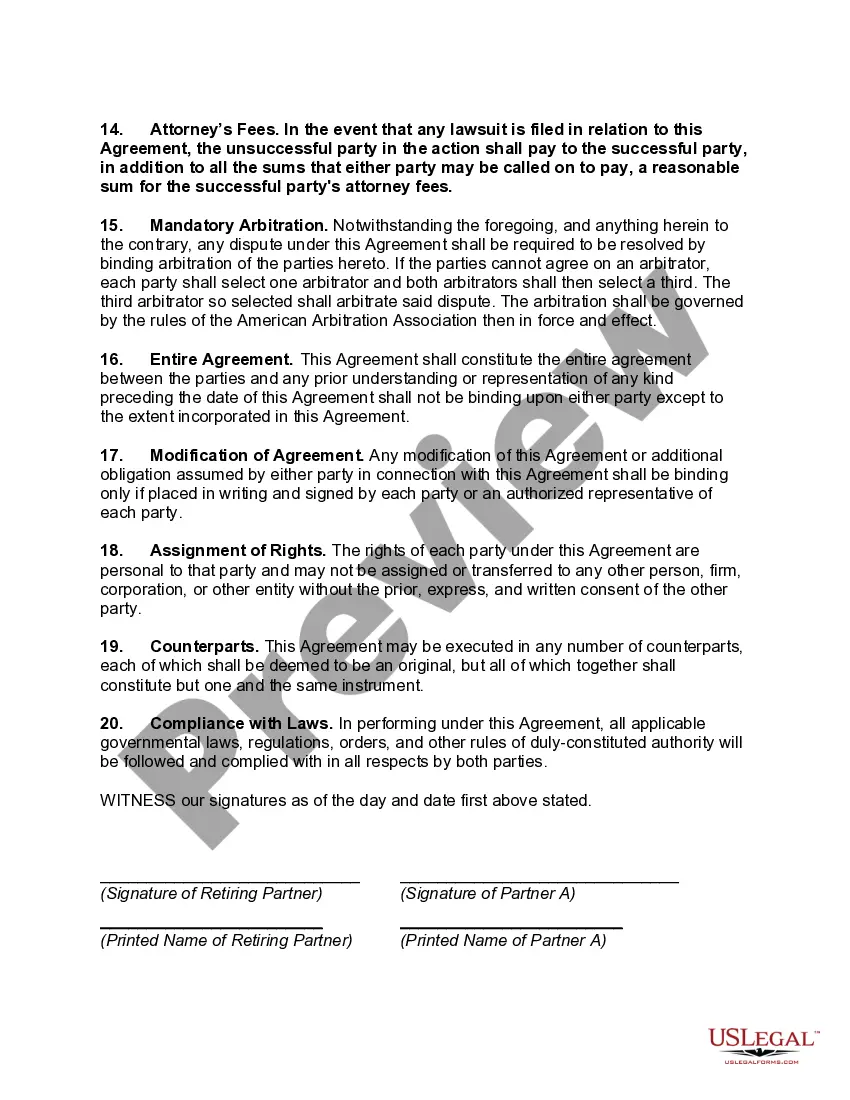
- Governing law and procedures for resolving disputes.
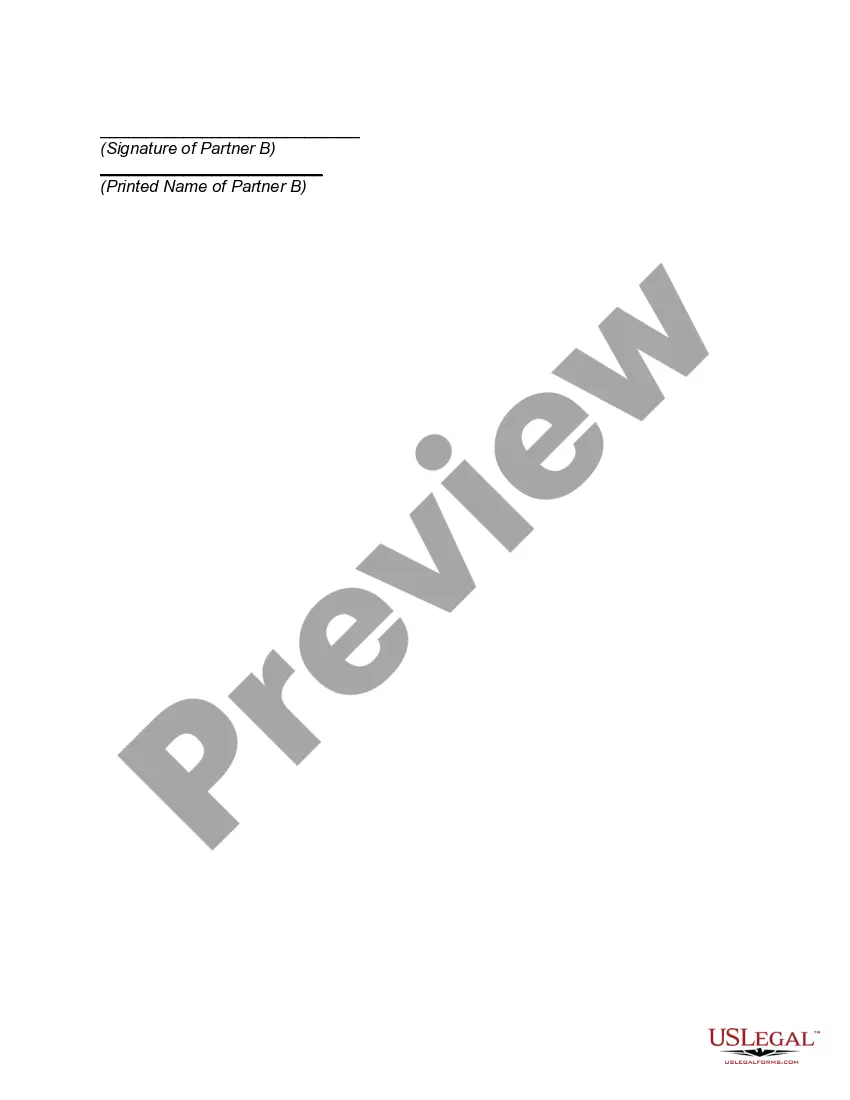
- Execution requirements, including signatures from all parties involved.
When this form is needed
You should use this form when a partner within a partnership decides to retire and the remaining partners agree to dissolve the existing partnership. This form will ensure all assets are fairly distributed, any liabilities are addressed, and the remaining partners can continue business operations without legal ambiguity.
Who can use this document
- Partners in a partnership where one partner is planning to retire.
- Remaining partners who wish to continue the business after the retirement of a partner.
- Legal representatives of the partnership involved in the dissolution process.
Completing this form step by step
- Identify all parties involved, including their names, addresses, and roles as either the retiring partner or remaining partners.
- Clearly state the name of the partnership and the purpose it served.
- Detail the assets and contracts being transferred to the retiring partner in the attached exhibits.
- Specify the purchase price and the agreed installment plan for payment.
- Ensure all parties sign and date the agreement to validate the document.
Notarization guidance
This form does not typically require notarization unless specified by local law. It is advisable to check your state's regulations to ensure compliance.
Get your form ready online
Our built-in tools help you complete, sign, share, and store your documents in one place.
Make edits, fill in missing information, and update formatting in US Legal Forms—just like you would in MS Word.
Download a copy, print it, send it by email, or mail it via USPS—whatever works best for your next step.
Sign and collect signatures with our SignNow integration. Send to multiple recipients, set reminders, and more. Go Premium to unlock E-Sign.
If this form requires notarization, complete it online through a secure video call—no need to meet a notary in person or wait for an appointment.
We protect your documents and personal data by following strict security and privacy standards.

Make edits, fill in missing information, and update formatting in US Legal Forms—just like you would in MS Word.

Download a copy, print it, send it by email, or mail it via USPS—whatever works best for your next step.

Sign and collect signatures with our SignNow integration. Send to multiple recipients, set reminders, and more. Go Premium to unlock E-Sign.

If this form requires notarization, complete it online through a secure video call—no need to meet a notary in person or wait for an appointment.

We protect your documents and personal data by following strict security and privacy standards.
Mistakes to watch out for
- Failing to properly identify all partners involved in the agreement.
- Not listing all assets and contracts being transferred to the retiring partner.
- Omitting signatures or fail to have the form properly dated.
- Neglecting to confirm that all partners are in agreement regarding the terms of dissolution.
Advantages of online completion
- Convenient access to legal documents that are easy to download and fill out.
- Templates drafted by licensed attorneys, ensuring reliability and compliance with legal standards.
- Editable formats allow you to customize the agreement to fit your specific partnership circumstances.
Legal use & context
- This agreement serves as a binding document that formalizes the dissolution process.
- It helps protect both the retiring partner and remaining partners from future liabilities related to partnership operations.
- Understanding local regulations regarding business dissolutions is essential for enforceability.
Looking for another form?

Form popularity
FAQ
The test of good faith as required for expulsion as stated under Section 33(1) includes three aspects. The expulsion must be in the best interest of the partnership. The partner that is to be expelled must be served with a notice. The partner has to be given the opportunity of being heard.
On retirement of a partner : On retirement of the partner the partnership the partnership firm gets dissolved to form new partnership deed and form new partnership.
If it's a business partnership with two partners, the exit of one partner will result in the collapse of the partnership. The exit terms will be detailed in the partnership agreement which is a legally binding document signed by all participating partners when entering a partnership.
On retirement of the partner, the reconstituted firm continues and the retiring partner is to be paid his dues in terms of Section 37 of the Partnership Act. In case of dissolution, accounts have to be settled and distributed as per the mode prescribed in Section 48 of the Partnership Act.
A Deed of Retirement from Partnership is an Agreement entered into between the Retiring Partner (the Partner who intends to leave the Partnership) and the Continuing Partners (the Partners who will continue to work as Partners of the existing Firm with updated terms).
A Partnership Dissolution Agreement is an agreement between two or more partners to end a business partnership. Signing a Partnership Dissolution Agreement will not immediately end the partnership.
The retirement of a partner extinguishes his interest in the Partnership firm and this leads to dissolution of the firm or reconstitution of the Partnership. A partner, who goes out of a firm, is called retiring partner or outgoing partner.
On retirement of the partner, the reconstituted firm continues and the retiring partner is to be paid his dues in terms of Section 37 of the Partnership Act. In case of dissolution, accounts have to be settled and distributed as per the mode prescribed in Section 48 of the Partnership Act.