Loan Agreement for Vehicle
About this form
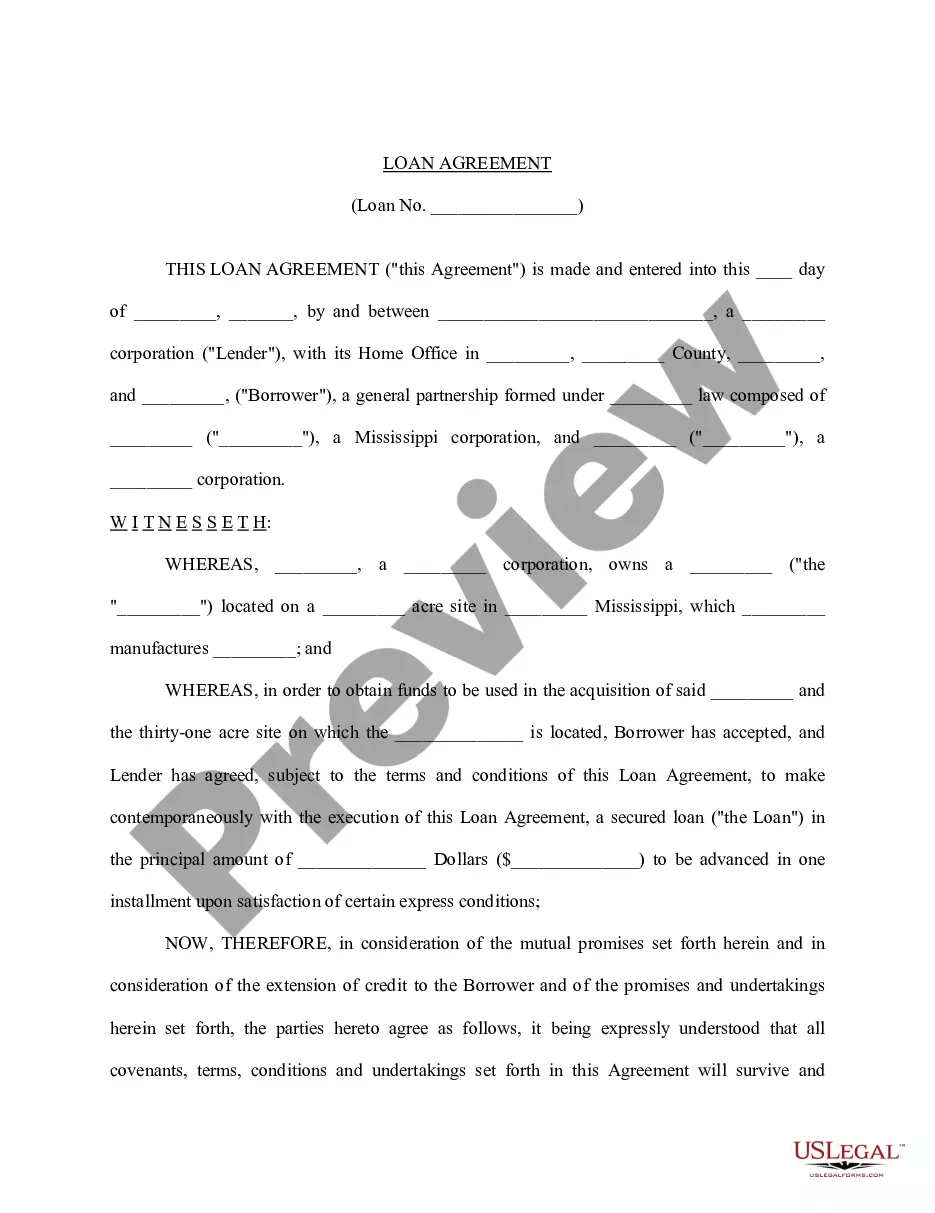
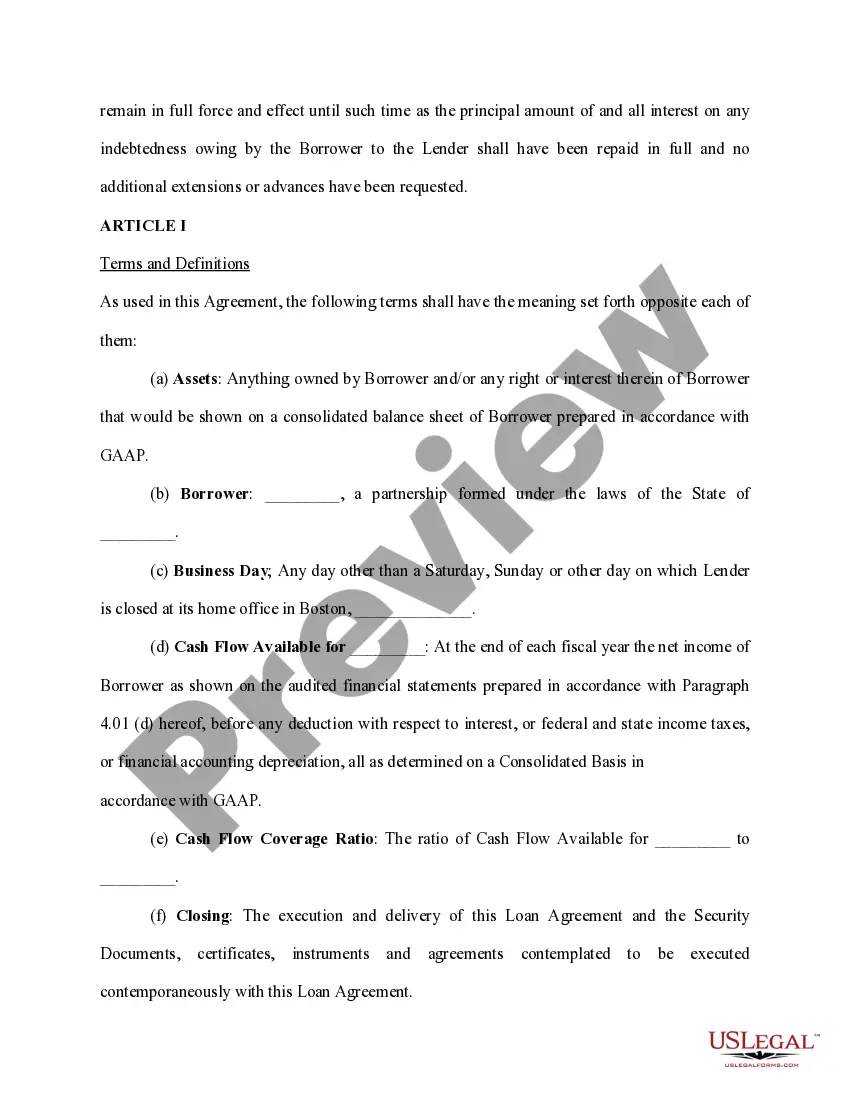
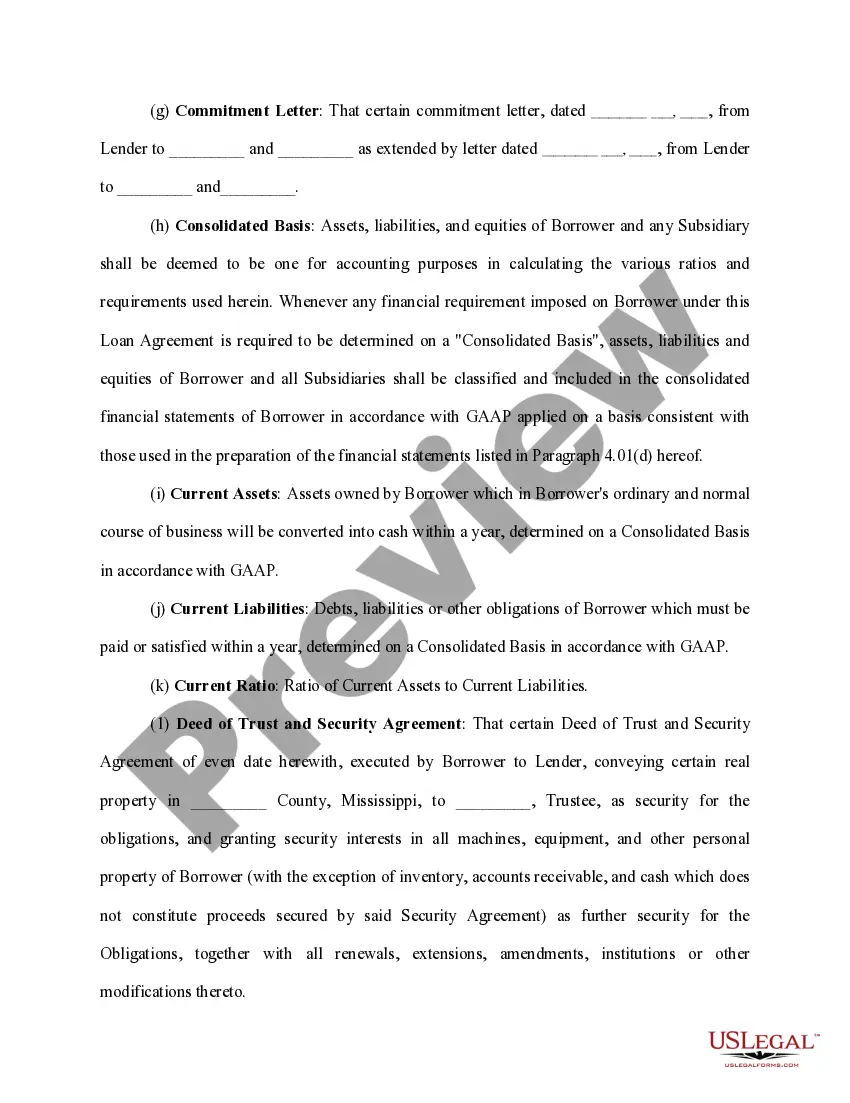
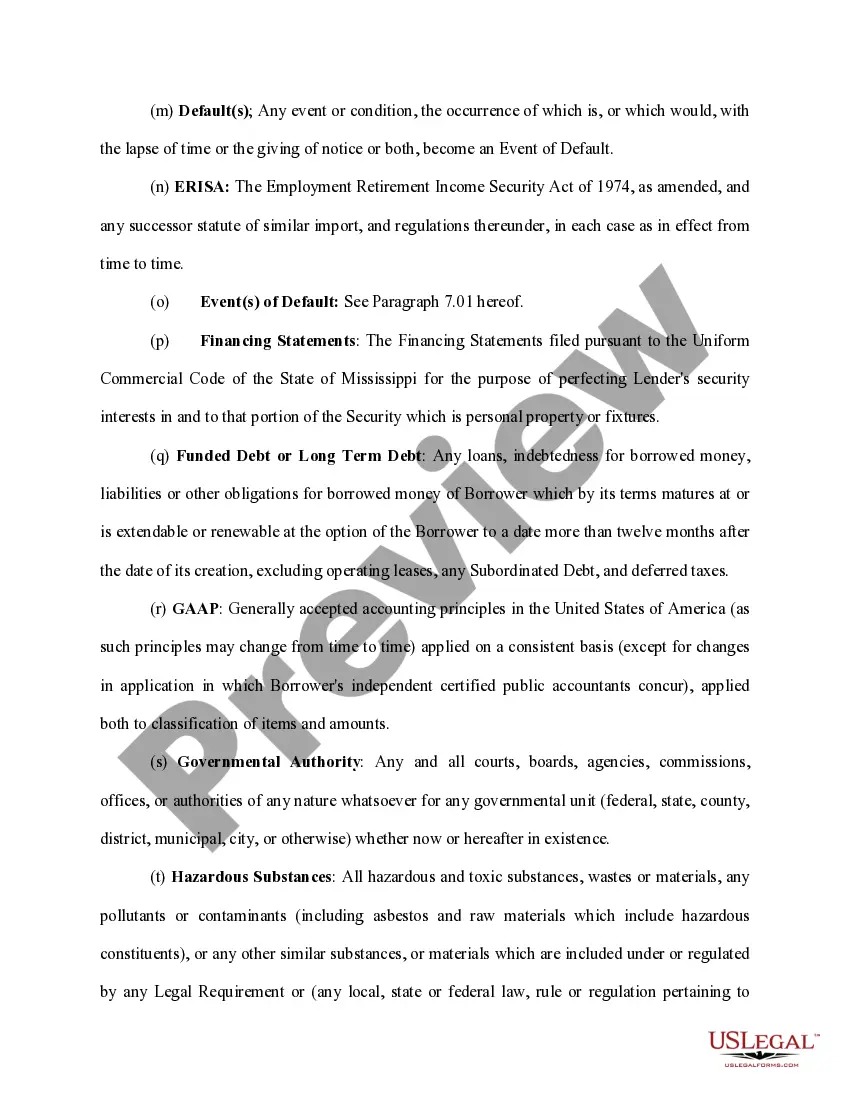
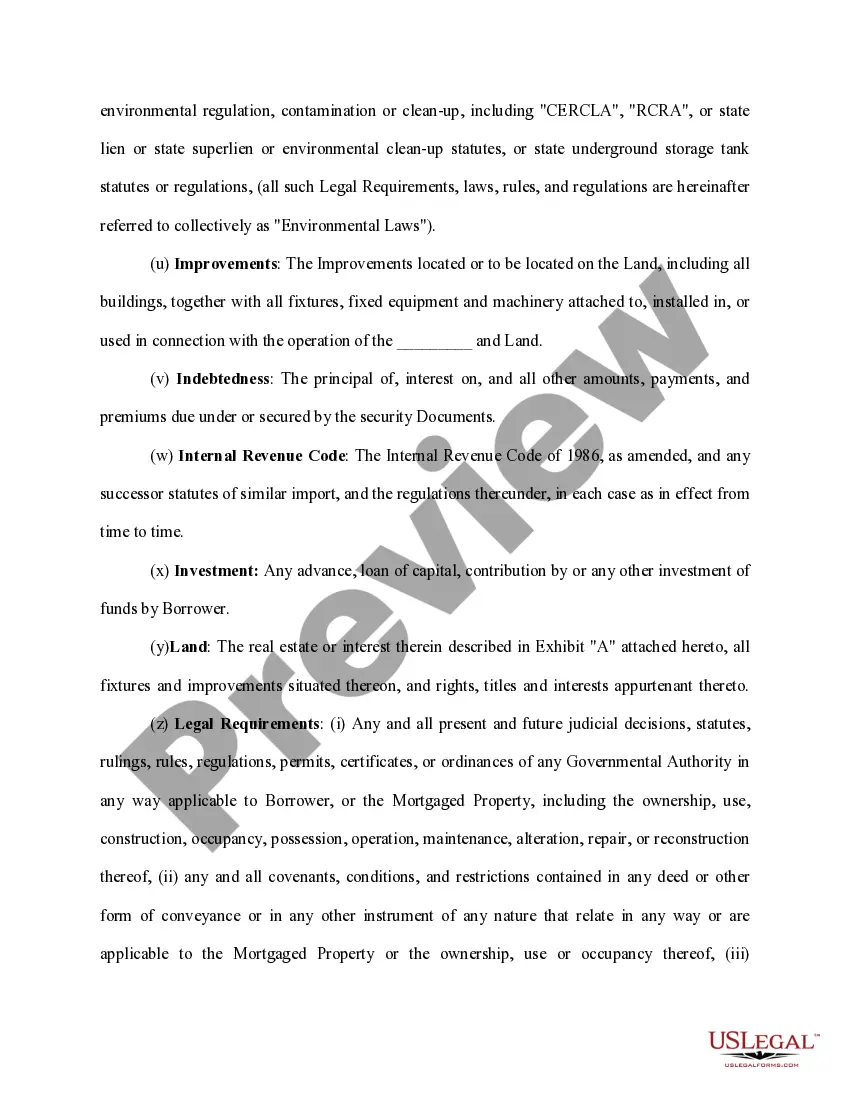
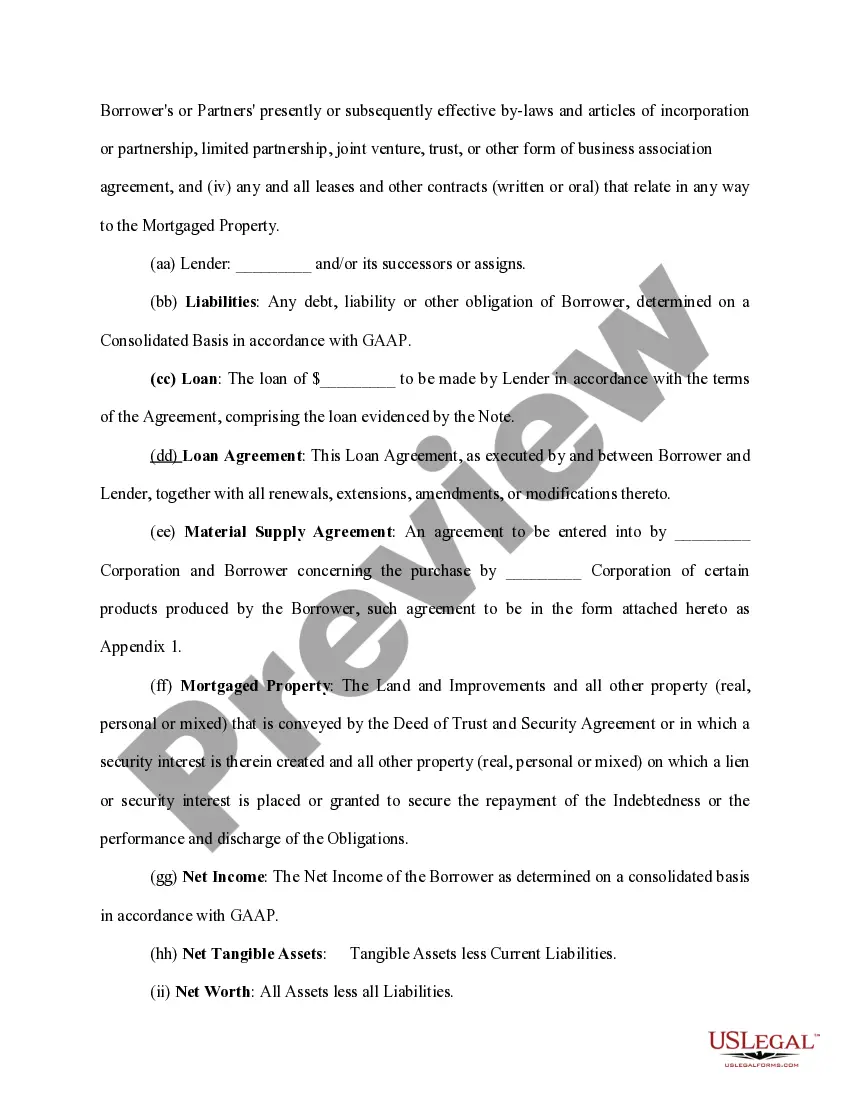
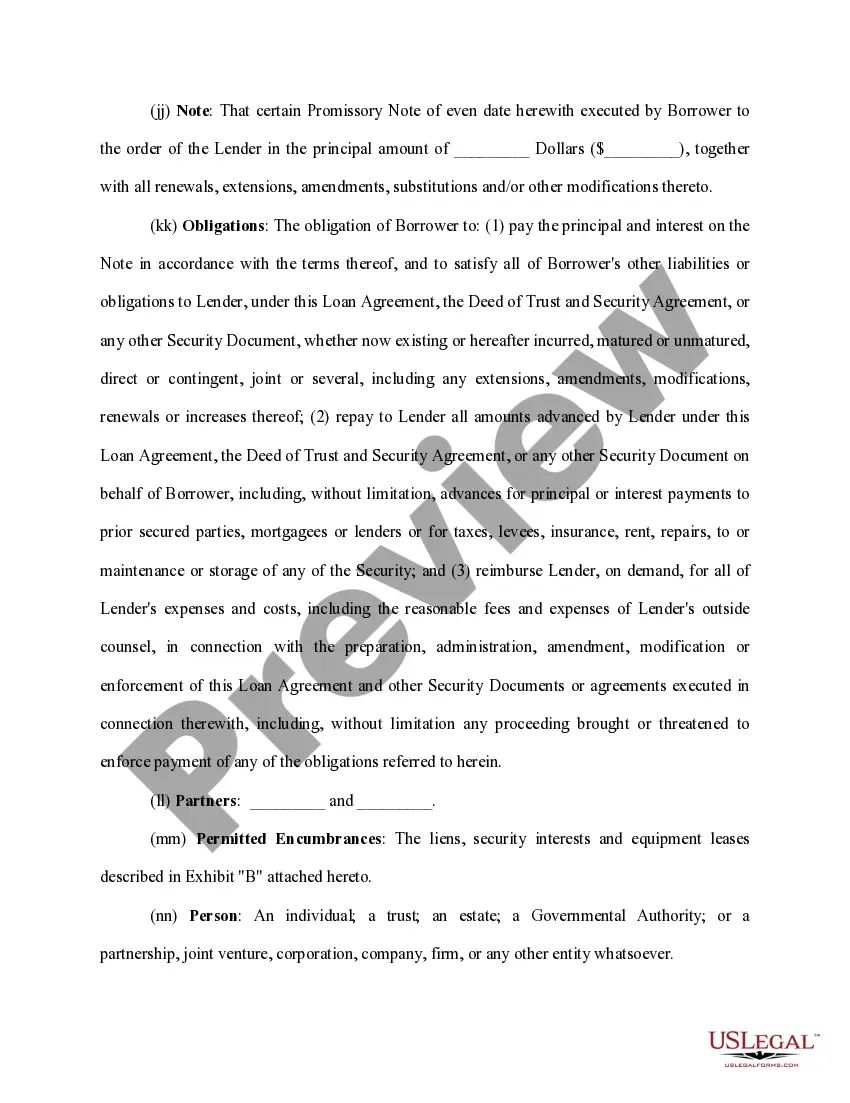
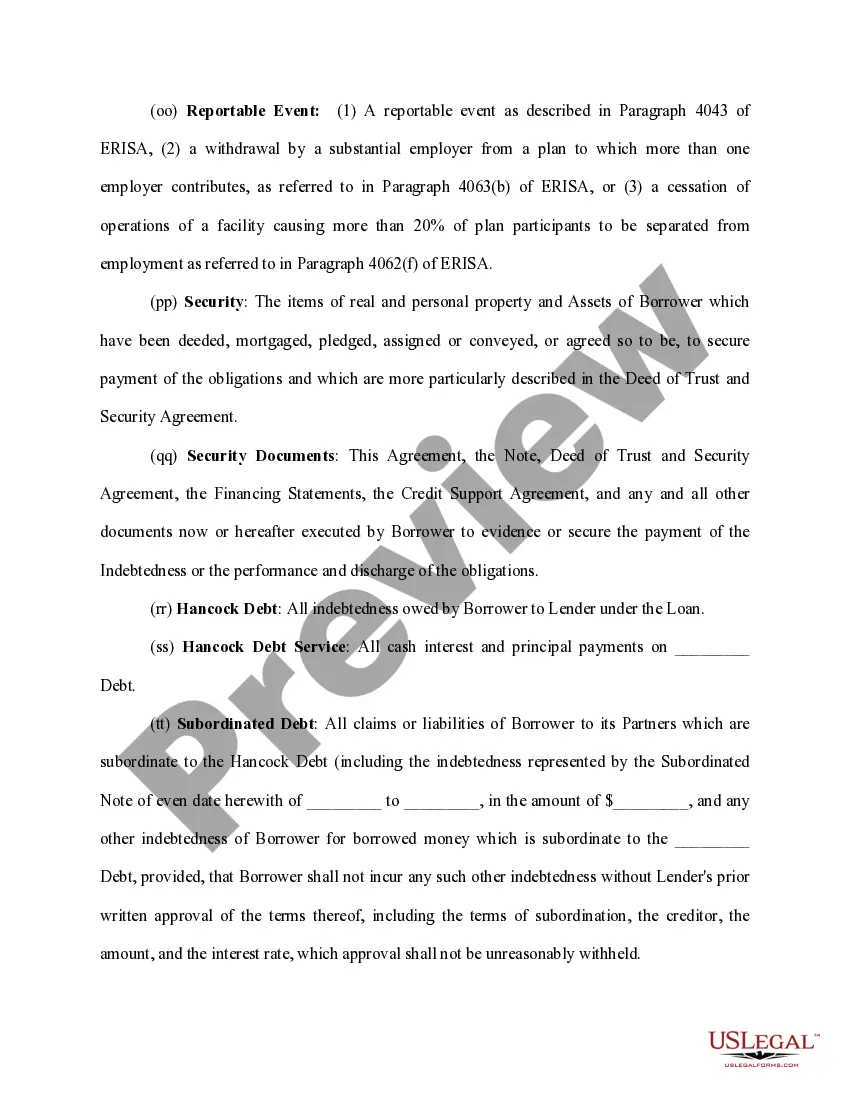
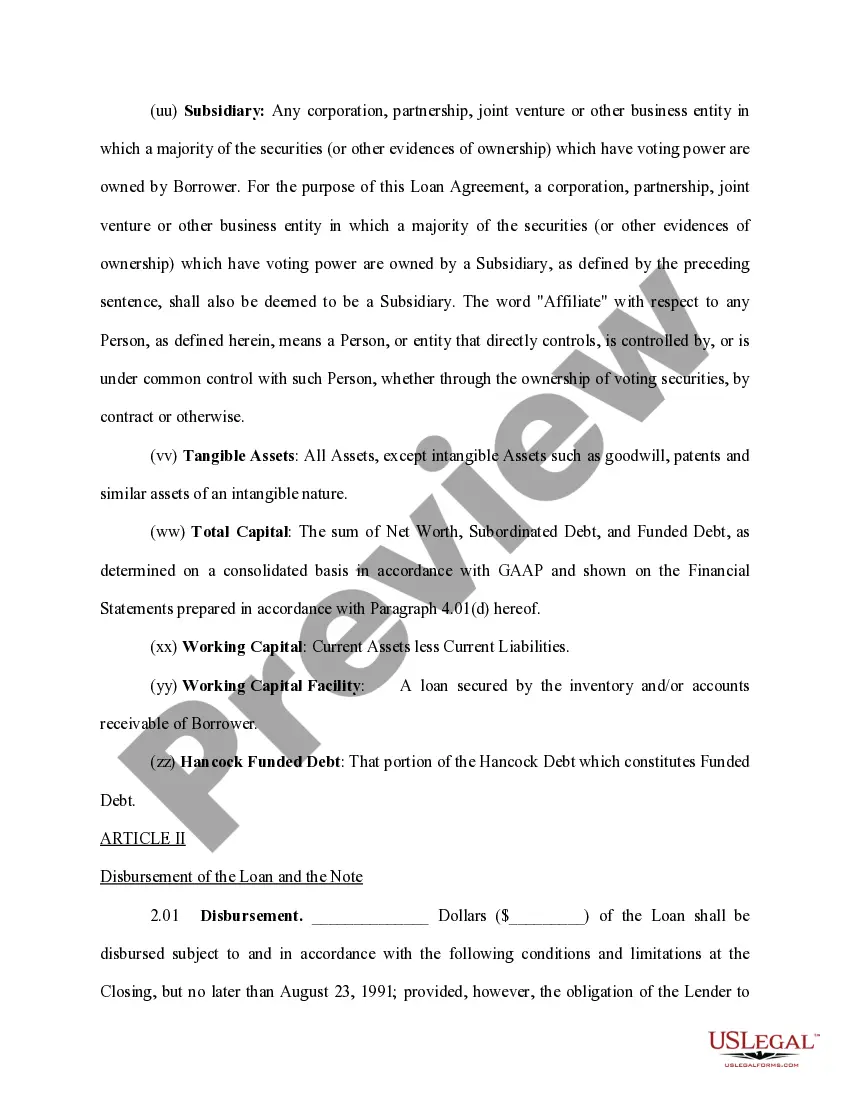
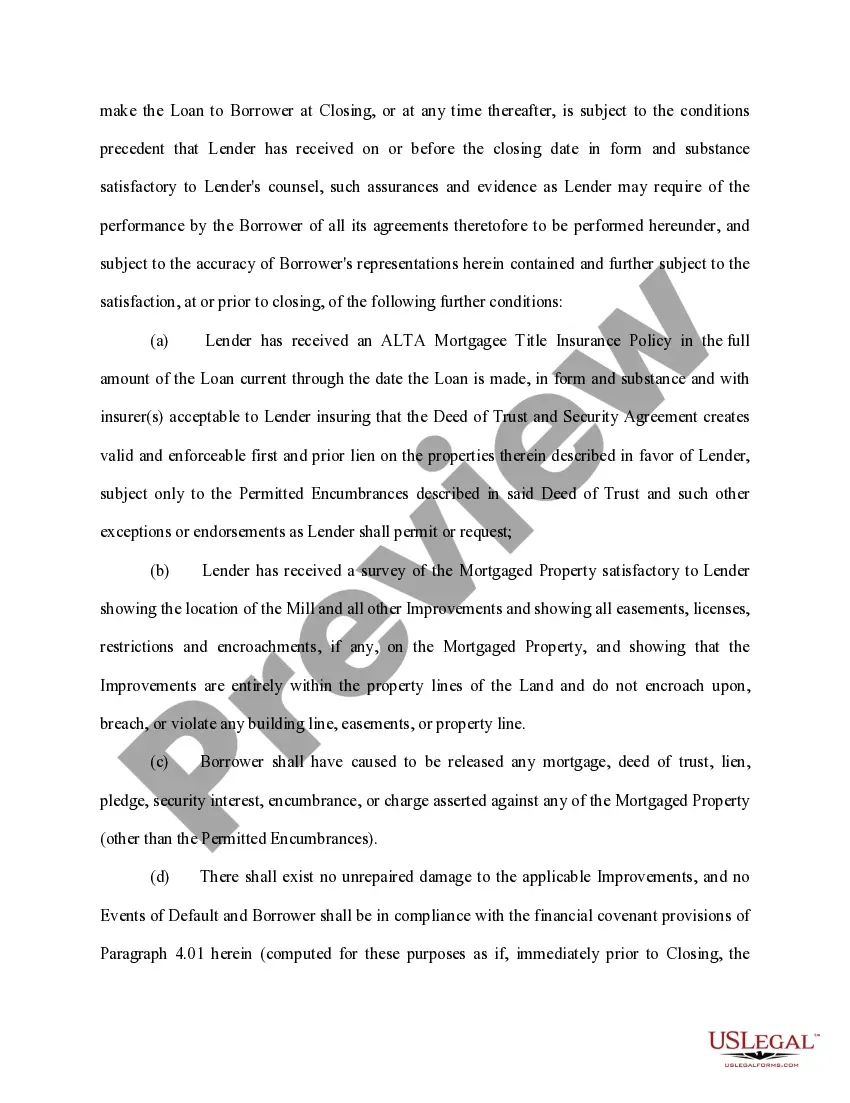
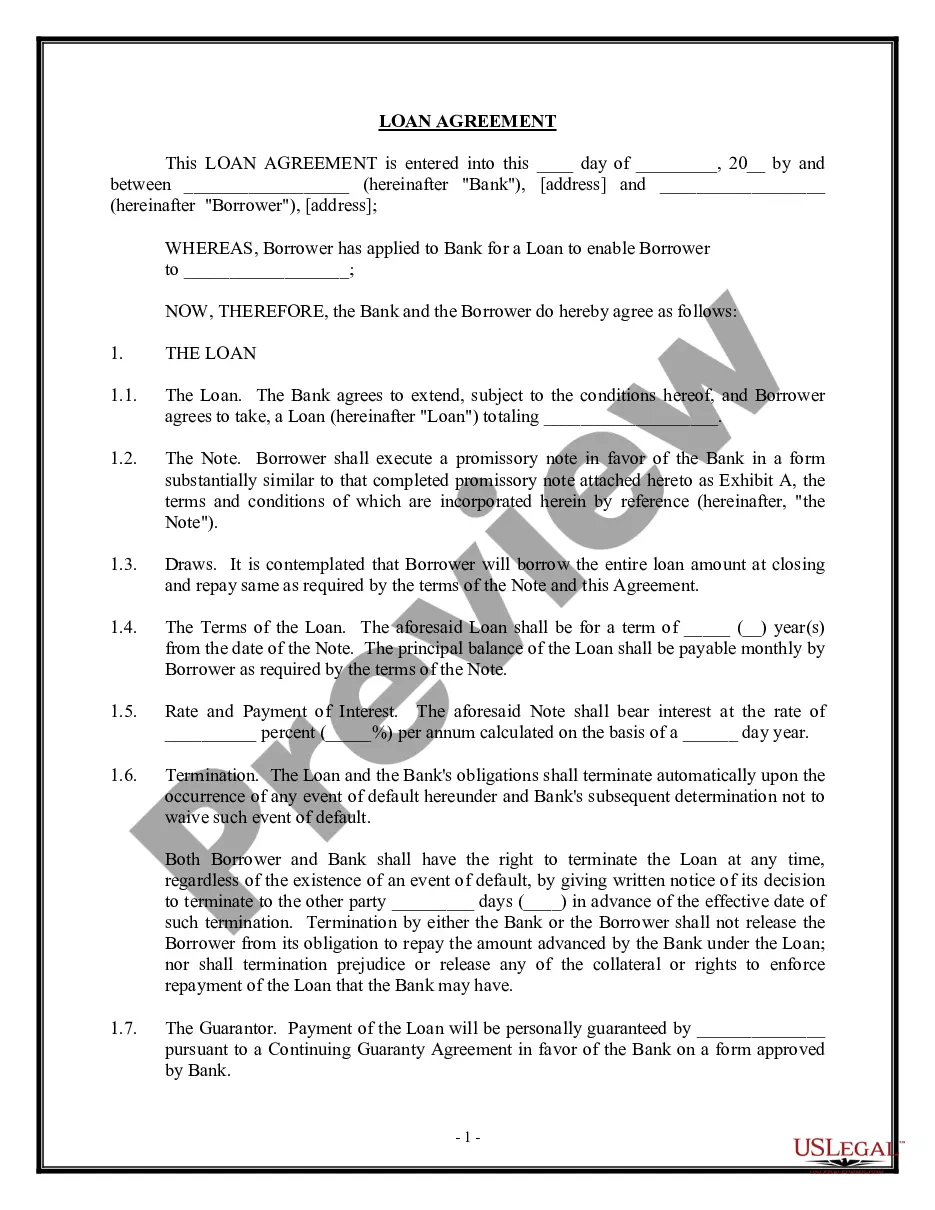
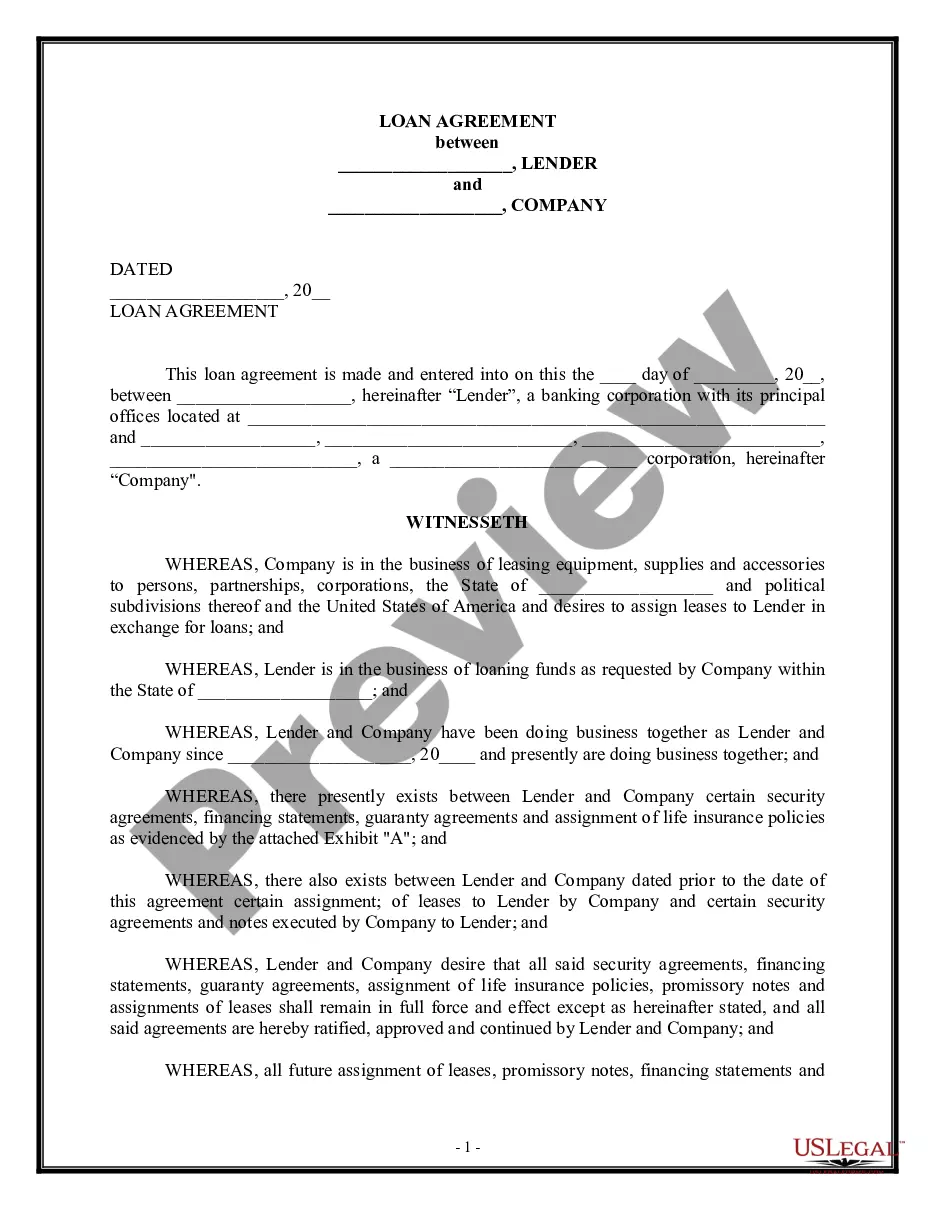
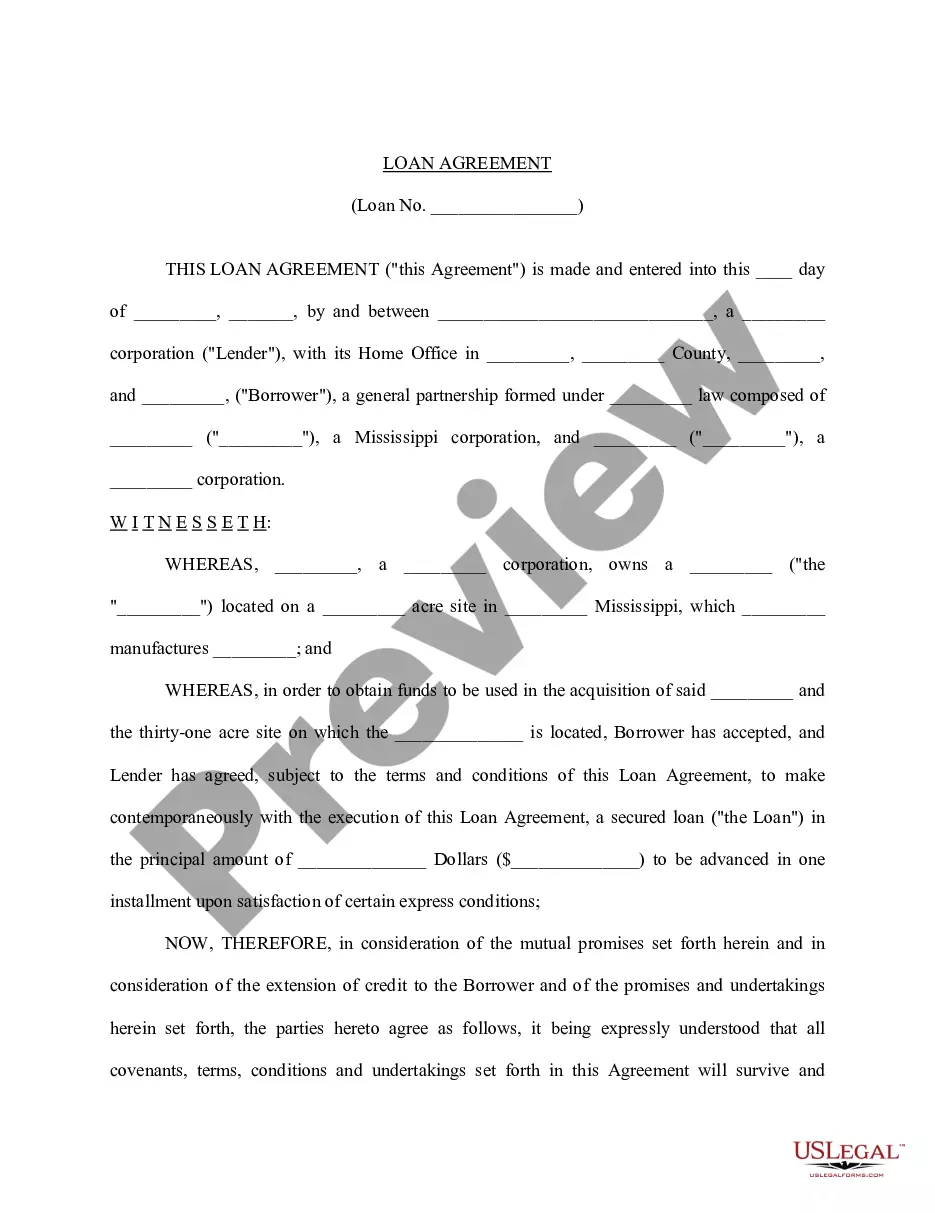
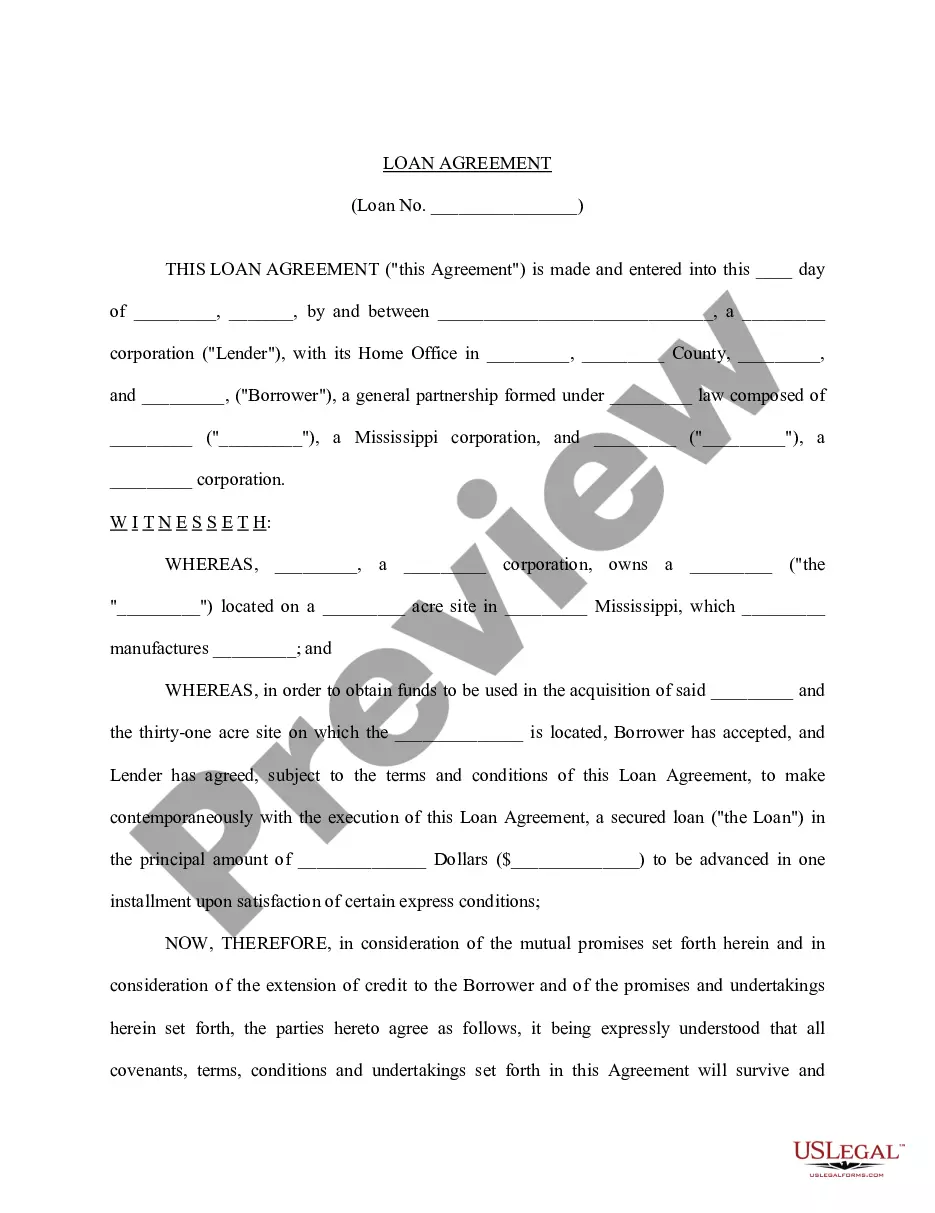
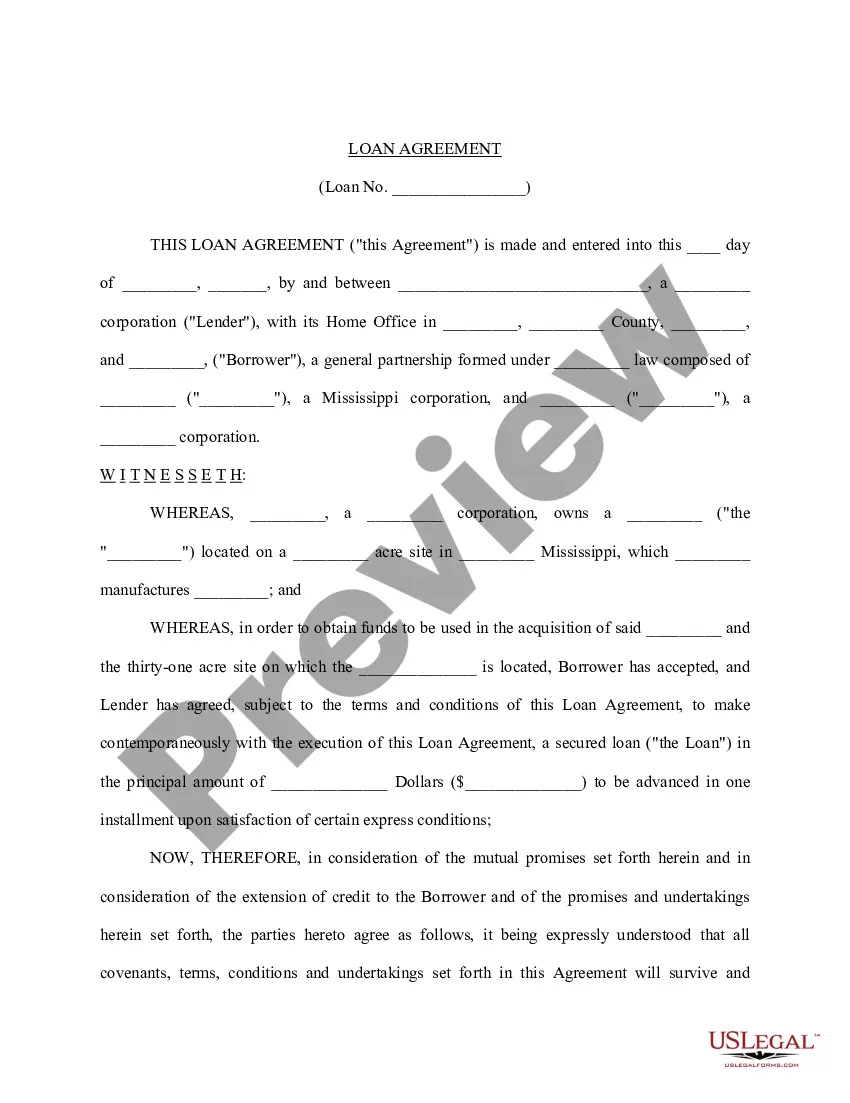
The Loan Agreement for Vehicle is a formal contract made between a borrower and a lender for the financing of a vehicle purchase. This document outlines the terms and conditions of the loan, including the repayment schedule, interest rates, and the responsibilities of both parties. Unlike basic vehicle purchase agreements or promissory notes, this form provides clear legal frameworks specific to vehicle financing, protecting the interests of both the lender and the borrower.
Main sections of this form
- Identification of the parties involved (borrower and lender).
- Loan details including the amount borrowed and purpose.
- Payment terms, including interest rate and repayment schedule.
- Conditions for default and remedies available to the lender.
- Section outlining the obligations of both parties throughout the loan duration.

When to use this document
This form should be used when purchasing a vehicle involving a loan agreement. It is essential when the vehicle serves as collateral for the loan, ensuring proper legal documentation is in place to protect both the lender's investment and the borrowerâs rights. Common scenarios include dealerships financing a vehicle purchase or individual lenders providing loans directly to purchasers.
Who this form is for
- Individuals seeking to finance a vehicle purchase.
- Dealerships offering financing options to customers.
- Private lenders or financial institutions providing vehicle loans.
How to prepare this document
- Identify and enter the names and details of the lender and borrower.
- Specify the loan amount and interest rate applicable.
- Outline the repayment schedule, including due dates and amounts.
- Include any conditions under which the loan could be considered in default.
- Both parties should sign and date the agreement to validate it legally.
Notarization requirements for this form
This form does not typically require notarization unless specified by local law. However, having a notary public witness the signing of the document can enhance its legal standing and reduce disputes in the future.
Get your form ready online
Our built-in tools help you complete, sign, share, and store your documents in one place.
Make edits, fill in missing information, and update formatting in US Legal Forms—just like you would in MS Word.
Download a copy, print it, send it by email, or mail it via USPS—whatever works best for your next step.
Sign and collect signatures with our SignNow integration. Send to multiple recipients, set reminders, and more. Go Premium to unlock E-Sign.
If this form requires notarization, complete it online through a secure video call—no need to meet a notary in person or wait for an appointment.
We protect your documents and personal data by following strict security and privacy standards.

Make edits, fill in missing information, and update formatting in US Legal Forms—just like you would in MS Word.

Download a copy, print it, send it by email, or mail it via USPS—whatever works best for your next step.

Sign and collect signatures with our SignNow integration. Send to multiple recipients, set reminders, and more. Go Premium to unlock E-Sign.

If this form requires notarization, complete it online through a secure video call—no need to meet a notary in person or wait for an appointment.

We protect your documents and personal data by following strict security and privacy standards.
Mistakes to watch out for
- Failing to include accurate identification details for both parties.
- Not specifying the interest rate and repayment terms clearly.
- Omitting signatures from both the borrower and lender.
- Ignoring state-specific legal requirements for vehicle financing agreements.
Benefits of completing this form online
- Convenient access to an attorney-drafted template.
- Editable format allows for customization to fit specific needs.
- Immediate availability for download, reducing the need for in-person appointments.
- Reliability with clear legal language ensuring proper compliance.
Looking for another form?

Form popularity
FAQ
Identity of the Parties. The names of the lender and borrower need to be stated. Date of the Agreement. Interest Rate. Repayment Terms. Default provisions. Signatures. Choice of Law. Severability.
A loan agreement does not require a notary signature. The purpose of a notary seal is to provide evidence that the signature is genuinely the signature of the person signing.
Make an Outline of All the Details. Starting with an outline allows you to arrange the information in your car loan form accordingly. Add the Contents Under Each Section. Provide Blanks to Write on. Include the Terms and Conditions.
A car loan contract is the agreement that you sign with a lender that sets out the arrangements dictating how much they lend you, the fees charged for the loan of the money, and how you will repay the car loan. It is a binding legal agreement that can be enforced under the law if either party breaches the contract.
Starting the Document. Write the date at the top of the page. Write the Terms of the Loan. State the purpose of the personal payment agreement and the terms for returning the money. Date the Document. Statement of Agreement. Sign the Document. Record the Document.
State the purpose for the loan. #Set forth the amount and terms of the loan. Your agreement should clearly state the amount of money you're lending your friend, the interest rate, and the total amount your friend will pay you back.
Starting the Document. Write the date at the top of the page. Write the Terms of the Loan. State the purpose of the personal payment agreement and the terms for returning the money. Date the Document. Statement of Agreement. Sign the Document. Record the Document.
A personal loan agreement is a legally binding document regardless of whether the lender is a financial institution or another person.As a borrower, you could be sued by the lender or lose the asset or assets used to secure the loan.