Motion to Amend or Correct Judgment to Include Additional Party Defendant as Real Party in Interest
Understanding this form
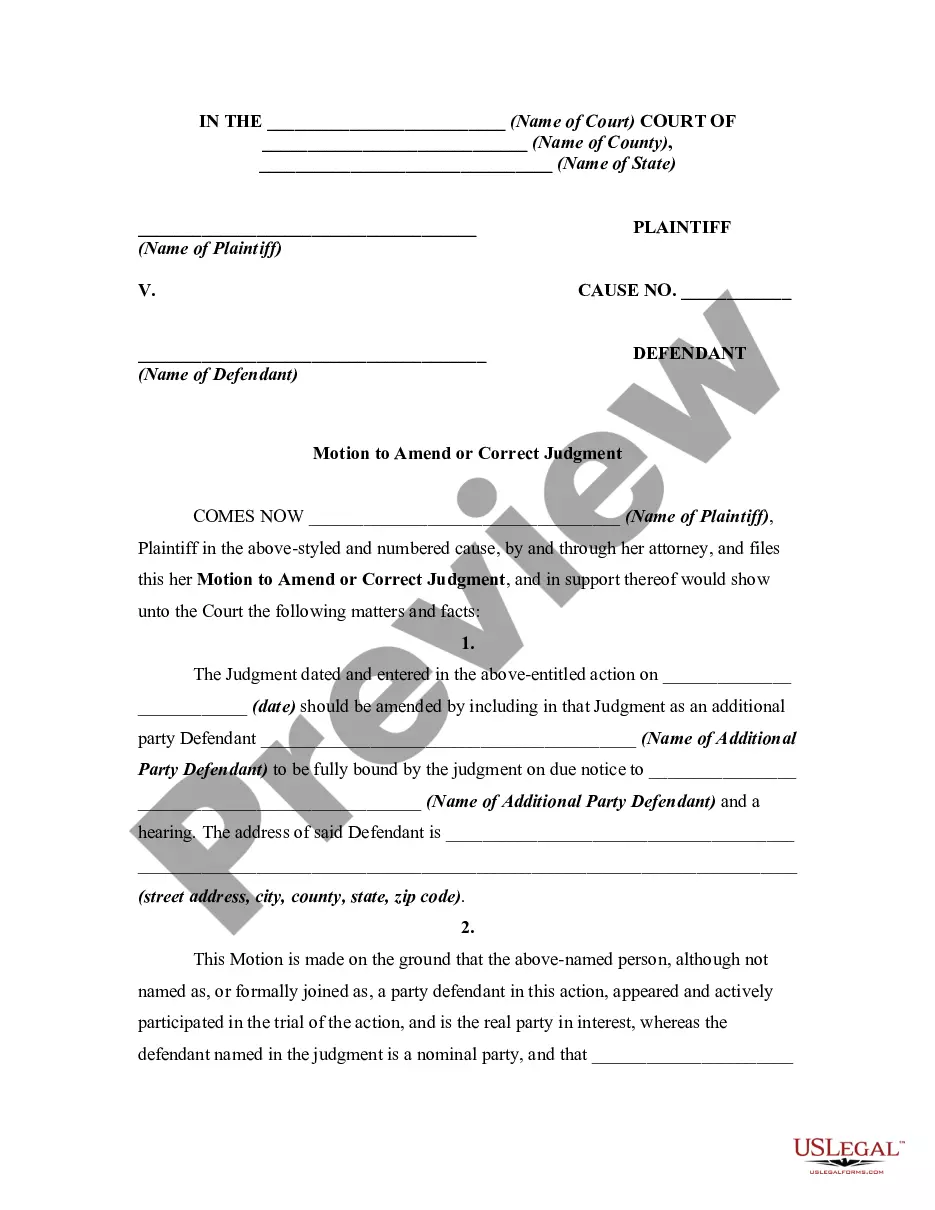
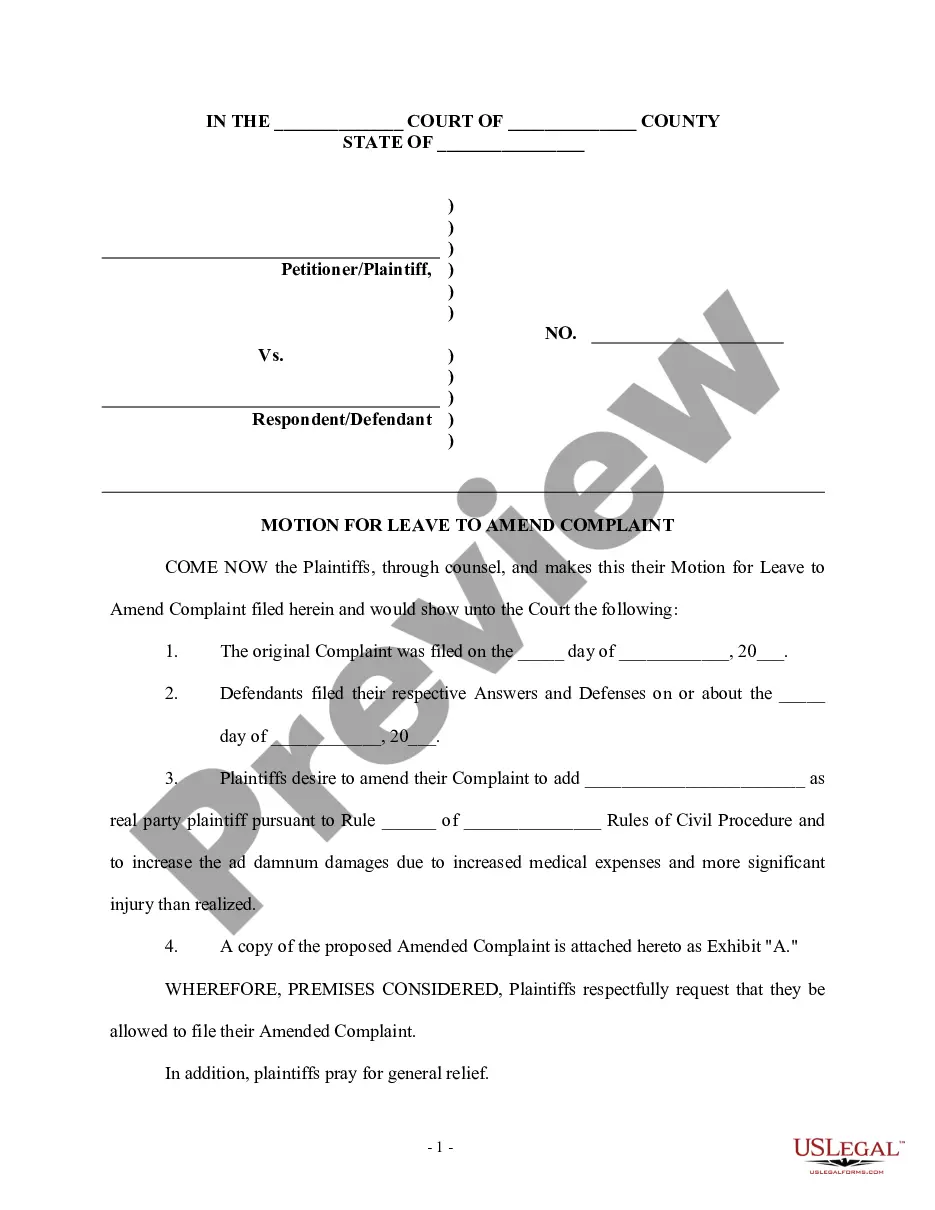
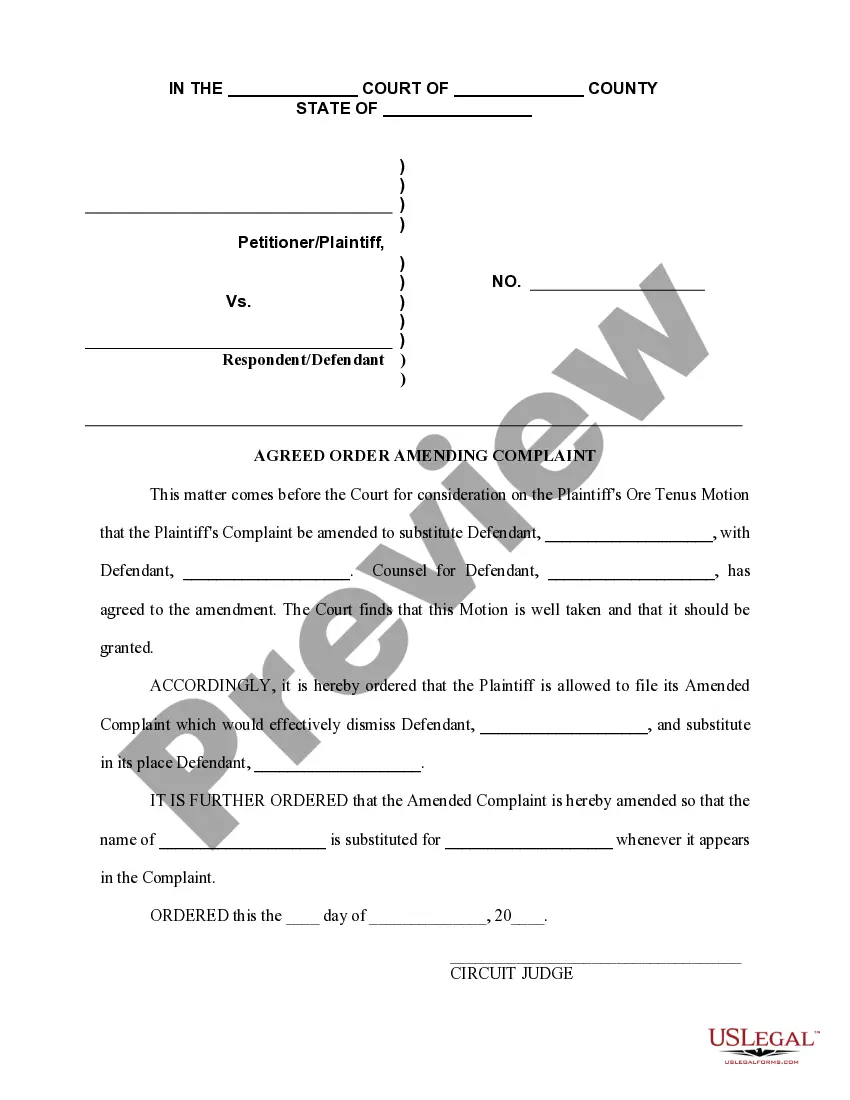
The Motion to Amend or Correct Judgment to Include Additional Party Defendant as Real Party in Interest is a legal document used in court to request changes to a judgment. This motion allows for the inclusion of additional defendants who should be part of the case but were not formally named. This form is essential for ensuring that all relevant parties are appropriately considered in a final judgment, thus preventing potential injustice. Unlike other motions, it specifically addresses the inclusion of newly identified parties who participated in the underlying case as real parties in interest.
Key parts of this document
- Name and details of the plaintiff and defendant.
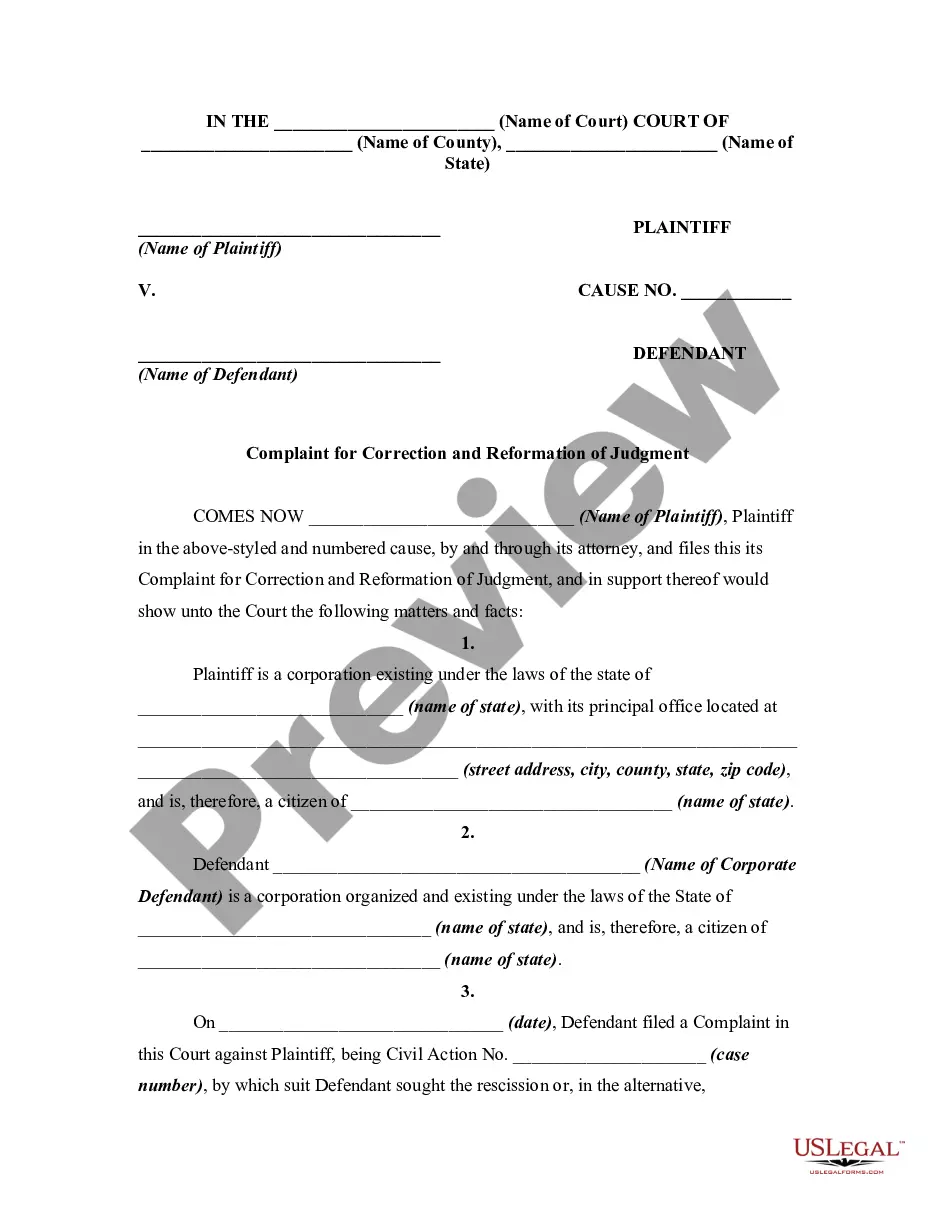
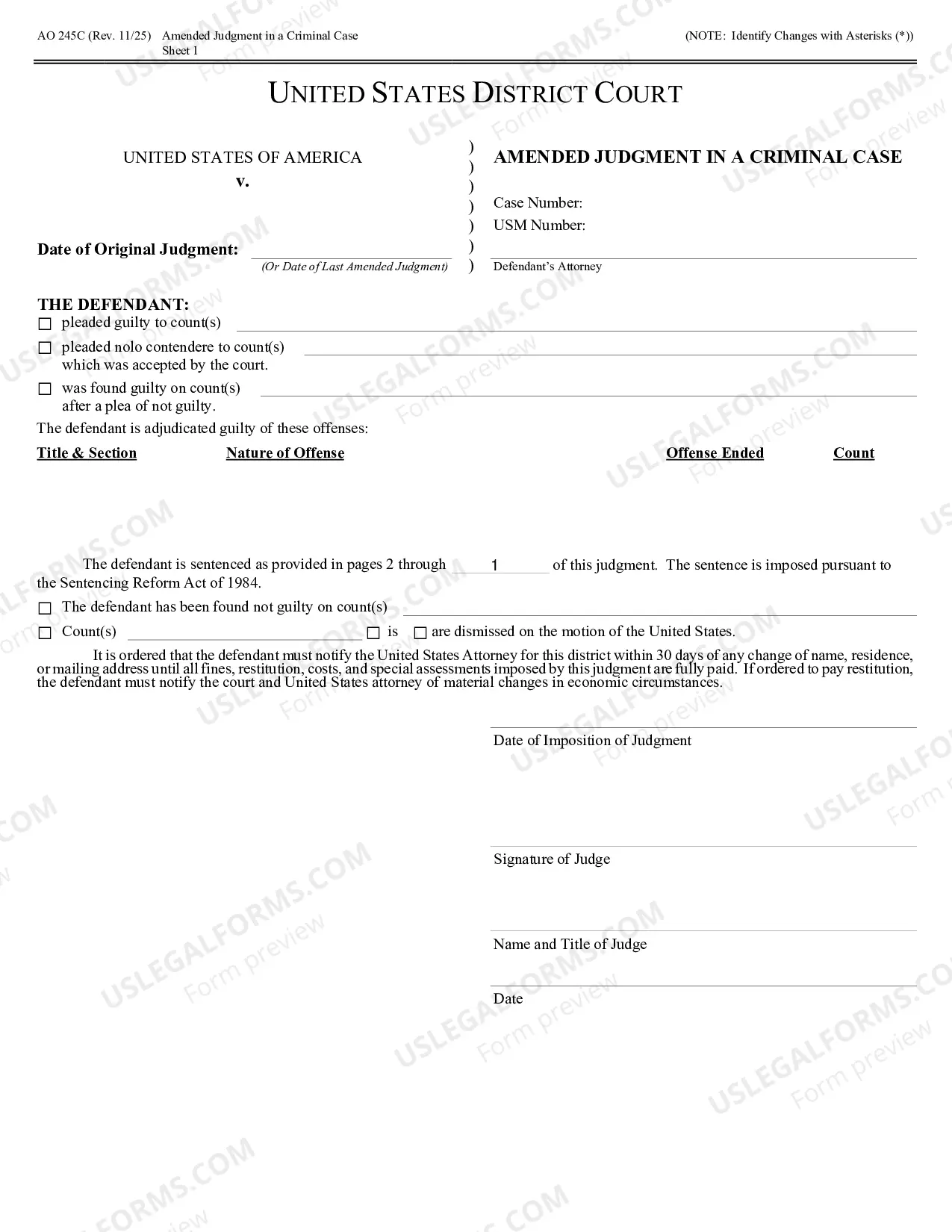
- Specific details of the judgment being amended.
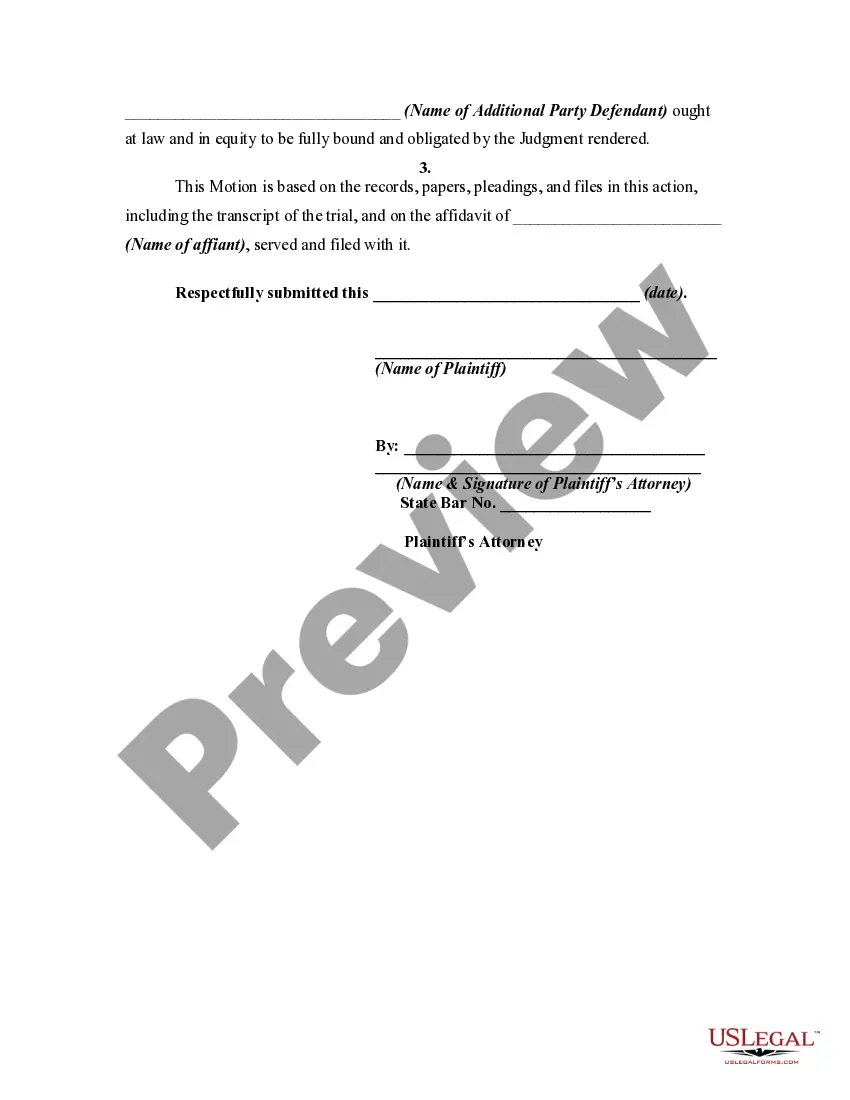
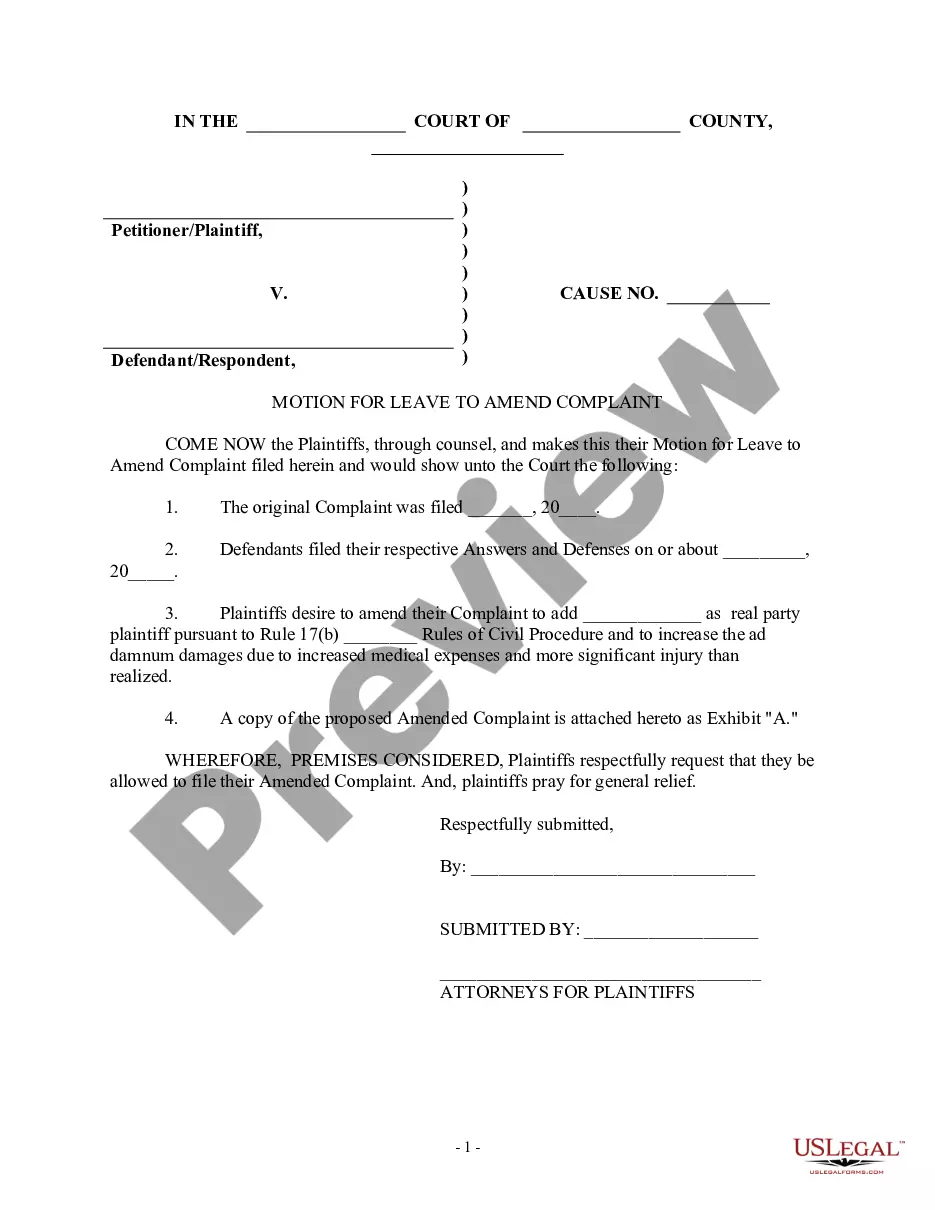
- Grounds for including the additional party defendant.
- Affidavit from a relevant party, if applicable.
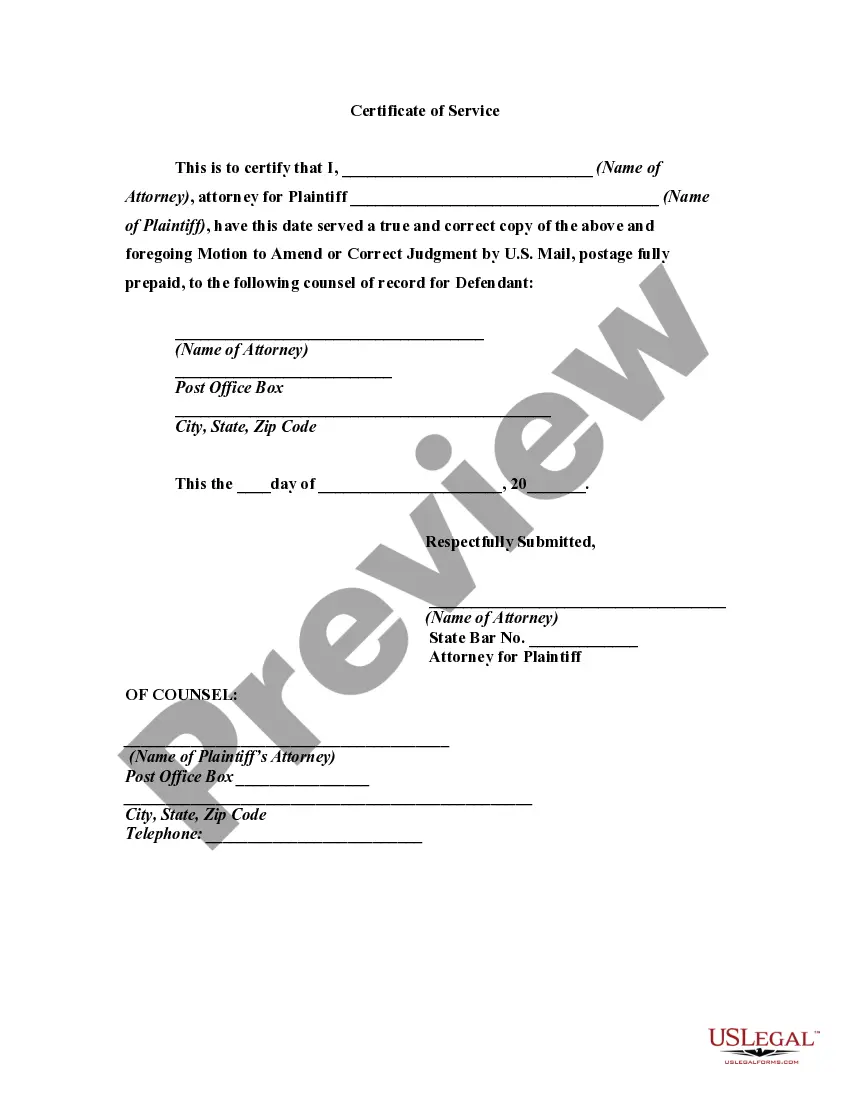
- Certificate of service to document notification to other parties.
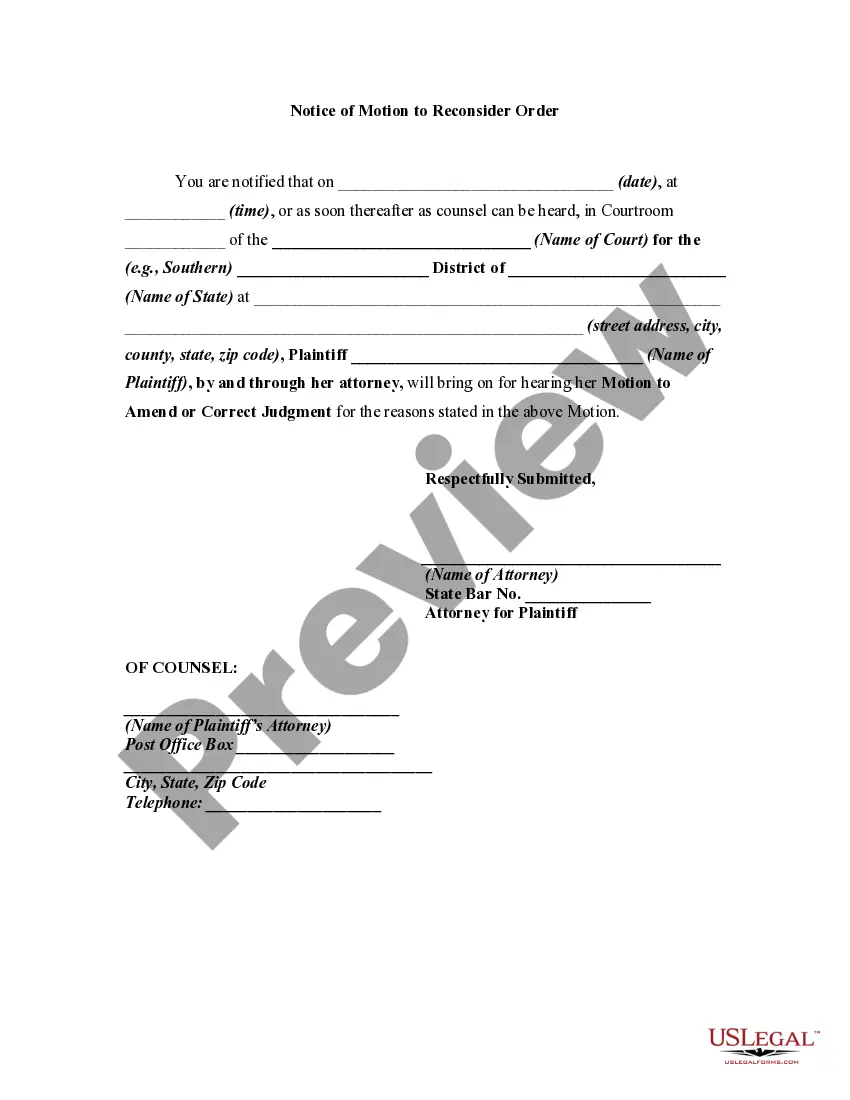
- Notice of motion with hearing details.
When to use this document
This form is typically used when you discover that an individual or entity who was involved in the case but not included in the judgment might be a necessary party. Common scenarios include situations where the omitted party actively participated in the trial or where justice requires their inclusion to avoid inequities in the outcome.
Who should use this form
This motion can be utilized by:
- Individuals or entities who have been plaintiffs in a civil case.
- Attorneys representing parties in a civil litigation case.
- Parties who need to ensure that all relevant individuals or entities are included in a judgment.
How to complete this form
- Identify the names and addresses of all parties, including the additional party defendant.
- State the specific judgment you seek to amend, including the date of the original judgment.
- Clearly articulate the reasons for including the additional defendant in the judgment.
- Gather any supporting documents, such as affidavits or transcripts from the trial.
- File the completed motion with the appropriate court and serve it to all involved parties.
Does this document require notarization?
Notarization is generally not required for this form. However, certain states or situations might demand it. You can complete notarization online through US Legal Forms, powered by Notarize, using a verified video call available anytime.
Get your form ready online
Our built-in tools help you complete, sign, share, and store your documents in one place.
Make edits, fill in missing information, and update formatting in US Legal Forms—just like you would in MS Word.
Download a copy, print it, send it by email, or mail it via USPS—whatever works best for your next step.
Sign and collect signatures with our SignNow integration. Send to multiple recipients, set reminders, and more. Go Premium to unlock E-Sign.
If this form requires notarization, complete it online through a secure video call—no need to meet a notary in person or wait for an appointment.
We protect your documents and personal data by following strict security and privacy standards.

Make edits, fill in missing information, and update formatting in US Legal Forms—just like you would in MS Word.

Download a copy, print it, send it by email, or mail it via USPS—whatever works best for your next step.

Sign and collect signatures with our SignNow integration. Send to multiple recipients, set reminders, and more. Go Premium to unlock E-Sign.

If this form requires notarization, complete it online through a secure video call—no need to meet a notary in person or wait for an appointment.

We protect your documents and personal data by following strict security and privacy standards.
Typical mistakes to avoid
- Failing to include complete names and addresses of all parties.
- Not providing sufficient grounds for the amendment.
- Omitting necessary supporting documents, such as affidavits.
- Not adhering to local court rules regarding filing and service.
Why use this form online
- Convenience of immediate access to the form whenever needed.
- Editability allows users to fill out the form with relevant case details.
- Legal reliability, ensuring the form is updated and compliant with current laws.
Legal use & context
- This motion is recognized by courts to correct clerical errors and ensure justice.
- It provides a mechanism for including parties who should rightfully be subject to the judgment.
- The use of this motion is governed by the procedural rules of the court where the case is filed.
Main things to remember
- The motion aims to amend a judgment to reflect the inclusion of relevant parties.
- Properly completing and filing this motion can prevent injustice in legal outcomes.
- Consult local laws for specific filing requirements and procedures.
Looking for another form?
Form popularity
FAQ
This motion is a civil-justice tool used to request changes to a final judgment so an additional party who participated in the case can be included as a real party in interest. It is used when an omitted party should have been named, ensuring all relevant parties are properly considered in the judgment. The motion typically includes the parties’ names, details of the judgment, grounds for inclusion, an applicable affidavit, a certificate of service, and a notice of motion with hearing details.
To amend a judgment means asking the court to revise the final judgment to add or correct information, specifically to include an additional party defendant who participated in the underlying case as a real party in interest. The form directs the court to declare the grounds for inclusion and to ensure that all necessary parties are represented in the judgment.
The motion should be filed when an individual or entity involved in the case was not named in the judgment but should have been, to avoid injustice and to ensure the judgment accurately reflects all parties who participated. Filing triggers a hearing per the notice provided with the motion.
The motion must address the name and details of the plaintiff and defendant, the specific details of the judgment being amended, the grounds for including the additional party, and any applicable affidavit. It should also include a certificate of service and a notice of motion with hearing details.
Accompany the motion with a certificate of service showing notification to other parties, a notice of motion with hearing details, and any relevant affidavits or supporting exhibits. These components help establish proper notice and the factual basis for including the additional party defendant as a real party in interest.
This form is specifically designed to amend a judgment to include an additional party defendant as a real party in interest. It emphasizes including the omitted party who participated in the case and outlines the grounds for inclusion, along with the required affidavit, service certificate, and notice of motion to ensure proper procedure for adding a party to the judgment.