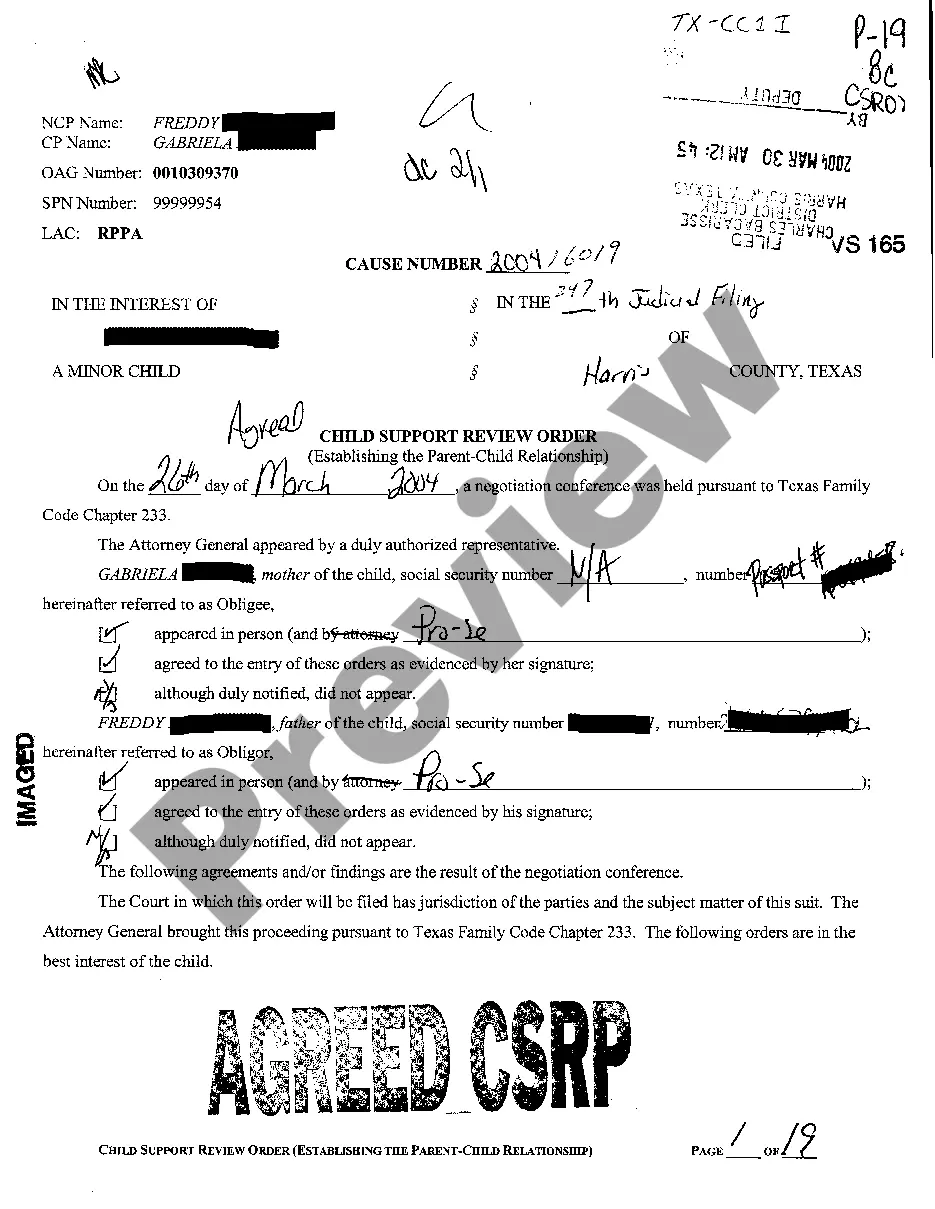
Texas Release of Lien
Overview of this form
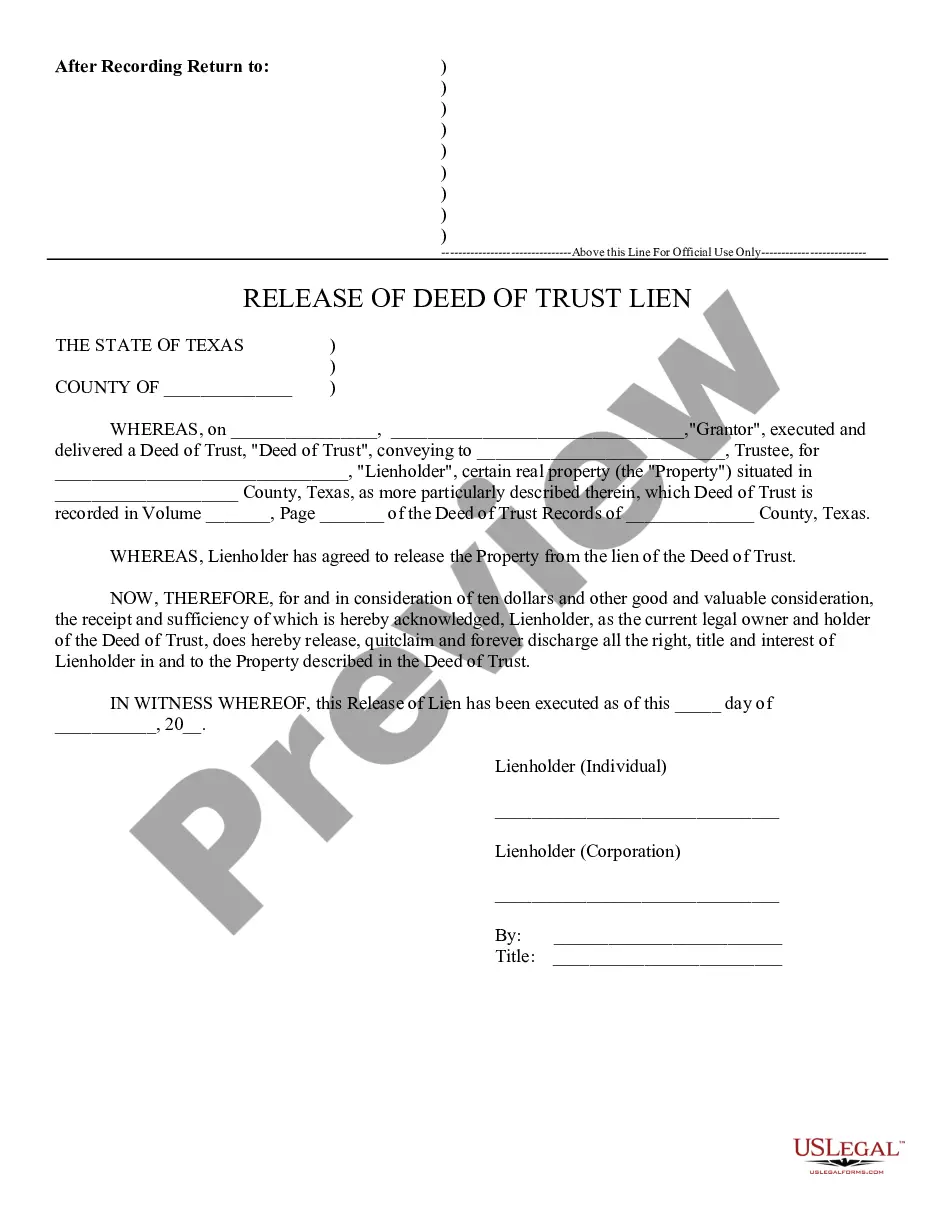
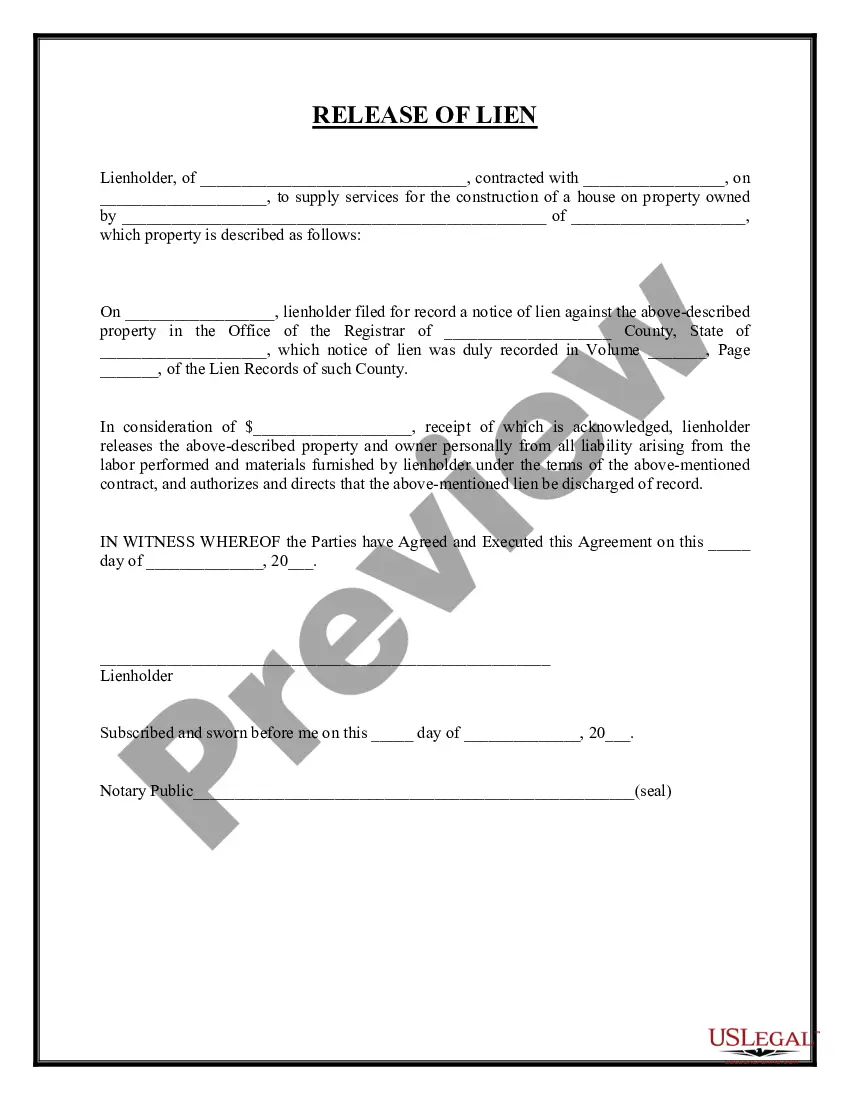
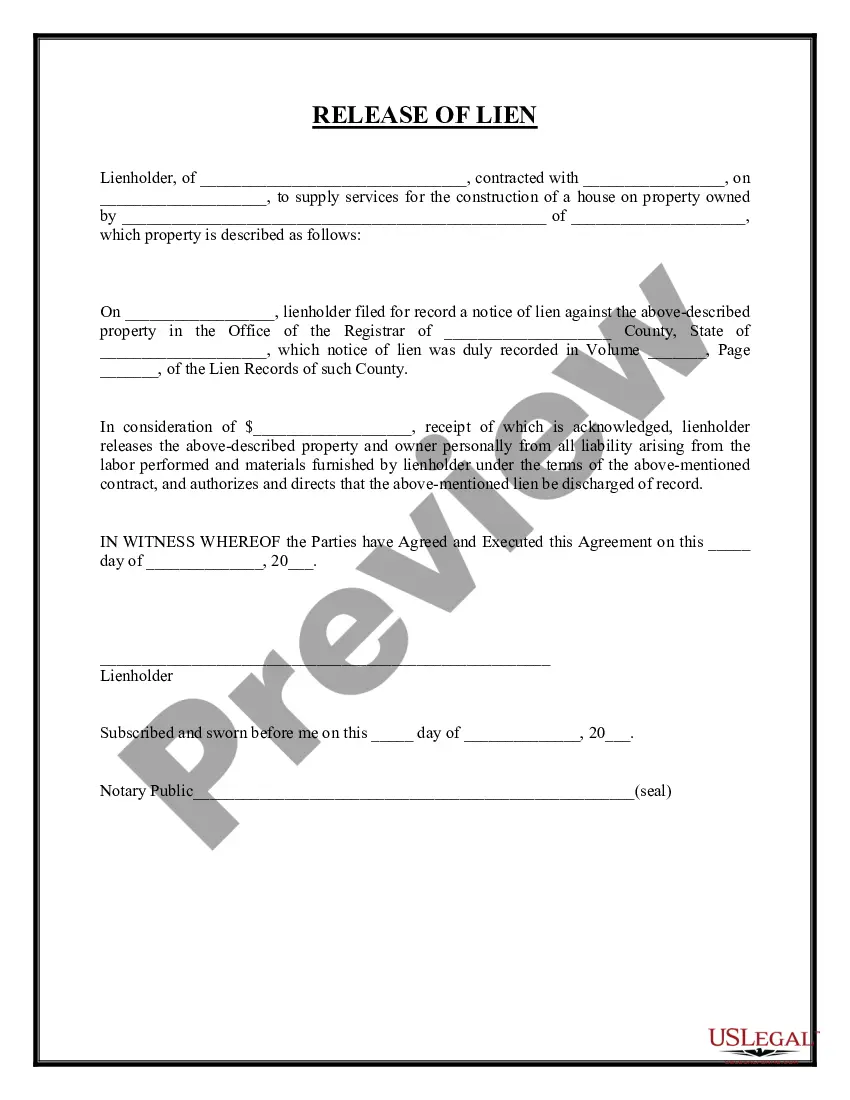
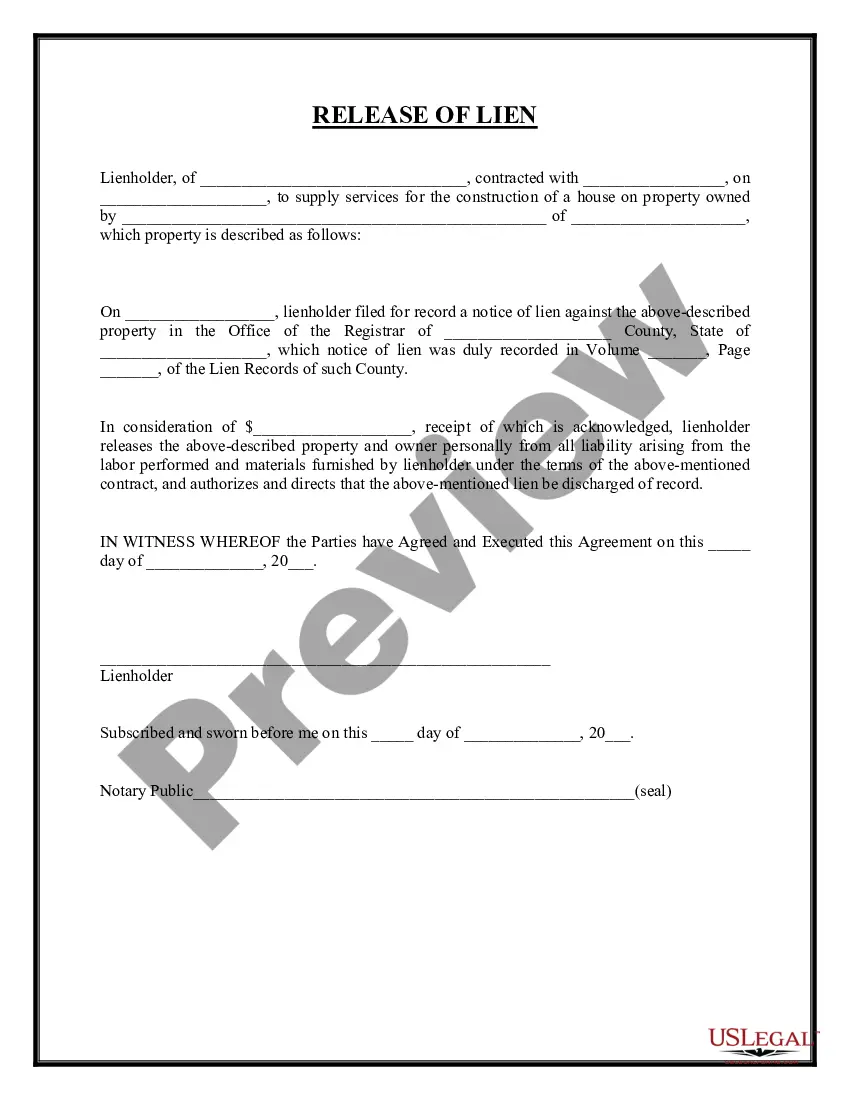
The Release of Lien form is a legal document used to formally release a property from a deed of trust lien. This document signifies that the lienholder has agreed to relinquish their claim and any rights to the specified property, differentiating it from other forms related to liens or mortgages. By executing this form, the lienholder acknowledges that they no longer have any legal interest in the property, thereby allowing the property owner to clear the title and facilitate future transactions.
Form components explained
- Identification of the state and county where the property is located.
- Details regarding the original deed of trust, including the date of execution and parties involved.
- Statement of the lienholder agreeing to release the lien on the property.
- Consideration clause indicating acknowledgment of value received for the release.
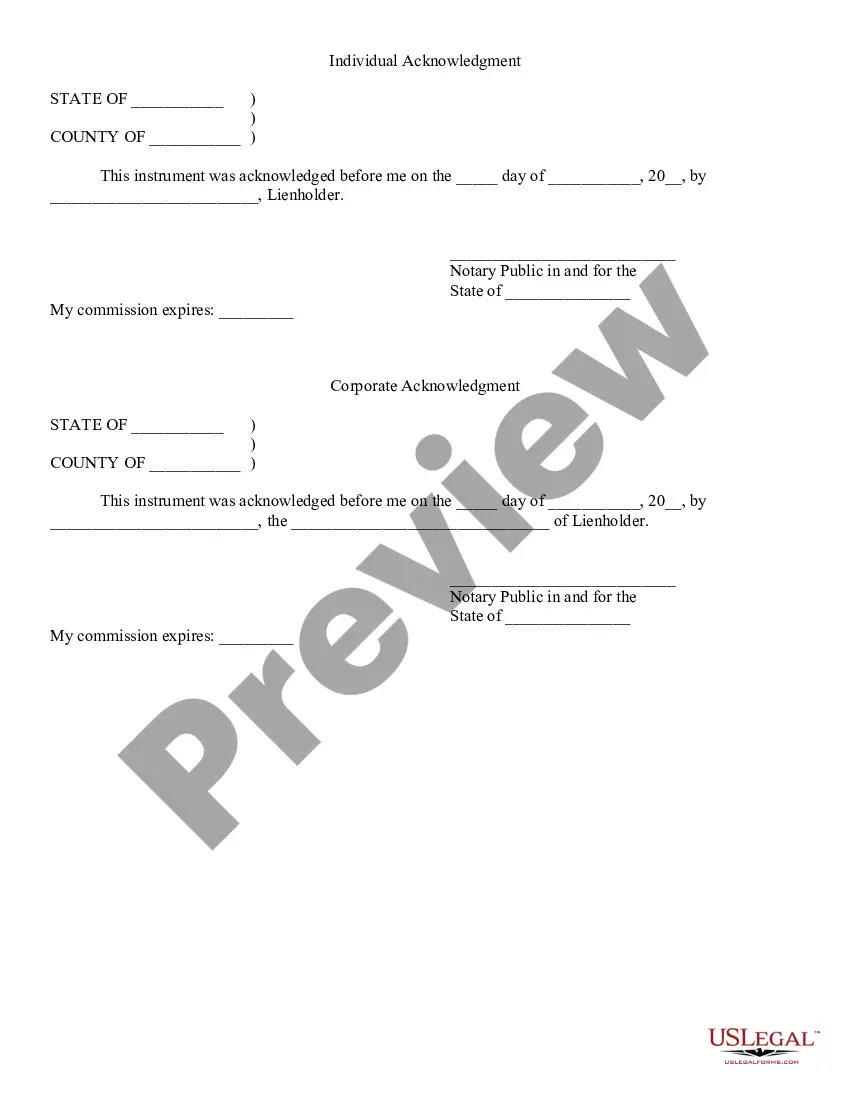
- Signature lines for the lienholder and any necessary acknowledgments by a notary public.
When to use this form
This form should be used when a lienholder has decided to release their claim on a property that was secured by a deed of trust. Common scenarios include the payment of a mortgage in full, a successful negotiation between the lienholder and property owner, or the satisfaction of any conditions that previously obligated the lienholder. Utilizing this document ensures the clear title necessary for any future transfers or transactions involving the property.
Who needs this form
- Property owners who have settled their mortgage obligations and need to clear the deed of trust.
- Lienholders who are releasing their claim on a property after the debt is satisfied.
- Real estate attorneys who are assisting clients in finalizing property transactions.
- Title companies requiring proof of the lien release for title insurance purposes.
How to complete this form
- Identify the parties involved, including the grantor, trustee, and lienholder.
- Specify the property legally described in the original deed of trust.
- Enter the required dates, ensuring accuracy in the execution date of the release.
- Obtain the lienholder's signature and the printed name or title, if applicable.
- Ensure the document is acknowledged by a notary public to validate the signatures.
Notarization requirements for this form
To make this form legally binding, it must be notarized. Our online notarization service, powered by Notarize, lets you verify and sign documents remotely through an encrypted video session.
Get your form ready online
Our built-in tools help you complete, sign, share, and store your documents in one place.
Make edits, fill in missing information, and update formatting in US Legal Forms—just like you would in MS Word.
Download a copy, print it, send it by email, or mail it via USPS—whatever works best for your next step.
Sign and collect signatures with our SignNow integration. Send to multiple recipients, set reminders, and more. Go Premium to unlock E-Sign.
If this form requires notarization, complete it online through a secure video call—no need to meet a notary in person or wait for an appointment.
We protect your documents and personal data by following strict security and privacy standards.

Make edits, fill in missing information, and update formatting in US Legal Forms—just like you would in MS Word.

Download a copy, print it, send it by email, or mail it via USPS—whatever works best for your next step.

Sign and collect signatures with our SignNow integration. Send to multiple recipients, set reminders, and more. Go Premium to unlock E-Sign.

If this form requires notarization, complete it online through a secure video call—no need to meet a notary in person or wait for an appointment.

We protect your documents and personal data by following strict security and privacy standards.
Avoid these common issues
- Failing to accurately describe the property can lead to complications in the release.
- Not securing a notarization, which may invalidate the document.
- Incomplete or incorrect dates, which can affect the legal enforcement of the release.
- Omitting signatures from all necessary parties involved.
Advantages of online completion
- Convenience of downloading and completing the form at your own pace.
- Templates that are drafted by licensed attorneys ensure legal compliance.
- Ability to easily edit the document as needed before finalizing.
- Access to integrated online notarization options to secure the document quickly.
Main things to remember
- The Release of Lien form is essential for clearing a property's title after a lien has been satisfied.
- Proper completion and notarization are crucial for the document's legal effectiveness.
- This form supports property owners and lienholders in ensuring all claims are relinquished properly.
- Using legal templates minimizes errors and enhances compliance with state requirements.
Looking for another form?


Form popularity
FAQ
A lien is a claim on property to ensure payment of a debt. When you borrow money to purchase a car, the lender files a lien on the vehicle with the state to insure that if the loan defaults, the lender can take the car. When the debt is fully repaid, a release of the lien is provided by the lender.
All you have to do to take your name off of a car title is sign the back of the title over to the person or organization you wish to transfer your car. Make sure that any title transfer is treated like a sale, you being the seller and the person or organization being the buyer.
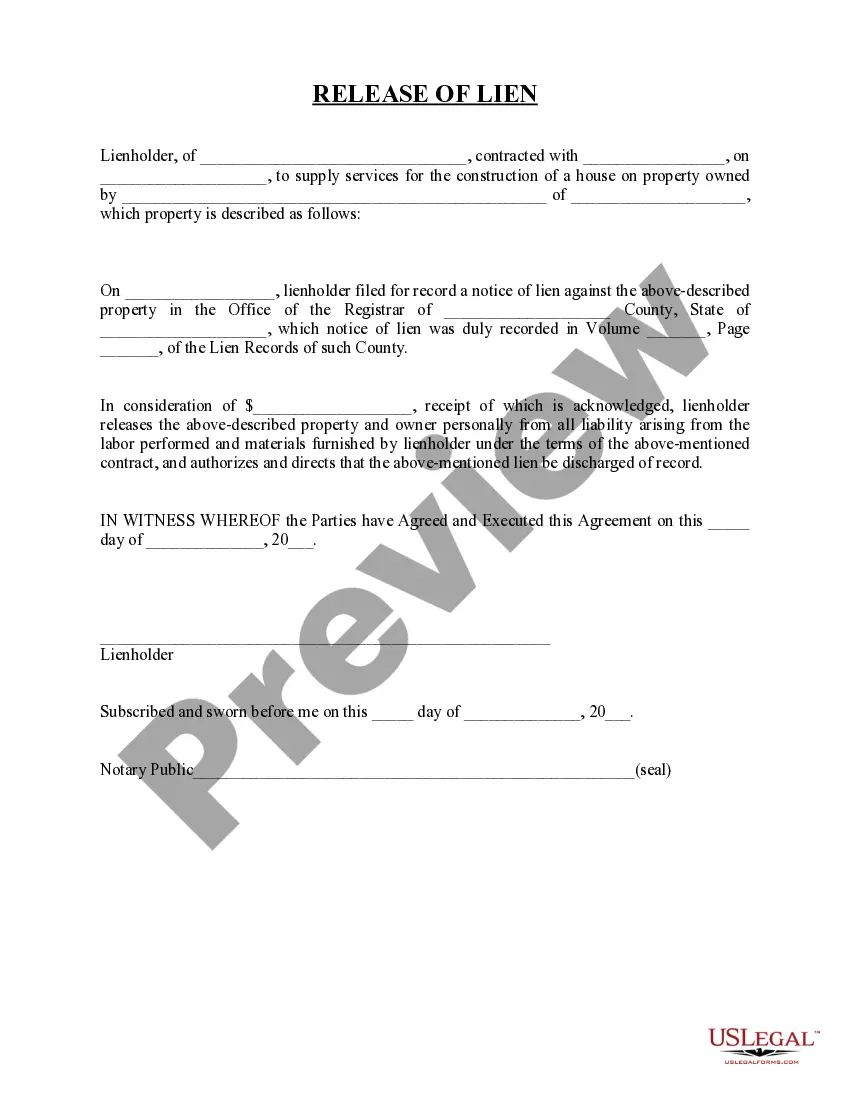
When a lien is filed, it states the amount that is owed to the contractor. If the stated amount is paid in full, the contractor should file a full release of the lien. This results in completely removing the lien from the property.With a partial release, a lien remains on the property, but for a reduced amount.
The lender will also notify the Department of Motor Vehicles (DMV) that the loan has been paid in full. If you don't receive the lien release, submit a request to your lender for proof that the loan has been satisfied. This request can be made through the DMV or directly to the lender.
The car (vehicle) lien release form is a document that is used by a lending institution or entity after a borrower has paid the loan in full and the borrower would like to retrieve the title to their vehicle.
Write your name and return address in the top three lines of the letter. Insert the complete date (month, day, year). Enter the recipient's name, title, company name and address on the next five lines. Greet the reader by writing "Dear (recipient's name):" Skip two lines. State the subject in a subject line.
Depending on state laws, paper titles are generally mailed and electronic titles and/or liens are released to the motor vehicle agency approximately 10 business days after the payoff is received. Allow 15-30 days for receipt of your title based on mail time and/or motor vehicle agency process.
A Lien Release (also considered a Lien Cancellation or Release of Lien) is a legally binding document that is sent by the current lien holder, the individual who has leased the property or provided payment to secure the property, that informs any debt in relation to that property has been fulfilled and they relinquish
A lien release is a document that is filed in the public land records as the official notice that the lien is removed. Once payment has been received, a contractor has a duty to remove any lien that was filed against the property.