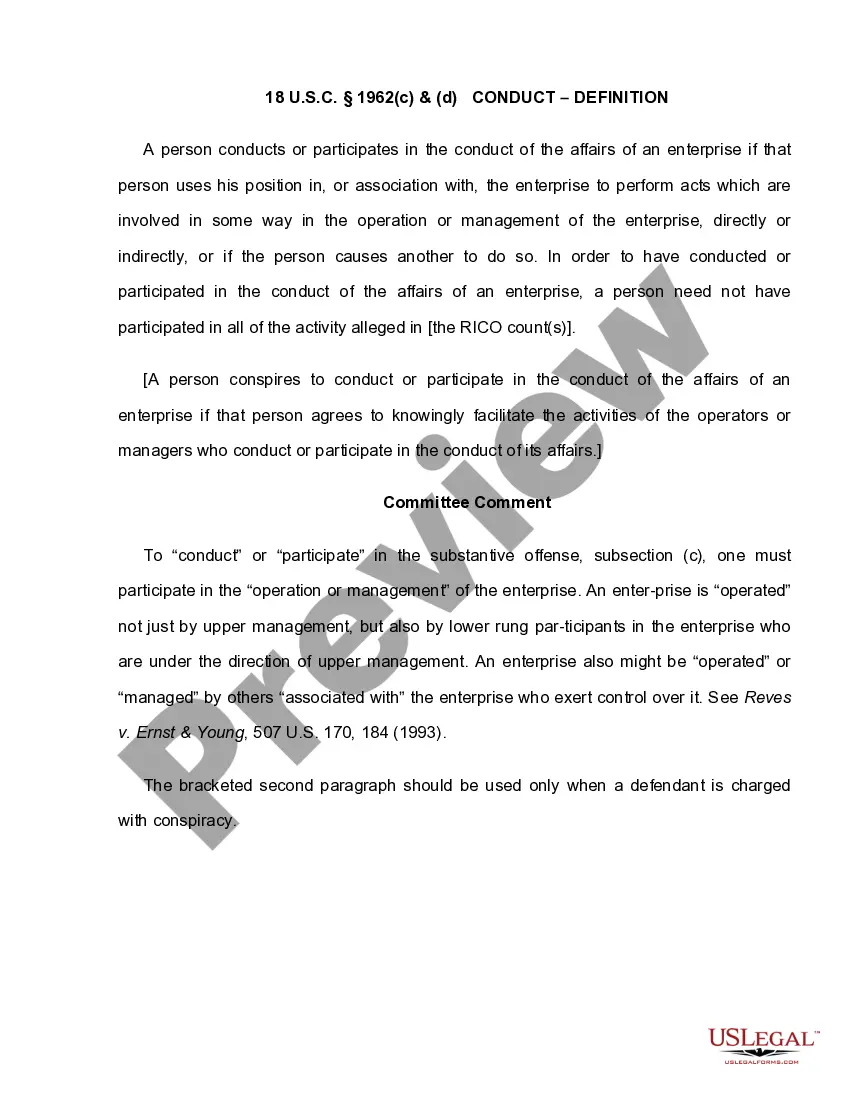
New York Packet for Disputer over Refund
Description
Get your form ready online
Our built-in tools help you complete, sign, share, and store your documents in one place.
Make edits, fill in missing information, and update formatting in US Legal Forms—just like you would in MS Word.
Download a copy, print it, send it by email, or mail it via USPS—whatever works best for your next step.
Sign and collect signatures with our SignNow integration. Send to multiple recipients, set reminders, and more. Go Premium to unlock E-Sign.
If this form requires notarization, complete it online through a secure video call—no need to meet a notary in person or wait for an appointment.
We protect your documents and personal data by following strict security and privacy standards.
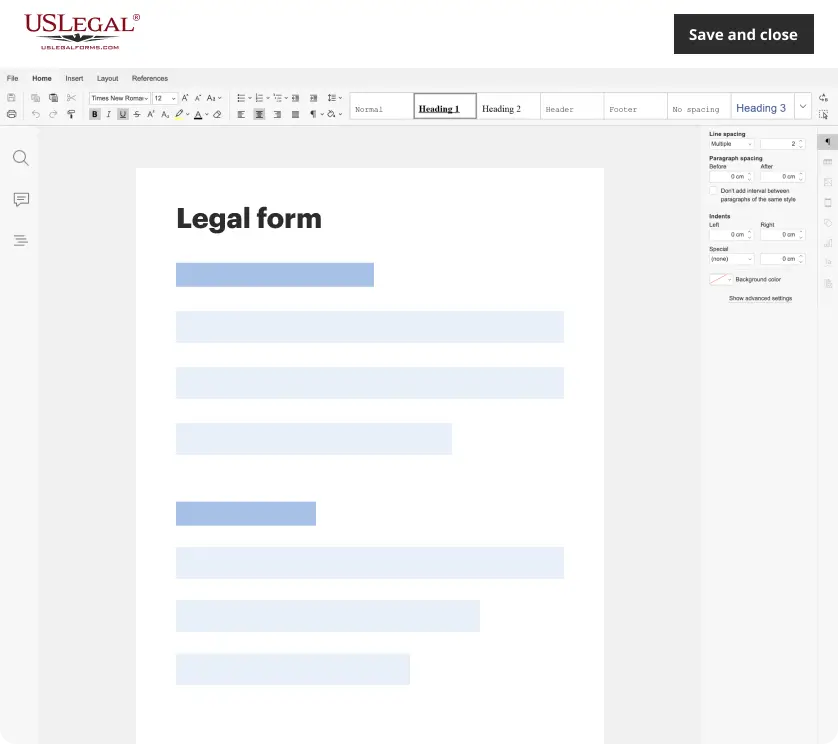
Make edits, fill in missing information, and update formatting in US Legal Forms—just like you would in MS Word.
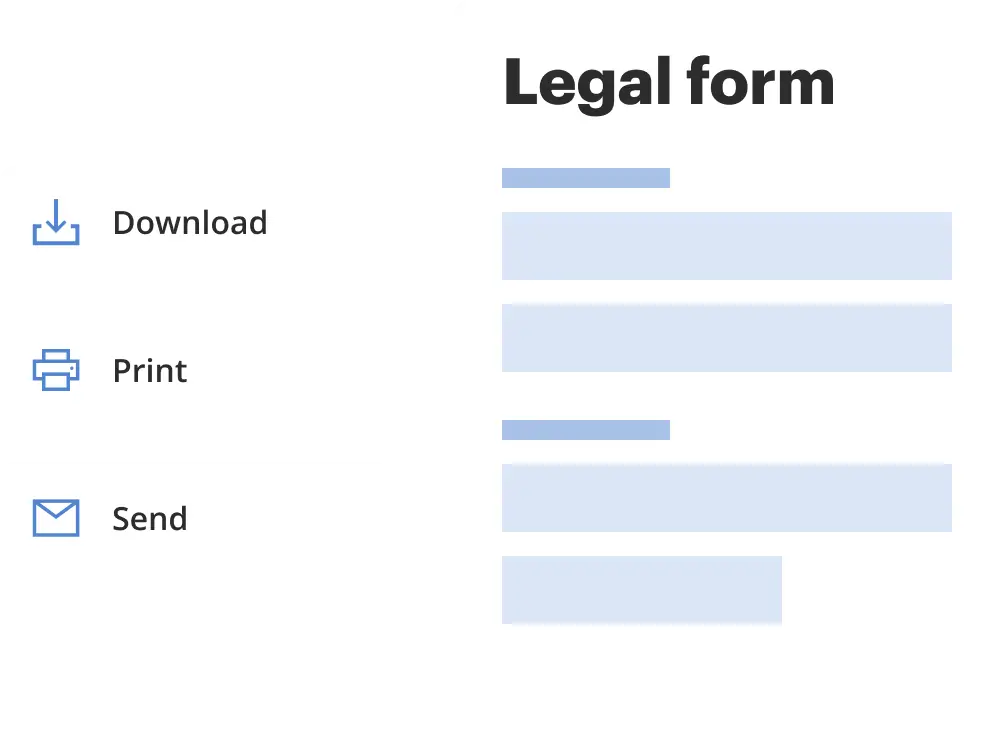
Download a copy, print it, send it by email, or mail it via USPS—whatever works best for your next step.
Sign and collect signatures with our SignNow integration. Send to multiple recipients, set reminders, and more. Go Premium to unlock E-Sign.
If this form requires notarization, complete it online through a secure video call—no need to meet a notary in person or wait for an appointment.
We protect your documents and personal data by following strict security and privacy standards.
Looking for another form?
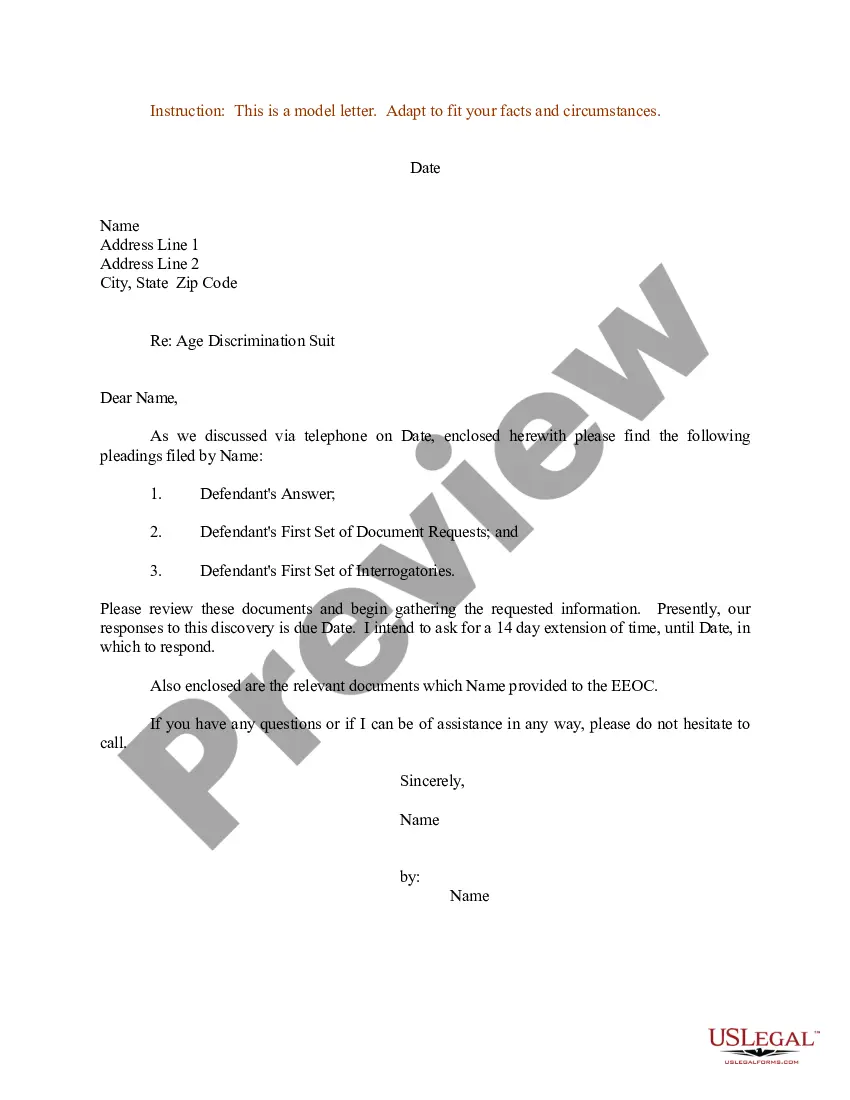


How to fill out New York Packet For Disputer Over Refund?
If you’re searching for a way to properly complete the New York Packet for Disputer over Refund without hiring a legal representative, then you’re just in the right spot. US Legal Forms has proven itself as the most extensive and reputable library of official templates for every personal and business situation. Every piece of documentation you find on our web service is designed in accordance with nationwide and state regulations, so you can be certain that your documents are in order.
Adhere to these simple guidelines on how to obtain the ready-to-use New York Packet for Disputer over Refund:
- Make sure the document you see on the page meets your legal situation and state regulations by checking its text description or looking through the Preview mode.
- Enter the document name in the Search tab on the top of the page and select your state from the dropdown to locate another template in case of any inconsistencies.
- Repeat with the content check and click Buy now when you are confident with the paperwork compliance with all the demands.
- Log in to your account and click Download. Sign up for the service and select the subscription plan if you still don’t have one.
- Use your credit card or the PayPal option to purchase your US Legal Forms subscription. The blank will be available to download right after.
- Choose in what format you want to save your New York Packet for Disputer over Refund and download it by clicking the appropriate button.
- Import your template to an online editor to complete and sign it rapidly or print it out to prepare your paper copy manually.
Another great advantage of US Legal Forms is that you never lose the paperwork you acquired - you can find any of your downloaded blanks in the My Forms tab of your profile whenever you need it.
Form popularity
FAQ
Section 137.2 General. (a) In the event of a fee dispute between attorney and client, whether or not the attorney already has received some or all of the fee in dispute, the client may seek to resolve the dispute by arbitration under this Part.
You have options for settling your back taxes, including an installment payment agreement and an offer in compromise. You can take action to reach an amicable agreement with your state's department of revenue and taxation. You may be able to reduce the amount that you have to pay with an offer in compromise.
File a petition for a Tax Appeals hearing Your petition must state which department actions you're protesting. After the hearing, an impartial administrative law judge (ALJ) will issue a determination that decides the dispute unless you or the department request further review by the Tax Appeals Tribunal.
The primary letter we use to request information about a return is Form DTF-948 or DTF-948-O, Request for Information (RFI). If your refund status says we sent you one of these letters, it's important you respond by the date noted on the letter so we can continue processing your return.
You can submit your request in any of the following ways: online: You can respond to your bill or notice online and attach supporting documentation. by phone: Speak directly to a Tax Department representative by calling the number on the notice you received.
We can consider offers in compromise from: individuals and businesses that are insolvent or discharged in bankruptcy, and. individuals who are not insolvent or bankrupt, if payment in full would create undue economic hardship.
To dispute IRS back tax collections, the IRS generally recommends that you contact a tax professional instead of handling the case on your own. However, contacting the Taxpayer Advocate Service or a Local Taxpayer Clinic is another option. Both of these organizations can help you settle IRS disputes.
If we made one or more adjustments to your personal income tax return: you may receive a refund amount that's different than what you claimed on your return, and. you will receive an account adjustment notice (Form DTF-160 or Form DTF-161) explaining the adjustment.