Montana Paternity Law and Procedure Handbook
Overview of this form
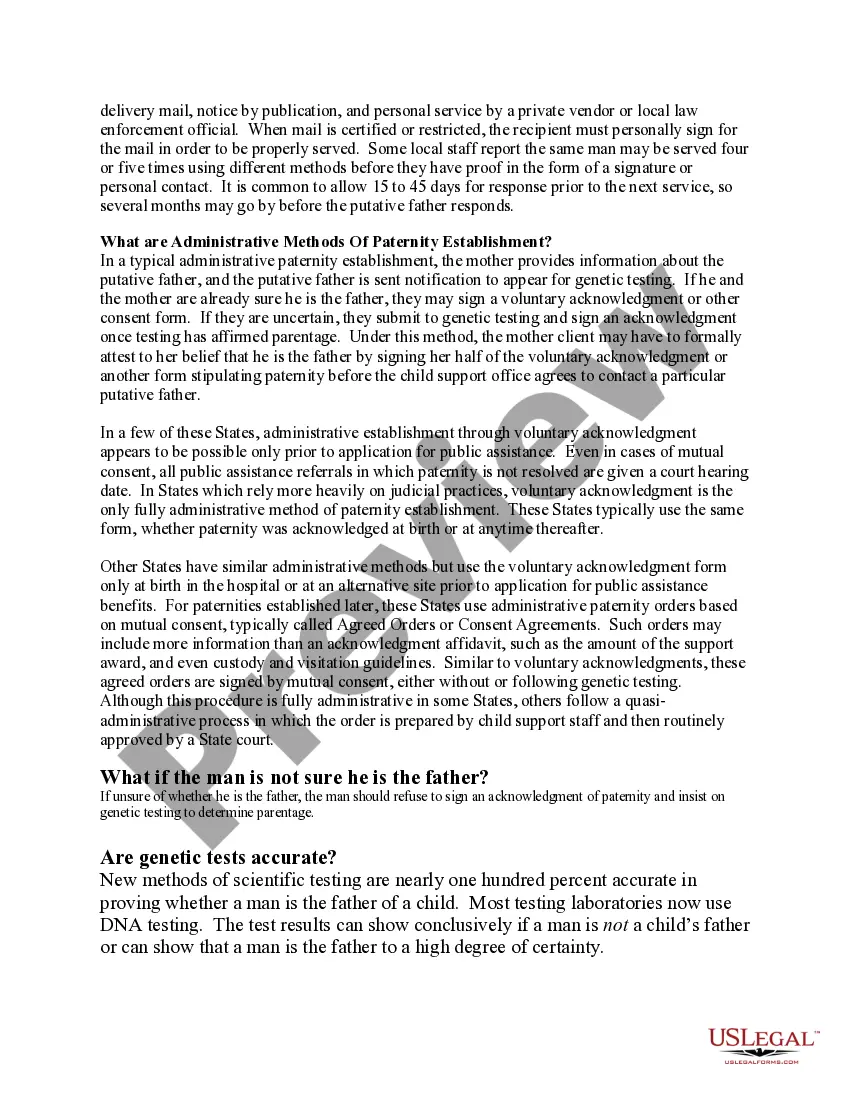
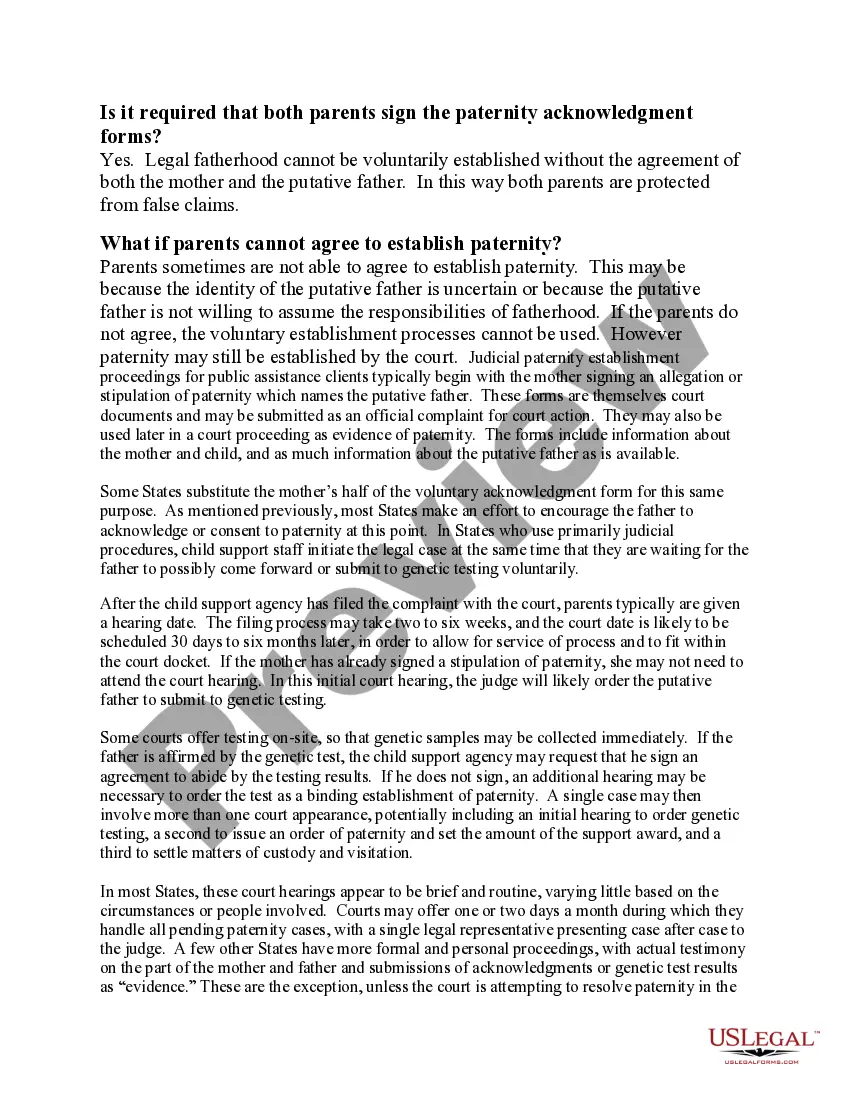
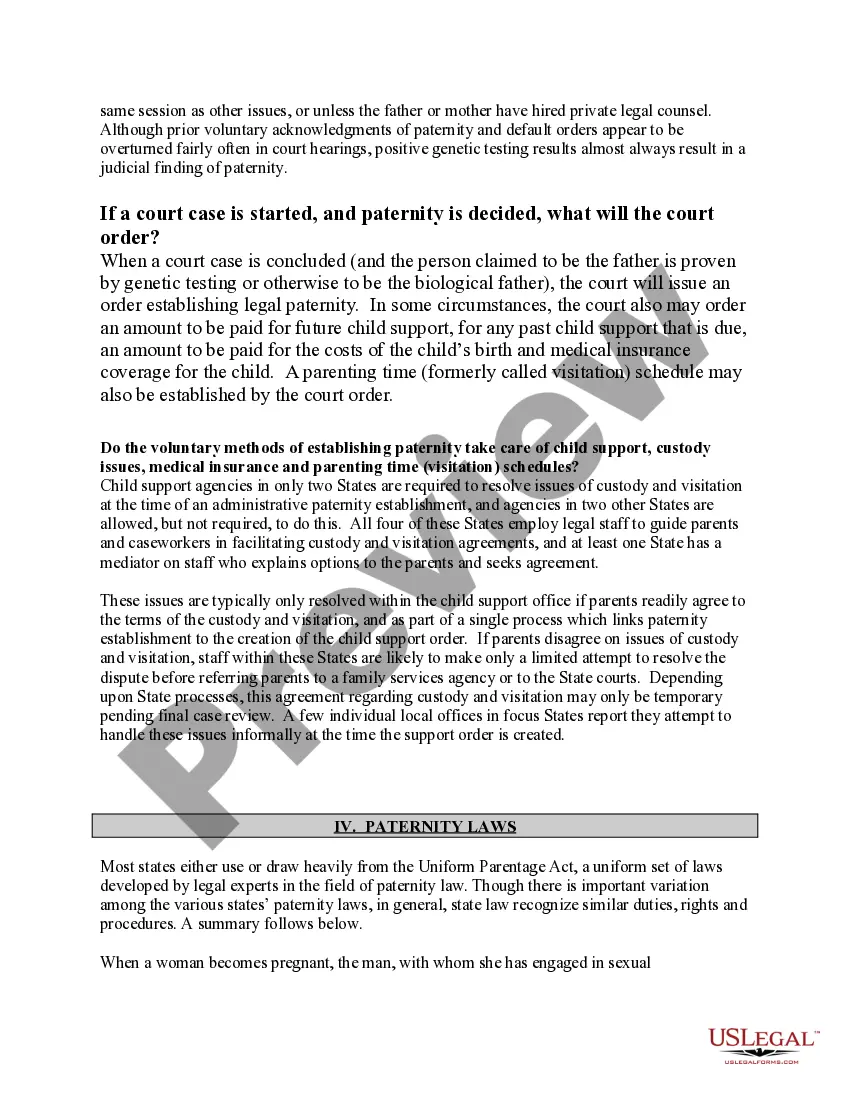
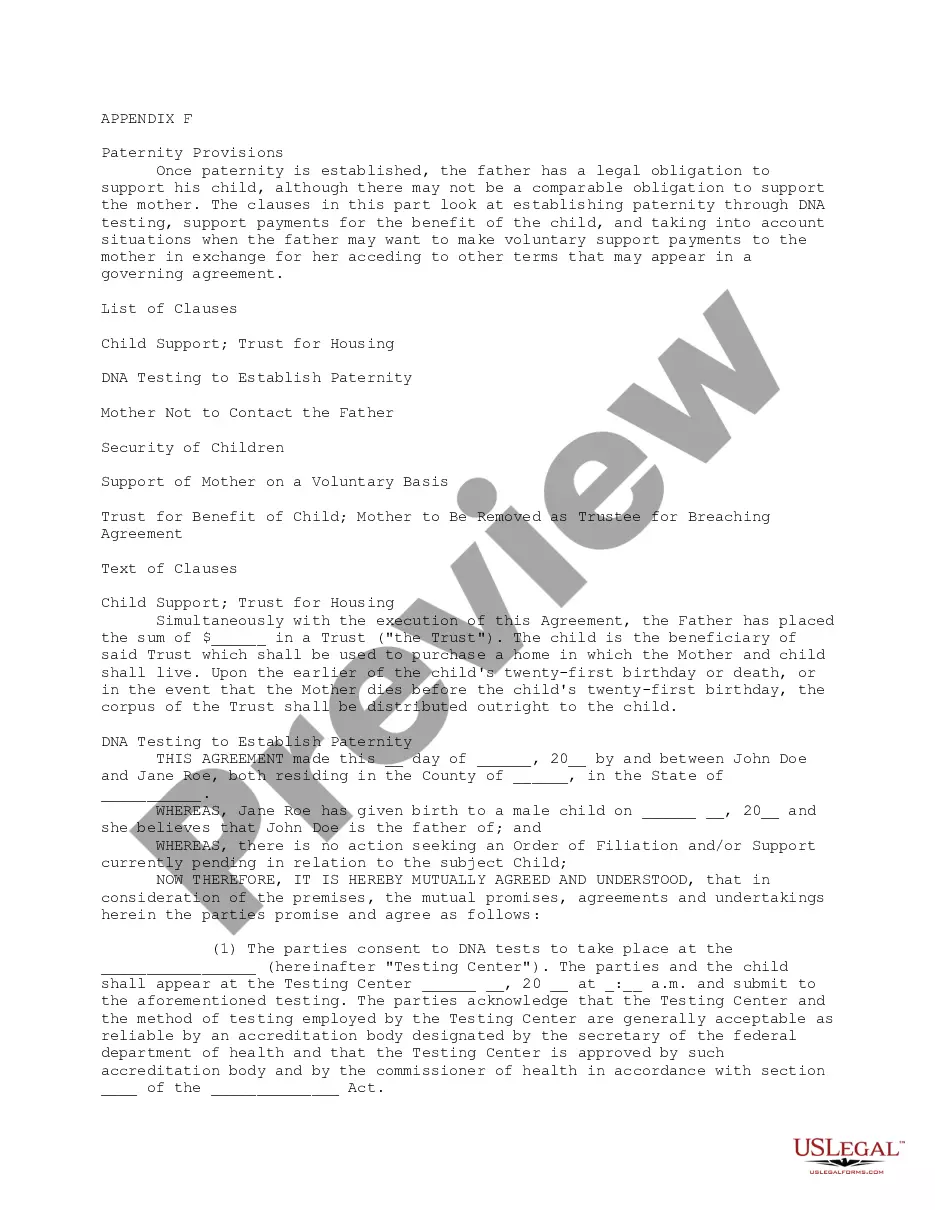
The Paternity Law and Procedure Handbook is a comprehensive resource designed to clarify the legal processes surrounding the establishment of paternity in the United States. It provides state-specific guidance, addressing both voluntary acknowledgment of paternity and court procedures for those seeking to determine a child's legal father. This handbook stands out from similar resources by focusing on clear explanations of laws and procedures, ensuring users can navigate complex legal landscapes with confidence.
What’s included in this form
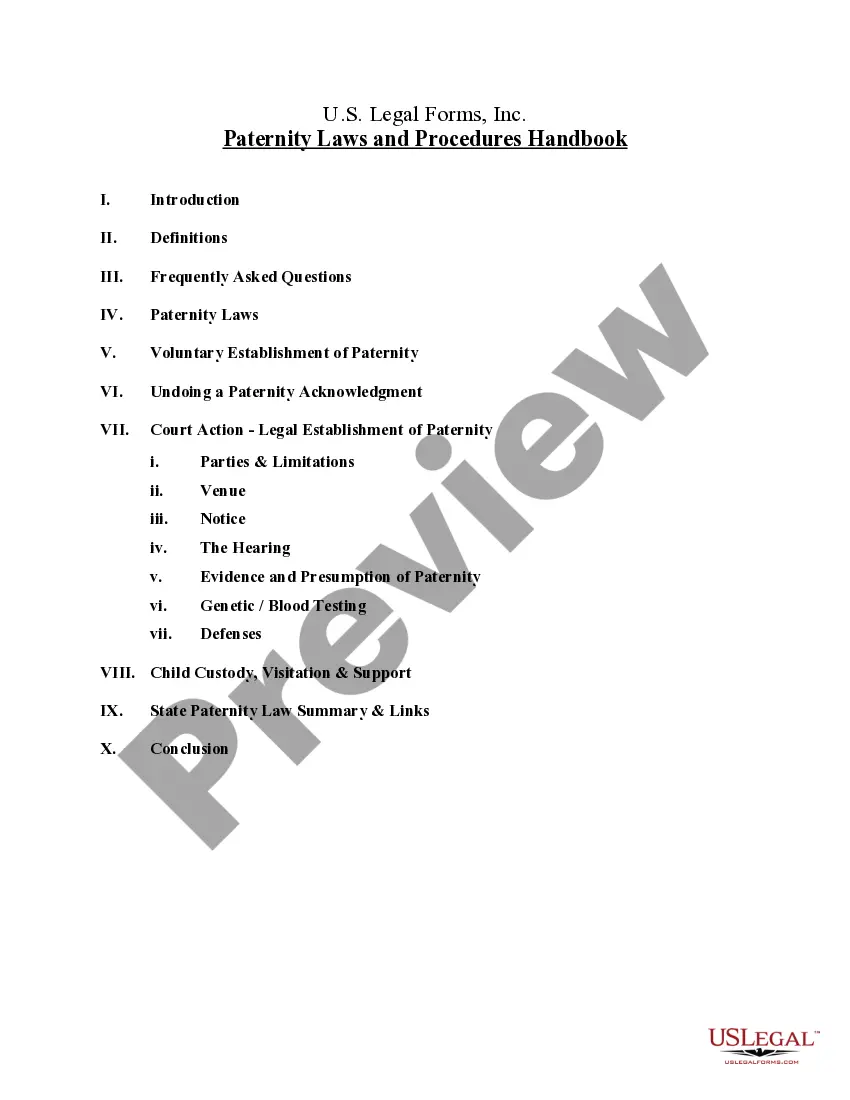
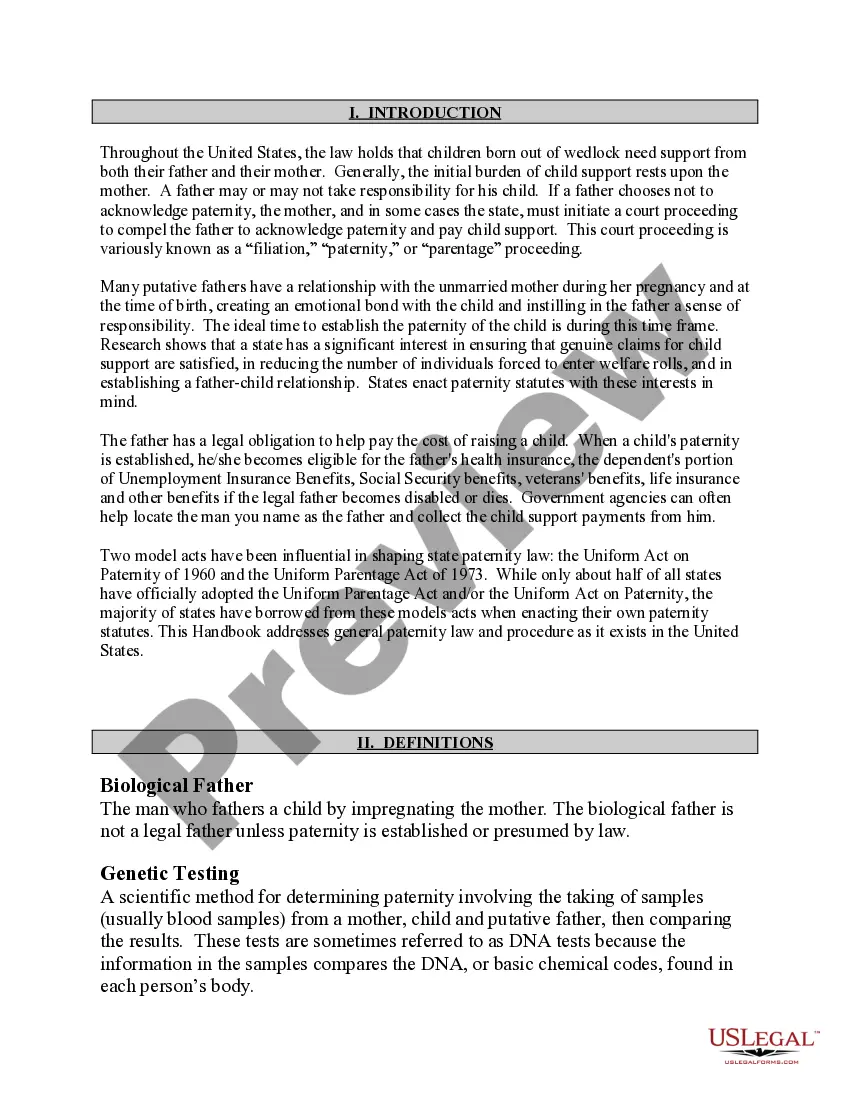
- Introduction: Overview of the importance of establishing paternity.
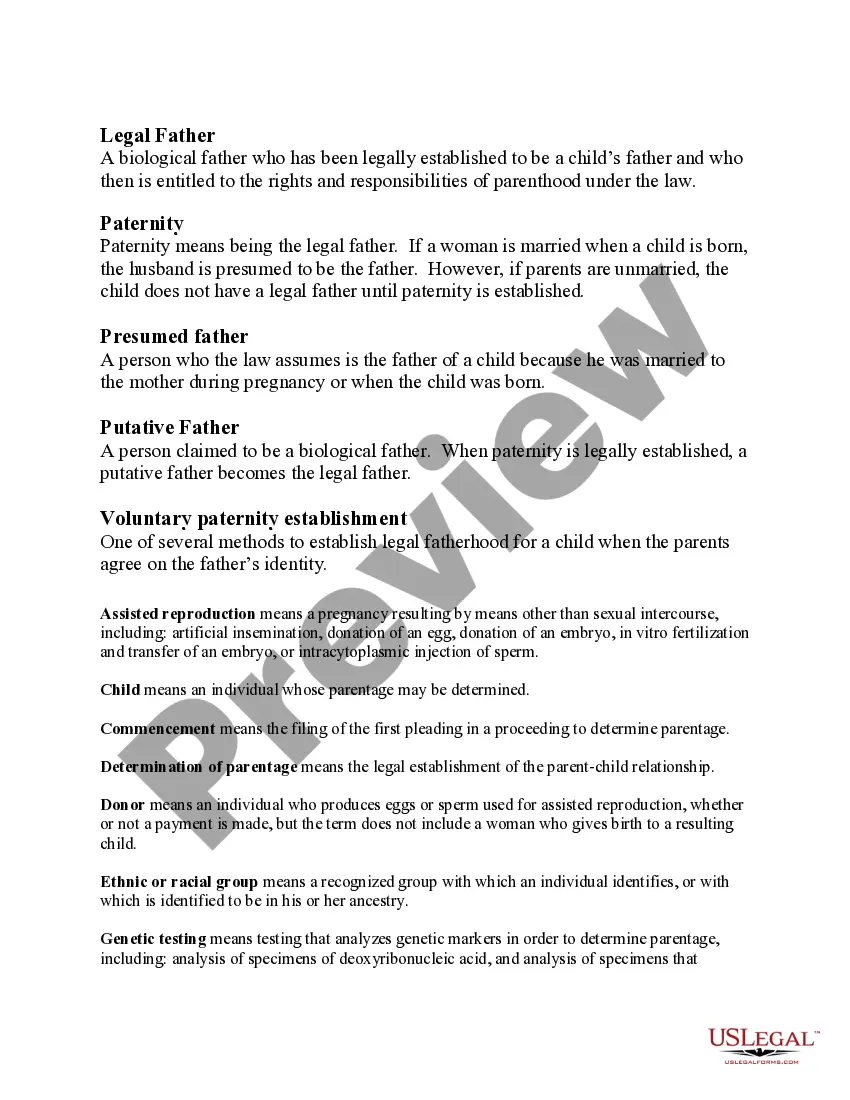
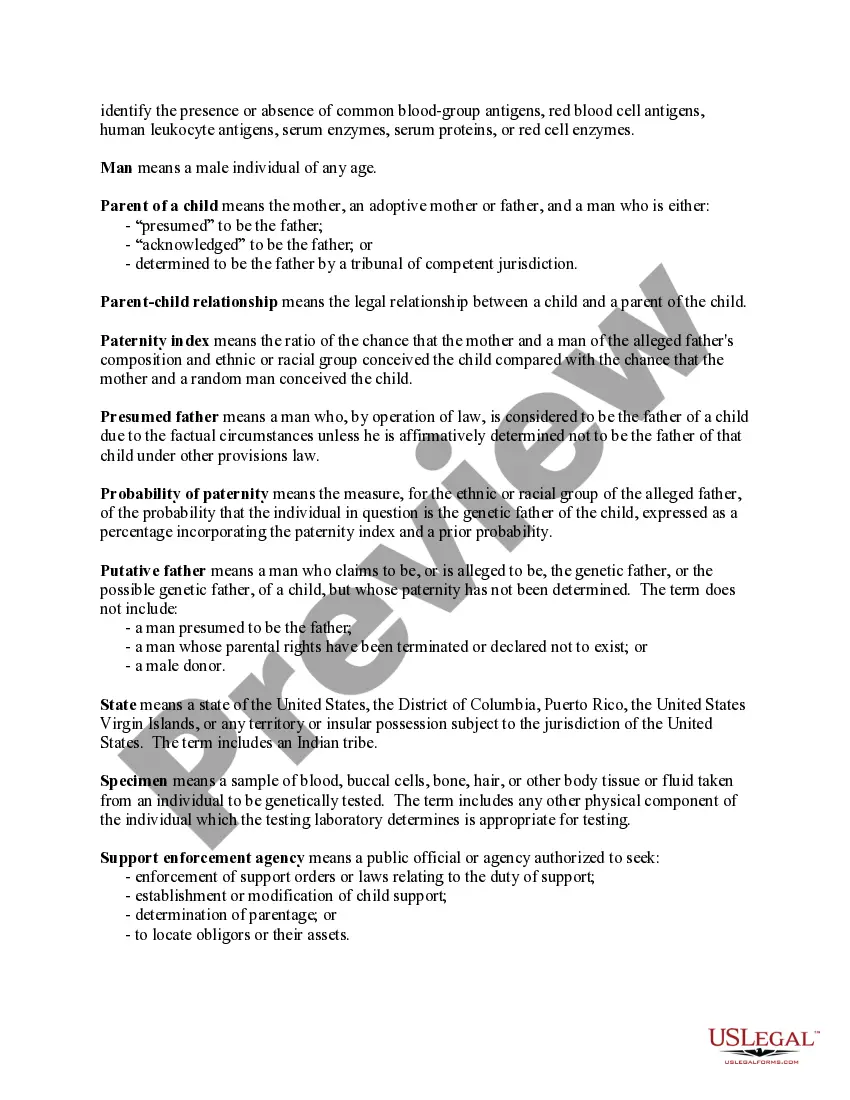
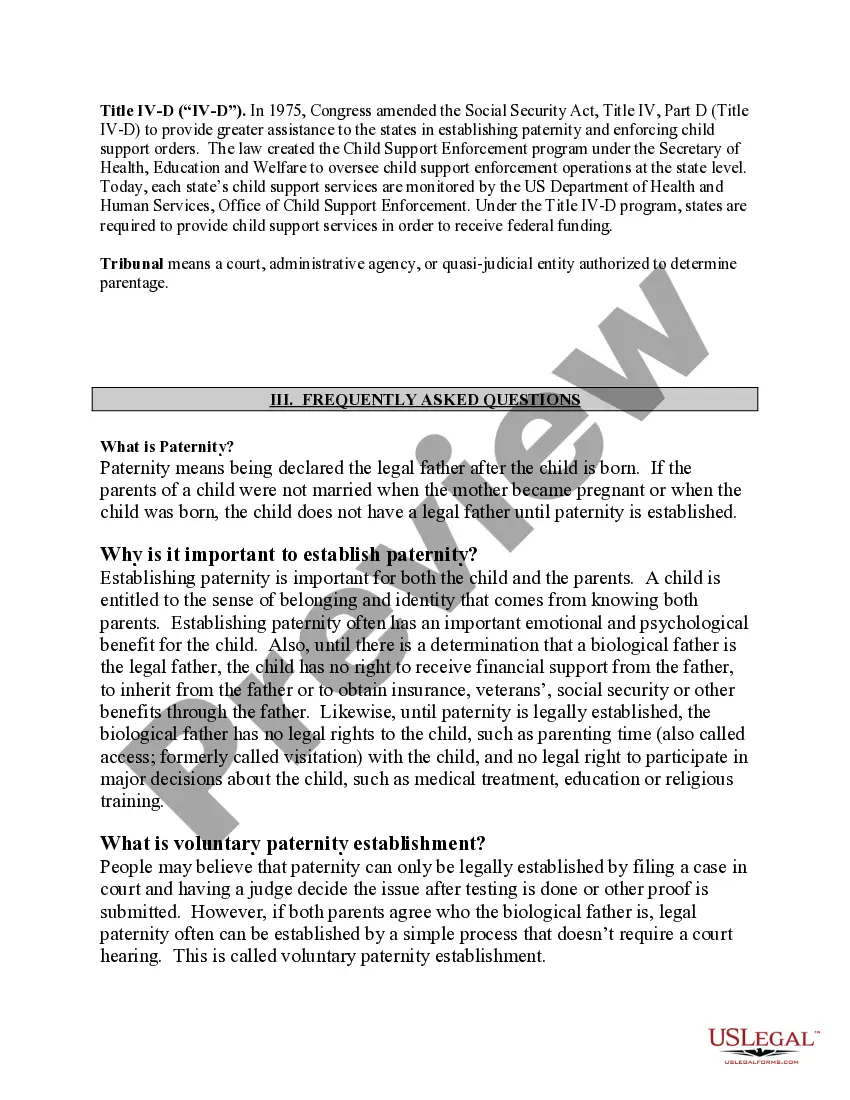
- Definitions: Key terms related to paternity law.
- Paternity Laws: Summarizes how paternity is established in various states.
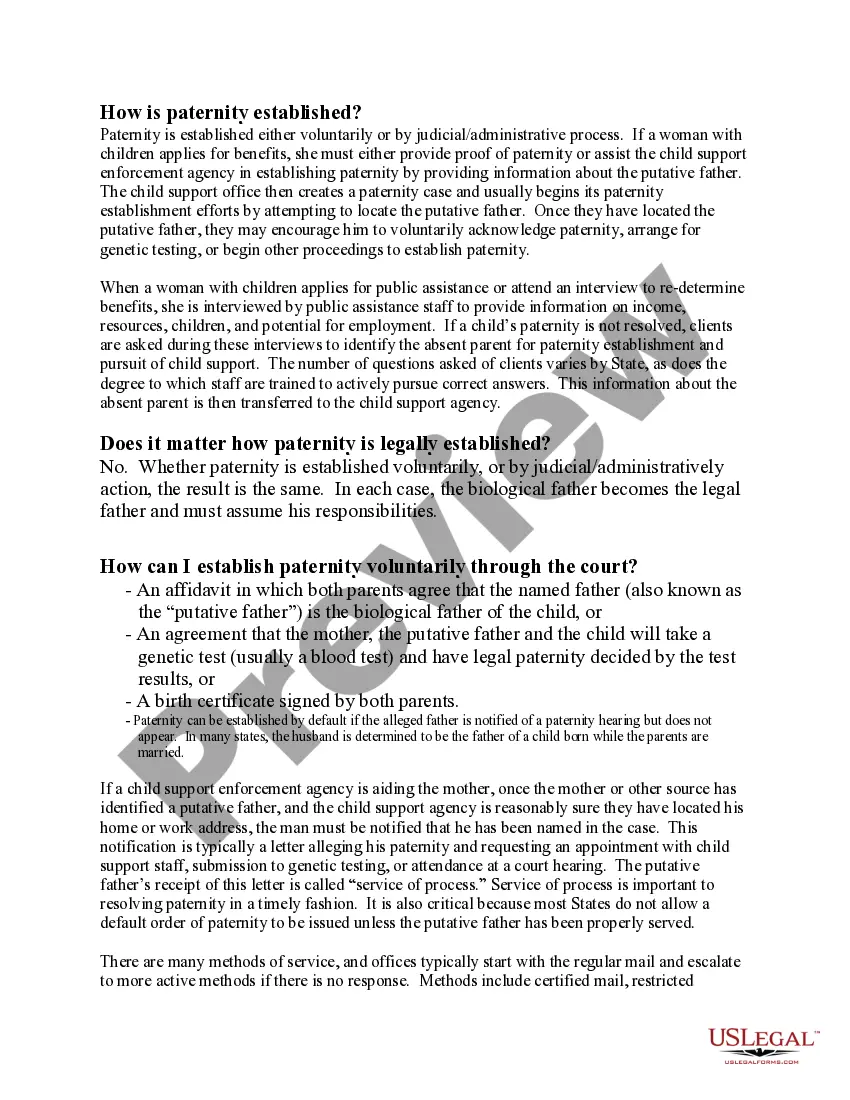
- Voluntary Establishment: Procedures for voluntarily acknowledging paternity.
- Court Action: Steps to take if paternity must be established through the court.
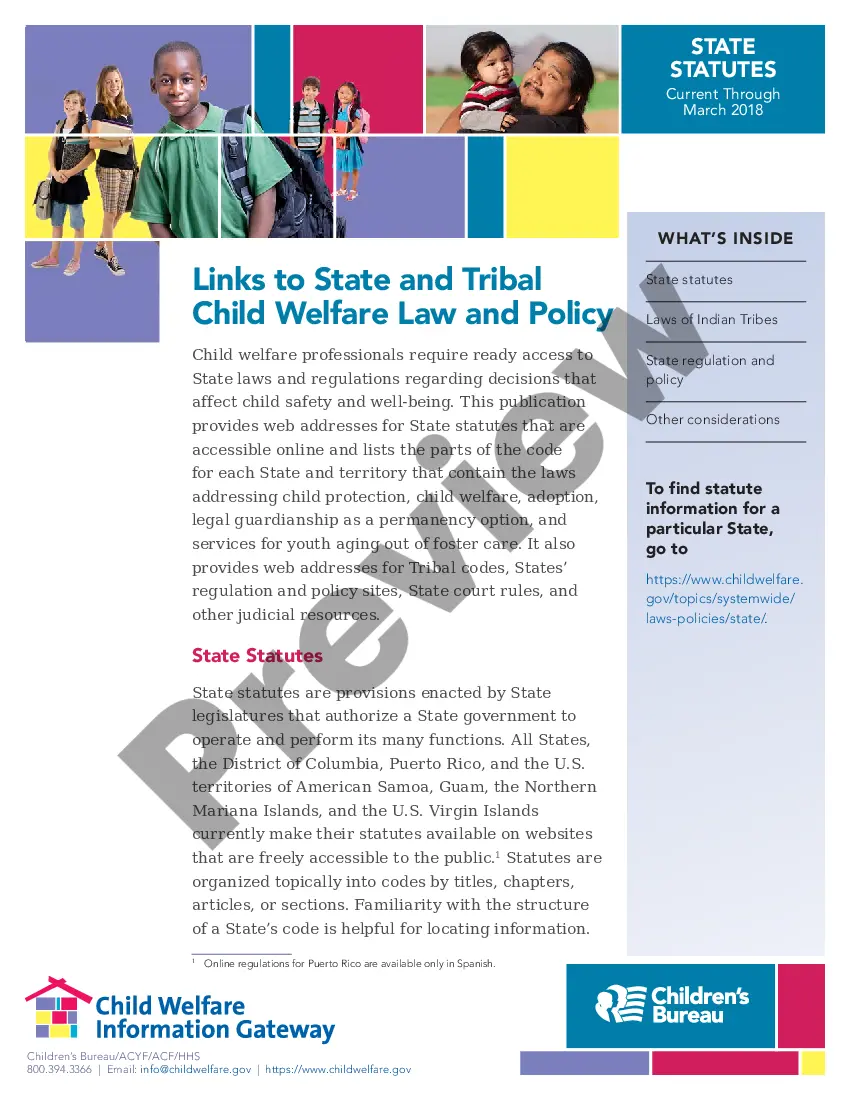
- State Paternity Law Summary: Specific links and resources for each state.

When to use this document
This handbook is essential when unmarried parents want to establish legal paternity or when a mother needs to enforce child support from a putative father. It is also useful for individuals unsure of their legal rights concerning paternity or parents who wish to understand the implications and responsibilities after acknowledging paternity.
Who should use this form
This handbook is intended for:
- Unmarried parents looking to establish paternity.
- Individuals seeking information about their legal rights and responsibilities regarding paternity.
- Parents unsure about how to proceed with child support and custody issues.
- Legal professionals assisting clients with paternity cases.
How to complete this form
Steps to Use the Handbook:
- Read the introduction to grasp the importance of establishing paternity.
- Familiarize yourself with the definitions of key terms related to paternity.
- Identify the applicable state laws and procedures provided in the handbook.
- Determine whether voluntary acknowledgment or court action is necessary for your situation.
- Contact local resources or legal professionals using the points of contact provided for further assistance.
Is notarization required?
This form does not typically require notarization unless specified by local law. Users should check state-specific requirements for any additional notarization needs in their jurisdiction.
Get your form ready online
Our built-in tools help you complete, sign, share, and store your documents in one place.
Make edits, fill in missing information, and update formatting in US Legal Forms—just like you would in MS Word.
Download a copy, print it, send it by email, or mail it via USPS—whatever works best for your next step.
Sign and collect signatures with our SignNow integration. Send to multiple recipients, set reminders, and more. Go Premium to unlock E-Sign.
If this form requires notarization, complete it online through a secure video call—no need to meet a notary in person or wait for an appointment.
We protect your documents and personal data by following strict security and privacy standards.

Make edits, fill in missing information, and update formatting in US Legal Forms—just like you would in MS Word.

Download a copy, print it, send it by email, or mail it via USPS—whatever works best for your next step.

Sign and collect signatures with our SignNow integration. Send to multiple recipients, set reminders, and more. Go Premium to unlock E-Sign.

If this form requires notarization, complete it online through a secure video call—no need to meet a notary in person or wait for an appointment.

We protect your documents and personal data by following strict security and privacy standards.
Mistakes to watch out for
Common mistakes:
- Failing to file for paternity establishment in a timely manner.
- Overlooking the need for both parents to agree on the acknowledgment form.
- Assuming paternity is automatically established without legal procedures.
- Neglecting to gather necessary documentation for court if needed.
Benefits of completing this form online
Benefits of using this form online:
- Immediate access to crucial legal information without the need for an appointment.
- Easy navigation through state-specific laws and guidelines.
- Downloadable resources allow for convenient completion and record-keeping.
- Developed by licensed attorneys ensuring reliability and legal accuracy.
Legal use & context
This handbook serves as a legal guide to understanding the processes surrounding paternity establishment in the U.S. It outlines the rights and responsibilities associated with being legally recognized as a parent, underlining the critical need to establish paternity for both parents and children.
What to keep in mind
Key takeaways:
- Establishing paternity is crucial for both parents and children.
- The Handbook provides essential resources and state-specific information.
- Understanding the legal process can help navigate child support and custody issues.
- Prompt action in establishing paternity helps secure rights and benefits for the child.
- Biological Father: The man who conceived the child.
- Legal Father: The man legally recognized as the father after paternity is established.
- Voluntary Acknowledgment: An agreement between both parents confirming the identity of the biological father.
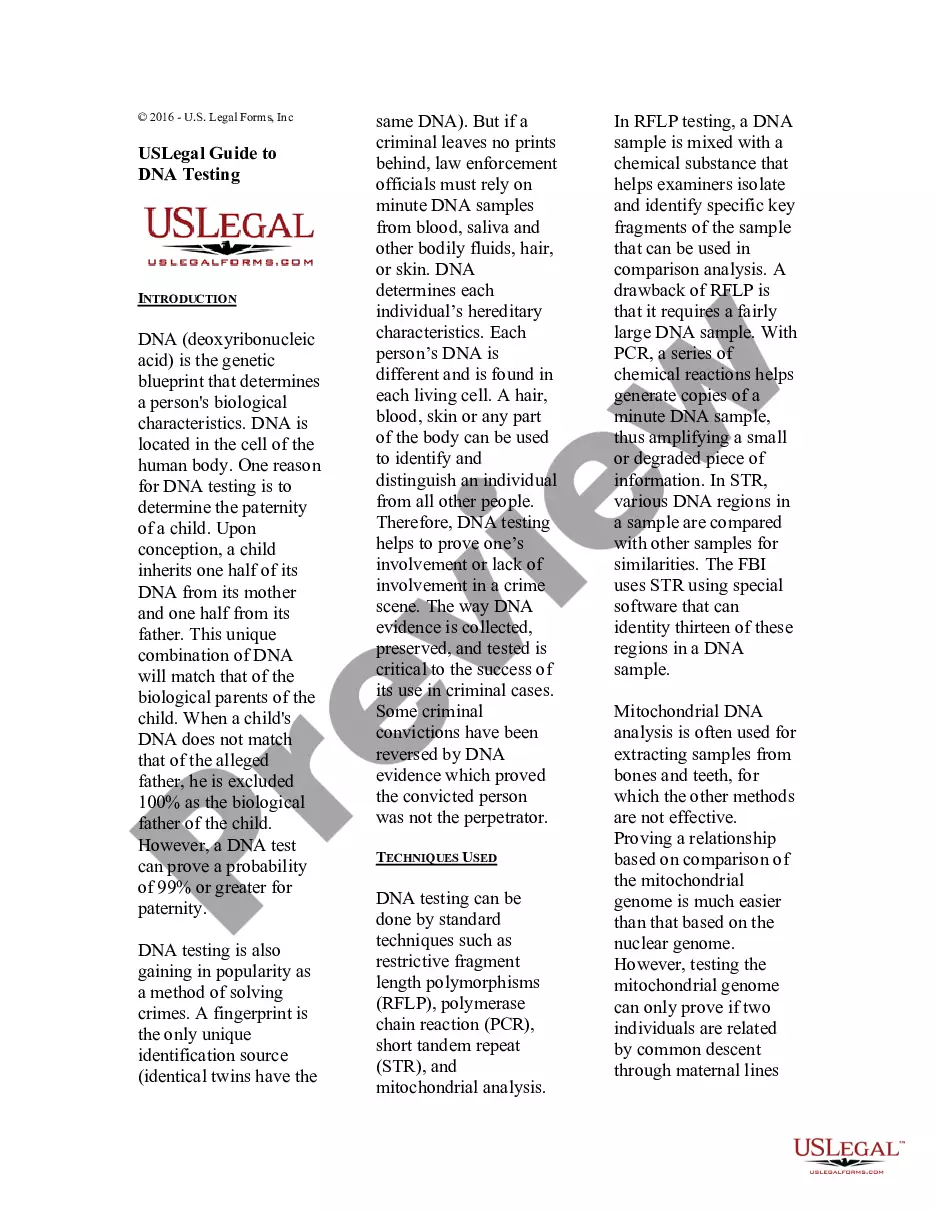
- Genetic Testing: A scientific method to determine paternity using DNA samples.
Looking for another form?

Form popularity
FAQ
Get on the birth certificate. Once your child is born, the easiest way to establish paternity is by getting your name on the birth certificate. Get an order through an administrative agency. Get a court order.
The alleged father, the mother, or the child him or herself can file a court action requesting that the Montana district court establish paternity.Additionally, the Child Support Enforcement Division of the Montana Department of Public Health and Human Services can file a court action.
1 attorney answer Although a child's wishes are one factor among many the court must consider in determining the child's best interests, a minor child never gets to "decide" which parent to live with.
Birth certificate. If a birth certificate declares the father and he signs it, this is a legally binding qualification of paternity. DNA test. Court order.
Fathers who were not married when their child was born must legally establish paternity in order to gain access to father's rights.Once paternity is established, a father may pursue child visitation or other custody rights.
If you would like to formally establish paternity, you should begin by asking the father of your child to voluntarily acknowledge paternity.The birth father can voluntarily acknowledge paternity in two ways: He can be present at the birth of your child and sign a Declaration of Paternity.
Chadwick Hodge, that a man may sue a woman for paternity fraud. A man who has been told by the mother that he is the father of her child can sue her if she is lying.He may also bring a civil action for paternity fraud against the mother to recover damages and any emotional distress.
Child custody laws in Montana allow judges to take a child's wishes into account as a single factor in custody determinations, but will not allow any child under 18 to unilaterally decide which parent to reside with.