Minnesota Mandatory Education Classes and Mandatory Mediation Consultation - Checklist
About this form
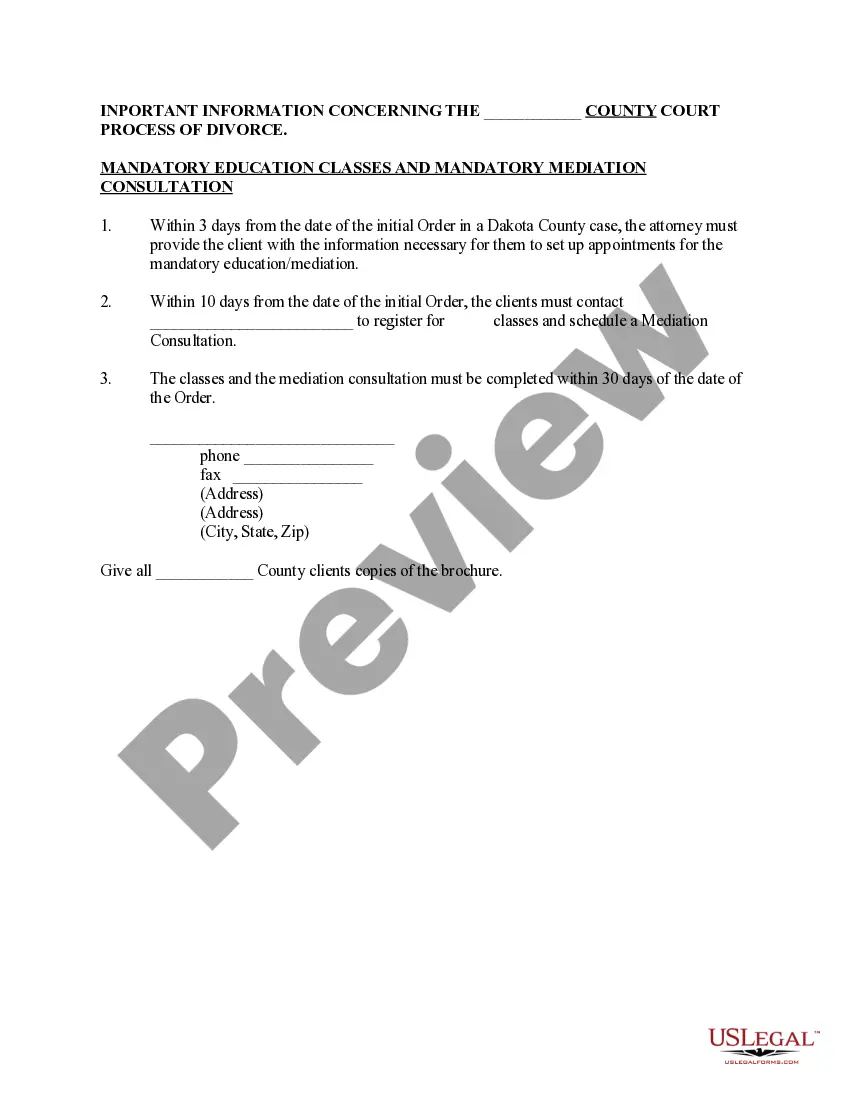
The Mandatory Education Classes and Mandatory Mediation Consultation Checklist is a legal document used in the process of dissolution of marriage. Its purpose is to guide clients through the mandatory requirements they must fulfill in Dakota County, ensuring they are informed and prepared for the essential education and mediation necessary for handling their divorce proceedings. This checklist is distinct from other forms as it specifically addresses the educational and mediation requirements set forth by the court, helping clients understand the process and their responsibilities clearly.
Form components explained
- Timeline for providing mandatory education and mediation information
- Instructions for setting up appointments
- Requirement to supply clients with brochures
When to use this form
This checklist should be used at the beginning of the dissolution of marriage process in Dakota County. It is particularly essential when clients have received an initial court order for divorce and need to understand their obligations regarding mandatory education classes and mediation consultations. By using this form, clients can ensure they meet all necessary requirements promptly, facilitating a smoother divorce process.
Intended users of this form
This checklist is intended for:
- Individuals going through a dissolution of marriage in Dakota County
- Attorneys representing clients in divorce proceedings
- Clients who need to comply with court-mandated education and mediation
Steps to complete this form
- Review the initial court order for the specific requirements related to education and mediation.
- Contact your attorney to obtain the necessary information and brochures for your appointments.
- Schedule your mandatory education classes and mediation consultations as directed.
- Provide necessary details such as your contact information and any required disclosures.
Is notarization required?
In most cases, this form does not require notarization. However, some jurisdictions or signing circumstances might. US Legal Forms offers online notarization powered by Notarize, accessible 24/7 for a quick, remote process.
Get your form ready online
Our built-in tools help you complete, sign, share, and store your documents in one place.
Make edits, fill in missing information, and update formatting in US Legal Forms—just like you would in MS Word.
Download a copy, print it, send it by email, or mail it via USPS—whatever works best for your next step.
Sign and collect signatures with our SignNow integration. Send to multiple recipients, set reminders, and more. Go Premium to unlock E-Sign.
If this form requires notarization, complete it online through a secure video call—no need to meet a notary in person or wait for an appointment.
We protect your documents and personal data by following strict security and privacy standards.
Make edits, fill in missing information, and update formatting in US Legal Forms—just like you would in MS Word.
Download a copy, print it, send it by email, or mail it via USPS—whatever works best for your next step.
Sign and collect signatures with our SignNow integration. Send to multiple recipients, set reminders, and more. Go Premium to unlock E-Sign.
If this form requires notarization, complete it online through a secure video call—no need to meet a notary in person or wait for an appointment.
We protect your documents and personal data by following strict security and privacy standards.
Avoid these common issues
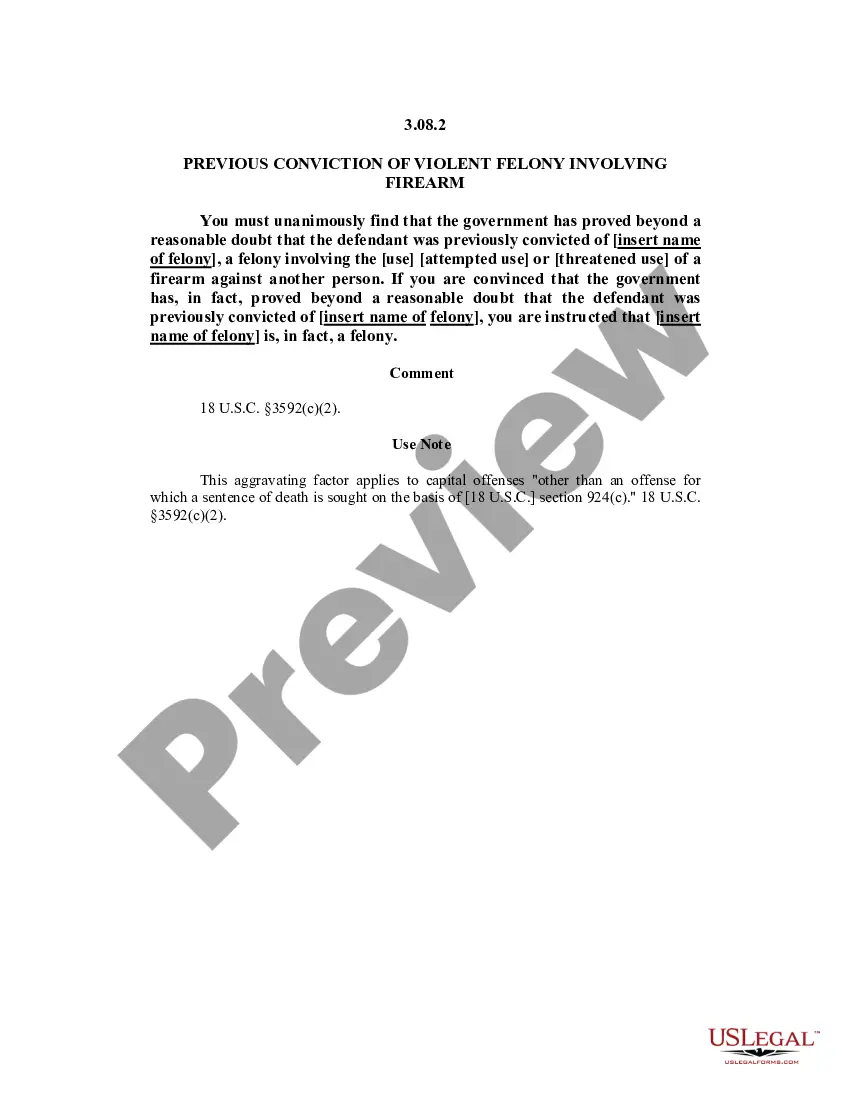
- Failing to complete the checklist within the stipulated three-day timeframe.
- Not obtaining necessary brochures or information from the attorney.
- Missing scheduled appointments for education or mediation sessions.
Why use this form online
- Convenient access to the checklist for timely completion.
- Editable format that allows you to tailor the information as needed.
- Reliable legal guidance drafted by licensed attorneys.
Looking for another form?

Form popularity
FAQ
To request mediation from the judge, you generally need to file a motion or a request for mediation. You should clearly state your reasons for wanting mediation, emphasizing the benefits outlined in the Minnesota Mandatory Education Classes and Mandatory Mediation Consultation - Checklist. Be prepared to provide any necessary documentation that supports your request. Seeking assistance from platforms like USLegalForms can help ensure you follow the proper procedures and present your case effectively.
If your ex refuses to participate in mediation, the court may still require attendance at Minnesota Mandatory Education Classes and Mandatory Mediation Consultation - Checklist. This process ensures that both parties understand the benefits of mediation. If mediation is unsuccessful, you may need to explore other options, such as litigation. It's crucial to stay informed about your rights and obligations, and you might consider consulting with a legal expert or using platforms like USLegalForms for guidance.
To request mediation in Minnesota, you typically need to fill out a request form and submit it to the appropriate court or mediation service. It's beneficial to understand the Minnesota Mandatory Education Classes and Mandatory Mediation Consultation - Checklist beforehand, as it provides crucial steps and considerations for making your request effectively. This process helps ensure that you are prepared and informed as you move forward.
Rule 114 in Minnesota outlines the framework for mediation and alternative dispute resolution. It encourages parties to explore collaborative solutions before resorting to litigation. Engaging in Minnesota Mandatory Education Classes and Mandatory Mediation Consultation - Checklist can provide valuable insights into this rule, making the mediation process smoother and more productive.
To prepare for special education mediation, it is essential to gather all relevant documentation, including educational assessments and communication records. Familiarizing yourself with the Minnesota Mandatory Education Classes and Mandatory Mediation Consultation - Checklist will also enhance your readiness. This preparation ensures that you can effectively advocate for your child's needs during the mediation process.
Rule 11.04 in Minnesota pertains to the requirements for civil procedures regarding pleadings and motions. This rule is crucial for maintaining clarity and efficiency in the legal process. Understanding this rule can be particularly beneficial when engaging in Minnesota Mandatory Education Classes and Mandatory Mediation Consultation - Checklist, as it provides insight into procedural expectations.
A qualified neutral under Rule 114 refers to individuals who have met specific training and experience requirements to facilitate mediation. They are essential for ensuring that all parties have a fair opportunity to express their views and work toward resolution. Utilizing a qualified neutral can enhance the effectiveness of the Minnesota Mandatory Education Classes and Mandatory Mediation Consultation - Checklist, leading to more satisfactory outcomes for all involved.
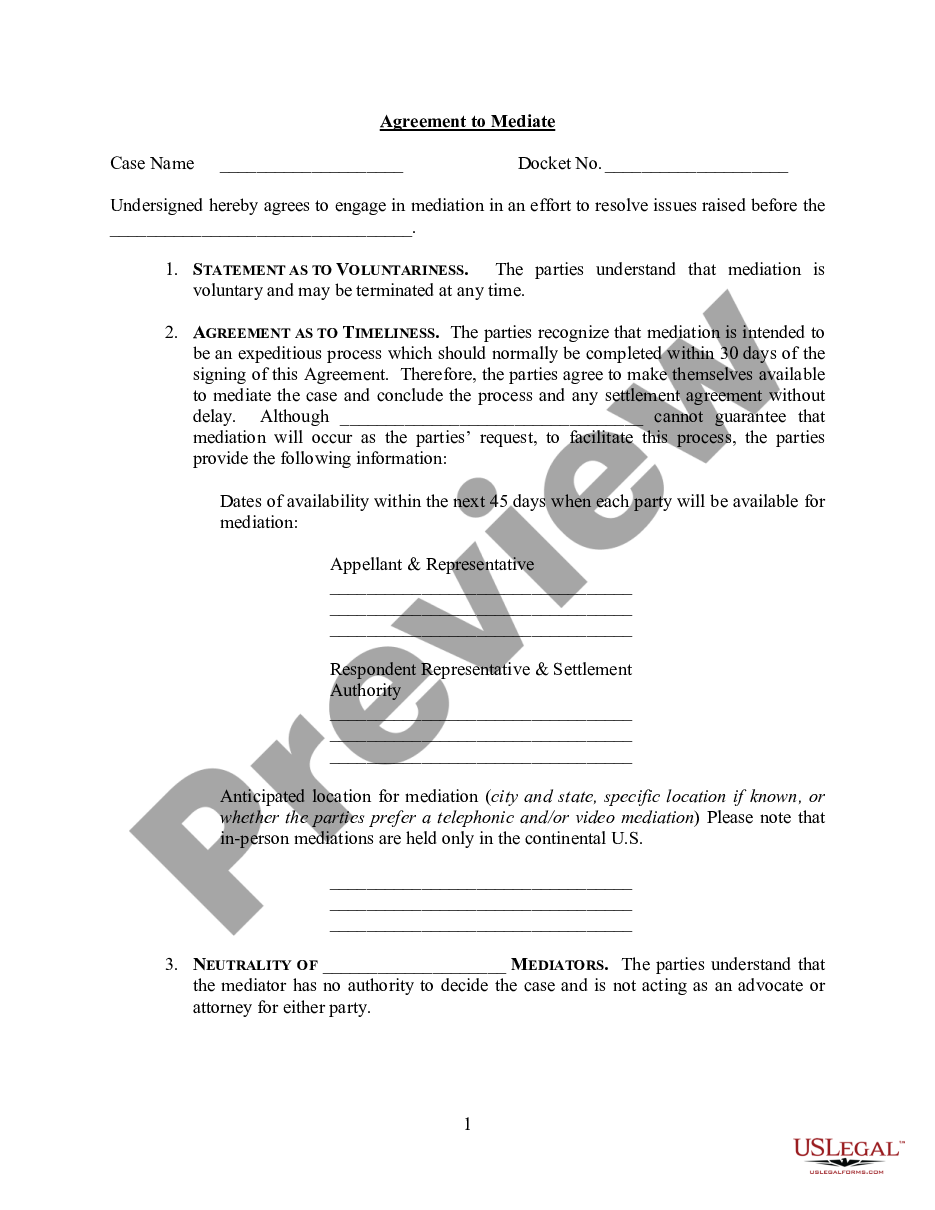
Rule 114 of the Minnesota General Rules of Practice establishes guidelines for alternative dispute resolution, specifically mediation. It emphasizes the importance of Minnesota Mandatory Education Classes and Mandatory Mediation Consultation - Checklist to ensure that parties are well-informed before mediation begins. This rule aims to provide a structured approach to resolving disputes outside of court, promoting a collaborative environment.
During mediation, avoid aggressive language, blame, or ultimatums, as these can escalate tensions and hinder productive discussions. It's also important to refrain from discussing irrelevant personal issues unrelated to the mediation subject. Focus instead on constructive dialogue and solutions, and consider utilizing the Minnesota Mandatory Education Classes and Mandatory Mediation Consultation - Checklist to better prepare for what to say and what to avoid during mediation.
The four C's of mediation are Communication, Cooperation, Compromise, and Creativity. These principles guide the mediation process, helping parties communicate effectively, work together, find middle ground, and explore innovative solutions. By familiarizing yourself with these concepts, along with following the Minnesota Mandatory Education Classes and Mandatory Mediation Consultation - Checklist, you can enhance your mediation experience.