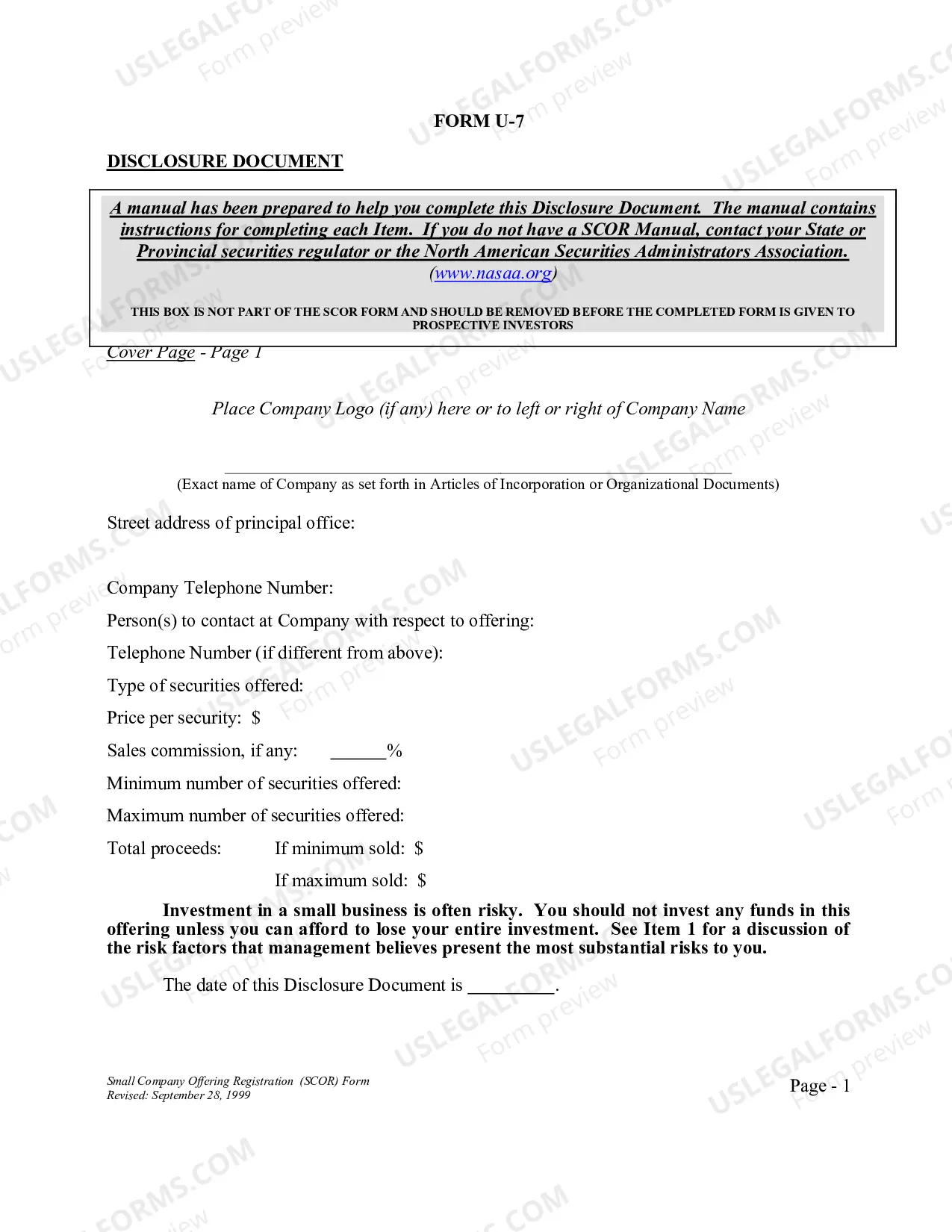
Arkansas Septic Agreement
Overview of this form
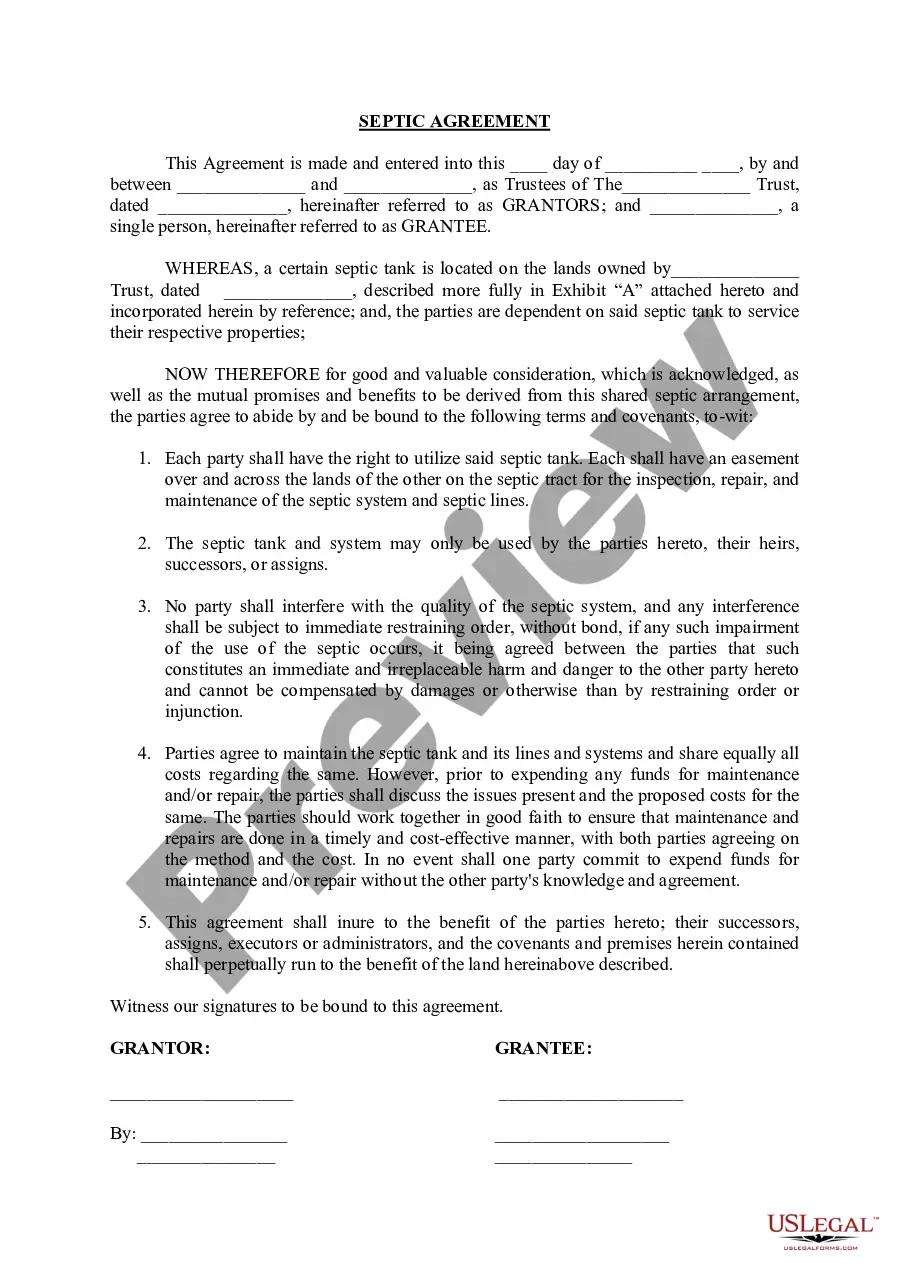
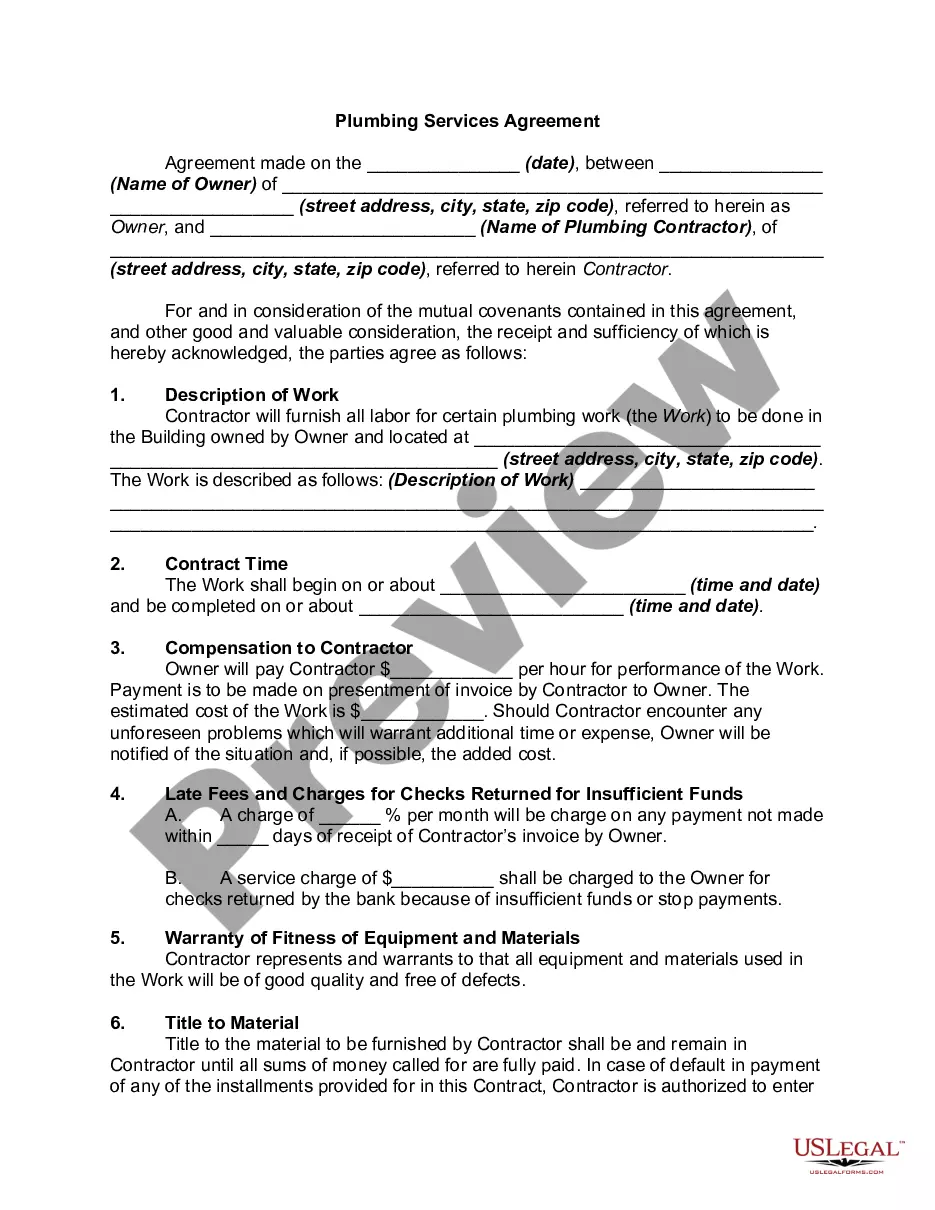
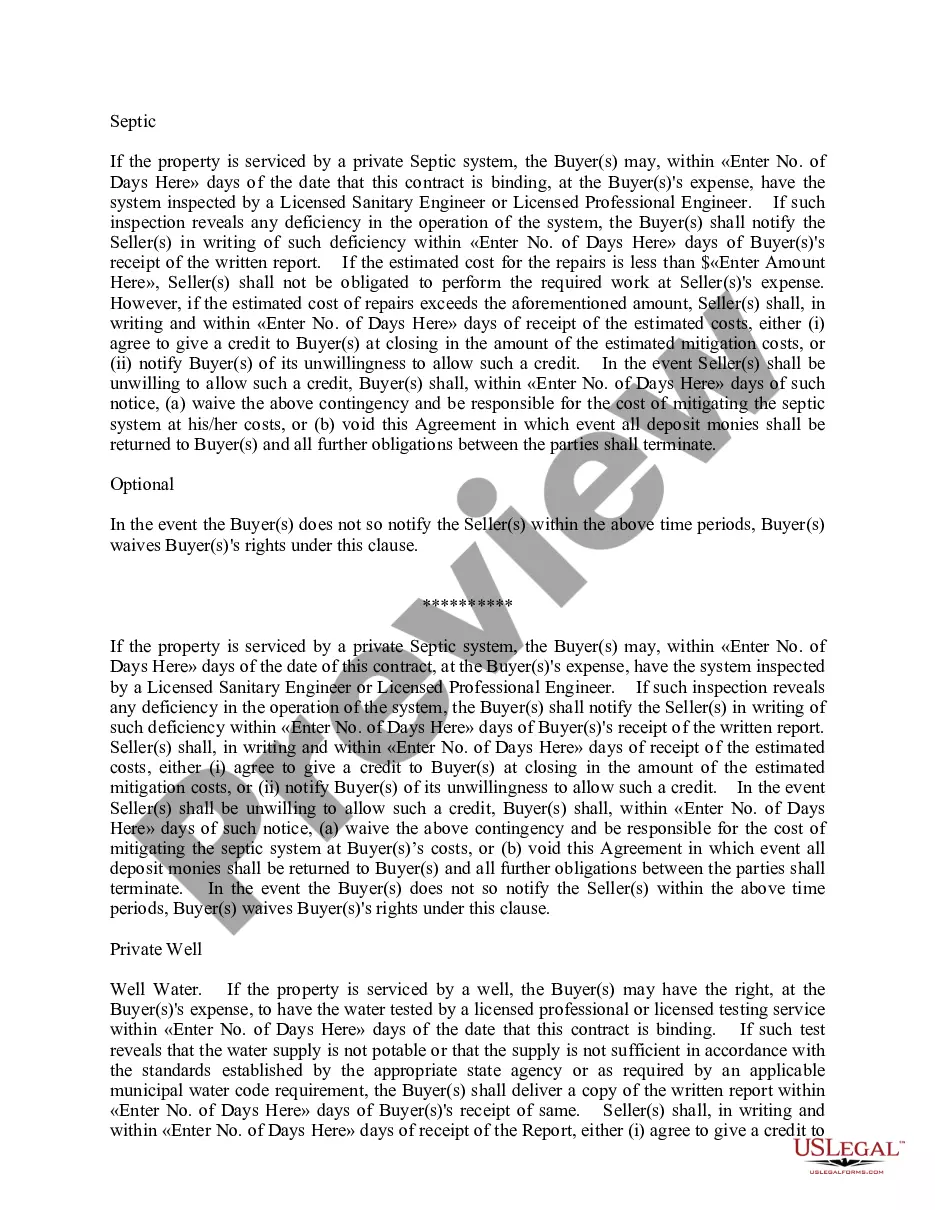
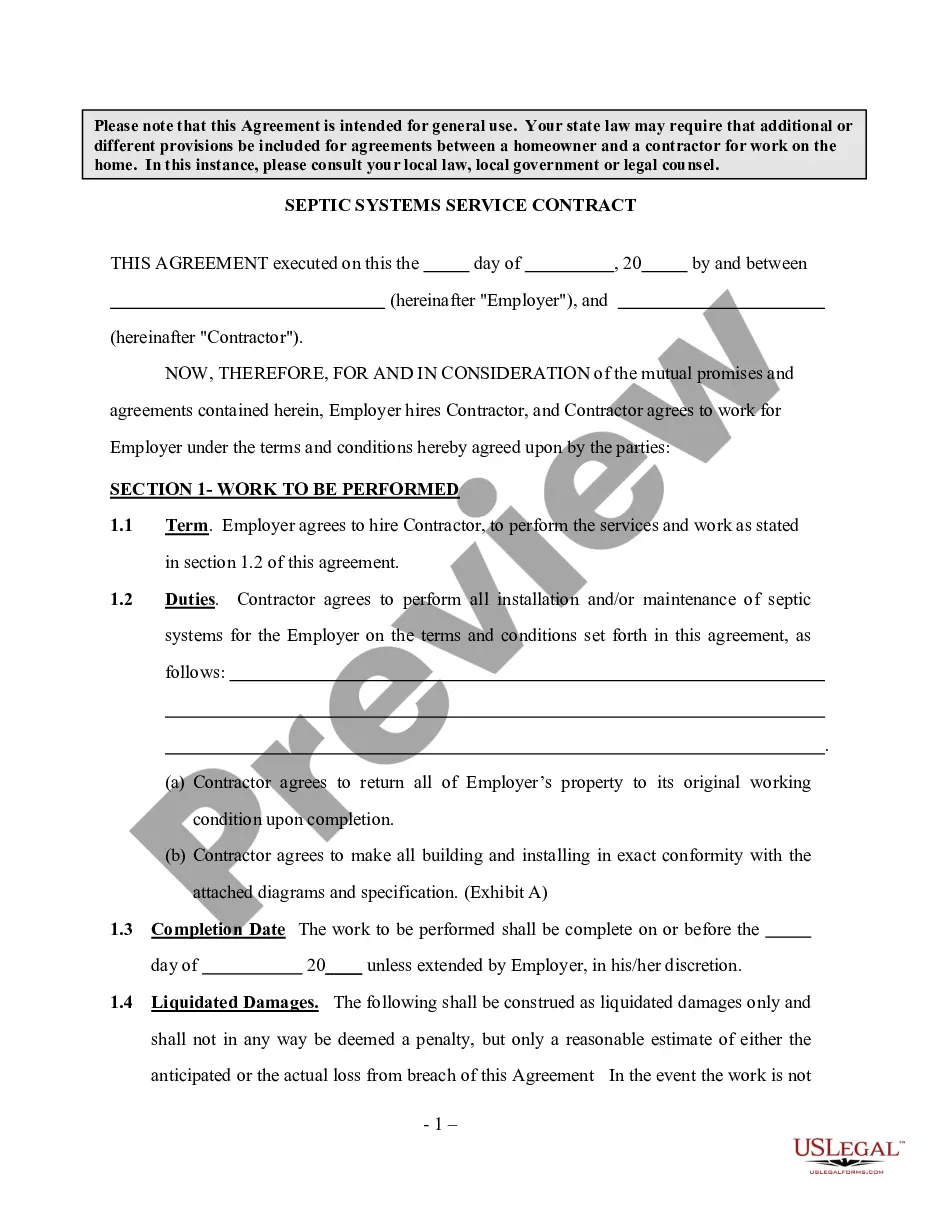
The Septic Agreement is a legal contract between two parties regarding the shared use and maintenance of a septic tank. This form outlines the responsibilities and rights of both parties, ensuring proper usage and maintenance of the septic system. Unlike other property agreements, the Septic Agreement specifically focuses on the shared responsibilities related to septic tank usage, making it essential for parties relying on a communal septic system.
Form components explained
- Identification of the parties involved as Grantors and Grantee.
- Description of the property and the septic system, including an exhibit reference.
- Rights to use the septic tank and easements for maintenance and inspection.
- Provisions regarding maintenance responsibilities and cost-sharing agreements.
- Consequences of interference with the septic system and provisions for legal remedies.
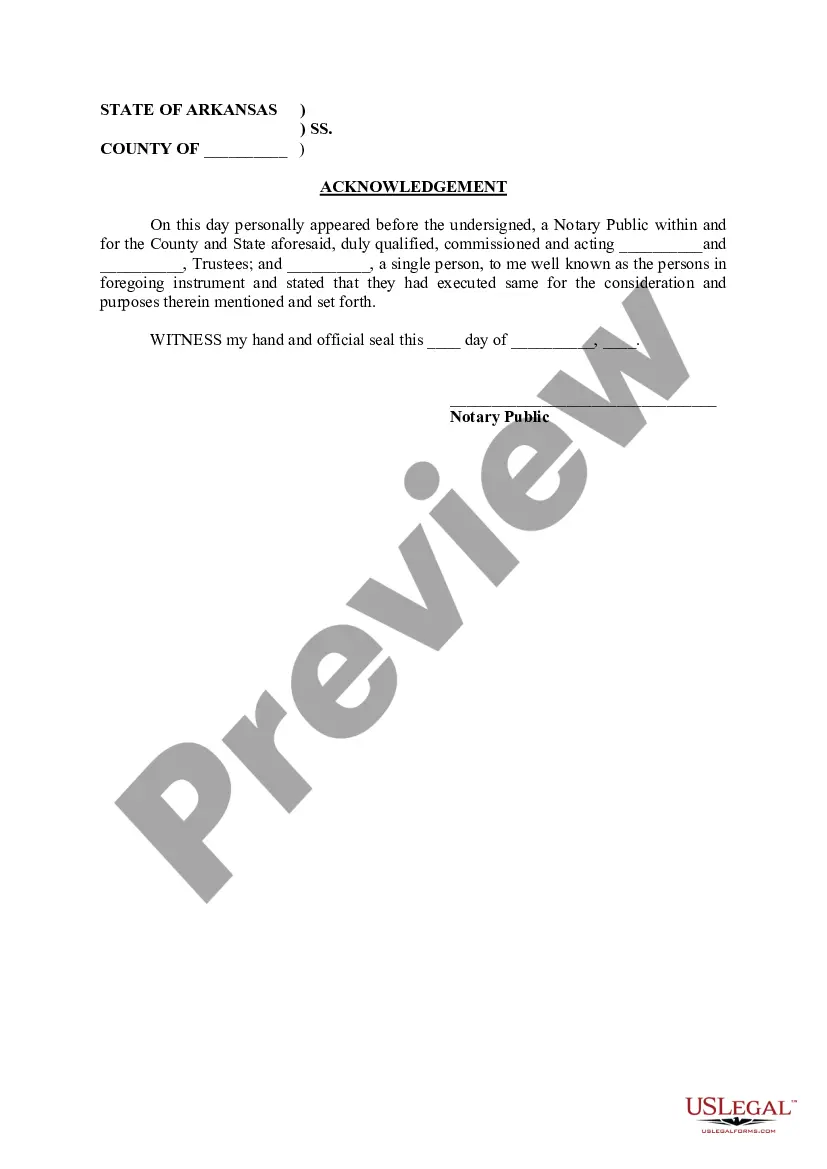
- Signatures and notary acknowledgment to validate the agreement.
Situations where this form applies
This form is useful when two or more parties intend to share a septic tank for their properties. It is particularly relevant in scenarios where properties are on a common drainage system, ensuring all parties understand their obligations. If you are entering into an agreement with another party to use a shared septic system, this agreement is necessary to outline each party's rights and responsibilities and to prevent future disputes.
Intended users of this form
- Property owners who share a septic tank with one or more parties.
- Trustees managing shared property interests involving a septic system.
- Individuals looking to formalize agreements regarding septic tank use and maintenance.
How to complete this form
- Identify the parties involved by filling in the names of the Grantors and Grantee.
- Specify the property details, including the description of the septic system as referenced in Exhibit âA.â
- Clearly outline the rights to use the septic tank and any easements necessary for access and maintenance.
- Agree on the shared maintenance responsibilities and outline any costs associated with repairs.
- Have all parties sign the document and seek notarization to ensure legality.
Is notarization required?
Yes, this form must be notarized to be legally valid. Notarization ensures that the parties signing the agreement are who they claim to be and that the agreement was executed willingly. US Legal Forms offers integrated online notarization, making it easy to get your document notarized through secure video calls without the need for travel.
Get your form ready online
Our built-in tools help you complete, sign, share, and store your documents in one place.
Make edits, fill in missing information, and update formatting in US Legal Forms—just like you would in MS Word.
Download a copy, print it, send it by email, or mail it via USPS—whatever works best for your next step.
Sign and collect signatures with our SignNow integration. Send to multiple recipients, set reminders, and more. Go Premium to unlock E-Sign.
If this form requires notarization, complete it online through a secure video call—no need to meet a notary in person or wait for an appointment.
We protect your documents and personal data by following strict security and privacy standards.
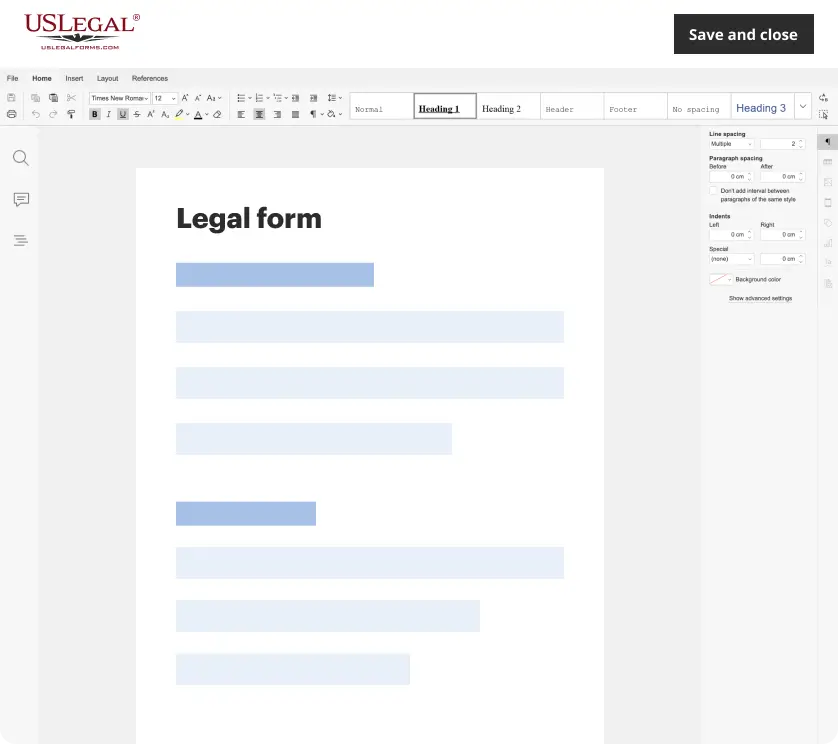
Make edits, fill in missing information, and update formatting in US Legal Forms—just like you would in MS Word.
Download a copy, print it, send it by email, or mail it via USPS—whatever works best for your next step.
Sign and collect signatures with our SignNow integration. Send to multiple recipients, set reminders, and more. Go Premium to unlock E-Sign.

If this form requires notarization, complete it online through a secure video call—no need to meet a notary in person or wait for an appointment.
We protect your documents and personal data by following strict security and privacy standards.
Mistakes to watch out for
- Failing to include all parties in the agreement.
- Not clearly defining the property and septic system details.
- Overlooking specific maintenance responsibilities and cost-sharing terms.
- Neglecting to obtain notarization, which might be required for legal validity.
Advantages of online completion
- Convenient access to legal templates designed by licensed attorneys.
- Editable format allowing for customization to meet specific needs.
- Availability of 24/7 online resources, including support and guidance.
Legal use & context
- This agreement is enforceable in a court of law as a binding contract between the parties.
- Failure to adhere to the terms can lead to legal disputes and potential damages.
- Engaging a legal expert can provide additional assurance regarding the specific legal context in your jurisdiction.
Key takeaways
- A Septic Agreement clarifies shared responsibilities and rights regarding a septic tank.
- It is crucial for property owners sharing a septic system to have this agreement in place.
- Complete and sign the document, ensuring notarization for legal enforceability.
Looking for another form?

Form popularity
FAQ
The lifespan of a septic tank largely depends on various factors, including material, maintenance, and usage. Generally, you can expect a well-maintained septic tank to last anywhere from 20 to 40 years. It's crucial to have regular inspections and pump outs, which can enhance the longevity of your system. If you're considering an Arkansas Septic Agreement, ensuring proper maintenance is key to maximizing your tank's lifespan.
Homeowners in Arkansas can install their own septic systems, but they must follow local regulations and obtain the necessary permits. It's crucial to review the Arkansas Septic Agreement to ensure you're following proper procedures. Hiring a professional can also provide peace of mind and ensure compliance with all health and safety measures.
Yes, Arkansas provides a 10-acre septic exemption for larger properties. However, specific criteria must be met to qualify for this exemption. It's essential to review the Arkansas Septic Agreement and consult with local authorities to understand your eligibility.
The amount of land required for a septic tank in Arkansas varies based on the size of your home and the type of septic system. Generally, you need at least one acre of land, but local regulations may differ. To ensure you're compliant with the Arkansas Septic Agreement, always check with your local authorities.
In Arkansas, a septic permit is typically valid for two years from the date of issuance. If you do not initiate installation within that time frame, you may need to reapply. Keeping track of your permit's expiration can help ensure compliance with the Arkansas Septic Agreement.
If a traditional septic system isn't suitable, you can consider options like aeration systems or advanced wastewater treatment systems. These alternatives often provide better filtration, which aligns with the Arkansas Septic Agreement. Always consult with local health officials to determine the best solution for your property.
The smallest legal septic system in Arkansas typically has a capacity of 500 gallons. However, the specific requirements may vary based on your location and the number of bedrooms in your home. It's vital to refer to the Arkansas Septic Agreement for detailed regulations.
Yes, you must obtain a permit before installing a septic tank in Arkansas. This requirement ensures that your system complies with health and safety regulations as outlined in the Arkansas Septic Agreement. Securing a permit protects you, your neighbors, and the environment from potential issues.
Composting toilets are legal in Arkansas, but they must meet specific regulations outlined by local health departments. It's essential to check with your local authorities to ensure your composting toilet complies with the Arkansas Septic Agreement. Following these guidelines can help you avoid potential fines and ensure safe waste management.
The size of your septic tank depends on the number of bedrooms in your home and the size of your household. Generally, a 1,000-gallon tank is adequate for a three-bedroom house. According to the Arkansas Septic Agreement, you should consult local regulations to ensure compliance with size requirements.