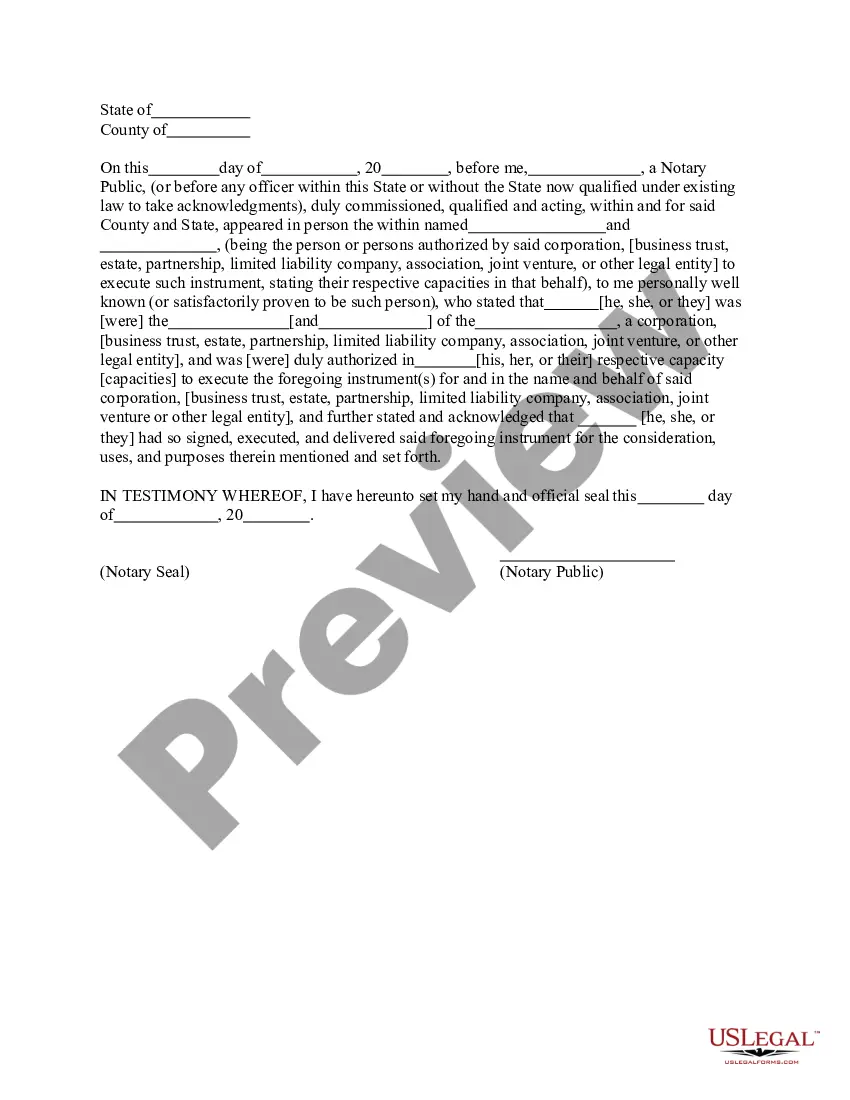
Arkansas Acknowledgment for all Deeds executed by Legal Entities
What is this form?
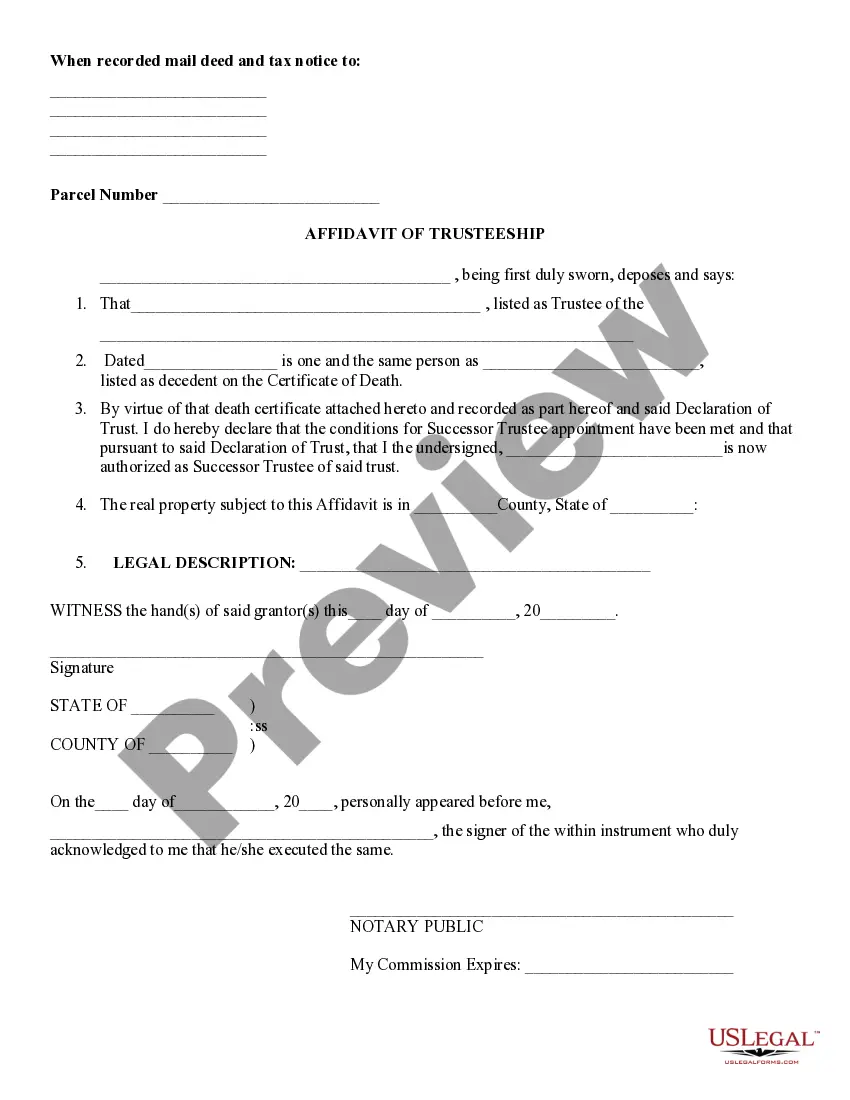
The Acknowledgment for all Deeds executed by Legal Entities is a legal document that verifies the authenticity of signatures on deeds executed by corporations, partnerships, and other legal entities. This form is essential in ensuring that the individual signing on behalf of the entity has the authority to do so. It differs from other real estate acknowledgment forms by specifically addressing the requirements for legal entities and their representatives.
Form components explained
- Identification of the legal entity signing the deed.
- Details of the individuals authorized to execute the deed on behalf of the entity.
- Verification by a notary public or an authorized officer.
- Location and date of the acknowledgment.
- Official seal of the notary public, confirming the acknowledgment is valid.

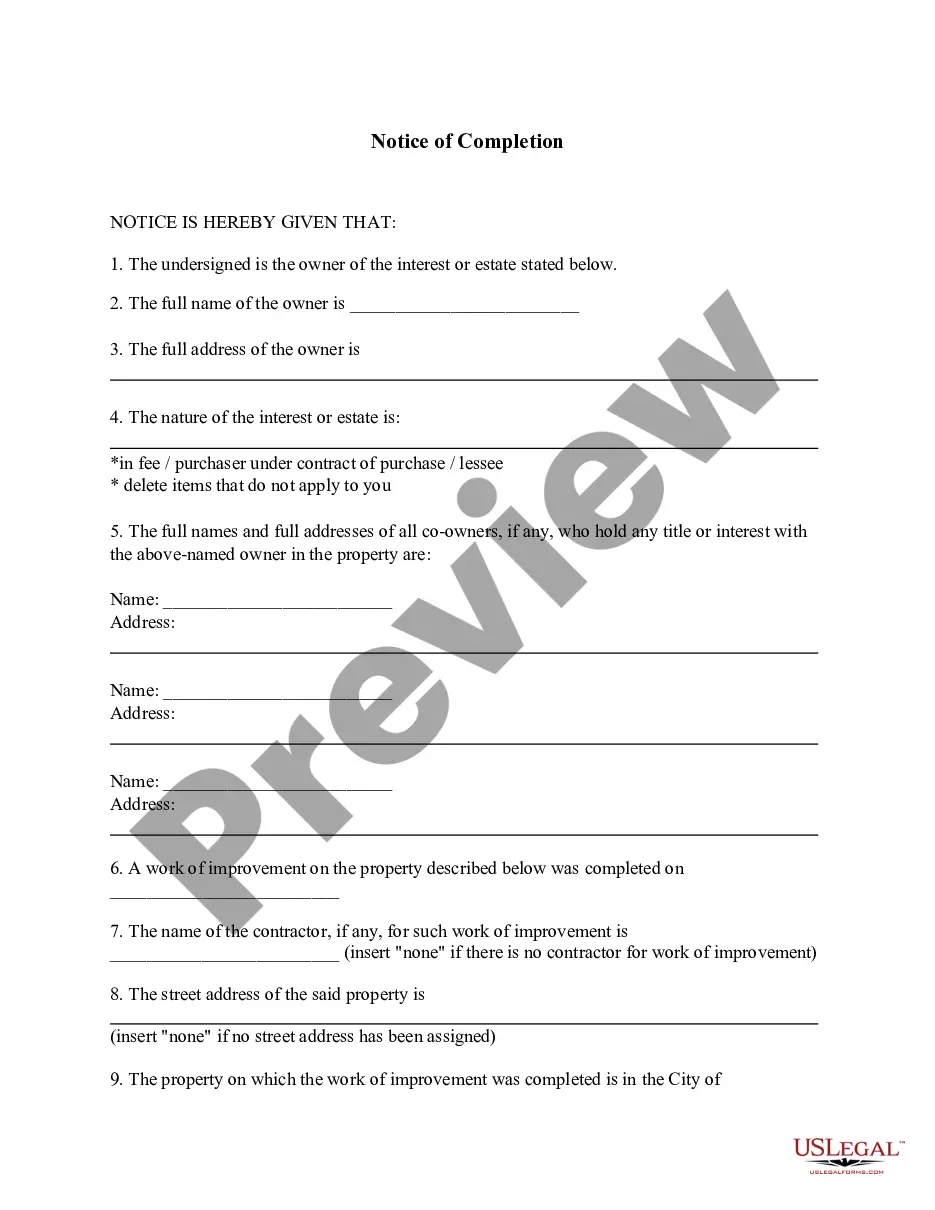
When to use this form
This form should be used whenever a legal entity is executing a deed, such as transferring real estate, creating a trust, or executing documents that require formal acknowledgment of signatures. It is particularly necessary when the entity's authority needs to be verified to avoid future disputes over the validity of the transaction.
Who can use this document
- Corporations executing deeds or documentation on behalf of the company.
- Partnerships that require a formal acknowledgment for property transactions.
- Limited liability companies or other business entities involved in similar legal transactions.
- Real estate professionals facilitating property transfers involving legal entities.
- Notaries public or legal officers responsible for notarizing the documents.
Instructions for completing this form
- Identify the legal entity and include its full name.
- List the authorized individuals who will be signing the deed, including their titles or roles.
- Include the date and location of the acknowledgment.
- Ensure that a notary public or authorized officer is present to notarize the document.
- Obtain the notary's signature and seal to validate the acknowledgment.
Notarization requirements for this form
To make this form legally binding, it must be notarized. Our online notarization service, powered by Notarize, lets you verify and sign documents remotely through an encrypted video session.
Get your form ready online
Our built-in tools help you complete, sign, share, and store your documents in one place.
Make edits, fill in missing information, and update formatting in US Legal Forms—just like you would in MS Word.
Download a copy, print it, send it by email, or mail it via USPS—whatever works best for your next step.
Sign and collect signatures with our SignNow integration. Send to multiple recipients, set reminders, and more. Go Premium to unlock E-Sign.
If this form requires notarization, complete it online through a secure video call—no need to meet a notary in person or wait for an appointment.
We protect your documents and personal data by following strict security and privacy standards.

Make edits, fill in missing information, and update formatting in US Legal Forms—just like you would in MS Word.

Download a copy, print it, send it by email, or mail it via USPS—whatever works best for your next step.

Sign and collect signatures with our SignNow integration. Send to multiple recipients, set reminders, and more. Go Premium to unlock E-Sign.

If this form requires notarization, complete it online through a secure video call—no need to meet a notary in person or wait for an appointment.

We protect your documents and personal data by following strict security and privacy standards.
Typical mistakes to avoid
- Failing to identify all authorized signatories of the legal entity.
- Neglecting to include the notary's signature and seal.
- Using incorrect titles for individuals signing on behalf of the entity.
- Completing the form without the proper date and location details.
Advantages of online completion
- Convenient access to reliable legal forms from the comfort of home.
- Editable templates allow for customization to meet specific needs.
- Instant download provides immediate availability for use.
- Assurance that forms are drafted by licensed attorneys, ensuring legal validity.
Looking for another form?




Form popularity
FAQ
A notarized document may become invalid due to several reasons, such as the notary failing to follow proper procedures, like not verifying the signer's identity or omitting essential information. Errors in the acknowledgment statement or lack of a signature can also render the document invalid. To avoid such pitfalls and ensure Arkansas Acknowledgment for all Deeds executed by Legal Entities is correct, consider using USLegalForms, which offers resources to guide you through the notarization process.
In Arkansas, notarizing a document over FaceTime is not typically permitted. The notary must be physically present with the signer to validate the acknowledgment of the deed. If you need accurate documentation for Arkansas Acknowledgment for all Deeds executed by Legal Entities, it's advisable to meet the notary in person or explore compliant digital alternatives.
Generally, a notary public is required to witness signatures on documents, including those related to deeds executed by legal entities. This person verifies the identity of the signers and ensures they are signing willingly and without coercion. Properly understanding the requirements for Arkansas Acknowledgment for all Deeds executed by Legal Entities ensures legal protection during property transactions.
Yes, Arkansas is indeed a notary state, meaning that the state recognizes the role of notaries public who are authorized to perform specific acts related to legal documents. This includes witnessing signatures and administering oaths. Understanding the requirements for Arkansas Acknowledgment for all Deeds executed by Legal Entities is crucial for ensuring that the documents comply with state laws.
An acknowledgment in the context of a deed is a formal declaration made by a person signing the document, confirming that they did so willingly and understand its contents. This step is essential in ensuring clarity and legality in property transactions. The Arkansas Acknowledgment for all Deeds executed by Legal Entities provides assurance that the transaction is properly documented.
Notaries must avoid certain prohibited acts to maintain the integrity of their role. This includes notarizing documents they have a vested interest in, providing legal advice, or refusing to notarize based on personal biases. Practicing these prohibitions ensures that Arkansas Acknowledgment for all Deeds executed by Legal Entities remains valid and reliable.
A notary in Arkansas must resign their commission when they no longer wish to serve in that capacity, or if they change their residence or business address. Additionally, resignation is necessary if the notary becomes incapacitated or is found to have violated state laws related to notary practices. Understanding these nuances is crucial for those involved in the Arkansas Acknowledgment for all Deeds executed by Legal Entities, as it ensures that all signings are conducted by qualified individuals, maintaining the integrity of the legal process.
An acknowledgment in a deed acts as a formal declaration by the signers that they willingly executed the document. This step adds a layer of authenticity and ensures that the deed is legally recognized. In Arkansas, the acknowledgment is particularly important for the Arkansas Acknowledgment for all Deeds executed by Legal Entities, as it reflects the intent of the parties involved and supports the validity of the transaction.
A commissioner's deed is a legal document used in Arkansas to convey property from a public auction, often involving properties sold due to foreclosure or tax delinquency. It serves as proof of ownership transfer, ensuring that the new owner receives clear title to the property. Understanding the process of a commissioner's deed is essential, especially in the context of Arkansas Acknowledgment for all Deeds executed by Legal Entities, as it impacts how the deed is recorded and recognized.
To insert a notary line in Word, start by typing the necessary text for the acknowledgment and inserting an underline where the notary's signature will be. You can also add a box or line for the notary's seal below the signature. This simple format provides clarity and professionalism, particularly when preparing documents that require the Arkansas Acknowledgment for all Deeds executed by Legal Entities.