Virginia Attorney Property Foreclosure
Description
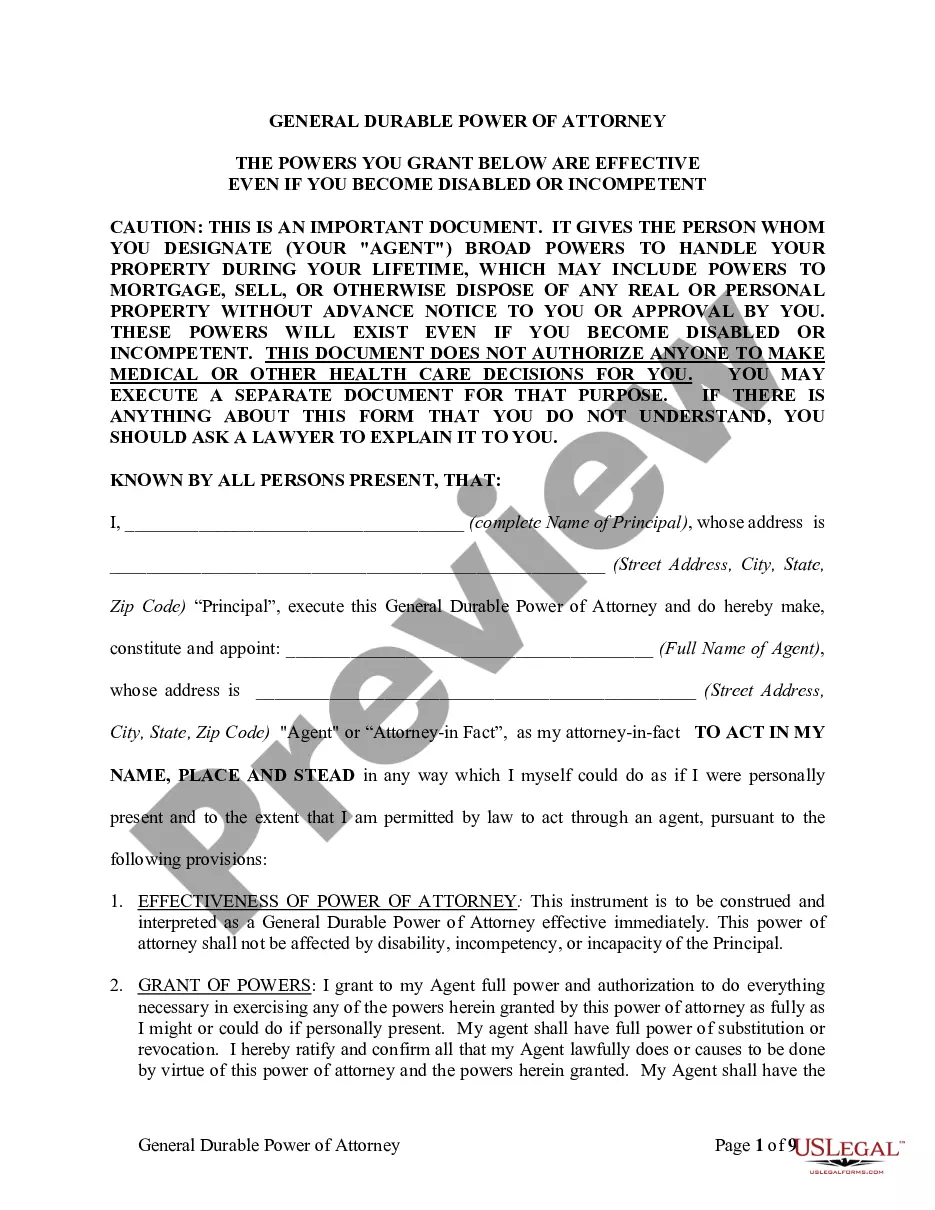
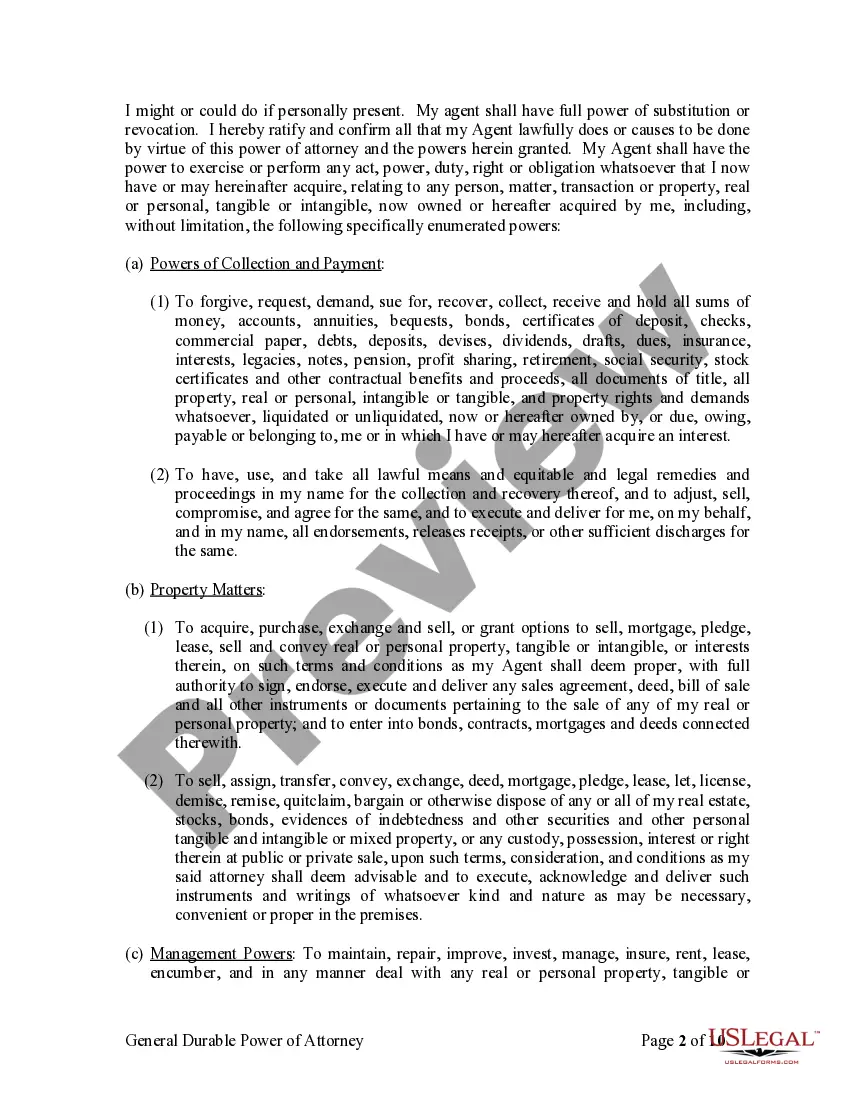
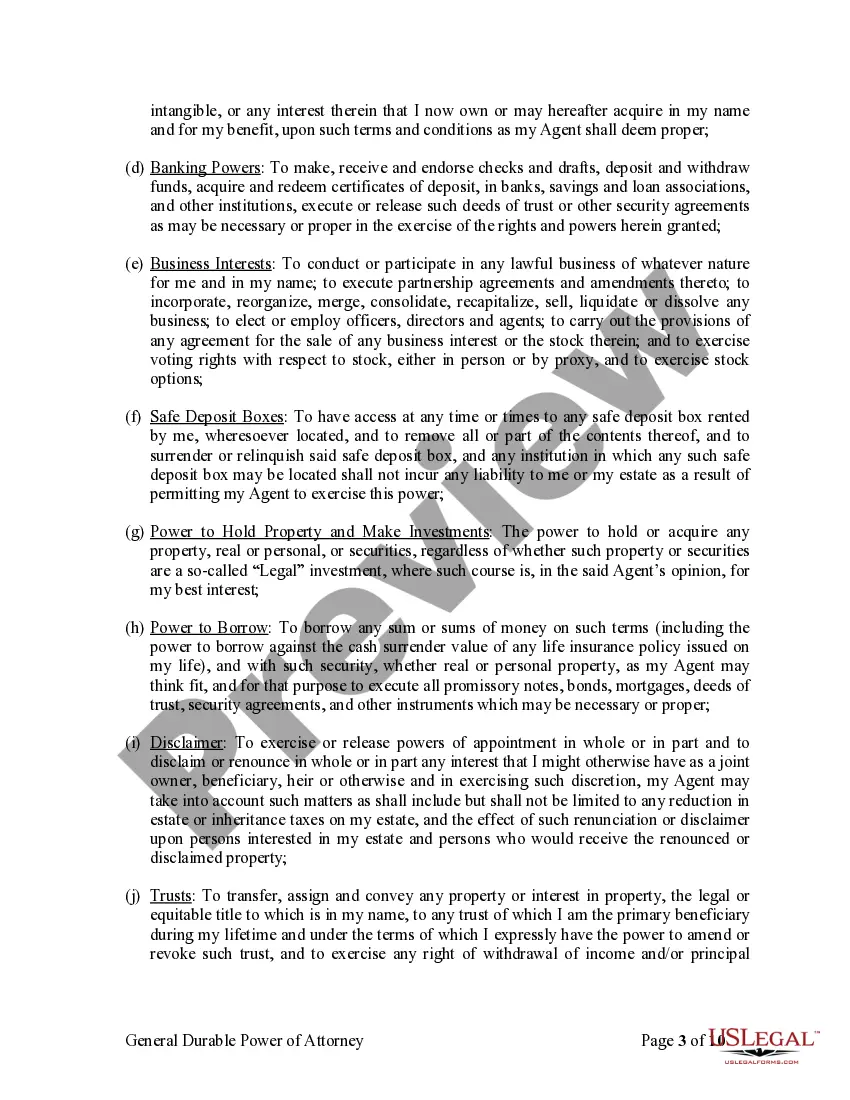
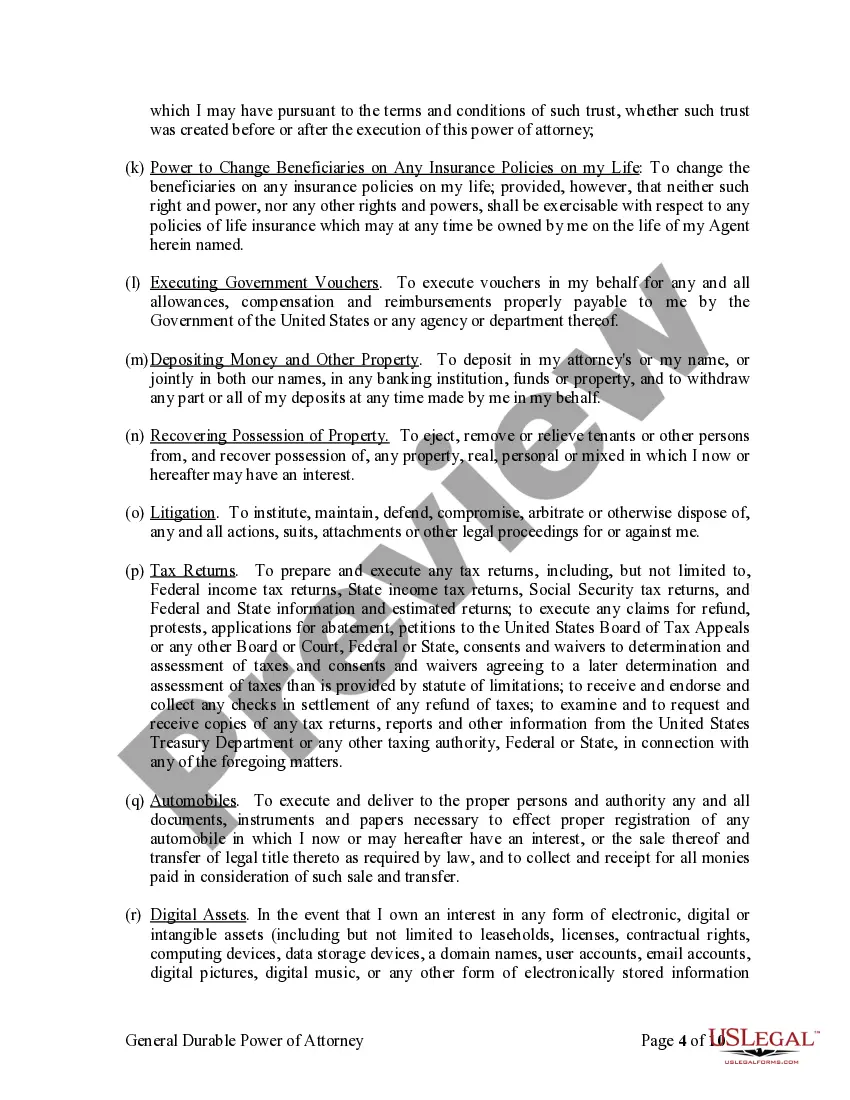
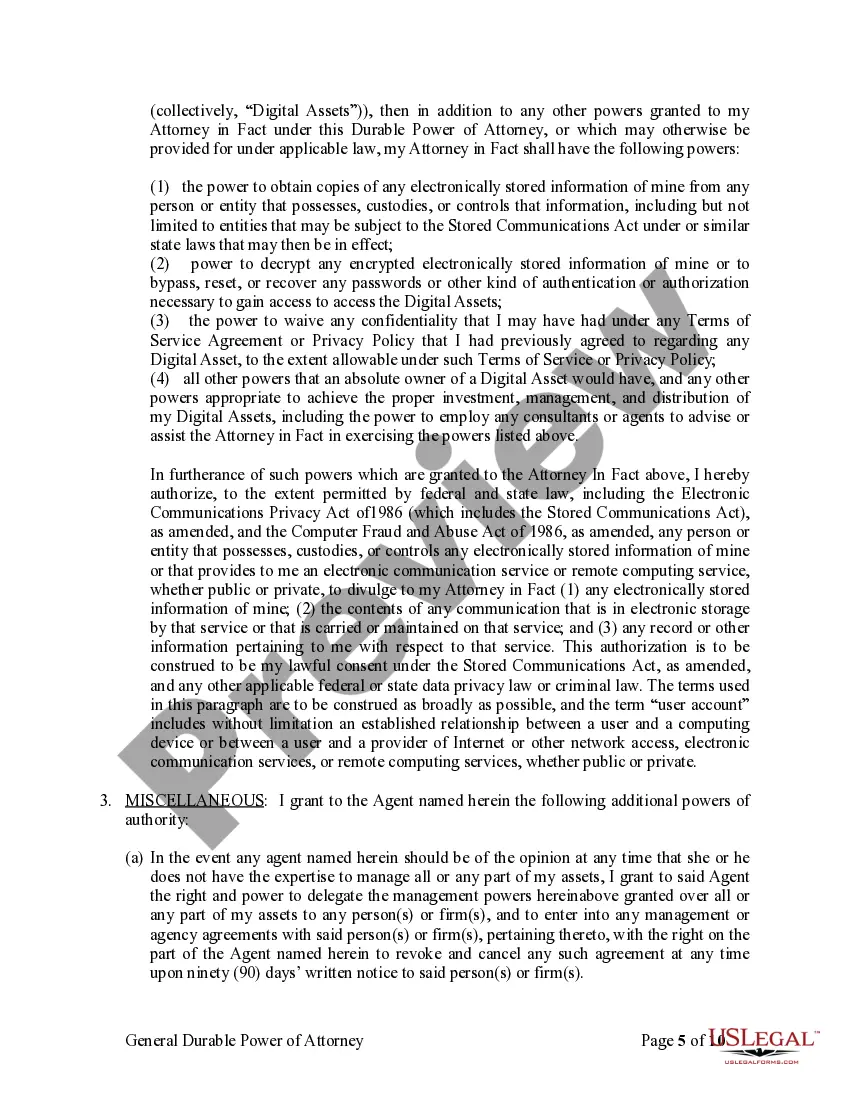
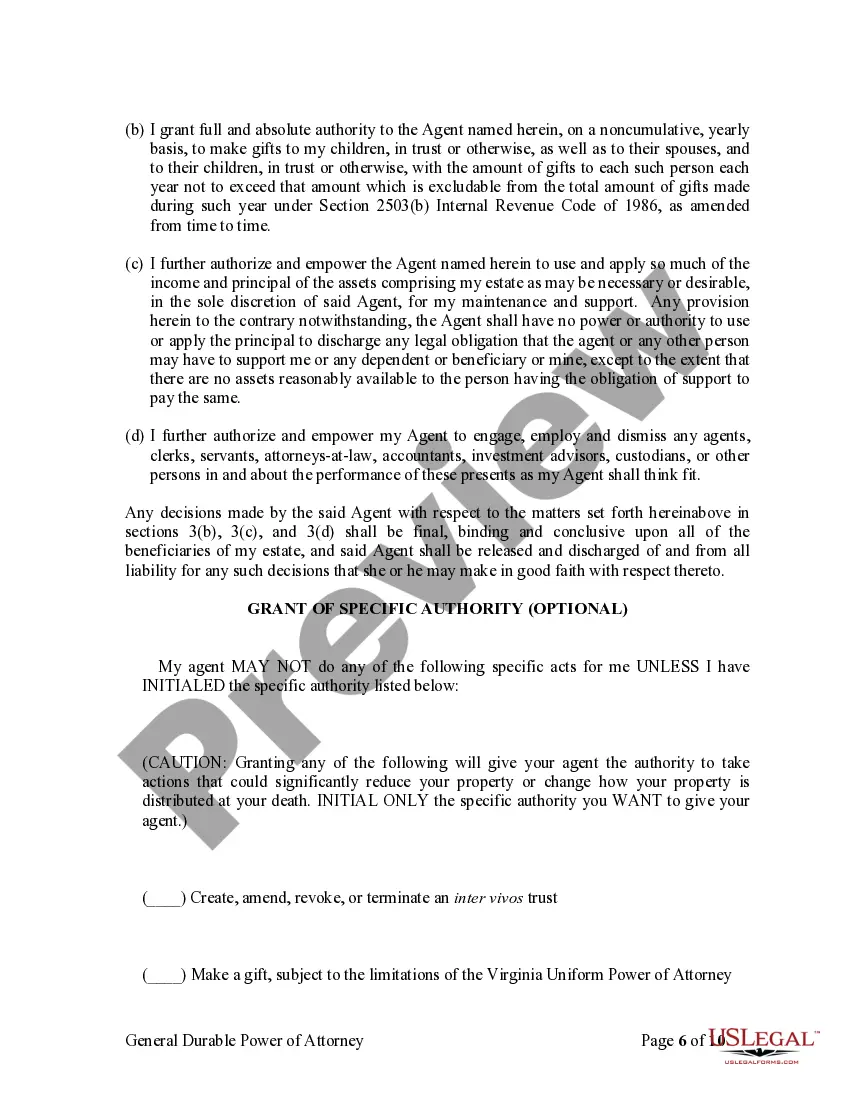
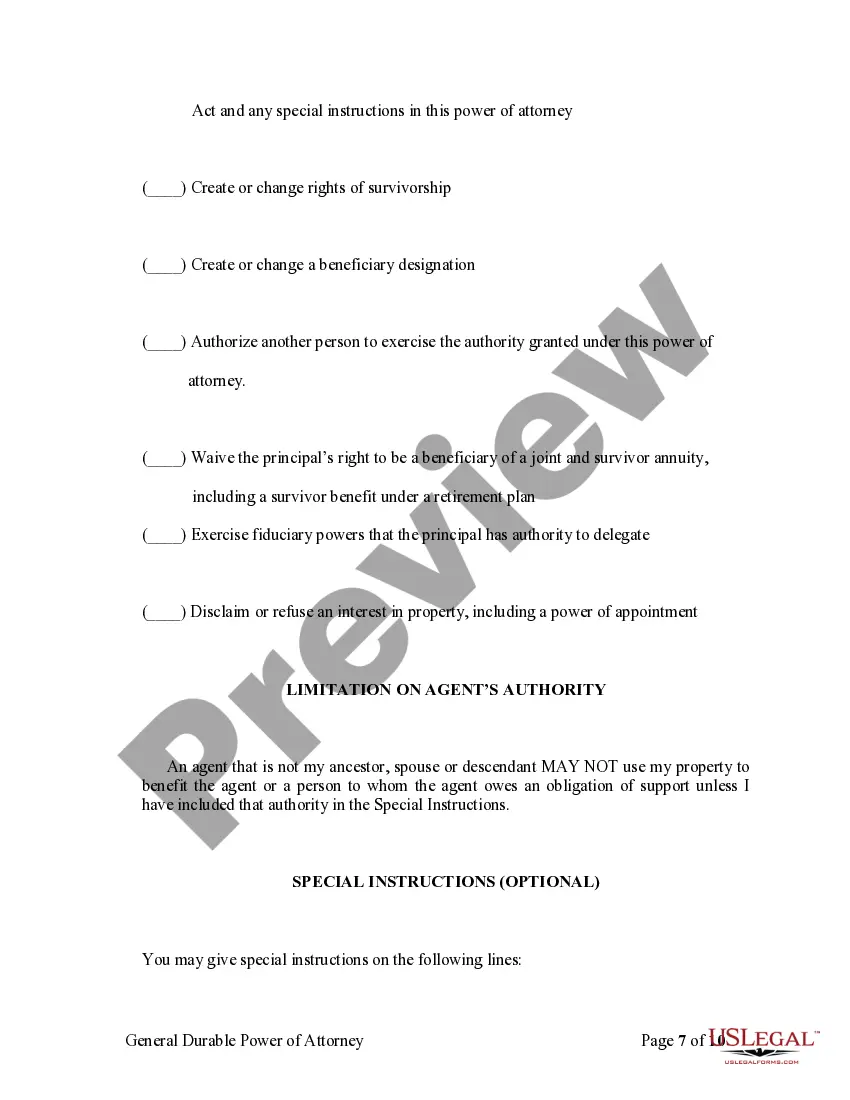
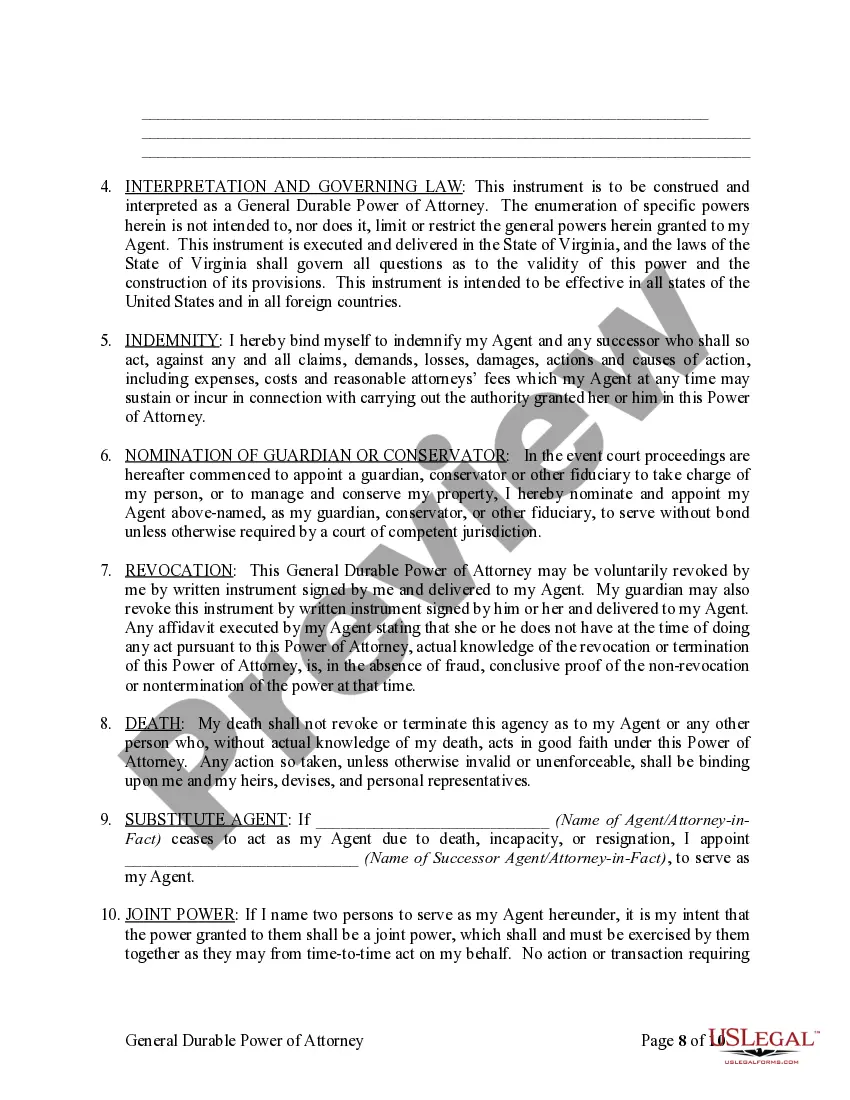
Get your form ready online
Our built-in tools help you complete, sign, share, and store your documents in one place.
Make edits, fill in missing information, and update formatting in US Legal Forms—just like you would in MS Word.
Download a copy, print it, send it by email, or mail it via USPS—whatever works best for your next step.
Sign and collect signatures with our SignNow integration. Send to multiple recipients, set reminders, and more. Go Premium to unlock E-Sign.
If this form requires notarization, complete it online through a secure video call—no need to meet a notary in person or wait for an appointment.
We protect your documents and personal data by following strict security and privacy standards.

Make edits, fill in missing information, and update formatting in US Legal Forms—just like you would in MS Word.

Download a copy, print it, send it by email, or mail it via USPS—whatever works best for your next step.

Sign and collect signatures with our SignNow integration. Send to multiple recipients, set reminders, and more. Go Premium to unlock E-Sign.

If this form requires notarization, complete it online through a secure video call—no need to meet a notary in person or wait for an appointment.

We protect your documents and personal data by following strict security and privacy standards.
Looking for another form?
How to fill out Virginia General Durable Power Of Attorney For Property And Finances Or Financial Effective Immediately?
It’s clear that you cannot become a legal expert instantly, nor can you learn to swiftly draft Virginia Attorney Property Foreclosure without having a specific background.
Assembling legal documents is a lengthy process that demands specialized training and abilities. So why not entrust the preparation of the Virginia Attorney Property Foreclosure to the experts.
With US Legal Forms, one of the most extensive legal document collections, you can find everything from court filings to templates for internal communications. We understand how vital it is to comply with federal and state laws and regulations. That’s why, on our site, all templates are location-based and current.
Select Buy now. Once the payment is finalized, you can download the Virginia Attorney Property Foreclosure, complete it, print it, and deliver it or mail it to the appropriate recipients or organizations.
You can regain access to your documents from the My documents section at any time. If you are an existing customer, simply Log In to locate and download the template from the same area. Regardless of the nature of your documentation—whether financial, legal, or personal—our platform has you covered. Experience US Legal Forms today!
- Initiate your journey with our platform and acquire the form you need in just a few minutes.
- Locate the document you’re searching for using the search bar located at the top of the webpage.
- Preview it (if this option is available) and review the accompanying description to determine if Virginia Attorney Property Foreclosure is suitable for your needs.
- Start a new search if you require a different document.
- Sign up for a complimentary account and select a subscription plan to purchase the template.
Form popularity
FAQ
In Virginia, you can typically fall behind on your mortgage for up to three months before your lender begins the foreclosure process. However, it is important to remember that once you miss a payment, your lender may start communication regarding your account status. If a foreclosure does proceed, working with a Virginia attorney specializing in property foreclosures can help you navigate your options. They can provide guidance on how to manage your situation and potentially avoid foreclosure altogether.
In Virginia, it is standard practice to use a real estate attorney to close deals, although some may also involve title companies. The attorney ensures all legal aspects are covered, while the title company manages the title examination and insurance. If you are navigating property foreclosure, engaging an experienced Virginia attorney can streamline the process and help protect your legal rights. Consider using services like USLegalForms to connect with qualified professionals.
Foreclosure in VA In most cases, Virginia residential foreclosures are nonjudicial. This means that the lender doesn't have to go through state courts to foreclose. However, there are also cases of judicial foreclosures. Most of the time, after foreclosure, there will be an auction and the property will be sold.
Under Virginia law, foreclosures are done outside of court. Virginia is a non-judicial state therefore the Trustee simply sells your property, usually at a public auction to the highest bidder. Before doing this, the Trustee must follow the rules set forth in your Deed of Trust.
After a Virginia nonjudicial foreclosure, the purchaser that bought the home at the foreclosure sale may start a separate unlawful detainer (eviction) action. The foreclosed homeowner might get a five-day notice to quit (leave).
Here's how the process works. The foreclosing lender must serve you a notice of sale, usually by mail, no less than 60 days (previously, state law required only 14 days) before the sale if the home is owner-occupied and must include information about legal aid and how to contact a HUD-approved housing counselor.
Under Virginia law, foreclosures are done outside of court. Virginia is a non-judicial state therefore the Trustee simply sells your property, usually at a public auction to the highest bidder. Before doing this, the Trustee must follow the rules set forth in your Deed of Trust.