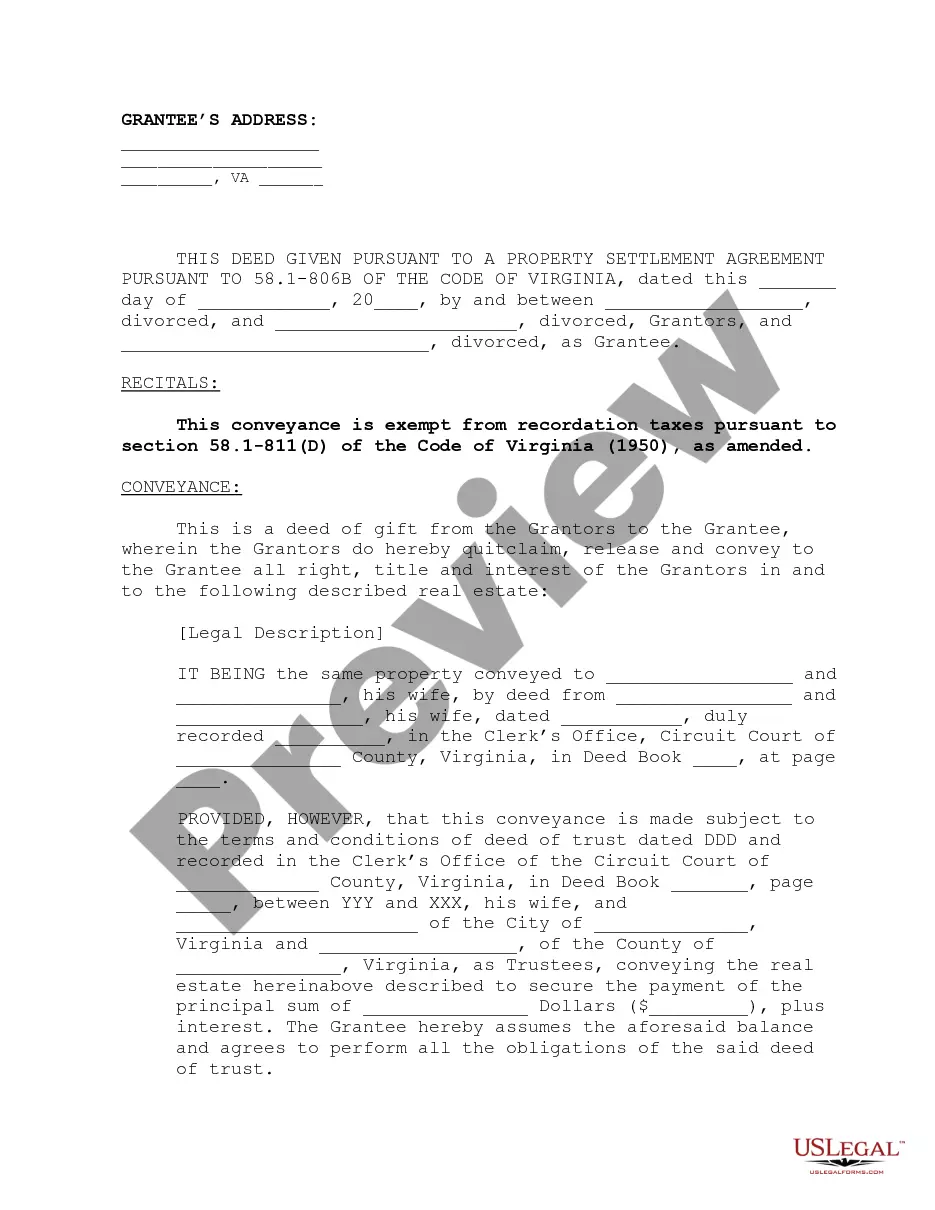
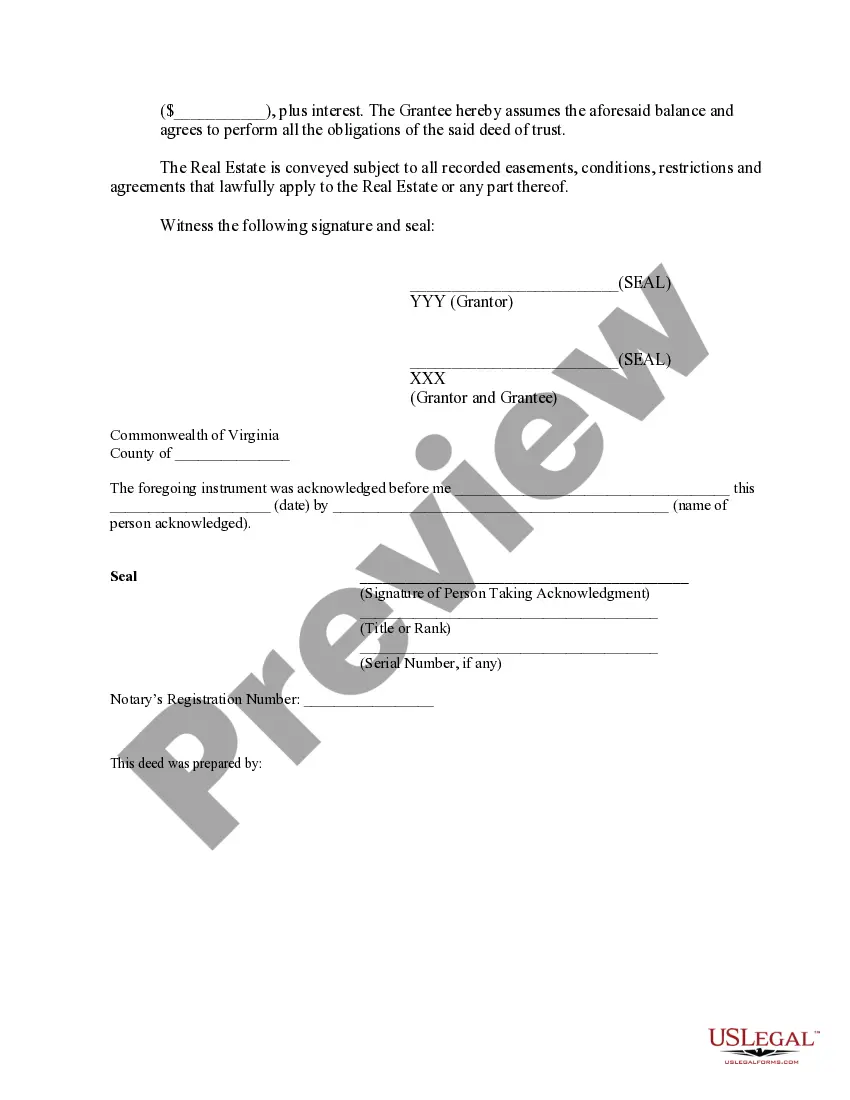
Settlement Deed To Third Party
Description
Get your form ready online
Our built-in tools help you complete, sign, share, and store your documents in one place.
Make edits, fill in missing information, and update formatting in US Legal Forms—just like you would in MS Word.
Download a copy, print it, send it by email, or mail it via USPS—whatever works best for your next step.
Sign and collect signatures with our SignNow integration. Send to multiple recipients, set reminders, and more. Go Premium to unlock E-Sign.
If this form requires notarization, complete it online through a secure video call—no need to meet a notary in person or wait for an appointment.
We protect your documents and personal data by following strict security and privacy standards.

Make edits, fill in missing information, and update formatting in US Legal Forms—just like you would in MS Word.

Download a copy, print it, send it by email, or mail it via USPS—whatever works best for your next step.

Sign and collect signatures with our SignNow integration. Send to multiple recipients, set reminders, and more. Go Premium to unlock E-Sign.

If this form requires notarization, complete it online through a secure video call—no need to meet a notary in person or wait for an appointment.

We protect your documents and personal data by following strict security and privacy standards.
Looking for another form?









How to fill out Virginia Deed Given Pursuant To A Property Settlement Agreement?
Whether you handle documentation on a regular basis or occasionally need to send a legal contract, it is essential to have a resource where all the examples are pertinent and current.
The first step you should take with a Settlement Deed To Third Party is to verify that it is the latest version, as this determines its acceptability.
If you'd like to streamline your search for the most recent document examples, look for them on US Legal Forms.
Use the search menu to locate the document you need.
- US Legal Forms is a repository of legal documents featuring nearly any example you might need.
- Explore the templates you require, review their relevance immediately, and discover more about their application.
- With US Legal Forms, you gain access to more than 85,000 template forms across various domains.
- Locate the Settlement Deed To Third Party examples in just a few clicks and save them to your account at any time.
- A US Legal Forms account will enable you to access all the samples you need with comfort and ease.
- All you need to do is click Log In in the site header and access the My documents section with all the documents you require at your fingertips, eliminating the need to spend time searching for the best template or verifying its legitimacy.
- To acquire a form without an account, follow these instructions.
Form popularity
FAQ
After you agree to a settlement, the next steps involve executing the settlement deed to third party. This often includes signing the agreement and taking any actions specified, like making payments. It's crucial to follow through with these steps to ensure that all parties fulfill their obligations and that the agreement holds legal weight.
You might hear a settlement agreement referred to as a 'release agreement' or 'settlement deed to third party.' These terms emphasize the intention to release one party from liability in exchange for fulfillment of the terms. Understanding these alternative names can enhance your familiarity with legal documentation and procedures.
The main difference lies in their context and purpose. A settlement is specifically about resolving a dispute, often resulting in financial compensation or a settlement deed to third party. On the other hand, an agreement can cover any type of understanding or contract, regardless of whether a dispute exists, including business arrangements or personal covenants.
Settlement and agreement, while related, are not quite the same. A settlement refers to the resolution of a dispute, often involving a financial arrangement or settlement deed to third party. An agreement is a broader term that encompasses any mutual understanding or arrangement between parties, not limited to disputes.
Yes, a settlement agreement is typically final once both parties have signed it. This means that all parties involved agree to the terms laid out in the document, including any settlement deed to third party aspects. Once executed, the agreement binds the parties legally, and they generally cannot revisit the terms unless both sides consent to amendments.