Virginia Landlord Tenant Laws
Description
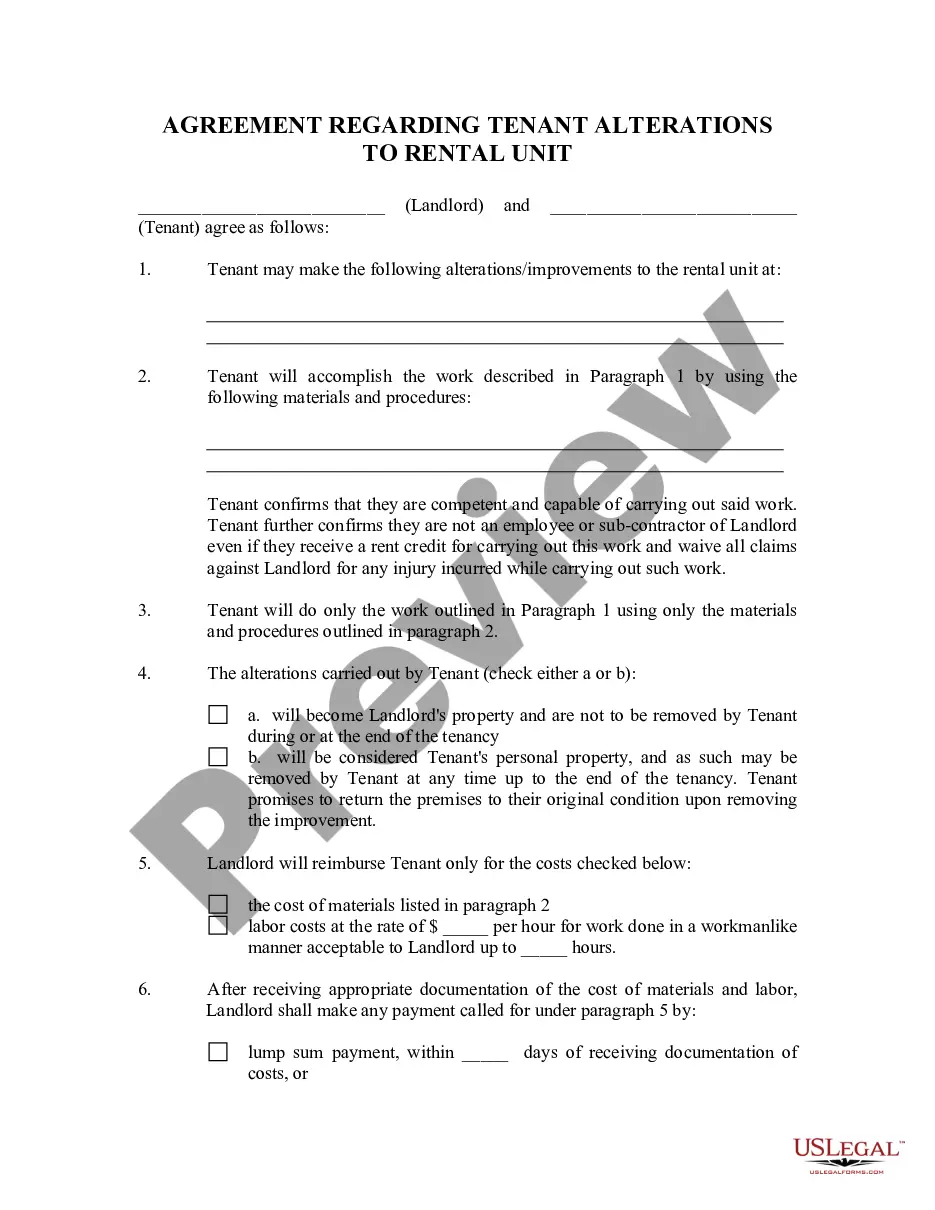
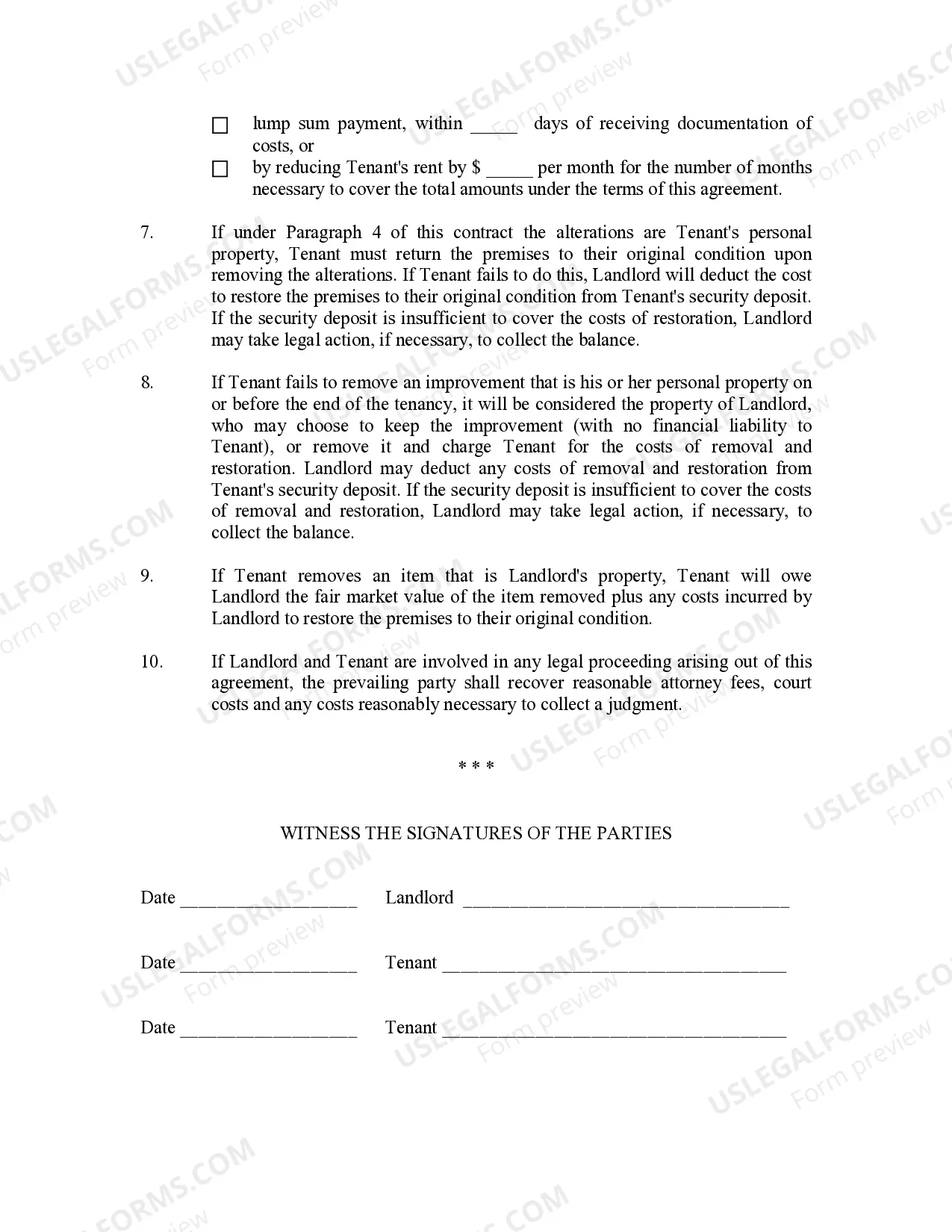
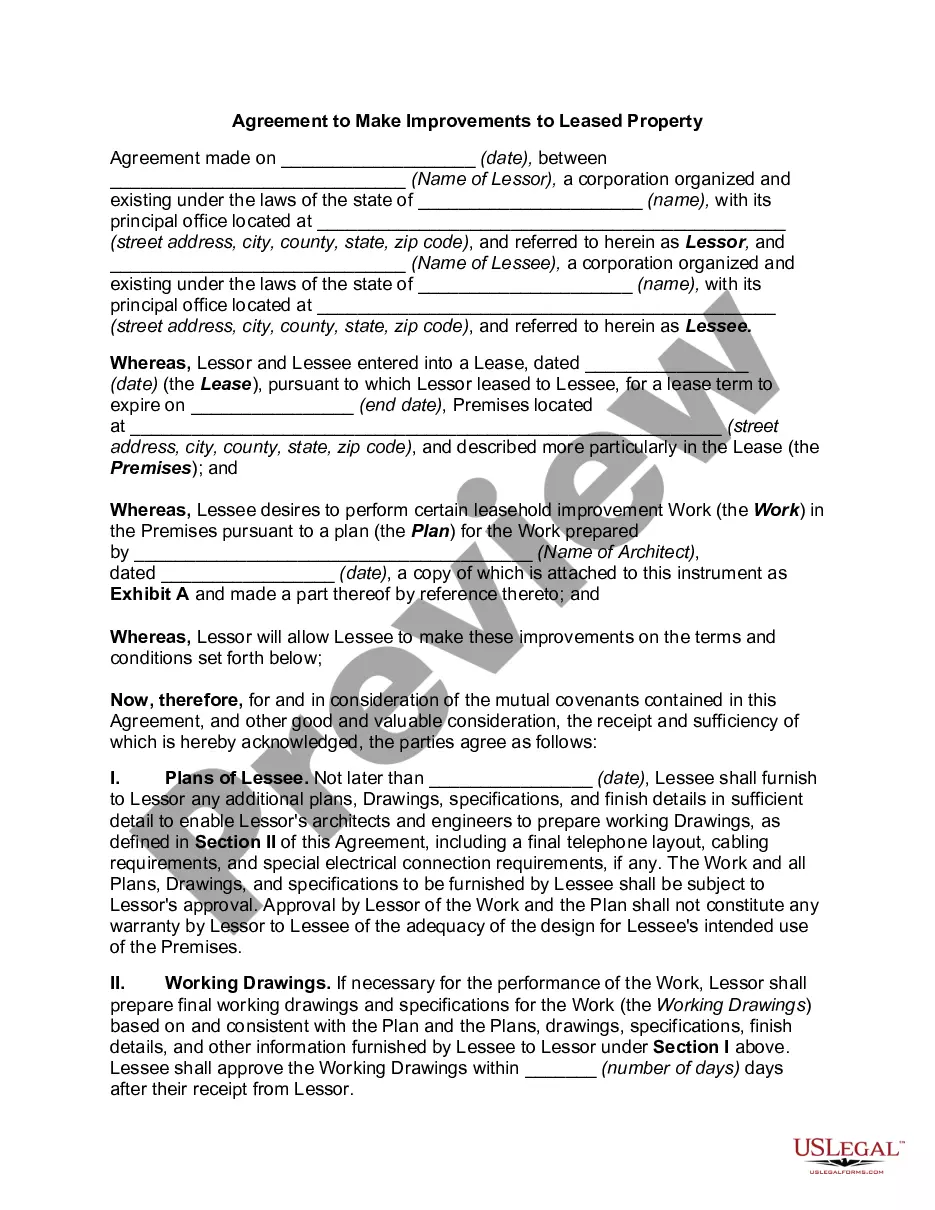
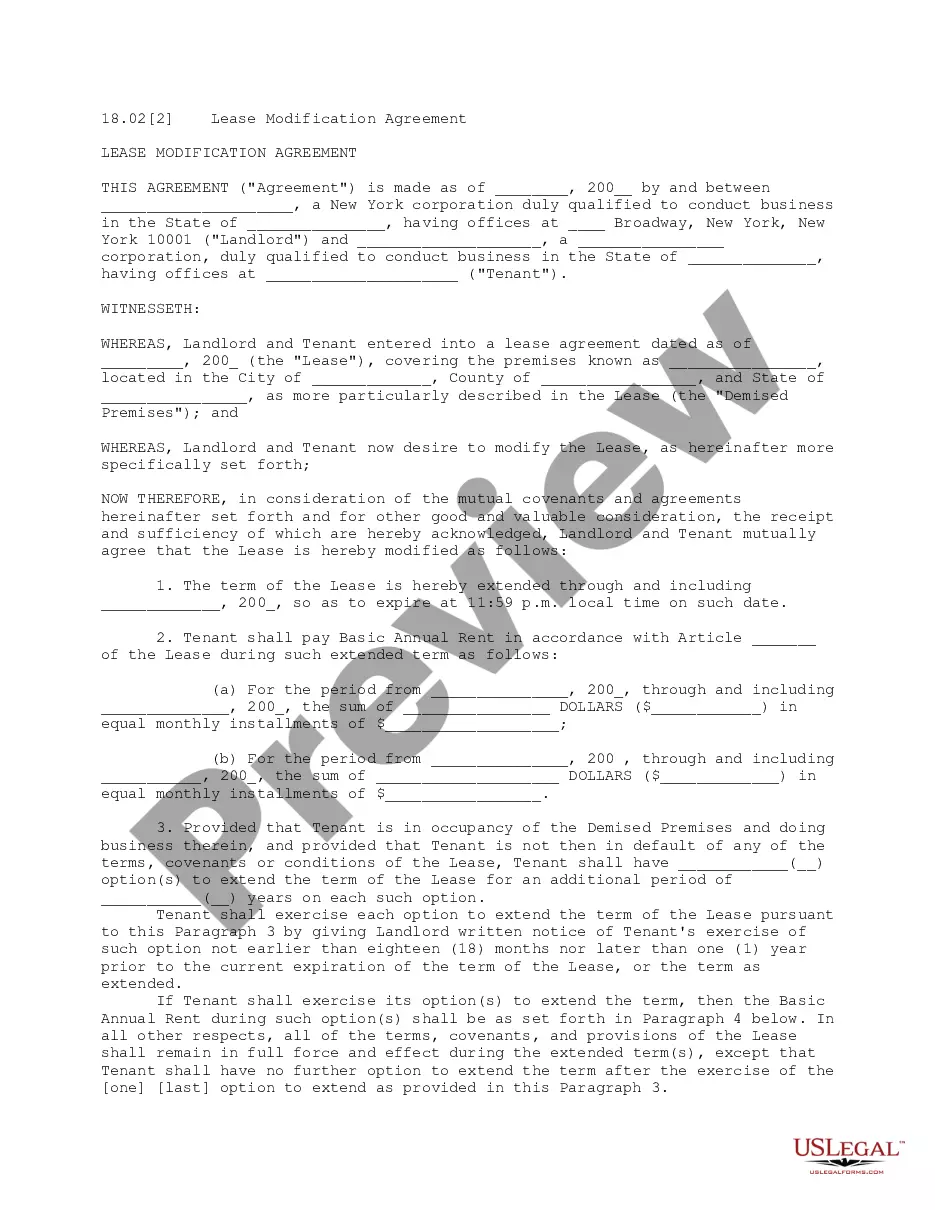
Get your form ready online
Our built-in tools help you complete, sign, share, and store your documents in one place.
Make edits, fill in missing information, and update formatting in US Legal Forms—just like you would in MS Word.
Download a copy, print it, send it by email, or mail it via USPS—whatever works best for your next step.
Sign and collect signatures with our SignNow integration. Send to multiple recipients, set reminders, and more. Go Premium to unlock E-Sign.
If this form requires notarization, complete it online through a secure video call—no need to meet a notary in person or wait for an appointment.
We protect your documents and personal data by following strict security and privacy standards.

Make edits, fill in missing information, and update formatting in US Legal Forms—just like you would in MS Word.

Download a copy, print it, send it by email, or mail it via USPS—whatever works best for your next step.

Sign and collect signatures with our SignNow integration. Send to multiple recipients, set reminders, and more. Go Premium to unlock E-Sign.

If this form requires notarization, complete it online through a secure video call—no need to meet a notary in person or wait for an appointment.

We protect your documents and personal data by following strict security and privacy standards.
Looking for another form?
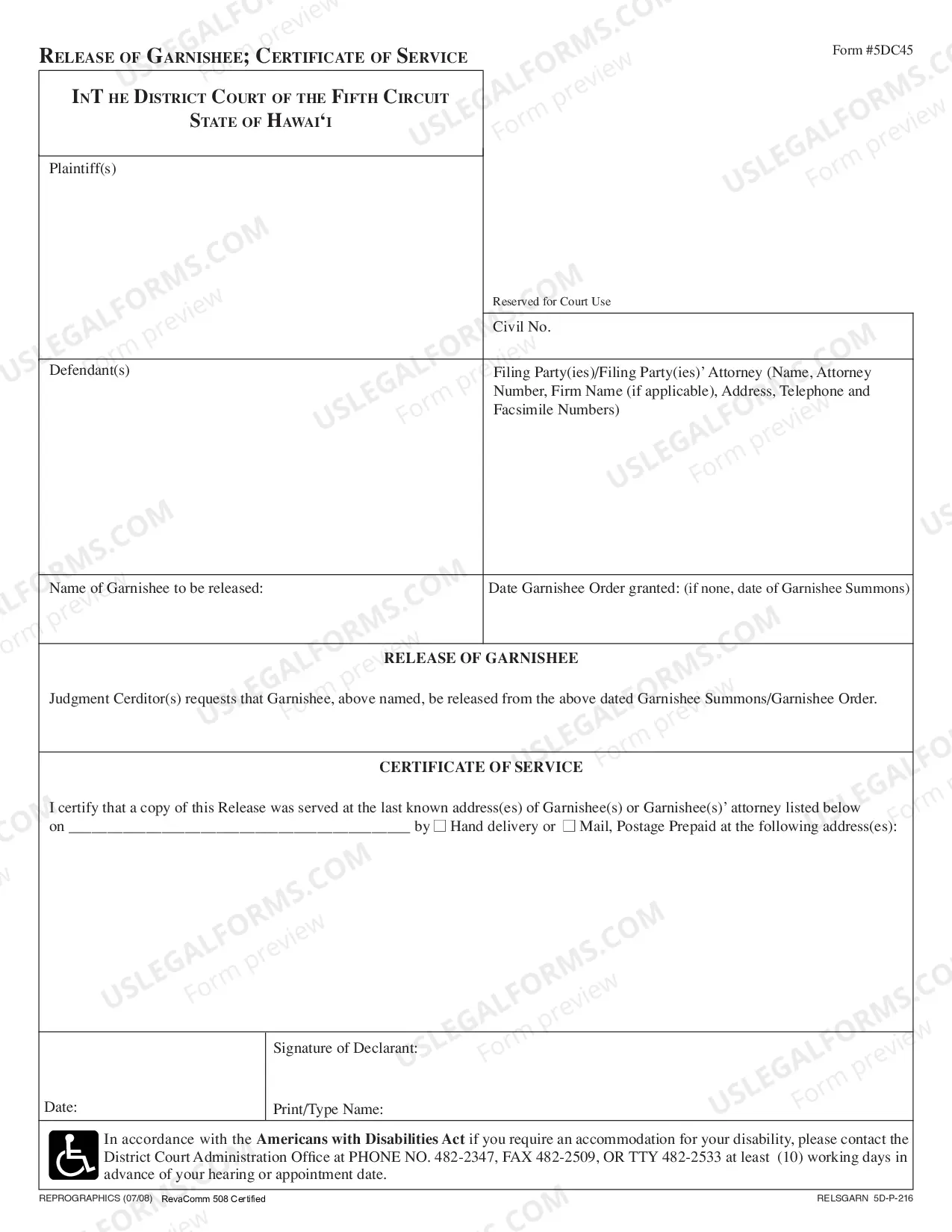

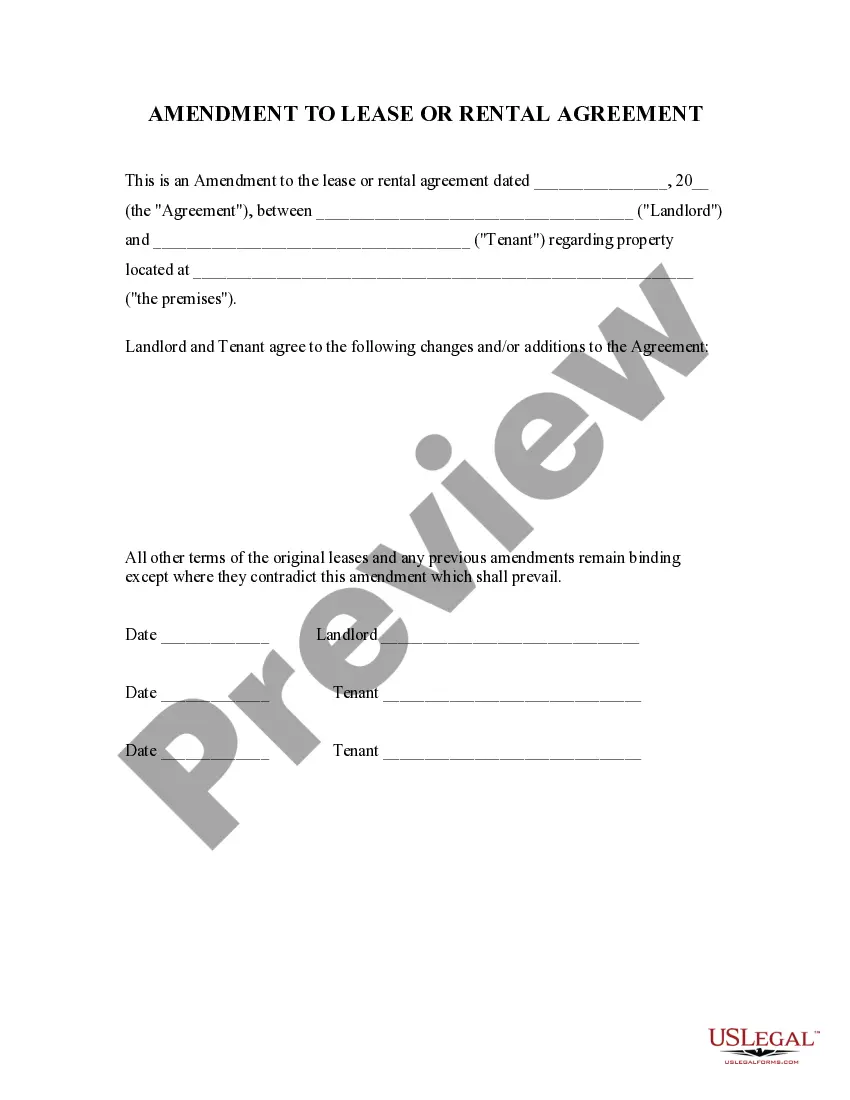
How to fill out Virginia Landlord Agreement To Allow Tenant Alterations To Premises?
Regardless of whether it's for corporate needs or personal affairs, everyone must confront legal matters at some point in their lives.
Filling out legal documents requires meticulous care, starting with selecting the appropriate form template. For instance, if you choose an incorrect version of the Virginia Landlord Tenant Laws, it will be rejected once submitted.
With an extensive US Legal Forms catalog available, you don't have to waste time searching for the correct sample online. Utilize the library’s straightforward navigation to find the right template for any situation.
- Obtain the template you require by using the search bar or browsing the catalog.
- Examine the form’s description to confirm it aligns with your situation, state, and locality.
- Click on the form’s preview to inspect it.
- If it is the incorrect document, return to the search feature to find the Virginia Landlord Tenant Laws template you need.
- Acquire the file if it satisfies your requirements.
- If you possess a US Legal Forms account, simply click Log in to access previously saved templates in My documents.
- If you don’t have an account yet, you can purchase the form by clicking Buy now.
- Choose the appropriate pricing option.
- Complete the account registration form.
- Select your payment method: either a credit card or PayPal account.
- Choose the document format you prefer and download the Virginia Landlord Tenant Laws.
- Once downloaded, you can fill out the form using editing software or print it and complete it by hand.
Form popularity
FAQ
HB 1542 (Security Deposits) increases the length of time that landlords have to provide tenants with an itemization of damages to the premises and the cost of repair when damages exceed the amount of the security deposit. This time period is increased from 15 to 30 days under Virginia Code §55.1-1126.
The amount of notice required depends on the reason for eviction. If the eviction is due to non-payment of rent, the landlord must give a 5-day notice to pay or vacate. If the eviction is due to a lease violation, the landlord must give a 21-day notice to cure the violation or vacate.
Under Virginia law, regardless of whether you're covered by the VRLTA, all landlords must do these things: Follow building and housing codes affecting health and safety. Make all repairs needed to keep the place fit and habitable (livable). Keep the common areas clean and safe.
Ing to Virginia landlord-tenant law, tenants have the right to live in a habitable unit that complies with proper housing regulations. Additionally, tenants have the legal right to request required repairs if the unit has any kind of damage that exceeds normal wear and tear.
The provisions of this chapter shall apply to occupancy in all single-family and multifamily dwelling units and multifamily dwelling units located in the Commonwealth. 8. Occupancy in a recovery residence as defined in § 37.2-431.1.