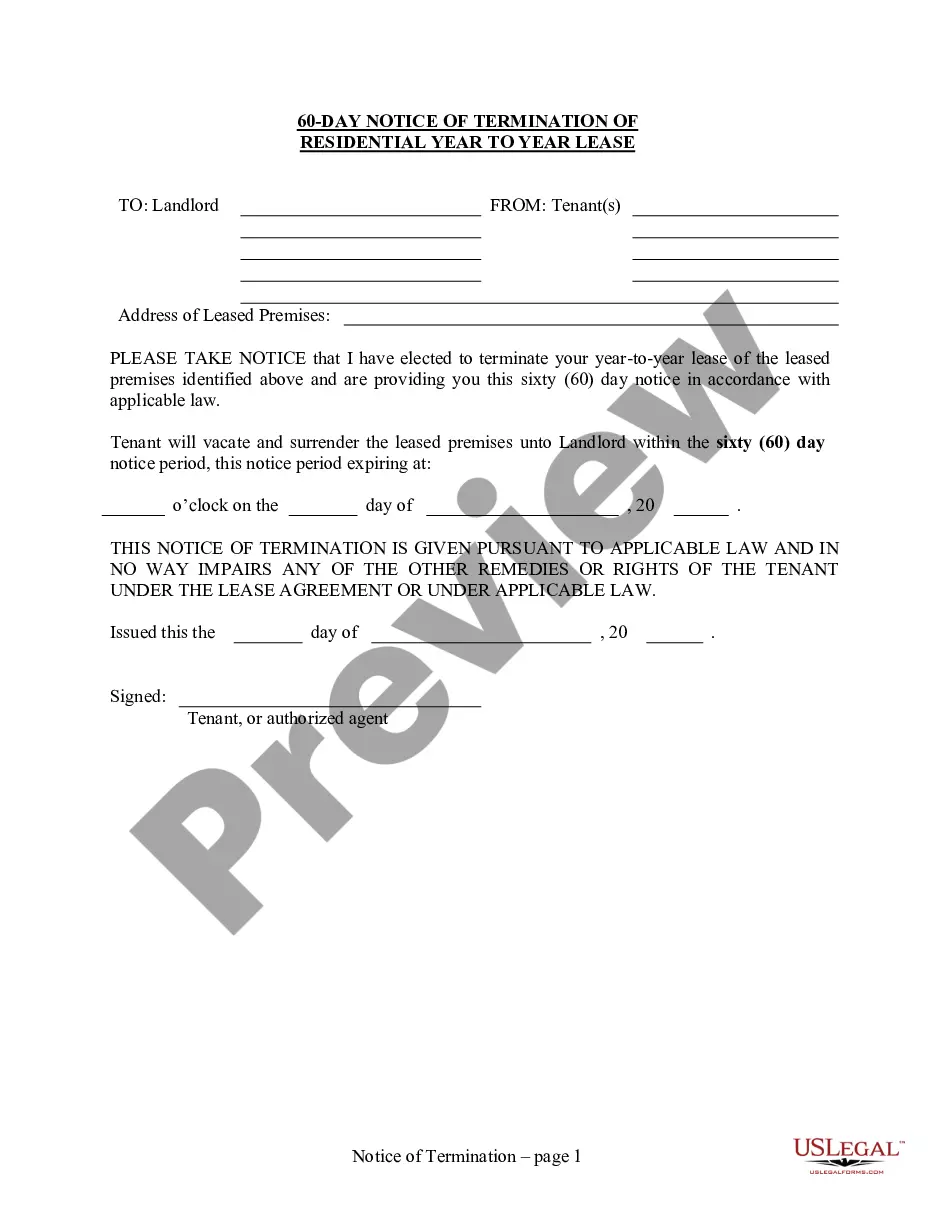
60 Day Notice To Vacate For Tenant
Description
Get your form ready online
Our built-in tools help you complete, sign, share, and store your documents in one place.
Make edits, fill in missing information, and update formatting in US Legal Forms—just like you would in MS Word.
Download a copy, print it, send it by email, or mail it via USPS—whatever works best for your next step.
Sign and collect signatures with our SignNow integration. Send to multiple recipients, set reminders, and more. Go Premium to unlock E-Sign.
If this form requires notarization, complete it online through a secure video call—no need to meet a notary in person or wait for an appointment.
We protect your documents and personal data by following strict security and privacy standards.
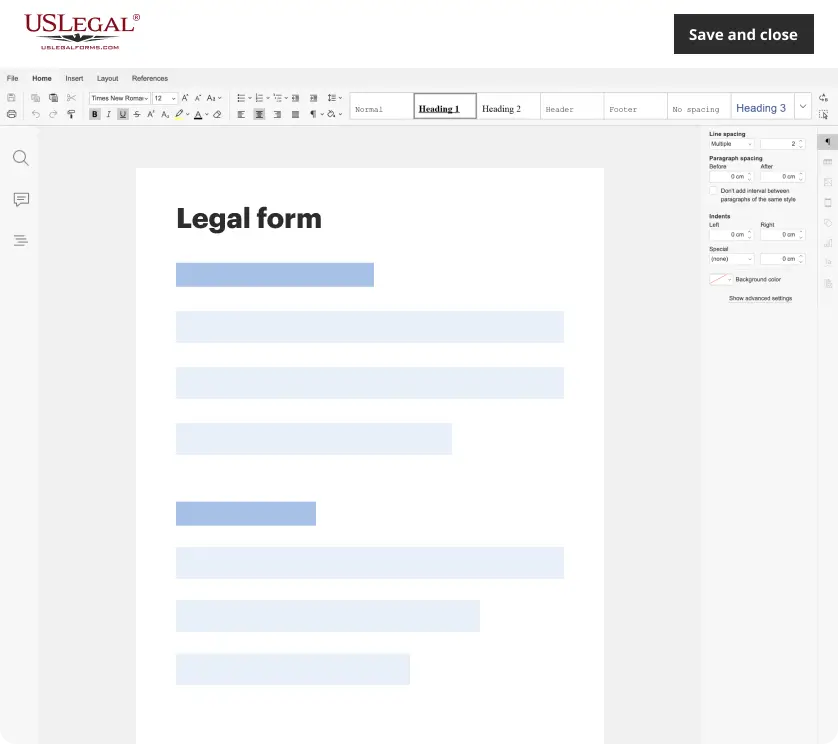
Make edits, fill in missing information, and update formatting in US Legal Forms—just like you would in MS Word.
Download a copy, print it, send it by email, or mail it via USPS—whatever works best for your next step.
Sign and collect signatures with our SignNow integration. Send to multiple recipients, set reminders, and more. Go Premium to unlock E-Sign.

If this form requires notarization, complete it online through a secure video call—no need to meet a notary in person or wait for an appointment.
We protect your documents and personal data by following strict security and privacy standards.
Looking for another form?
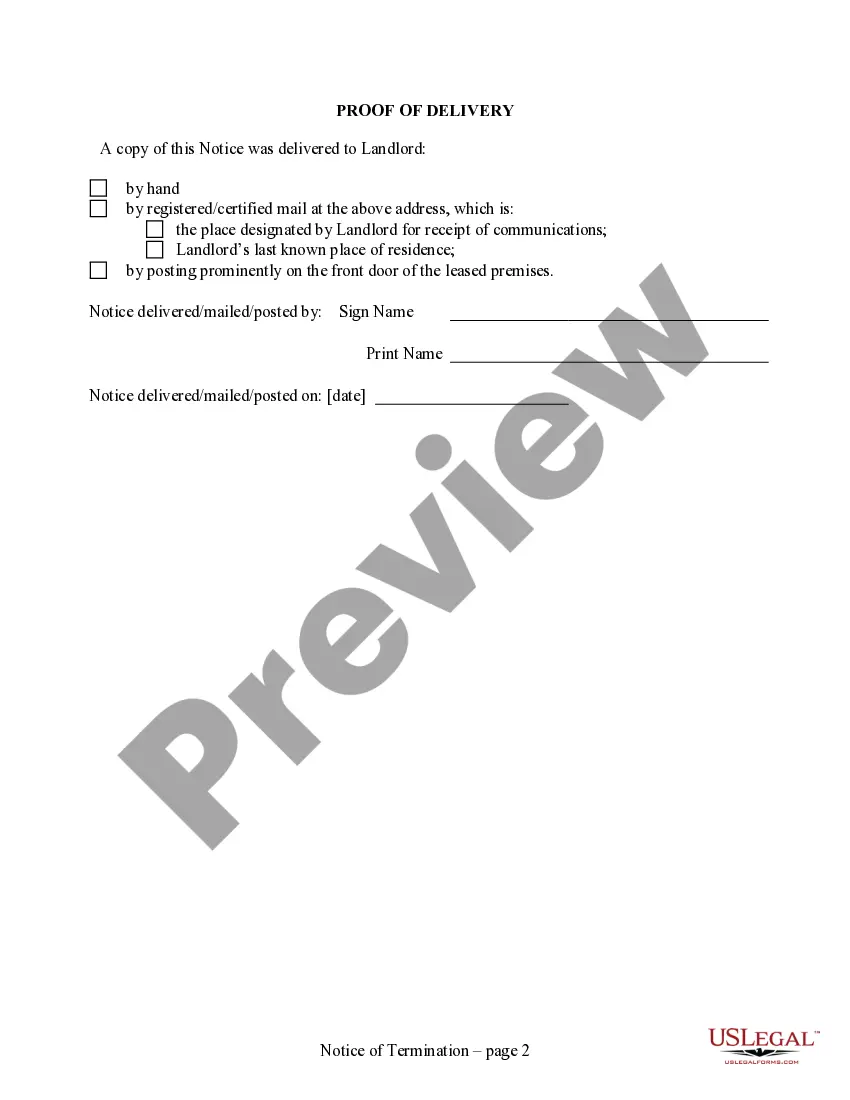
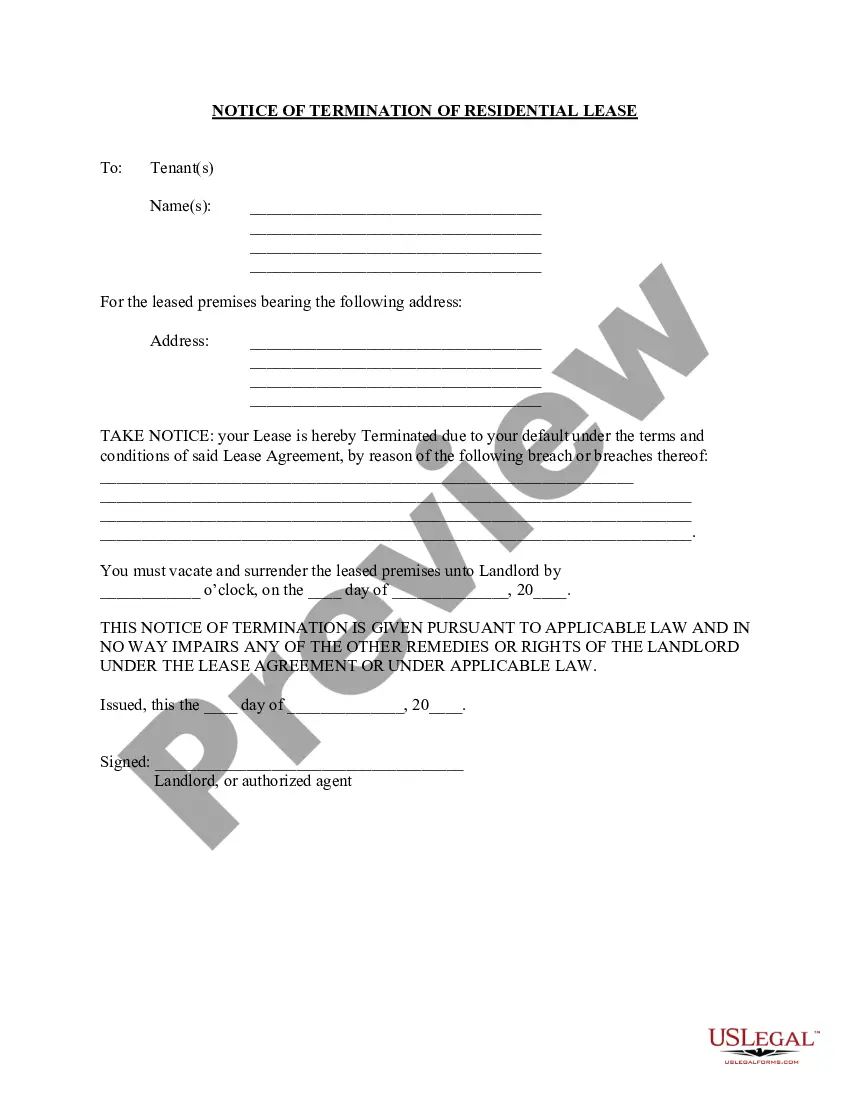
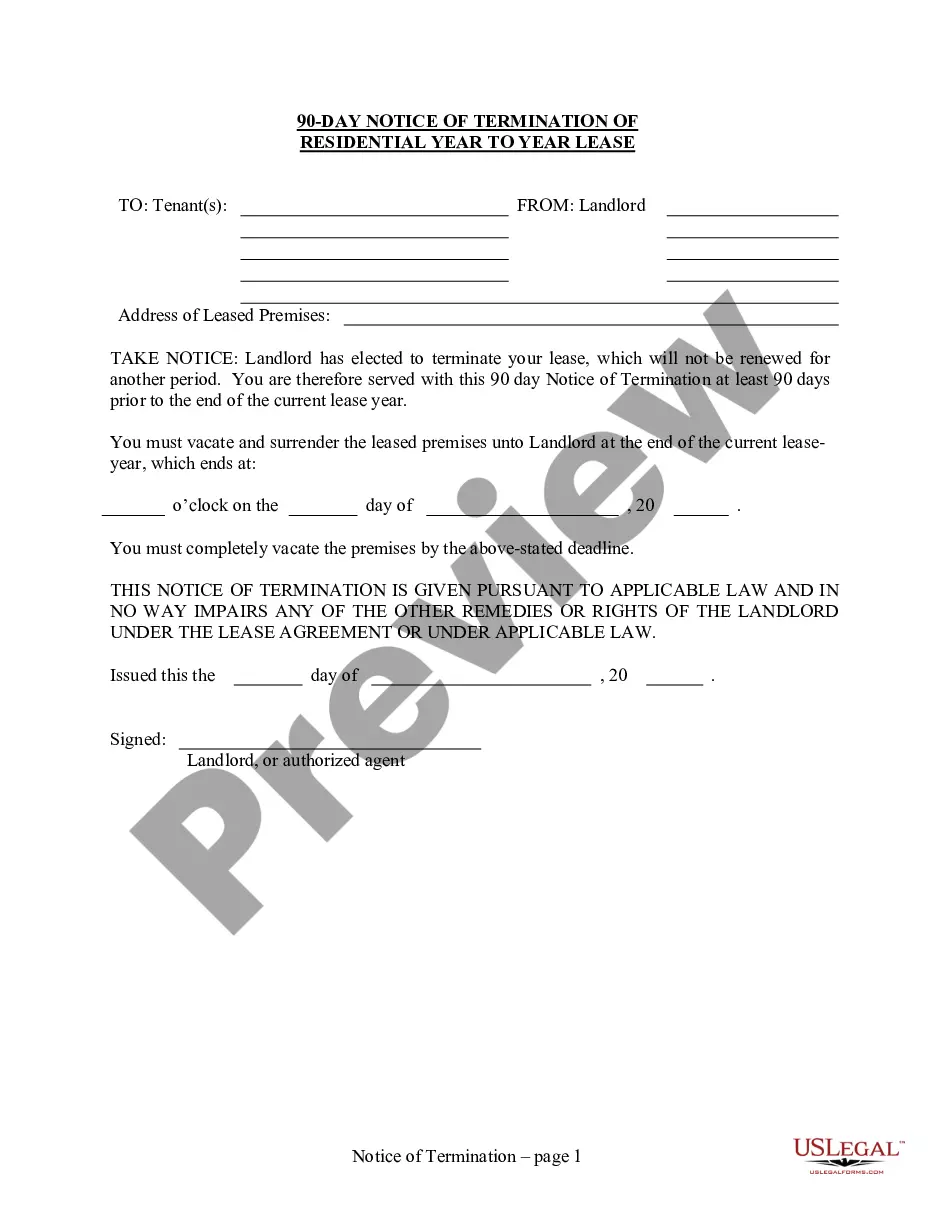
How to fill out Virginia 60 Day Notice To Terminate Year-to-Year Lease - Residential From Tenant To Landlord?
- If you’re a returning user, log in and access your account. Download the necessary form template directly to your device.
- For first-time users, start by browsing the collection. Check the preview and description of the 60-day notice form to ensure it fits your specific situation and local laws.
- If you need to search for additional templates, utilize the Search tab to find what best suits your needs.
- Once you identify the correct document, select the Buy Now button and pick a subscription plan that works for you.
- Complete your purchase securely, entering either your credit card information or opting for PayPal.
- Finally, download your form. Save it on your device, and access it anytime via the My Forms menu in your profile.
By using US Legal Forms, you benefit from their vast collection of over 85,000 legal documents, all designed to simplify your legal processes with ease and efficiency.
Take control of your tenancy process today by utilizing US Legal Forms and ensure that your documents are accurate and legally sound. Start now and navigate your legal needs effortlessly.
Form popularity
FAQ
The shortest eviction notice in most cases is a 3-day notice to vacate, which is usually given for non-payment of rent. This brief notice allows landlords to proceed quickly if necessary. Tenants should be aware of their rights and may prefer a 60 day notice to vacate for tenant to provide extra time to sort their housing situation.
The minimum notice to vacate in Ohio is generally 30 days for month-to-month agreements or depending on the lease terms. This time frame gives tenants a reasonable amount to secure alternative housing. However, landlords can choose to issue a 60 day notice to vacate for tenant, which can be beneficial for both parties.
If only one person wants to break the lease, they may need to discuss the situation with the landlord or property manager. It is essential to review the lease agreement for any clauses regarding early termination. A 60 day notice to vacate for tenant can help in such situations to formally request ending the lease for part of the tenancy.
A 30-day notice to vacate in Ohio is a notification from the landlord to the tenant, requiring them to leave the property within 30 days. This notice is commonly used for month-to-month rental agreements. If you find yourself needing to issue a 60 day notice to vacate for tenant, you may do so for added flexibility in moving arrangements.
The minimum notice a landlord can provide in most situations is typically 30 days, especially for month-to-month leases. However, in some cases, landlords may offer a 60 day notice to vacate for tenant, giving them more time to transition. It is crucial for both landlords and tenants to understand their rights under local and state laws.
In Ohio, a landlord must provide a 30-day notice for month-to-month leases, but they may choose to implement a 60 day notice to vacate for tenant to allow more time. This notice period helps tenants find new accommodations without feeling rushed. It's important to check the lease agreement for any specific notice requirements that may apply.
The 60 day notice clause is a provision allowing landlords to notify tenants that they must vacate the rental property within 60 days. This notice is essential for both parties to understand their rights and responsibilities under the lease agreement. Tenants receiving a 60 day notice to vacate for tenant can prepare their moving plans and ensure a smooth transition.
Getting around a 60 day notice to vacate for tenant typically involves understanding the specific clauses in your lease. If both parties agree to modify the notice period, document this agreement in writing. In some situations, paying rent for a shorter time might also be an option, but it requires consent from the landlord. For more guidance on this topic, resources from uslegalforms can help navigate the legal nuances.
To write a quick notice to a tenant, be direct and concise while still including all key details. State the purpose of the notice, like a 60 day notice to vacate for tenant, and specify the expected move-out date. Ensure you include your name and contact information for any questions. For efficiency, consider using templates available on uslegalforms to streamline the process.
In Texas, the requirement for a 60-day notice to vacate for tenant depends on the terms of your lease agreement. If your lease is month-to-month, you typically must provide a 30-day notice, but some landlords may opt to provide a 60-day notice for flexibility. Always check your lease for specifics, as it might outline different notice periods. You can consult uslegalforms for resources to clarify this further.