Third Parties In Trust
Description
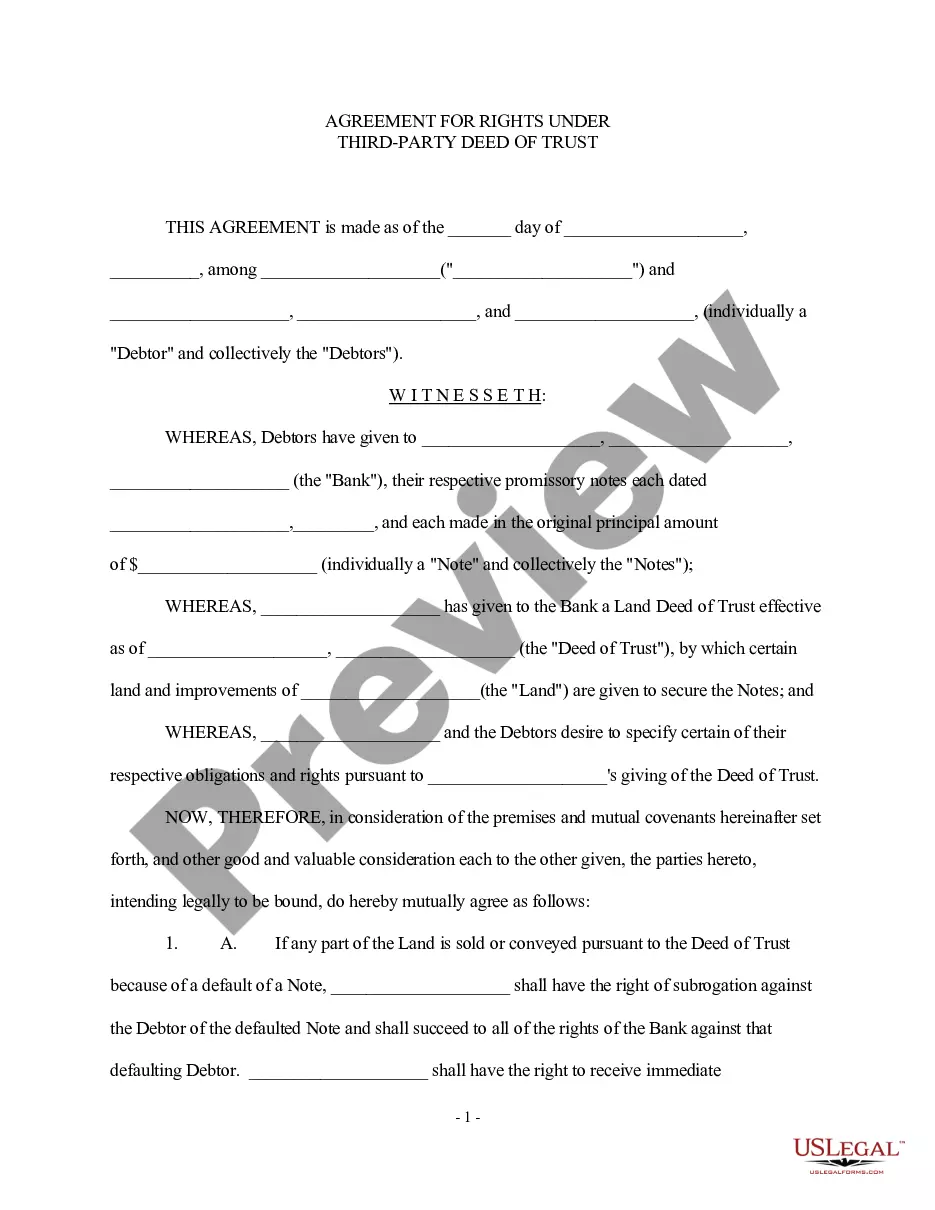
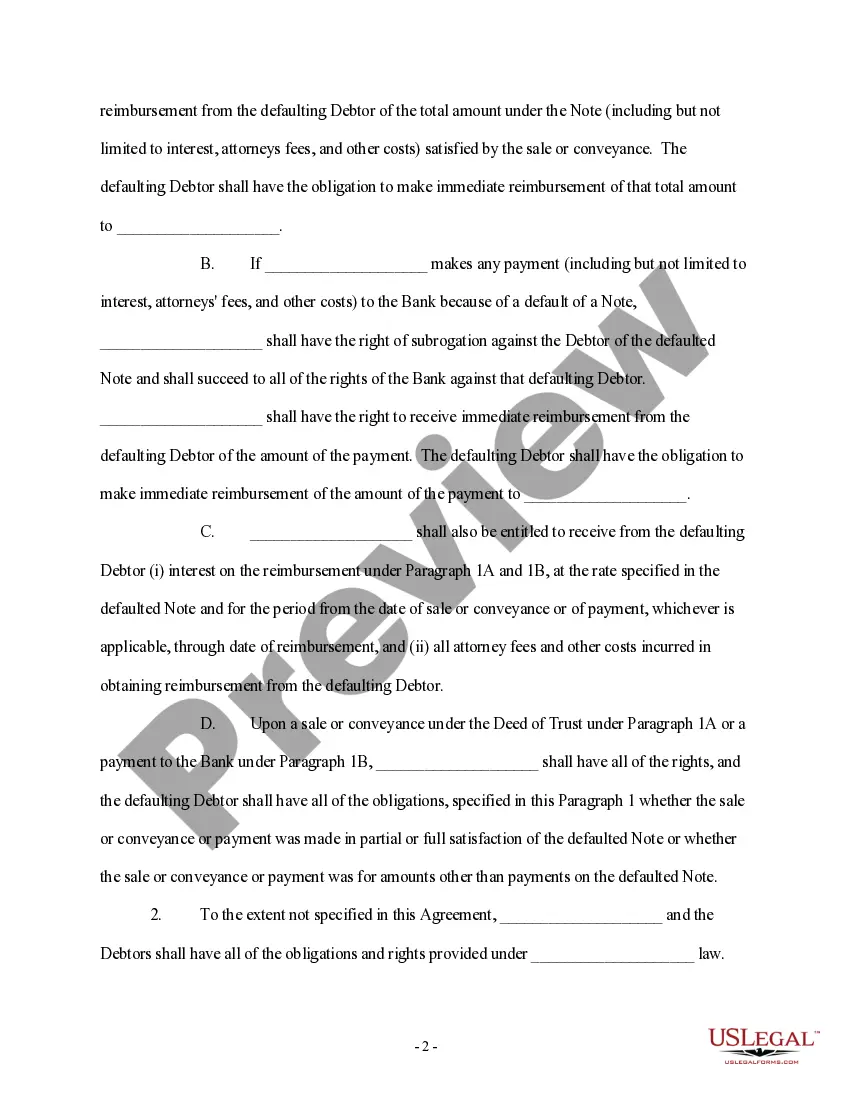
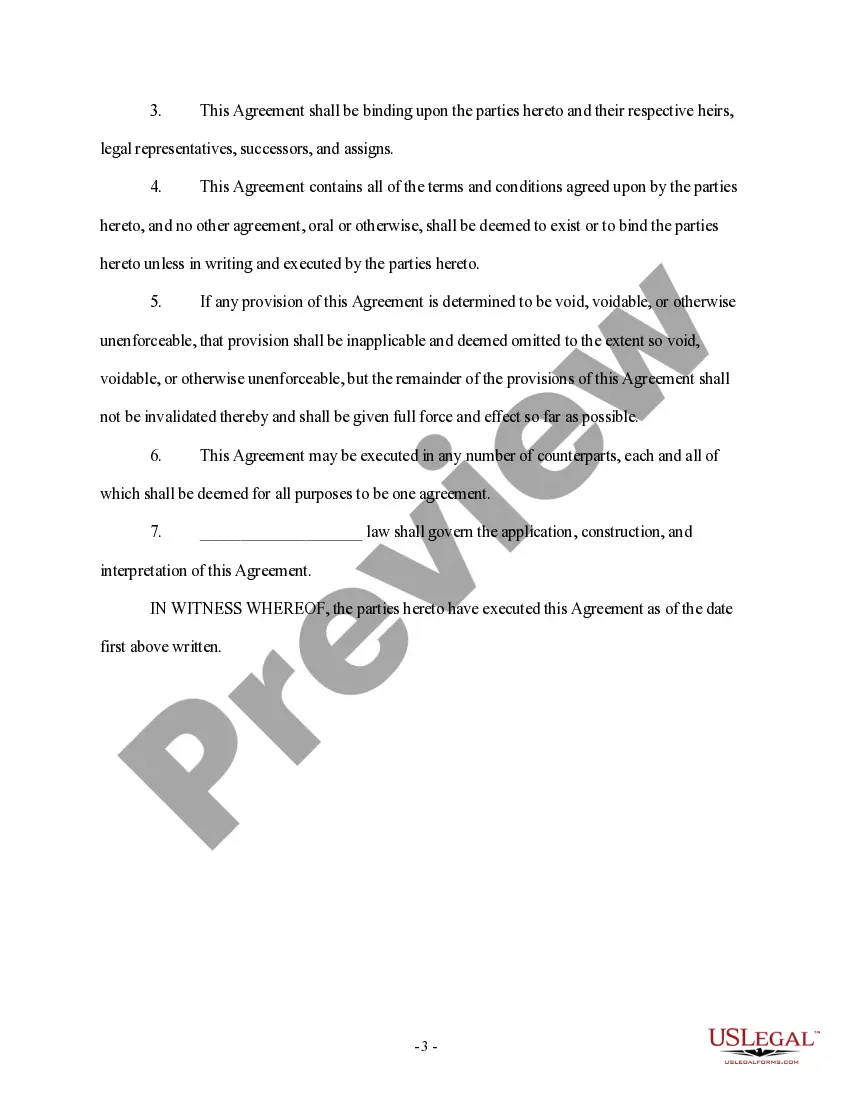
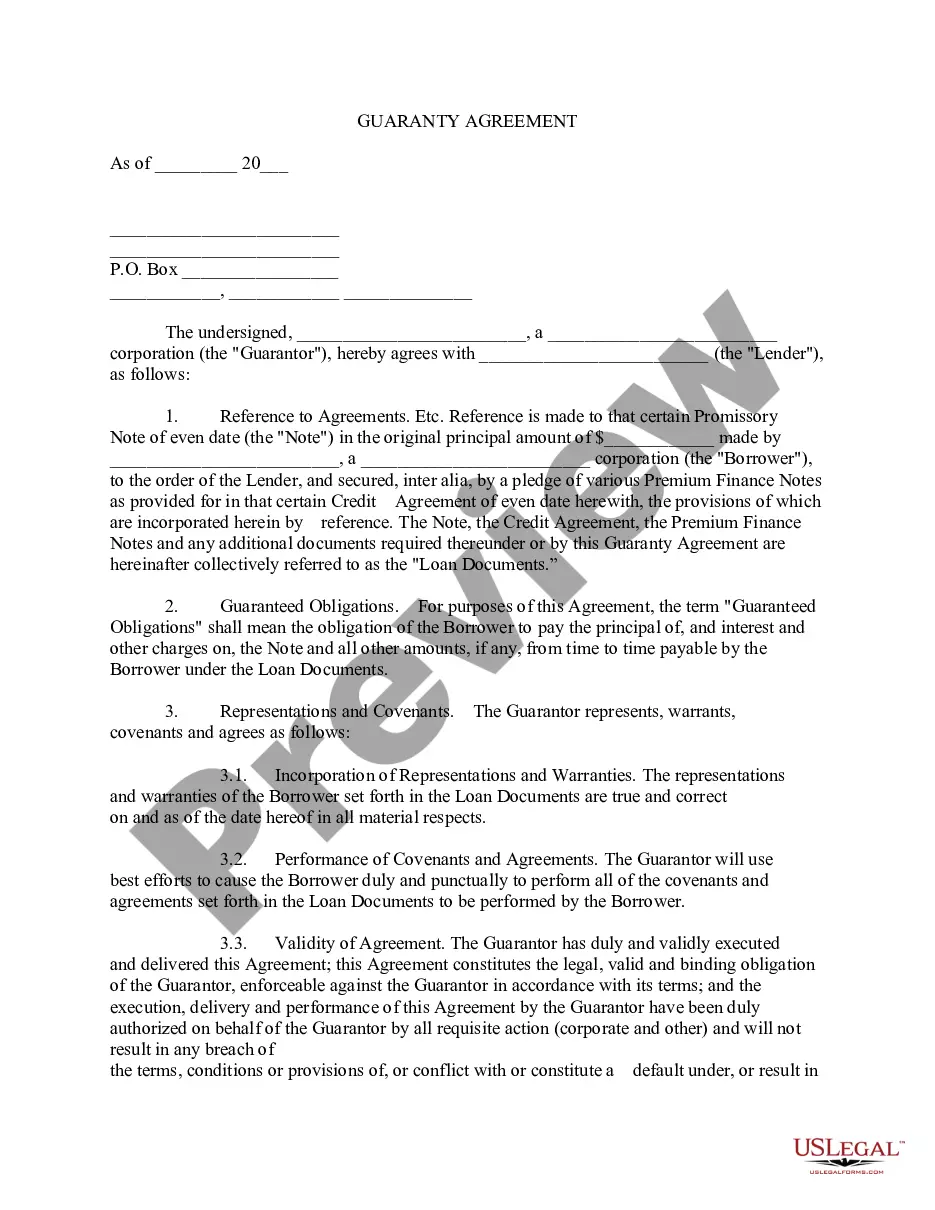
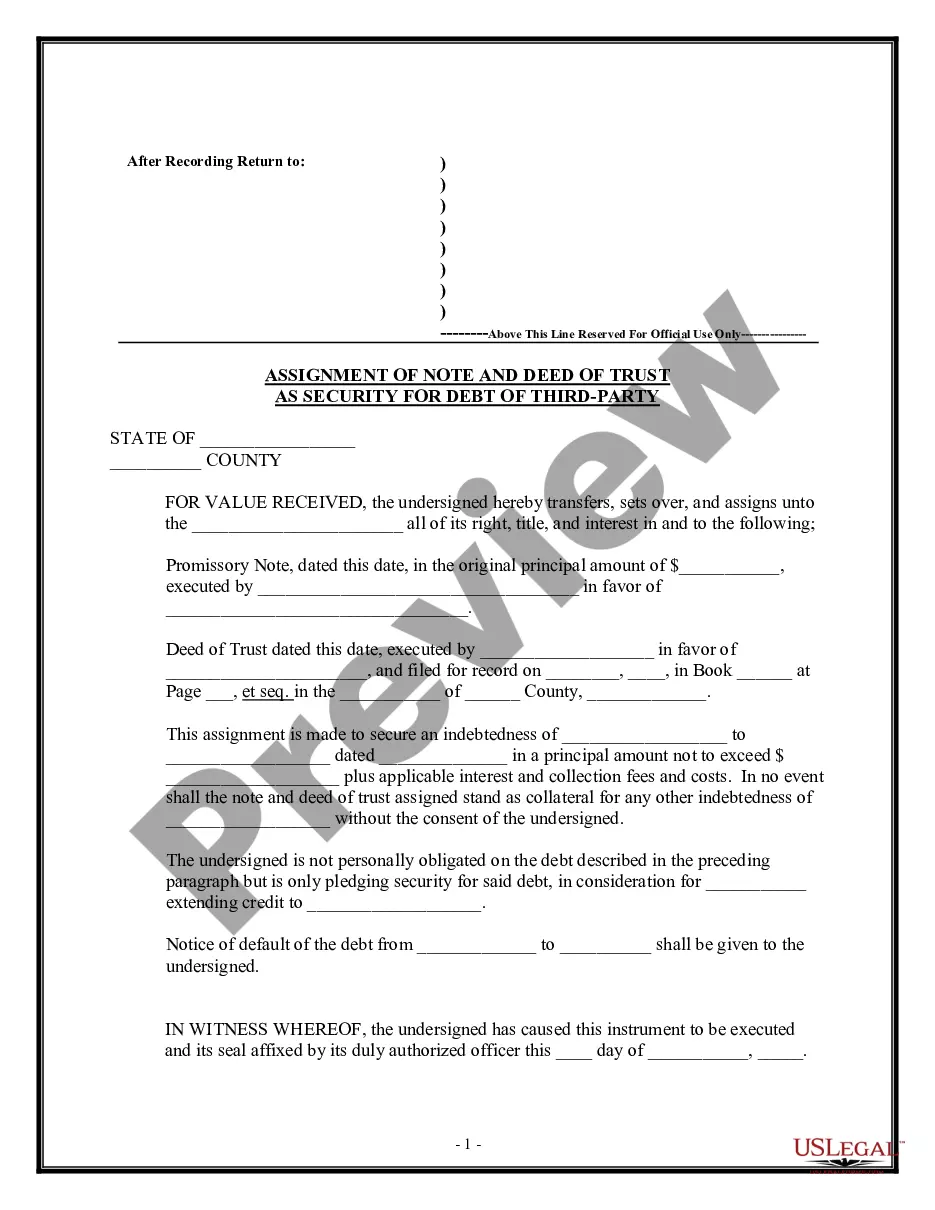
Get your form ready online
Our built-in tools help you complete, sign, share, and store your documents in one place.
Make edits, fill in missing information, and update formatting in US Legal Forms—just like you would in MS Word.
Download a copy, print it, send it by email, or mail it via USPS—whatever works best for your next step.
Sign and collect signatures with our SignNow integration. Send to multiple recipients, set reminders, and more. Go Premium to unlock E-Sign.
If this form requires notarization, complete it online through a secure video call—no need to meet a notary in person or wait for an appointment.
We protect your documents and personal data by following strict security and privacy standards.

Make edits, fill in missing information, and update formatting in US Legal Forms—just like you would in MS Word.

Download a copy, print it, send it by email, or mail it via USPS—whatever works best for your next step.

Sign and collect signatures with our SignNow integration. Send to multiple recipients, set reminders, and more. Go Premium to unlock E-Sign.

If this form requires notarization, complete it online through a secure video call—no need to meet a notary in person or wait for an appointment.

We protect your documents and personal data by following strict security and privacy standards.
Looking for another form?

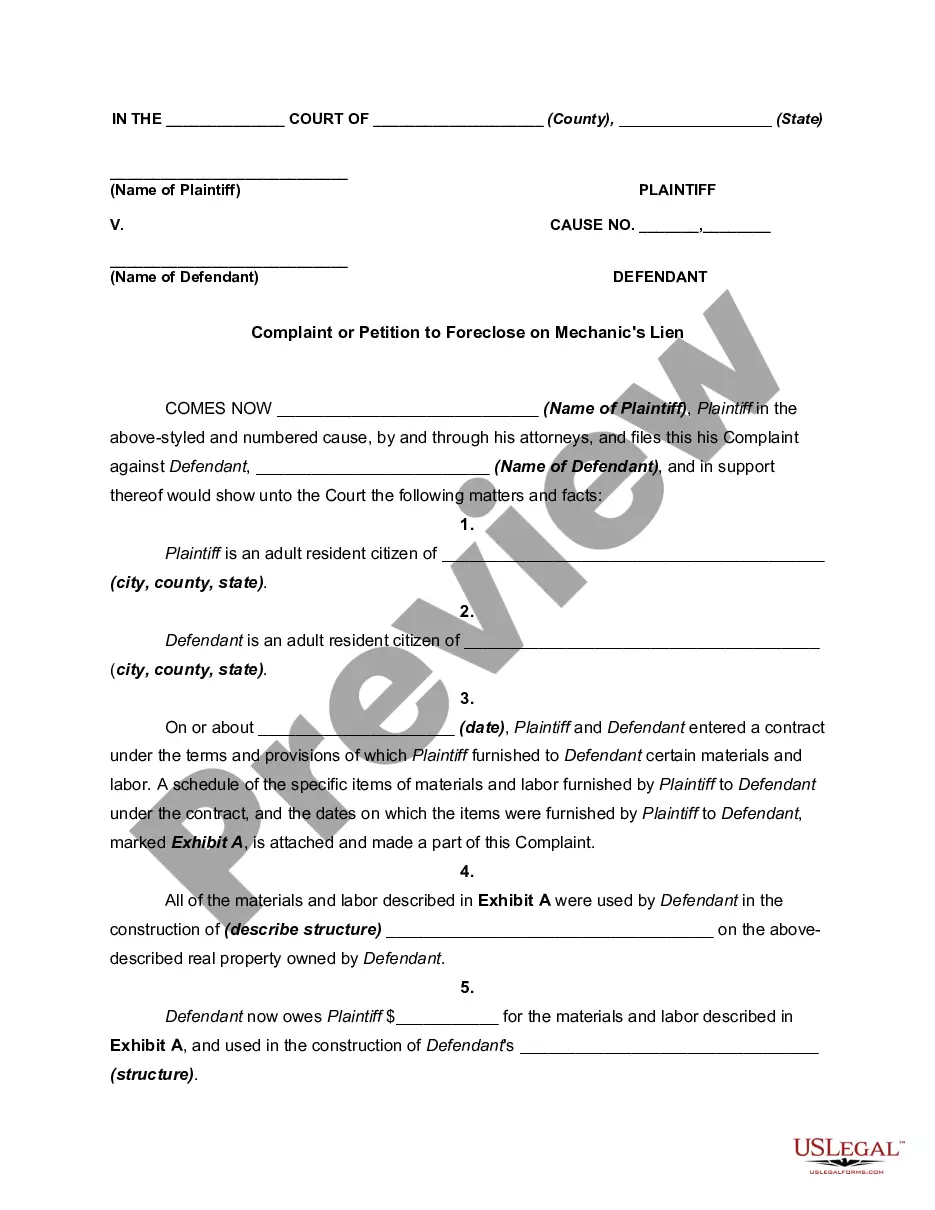






How to fill out Agreement For Rights Under Third Party Deed Of Trust?
Managing legal documents and processes can be a lengthy addition to your day.
Third Parties In Trust and similar forms usually necessitate that you search for them and figure out the optimal way to complete them efficiently.
As a result, whether you are addressing financial, legal, or personal issues, possessing a detailed and functional online directory of forms when required will be very beneficial.
US Legal Forms is the premier online resource for legal templates, providing over 85,000 state-specific forms and numerous resources to help you finalize your documents effortlessly.
Is this your first time using US Legal Forms? Sign up and create an account in just a few minutes, and you will have access to the form directory and Third Parties In Trust. Then, follow the outlined steps below to finalize your form: Be sure you have located the correct form using the Preview feature and reviewing the form description. Choose Buy Now when ready, and select the monthly subscription plan that suits your requirements. Click Download then complete, sign, and print the form. US Legal Forms has 25 years of experience assisting consumers in managing their legal documents. Acquire the form you need today and simplify any procedure without hassle.
- Browse the collection of pertinent documents available to you with just one click.
- US Legal Forms provides state- and county-specific forms accessible at any time for downloading.
- Protect your document handling processes by utilizing a superior service that enables you to prepare any form within minutes without extra or hidden fees.
- Simply Log In to your account, search for Third Parties In Trust, and download it immediately from the My documents section.
- You can also access previously downloaded forms.
Form popularity
FAQ
There are three parties involved in a deed of trust: Trustor: This is the borrower. Trustee: This is the third party who will hold the legal title to the real property. Beneficiary: This is the lender.
How do trusts work? A trust is a fiduciary1 relationship in which one party (the Grantor) gives a second party2 (the Trustee) the right to hold title to property or assets for the benefit of a third party (the Beneficiary). The trustee, in turn, explains the terms and conditions of the trust to the beneficiary.
Assets that should not be used to fund your living trust include: Qualified retirement accounts ? 401ks, IRAs, 403(b)s, qualified annuities. Health saving accounts (HSAs) Medical saving accounts (MSAs) Uniform Transfers to Minors (UTMAs) Uniform Gifts to Minors (UGMAs) Life insurance. Motor vehicles.
What is a Third Party Trust? A Third Party Trust (also known as a Common Law Trust) is funded by the beneficiary's family and/or friends, rather than the beneficiary themselves. It can be funded either during their lifetime and/or through an estate plan.
Third-Party Special Needs Trusts are established using assets from someone other than the individual living with disabilities. Typically established by a loved one while living or through specific language in a living will specifically designating funds to be placed into a Third-Party Trust.