Basketball Stadium
Description
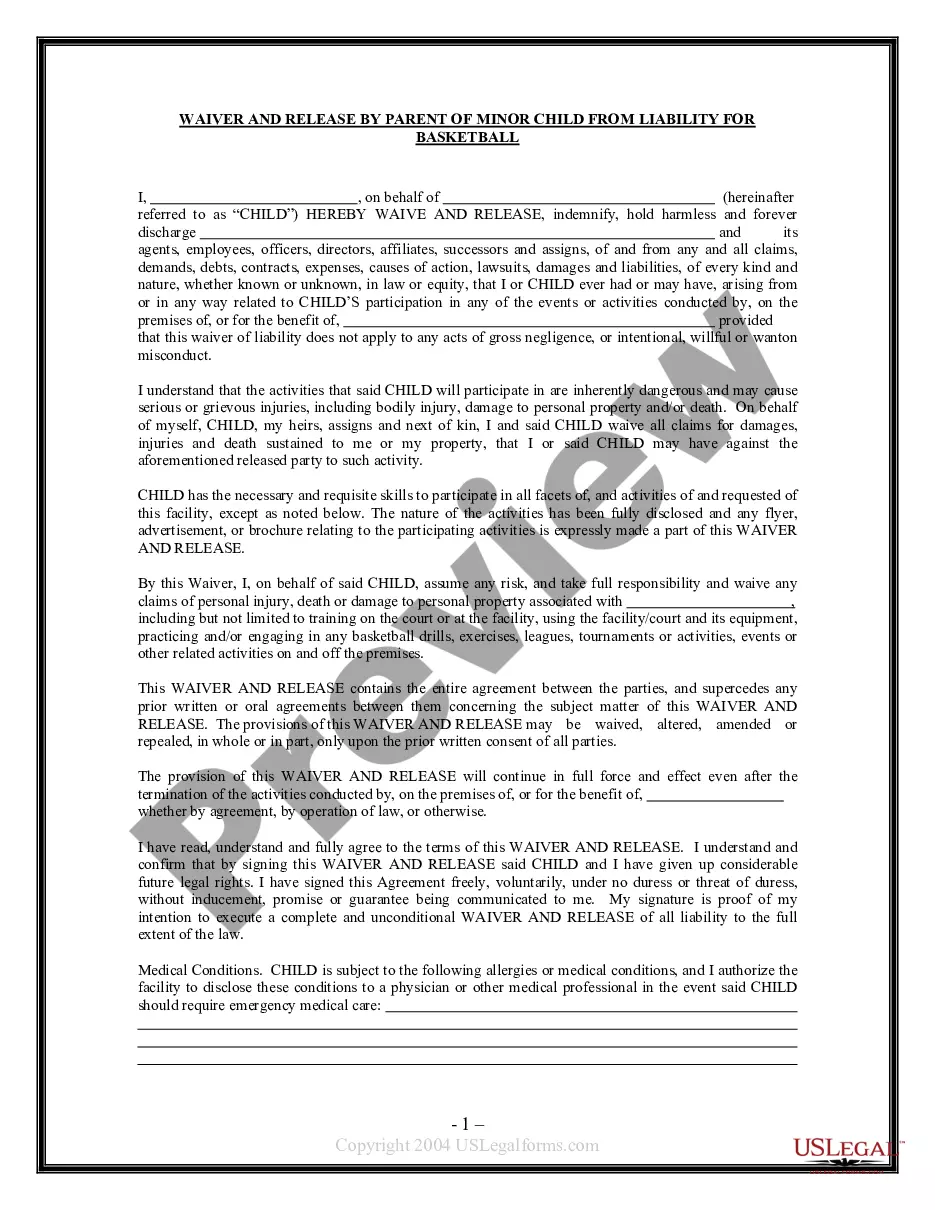
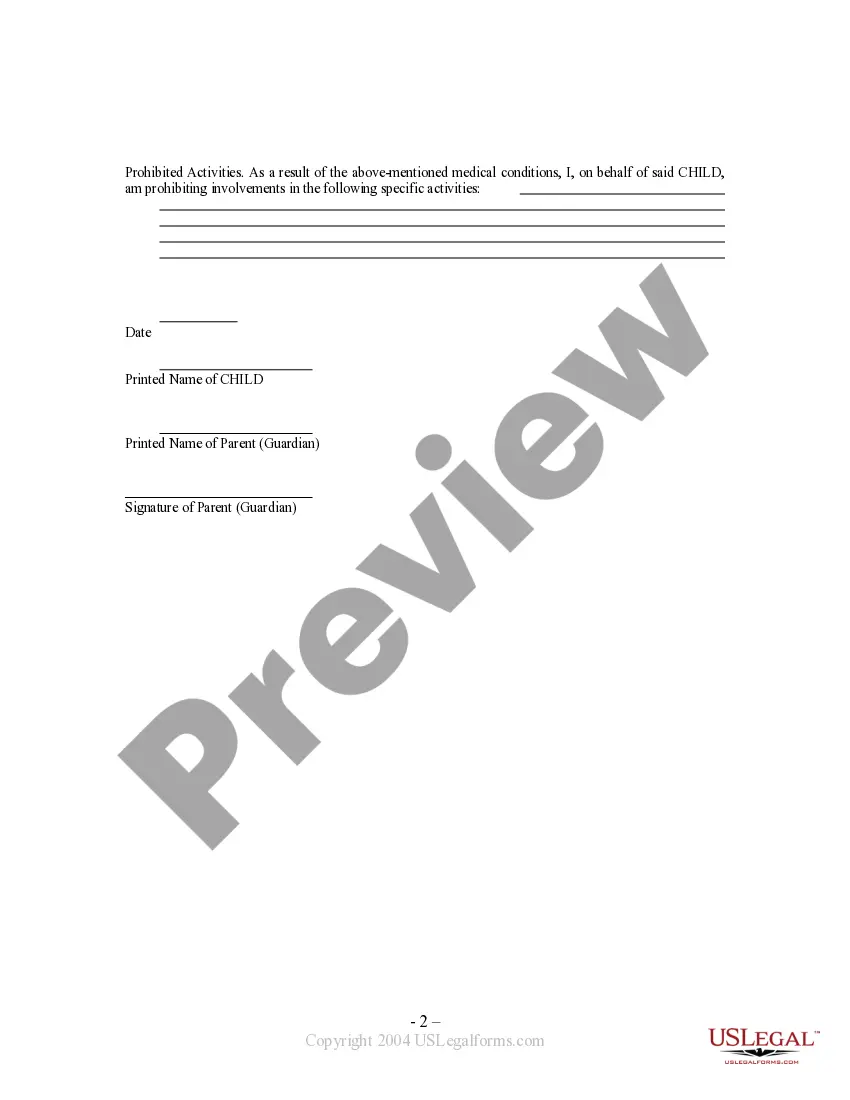
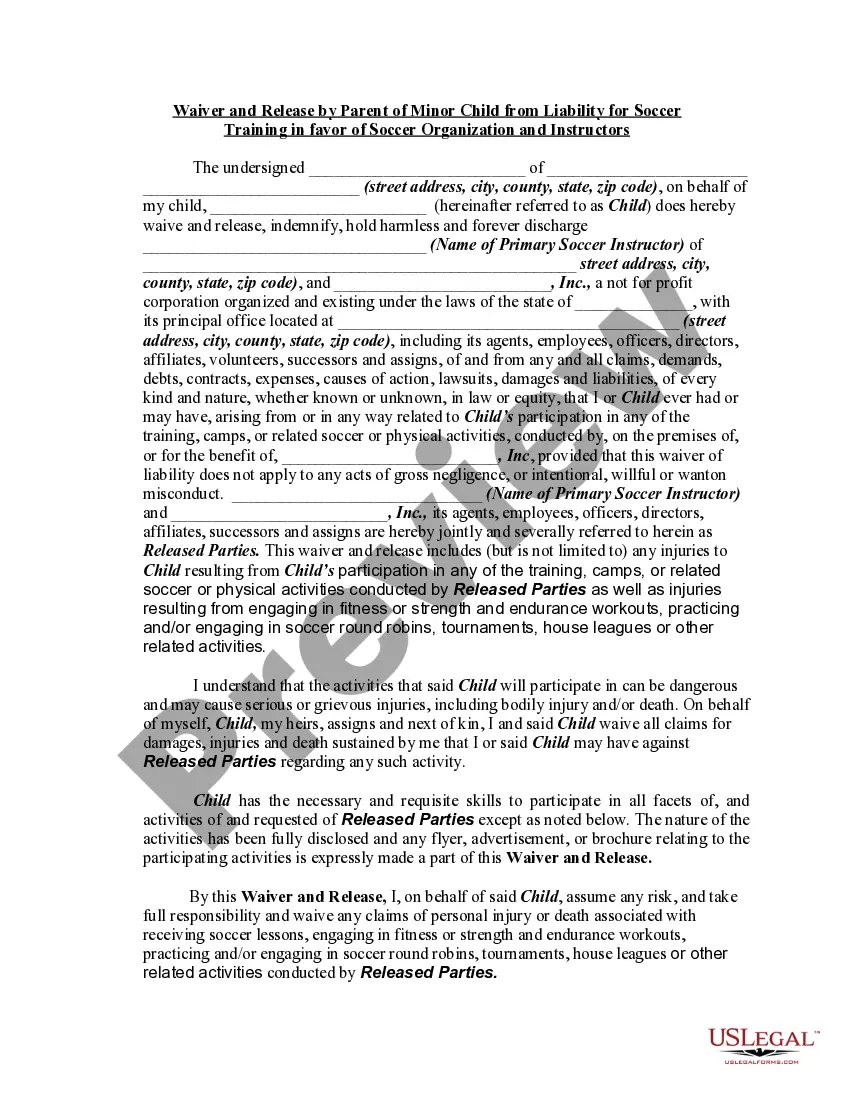




How to fill out Waiver And Release From Liability For Minor Child For Basketball Stadium?
- If you are a returning user, log in to your account and check your subscription status. Ensure it’s active to access your documents seamlessly.
- For first-time users, start by browsing the extensive library of over 85,000 fillable forms. Look through the previews and descriptions to select the template that aligns with your local jurisdiction's requirements.
- If necessary, use the Search tab to locate another form. This ensures that you have the most suitable document for your situation.
- Once you’ve found the correct form, click on the Buy Now button and choose the subscription plan that fits your needs. An account registration is mandatory to unlock all features.
- Complete your purchase by entering your payment information, either through credit card or PayPal, to finalize your subscription.
- After payment, download your selected form directly to your device. You can always access it later in the My Forms section.
By following these straightforward steps, you will efficiently obtain the legal forms necessary for your basketball stadium projects.
Don’t hesitate to explore the exceptional resources offered by US Legal Forms, ensuring your documentation is precise and legally compliant. Start your journey today!
Form popularity
FAQ
Basketball is played in both stadiums and arenas, depending on the event and location. Stadiums are versatile, accommodating multiple sports, while arenas focus more on indoor competitions. Ultimately, both types of venues are designed to enhance the fan experience and offer a perfect setting for basketball games.
A basketball stadium is often simply referred to as a 'basketball arena' or 'basketball court.' These facilities house the official basketball court and provide seating for fans. Regardless of the name, a basketball stadium serves as an essential venue for hosting thrilling basketball games.
Yes, basketball games have been played in stadiums, particularly those designed for multi-sport events. Notable examples include outdoor stadiums that host special basketball tournaments or major events. A basketball stadium can provide a unique atmosphere, captivating thousands of fans while showcasing the sport's energy.
Basketball can be played in both stadiums and arenas, but the terms can differ based on size and structure. Generally, a basketball stadium is a larger facility that hosts various sporting events, while arenas are often slightly smaller and more focused on indoor sports like basketball. Whether you are in a basketball stadium or arena, the excitement of the game remains the same.
Basketball is typically played in indoor settings known as basketball stadiums or arenas. These facilities provide the necessary space, seating, and equipment for both players and fans. High school, college, and professional teams all utilize basketball stadiums. Therefore, these venues are central to the basketball experience.
Resurfacing a basketball court is essential for maintaining its quality and safety. Typically, it is recommended to resurface a basketball stadium every 3 to 5 years, depending on usage and weather conditions. Regular resurfacing not only improves the playing experience but also extends the life of the court. If you're looking for guidance on maintenance plans, consider exploring the resources available on the US Legal Forms platform.
The most affordable way to create a basketball court is to use a DIY approach. Consider marking a concrete slab or laying down sports tiles over a flat area. You can even use chalk for temporary courts during practice sessions. By being resourceful, you can create a functional space similar to a basketball stadium without breaking the bank.
Filling out a basketball scorecard involves tracking player statistics and game progress. Start by noting the players’ names and jersey numbers. As the game progresses, record points, fouls, and substitutions, just like the professionals do at a basketball stadium. This practice allows for a clear overview of team performance.
Yes, you may need a permit to build a basketball court in your backyard. Regulations vary by location, so it's advisable to check with your local zoning office. Obtaining a permit can help you avoid potential legal issues down the road, ensuring your basketball stadium meets all necessary guidelines.
Filling a basketball is a straightforward task. First, locate a ball pump and a needle. Insert the needle into the valve, then pump air until the ball reaches the desired firmness. This process ensures your ball is ready for use, whether you're playing in a driveway or a community basketball stadium.