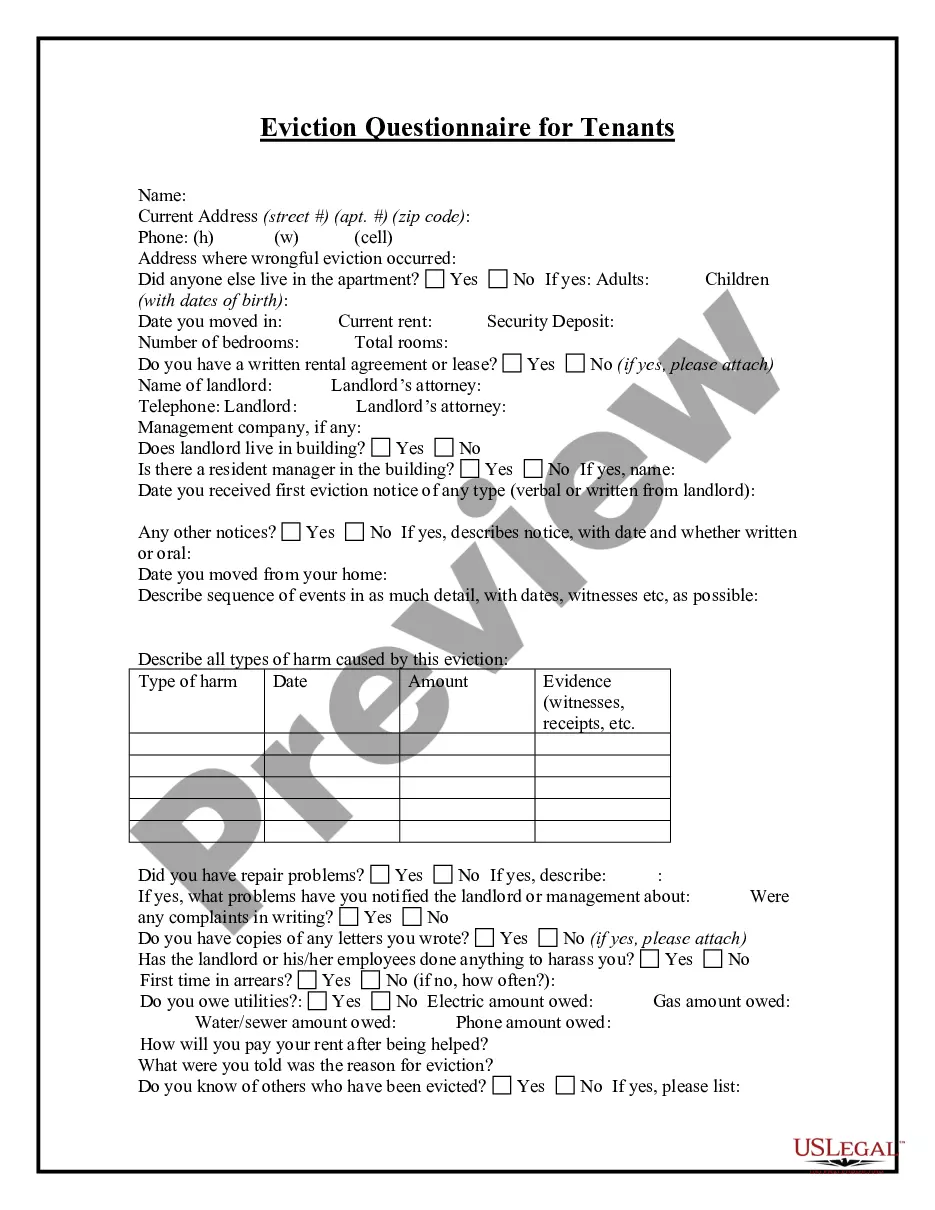
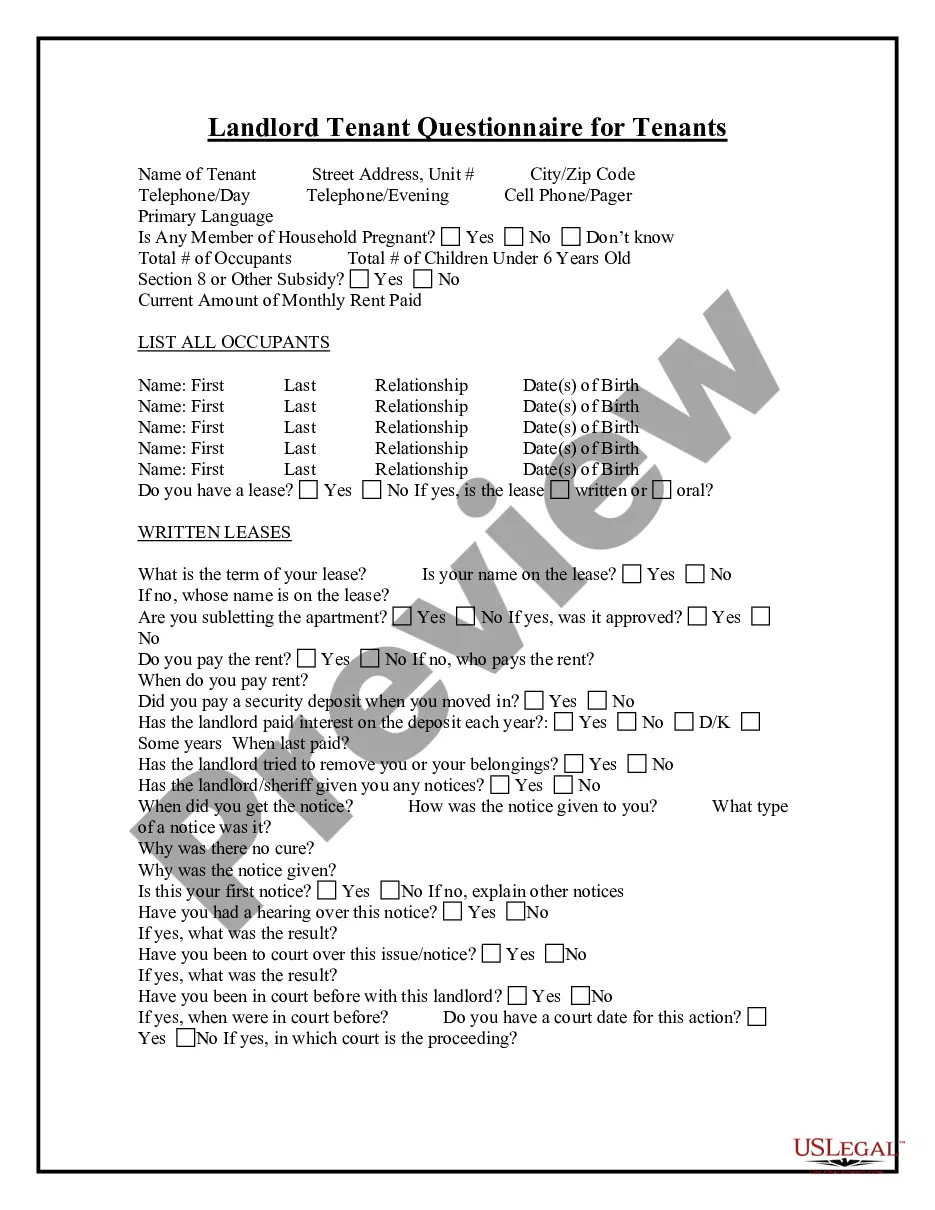
Iowa Dhs Landlord Questionnaire With Scoring
Description
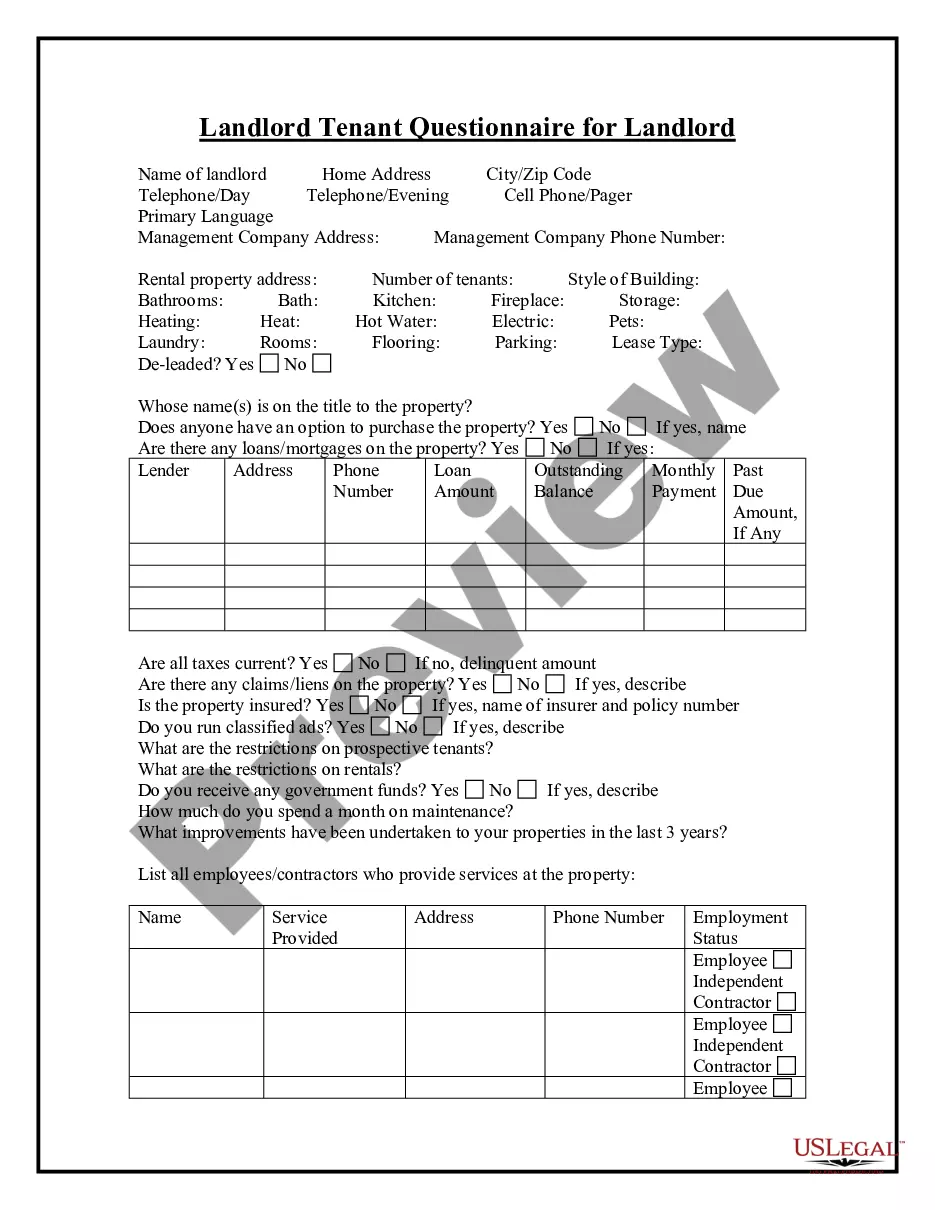
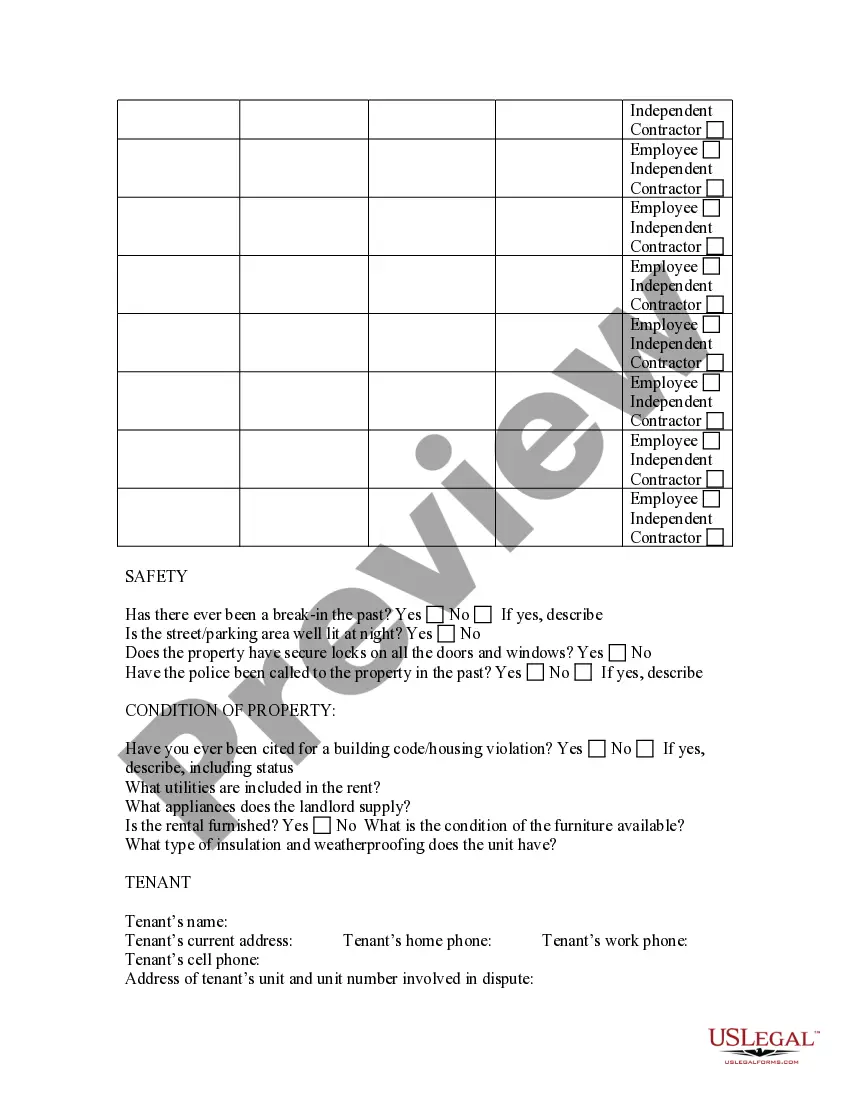
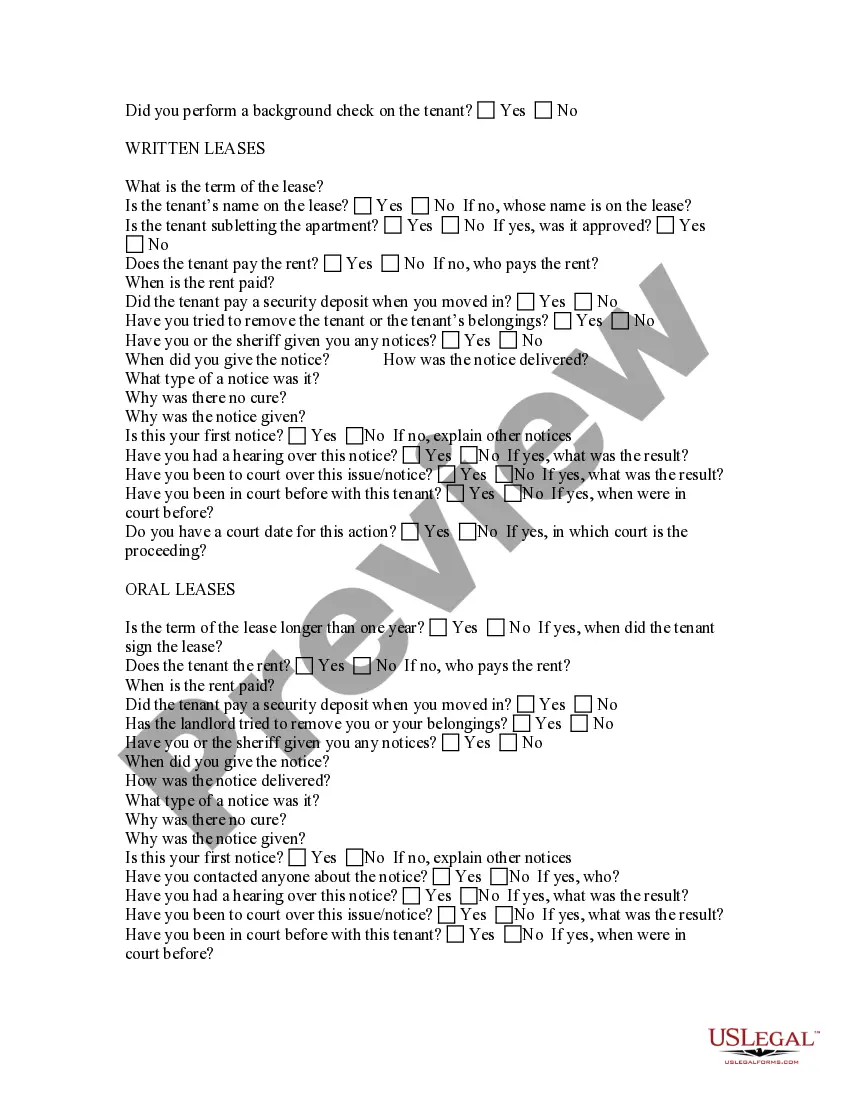
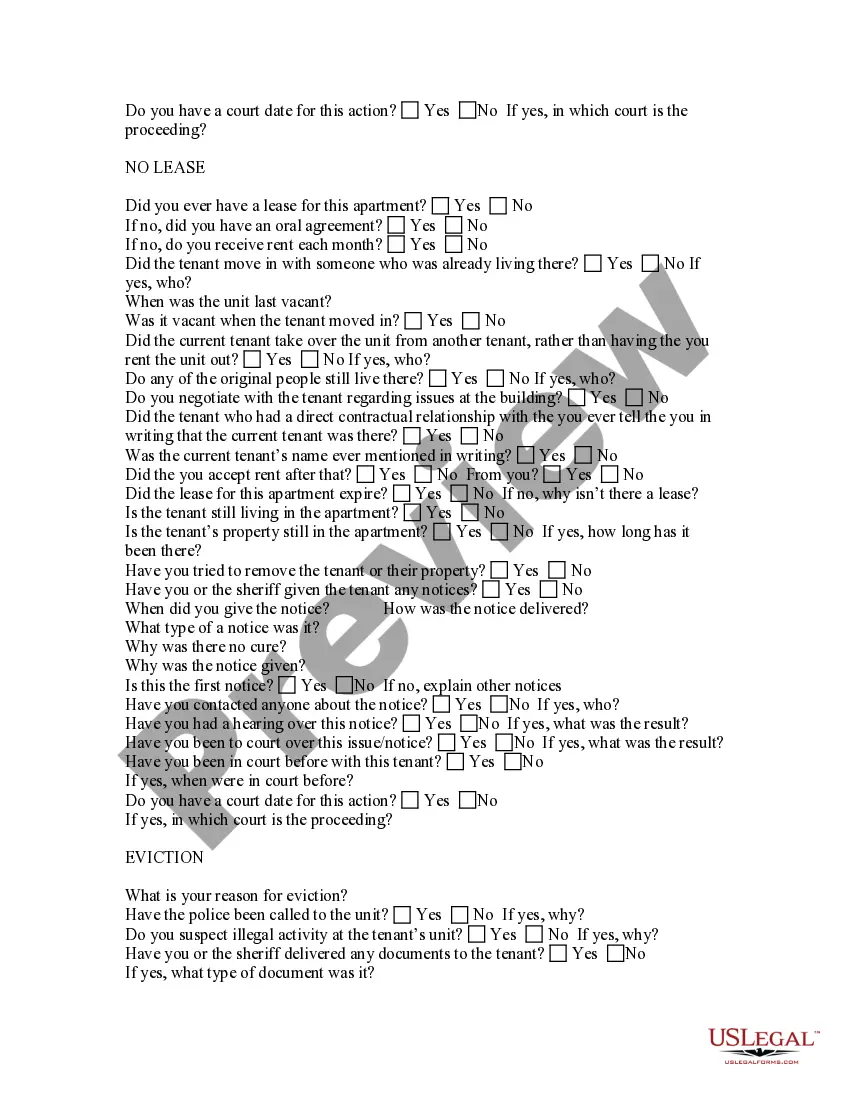
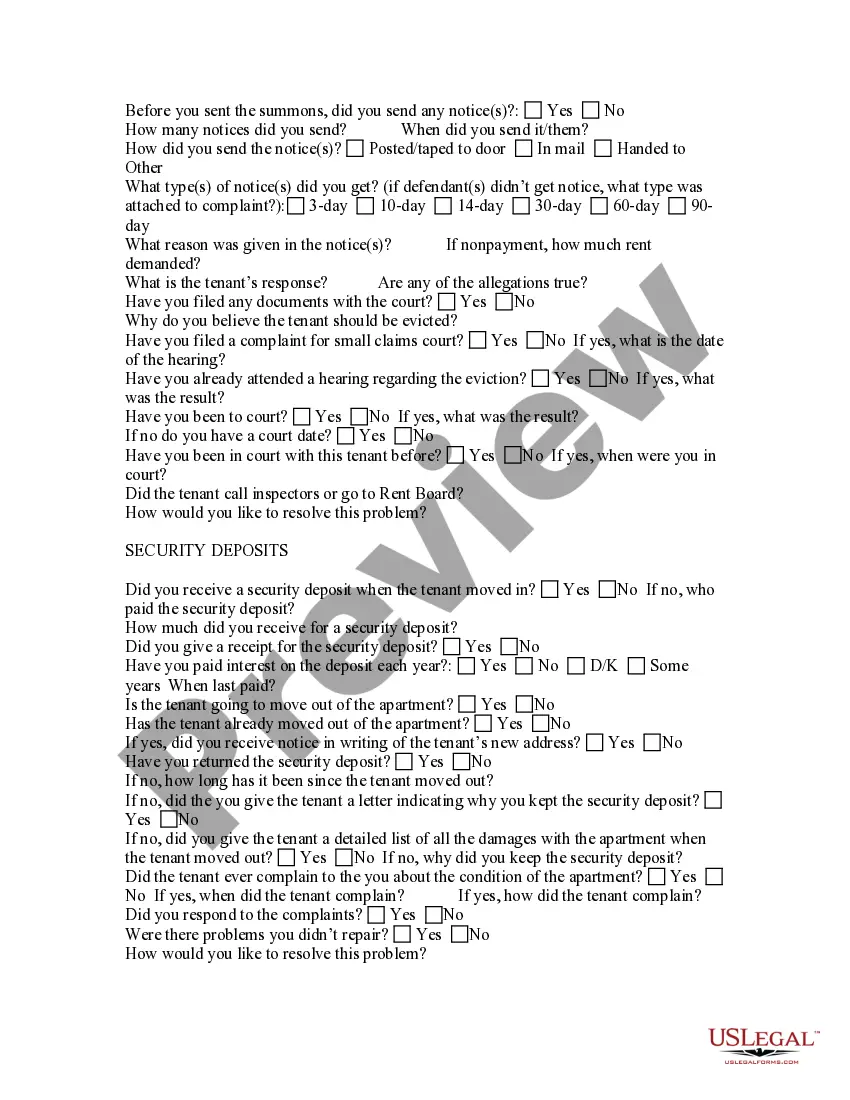
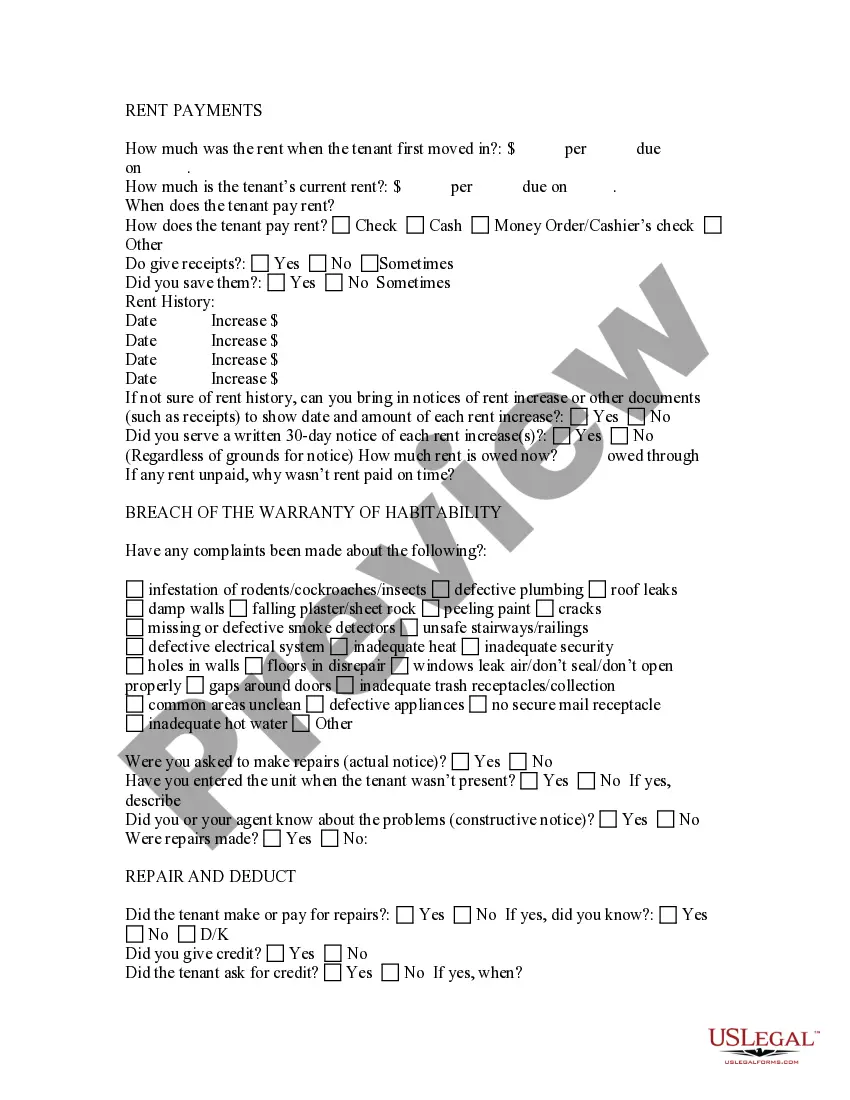
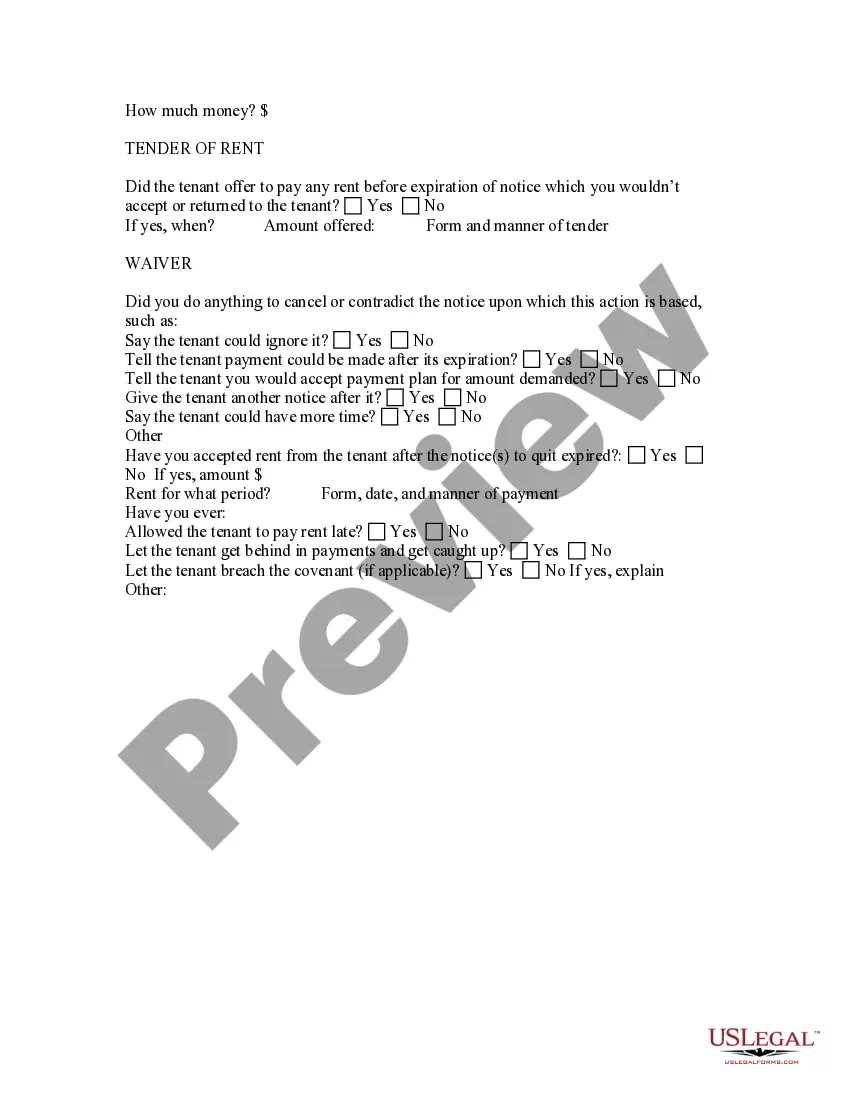
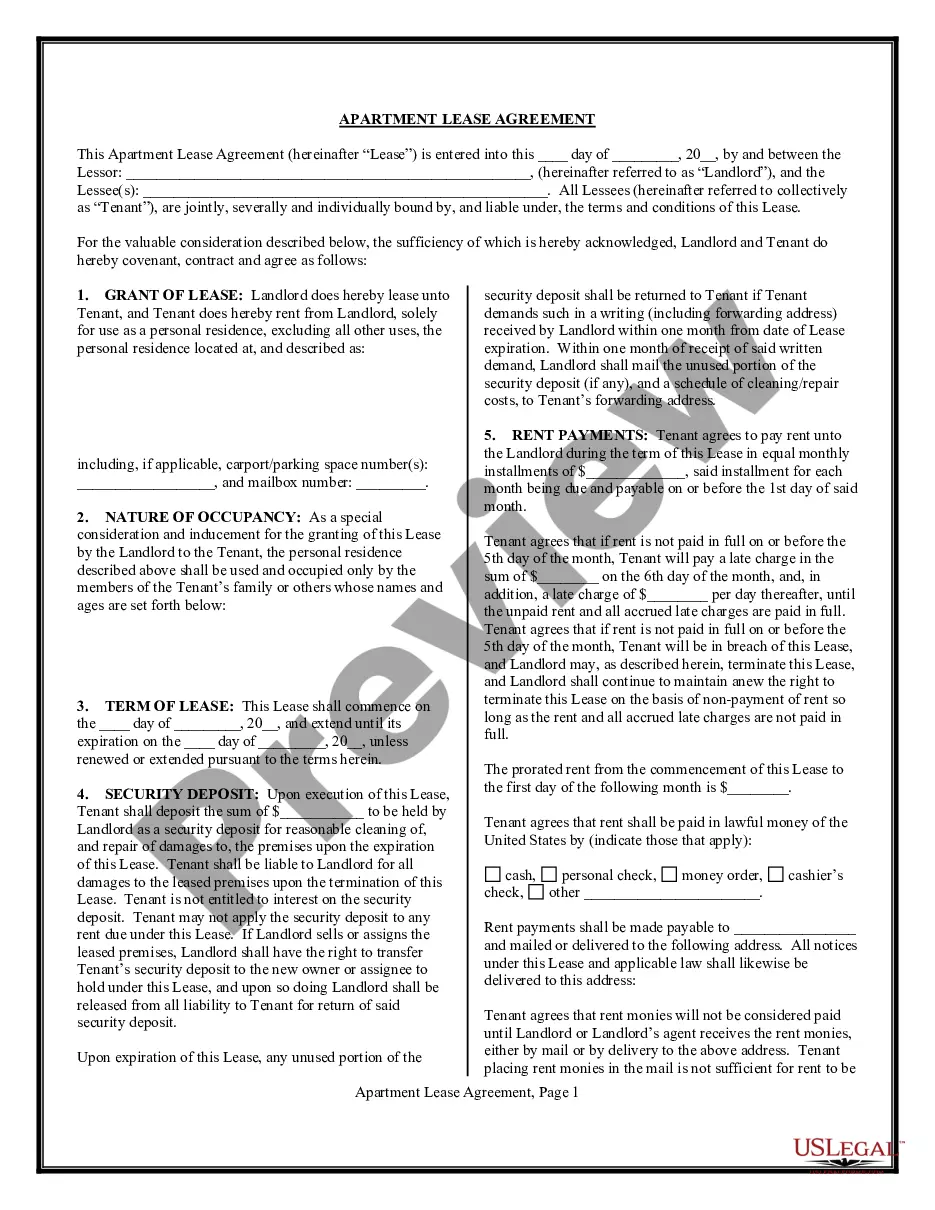
Get your form ready online
Our built-in tools help you complete, sign, share, and store your documents in one place.
Make edits, fill in missing information, and update formatting in US Legal Forms—just like you would in MS Word.
Download a copy, print it, send it by email, or mail it via USPS—whatever works best for your next step.
Sign and collect signatures with our SignNow integration. Send to multiple recipients, set reminders, and more. Go Premium to unlock E-Sign.
If this form requires notarization, complete it online through a secure video call—no need to meet a notary in person or wait for an appointment.
We protect your documents and personal data by following strict security and privacy standards.

Make edits, fill in missing information, and update formatting in US Legal Forms—just like you would in MS Word.

Download a copy, print it, send it by email, or mail it via USPS—whatever works best for your next step.

Sign and collect signatures with our SignNow integration. Send to multiple recipients, set reminders, and more. Go Premium to unlock E-Sign.

If this form requires notarization, complete it online through a secure video call—no need to meet a notary in person or wait for an appointment.

We protect your documents and personal data by following strict security and privacy standards.
Looking for another form?




Form popularity
FAQ
Iowa renters have rights that protect them from unfair treatment and ensure safe living conditions. Tenants are entitled to a habitable home, privacy, and the right to seek remedies for grievances. Familiarizing yourself with these rights can be made easier through tools like the Iowa DHS landlord questionnaire with scoring, which outlines essential rights and responsibilities.
Landlord harassment in Iowa includes actions that interfere with a tenant’s enjoyment of their rental unit, such as frequent unwarranted visits or threats of eviction without cause. It also involves ignoring maintenance requests or attempting to intimidate tenants. Understanding these behaviors is crucial, and the Iowa DHS landlord questionnaire with scoring can serve as a helpful tool in identifying harassment.
Tenants can file complaints against their landlords through the Iowa Division of Labor or local housing agencies. Alternatively, if constructive issues like health and safety violations arise, filing a complaint with local health departments may be appropriate. Documenting your experiences through the Iowa DHS landlord questionnaire with scoring can enhance your complaint's effectiveness.
In Iowa, landlords cannot retaliate against tenants for exercising their rights, such as filing complaints about housing conditions. They also cannot lock tenants out without following legal procedures or refuse to carry out necessary repairs. To gain a clearer understanding of your rights and what landlords are prohibited from doing, consider the Iowa DHS landlord questionnaire with scoring.
If you have issues with your landlord in Iowa, you can report them to the Iowa Division of Labor, which oversees landlord-tenant relationships. You may also approach local housing authorities or the Department of Inspections and Appeals. Utilizing the Iowa DHS landlord questionnaire with scoring can help you document your concerns and establish the facts for any report you make.
In Iowa, a landlord generally must give a tenant a written notice to vacate the property. The notice period typically varies depending on the lease terms, but it is commonly 30 days for month-to-month tenants. For other situations, such as lease violations, the notice period can be shorter. It is essential to review the Iowa DHS landlord questionnaire with scoring to understand specific requirements.
