Summary For Judgment
Description
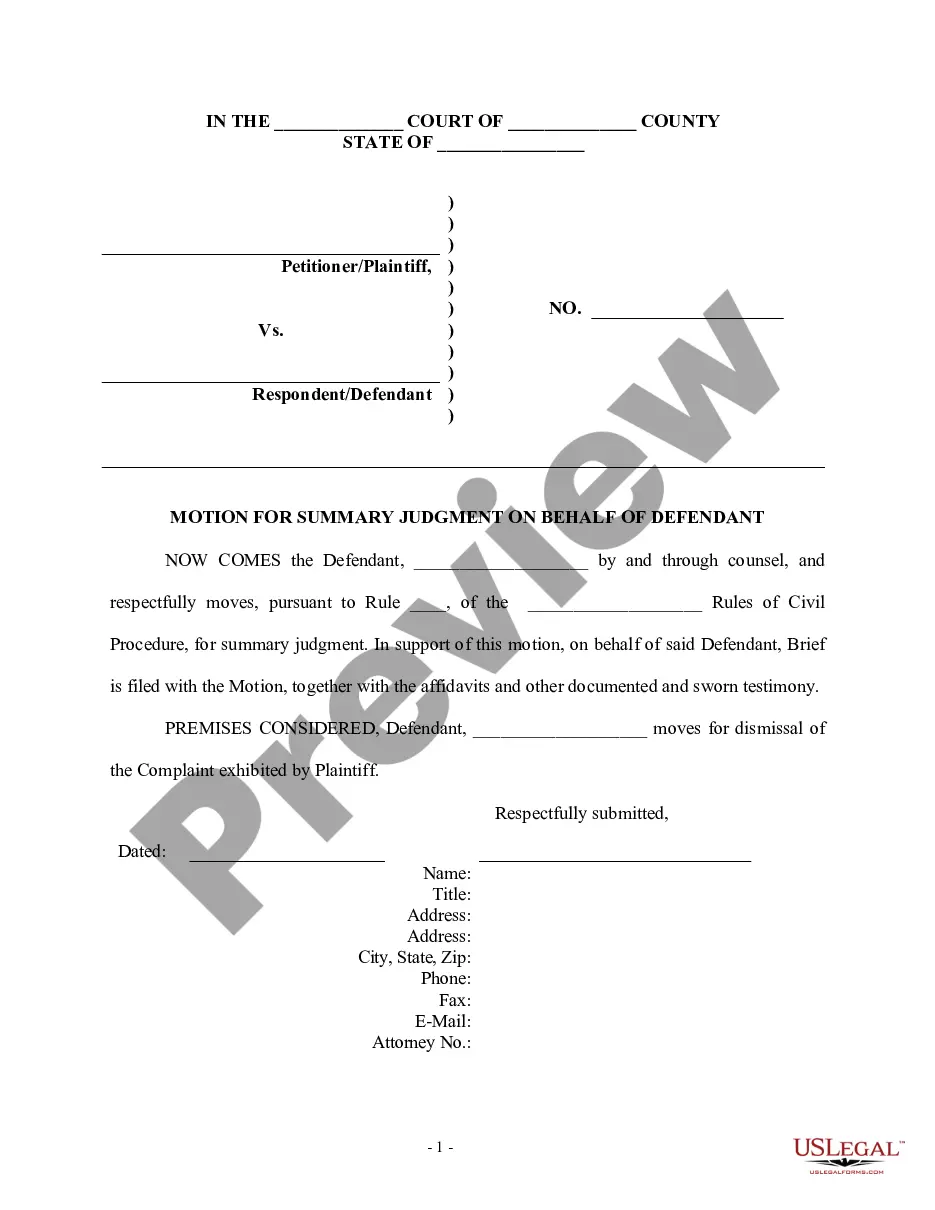
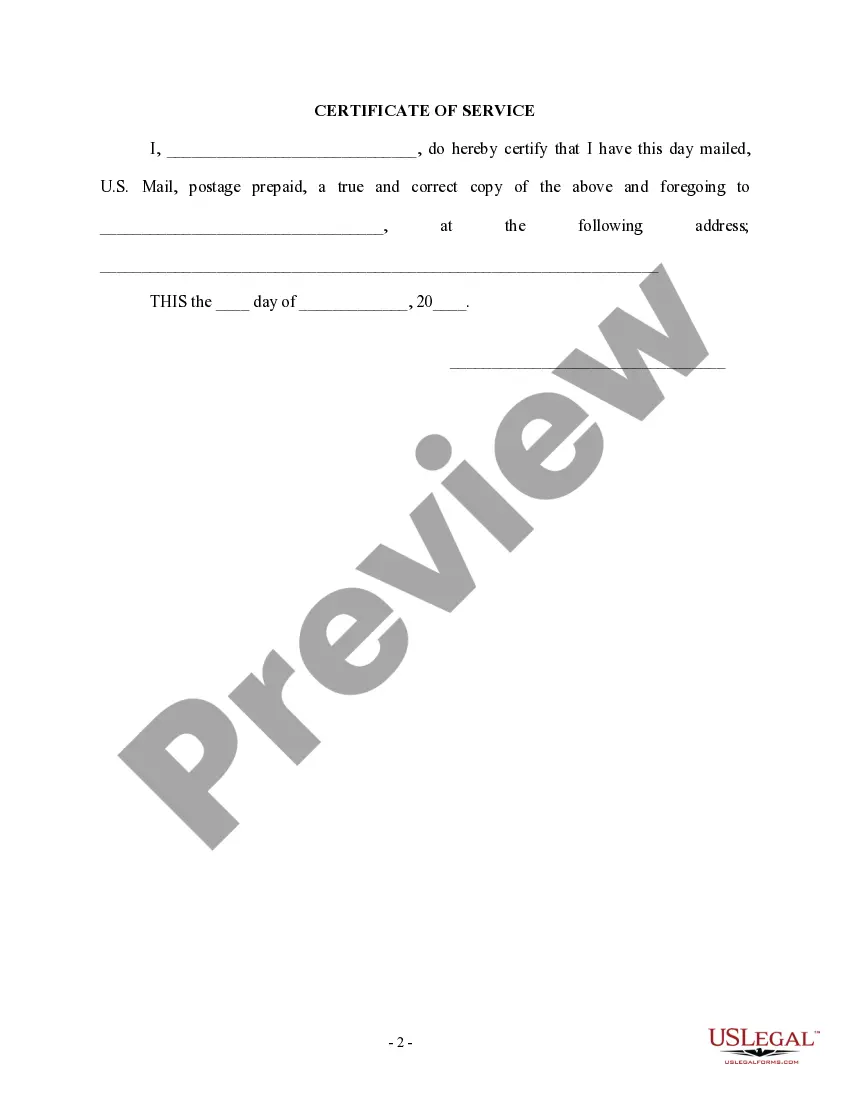
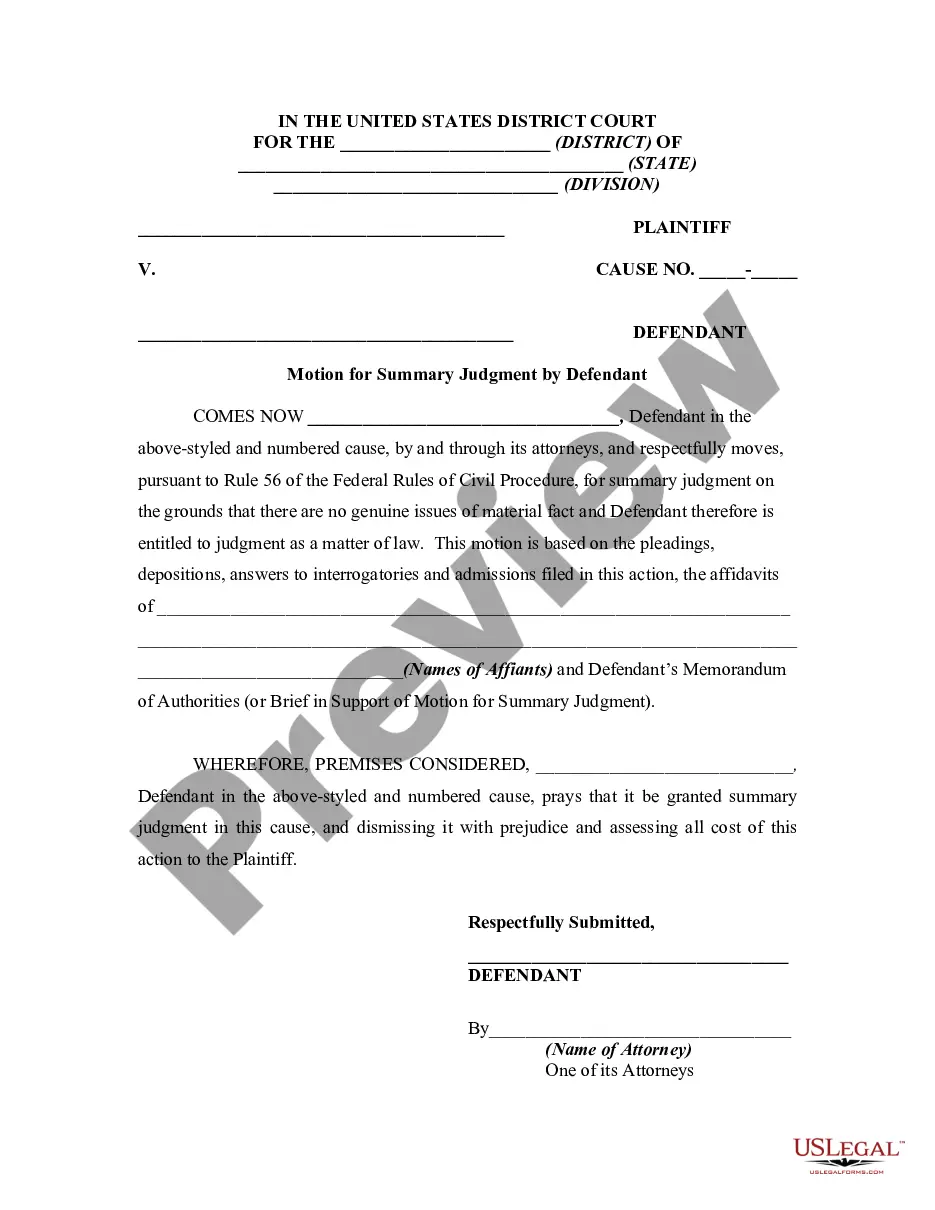
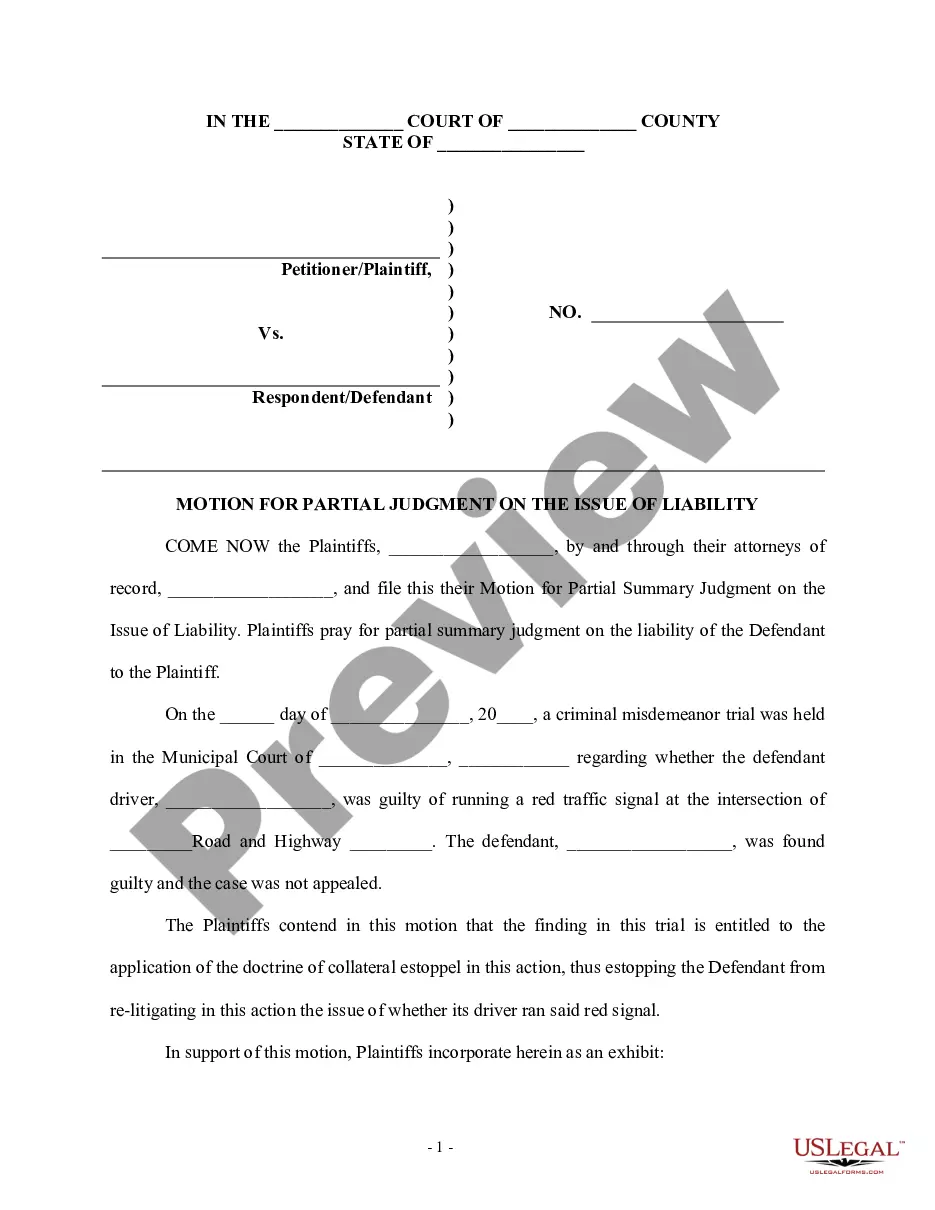
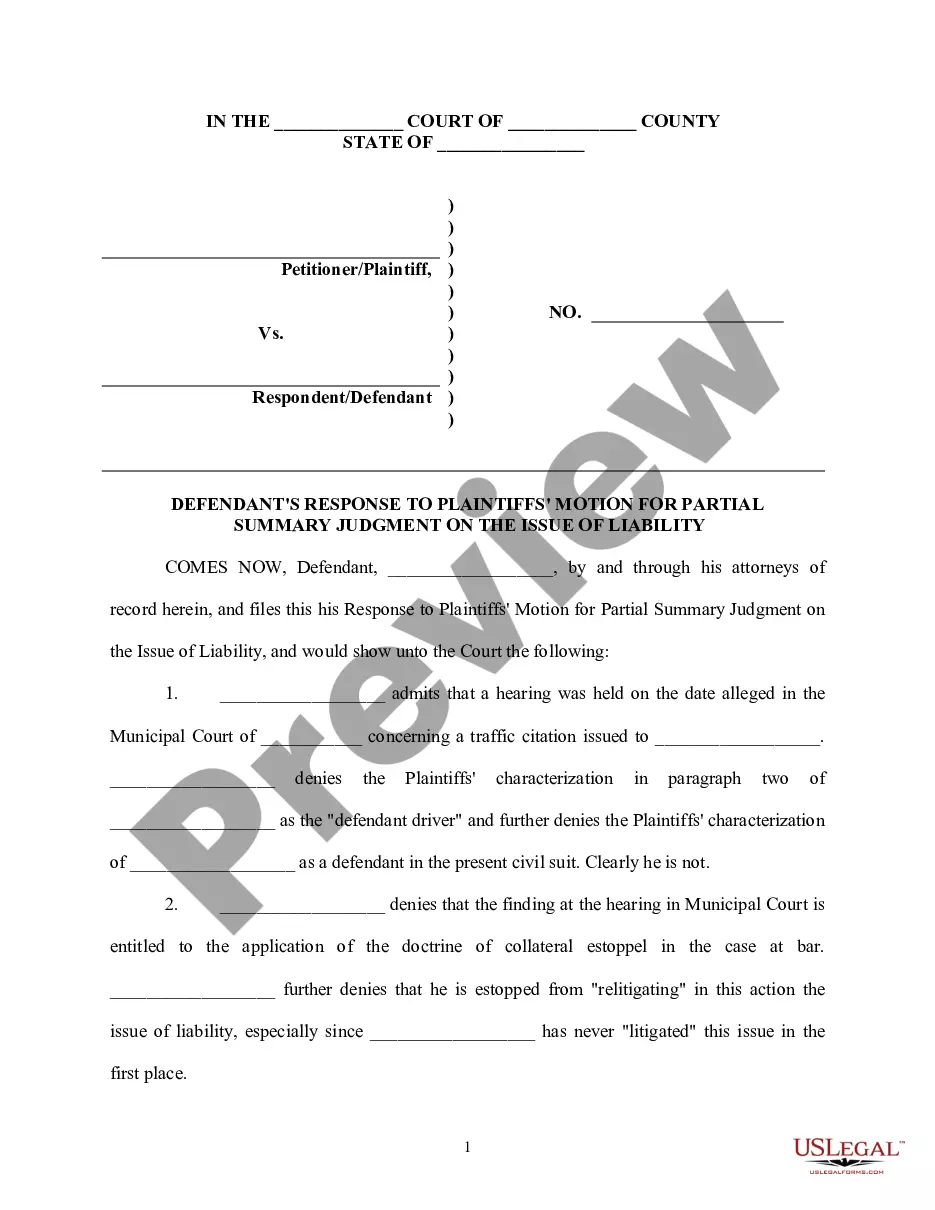
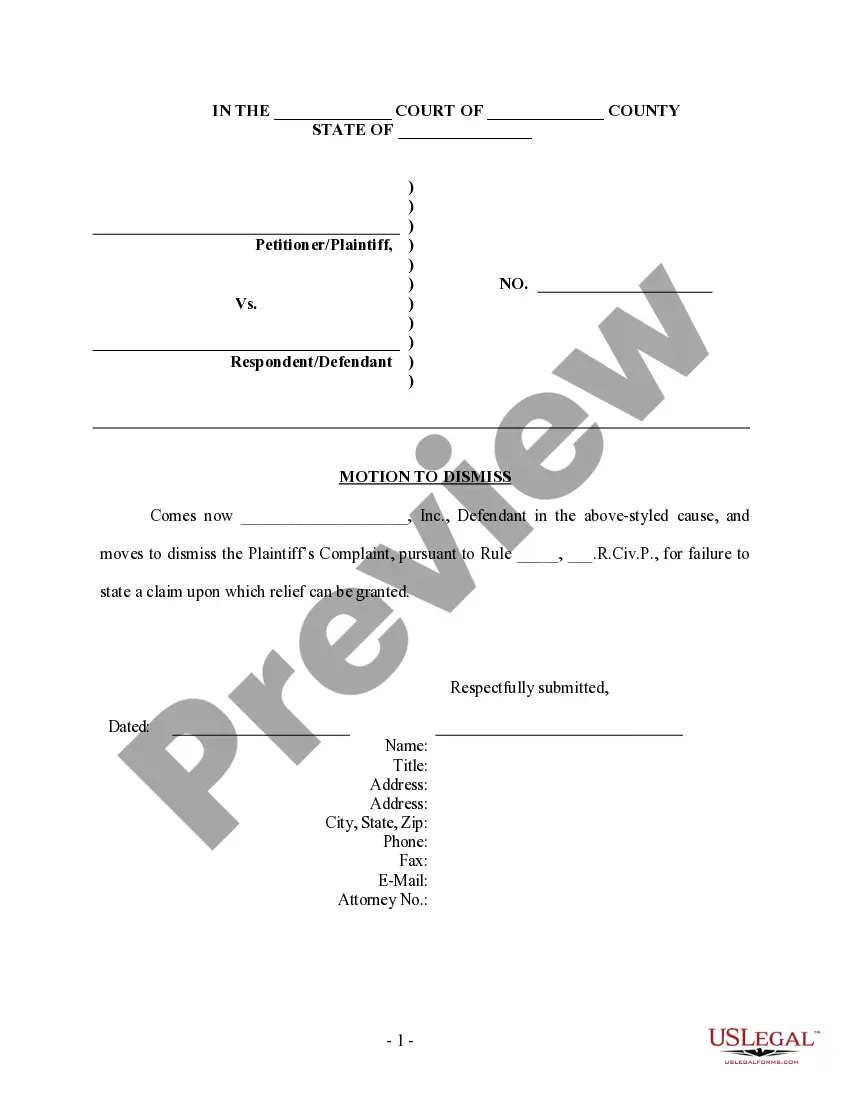
Get your form ready online
Our built-in tools help you complete, sign, share, and store your documents in one place.
Make edits, fill in missing information, and update formatting in US Legal Forms—just like you would in MS Word.
Download a copy, print it, send it by email, or mail it via USPS—whatever works best for your next step.
Sign and collect signatures with our SignNow integration. Send to multiple recipients, set reminders, and more. Go Premium to unlock E-Sign.
If this form requires notarization, complete it online through a secure video call—no need to meet a notary in person or wait for an appointment.
We protect your documents and personal data by following strict security and privacy standards.

Make edits, fill in missing information, and update formatting in US Legal Forms—just like you would in MS Word.

Download a copy, print it, send it by email, or mail it via USPS—whatever works best for your next step.

Sign and collect signatures with our SignNow integration. Send to multiple recipients, set reminders, and more. Go Premium to unlock E-Sign.

If this form requires notarization, complete it online through a secure video call—no need to meet a notary in person or wait for an appointment.

We protect your documents and personal data by following strict security and privacy standards.
Looking for another form?

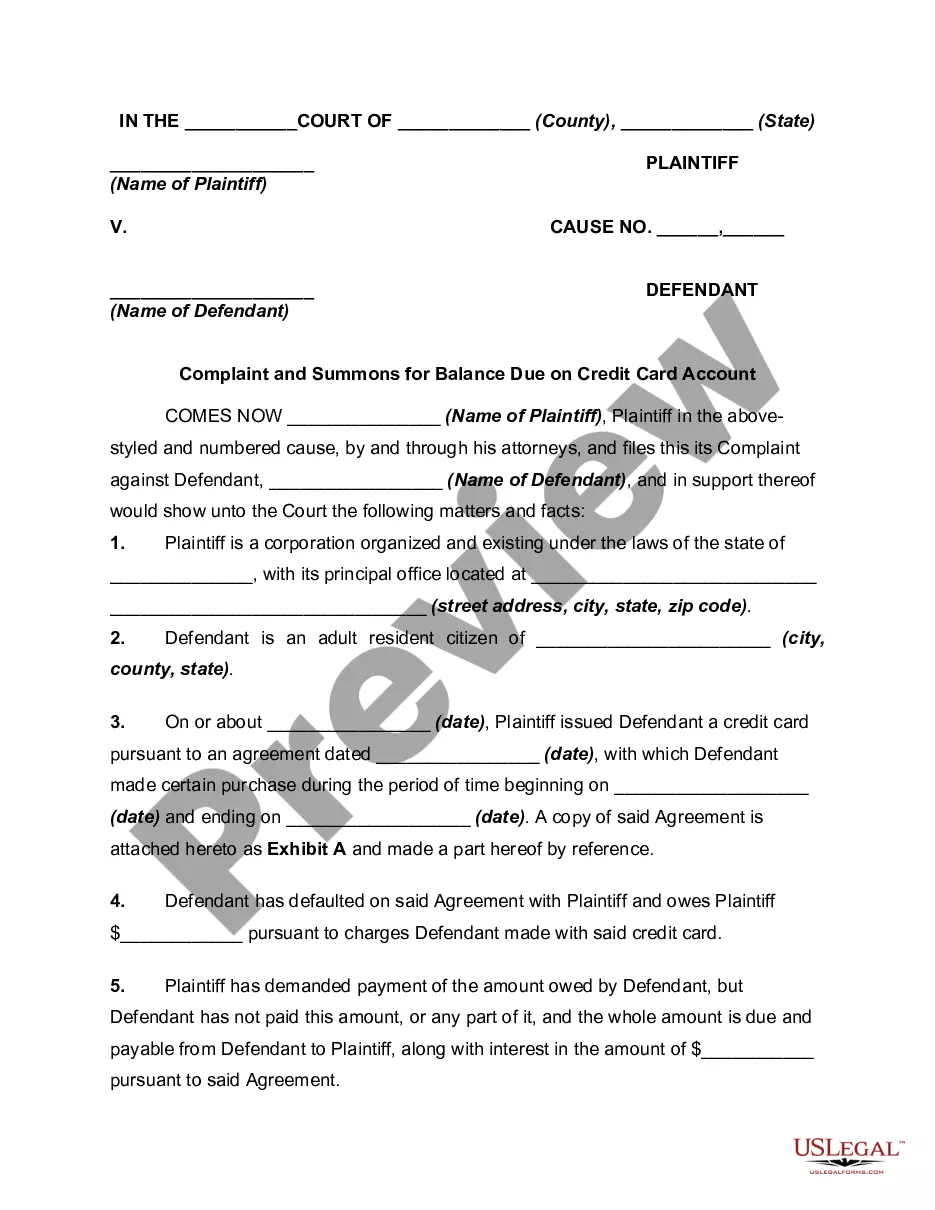
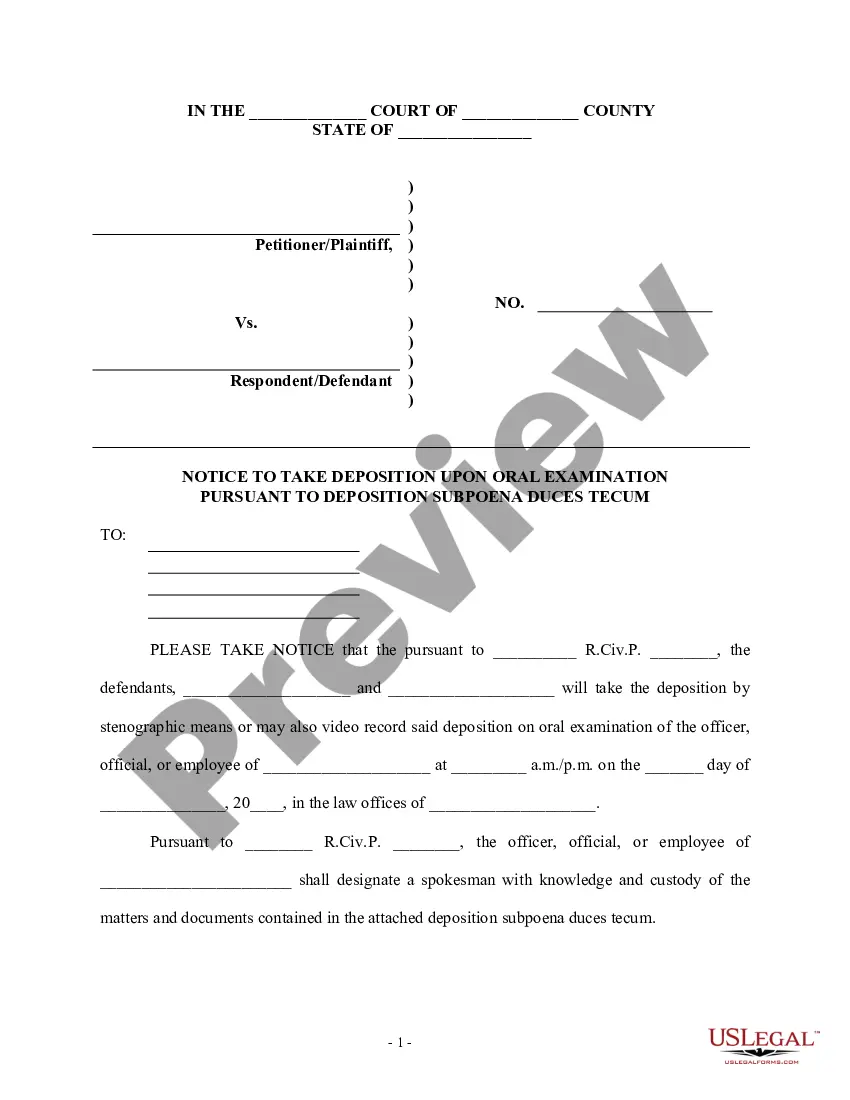
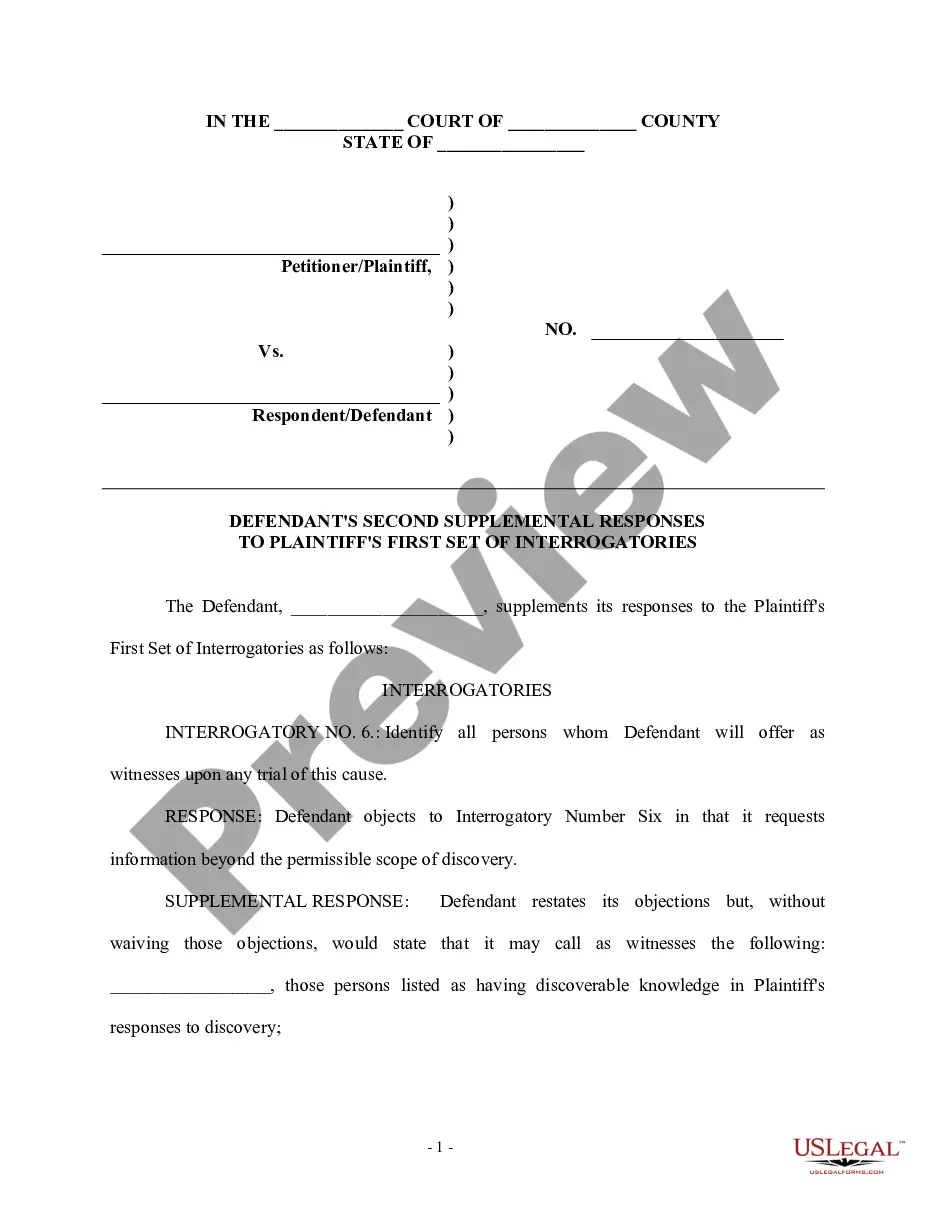
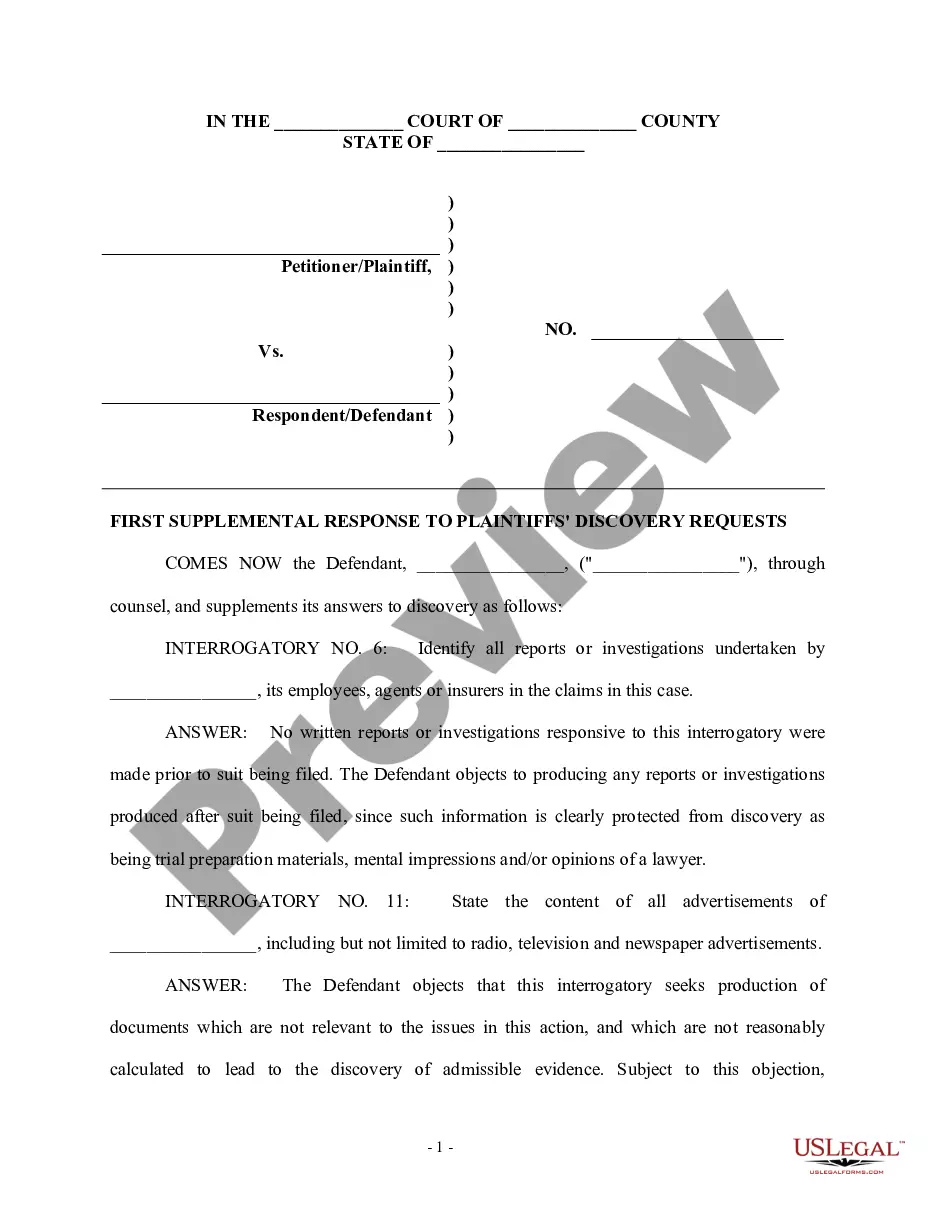
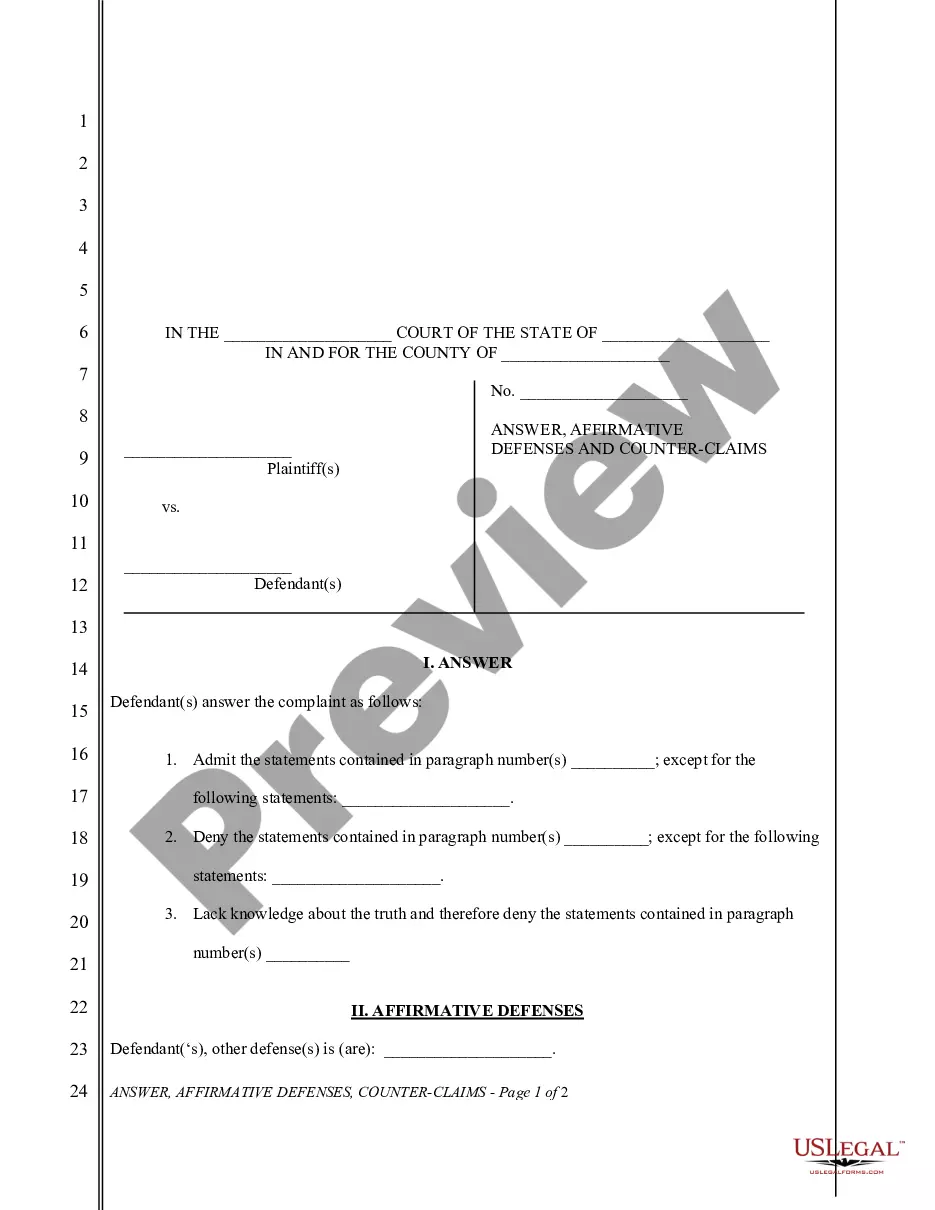

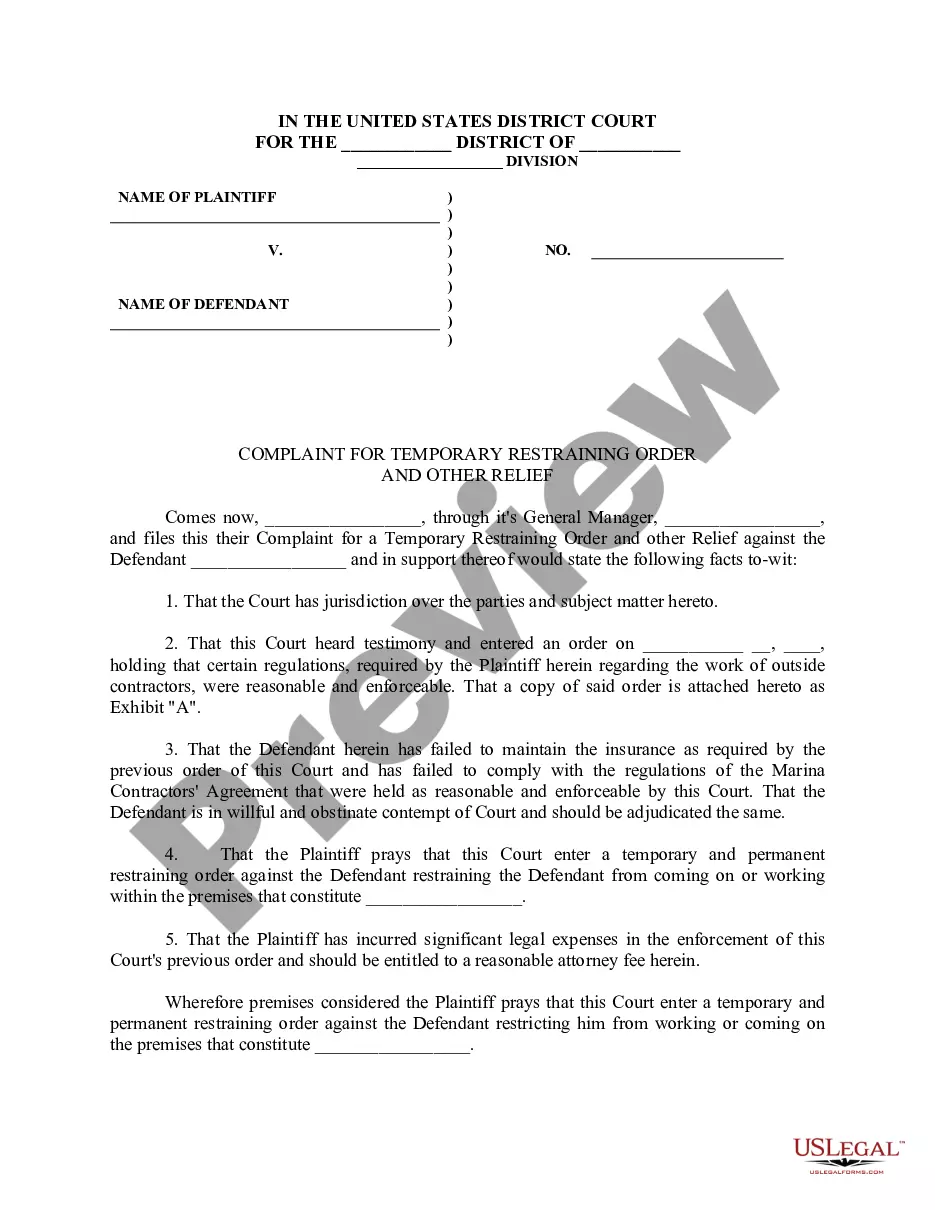
How to fill out Motion For Summary Judgment On Behalf Of Defendant?
- Log into your existing US Legal Forms account. If this is your first time, register for an account to gain access.
- Search for the 'summary for judgment' template in the extensive online library. Utilize the Preview mode to ensure it fits your jurisdictional needs.
- If you encounter any issues or need a different document, use the Search tab to find additional templates that might better suit your requirements.
- Once you find the correct form, select the Buy Now option. Choose a subscription plan that meets your needs and allows you to access the entire library.
- Complete your purchase by entering your payment details via credit card or PayPal to finalize your subscription.
- After your transaction, download the form to your device. You can always find it later in the My Forms section of your account.
By following these steps, you can swiftly generate a summary for judgment without unnecessary hassle. US Legal Forms provides a robust collection of over 85,000 legal forms, ensuring you're covered regardless of your needs.
Ready to handle your legal tasks with confidence? Start your journey with US Legal Forms today!
Form popularity
FAQ
In a summary judgment, various forms of evidence can be used, such as affidavits, documents, and deposition transcripts. The goal is to demonstrate that there are no genuine issues of material fact that need to be resolved at trial. This means that any evidence you present should be clear and relevant to your claims. US Legal Forms offers guidance on what constitutes appropriate evidence when filing a summary for judgment, helping you build a solid case.
Typically, the party who believes they have a strong case files for summary judgment. This party can be either the plaintiff or the defendant, depending on the circumstances of the case. They aim to show that, based on undisputed facts, there is no need for a trial. By utilizing resources from US Legal Forms, individuals can better understand when and how to file a summary for judgment.
To file a summary judgment, start by preparing a motion that clearly outlines your case's facts and legal arguments. Next, gather all supporting documents, such as affidavits and exhibits, to strengthen your position. After that, submit your motion to the court and serve all parties involved with copies. Using a platform like US Legal Forms can help you access templates and guides tailored for filing a summary for judgment effectively.
To make a summary judgment, you need to file a motion with the court, supported by relevant evidence and legal arguments. First, compile all documents and affidavits that support your position, then draft a compelling motion that articulates why there are no material facts in dispute. Conclusively, ensure your motion meets the procedural requirements outlined by the court. US Legal Forms can assist you in preparing and filing a clear and effective motion for summary for judgment.
The odds of winning a summary judgment depend on the strength of the evidence presented. Generally, if you provide compelling evidence that there are no genuine disputes of material fact, your chances improve significantly. Courts typically favor summary judgment in straightforward cases. Consider consulting US Legal Forms for resources to help understand the factors influencing your odds in summary for judgment.
To write a summary judgment brief, start by organizing your arguments clearly. Begin with an introduction that outlines the purpose of the brief, and then present your facts relevant to the case. Include legal standards that support your request for summary judgment, and conclude with a strong statement that the evidence favorably proves your case. Using platforms like US Legal Forms can streamline this process by providing templates tailored for summary for judgment.
To win on summary judgment, present clear, unambiguous evidence that demonstrates the absence of genuine disputes regarding material facts. Strongly argue how the law applies to these facts, and anticipate potential counterarguments from the opposition. Utilizing resources like the US Legal Forms platform can help streamline the process of preparing an effective summary for judgment.
Writing a good summary judgment requires a concise presentation of material facts, supported by evidence. Start with a solid introduction outlining the case, followed by detailed arguments backed by legal precedents. Crafting a clear summary for judgment involves attention to detail in structure and a focus on pertinent facts relevant to the law.
If the court grants summary judgment, it essentially resolves the case in favor of one party without a trial. This can lead to a final judgment that bars further claims on the same issue. Understanding the significance of a summary for judgment helps parties prepare their cases and potentially avoid lengthy litigation.
An example of summary judgment can be seen in a personal injury case where the defendant admits to certain facts, such as being on the scene of the accident. If the plaintiff's claim relies on those agreed facts, the court may grant a summary for judgment, concluding that there is no need for a full trial. This expedites the legal process while addressing clear issues.