Using 30(b)(6) Deposition At Trial
Description
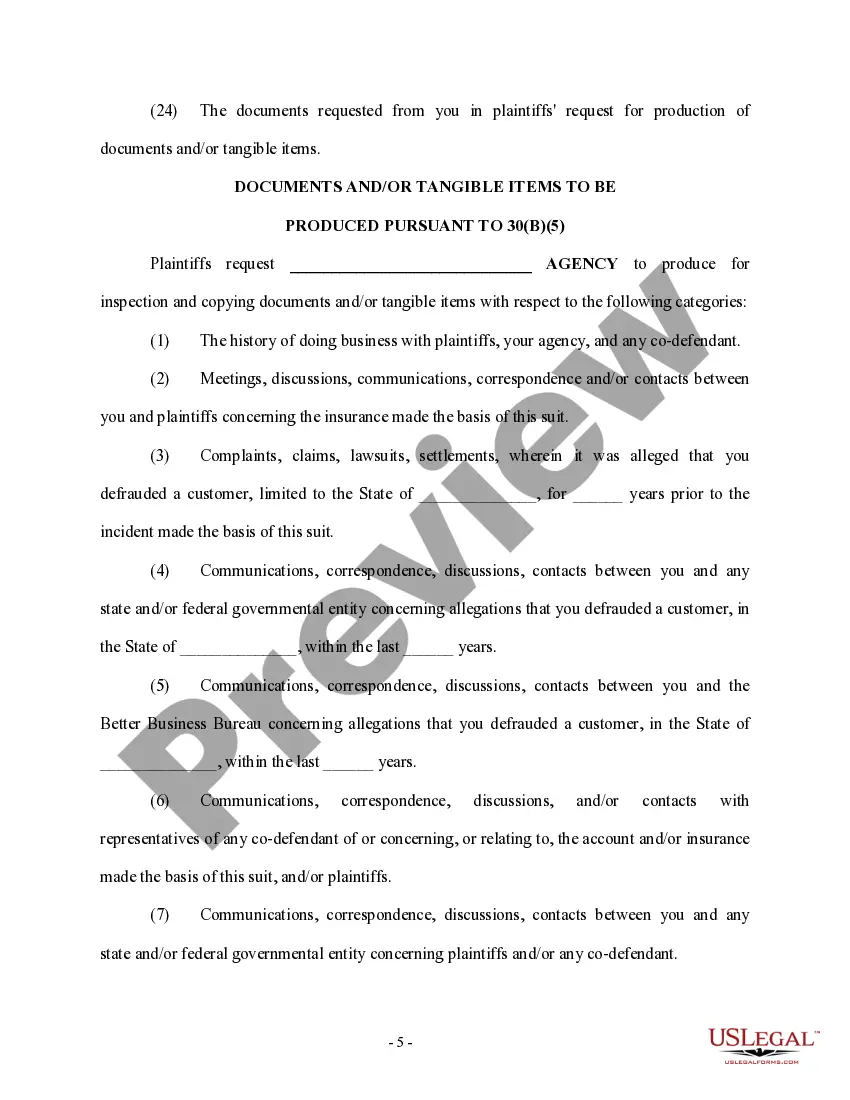
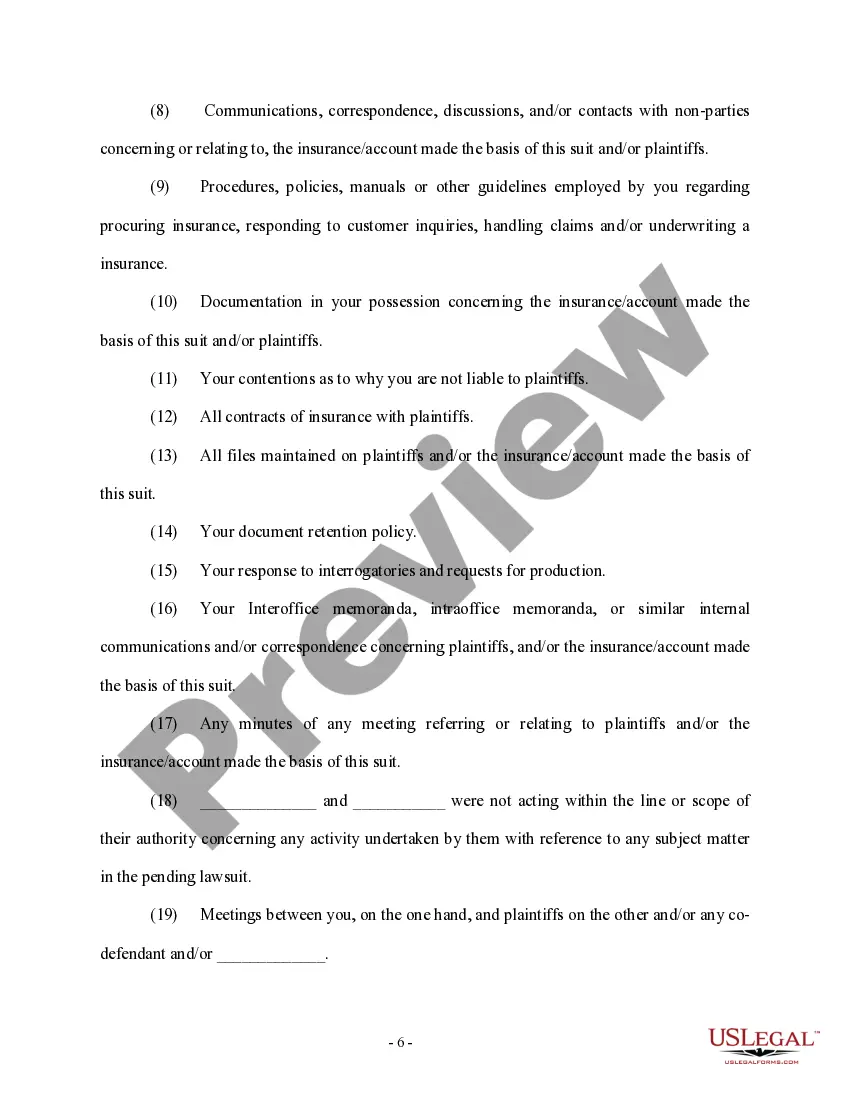
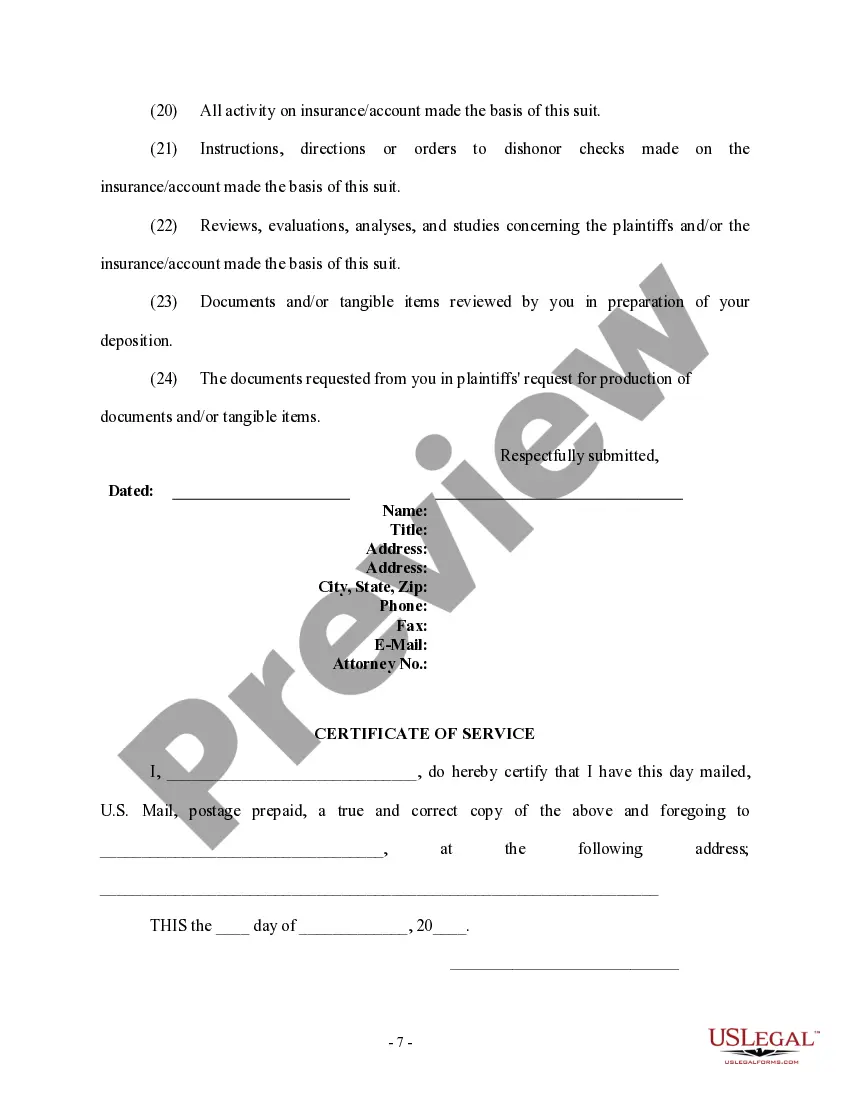
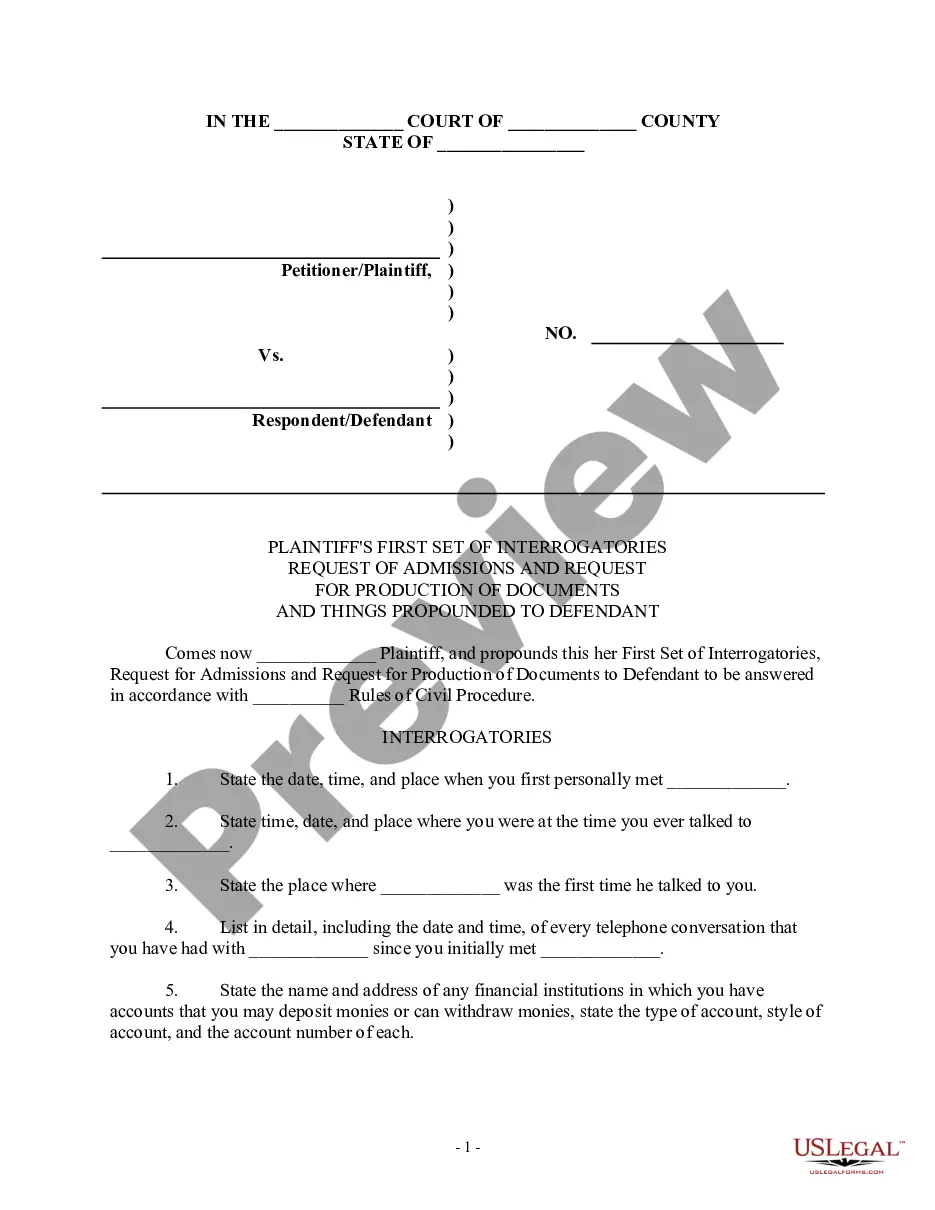
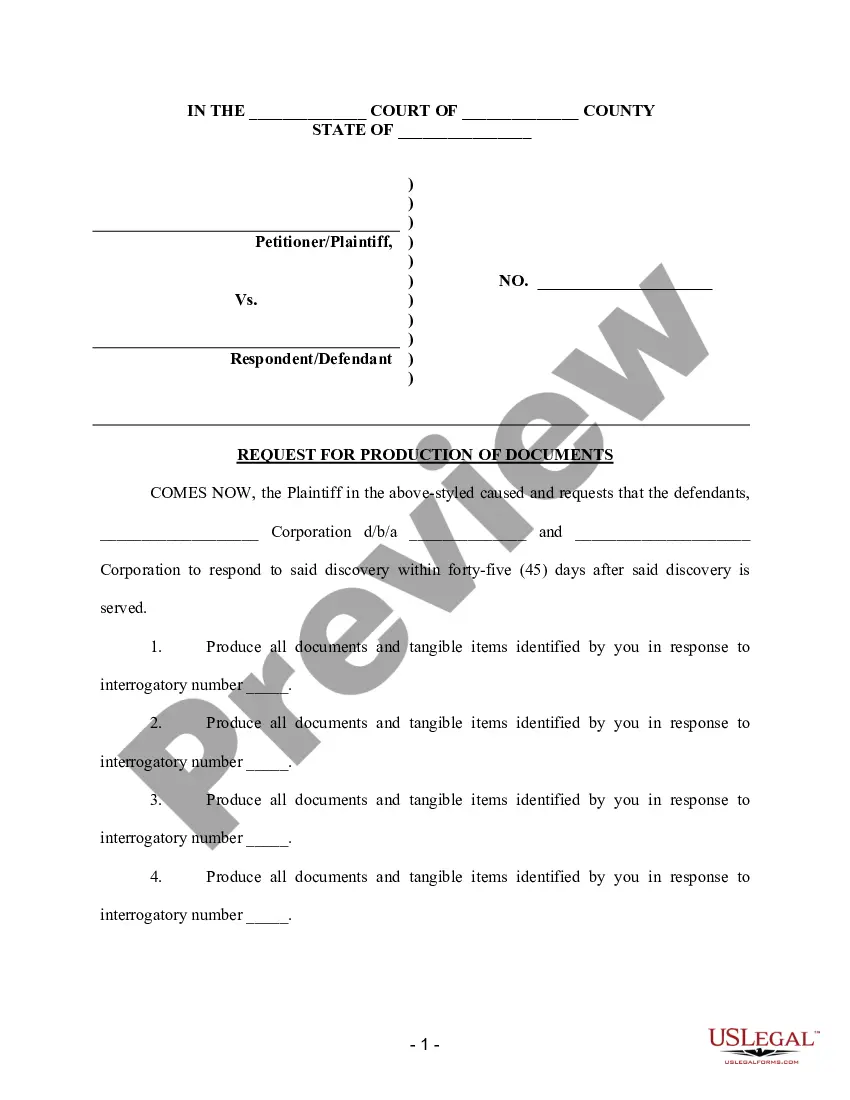
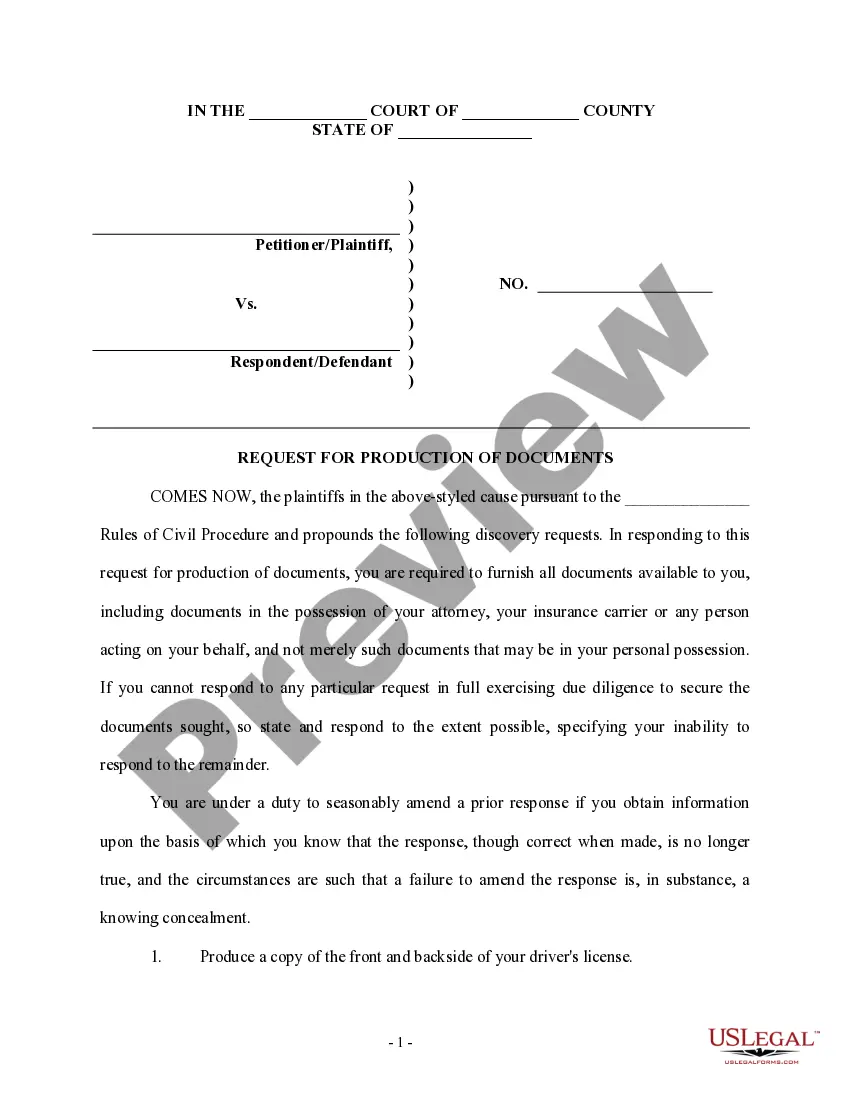
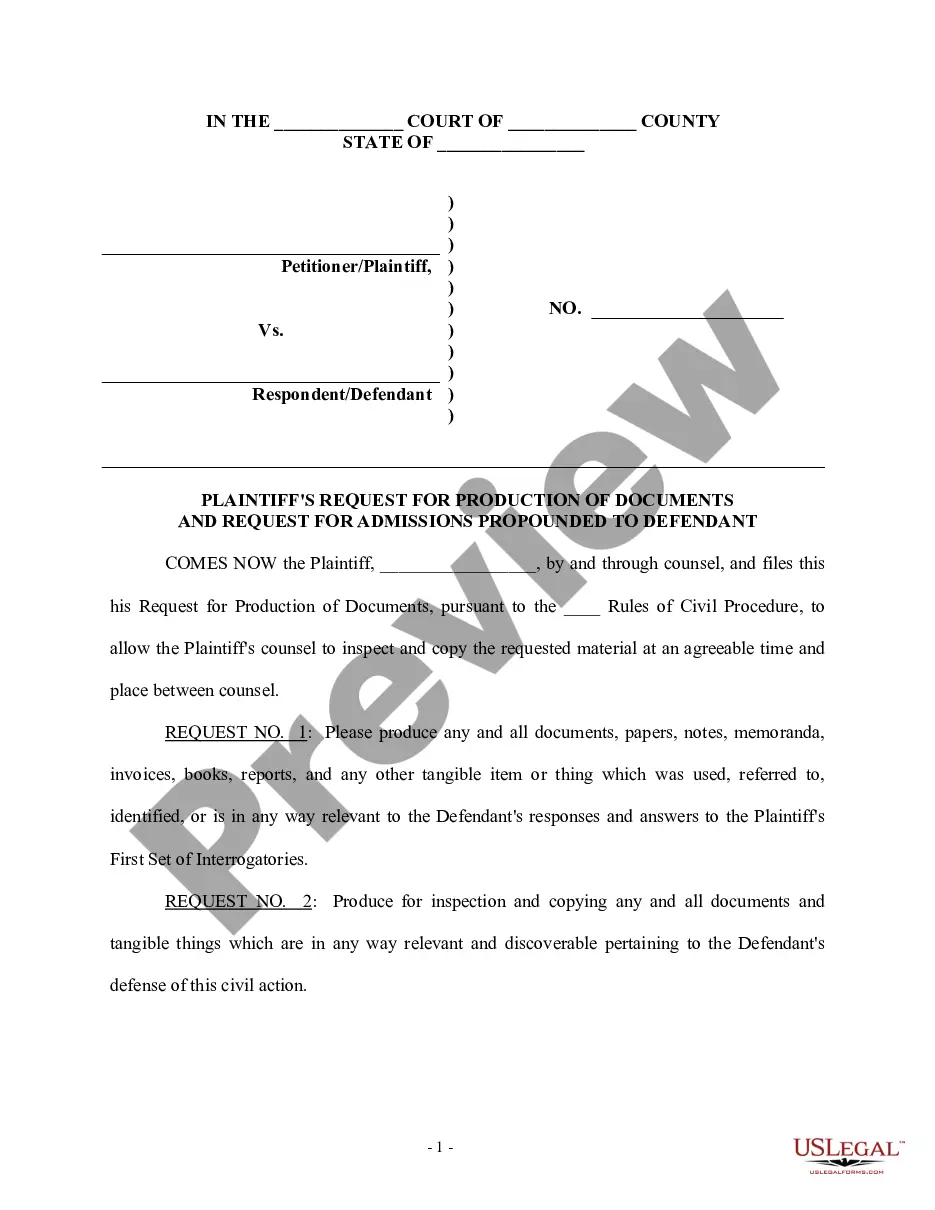
Get your form ready online
Our built-in tools help you complete, sign, share, and store your documents in one place.
Make edits, fill in missing information, and update formatting in US Legal Forms—just like you would in MS Word.
Download a copy, print it, send it by email, or mail it via USPS—whatever works best for your next step.
Sign and collect signatures with our SignNow integration. Send to multiple recipients, set reminders, and more. Go Premium to unlock E-Sign.
If this form requires notarization, complete it online through a secure video call—no need to meet a notary in person or wait for an appointment.
We protect your documents and personal data by following strict security and privacy standards.

Make edits, fill in missing information, and update formatting in US Legal Forms—just like you would in MS Word.

Download a copy, print it, send it by email, or mail it via USPS—whatever works best for your next step.

Sign and collect signatures with our SignNow integration. Send to multiple recipients, set reminders, and more. Go Premium to unlock E-Sign.

If this form requires notarization, complete it online through a secure video call—no need to meet a notary in person or wait for an appointment.

We protect your documents and personal data by following strict security and privacy standards.
Looking for another form?



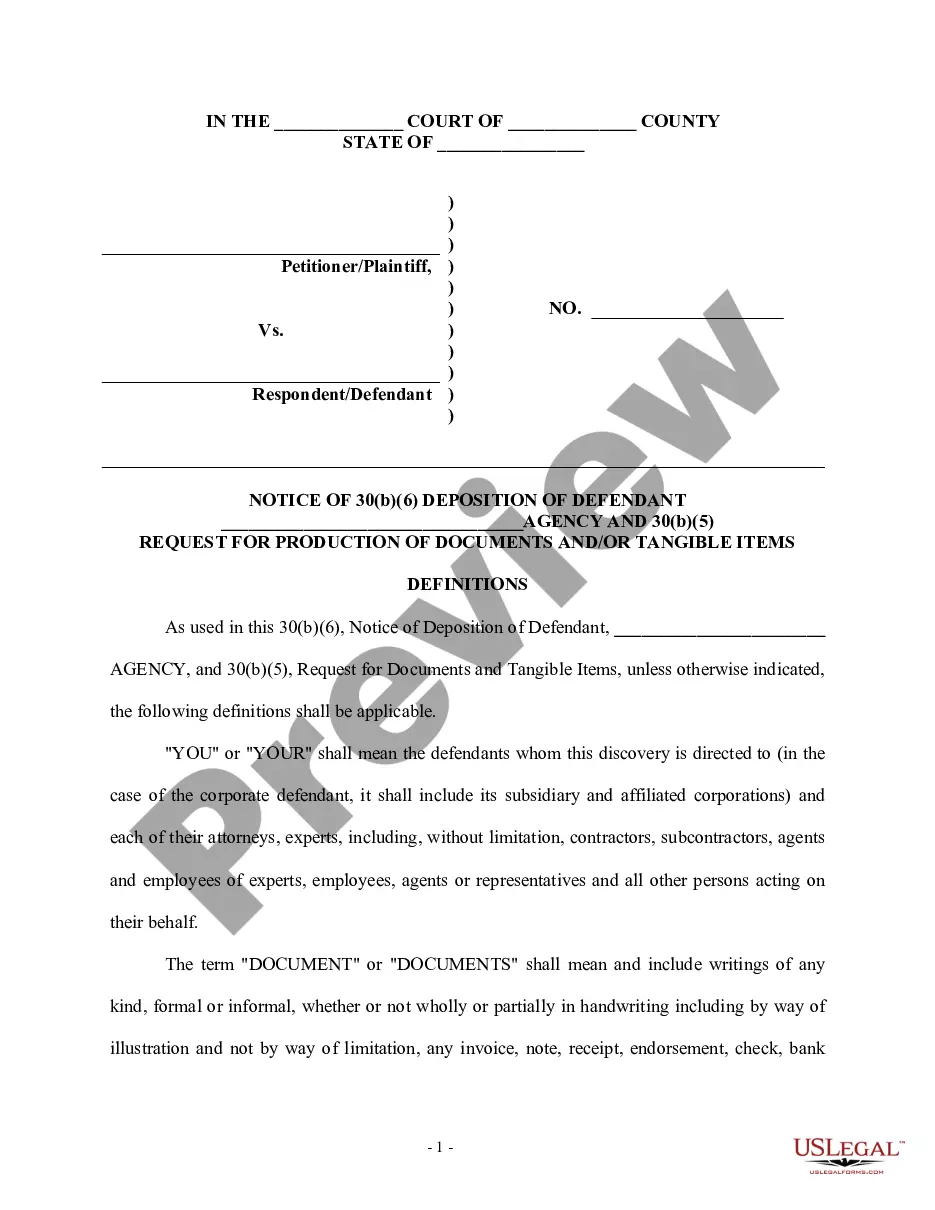
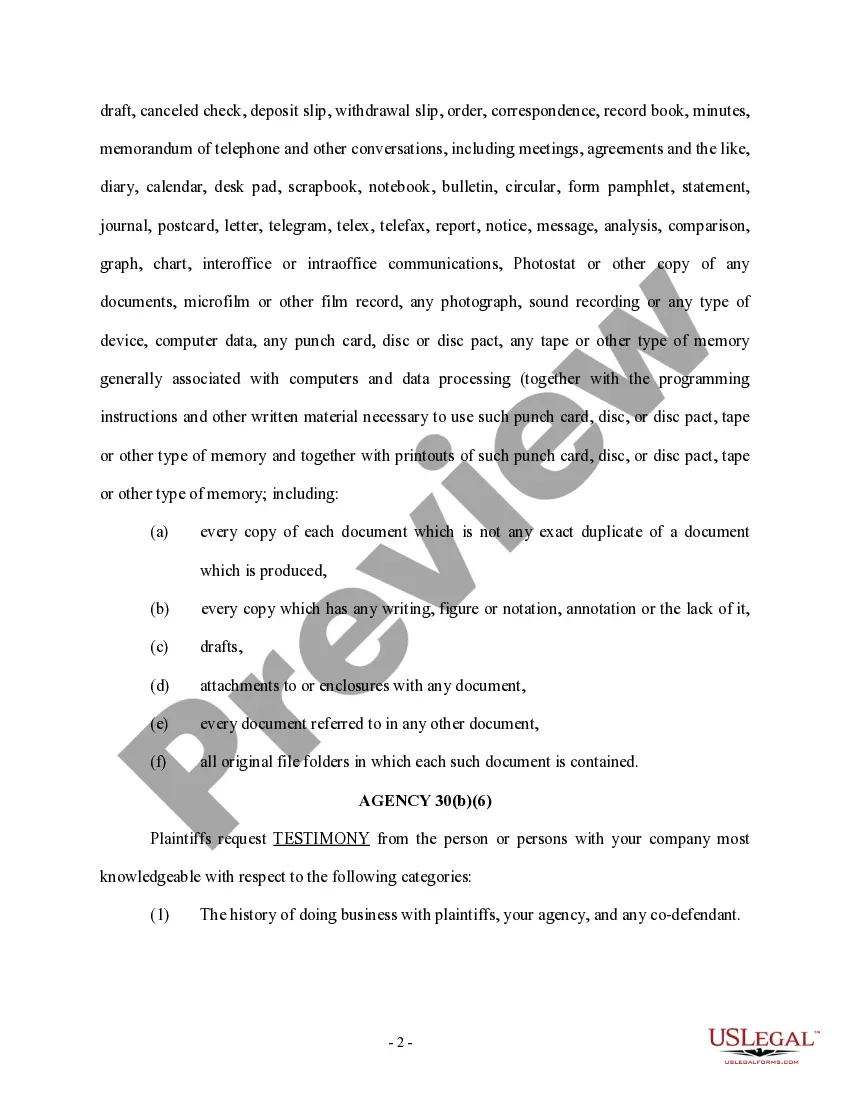
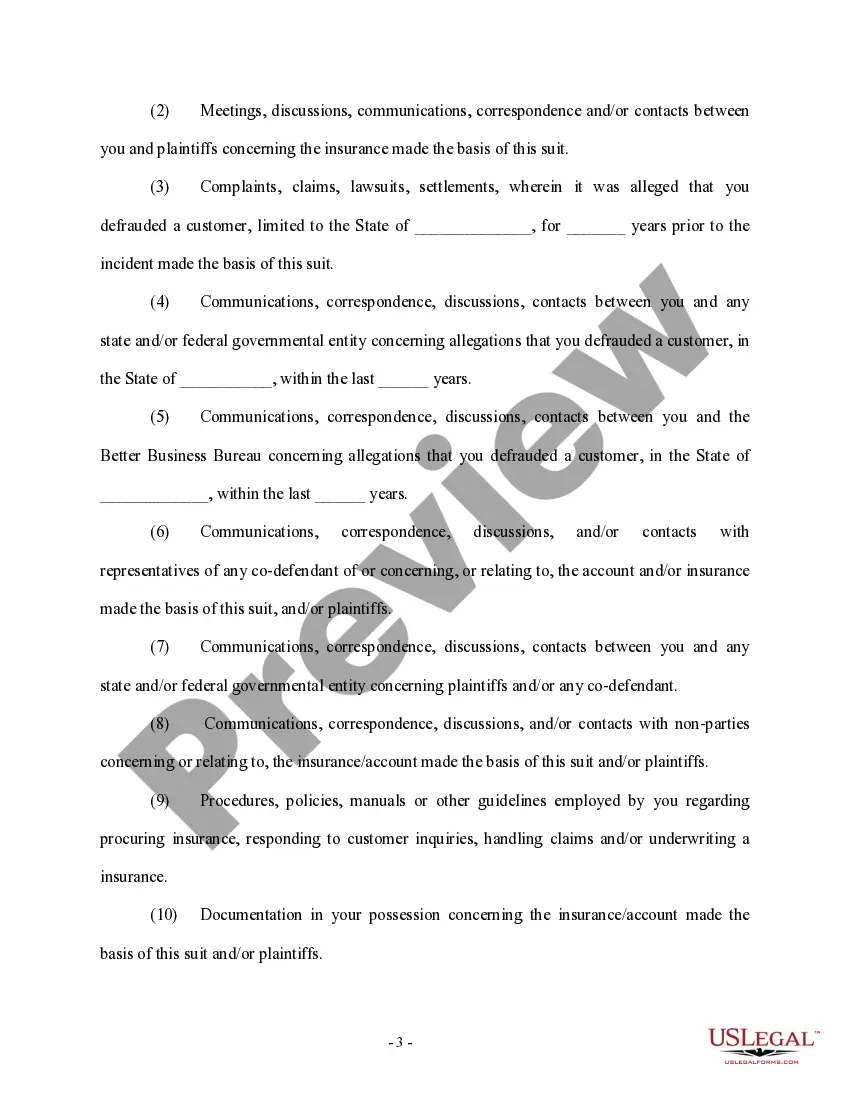
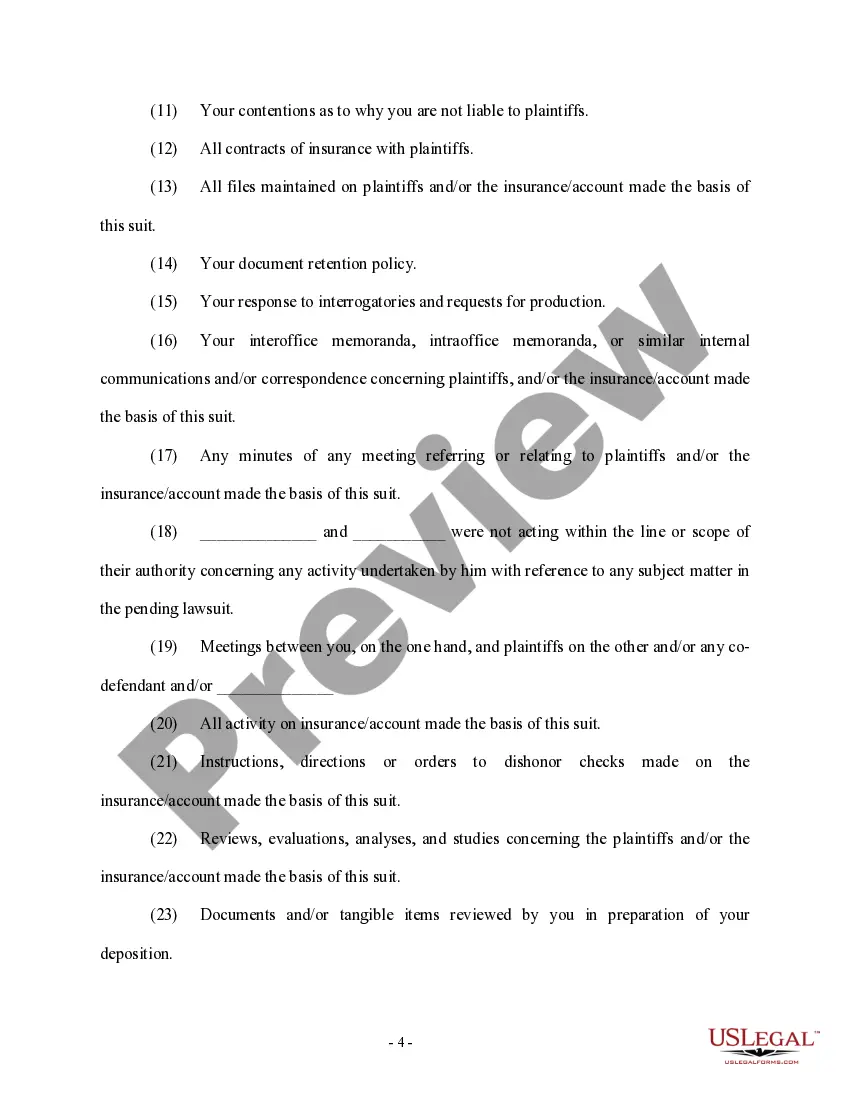
How to fill out Notice Of 30(b)(6) Deposition Of Defendant And 30(b)(5) Request For Production Of Documents And Or Things - Discovery?
Creating legal documents from scratch can often be daunting.
Some situations may require extensive research and significant financial investment.
If you’re looking for a simpler and more budget-friendly method of generating Using 30(b)(6) Deposition At Trial or other forms without unnecessary complications, US Legal Forms is readily accessible.
Our online repository of over 85,000 current legal forms covers nearly every element of your financial, legal, and personal matters. With just a few clicks, you can swiftly obtain state- and county-compliant documents carefully prepared by our legal experts.
Examine the document preview and descriptions to ensure you have located the document you need. Verify if the template you choose complies with state and county regulations. Select the most appropriate subscription plan to purchase the Using 30(b)(6) Deposition At Trial. Download the document, then fill it out, sign it, and print it. US Legal Forms has a solid reputation and over 25 years of experience. Join us now and make document execution straightforward and efficient!
- Utilize our platform whenever you require a trustworthy and dependable service through which you can quickly find and download the Using 30(b)(6) Deposition At Trial.
- If you’re familiar with our services and have previously established an account, simply Log In to your account, find the form and download it or re-download it later in the My documents section.
- Not registered yet? No worries. It only takes a few minutes to set it up and browse the collection.
- However, before proceeding to download Using 30(b)(6) Deposition At Trial, please adhere to these guidelines.
Form popularity
FAQ
Using 30(b)(6) deposition at trial involves presenting the designated testimony to establish facts or clarify issues. You can introduce this testimony either through reading it into the record or through video playback, depending on the court's rules. This method serves to corroborate your case and can also impeach the credibility of opposing witnesses. Effectively utilizing deposition testimony can enhance your overall presentation and persuasive impact during the trial.
Using 30(b)(6) deposition at trial allows parties to introduce specific testimony that can support their case. Deposition designations are selected portions of testimony that a party wishes to present as evidence. This process helps streamline trials since it focuses on relevant information while reducing the time spent on witness examinations. Proper designation can clarify a party's position and strengthen arguments, making it an essential part of trial strategy.
The best answer in a deposition is one that is clear, direct, and truthful. Avoid vague responses and stick to the facts as much as possible. If you don't know the answer, it's important to say so rather than guessing. This approach not only reflects integrity but also helps maintain the credibility needed when using a 30(b)(6) deposition at trial.
To conduct a 30(b)(6) deposition, first provide the corporation with a notice detailing the topics for examination. Prepare your questions based on these topics and ensure that you select appropriate representatives from the corporation to testify. Focus on clarity and detail to extract the most relevant information. This thorough preparation will enhance your effectiveness in using the 30(b)(6) deposition at trial.
Using a 30(b)(6) deposition at trial involves presenting designated portions of witness testimony as evidence. Begin by reviewing the deposition transcript and choosing relevant excerpts that support your case. Ensure you prepare to authenticate the deposition and address any objections during trial. This strategic approach will strengthen your arguments and provide clarity for the jury.
In California, deposition testimony can be used at trial when it adheres to the state’s legal frameworks. It is particularly useful in situations where a witness is unavailable or to impeach the credibility of a witness. Using 30(b)(6) deposition at trial in California can significantly bolster your position, offering a well-documented account from the designated corporate representative.
Yes, depositions can be used at trial as long as they comply with legal standards. For instance, a deposition can be utilized to challenge a witness’s testimony or when the witness is unavailable to testify in person. Using 30(b)(6) deposition at trial often provides reliable insights directly from the organization, making it more likely to be accepted by the court.
Rule 30(b)(6) notice of deposition specifies that a corporation must designate one or more representatives to testify on its behalf regarding specific topics. This notice obligates the organization to prepare its designated witness adequately. Using 30(b)(6) deposition at trial can yield critical organizational insights that could be instrumental for your case.
Designating deposition testimony for trial involves selecting key excerpts that align with your legal strategy. You typically submit these designations to the court in advance, allowing time for any objections. Employing the capabilities of using 30(b)(6) deposition at trial can make this process even more effective, as it focuses on gathered information directly from the organization concerning disputes.
To use deposition designations at trial, you must first identify the specific portions of the deposition you wish to present. This often involves designating particular questions and answers that are relevant to the issues at hand. Using 30(b)(6) deposition at trial can streamline this process, as the organizational representatives provide clear insights into the case, enhancing your argument.