30b Deposition 30 For 30
Description
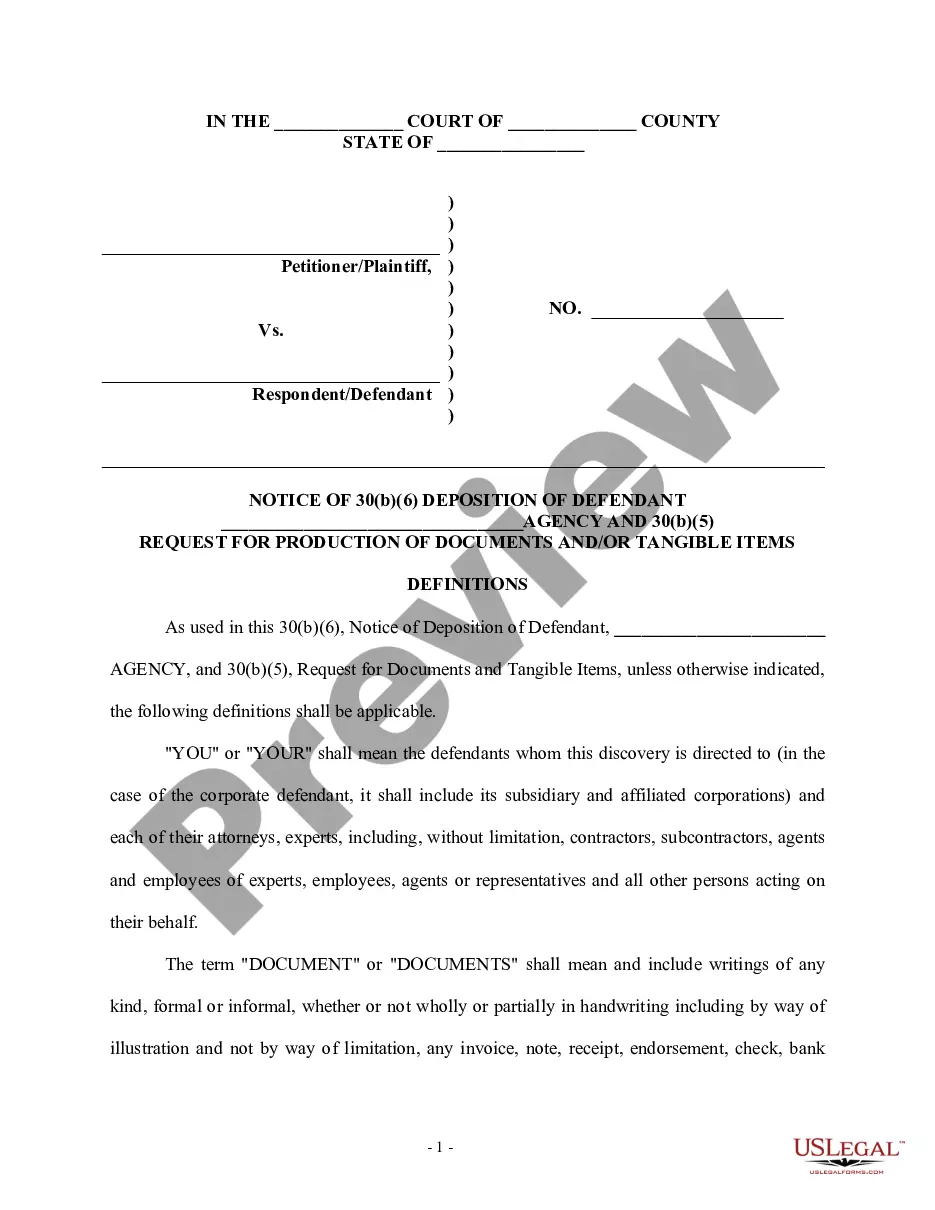
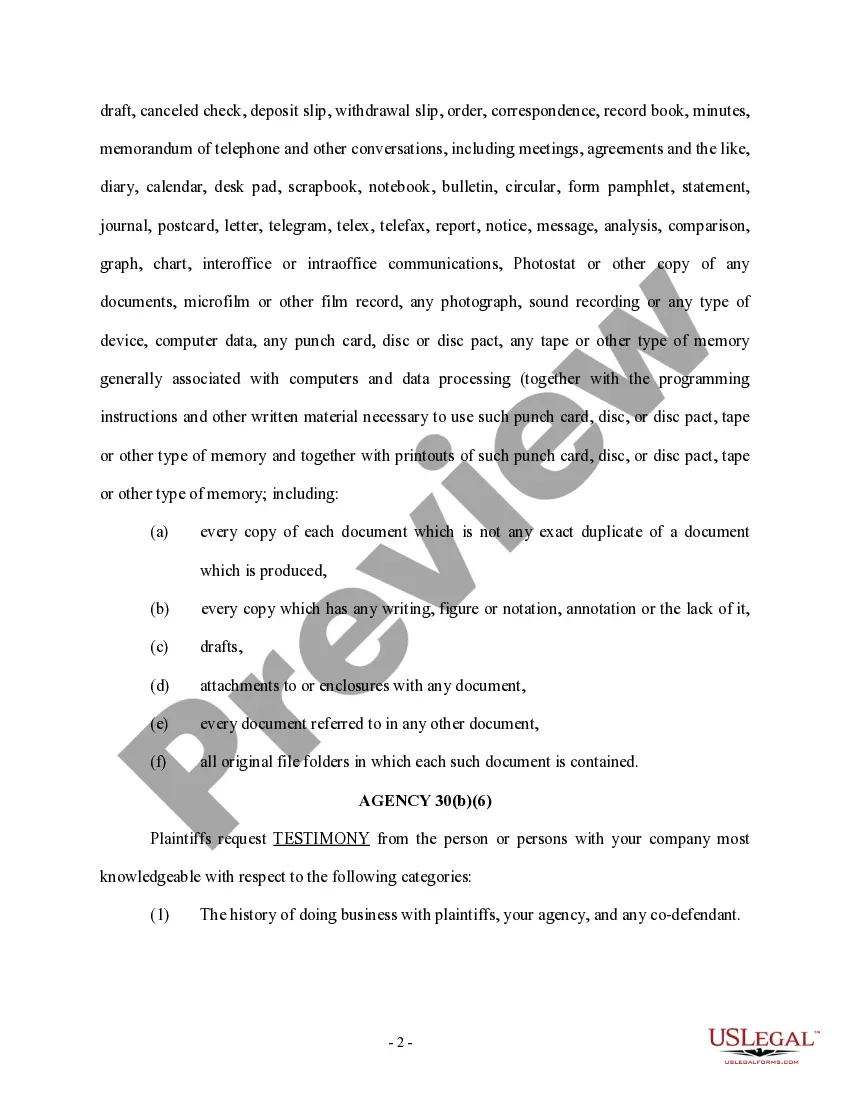
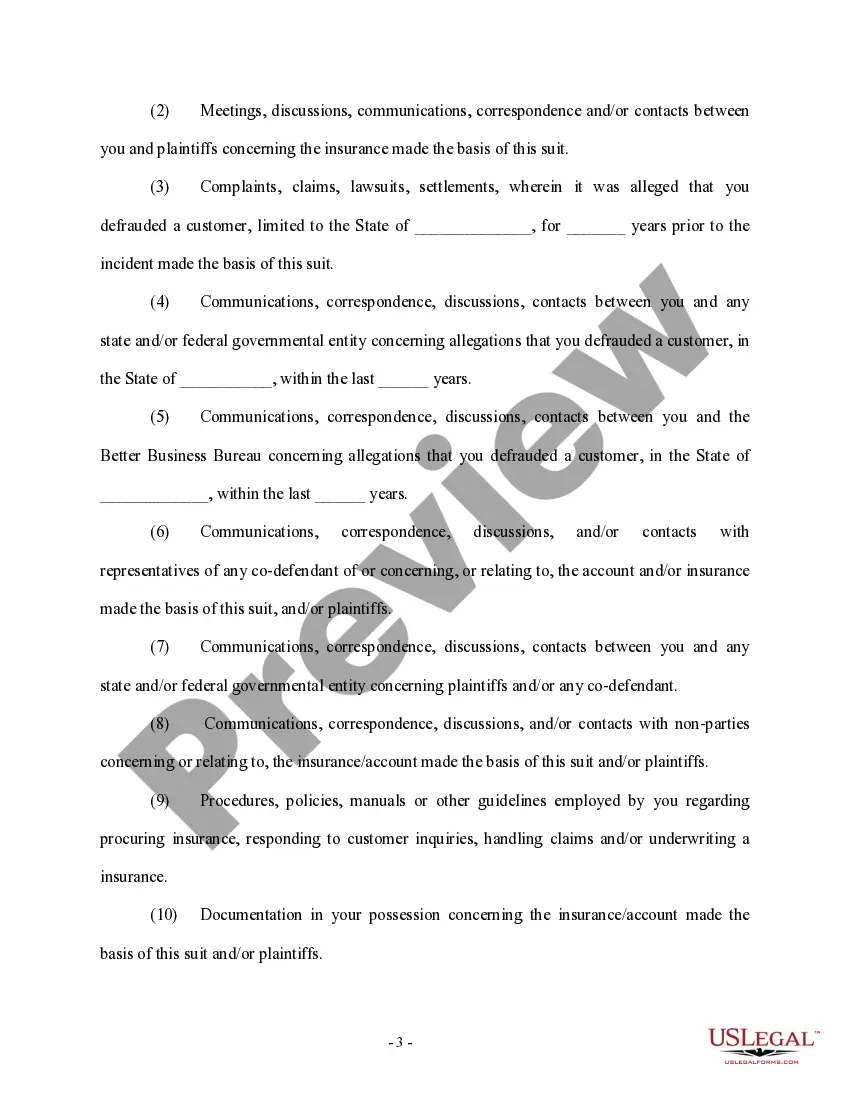
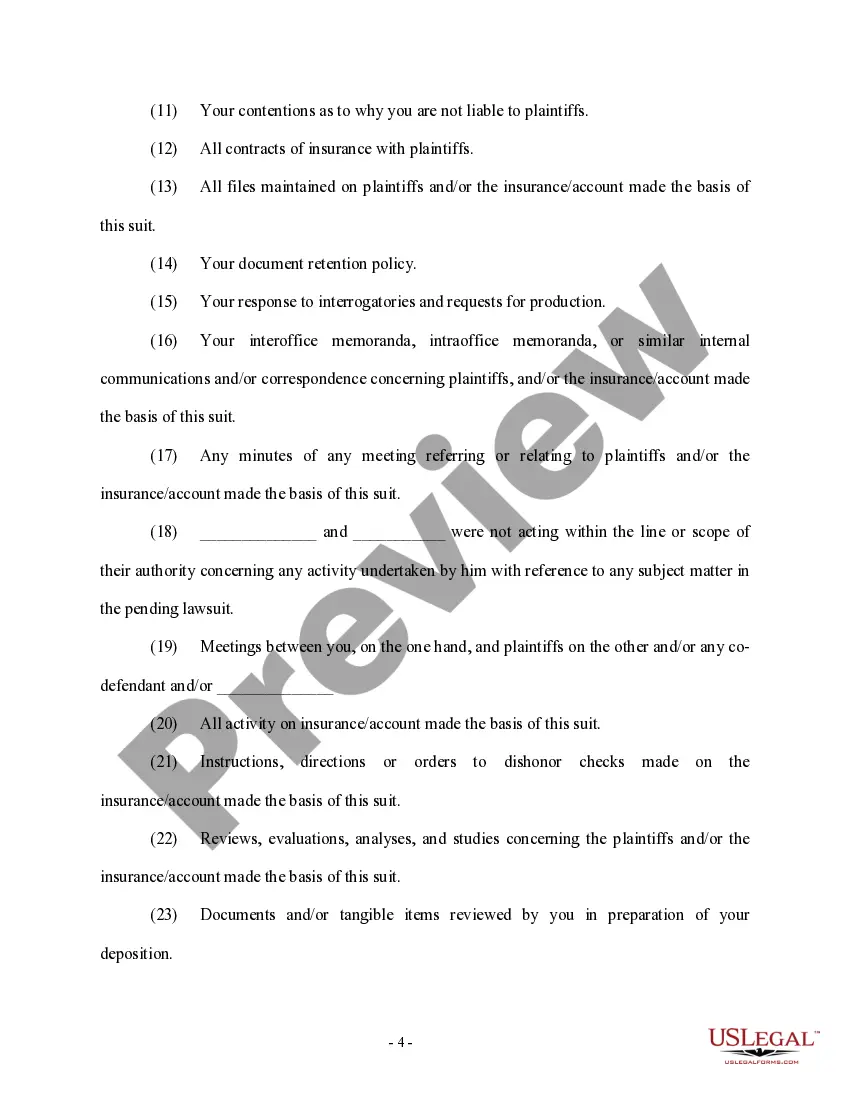
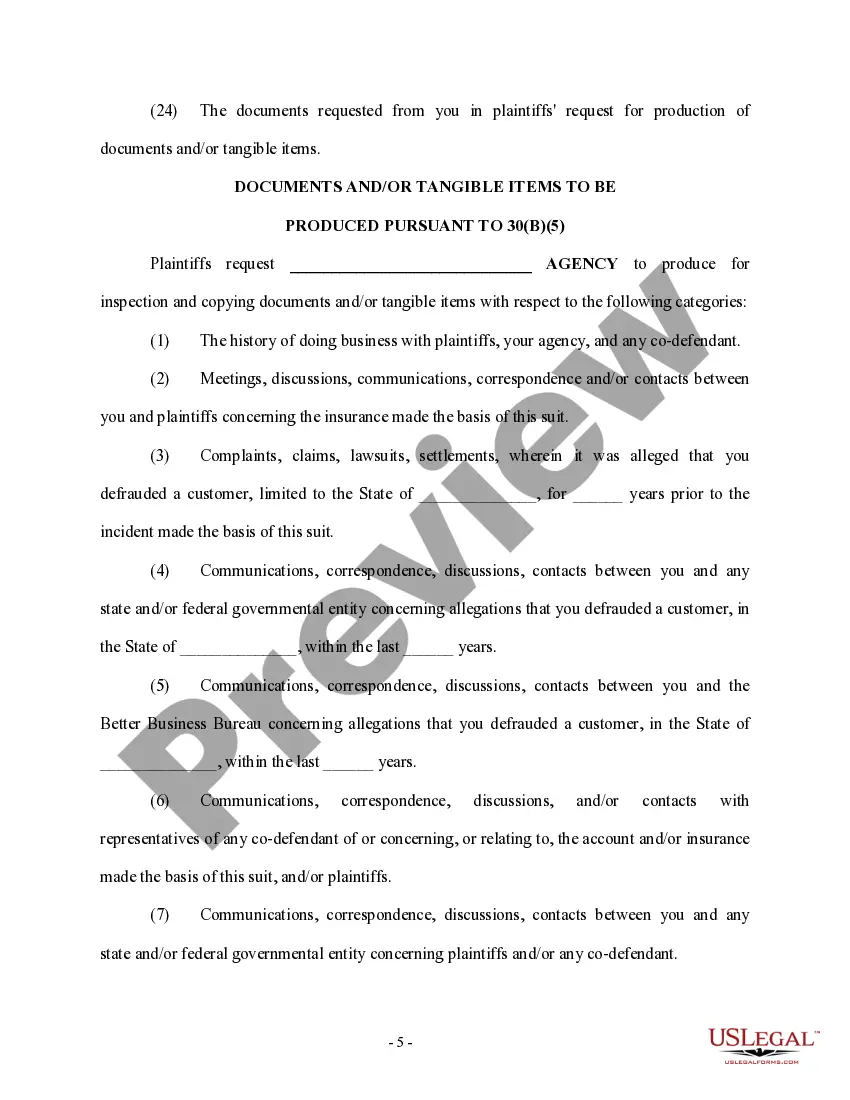
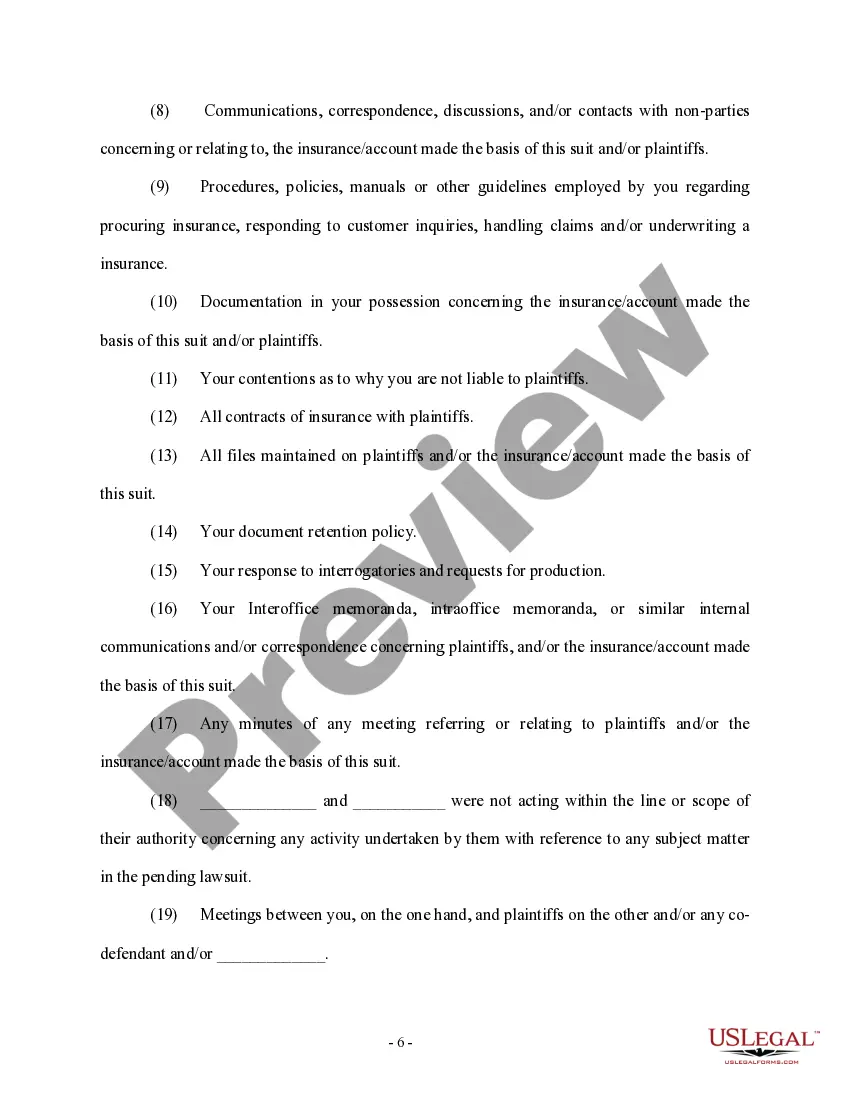
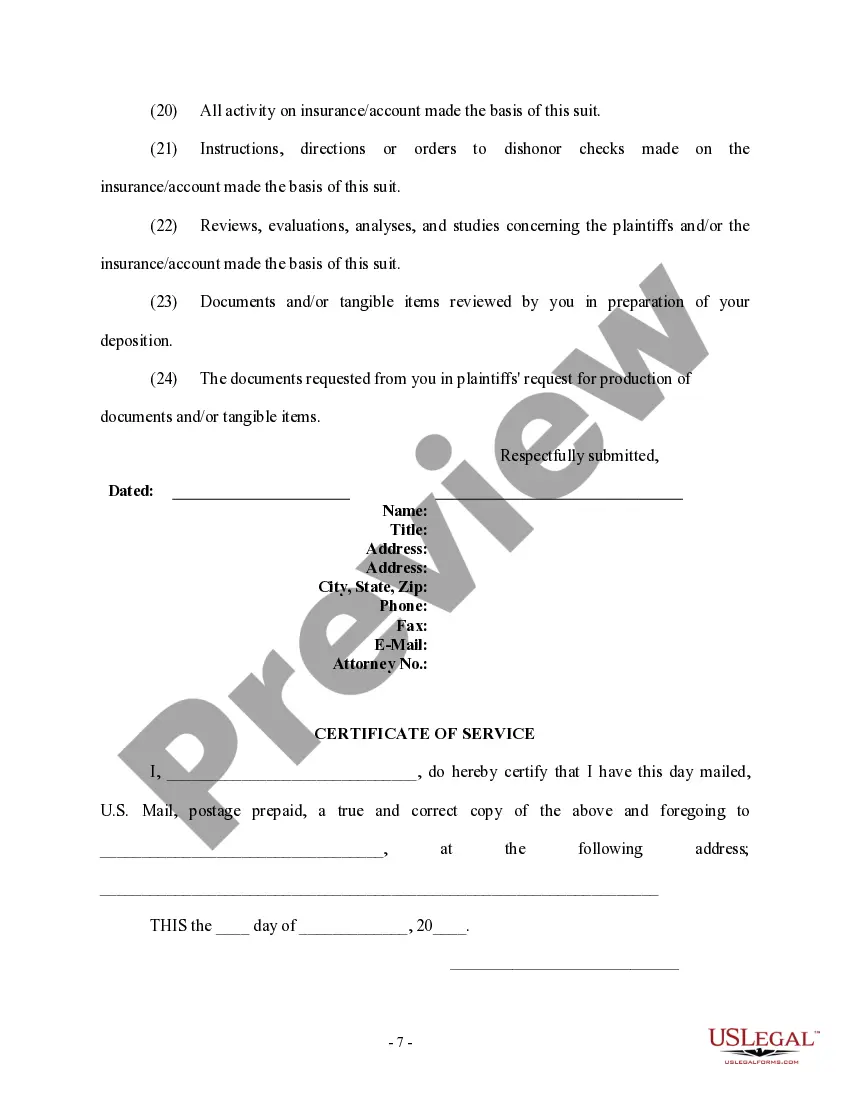
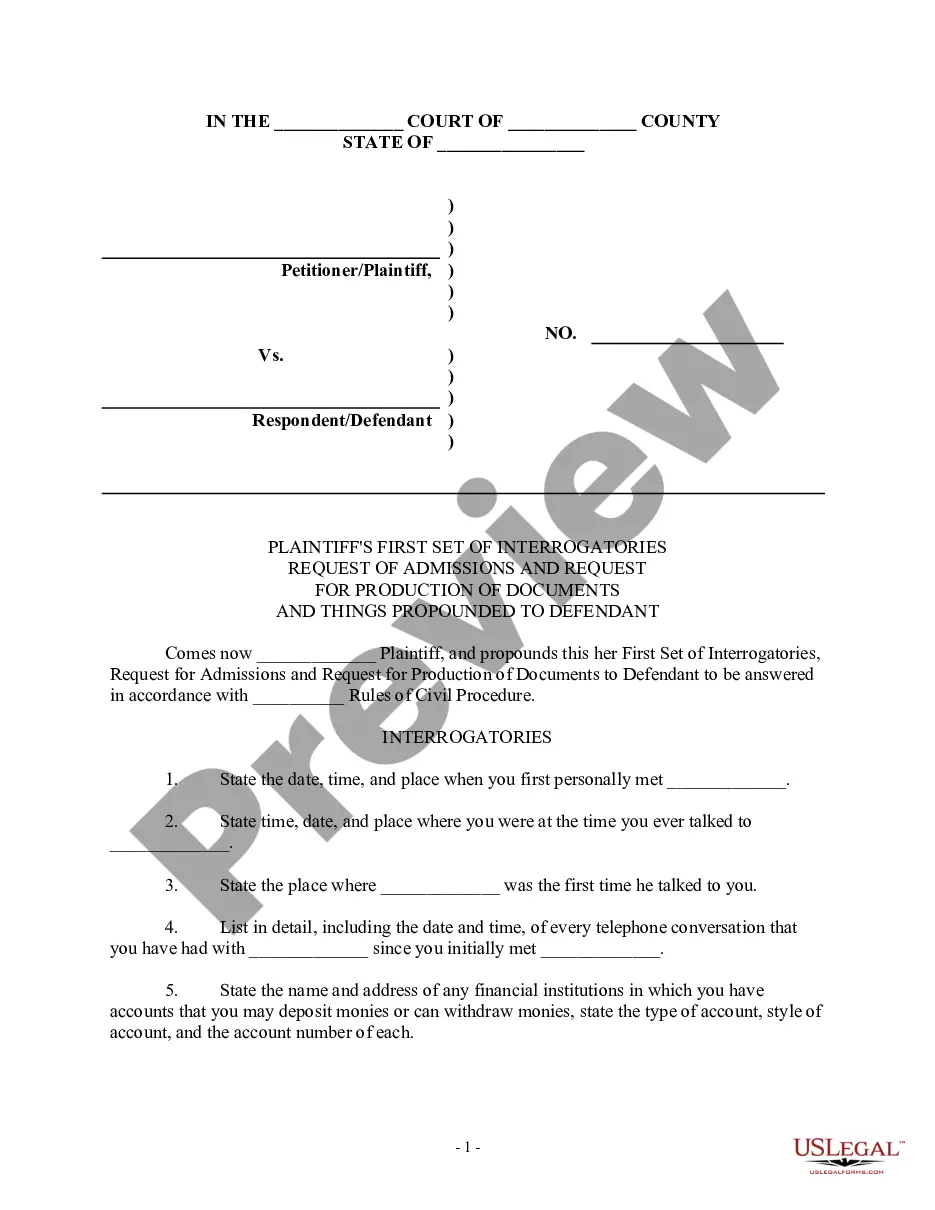
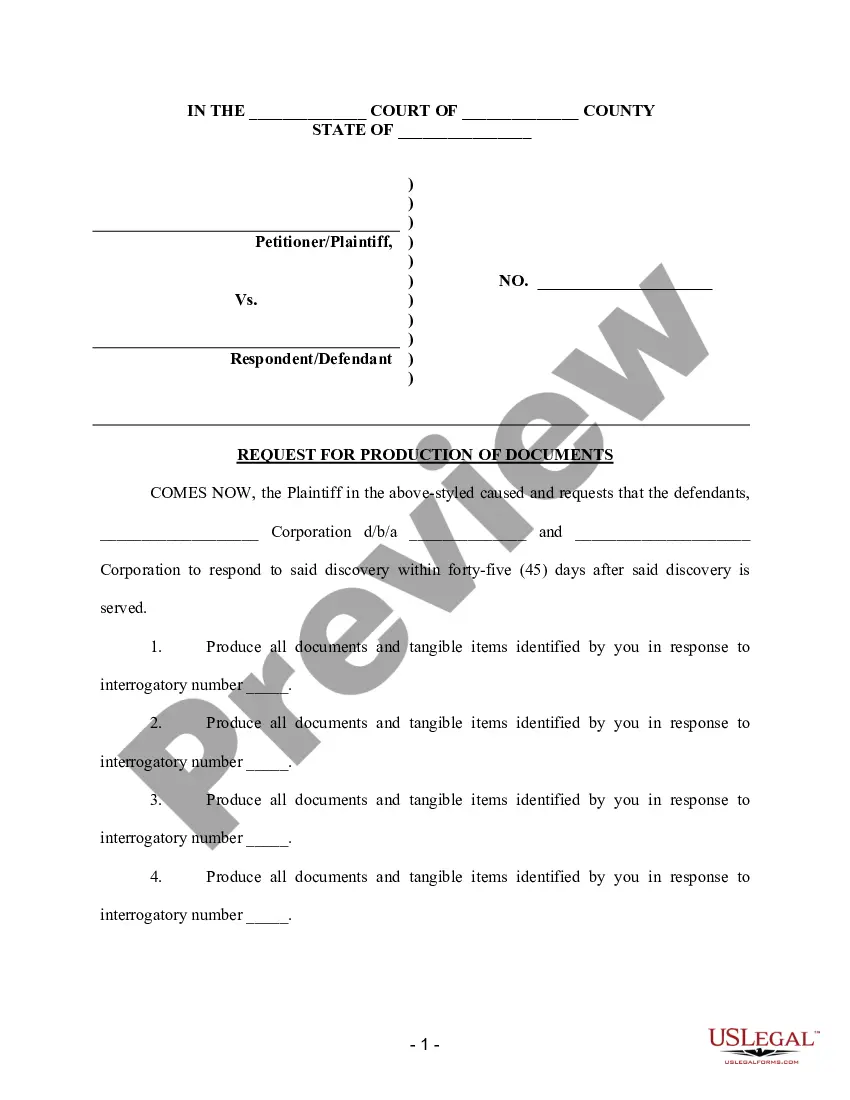
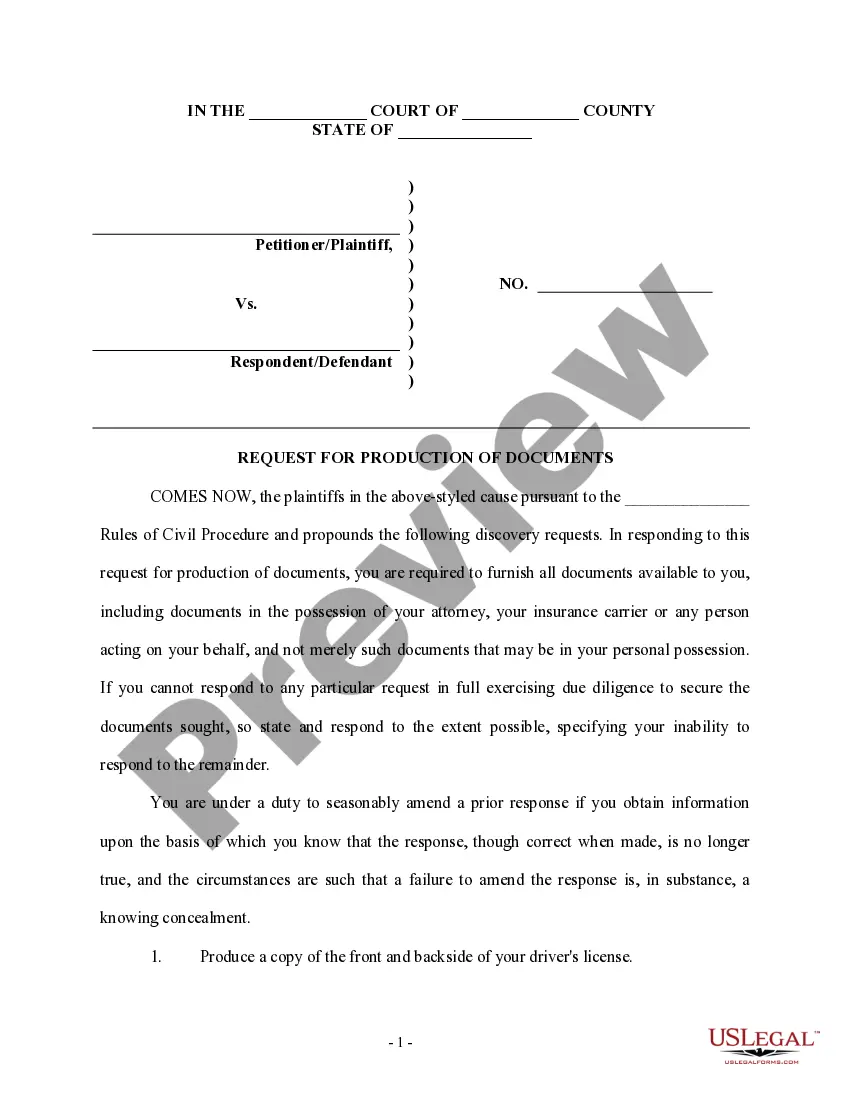
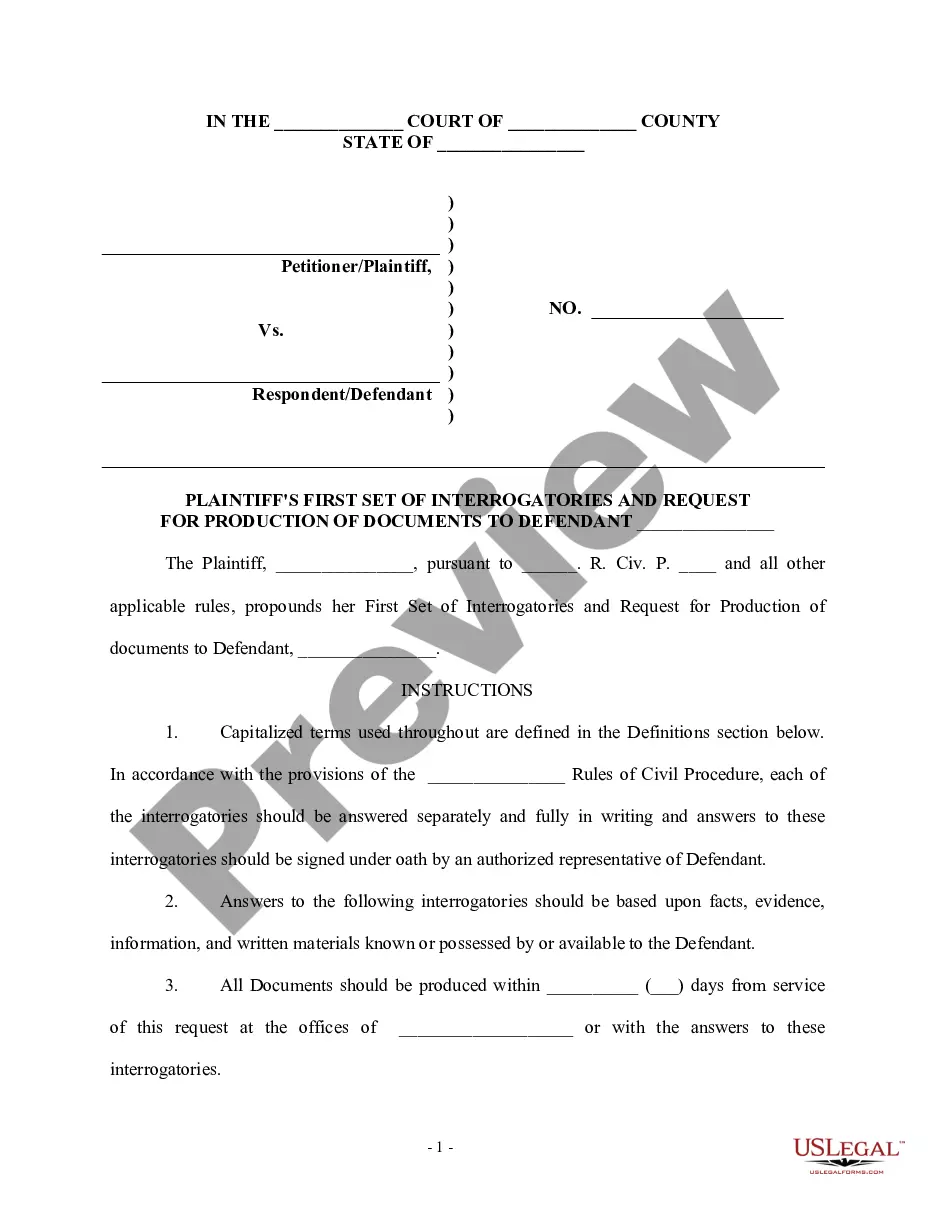
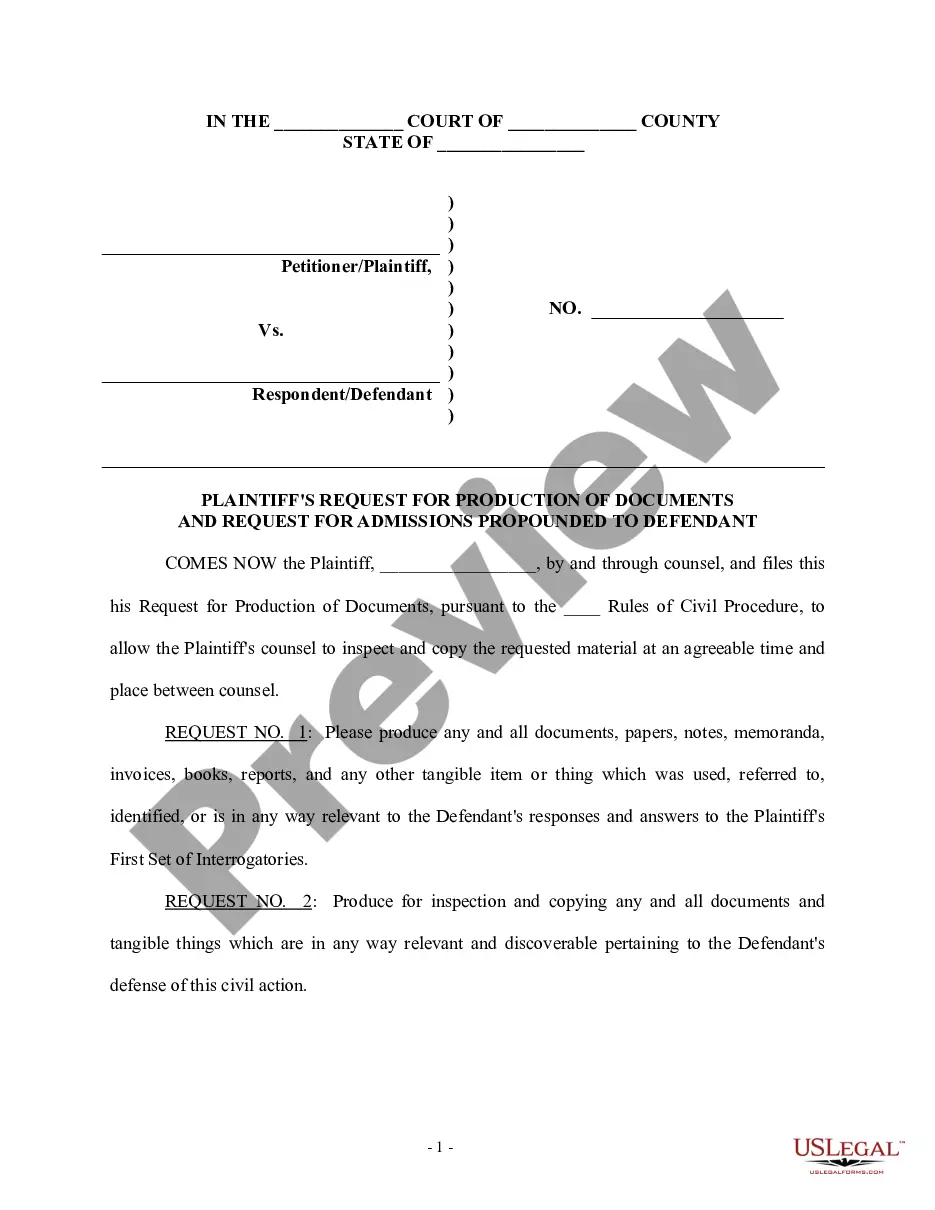
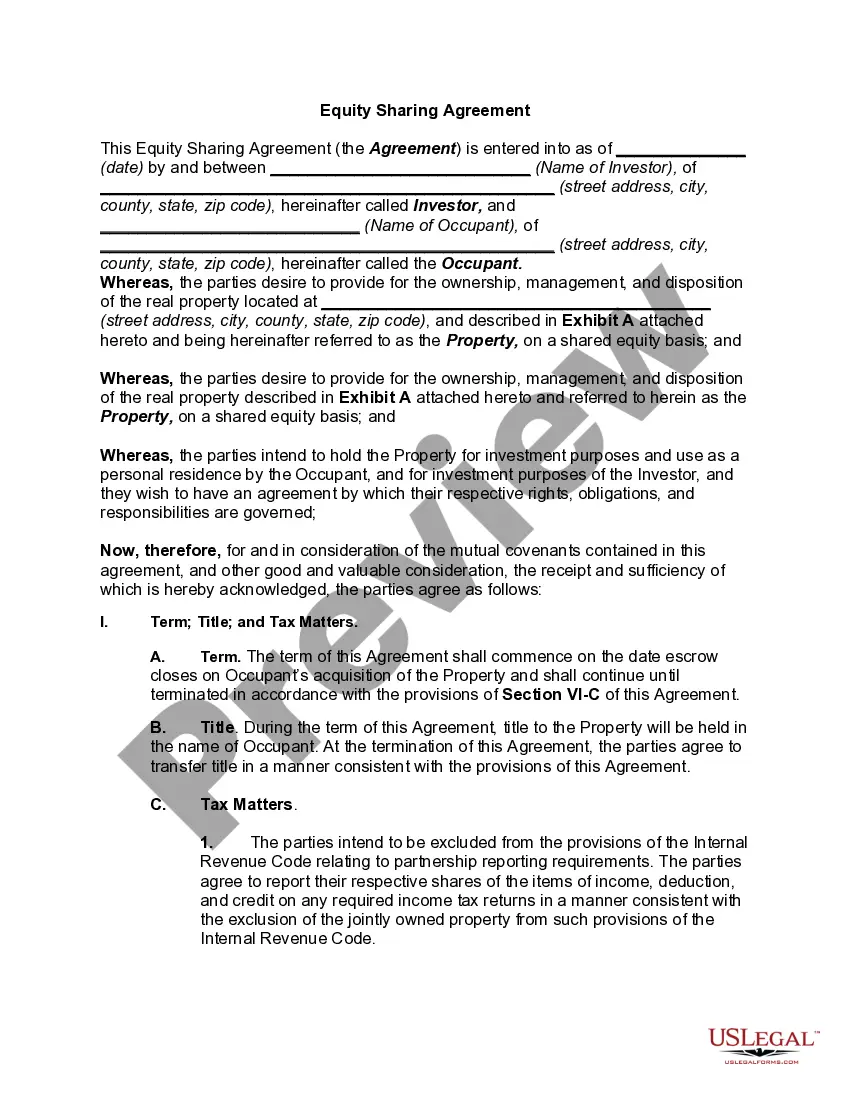


How to fill out Notice Of 30(b)(6) Deposition Of Defendant And 30(b)(5) Request For Production Of Documents And Or Things - Discovery?
The 30b Deposition 30 For 30 you observe on this page is a reusable official template created by expert attorneys in compliance with federal and local regulations.
For over 25 years, US Legal Forms has supplied individuals, companies, and legal professionals with more than 85,000 validated, state-specific documents for any business and personal situation. It’s the fastest, easiest, and most dependable method to acquire the forms you require, as the service assures bank-level data security and anti-malware safeguards.
Subscribe to US Legal Forms to have authenticated legal templates for all of life's situations at your fingertips.
- Browse for the document you require and review it.
- Select the pricing option that works for you and set up an account. Use PayPal or a credit card for a swift payment.
- Select the format you prefer for your 30b Deposition 30 For 30 (PDF, DOCX, RTF) and store the document on your device.
- Print the template to fill it out manually. Alternatively, use an online multifunctional PDF editor to swiftly and accurately complete and sign your form with a legally-binding electronic signature.
- Access the same document again whenever necessary. Open the My documents tab in your profile to redownload any previously acquired forms.
Form popularity
FAQ
The rule 30 notice is a legal document that informs parties about a scheduled deposition under Rule 30 of the Federal Rules of Civil Procedure. This notice typically outlines the date, time, and location of the deposition, as well as the name of the witness being deposed. Understanding the 30b deposition 30 for 30 process is crucial, as it ensures all parties have the opportunity to prepare adequately. By utilizing platforms like US Legal Forms, you can easily access templates and guidance to create a compliant rule 30 notice.
While you cannot completely avoid answering questions in a 30b deposition 30 for 30, you can manage your responses. If a question seems inappropriate, you may assert your right to consult with your attorney. This approach helps ensure you protect yourself while still fulfilling your legal obligations.
To tackle tough questions in a 30b deposition 30 for 30, stay calm and focused. Pause if needed to gather your thoughts, and ensure your answer is clear and concise. If you do not know the answer, it is better to admit it than to guess.
When faced with tricky questions in a 30b deposition 30 for 30, take your time before responding. It’s perfectly acceptable to ask for clarification or to rephrase the question. This allows you to provide a thoughtful answer and reduces the risk of misunderstanding.
Calculating deposition time in a 30b deposition 30 for 30 involves tracking the duration of questioning and breaks. Generally, the time starts when the deposition begins and ends when it concludes. Keeping a detailed record can help ensure you account for all time spent.
In a 30b deposition 30 for 30, refrain from making assumptions or speculations. Stick to the facts and avoid emotional responses that could cloud your answers. Additionally, do not volunteer extra information that has not been asked.
During a 30b deposition 30 for 30, avoid answering questions that are irrelevant to the case or that could incriminate you. It is also wise not to answer leading questions that suggest a specific answer. If you feel uncomfortable, consult with your attorney before responding.