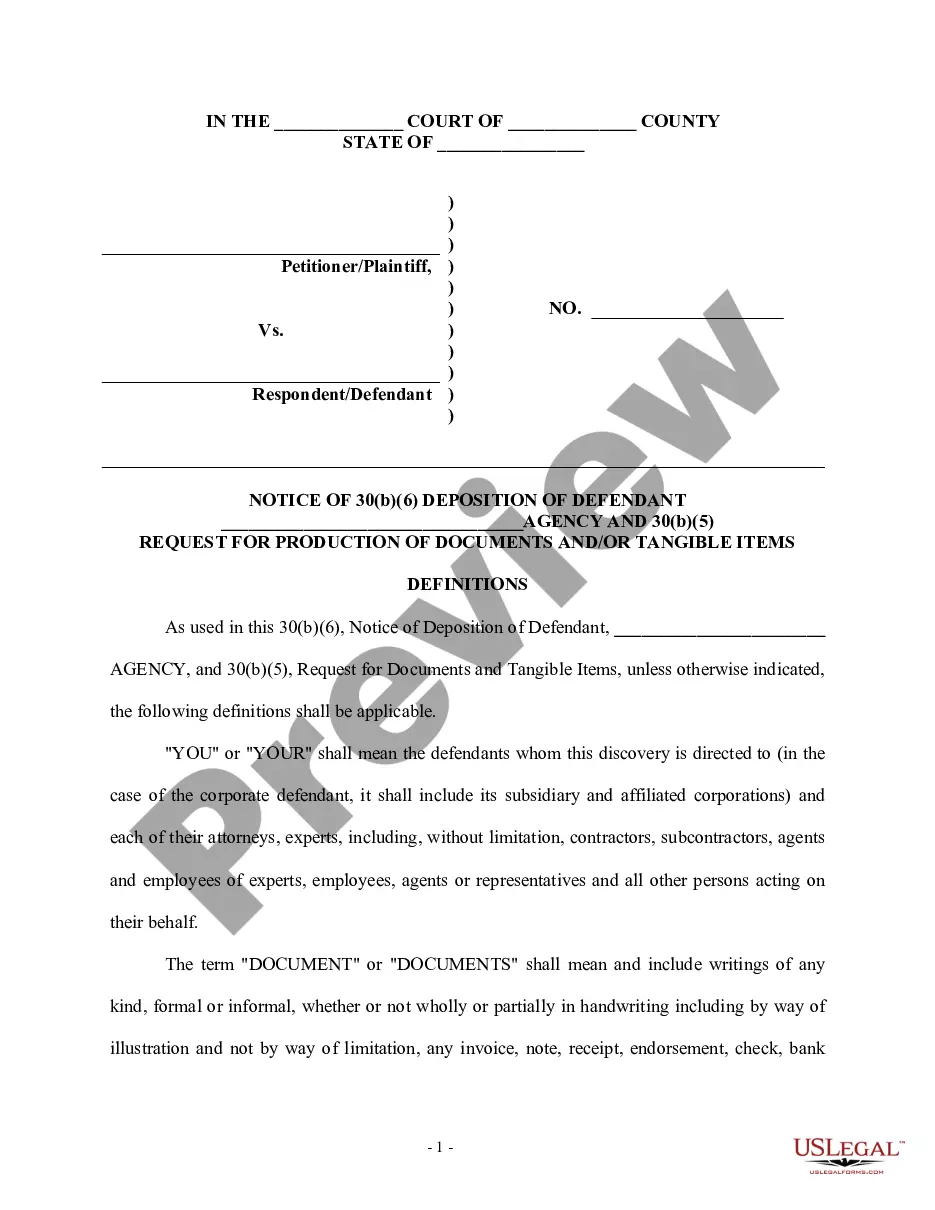
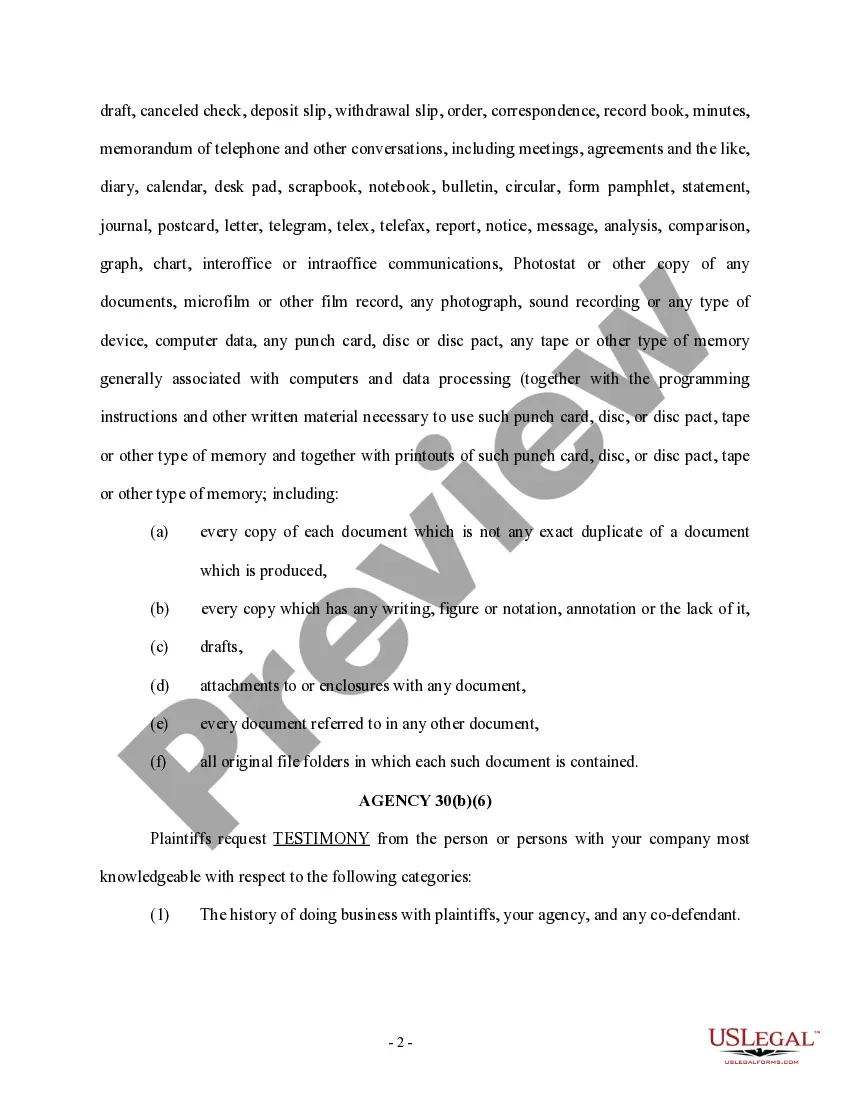
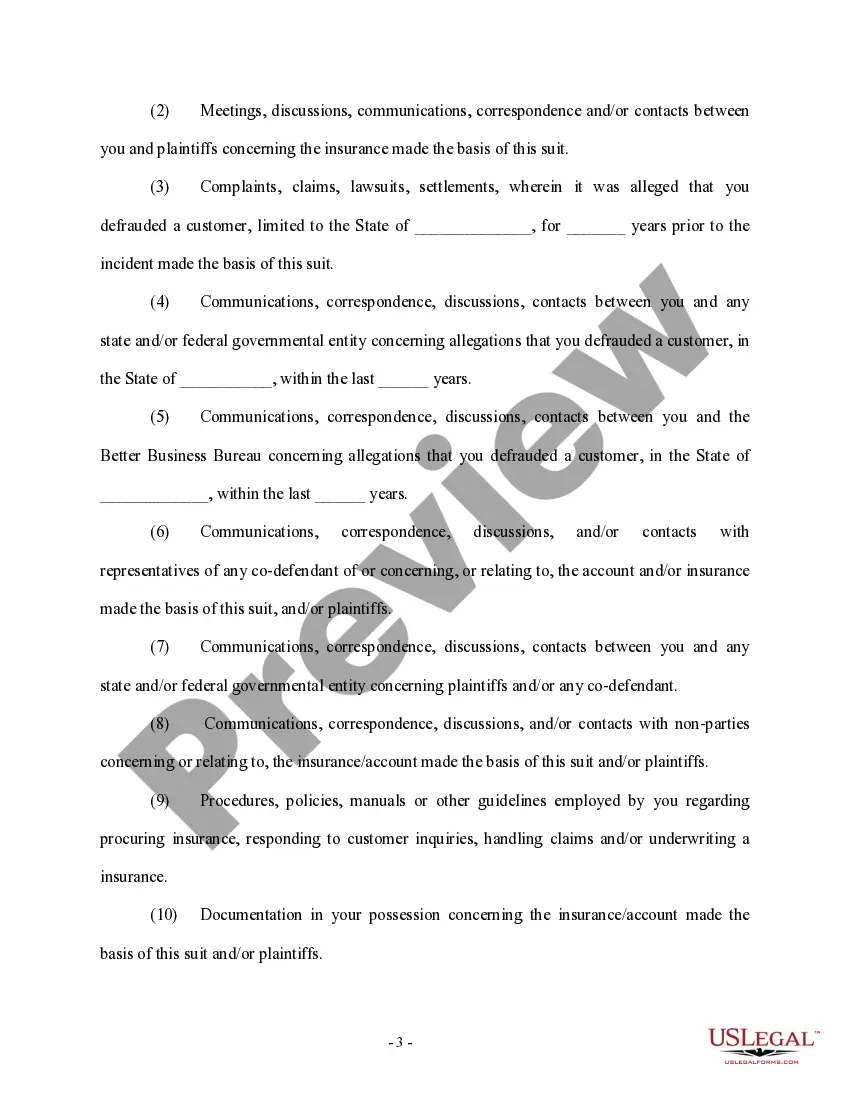
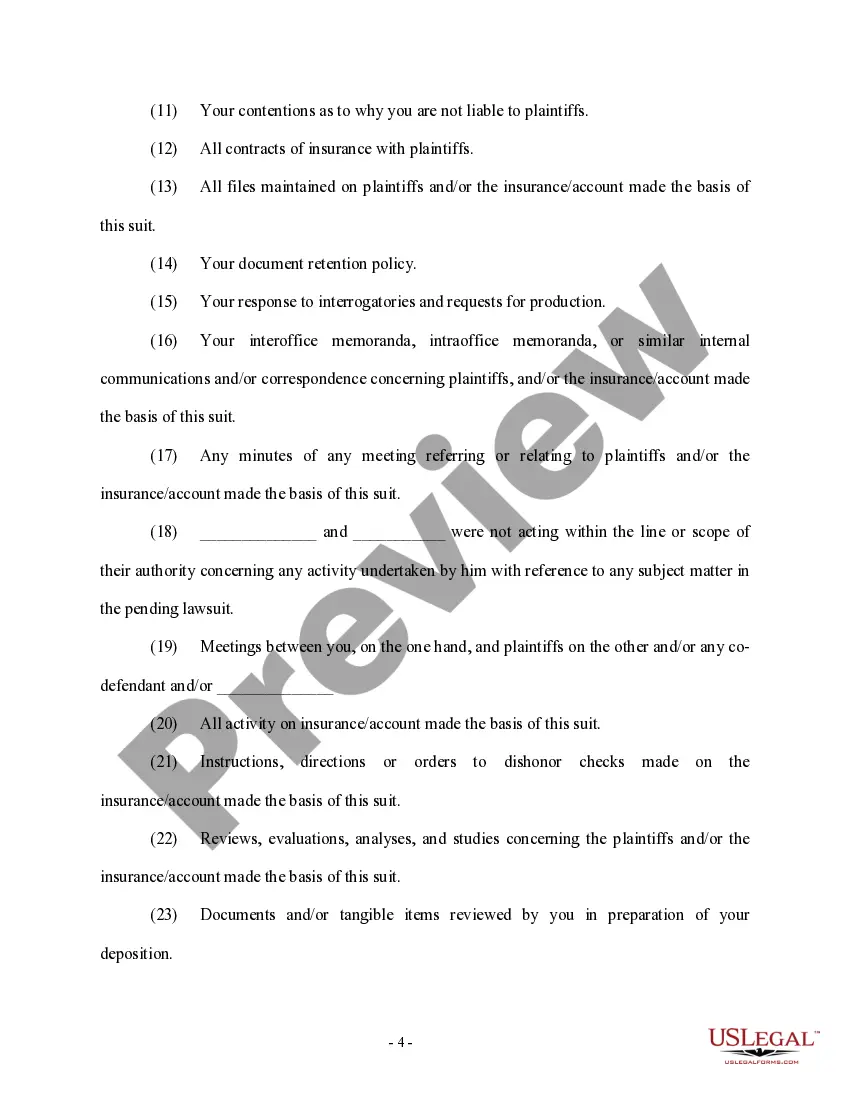
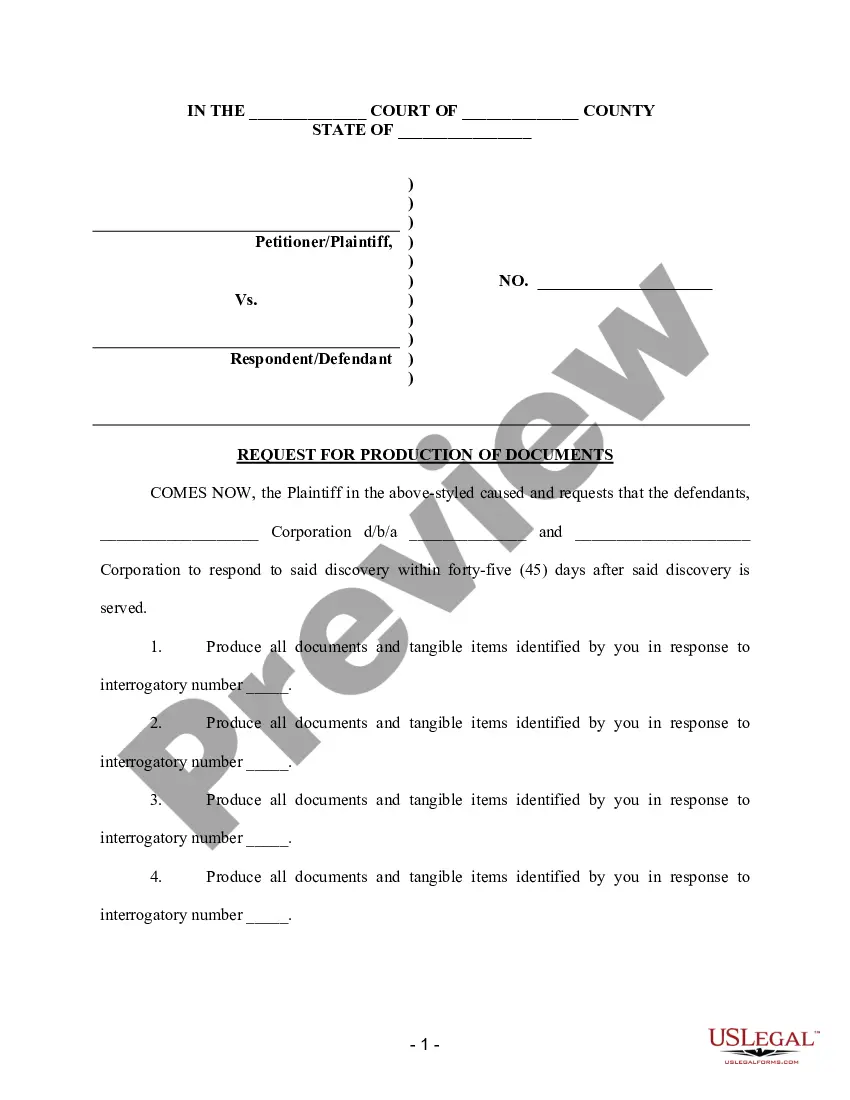
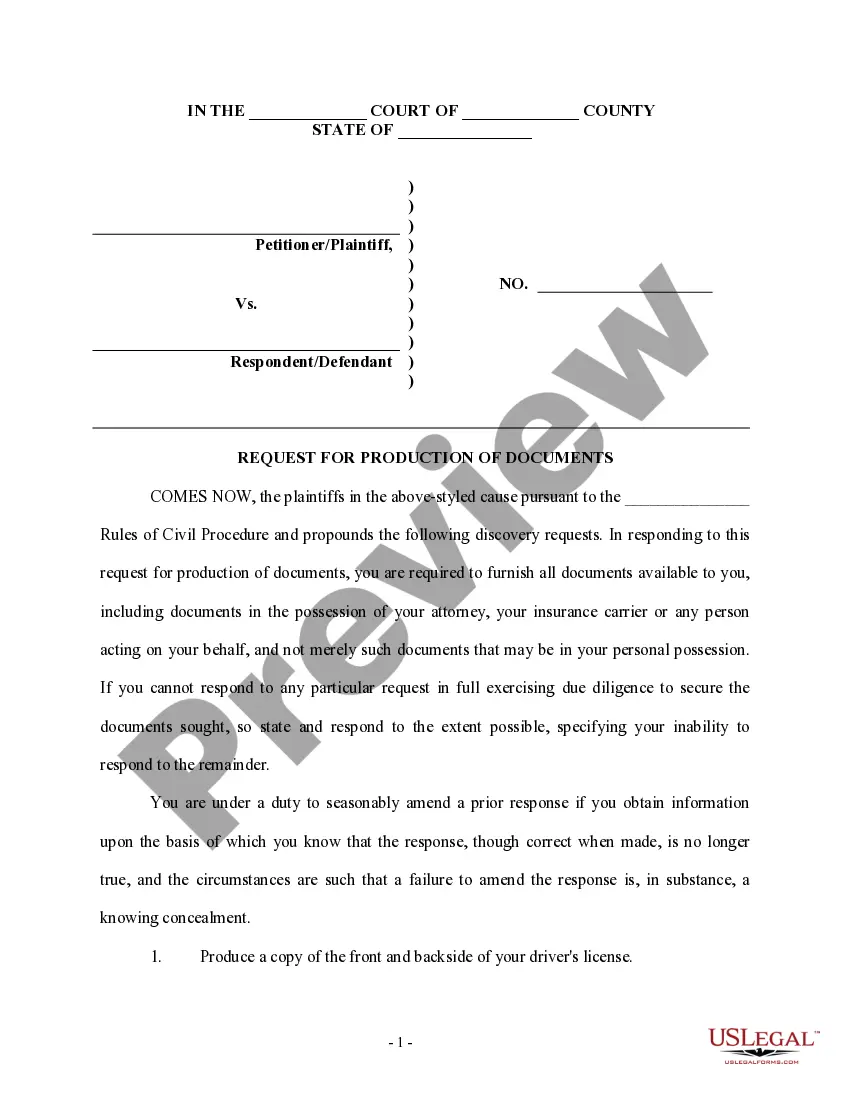
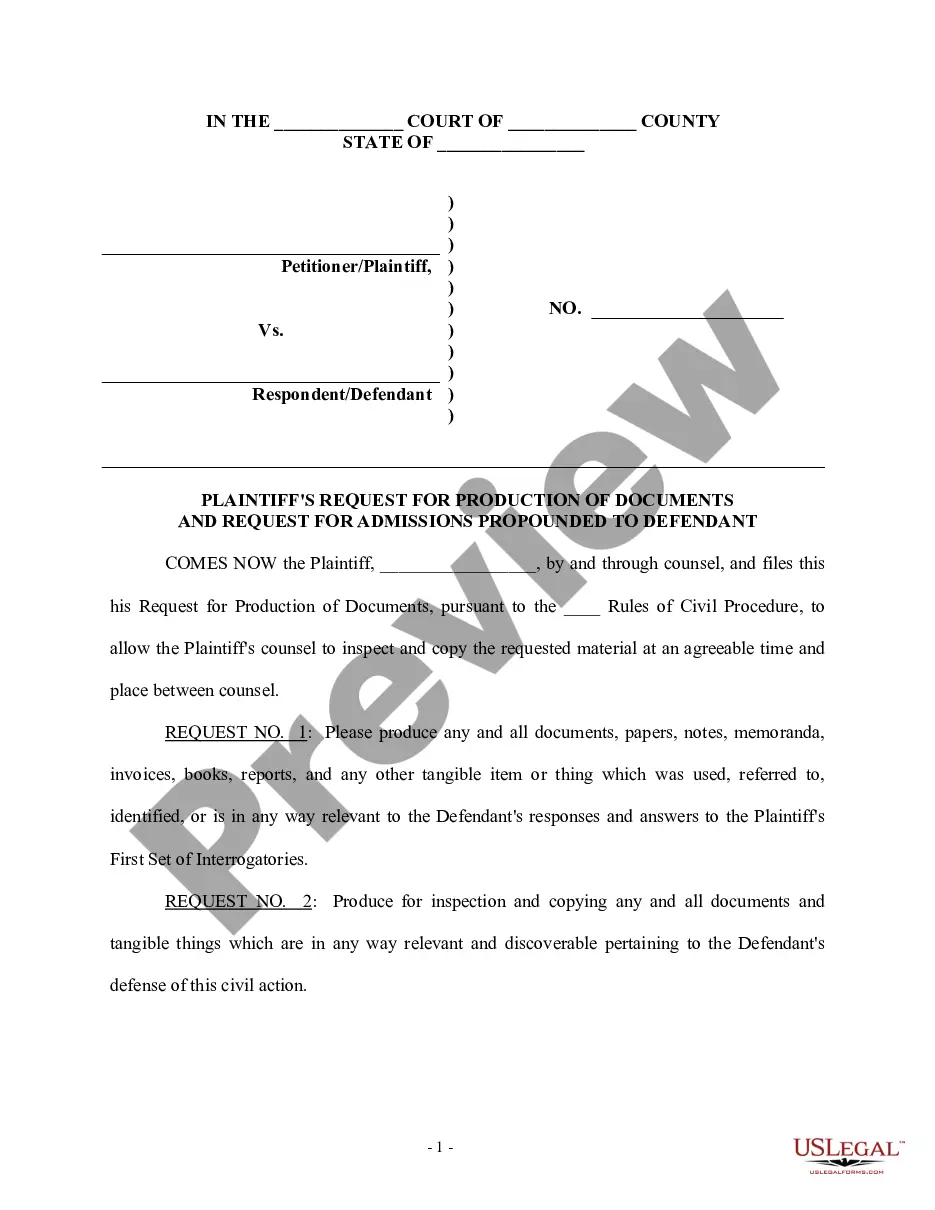
30 B 6 Deposition Sample With Answers
Description
Get your form ready online
Our built-in tools help you complete, sign, share, and store your documents in one place.
Make edits, fill in missing information, and update formatting in US Legal Forms—just like you would in MS Word.
Download a copy, print it, send it by email, or mail it via USPS—whatever works best for your next step.
Sign and collect signatures with our SignNow integration. Send to multiple recipients, set reminders, and more. Go Premium to unlock E-Sign.
If this form requires notarization, complete it online through a secure video call—no need to meet a notary in person or wait for an appointment.
We protect your documents and personal data by following strict security and privacy standards.

Make edits, fill in missing information, and update formatting in US Legal Forms—just like you would in MS Word.

Download a copy, print it, send it by email, or mail it via USPS—whatever works best for your next step.

Sign and collect signatures with our SignNow integration. Send to multiple recipients, set reminders, and more. Go Premium to unlock E-Sign.

If this form requires notarization, complete it online through a secure video call—no need to meet a notary in person or wait for an appointment.

We protect your documents and personal data by following strict security and privacy standards.
Looking for another form?
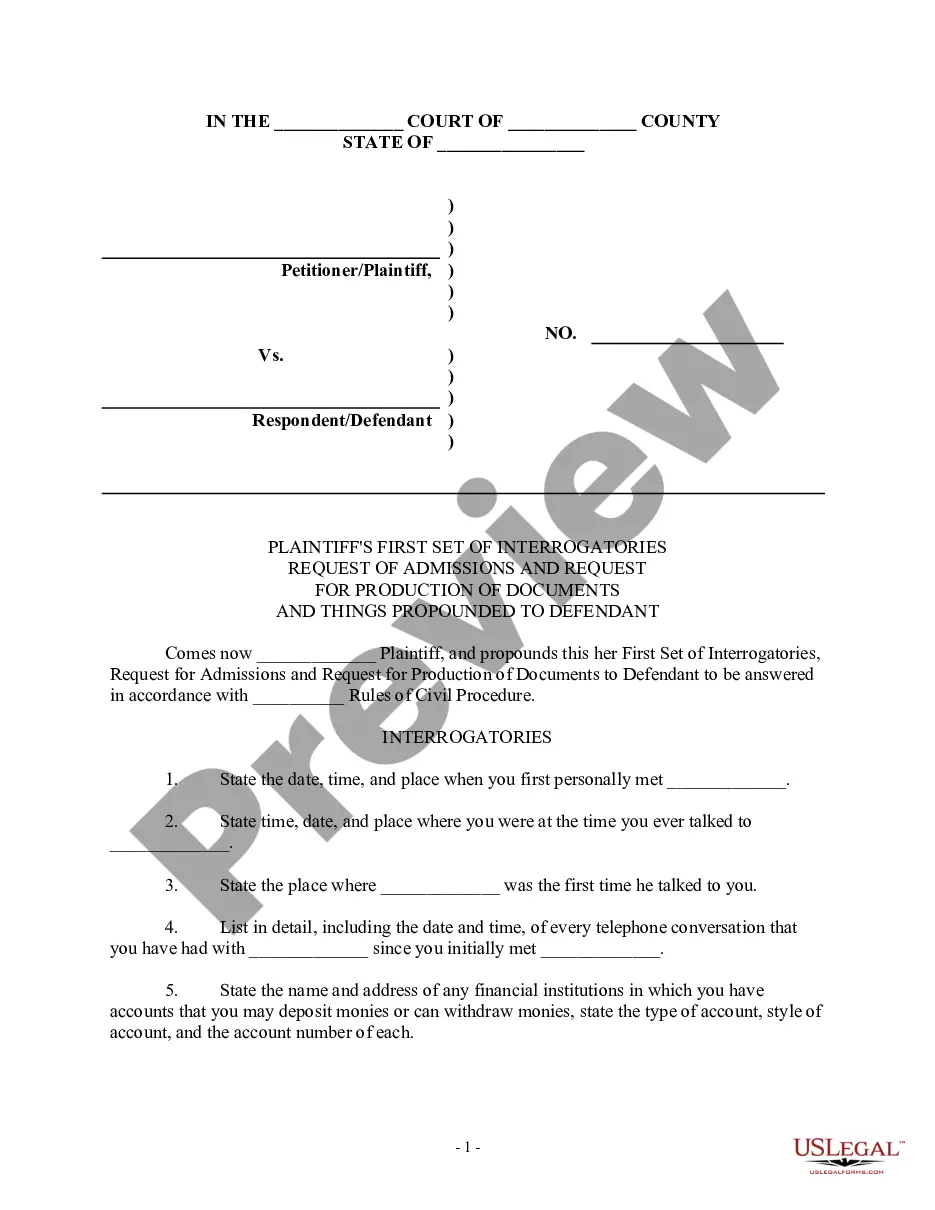
How to fill out Notice Of 30(b)(6) Deposition Of Defendant And 30(b)(5) Request For Production Of Documents And Or Things - Discovery?
Managing legal paperwork can be exasperating, even for seasoned professionals.
If you are seeking a 30 B 6 Deposition Sample With Answers but lack the time to find the appropriate and current version, the process can be challenging.
Tap into a comprehensive resource center of articles, guides, and materials tailored to your situation and requirements.
Save time and effort locating the documents you require, and leverage US Legal Forms' sophisticated search and Review function to find and download your 30 B 6 Deposition Sample With Answers.
Enjoy the extensive US Legal Forms web library, supported by 25 years of expertise and trustworthiness. Streamline your daily document management into a seamless and user-friendly process today.
- If you have a subscription, Log Into your US Legal Forms account, search for the form, and download it.
- Visit the My documents section to view documents you've previously downloaded and manage your folders as desired.
- If you are new to US Legal Forms, create a free account for unlimited access to all the benefits of the library.
- After acquiring the necessary form, ensure it's the correct one by previewing it and checking its details.
- Confirm that the sample is recognized in your state or county.
- Click Buy Now once you're ready.
- Choose a monthly subscription plan.
- Select the desired file format, then Download, fill it out, sign, print, and send your document.
- Access state- or county-specific legal and business documents.
- US Legal Forms meets all your requirements, from personal to corporate paperwork, all in one place.
- Utilize cutting-edge tools to complete and manage your 30 B 6 Deposition Sample With Answers.
Form popularity
FAQ
Preparing for a 30 b 6 deposition requires thorough research and strategic planning. Familiarize yourself with relevant documents, understand the scope of the deposition, and anticipate questions based on a 30 b 6 deposition sample with answers. Practicing responses with a colleague can also enhance your confidence and performance during the deposition.
To write an effective deposition summary, focus on clarity and organization. Begin by outlining key points, such as the purpose of the deposition and the witnesses involved. Include a succinct narrative that captures essential testimony, and always refer to a 30 b 6 deposition sample with answers for structure and style guidance. This approach ensures that your summary accurately reflects the deposition while remaining accessible to readers.
When facing tricky deposition questions, the key is to remain calm and focused. You can utilize a 30 b 6 deposition sample with answers to prepare for complex inquiries. Practice articulating your thoughts clearly, and ensure you understand the question before responding. If you're uncertain, don’t hesitate to ask for clarification; it’s perfectly acceptable to take your time.
The purpose of a 30 B 6 deposition is to allow a company to designate a representative to testify on its behalf regarding particular topics. This form of deposition is crucial as it helps clarify the company's position on various issues and ensures that accurate information is provided. Utilizing a 30 b 6 deposition sample with answers can guide you in understanding the process better. This structured approach enhances communication and resolution during legal proceedings.
The best answers in a deposition are clear, direct, and truthful. When preparing for a deposition, using a 30 b 6 deposition sample with answers can help you understand how to respond effectively. It’s essential to stay focused on the question being asked, and avoid unnecessary details that can complicate your response. Practicing with examples will build your confidence and ensure you know how to articulate your answers.
To answer a tough deposition question, stay composed and take a moment to think before responding. Focus on providing straightforward and honest answers, referencing relevant information or documentation when necessary. Utilizing a 30 b 6 deposition sample with answers can help you understand common challenging questions and appropriate responses. Remember, clarity and honesty are vital to navigating difficult inquiries during a deposition.
Preparing a witness for a 30(b)(6) deposition involves ensuring they understand their role and the topics they will be addressing. Identify the key subjects and review a 30 b 6 deposition sample with answers to illustrate common inquiries. Practice responses while encouraging the witness to remain calm and composed. Proper preparation equips the witness to provide clear and accurate information that reflects the organization's position.
Rule 30(b)(6) depositions allow a party to depose an organization through a designated representative. This rule emphasizes the importance of preparing a knowledgeable witness who can provide comprehensive answers on behalf of the organization. When reviewing a 30 b 6 deposition sample with answers, you can gain insights into how these depositions typically unfold and what information might be relevant. Understanding this process is crucial for effective legal representation.