Workers Wrongful Force
Description
Get your form ready online
Our built-in tools help you complete, sign, share, and store your documents in one place.
Make edits, fill in missing information, and update formatting in US Legal Forms—just like you would in MS Word.
Download a copy, print it, send it by email, or mail it via USPS—whatever works best for your next step.
Sign and collect signatures with our SignNow integration. Send to multiple recipients, set reminders, and more. Go Premium to unlock E-Sign.
If this form requires notarization, complete it online through a secure video call—no need to meet a notary in person or wait for an appointment.
We protect your documents and personal data by following strict security and privacy standards.

Make edits, fill in missing information, and update formatting in US Legal Forms—just like you would in MS Word.

Download a copy, print it, send it by email, or mail it via USPS—whatever works best for your next step.

Sign and collect signatures with our SignNow integration. Send to multiple recipients, set reminders, and more. Go Premium to unlock E-Sign.

If this form requires notarization, complete it online through a secure video call—no need to meet a notary in person or wait for an appointment.

We protect your documents and personal data by following strict security and privacy standards.
Looking for another form?
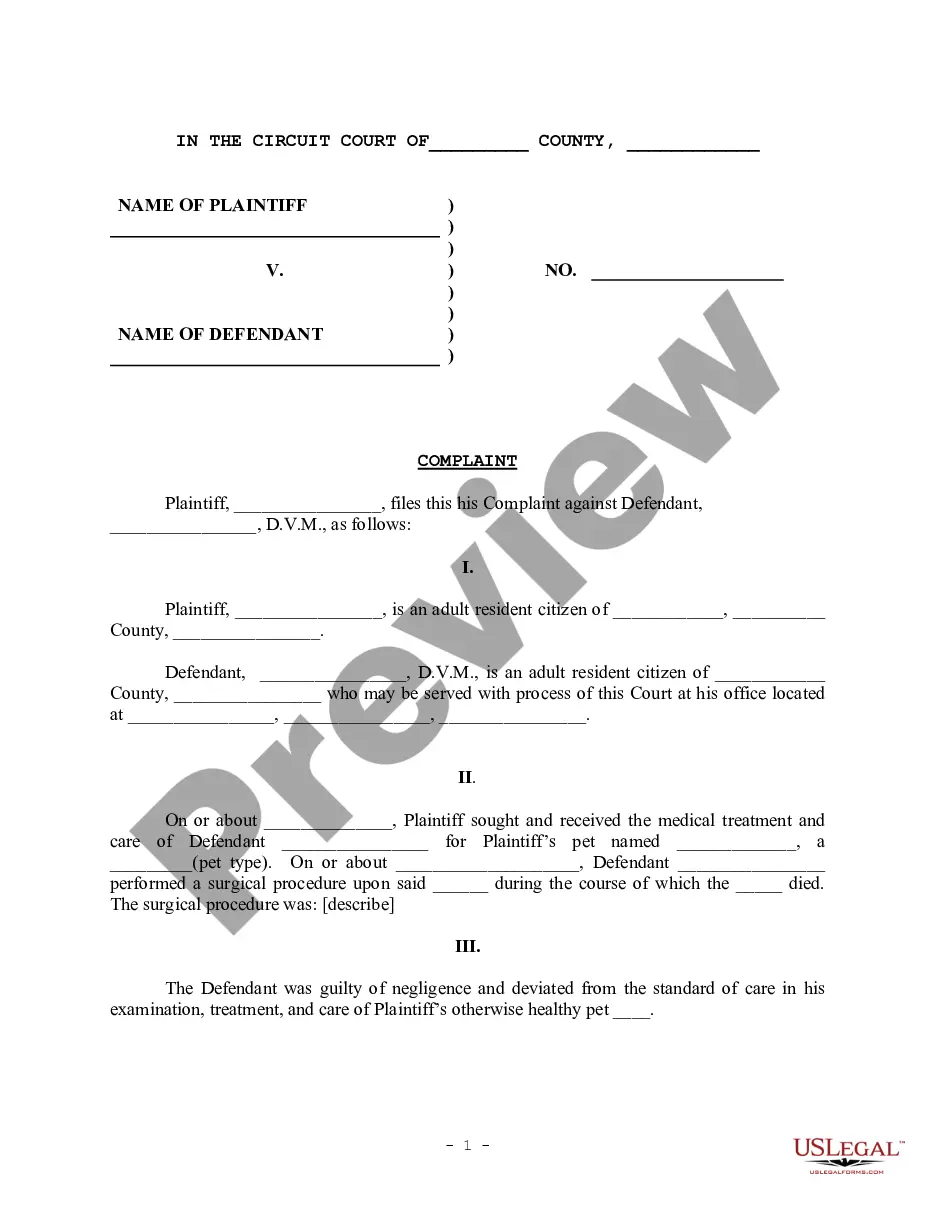

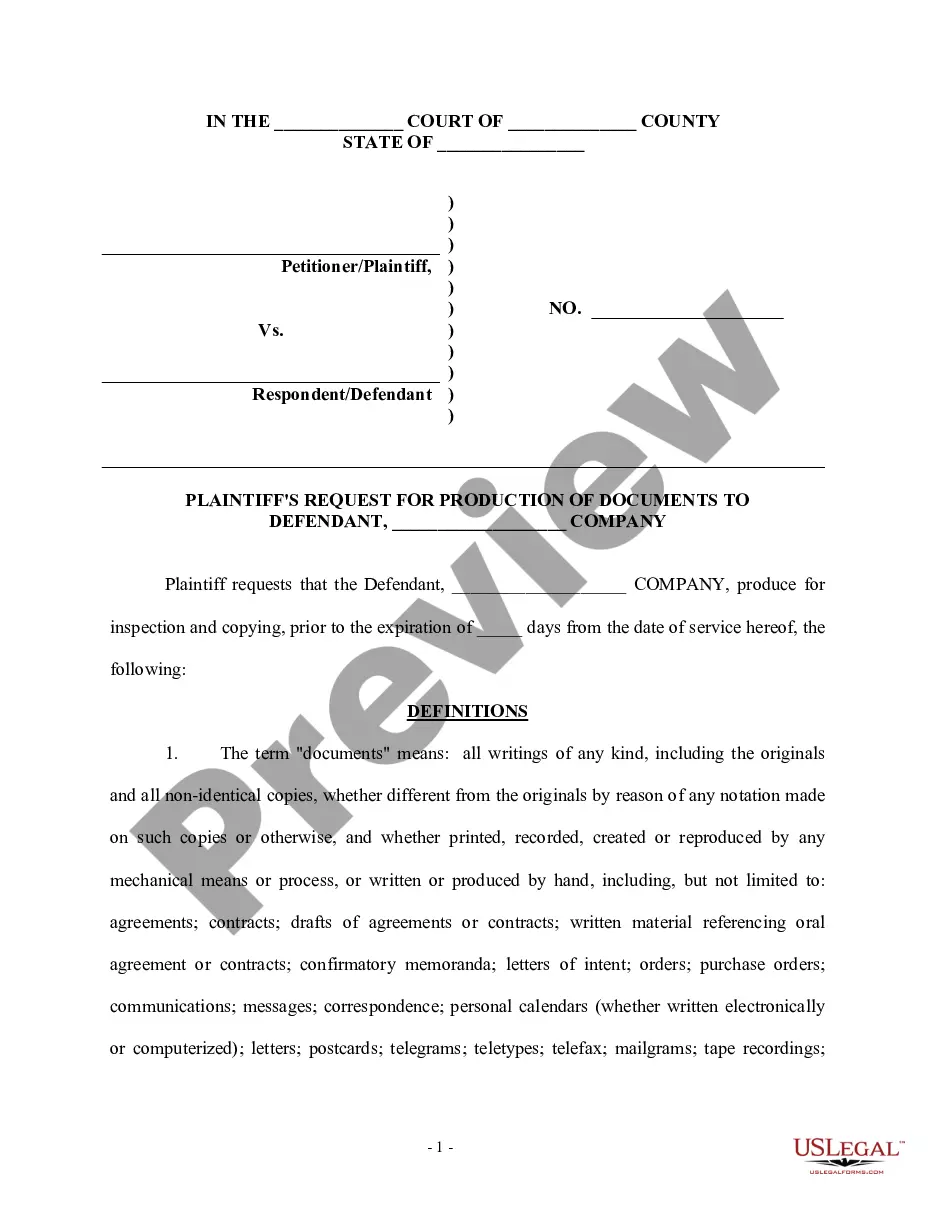
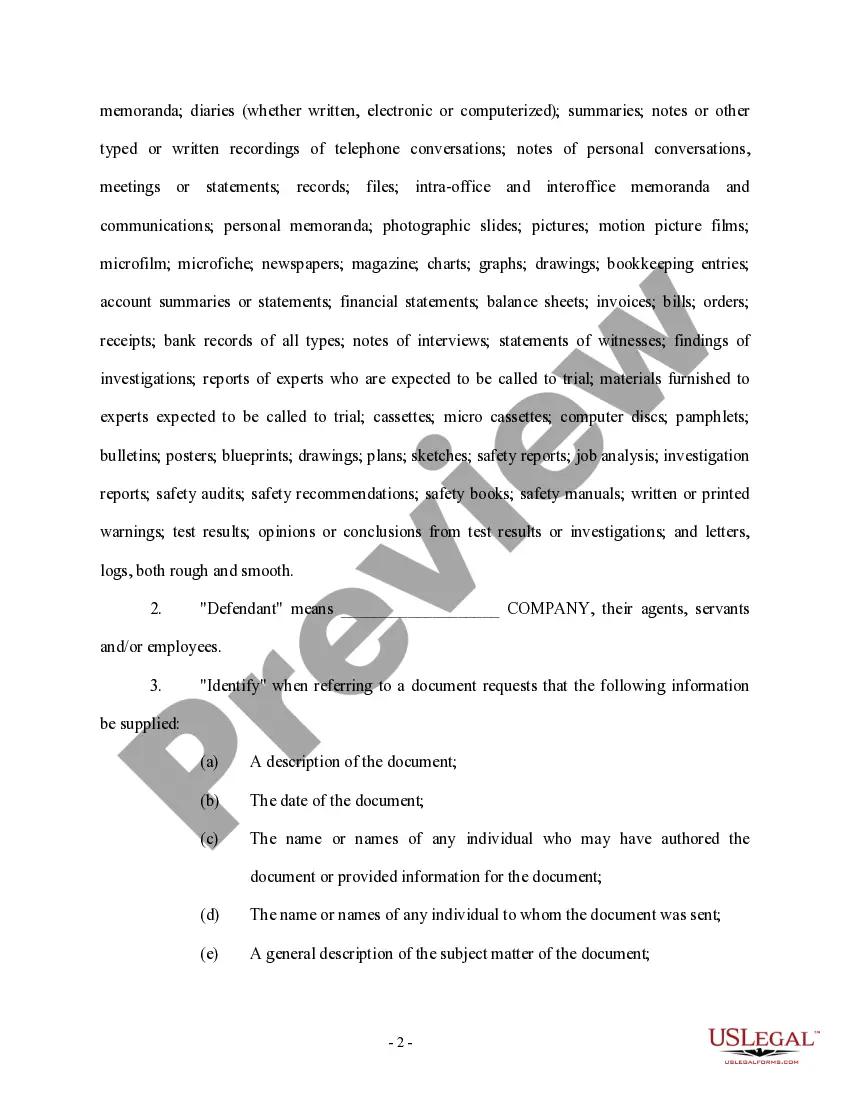
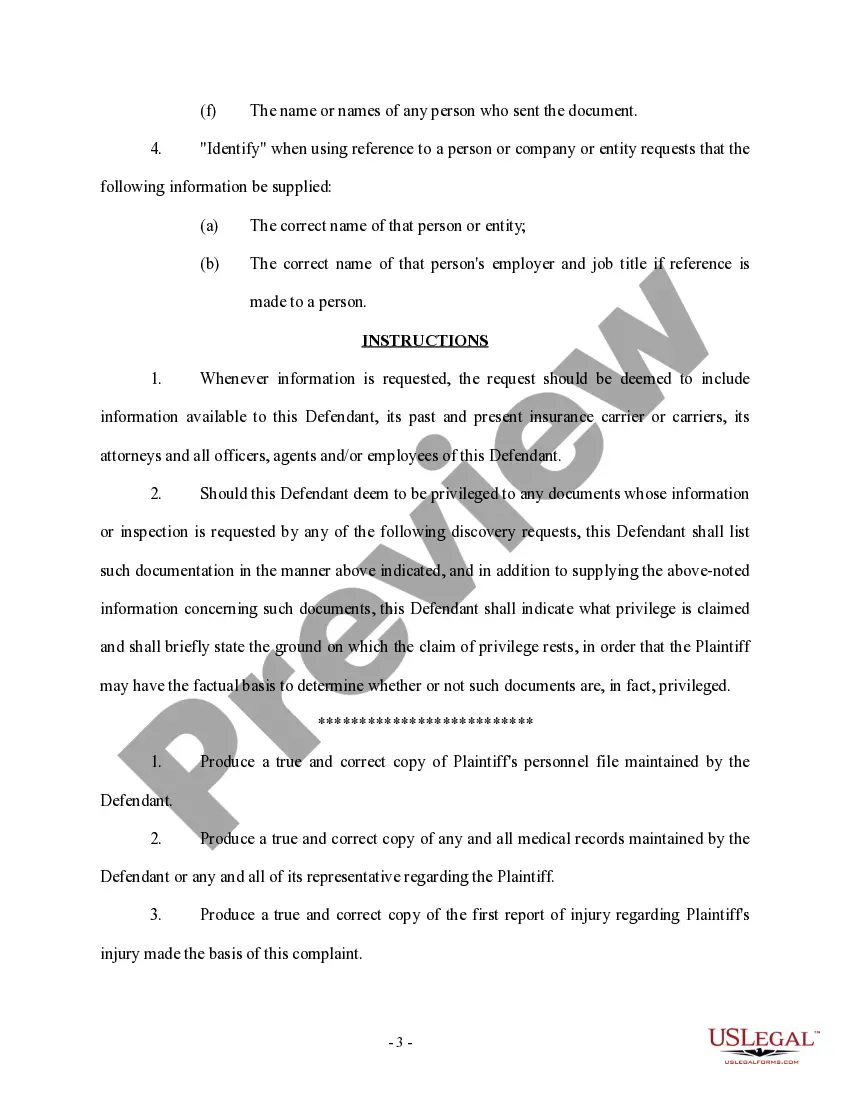
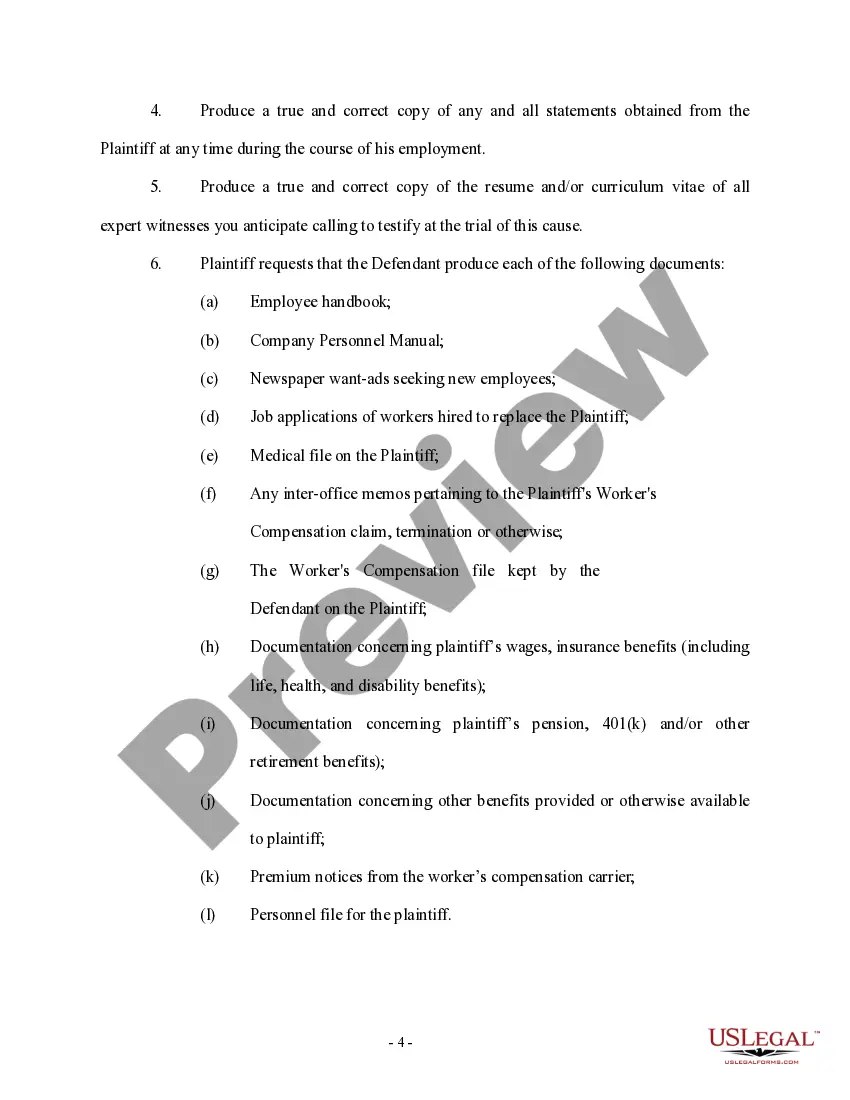
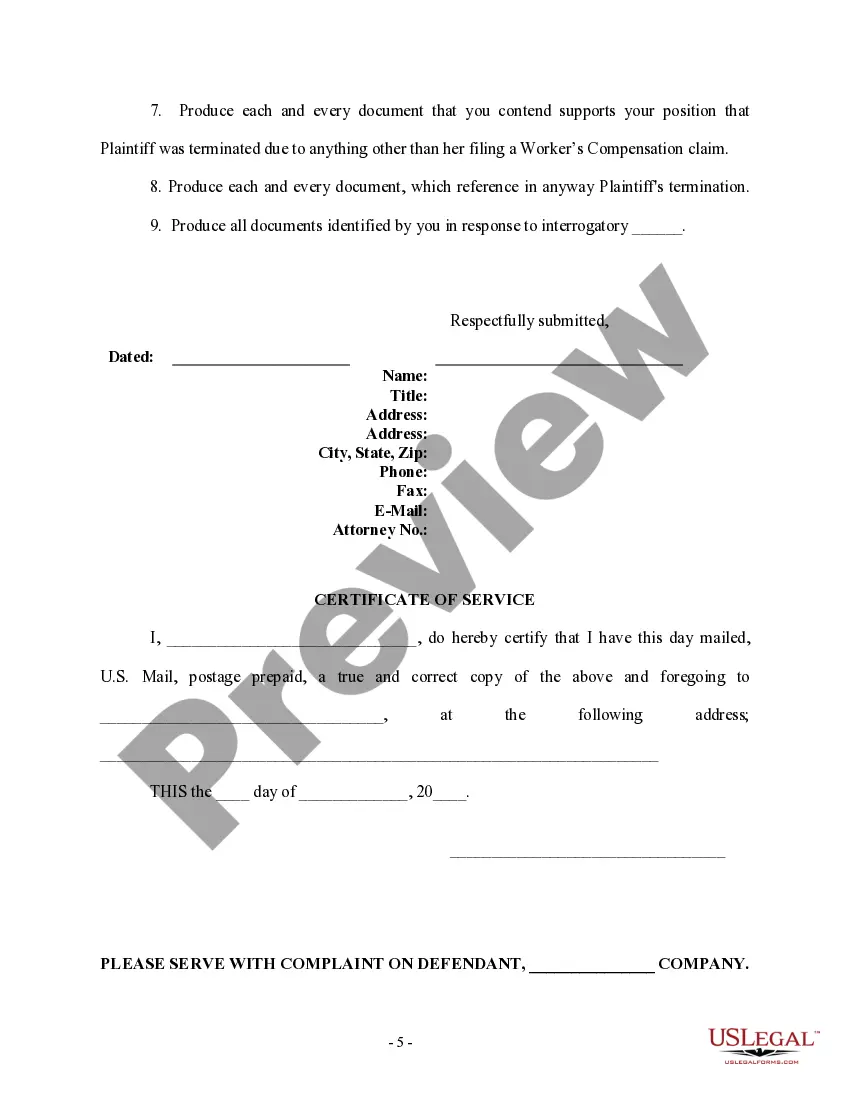
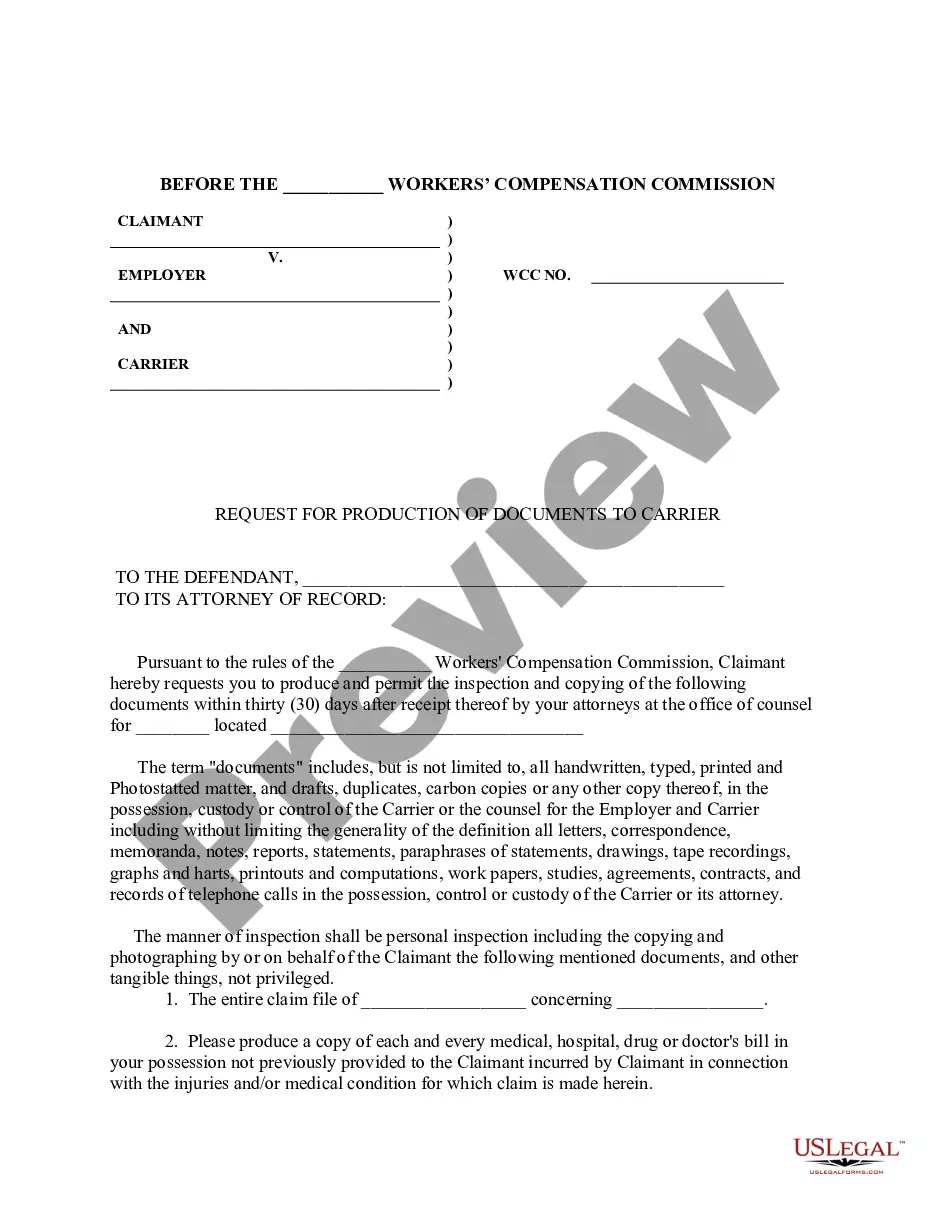
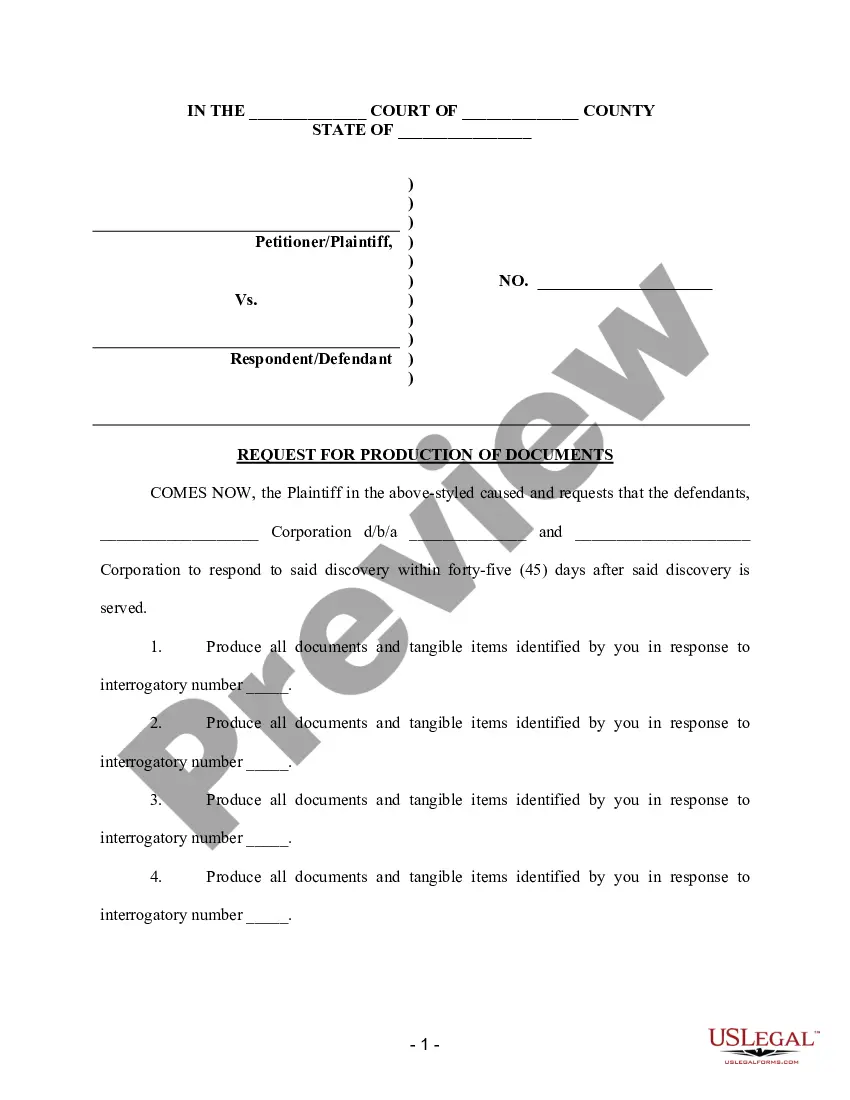
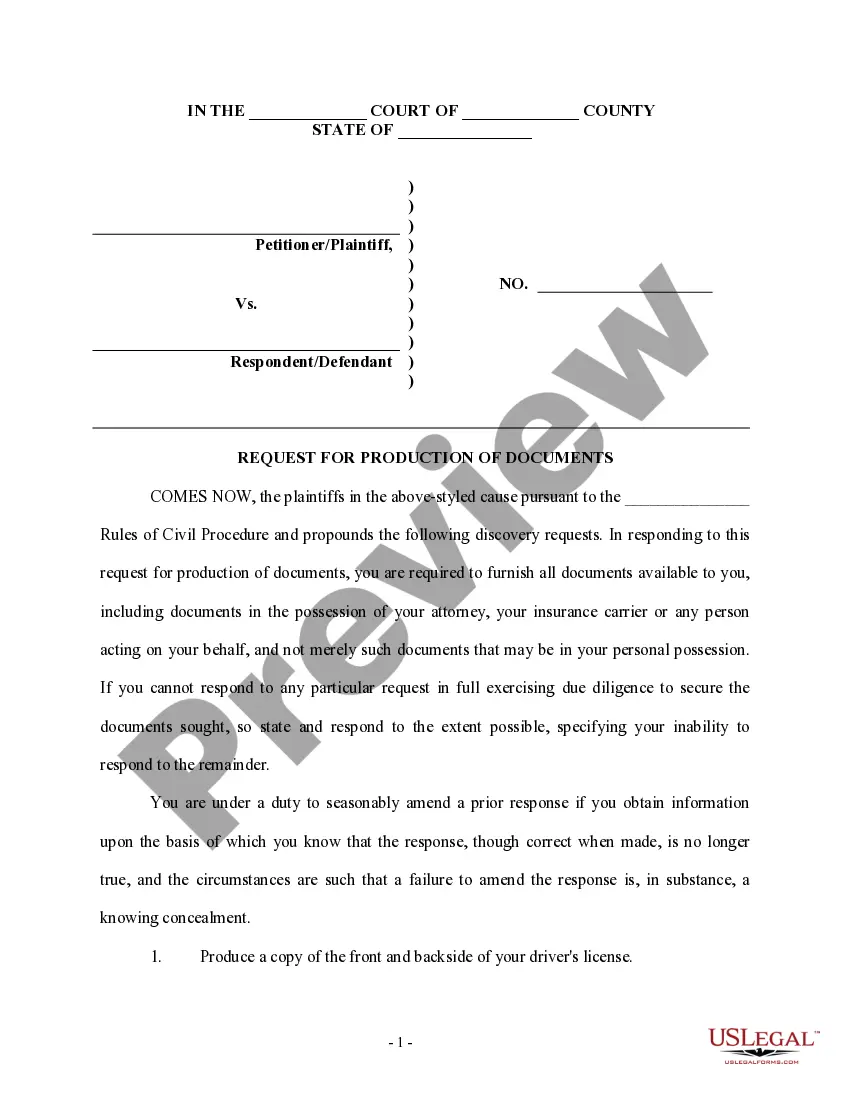
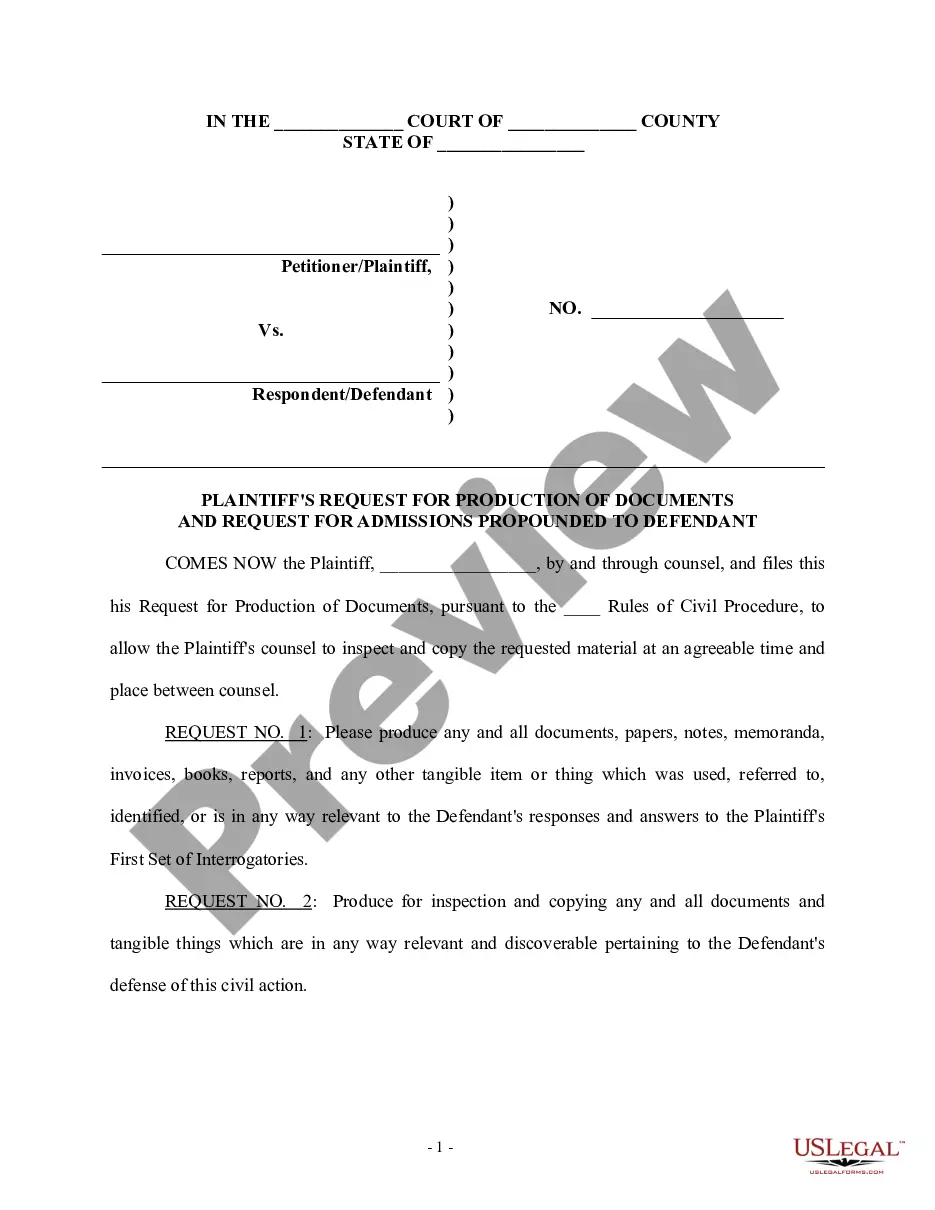
How to fill out Request For Production Of Documents - Worker's Compensation - Wrongful Termination?
Acquiring legal document samples that comply with federal and local regulations is essential, and the web provides many alternatives to choose from.
However, what's the use of wasting time hunting for the appropriate Workers Wrongful Force sample online when the US Legal Forms digital library already has such templates gathered in one location.
US Legal Forms is the largest online legal repository with over 85,000 fillable templates created by lawyers for any business and personal situation.
Review the template using the Preview feature or through the text outline to ensure it fits your requirements.
- They are simple to navigate with all documents organized by state and intended use.
- Our experts stay updated with legislative changes, ensuring your paperwork is current and compliant when obtaining a Workers Wrongful Force from our site.
- Acquiring a Workers Wrongful Force is straightforward and quick for both existing and new users.
- If you already possess an account with an active subscription, Log In and save the document sample you require in the appropriate format.
- If you are new to our platform, follow the instructions below.
Form popularity
FAQ
To file a complaint about workers wrongful force, you will need to provide clear evidence of the incidents that occurred. This may include documents such as emails, text messages, or witness statements that support your claims. Photographic evidence or records of any communication with your employer can also be helpful. Using uslegalforms can help you organize and present this evidence effectively, increasing the chances of a successful outcome.
You can file a complaint regarding unfair labor practices by contacting the National Labor Relations Board or your state's labor agency. First, gather all relevant information about the incidents involving workers wrongful force. Then, complete the necessary complaint forms and submit them according to the guidelines provided by the agency. If you need assistance, platforms like uslegalforms can guide you through the process and ensure your complaint is filed correctly.
Filing a formal complaint can be an important step in addressing issues related to workers wrongful force. It gives you a chance to voice your concerns and may lead to corrective actions by your employer. Additionally, it can create a record of your experiences, which can be valuable if you need to take further legal action later. We encourage you to consider this option as a way to protect your rights.
If you were dismissed for an 'automatically unfair' reason or you were discriminated against, you can make a claim to a tribunal no matter how long you've worked for your employer.
A claim for wrongful dismissal may be brought in the County or High Court or in the Employment Tribunals. Normally an employee who wants to bring a wrongful dismissal claim in an Employment Tribunal must commence ACAS Early Conciliation within three months less one day of the Effective Date of Termination.
A 'wrongful dismissal' is when an employer has breached an employee's contract. It's usually to do with notice or notice pay. Examples of wrongful dismissal can include: dismissing an employee without giving them a notice period or notice pay.
Appealing your dismissal with your employer If your company has an appeal process, you can formally appeal your dismissal. Check your intranet or staff handbook, or speak to HR to see what you need to do. Start your appeal as soon as you can, as there's a time limit if you later want to take legal action.
The Five Fair Reasons for Dismissal Conduct. One potentially fair reason to dismiss an employee is for their conduct whilst at work. ... Capability. ... Redundancy. ... Statutory restriction. ... Some other substantial reason (SOSR)