Supplemental Discovery Example For Federal Court
Description
Get your form ready online
Our built-in tools help you complete, sign, share, and store your documents in one place.
Make edits, fill in missing information, and update formatting in US Legal Forms—just like you would in MS Word.
Download a copy, print it, send it by email, or mail it via USPS—whatever works best for your next step.
Sign and collect signatures with our SignNow integration. Send to multiple recipients, set reminders, and more. Go Premium to unlock E-Sign.
If this form requires notarization, complete it online through a secure video call—no need to meet a notary in person or wait for an appointment.
We protect your documents and personal data by following strict security and privacy standards.

Make edits, fill in missing information, and update formatting in US Legal Forms—just like you would in MS Word.

Download a copy, print it, send it by email, or mail it via USPS—whatever works best for your next step.

Sign and collect signatures with our SignNow integration. Send to multiple recipients, set reminders, and more. Go Premium to unlock E-Sign.

If this form requires notarization, complete it online through a secure video call—no need to meet a notary in person or wait for an appointment.

We protect your documents and personal data by following strict security and privacy standards.
Looking for another form?







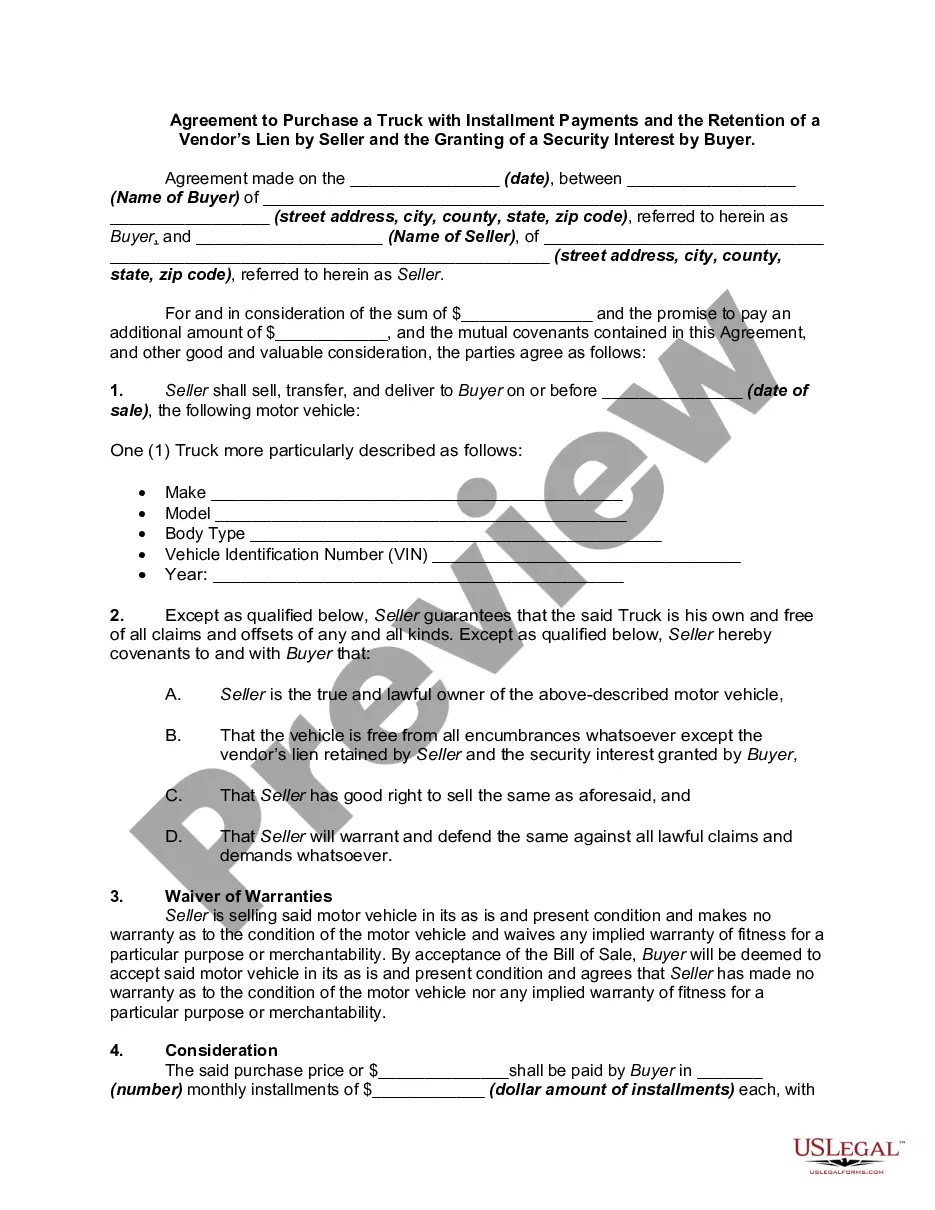
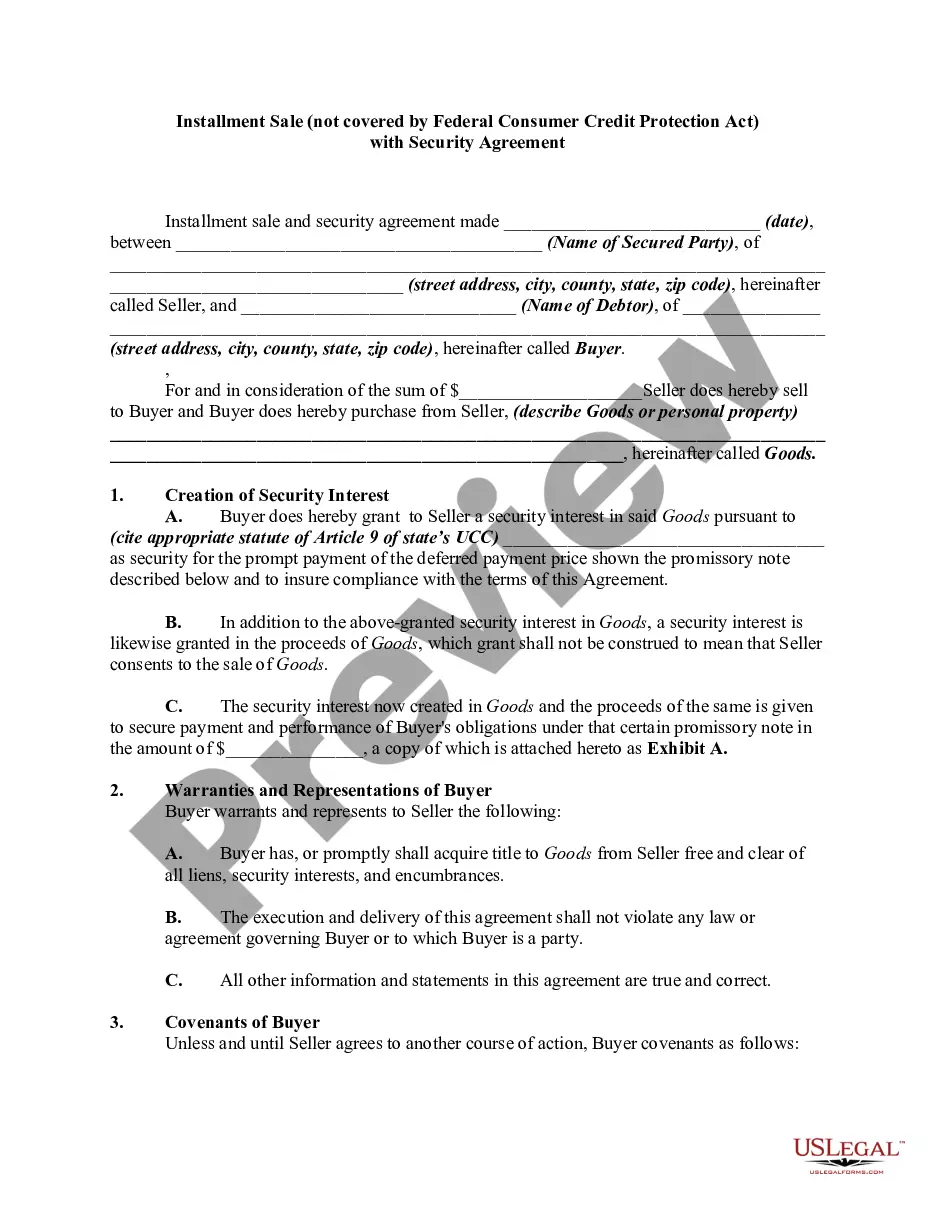
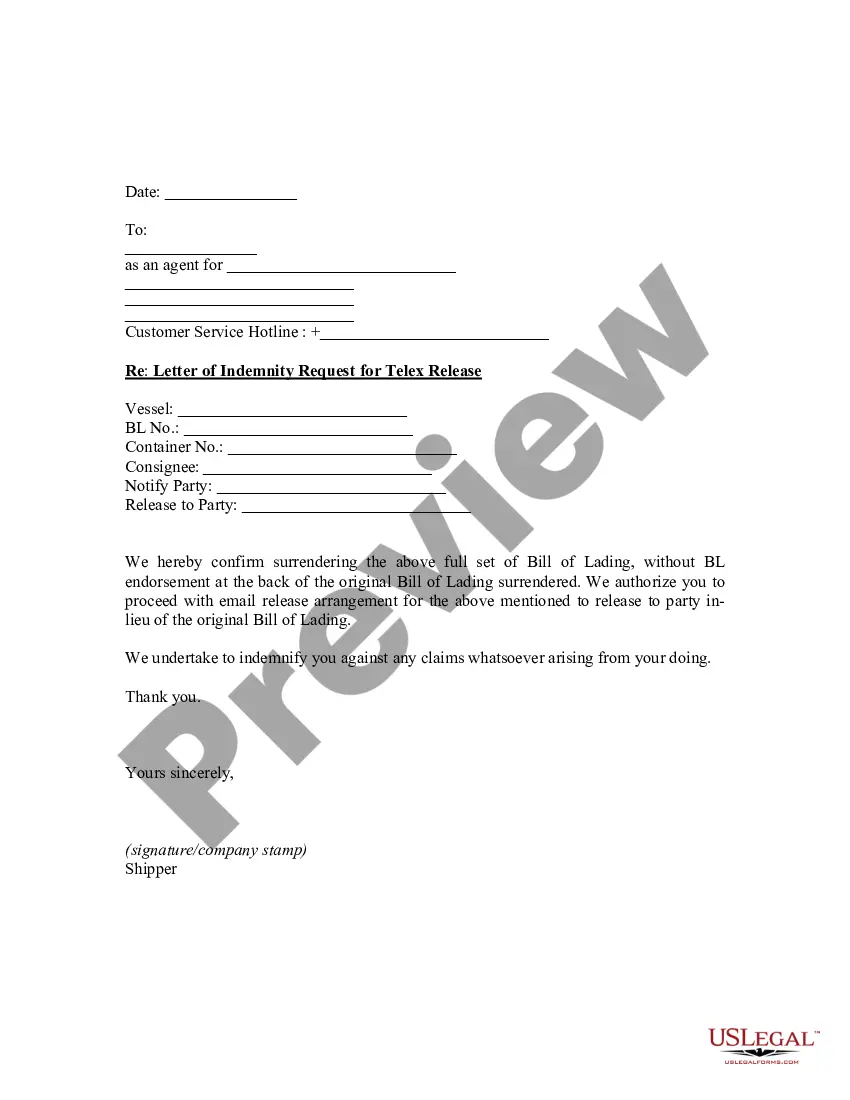
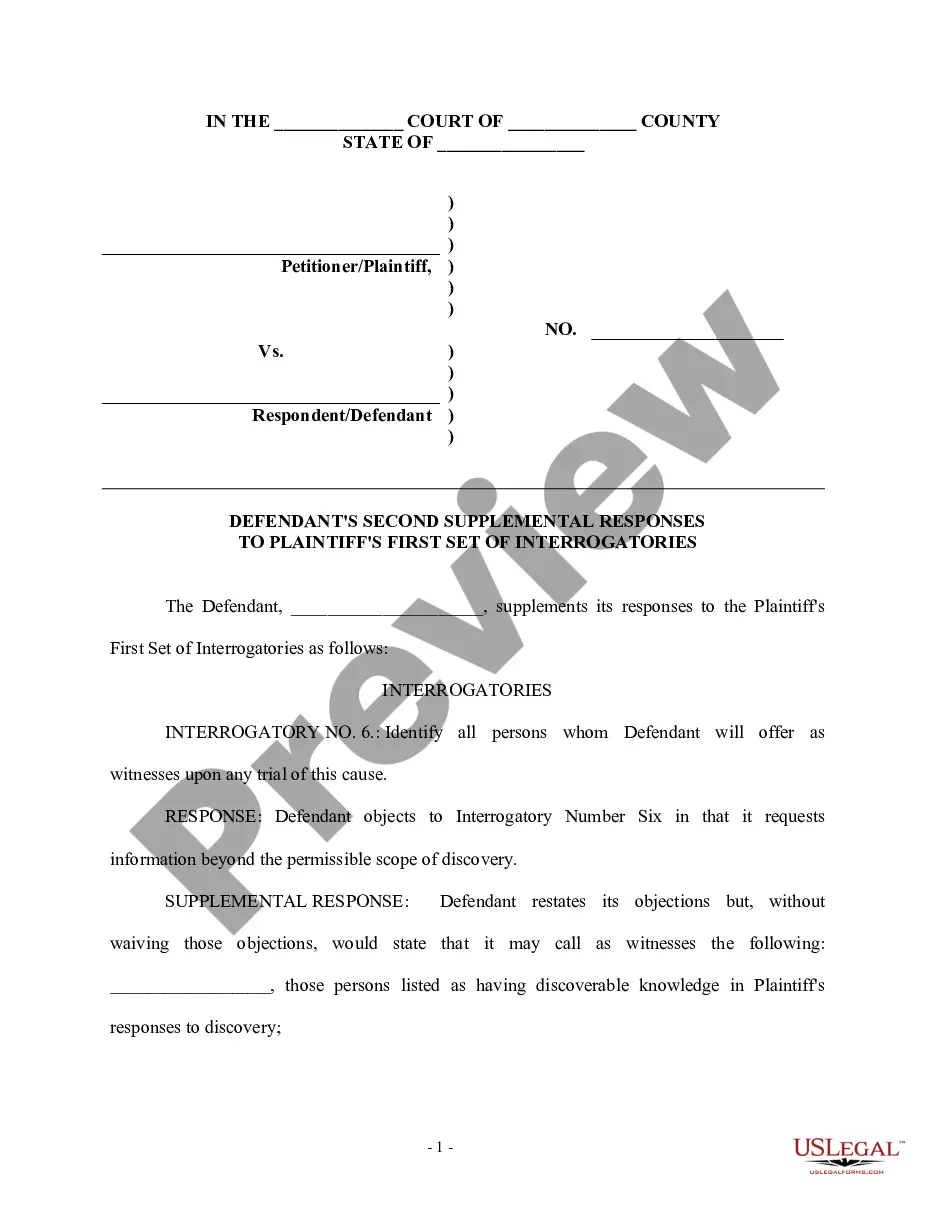
How to fill out Defendant's First Supplemental Response To Plaintiff's Discovery Request?
- If you are a returning user, log in to your US Legal Forms account and select the desired template from your dashboard.
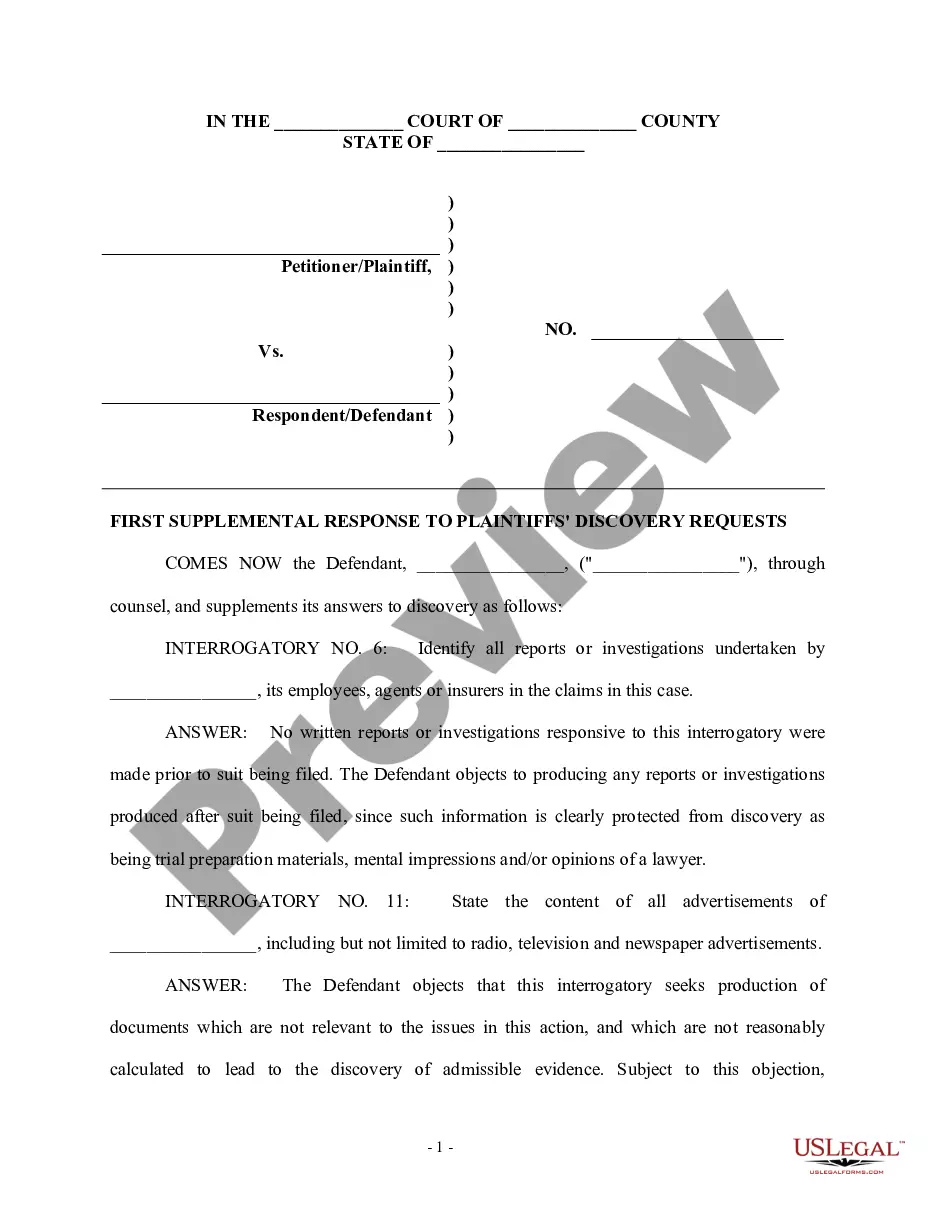
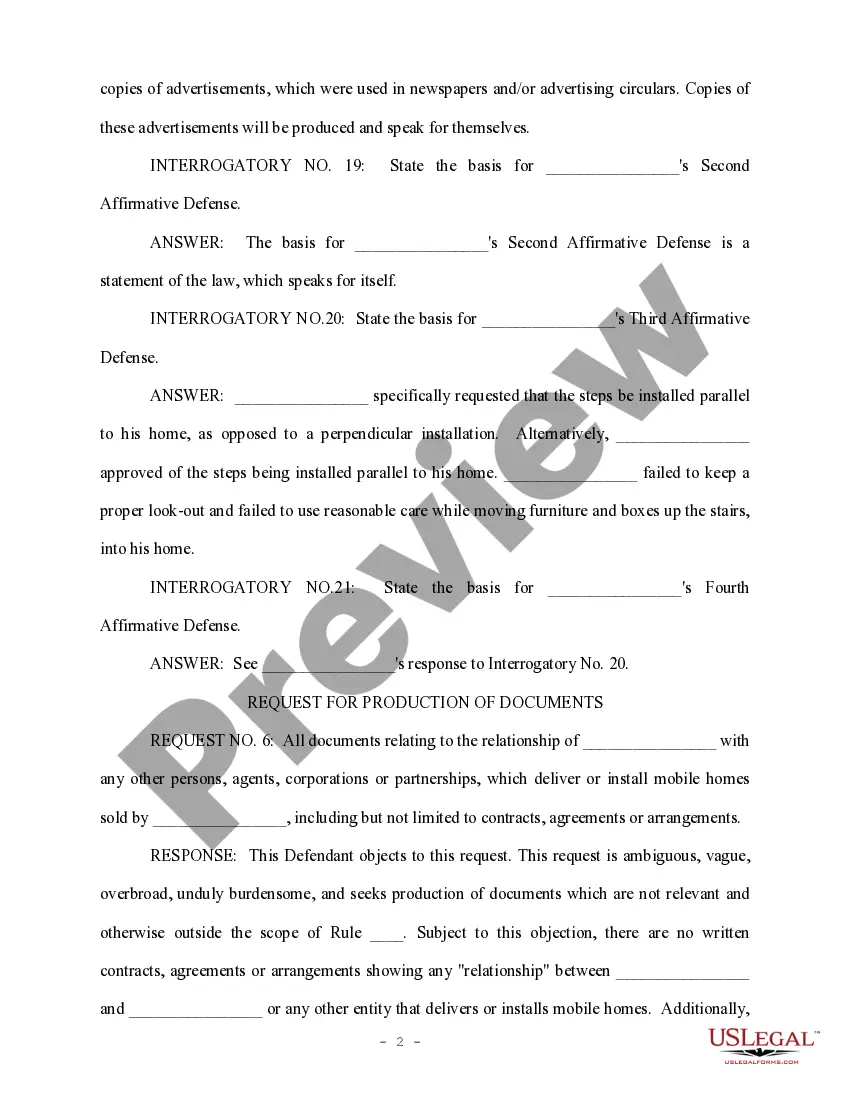
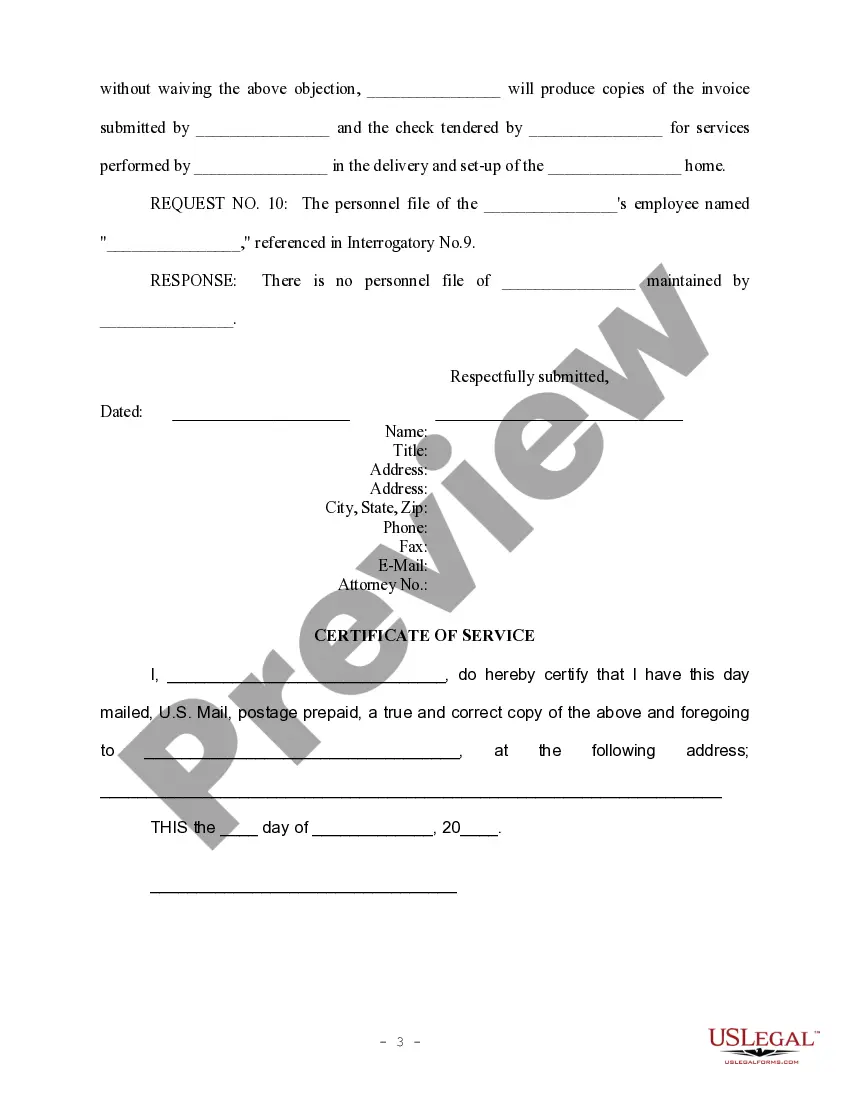
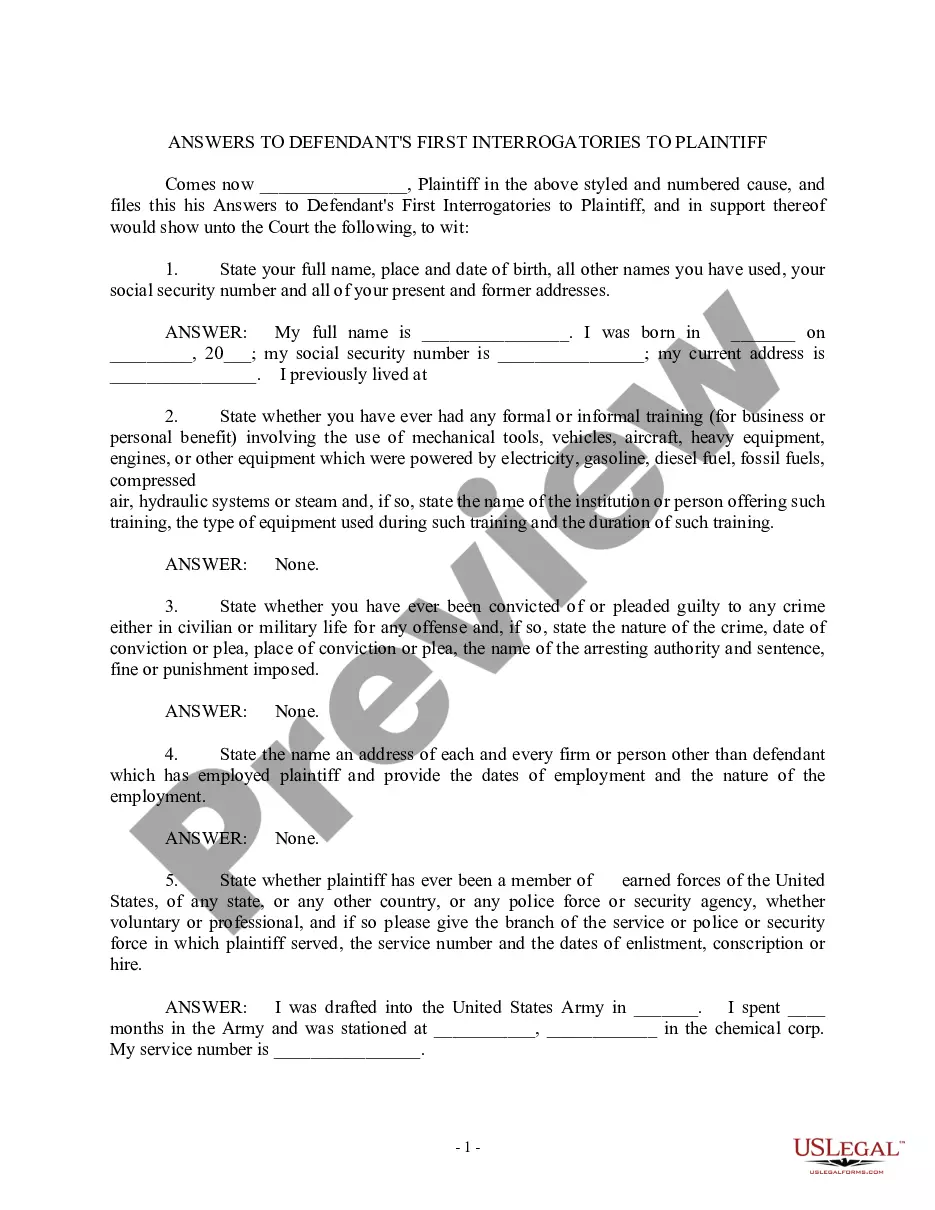
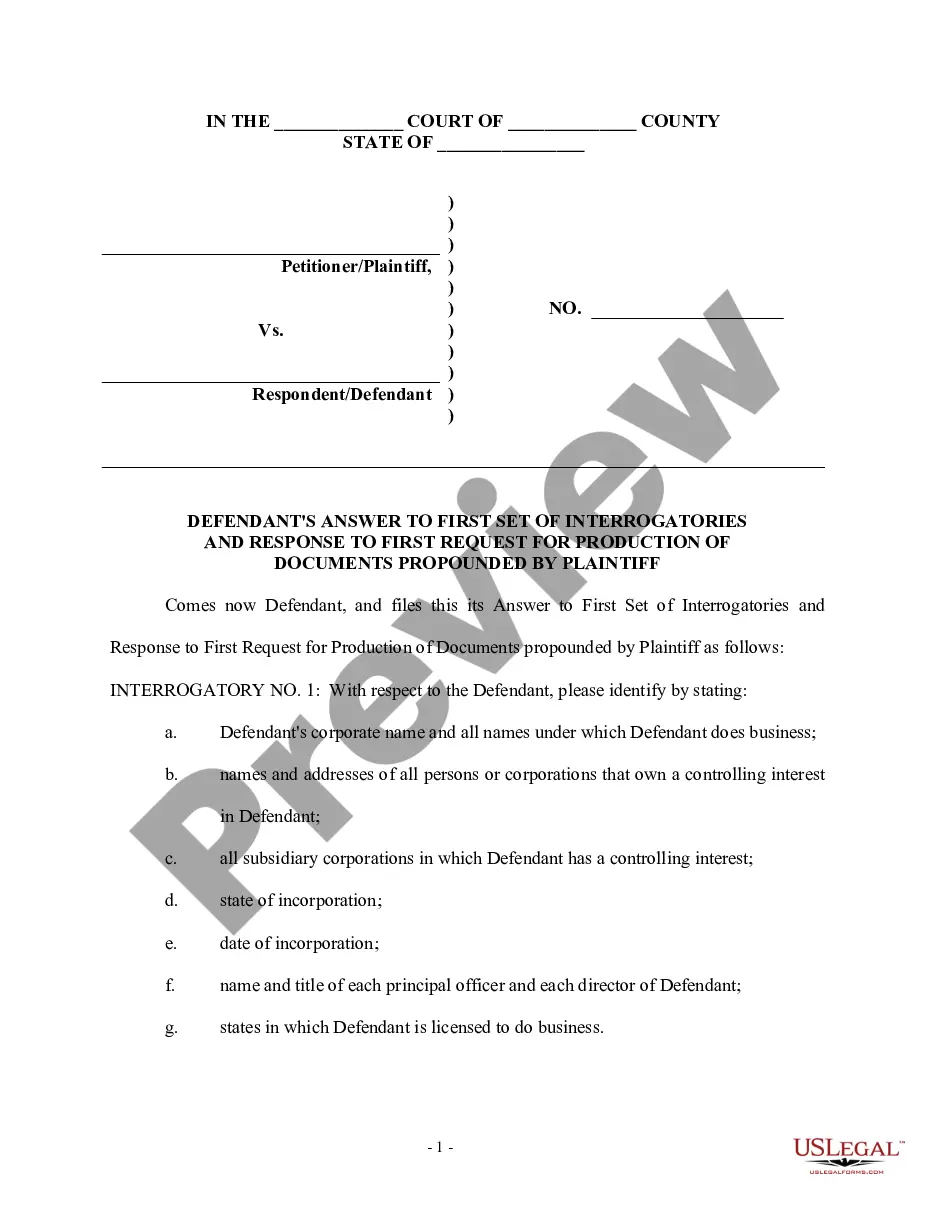
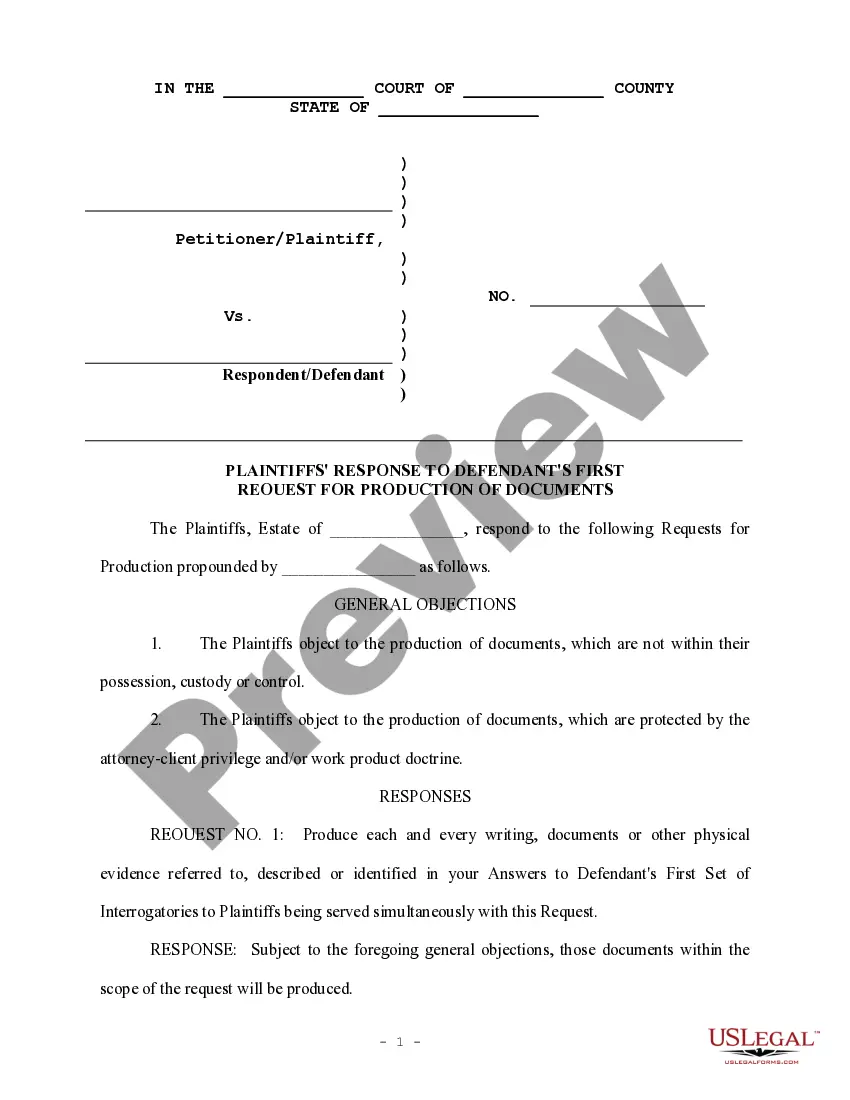
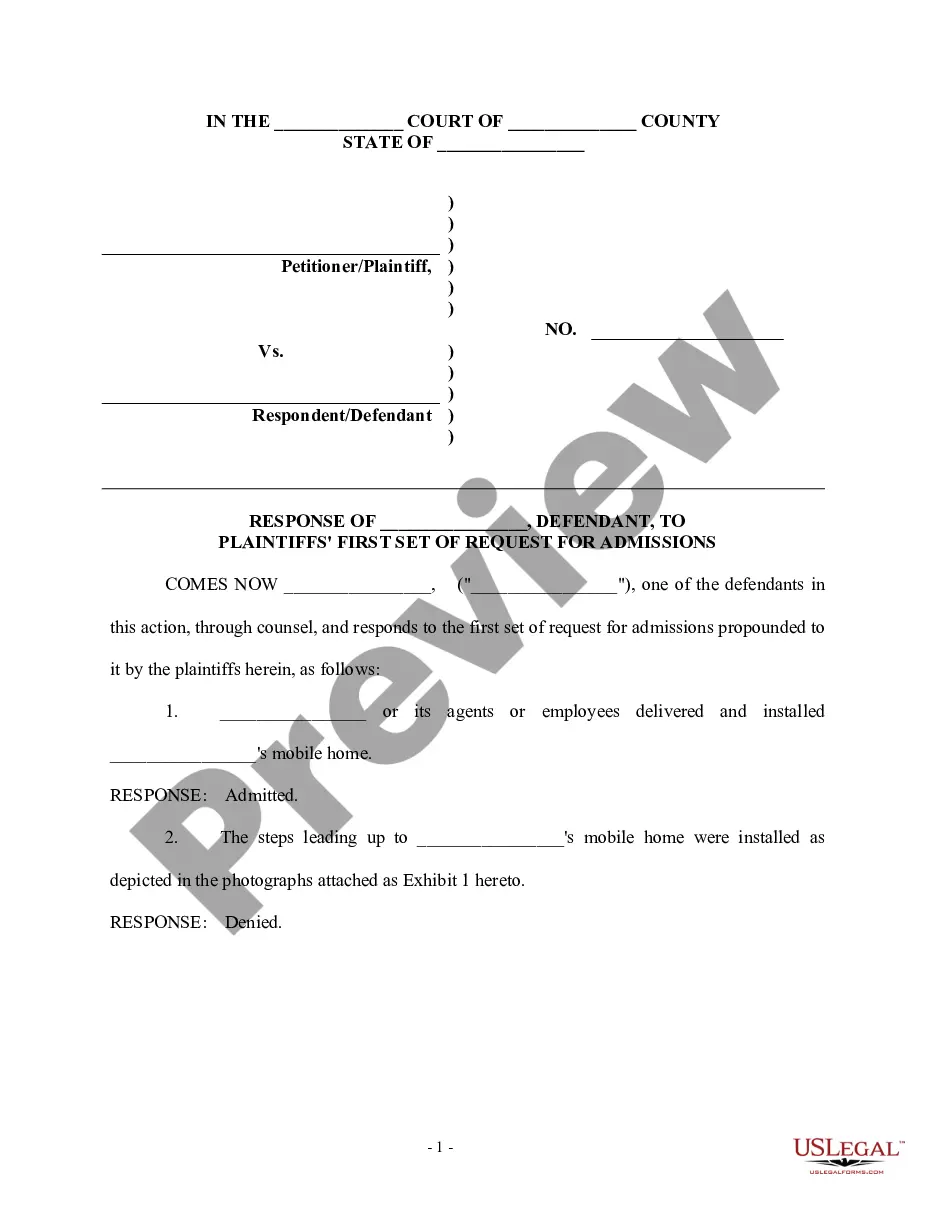
- For first-time users, begin by browsing the online form library. Utilize the Preview mode to examine the details of the supplemental discovery template carefully.
- If the current form does not meet your requirements, utilize the Search function to locate an alternative that is more aligned with your jurisdiction's specific needs.
- Once you find the correct document, click the 'Buy Now' button to choose your preferred subscription plan and create your account for full access.
- Complete your purchase by entering your payment details through a credit card or PayPal.
- Download the completed form to your device. You can access it anytime through the My Forms section in your profile.
By leveraging the extensive library of over 85,000 customizable legal forms, users are ensured they can find precisely what they need to facilitate their legal processes.
Empower yourself with the right tools today and experience the efficiency of US Legal Forms. Start simplifying your legal documentation process now!
Form popularity
FAQ
A supplemental interrogatory is a legal tool used in federal court to gather additional information from a party after the initial set of interrogatories has been answered. This type of supplemental discovery example for federal court allows a party to seek clarification or more details based on the responses received. It is important for ensuring that all relevant information is on the table as the case develops. By using platforms like USLegalForms, you can easily create and manage supplemental interrogatories, helping you stay organized and compliant throughout the discovery process.
The continuing obligation to supplement discovery means that you must update your discovery responses as new information becomes available. This applies throughout the entire duration of the case until it is resolved. This ensures that both parties have access to all pertinent information, fostering a fair trial environment. Familiarizing yourself with supplemental discovery examples for federal court can provide useful insights on how to fulfill this duty effectively.
Yes, there is an obligation to supplement interrogatories when new information surfaces that affects your previous answers. This duty serves to keep all parties informed and to support transparency within the judicial process. Fulfilling this requirement is crucial for maintaining the integrity of your case. Learning about supplemental discovery examples for federal court can guide you in meeting this obligation.
To supplement interrogatories, you must provide complete and updated responses to any new or modified interrogatories. This process requires reviewing your previous answers and ensuring that any new information is properly included. It's beneficial to draft clear responses that align with the context of your case. Looking into supplemental discovery examples for federal court can provide clarity on effective techniques for this process.
Rule 34 of the Federal Rules of Civil Procedure deals with the production of documents and tangible items. It allows a party to request the other party to produce relevant documents for inspection and copying. Familiarizing yourself with Rule 34 is crucial for successfully executing any supplemental discovery examples for federal court. Understanding this rule enhances your preparedness for legal proceedings.
The federal court mandates that parties must supplement their discovery responses when they discover new information that significantly changes their previous responses. This duty ensures that all evidence is relevant and available to both parties throughout the legal process. By adhering to this duty, you maintain fairness and help the court reach a knowledgeable decision. Always refer to supplemental discovery examples for federal court to understand your obligations better.
In federal court, you typically have 30 days to respond to supplemental discovery requests. The timeline starts from the date you receive the requests. It's essential to track deadlines accurately, as failing to respond on time can adversely impact your case. For guidance on these timelines, consider exploring supplemental discovery examples for federal court.
To supplement discovery means to provide additional information or documentation that was not previously included in your disclosures or responses. This action is essential in ongoing cases, especially in federal court, where parties have a legal obligation to share any new evidence that surfaces. Regularly reviewing your responses and the information you possess can help fulfill this obligation effectively.
To amend refers to making changes to existing material, while to supplement means to add new information. In the context of discovery in federal court, amending might involve correcting or altering previous disclosures, whereas supplementing introduces fresh evidence or answers to previously posed questions. Knowing when to amend or supplement can significantly impact how a case is presented.
Supplemental discovery responses add new information relevant to the case, while amended responses revise existing information. Supplementation often occurs after the original responses, whenever new evidence or updates arise. Understanding these differences helps ensure accurate and complete disclosure, which is essential for a fair legal process in federal court.