Summary Judgment Response With Data-based Evidence
Description
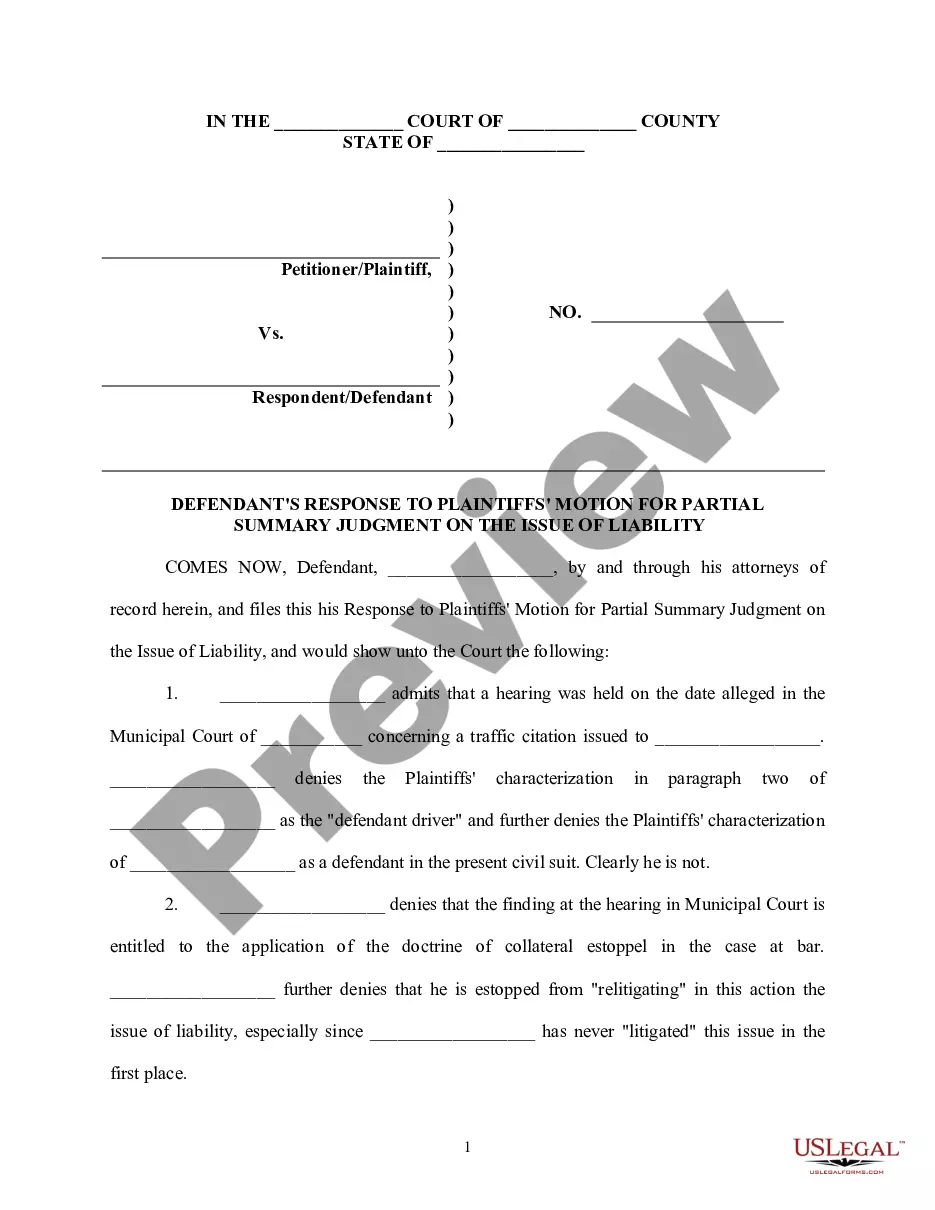
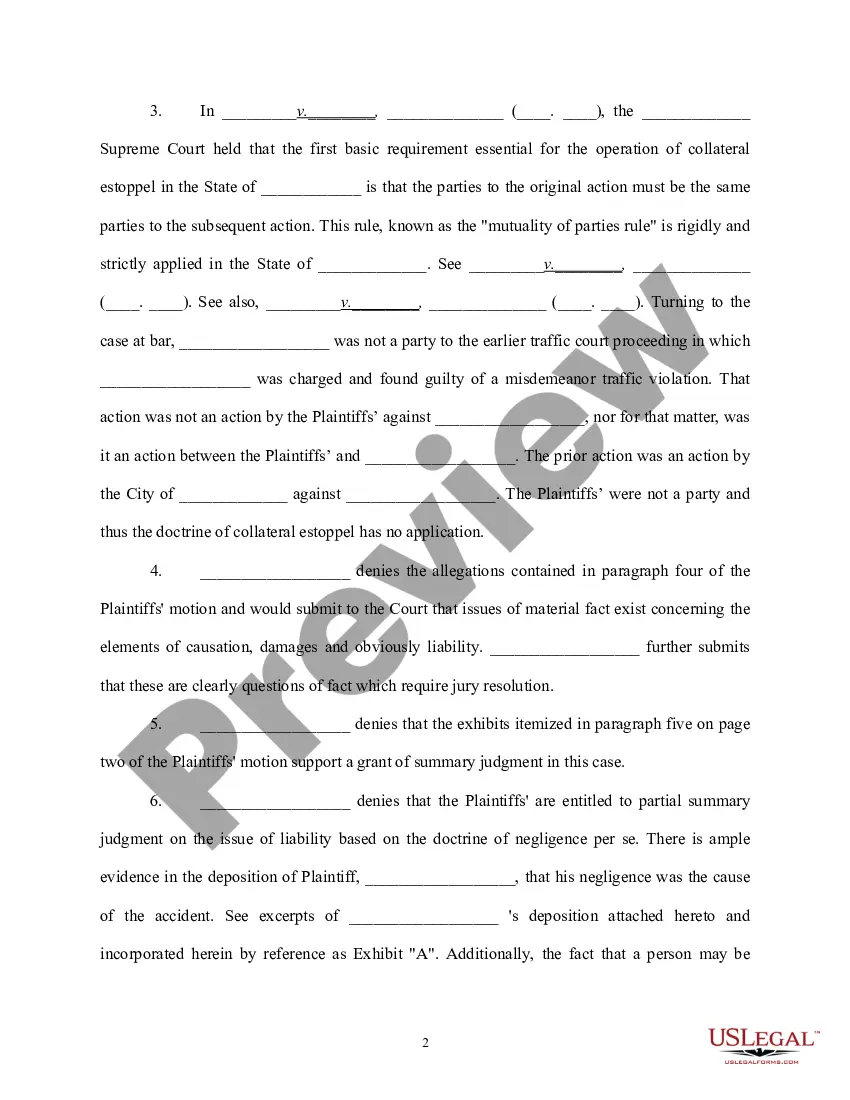
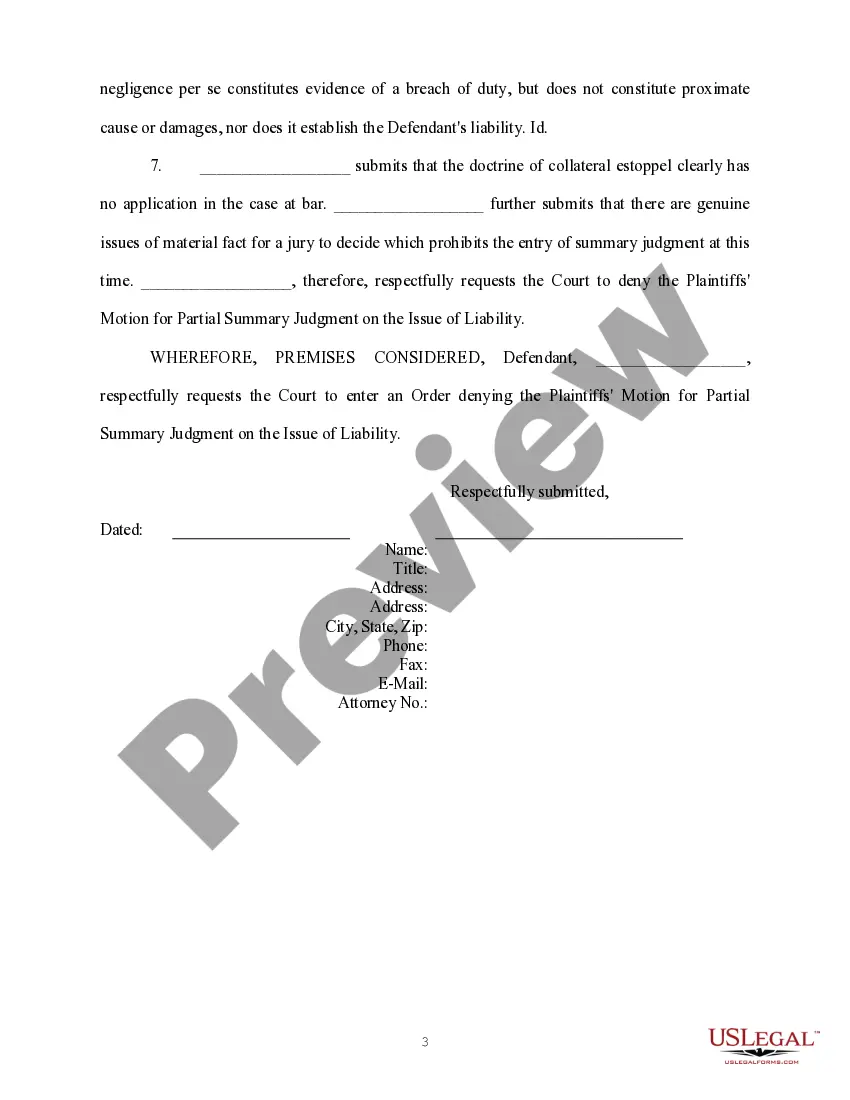
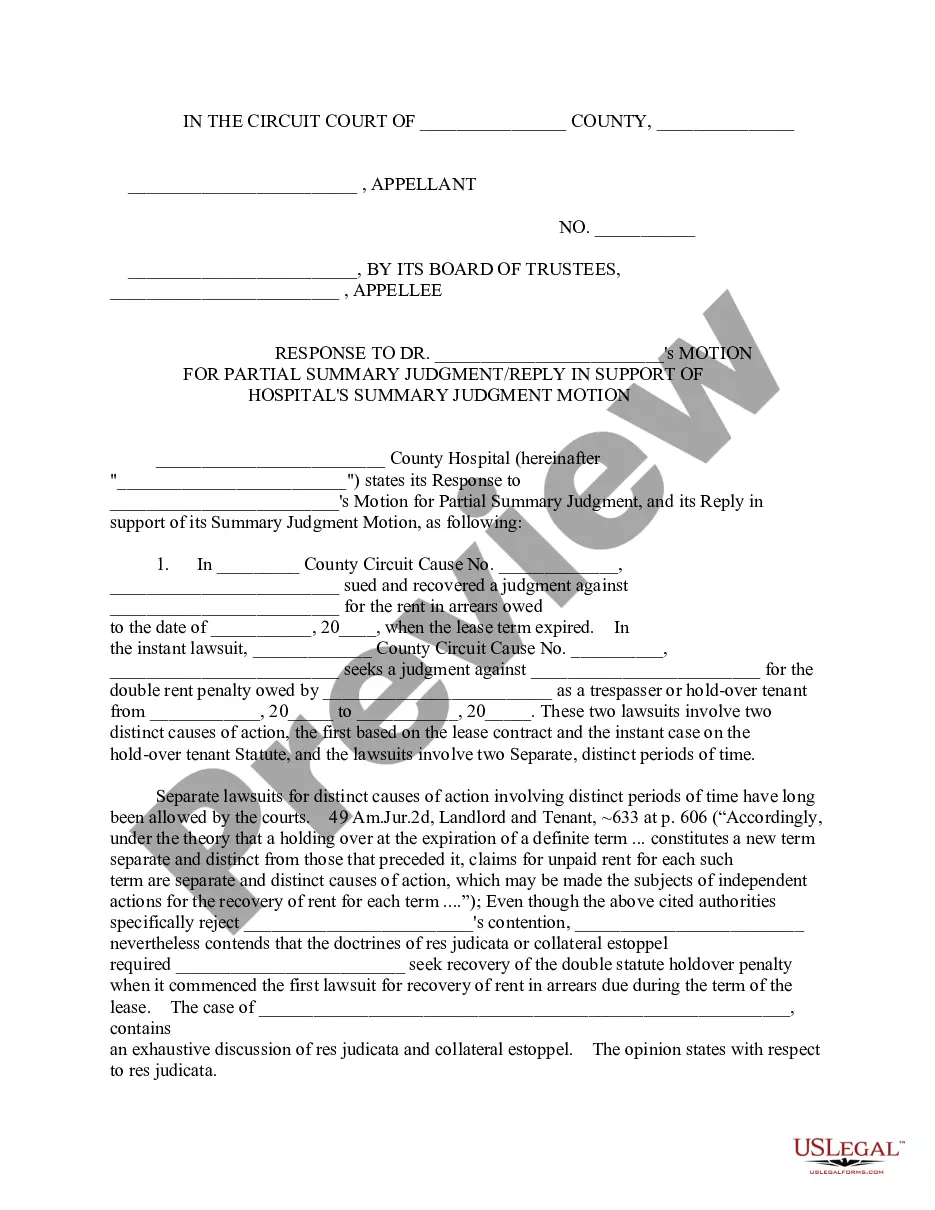
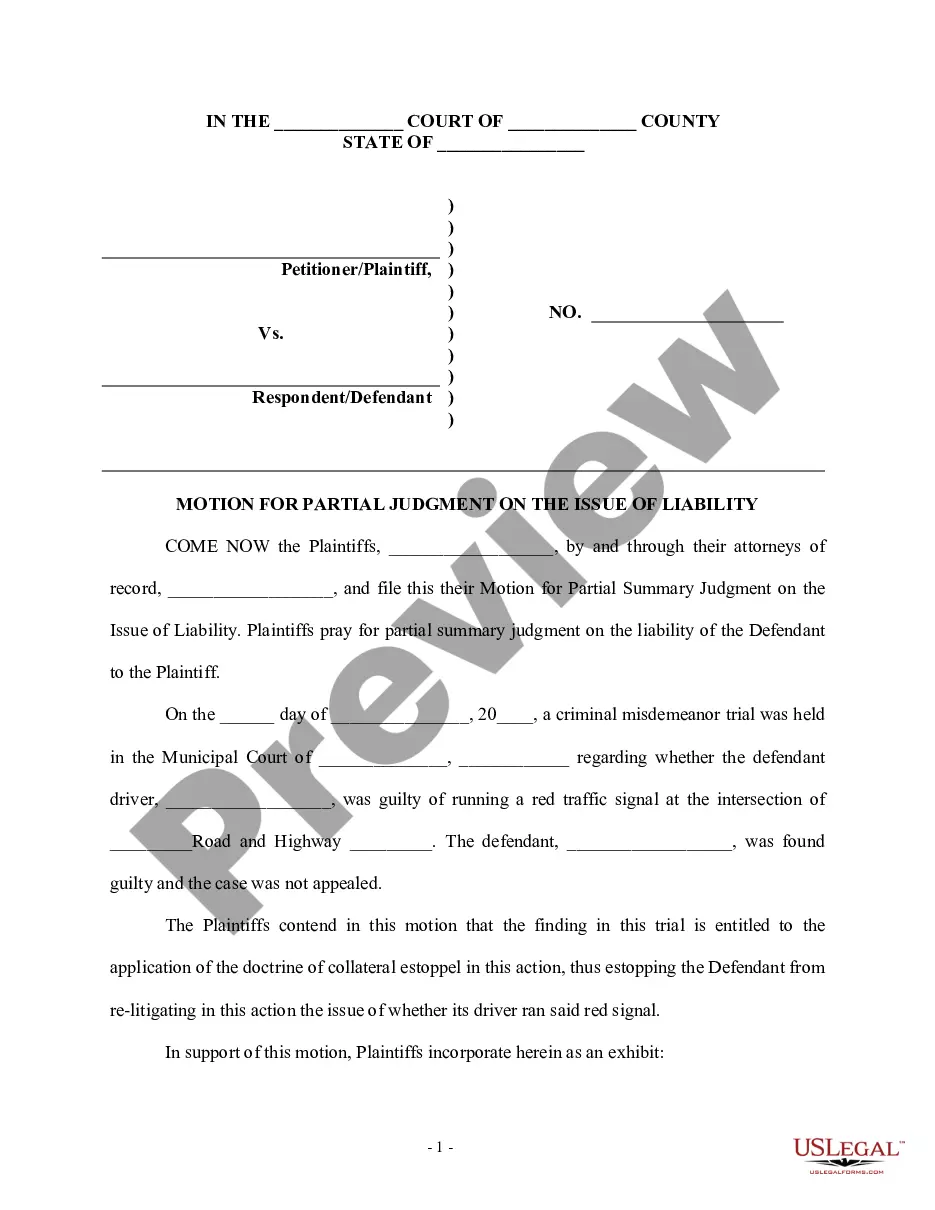
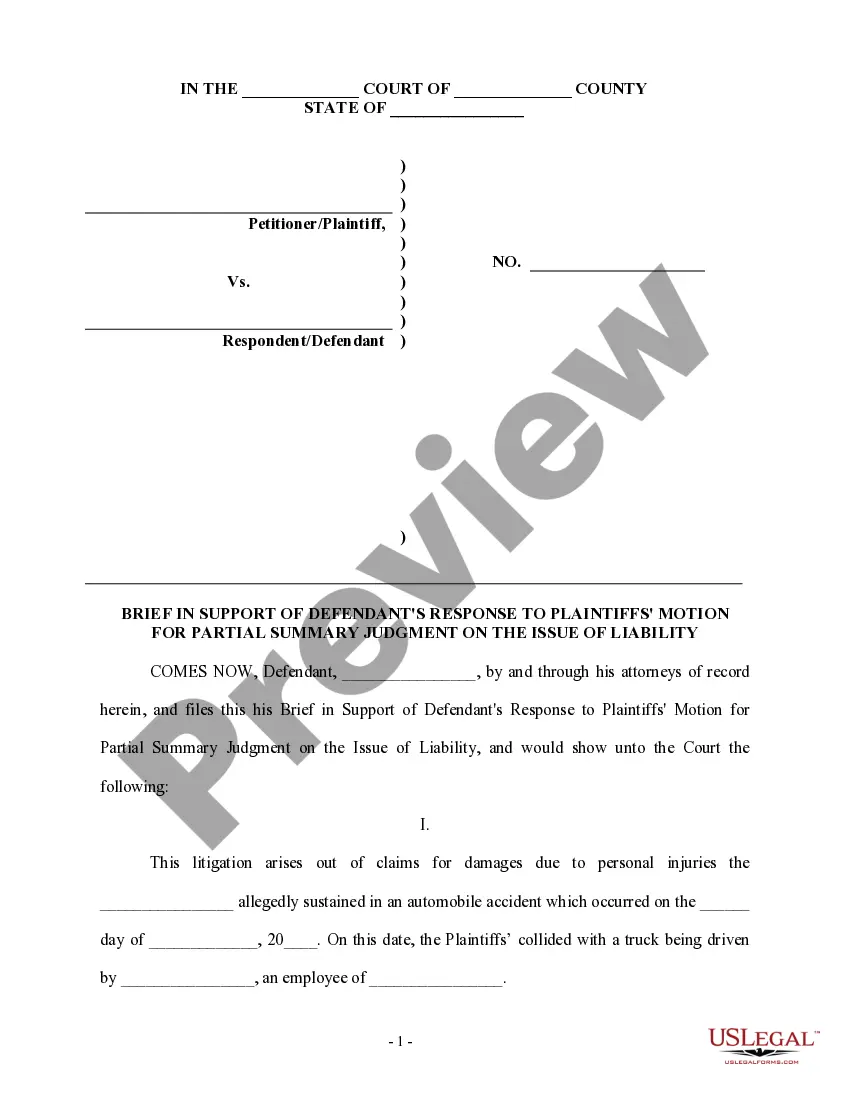
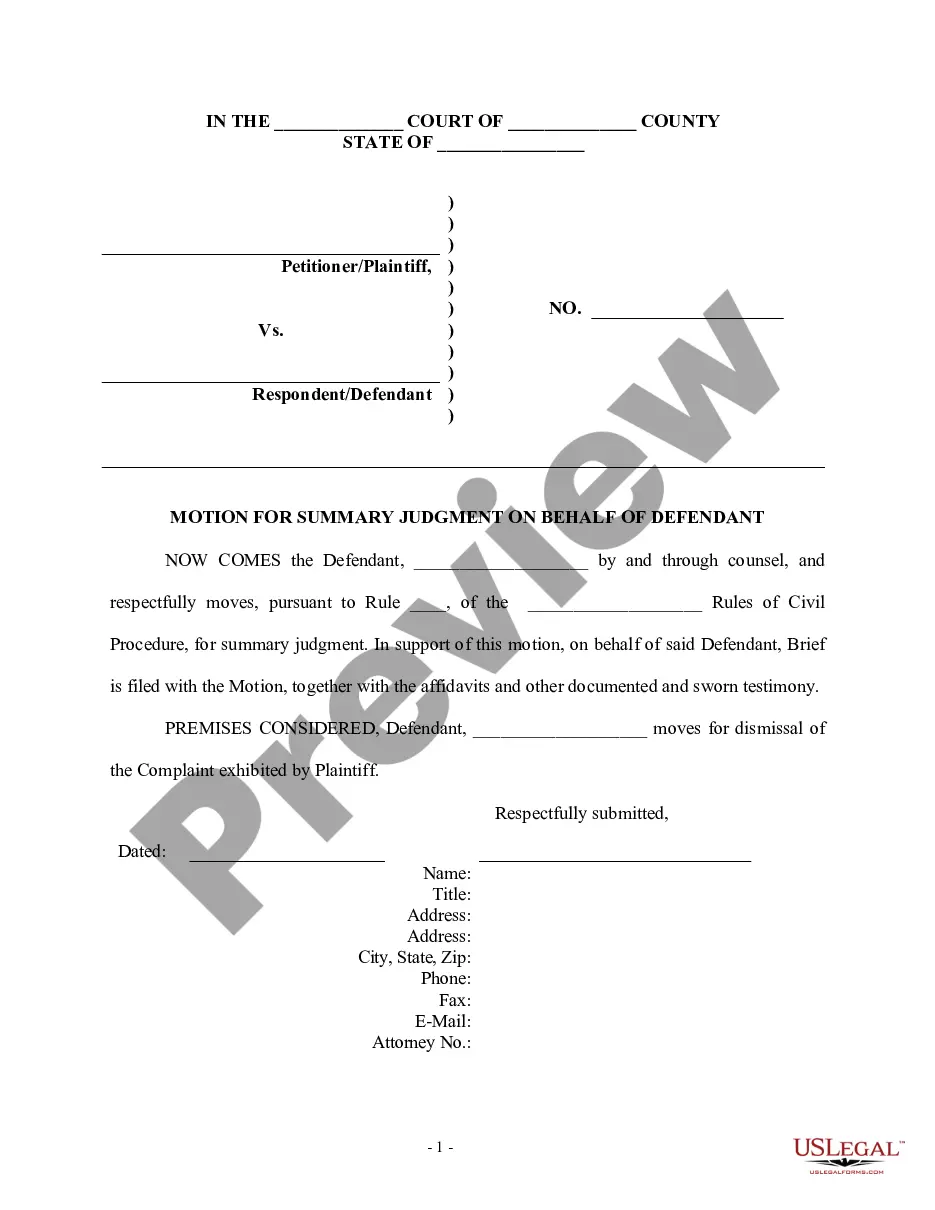
Get your form ready online
Our built-in tools help you complete, sign, share, and store your documents in one place.
Make edits, fill in missing information, and update formatting in US Legal Forms—just like you would in MS Word.
Download a copy, print it, send it by email, or mail it via USPS—whatever works best for your next step.
Sign and collect signatures with our SignNow integration. Send to multiple recipients, set reminders, and more. Go Premium to unlock E-Sign.
If this form requires notarization, complete it online through a secure video call—no need to meet a notary in person or wait for an appointment.
We protect your documents and personal data by following strict security and privacy standards.

Make edits, fill in missing information, and update formatting in US Legal Forms—just like you would in MS Word.

Download a copy, print it, send it by email, or mail it via USPS—whatever works best for your next step.

Sign and collect signatures with our SignNow integration. Send to multiple recipients, set reminders, and more. Go Premium to unlock E-Sign.

If this form requires notarization, complete it online through a secure video call—no need to meet a notary in person or wait for an appointment.

We protect your documents and personal data by following strict security and privacy standards.
Looking for another form?
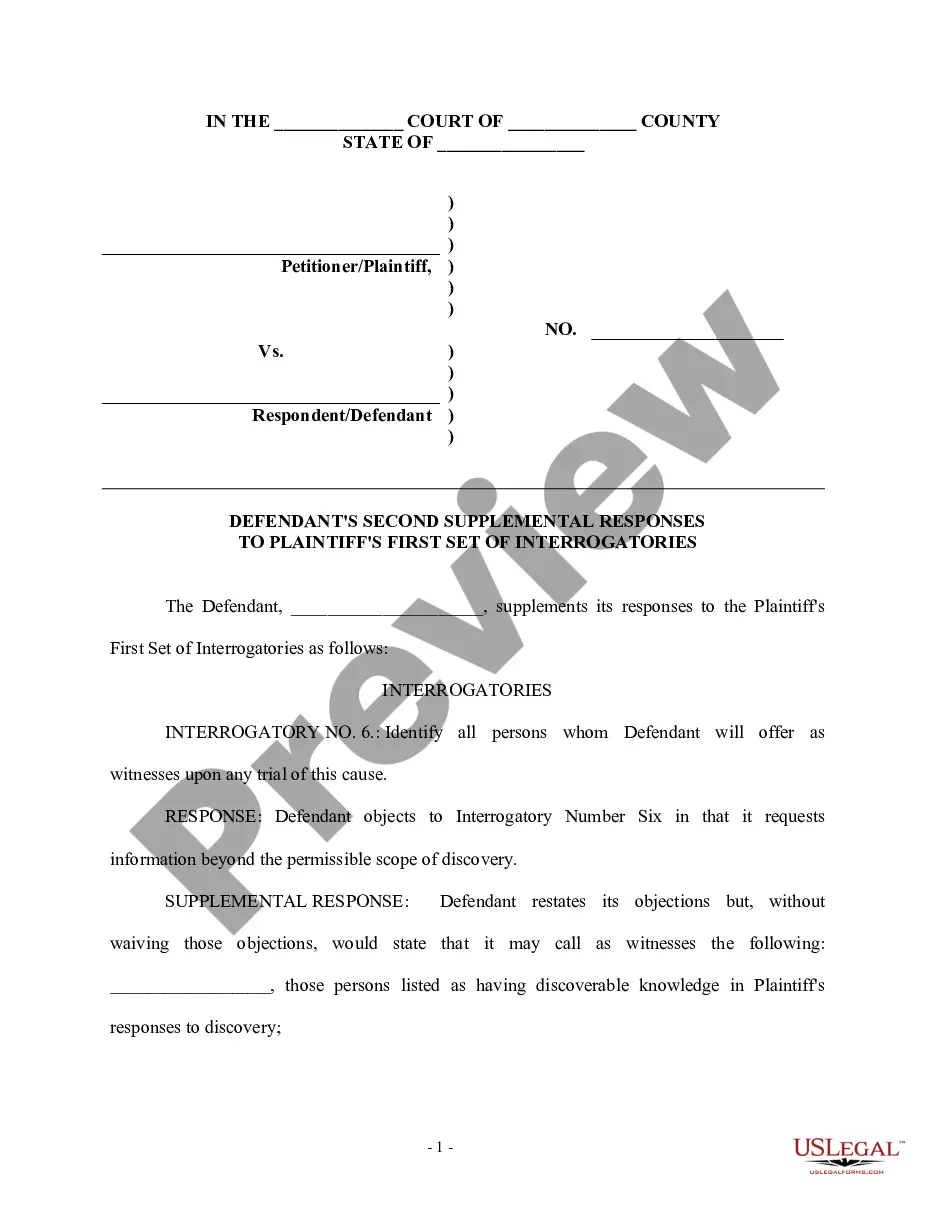


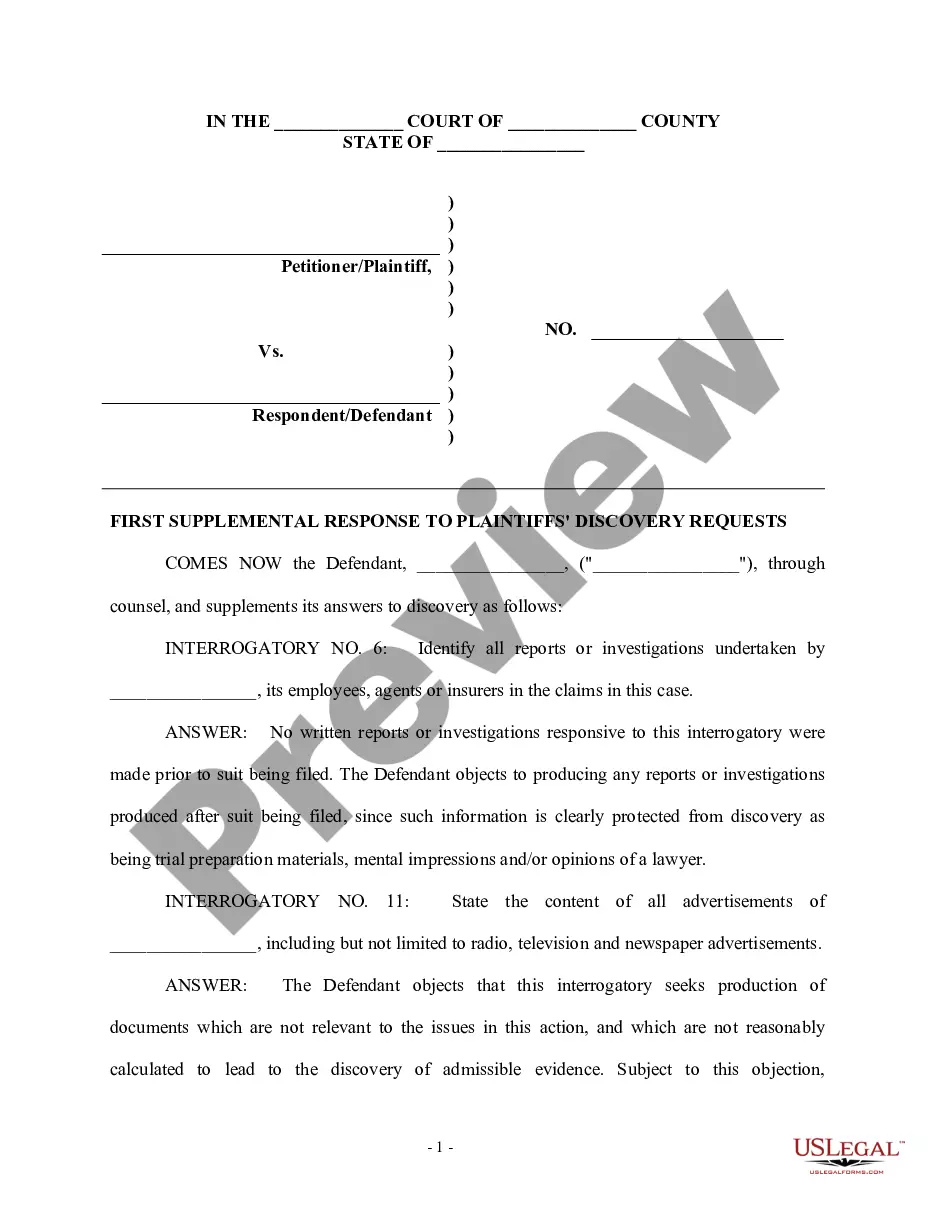

How to fill out Defendant's Response To Plaintiff's Motion For Summary Judgment On The Issue Of Liability?
Securing a reliable destination to obtain the latest and most pertinent legal documents is a significant part of managing bureaucracy.
Identifying the appropriate legal files requires accuracy and carefulness, which is why it is crucial to source samples of Summary Judgment Response With Data-based Evidence solely from trustworthy outlets, such as US Legal Forms. An incorrect template will consume your time and delay the matter at hand.
Eliminate the stress associated with your legal documentation. Browse the extensive US Legal Forms catalog to discover legal documents, assess their applicability to your situation, and download them right away.
- Utilize the catalog browsing or search bar to find your form.
- Examine the form’s details to determine if it satisfies the requirements of your state and county.
- Preview the form, if available, to confirm that it is indeed the template you need.
- Continue searching for the right template if the Summary Judgment Response With Data-based Evidence does not fulfill your criteria.
- If you are confident about the form's relevance, download it.
- As a registered user, click Log in to verify and access your selected forms in My documents.
- If you are yet to create an account, click Buy now to acquire the template.
- Select the pricing option that fits your needs.
- Complete your registration to finalize the purchase.
- Conclude your purchase by selecting a payment method (credit card or PayPal).
- Choose the file format for downloading Summary Judgment Response With Data-based Evidence.
- Once you have the document on your device, you may alter it using the editor or print it to fill out manually.
Form popularity
FAQ
Rule 1035.2 of the PA Rules of Civil Procedure pertains to motions for summary judgment. This rule allows a party to file a motion for summary judgment, asserting that there are no genuine issues of material fact and that they are entitled to judgment as a matter of law. The responding party must then provide a summary judgment response with data-based evidence to demonstrate that the case warrants further examination. Understanding this rule is crucial, and using the US LegalForms platform can assist you in crafting a suitable response.
To effectively respond to a summary judgment, you must gather and present compelling evidence that counters the claims made by the opposing party. Start by reviewing the motion for summary judgment thoroughly to identify the arguments being made against you. Then, prepare a detailed response that includes affidavits, documents, and any other relevant data-based evidence that supports your position. Utilizing the US LegalForms platform can help you create a robust summary judgment response with data-based evidence that meets legal requirements and strengthens your case.
The chance of success in these cases is less than 10% [1]. Another study found that summary judgment is mostly granted in Title VII cases, for example, cases involving equal pay or employment discrimination [2]. When it comes to federal cases, summary judgments are filed in 17% of total cases.
Answer each numbered fact proposed by the moving party in separate paragraphs, using the same number. The court strongly prefers that the responding party repeat verbatim the moving party's proposed fact and then respond to it. 2. All responses should be succinctly stated.
Any evidence that can be used in a courtroom trial can also be used in summary judgment. For example: Photographs. Signed witness statements.
1. A responding party should file additional proposed findings of fact if it needs them to defeat the motion for summary judgment. 2. The purpose of additional proposed findings of fact is to SUPPLEMENT the moving party's proposed findings of fact, not to dispute any facts proposed by the moving party.
Therefore, to win on summary judgment you have to convince a judge that it is a good use of his or her very limited time and resources to write the decision. This means that your written material has to demonstrate that the law and facts support summary judgment, and contain no misstatements of law or fact.