Summary Judgment Dismissal With Prejudice
Description
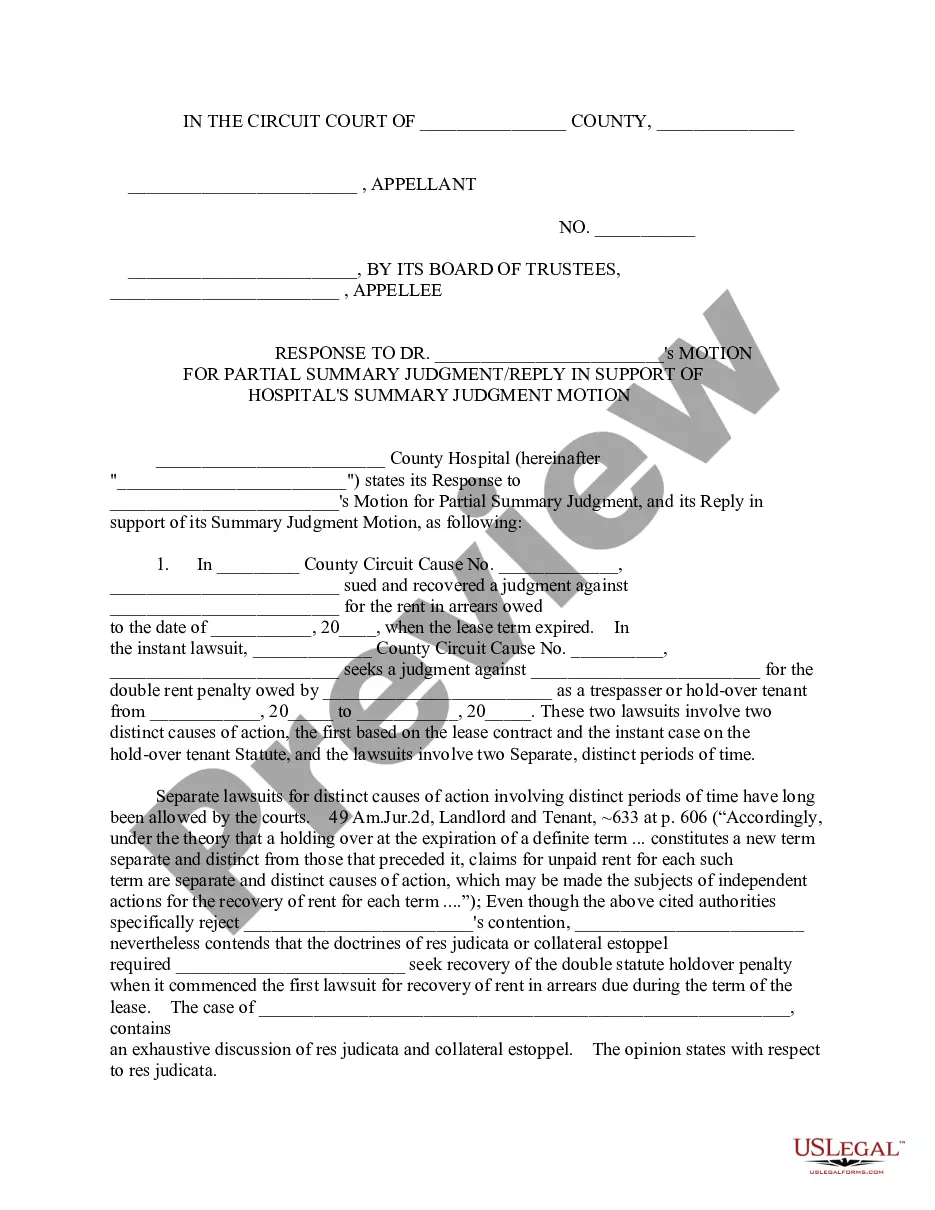
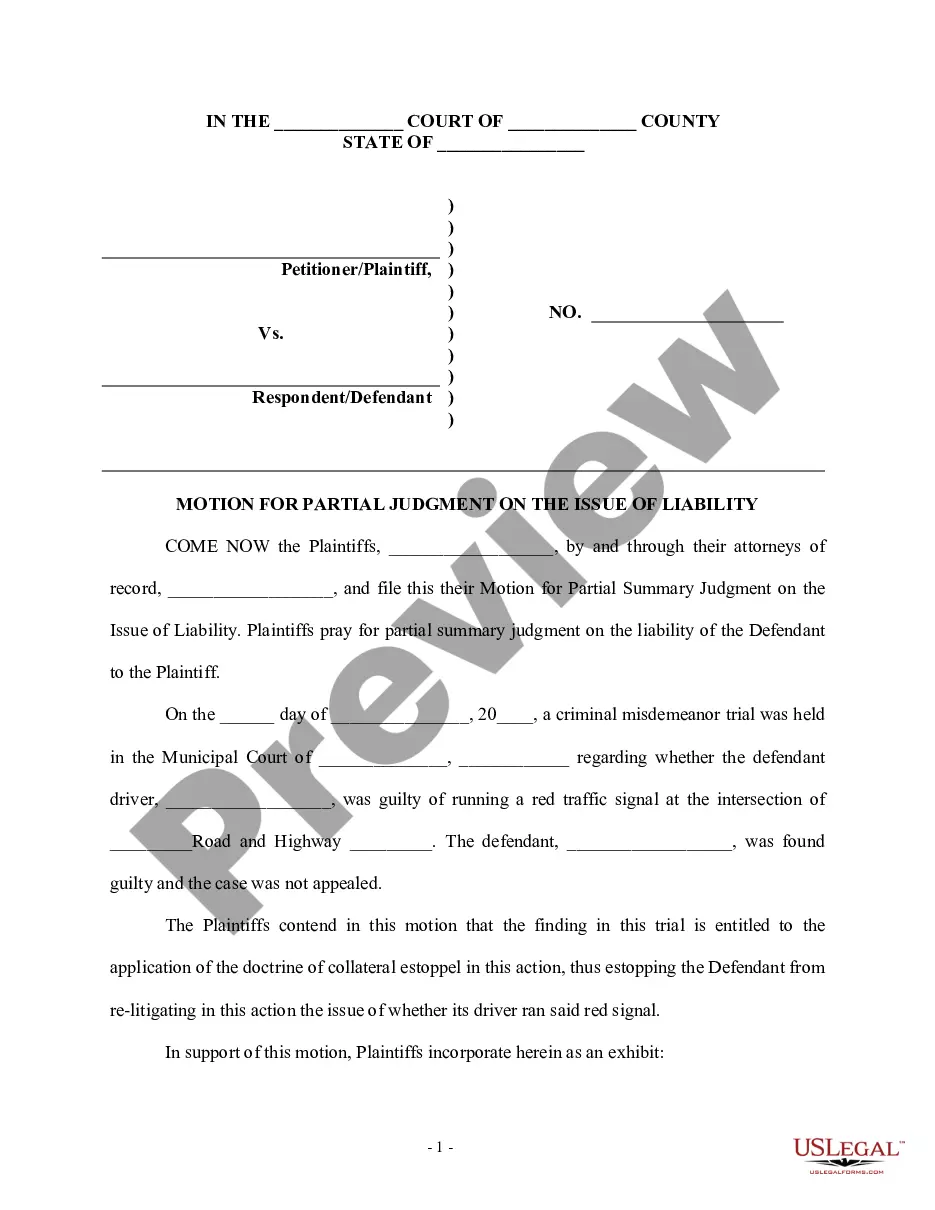
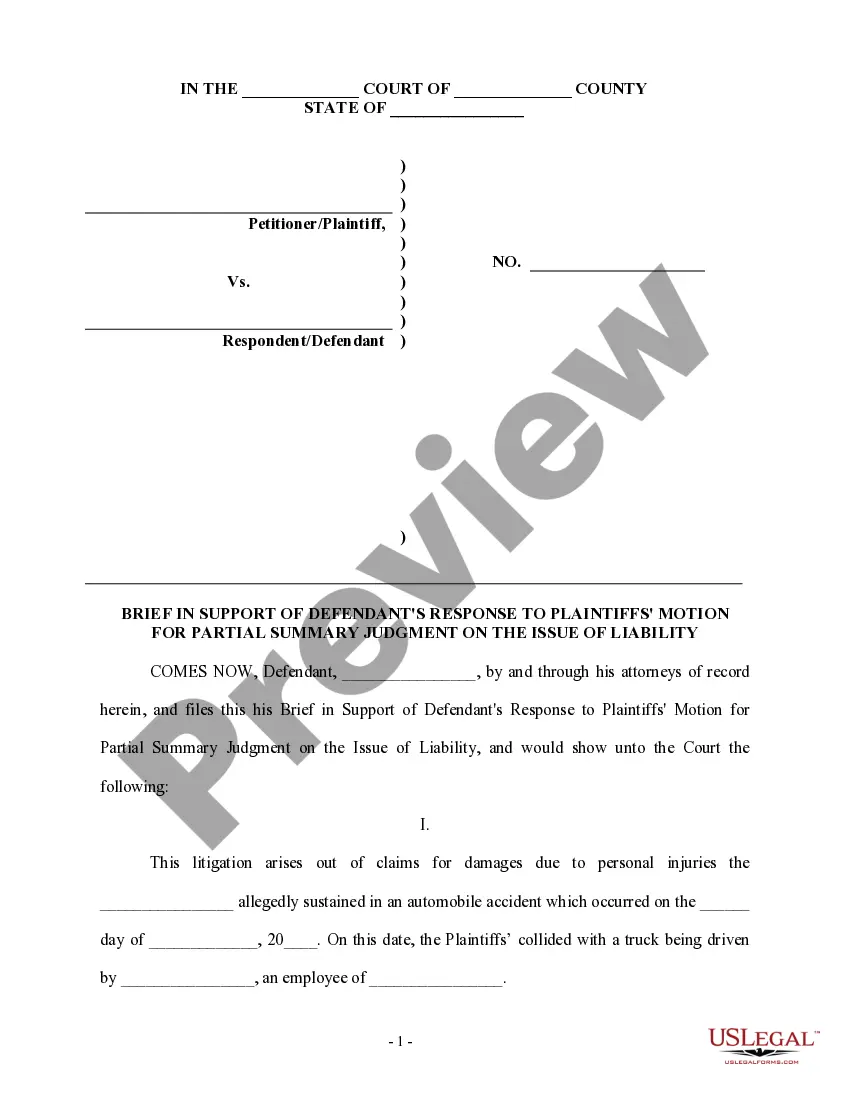
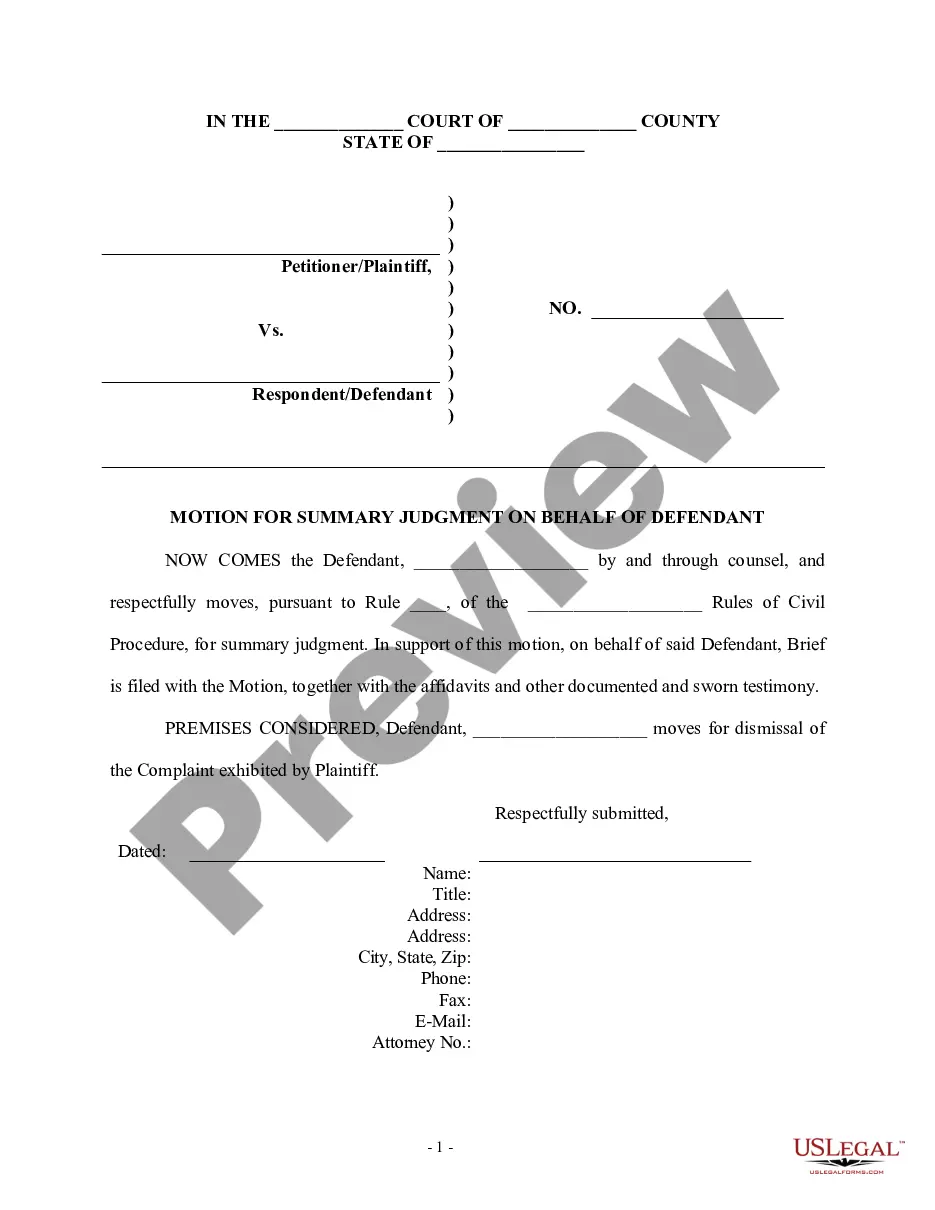
Get your form ready online
Our built-in tools help you complete, sign, share, and store your documents in one place.
Make edits, fill in missing information, and update formatting in US Legal Forms—just like you would in MS Word.
Download a copy, print it, send it by email, or mail it via USPS—whatever works best for your next step.
Sign and collect signatures with our SignNow integration. Send to multiple recipients, set reminders, and more. Go Premium to unlock E-Sign.
If this form requires notarization, complete it online through a secure video call—no need to meet a notary in person or wait for an appointment.
We protect your documents and personal data by following strict security and privacy standards.

Make edits, fill in missing information, and update formatting in US Legal Forms—just like you would in MS Word.

Download a copy, print it, send it by email, or mail it via USPS—whatever works best for your next step.

Sign and collect signatures with our SignNow integration. Send to multiple recipients, set reminders, and more. Go Premium to unlock E-Sign.

If this form requires notarization, complete it online through a secure video call—no need to meet a notary in person or wait for an appointment.

We protect your documents and personal data by following strict security and privacy standards.
Looking for another form?





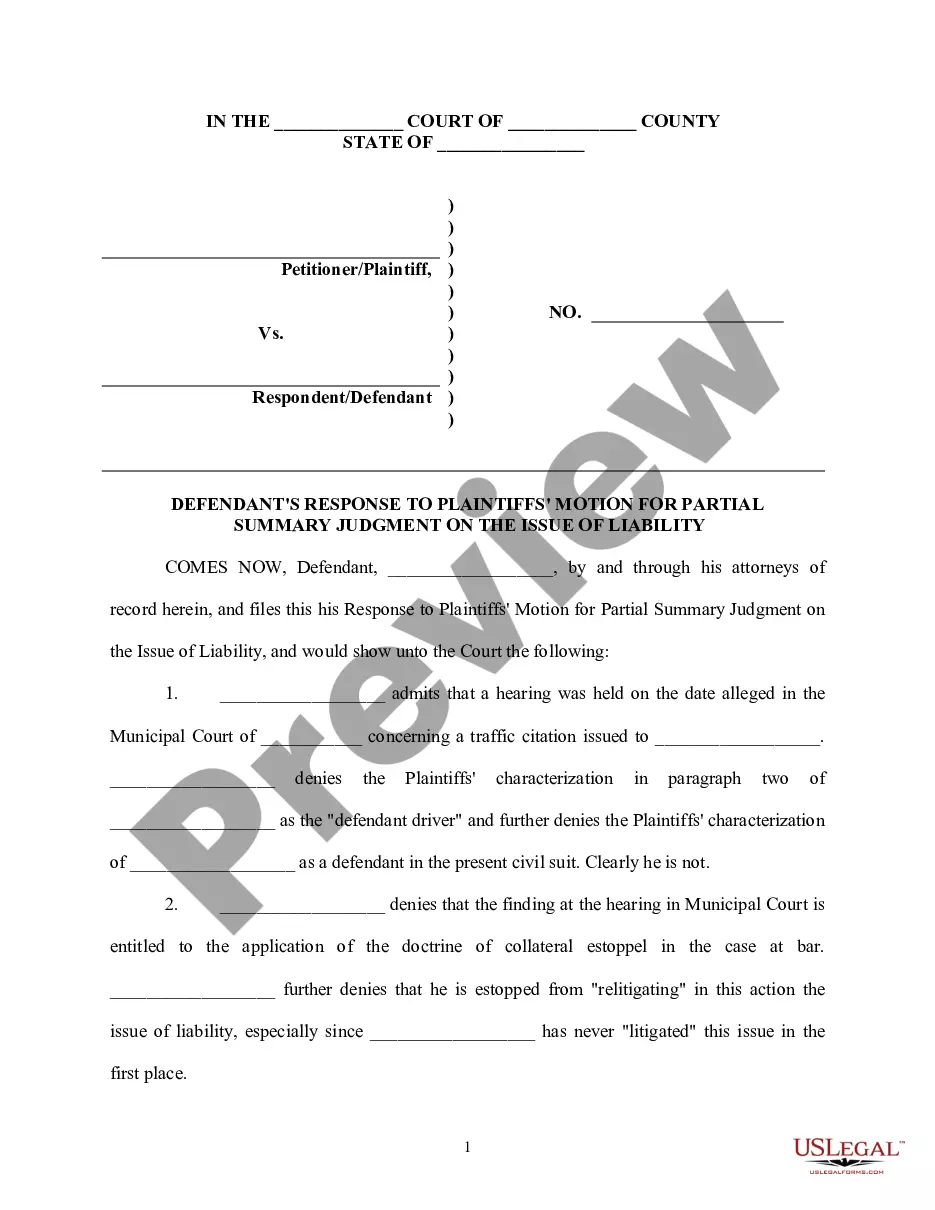
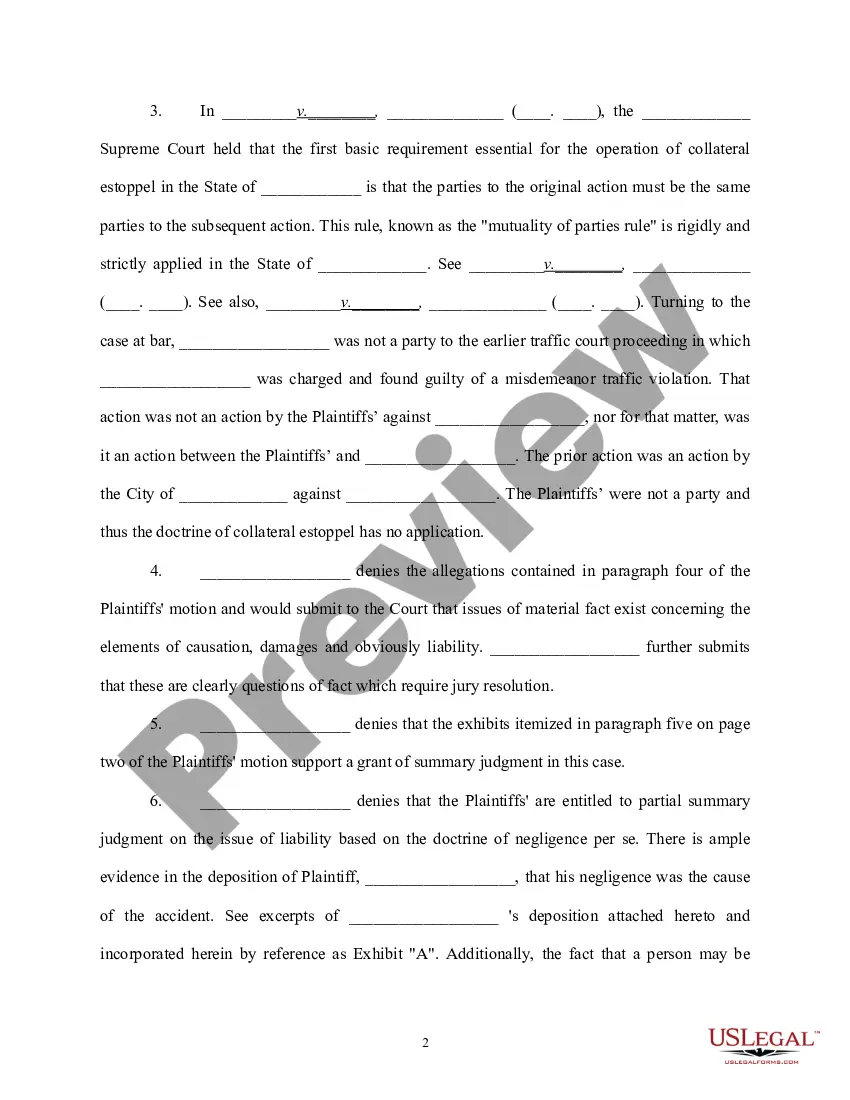
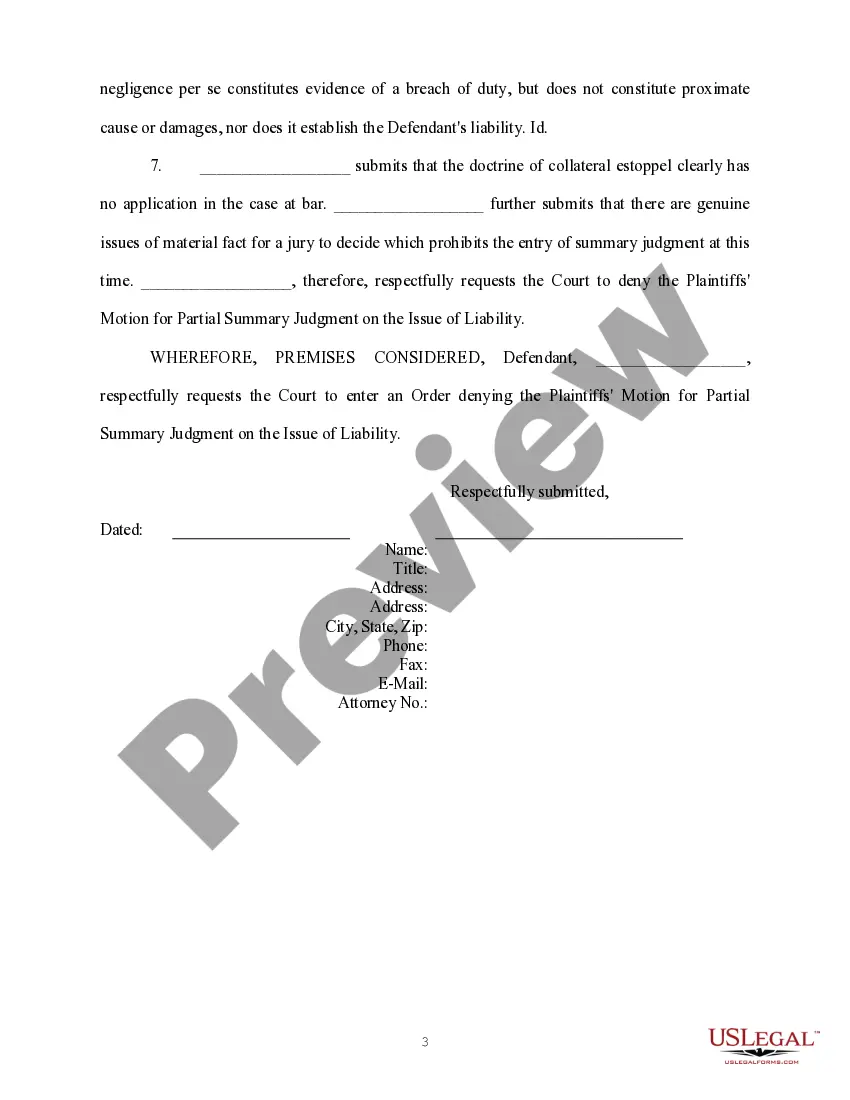
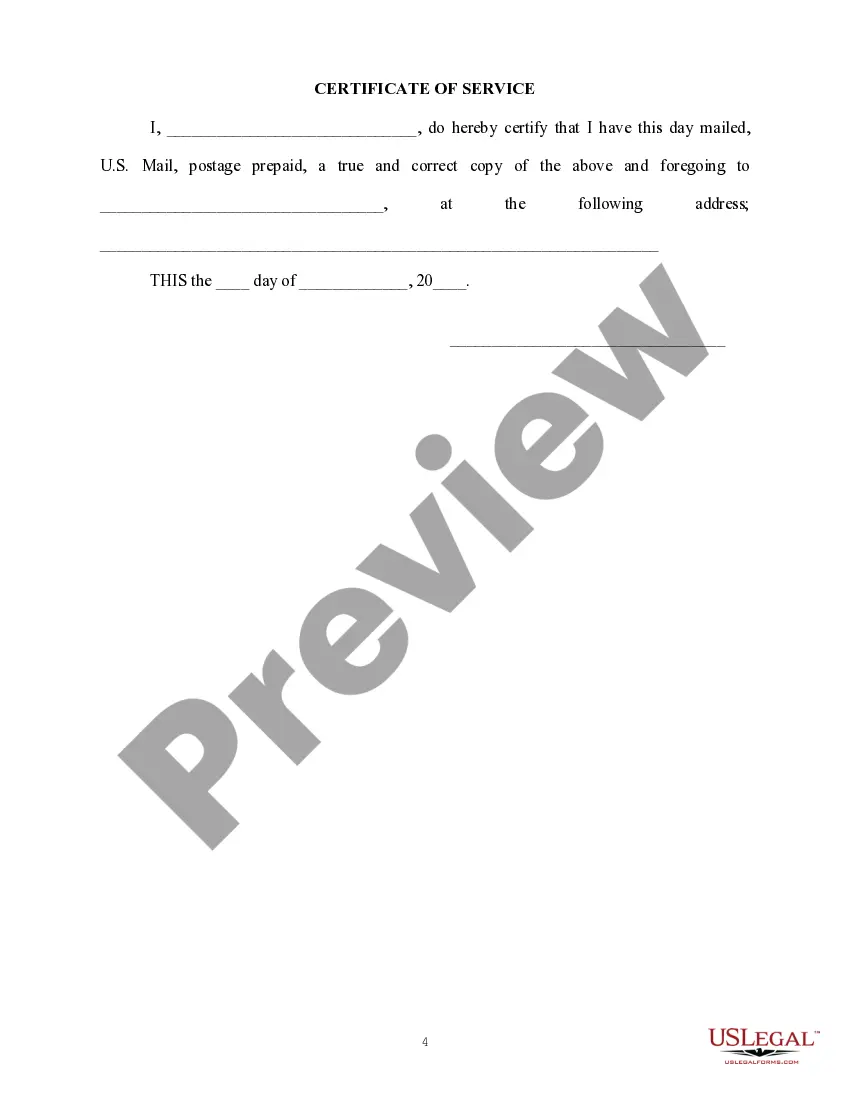
How to fill out Defendant's Response To Plaintiff's Motion For Summary Judgment On The Issue Of Liability?
- If you're an existing user, log in to your account and choose the required form template by clicking the 'Download' button. Ensure that your subscription is active; renew if necessary.
- For new users, start by exploring the Preview mode and the description of the form. Verify that it meets your specific needs and complies with local jurisdiction requirements.
- If the form isn't quite right, use the Search tab above to locate alternative templates until you find a suitable match.
- After selecting the appropriate document, click the 'Buy Now' button and choose your preferred subscription plan. You'll need to create an account to access the range of forms.
- Complete your purchase by entering your payment information or utilizing your PayPal account to finalize the subscription.
- Download the form to your device, making it easy to complete. You can revisit and manage your forms anytime in the My Forms section of your profile.
By choosing US Legal Forms, you gain access to a vast collection of over 85,000 editable legal documents, designed to empower you throughout your legal journey. Our extensive resources and expert assistance ensure that you can confidently manage your legal needs with precision.
Ready to simplify your legal documentation process? Visit US Legal Forms today and leverage our expertise to help you create legally sound documents with ease.
Form popularity
FAQ
In a motion for summary judgment, you can use various types of evidence, including affidavits, depositions, and documentary evidence. It is essential to present evidence that demonstrates there is no genuine dispute regarding material facts. The right evidence can significantly strengthen your position and influence outcomes, such as a summary judgment dismissal with prejudice.
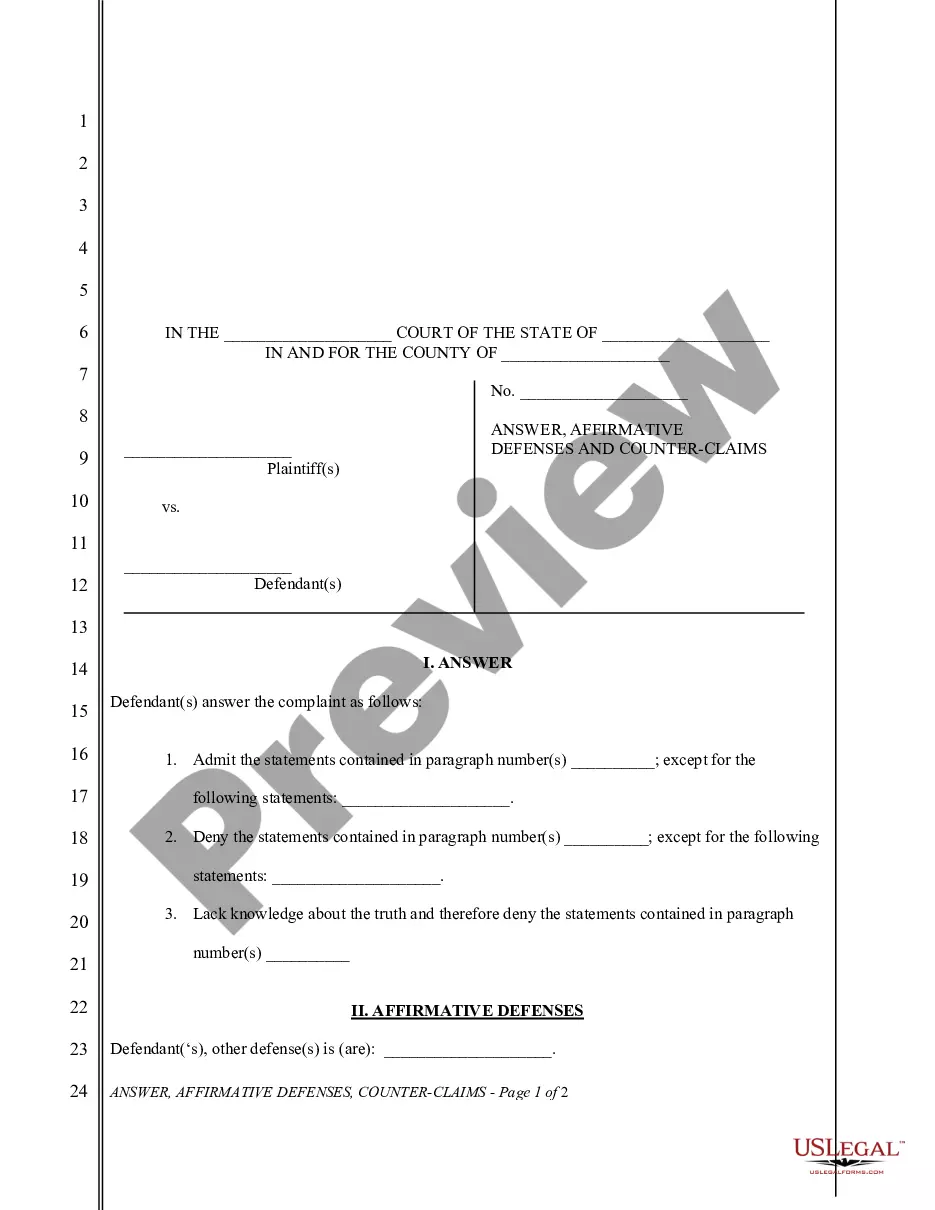
A dismissal with prejudice means that a case is permanently closed and cannot be refiled. For instance, if a court dismisses a lawsuit against a defendant due to a failure to comply with court rules, such as not providing required evidence, it could result in dismissal with prejudice. Understanding this concept can be crucial when preparing your case or facing a summary judgment dismissal with prejudice.
Writing a solid summary judgment motion involves clearly presenting facts, legal arguments, and supporting evidence. Make sure your motion succinctly explains why there are no genuine issues of material fact. Also, emphasize how the law supports your position, which may lead to a summary judgment dismissal with prejudice in your favor.
To successfully counter a motion for summary judgment, gather substantial evidence that creates a genuine dispute of material fact. Analyze the opponent's claims and prepare to refute them through solid arguments and documentation. Being precise and organized in your response can preserve your case and potentially prevent a summary judgment dismissal with prejudice.
To write an effective motion for summary judgment, focus on presenting clear facts that support your case. Start by outlining the relevant law and establishing how the evidence aligns with the legal standard. Additionally, ensure that you address any potential counterarguments. A well-crafted motion can help achieve a favorable summary judgment dismissal with prejudice.
A defendant may file a motion to dismiss for various strategic reasons, such as arguing that the complaint fails to state a claim or lacks jurisdiction. Essentially, this motion seeks to dispose of the case before it progresses to trial. A summary judgment dismissal with prejudice can provide a conclusive end to the matter, protecting the defendant's interests. For detailed guidance, US Legal Forms can be a valuable resource.
Yes, a motion can indeed be dismissed with prejudice under certain circumstances. This action prevents re-filing on the same grounds, effectively closing the door on that particular issue. It’s crucial for parties involved to understand the implications of such rulings. To ensure proper handling of motions, consider leveraging the tools available through US Legal Forms.
To achieve a dismissal with prejudice, a defendant usually files a motion and presents specific legal grounds, demonstrating that the case lacks merit. Courts carefully evaluate these motions before making a ruling. If granted, this type of dismissal can safeguard the defendant from further claims on the same matter. US Legal Forms provides templates and guidance to simplify this process.
Yes, a case dismissed without prejudice can typically be reopened. This allows the plaintiff the opportunity to correct issues and refile the case if they choose. It contrasts with a summary judgment dismissal with prejudice, which is final. Should you need assistance with these nuances, consider the resources available at US Legal Forms.
Yes, a defendant can file a motion to dismiss with prejudice. This type of dismissal means that the plaintiff cannot bring the same claim against the defendant in the future. It is a significant legal action that can end the case permanently. Understanding this process is essential, and platforms like US Legal Forms can help in navigating these motions effectively.