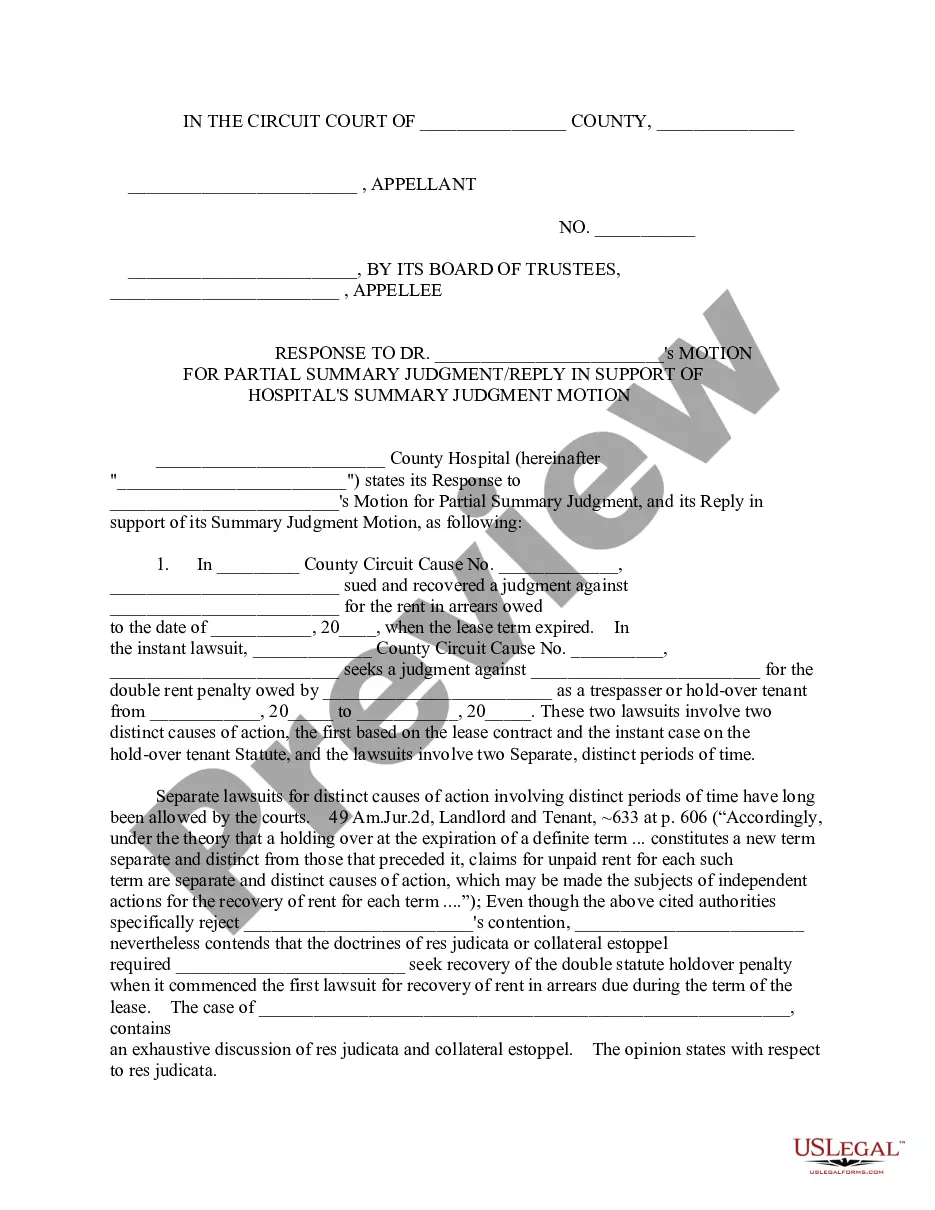
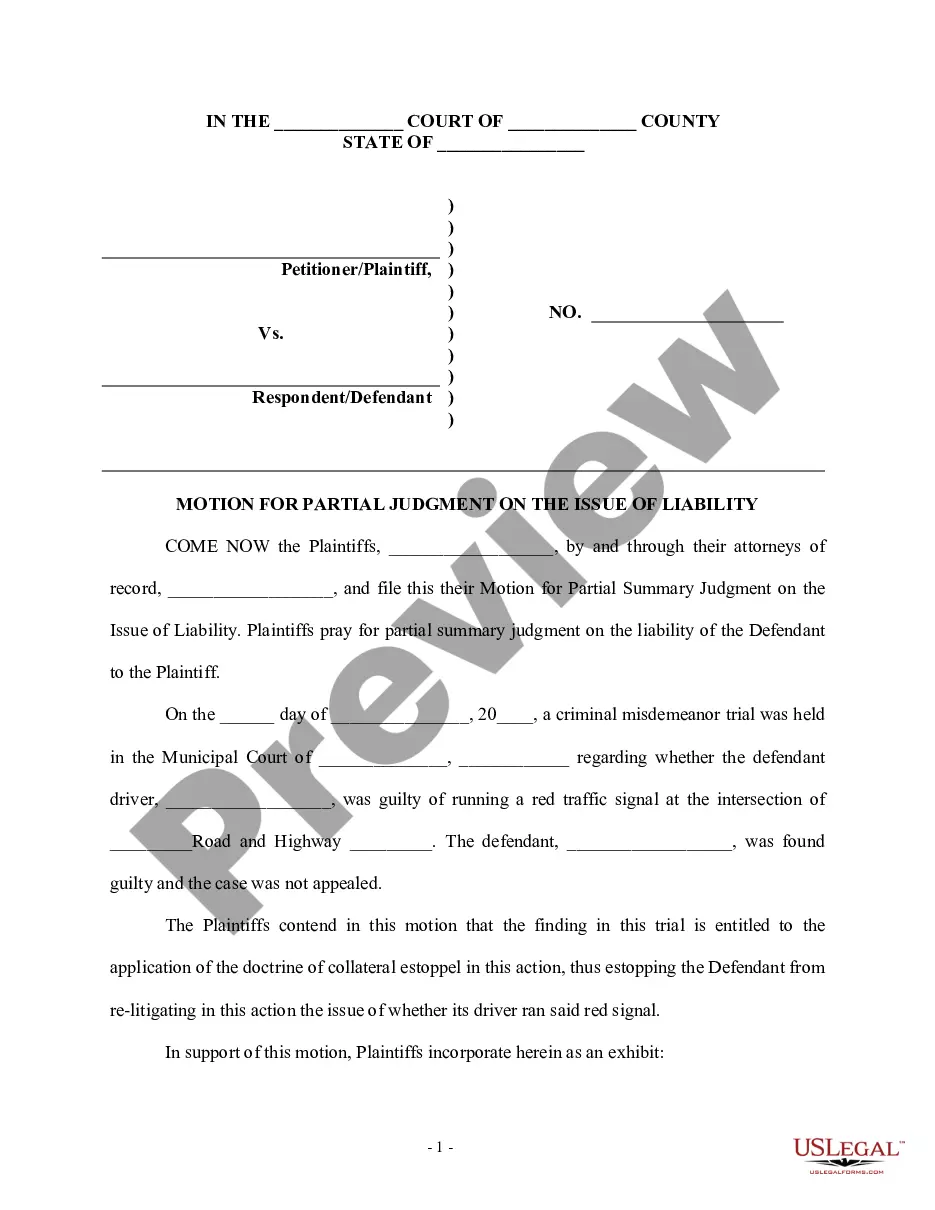
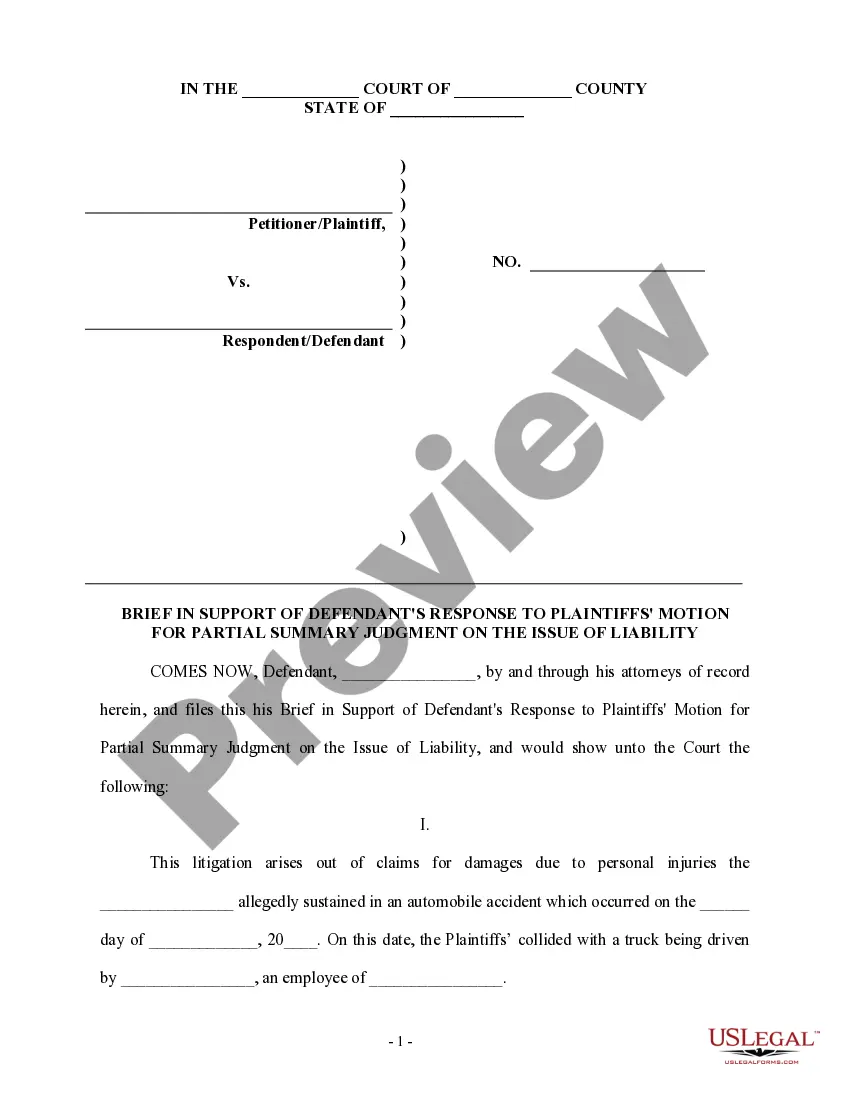
Response To Summary Judgment
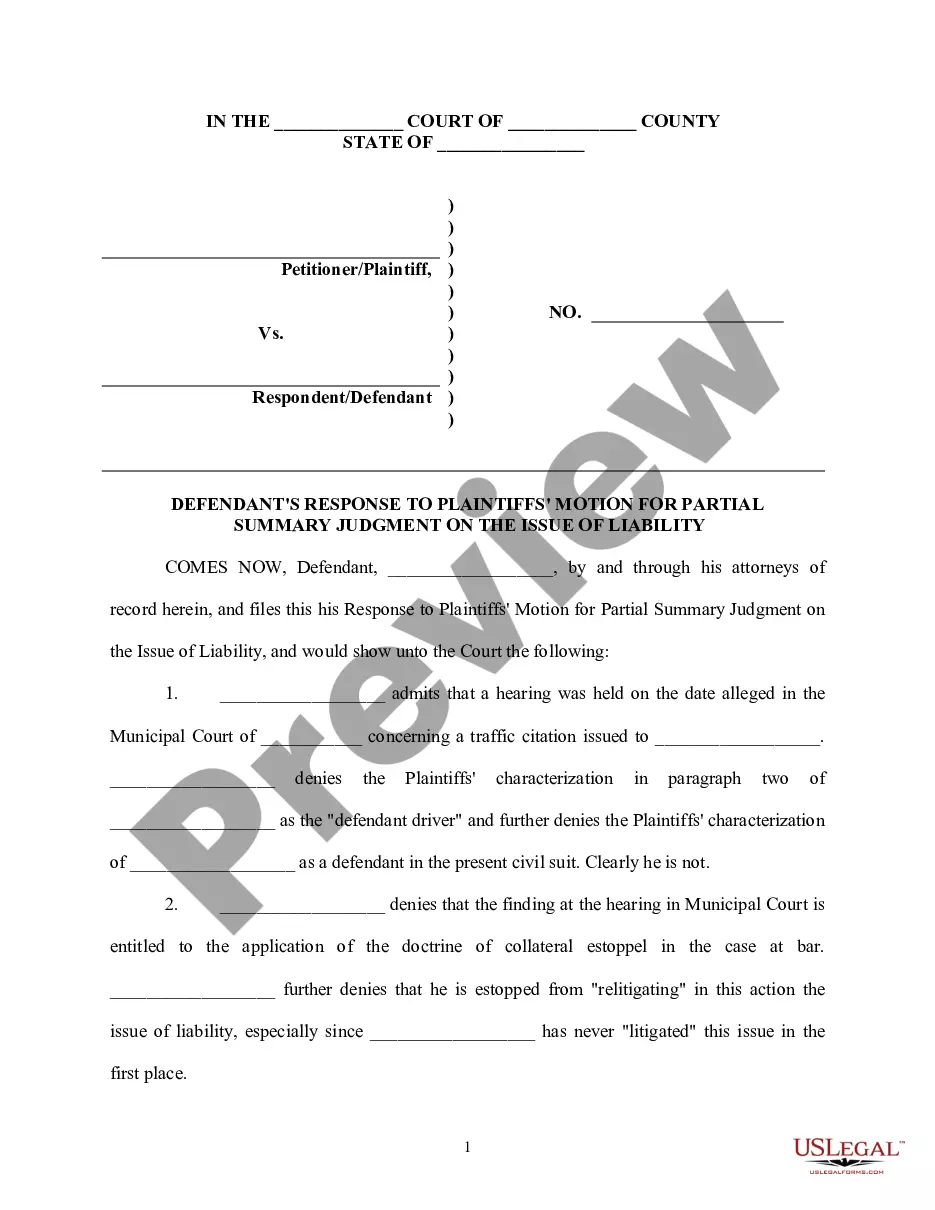
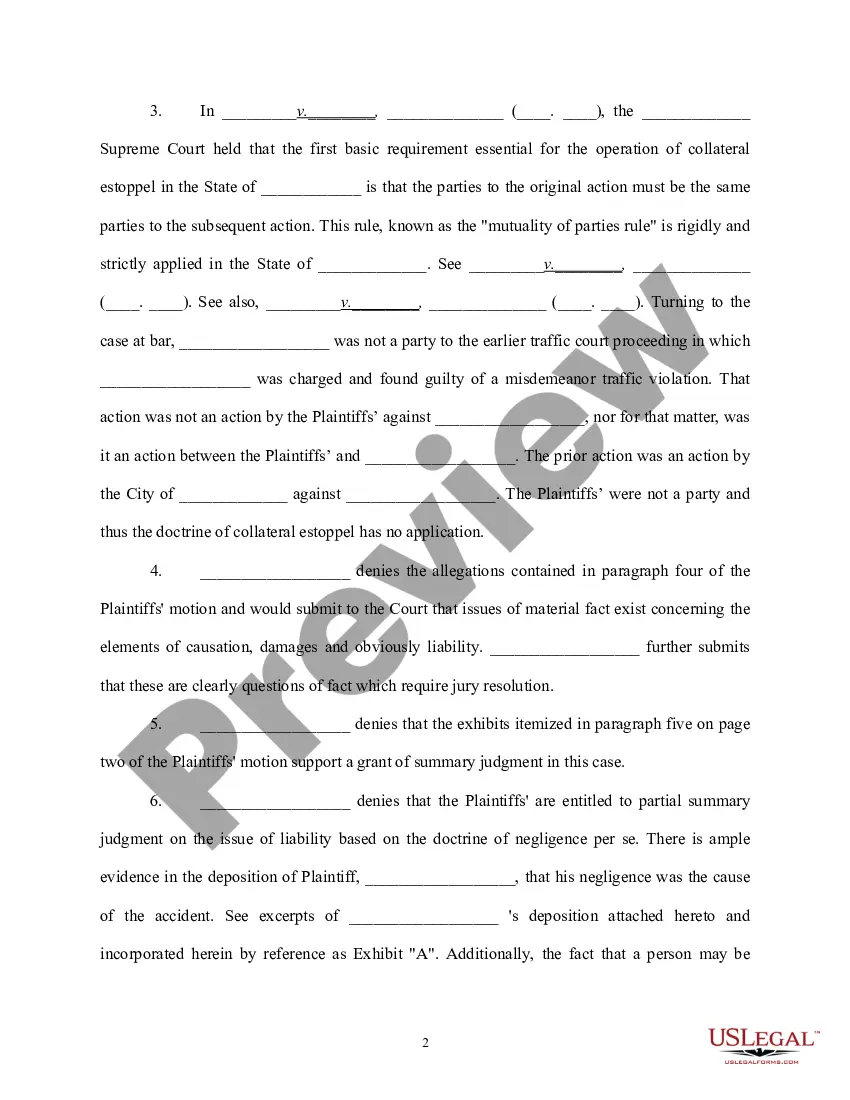
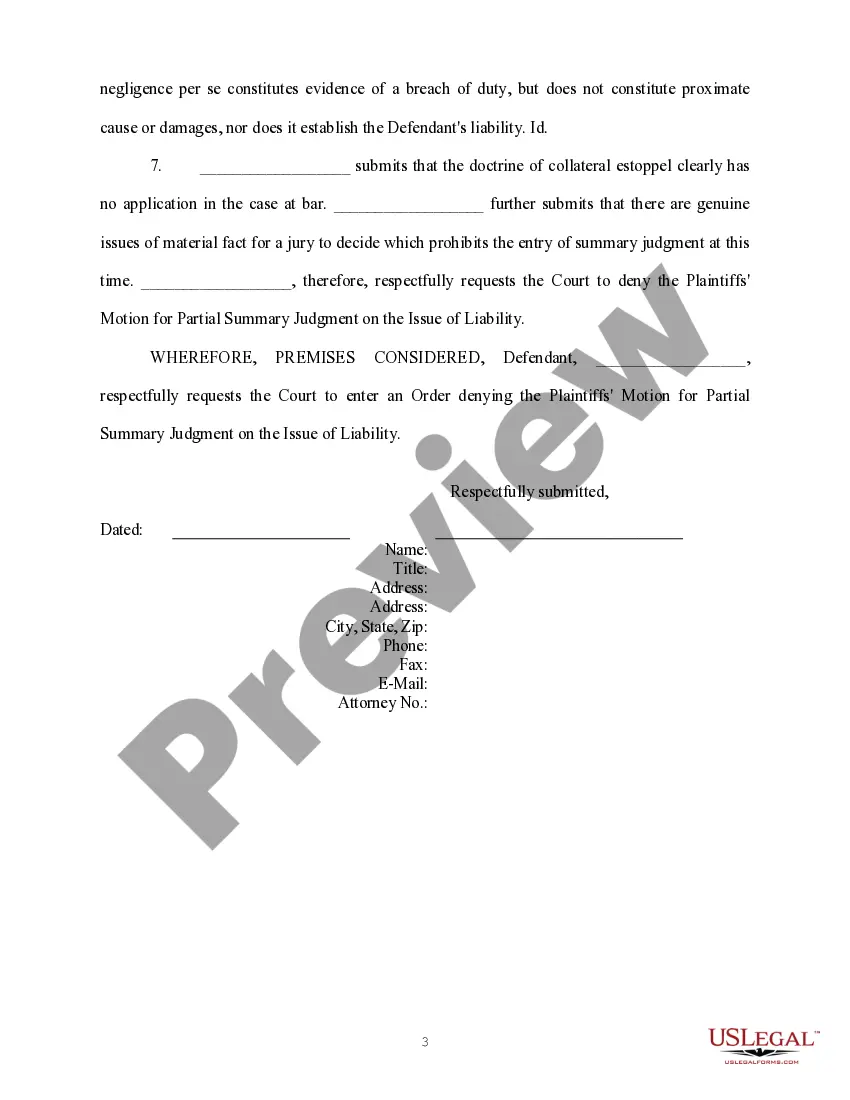
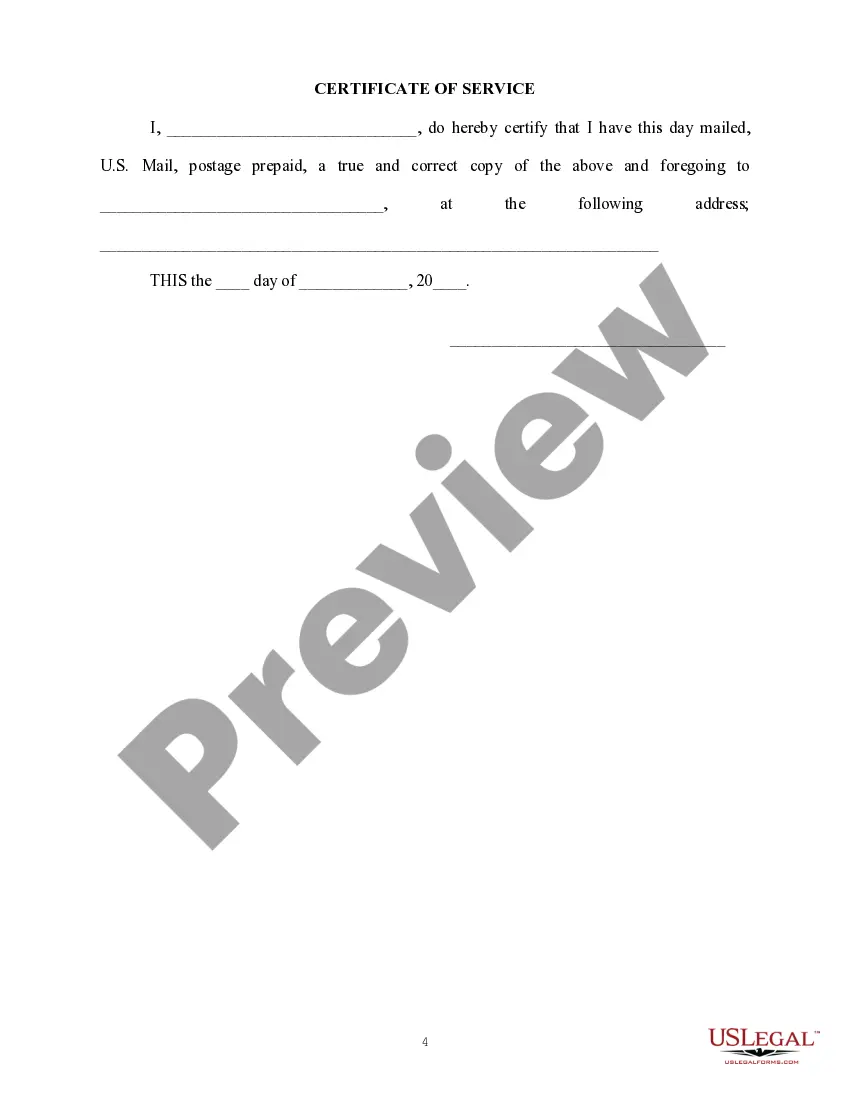
Description
Get your form ready online
Our built-in tools help you complete, sign, share, and store your documents in one place.
Make edits, fill in missing information, and update formatting in US Legal Forms—just like you would in MS Word.
Download a copy, print it, send it by email, or mail it via USPS—whatever works best for your next step.
Sign and collect signatures with our SignNow integration. Send to multiple recipients, set reminders, and more. Go Premium to unlock E-Sign.
If this form requires notarization, complete it online through a secure video call—no need to meet a notary in person or wait for an appointment.
We protect your documents and personal data by following strict security and privacy standards.

Make edits, fill in missing information, and update formatting in US Legal Forms—just like you would in MS Word.

Download a copy, print it, send it by email, or mail it via USPS—whatever works best for your next step.

Sign and collect signatures with our SignNow integration. Send to multiple recipients, set reminders, and more. Go Premium to unlock E-Sign.

If this form requires notarization, complete it online through a secure video call—no need to meet a notary in person or wait for an appointment.

We protect your documents and personal data by following strict security and privacy standards.
Looking for another form?

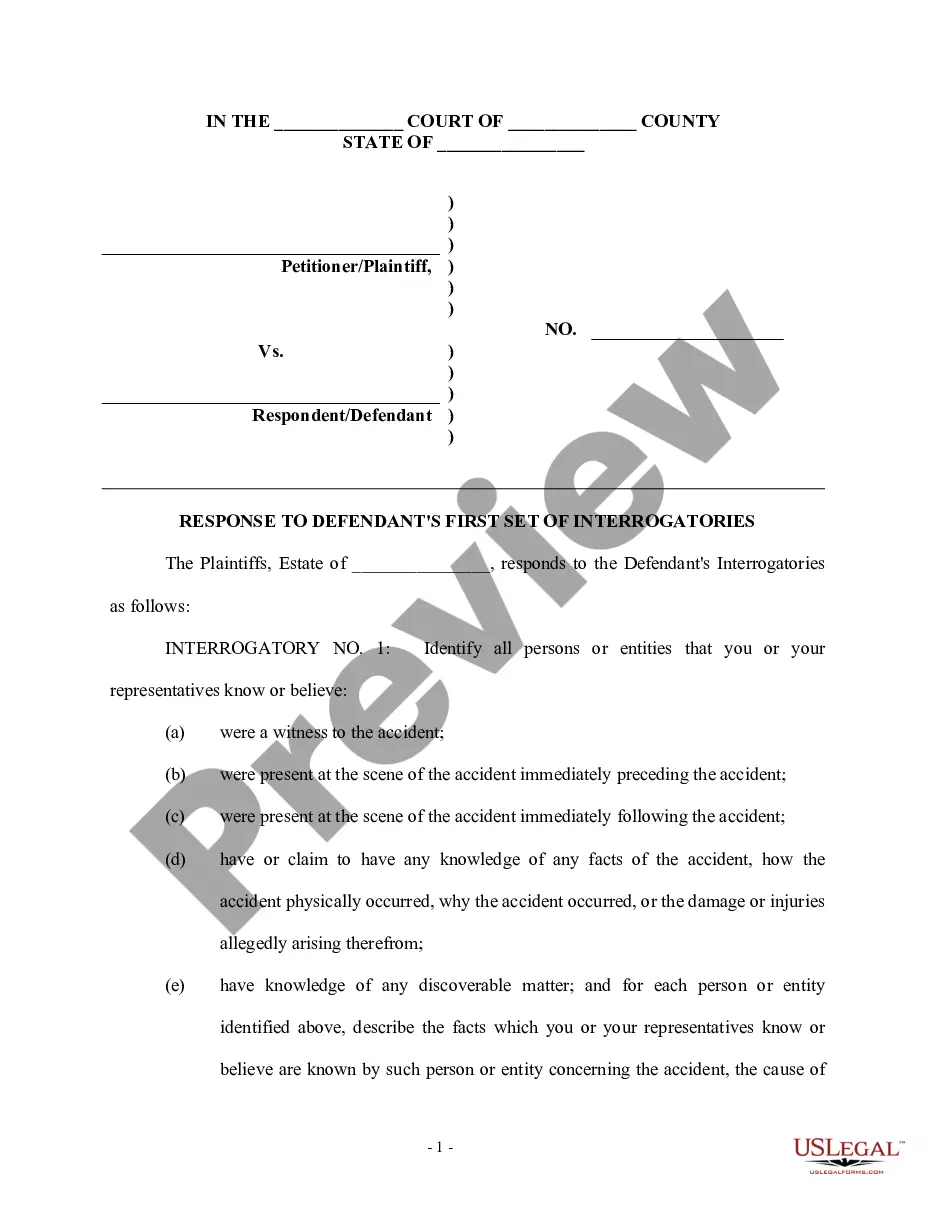
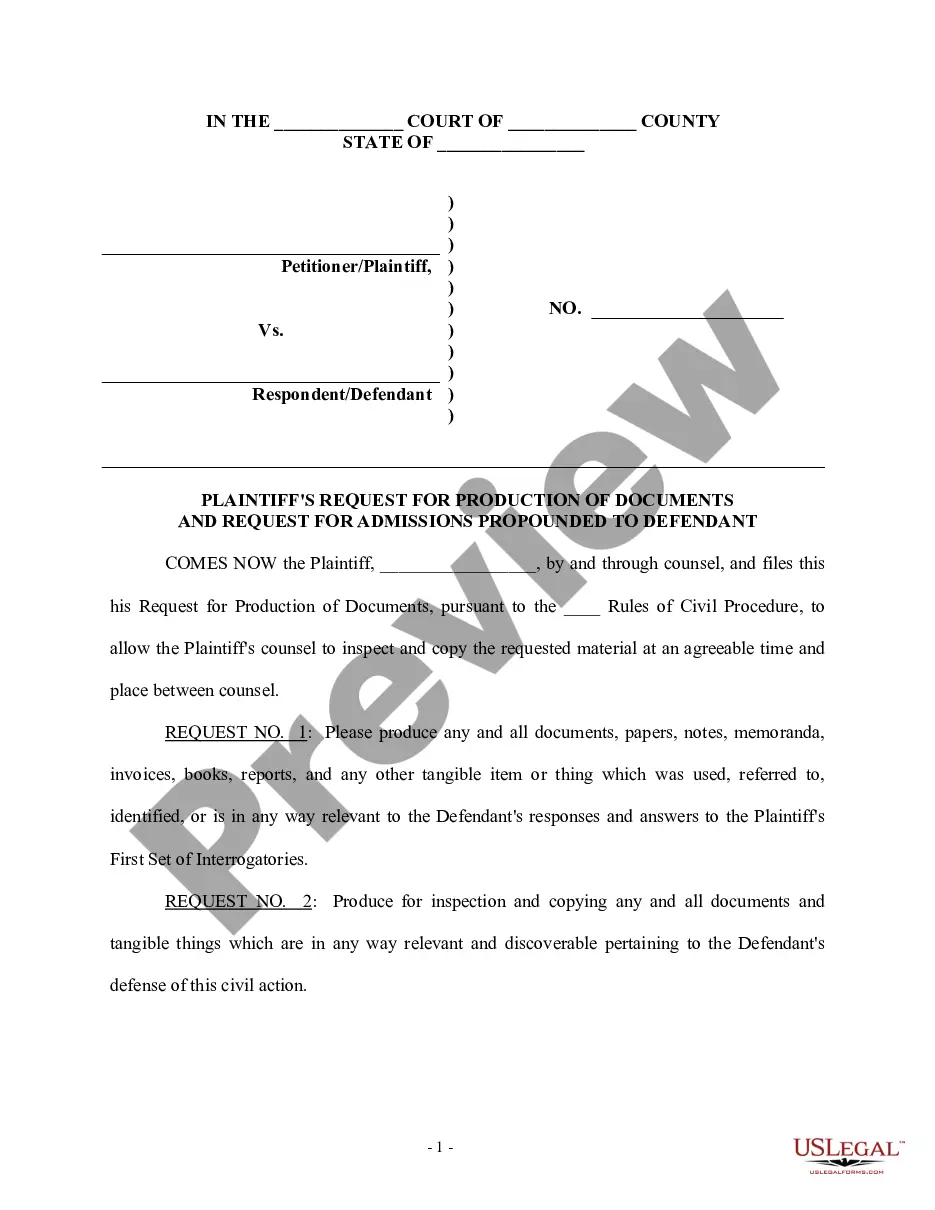


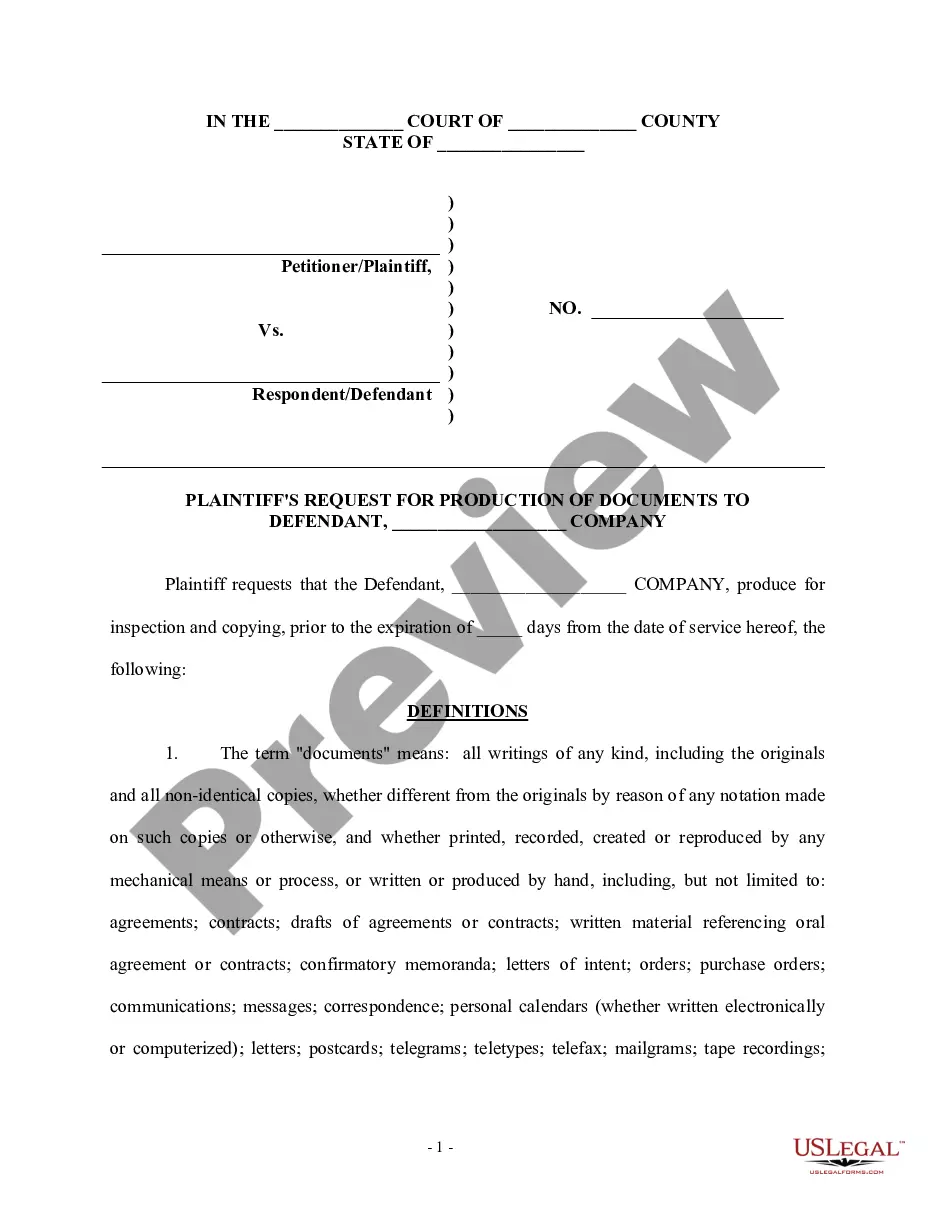
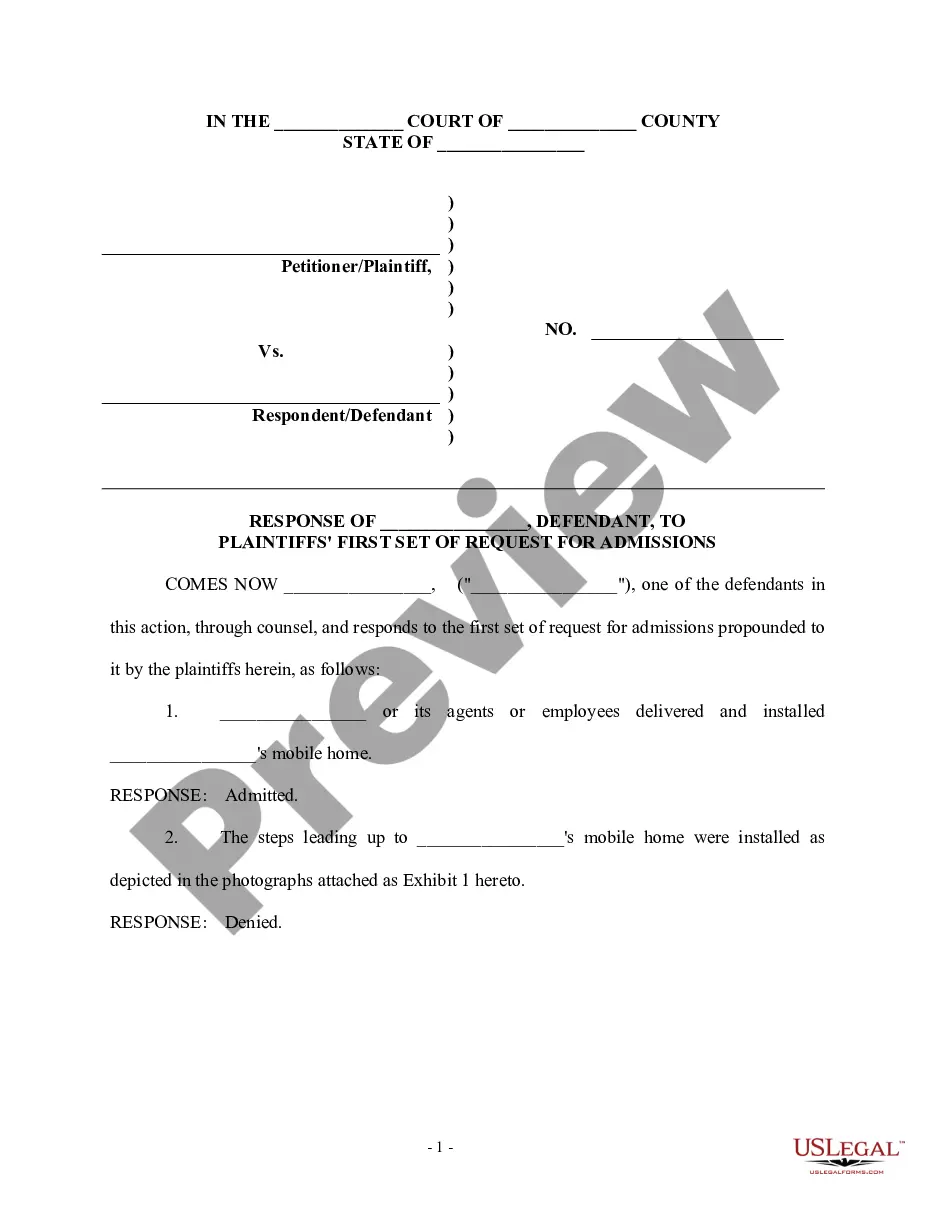
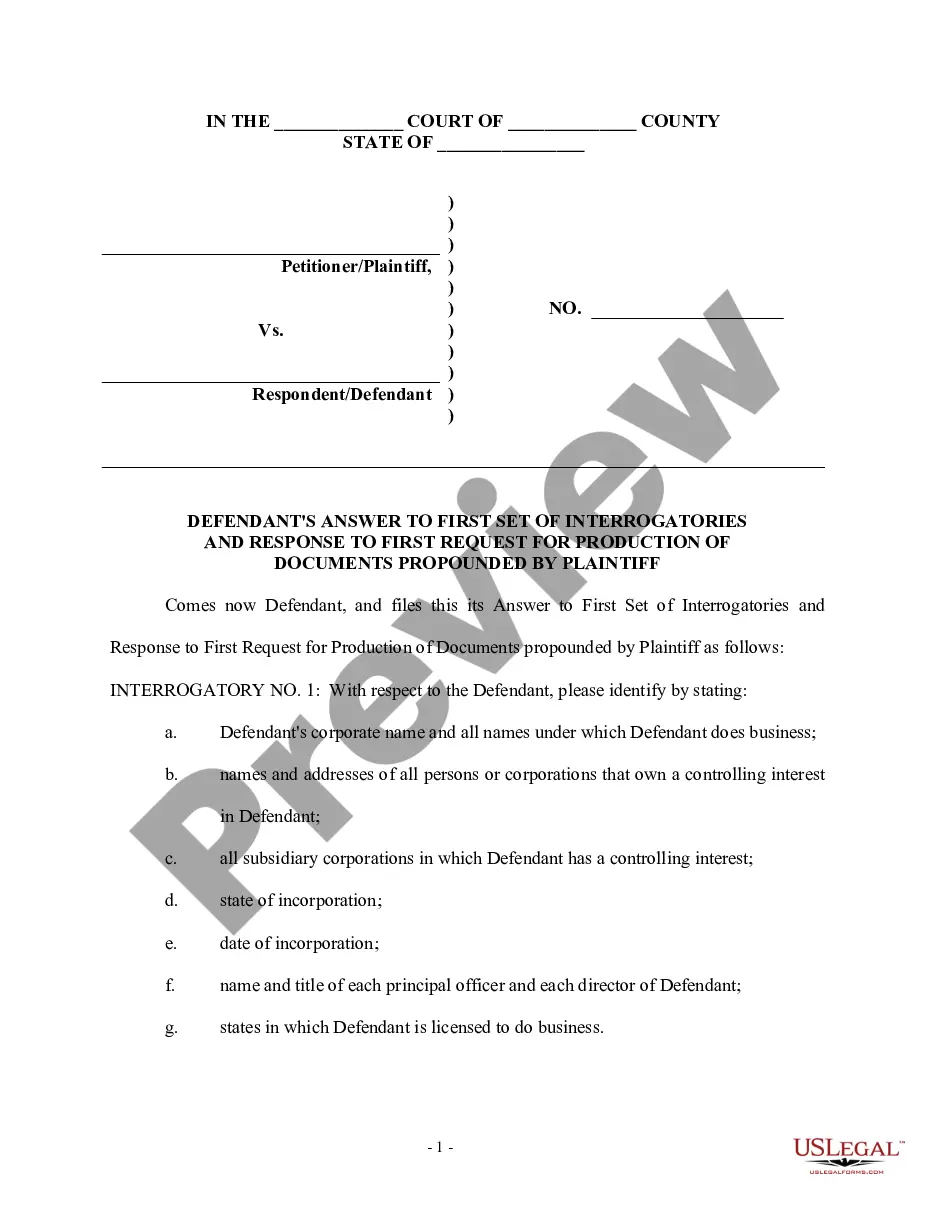

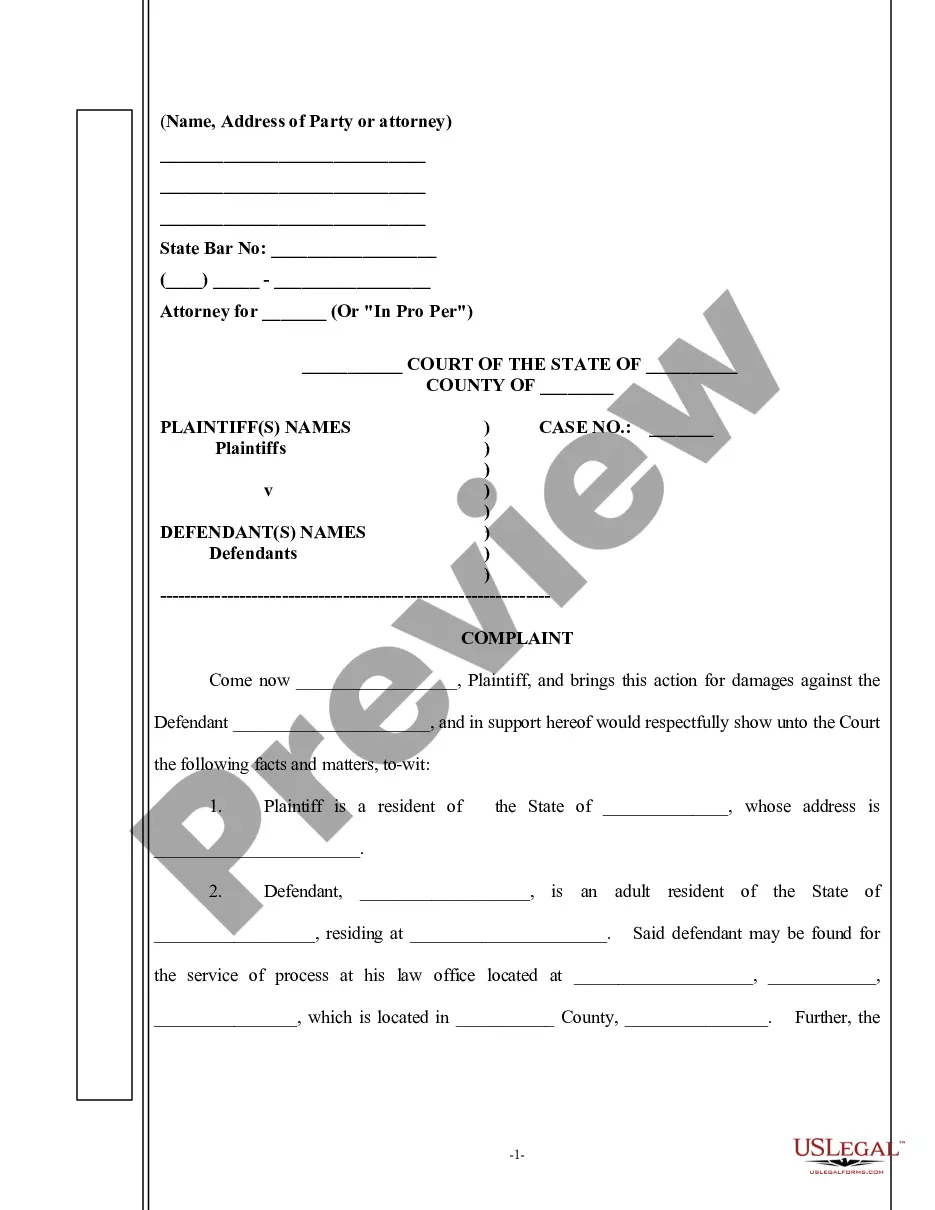
How to fill out Defendant's Response To Plaintiff's Motion For Summary Judgment On The Issue Of Liability?
Creating legal paperwork from the ground up can occasionally be daunting.
Particular situations may require extensive research and significant financial investment.
If you’re looking for a simpler and cost-effective method of preparing Response To Summary Judgment or any other forms without excessive hassle, US Legal Forms is always available for you.
Our digital repository of over 85,000 current legal documents covers nearly every facet of your financial, legal, and personal matters.
Before diving straight into downloading Response To Summary Judgment, heed these suggestions: Review the form preview and details to confirm you are looking at the correct form. Ensure the form you select complies with the laws and regulations of your state and county. Choose the appropriate subscription plan to obtain the Response To Summary Judgment. Download the form, then complete, sign, and print it out. US Legal Forms boasts a pristine reputation and over 25 years of expertise. Join us now and make document preparation a straightforward and efficient process!
- With just a few clicks, you can immediately access templates that adhere to state and county standards, meticulously prepared by our legal professionals.
- Utilize our website whenever you need dependable services from which you can swiftly find and download the Response To Summary Judgment.
- If you are familiar with our website and have previously registered an account, simply Log In to your account, search for the template, and download it or access it again later in the My documents section.
- Not have an account? No problem. It takes very little time to register and explore the catalog.
Form popularity
FAQ
The odds of winning a summary judgment depend on various factors, including the strength of your evidence and the arguments presented. Generally, if you can demonstrate that there are material issues of fact, your chances of prevailing increase. Keep in mind that a well-prepared response to summary judgment can significantly influence the court's decision, so investing time and effort into your case is essential.
When responding to a summary judgment, it's crucial to craft a well-structured document that directly addresses the points raised in the motion. Clearly outline your counterarguments and corroborate them with solid evidence such as documents, testimonies, or affidavits. This careful preparation plays a vital role in your response to summary judgment, demonstrating to the court that there are legitimate issues at stake that warrant a trial.
Defending against a summary judgment involves presenting evidence that disputes the claims made by the opposing party. Start by gathering all relevant documents, witness statements, and expert opinions to support your position. Additionally, your response to summary judgment should emphasize any factual disputes and indicate that the case should proceed to trial, where these issues can be fully explored.
Yes, you can potentially overturn a summary judgment through the appeals process. This typically involves demonstrating that the lower court made a legal error, or that crucial evidence was ignored or misinterpreted. It is essential to present a strong argument that justifies your appeal, as responses to summary judgment require clear and convincing evidence to succeed.
Stated differently, to successfully defend against summary judgment the non-moving party (you) should seek to demonstrate that indeed there are material facts in dispute. Alternatively, the non-moving party (you) can argue that the undisputed facts support a judgment as a matter of law in your favor.
A genuine issue of material fact is a disagreement between opposing parties on facts legally relevant to a claim.
You must include a summary of the legal basis for your opposition, explain the reason you are opposing the motion, and state what you would like the judge to order.
Consider the following five approaches: Show that the motion fails to list the specific facts and law supporting summary judgment. ... Show that a dispute exists on a material fact. ... Show that the law does not support judgment on the undisputed facts.
Examples of summary judgement motions John says that Linda ran a red light and caused the crash. John happens to have a video of Linda running the red light and crashing into him. John's attorney files a motion for summary judgment claiming that: There are no material facts that can be reasonably disputed.