Amend Complaint After Motion For Summary Judgment
Description

Get your form ready online
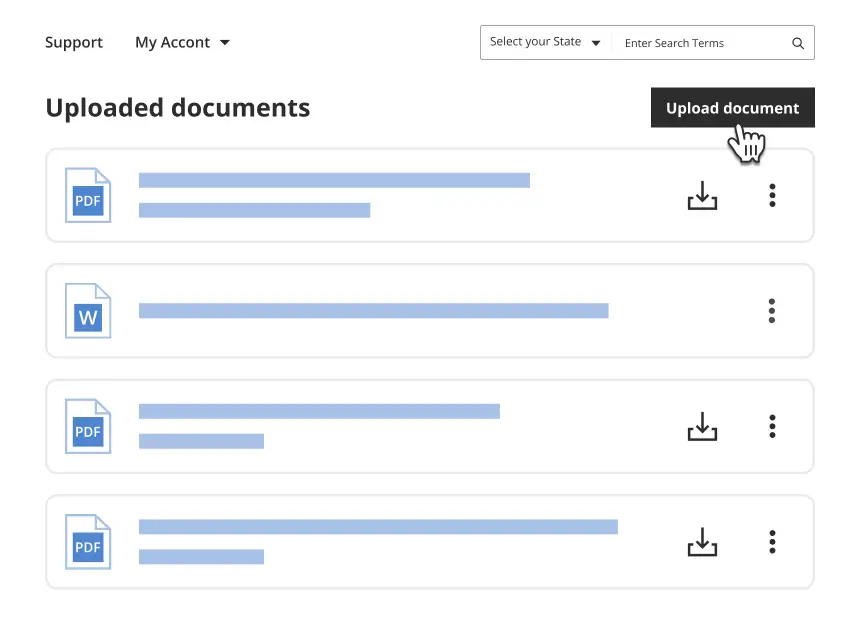
Our built-in tools help you complete, sign, share, and store your documents in one place.
Make edits, fill in missing information, and update formatting in US Legal Forms—just like you would in MS Word.
Download a copy, print it, send it by email, or mail it via USPS—whatever works best for your next step.
Sign and collect signatures with our SignNow integration. Send to multiple recipients, set reminders, and more. Go Premium to unlock E-Sign.
If this form requires notarization, complete it online through a secure video call—no need to meet a notary in person or wait for an appointment.
We protect your documents and personal data by following strict security and privacy standards.
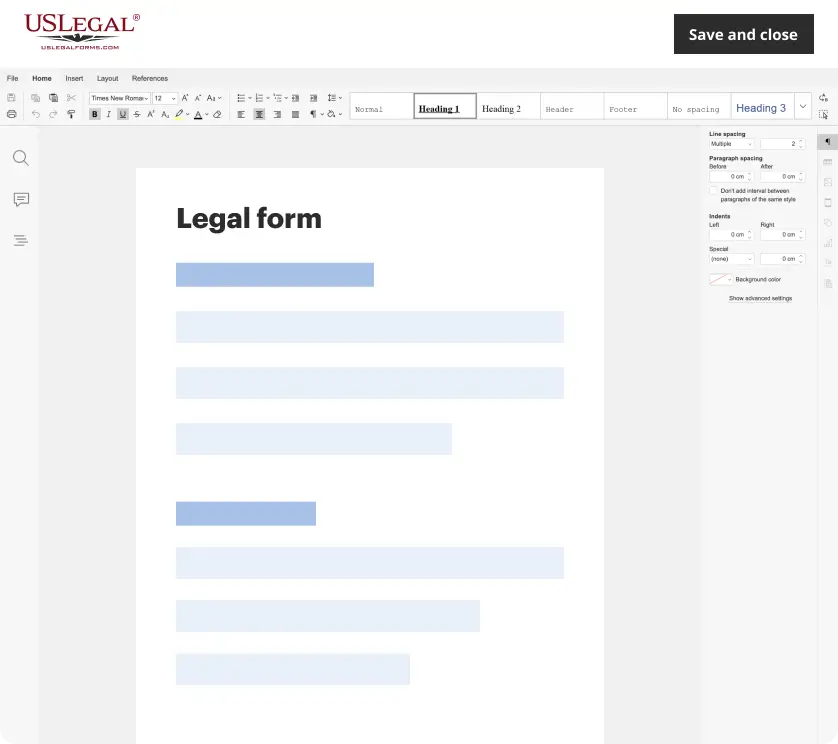
Make edits, fill in missing information, and update formatting in US Legal Forms—just like you would in MS Word.
Download a copy, print it, send it by email, or mail it via USPS—whatever works best for your next step.
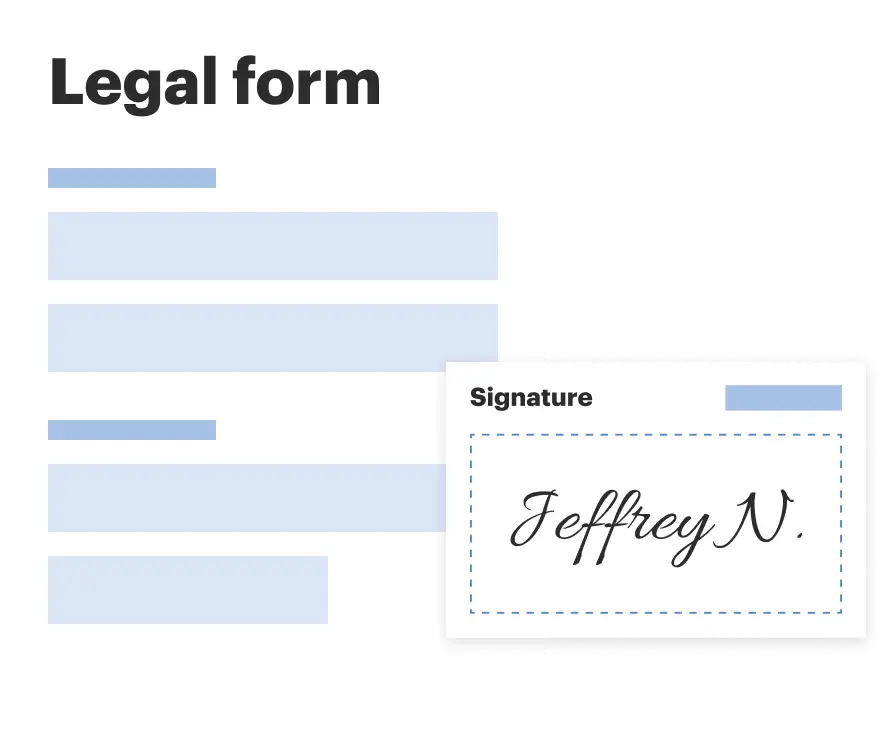
Sign and collect signatures with our SignNow integration. Send to multiple recipients, set reminders, and more. Go Premium to unlock E-Sign.

If this form requires notarization, complete it online through a secure video call—no need to meet a notary in person or wait for an appointment.
We protect your documents and personal data by following strict security and privacy standards.
Looking for another form?


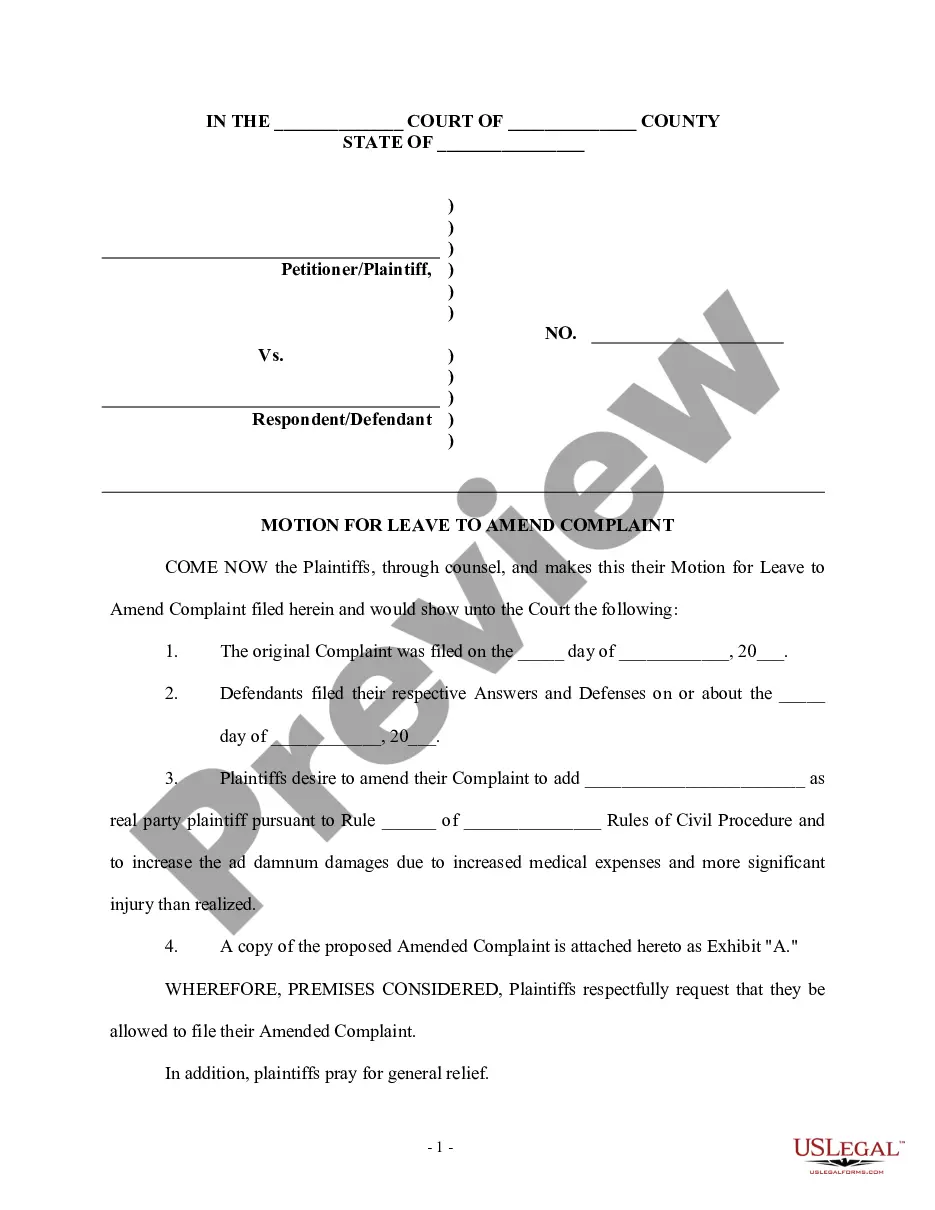
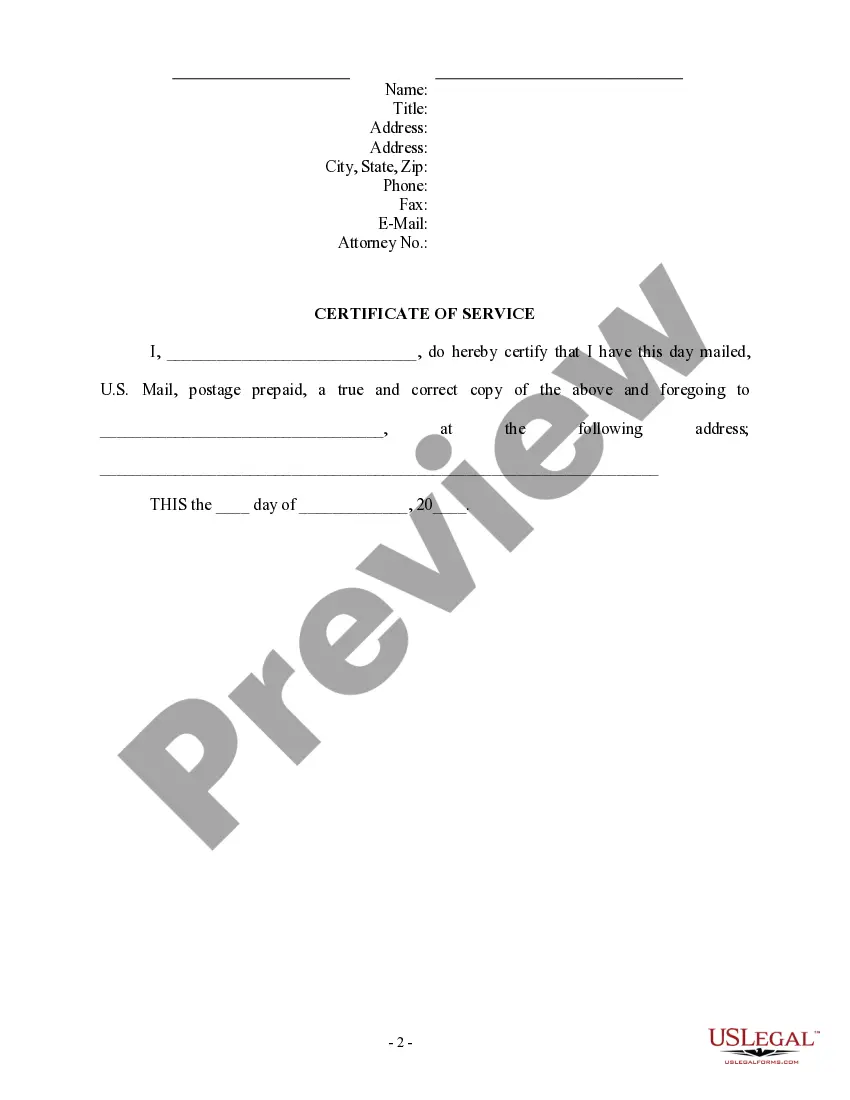
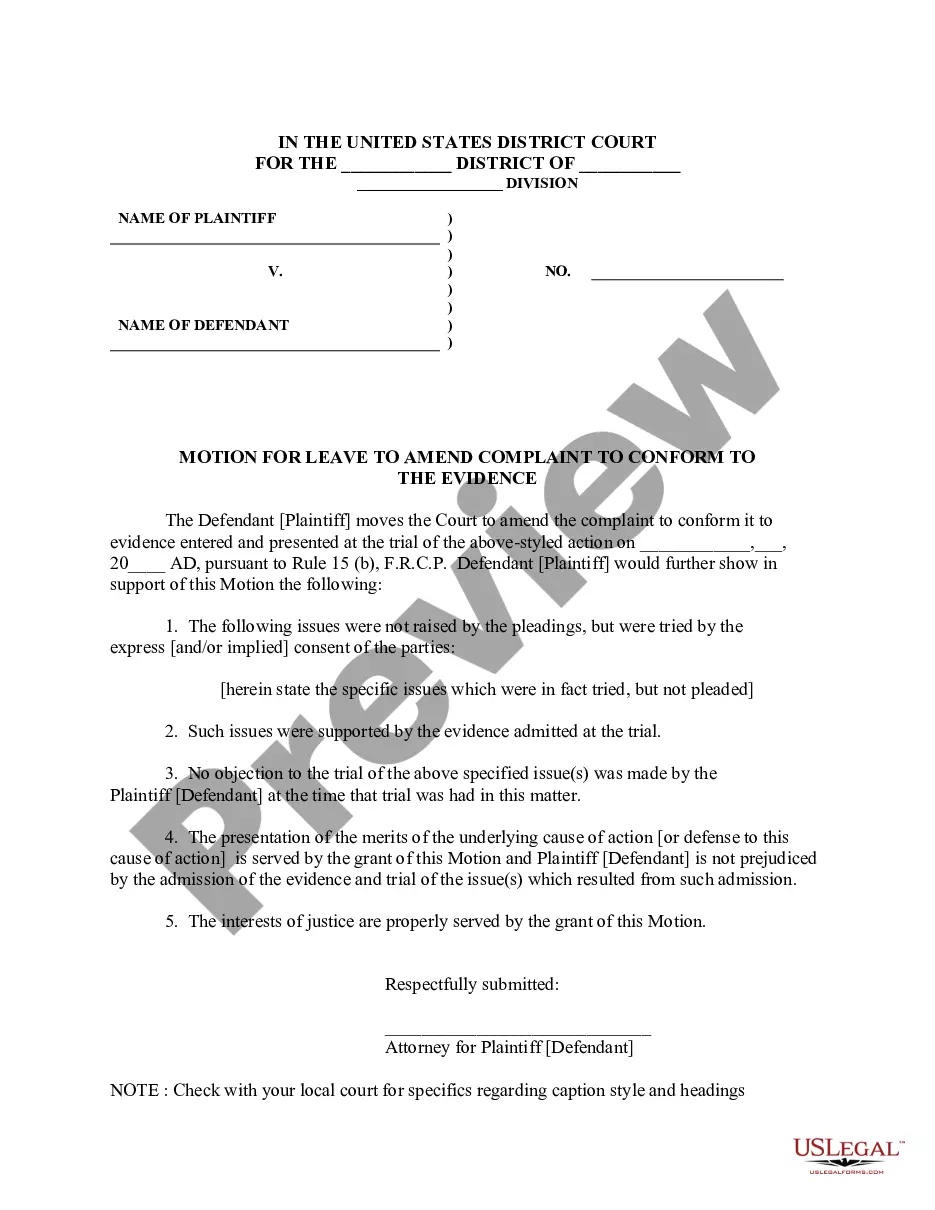
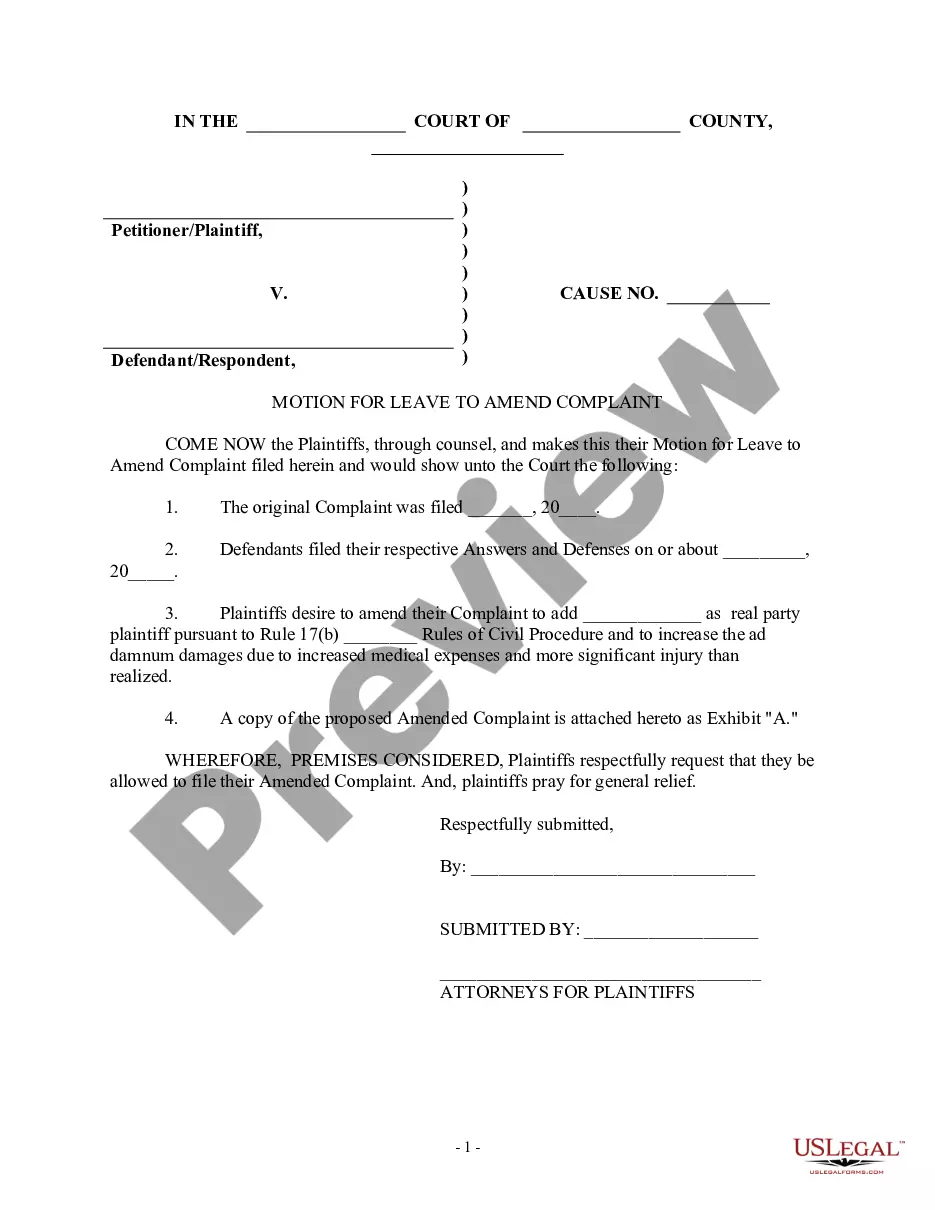
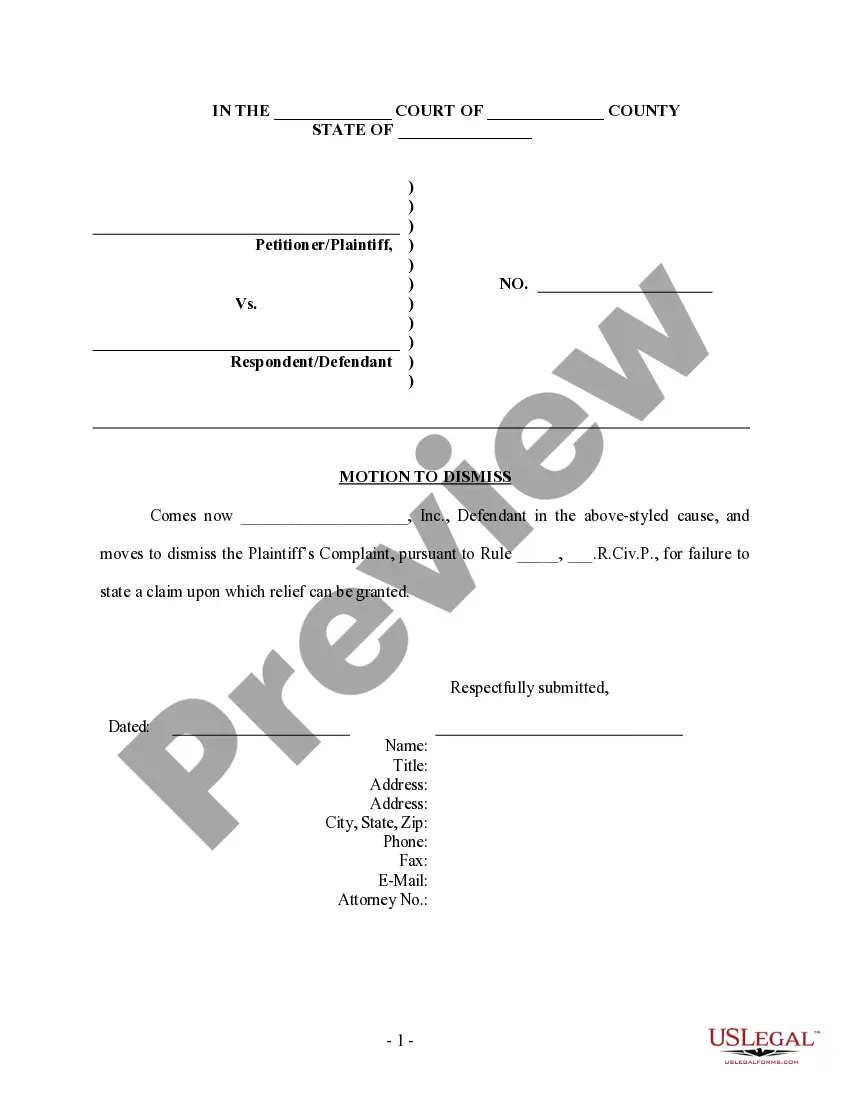
How to fill out Motion For Leave To Amend Complaint - Personal Injury?
- If you are a returning user, log into your account and download the required template by clicking the Download button. Ensure your subscription is current; if not, renew it according to your payment plan.
- If this is your first time using our service, start by reviewing the Preview mode and form description to select the appropriate template that aligns with your jurisdictional requirements.
- If you notice the chosen template isn't suitable, utilize the Search tab to find the right document that fits your needs.
- Purchase your chosen document by clicking on the Buy Now button. Select a subscription plan that works for you, and create an account to access our extensive library.
- Complete your purchase by entering your credit card information or using your PayPal account to finalize your subscription.
- Download your form to your device. You can access the completed template anytime in the My Forms section of your profile.
Using US Legal Forms empowers individuals and attorneys to swiftly execute legal documents with ease, utilizing an extensive library of over 85,000 legal forms. This platform not only offers a robust collection but also provides access to premium expert assistance.
By following these steps, you'll be able to amend your complaint effectively. For a seamless legal experience, visit US Legal Forms today and access the forms you need!
Form popularity
FAQ
After a motion for summary judgment is processed, the court will decide whether to grant or deny it. If denied, the case will typically proceed to trial. If you realize your arguments need clarity, consider how to amend your complaint after a motion for summary judgment. Doing so can make your case stronger and more focused for upcoming proceedings.
Summary judgment can often be a final decision, particularly if it resolves all claims in a case. However, parties may appeal this decision if they believe it was made in error. To protect your interests, assess whether you can amend your complaint after a motion for summary judgment. This option might provide another opportunity to present your case more effectively.
To respond to a motion for summary judgment, you should gather supporting evidence and prepare a written response. This document will argue why the summary judgment should not be granted. If your arguments require changes to your initial claims, think about how to amend your complaint after a motion for summary judgment. Having a clear strategy will strengthen your position.
After a motion for summary judgment is filed, the court will review the evidence presented. The judge assesses whether there are any genuine issues of material fact. If you want to adjust your claims, you may need to consider how to amend your complaint after a motion for summary judgment. This step ensures your legal arguments remain strong and relevant.
After a summary judgment, the next steps depend on the court's ruling. If the judgment is in your favor, you can proceed with the case or prepare for trial on remaining issues. However, if the judgment is unfavorable, you may consider appealing the decision or, in certain cases, you might want to amend your complaint after the motion for summary judgment. Platforms like US Legal Forms offer resources to help guide you through these decisions and next steps efficiently.
The odds of winning a summary judgment depend on various factors, including the strength of your case and the evidence presented. Typically, summary judgment favors the party that can demonstrate there are no significant facts requiring a trial. If you find yourself in a situation where you wish to amend your complaint after a motion for summary judgment, knowing the likelihood of victory can help frame your strategy. Always seek professional advice to analyze your specific circumstances.
When a court grants a summary judgment, it means that the judge has ruled that there are no genuine disputes about the material facts of the case. Essentially, the judge believes that one party is entitled to judgment as a matter of law. If you are considering whether to amend your complaint after a motion for summary judgment, it’s important to understand that this grant can end your case or significantly limit its scope. Consulting with a legal expert can help clarify your next steps.
Plaintiffs often face more challenges in winning motions for summary judgment because they bear the burden of proof. This means they must provide sufficient evidence to establish their claims clearly. If considering amending a complaint after a motion for summary judgment, it's important to strengthen your case in response to the defense arguments. Using resources from US Legal Forms can streamline the process and enhance your chances of success.
To counter a motion for summary judgment, prepare to present evidence that creates a genuine issue of material fact. You can use depositions, affidavits, or other documentation to dispute the evidence presented by the moving party. If you are thinking about amending your complaint after a motion for summary judgment, make sure your counterarguments are strong and convincing. US Legal Forms can provide significant resources to help you craft a robust opposition.
To prevail on a motion for summary judgment, you need to provide clear evidence establishing your case without presenting material facts that are disputed. This involves presenting documentation, affidavits, or depositions that support your position. If you are considering to amend a complaint after a motion for summary judgment is filed, ensure your arguments are compelling and well-supported. Tools available on US Legal Forms can assist you in preparing your documentation efficiently.