Jointly Owned Property For One Owner
Description
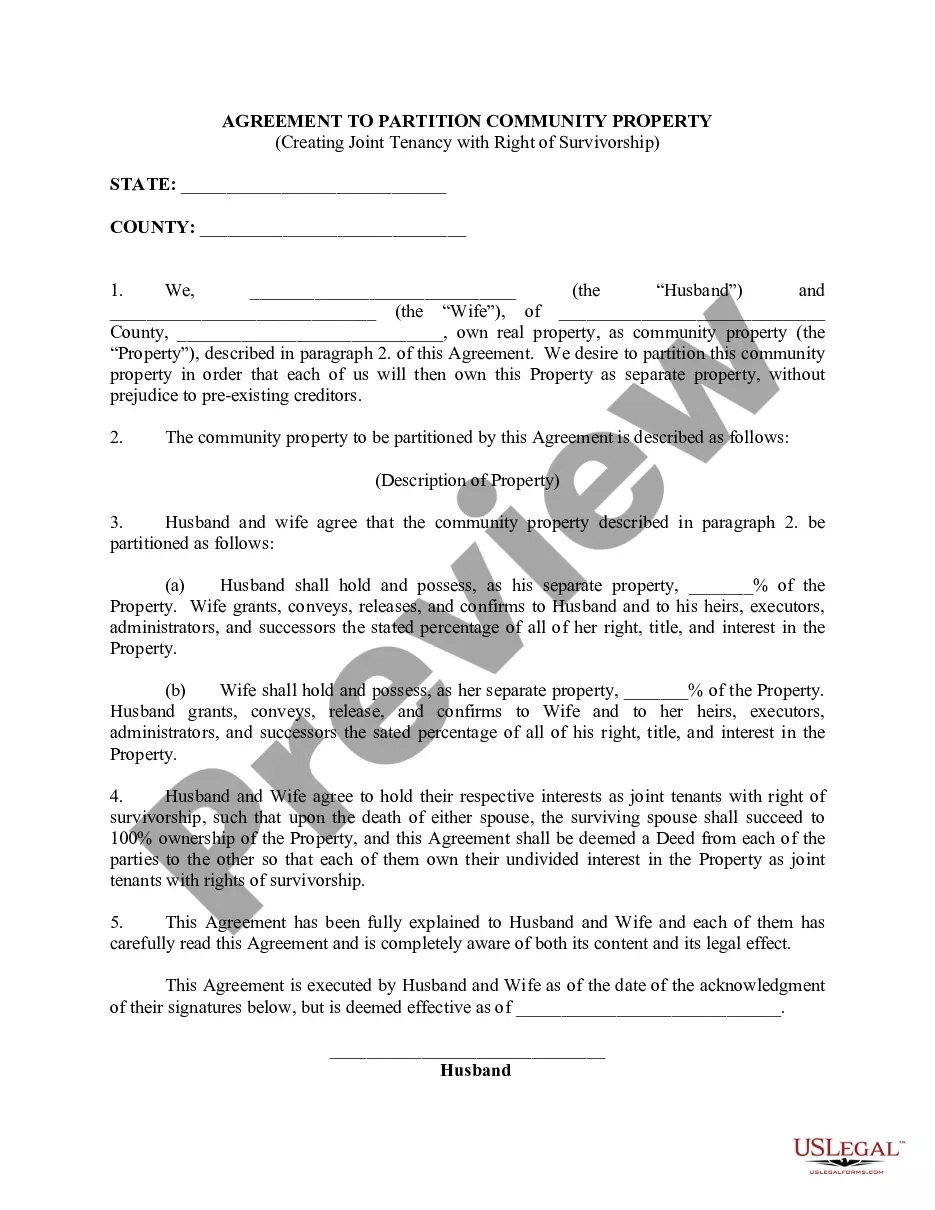
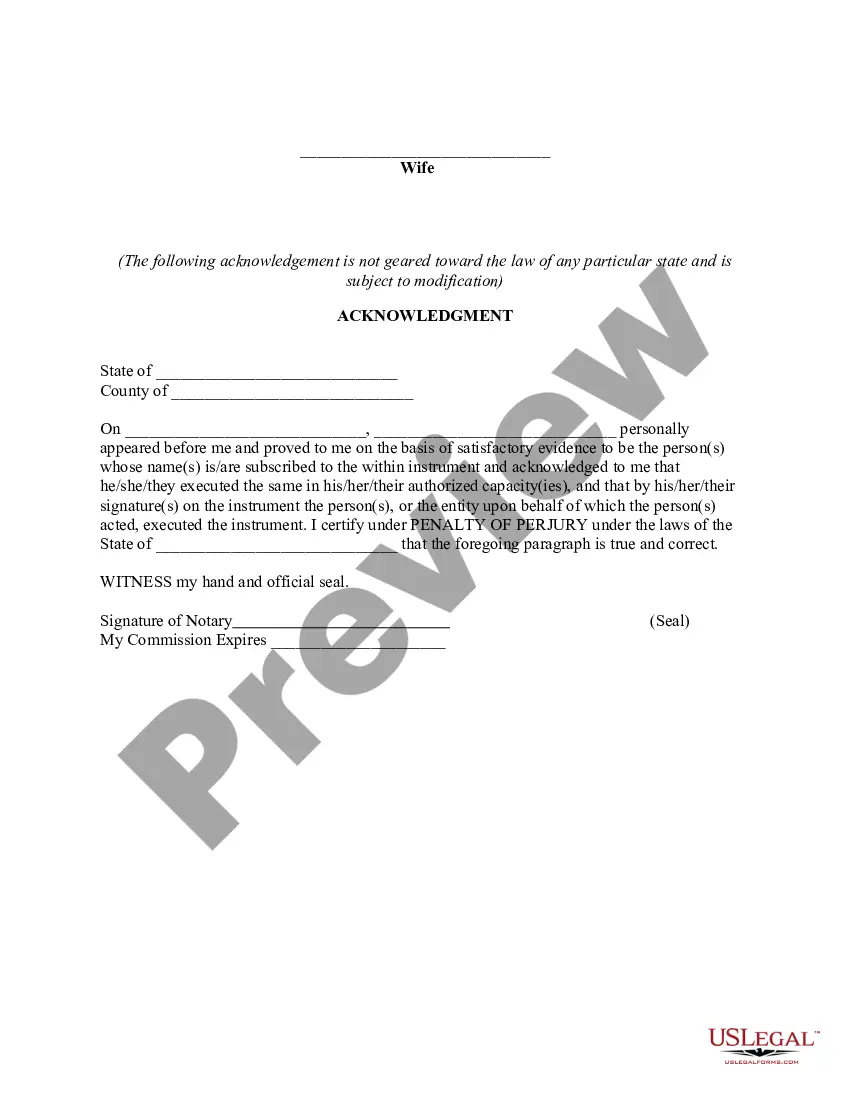
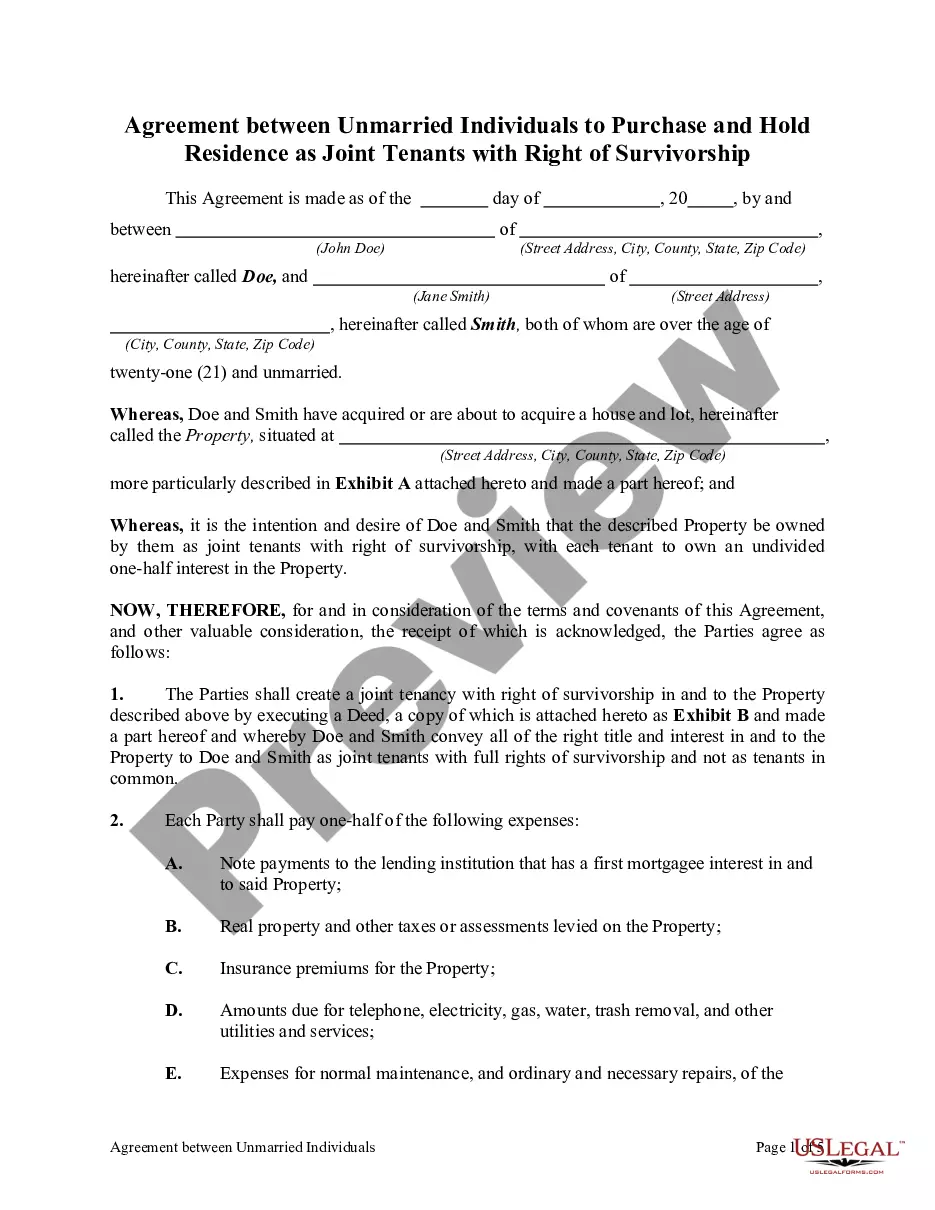
Get your form ready online
Our built-in tools help you complete, sign, share, and store your documents in one place.
Make edits, fill in missing information, and update formatting in US Legal Forms—just like you would in MS Word.
Download a copy, print it, send it by email, or mail it via USPS—whatever works best for your next step.
Sign and collect signatures with our SignNow integration. Send to multiple recipients, set reminders, and more. Go Premium to unlock E-Sign.
If this form requires notarization, complete it online through a secure video call—no need to meet a notary in person or wait for an appointment.
We protect your documents and personal data by following strict security and privacy standards.

Make edits, fill in missing information, and update formatting in US Legal Forms—just like you would in MS Word.

Download a copy, print it, send it by email, or mail it via USPS—whatever works best for your next step.

Sign and collect signatures with our SignNow integration. Send to multiple recipients, set reminders, and more. Go Premium to unlock E-Sign.

If this form requires notarization, complete it online through a secure video call—no need to meet a notary in person or wait for an appointment.

We protect your documents and personal data by following strict security and privacy standards.
Looking for another form?
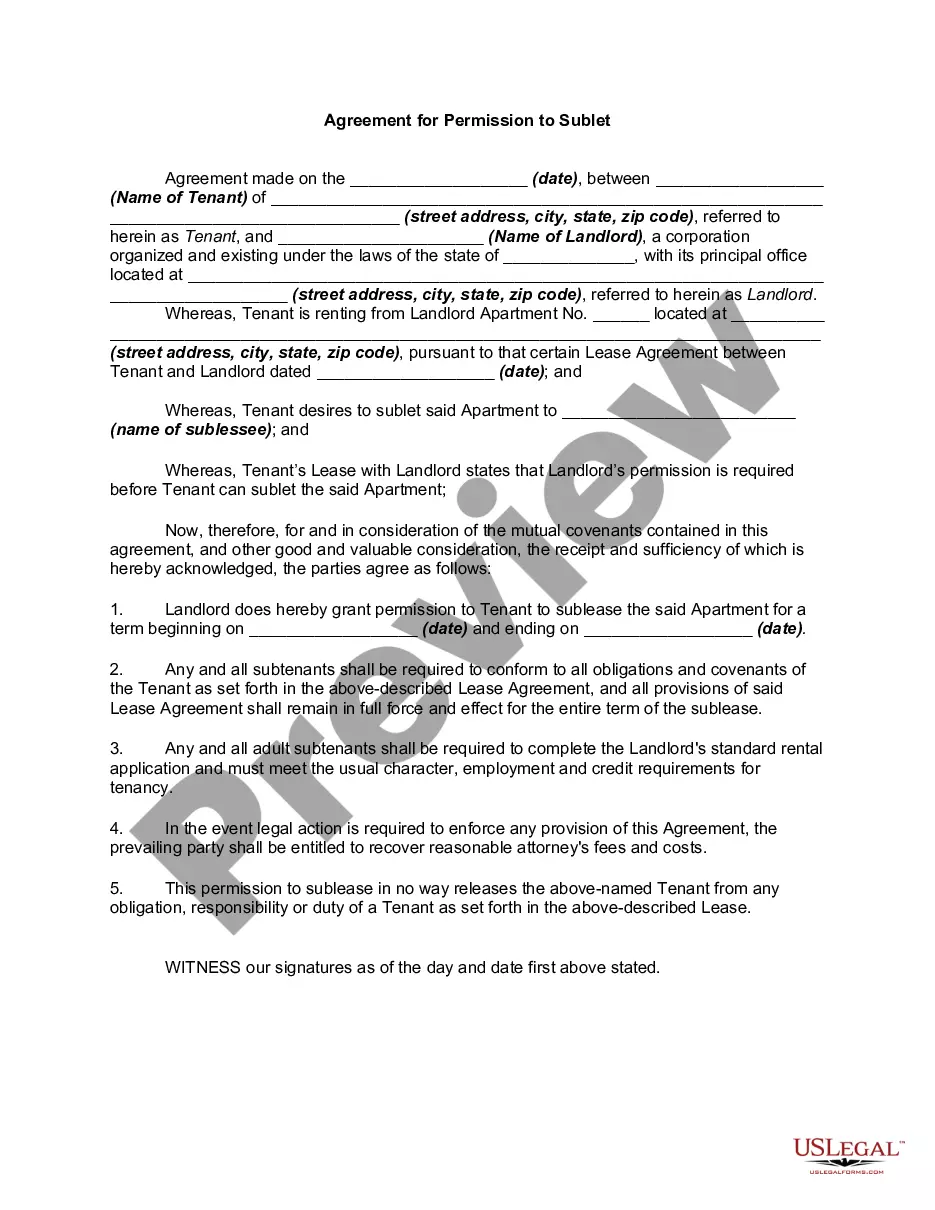



How to fill out Agreement To Partition Community Property Creating Joint Tenancy With Right Of Survivorship?
It’s clear that you cannot become a legal expert instantly, nor can you quickly master the preparation of Jointly Owned Property For One Owner without a specialized skill set.
Drafting legal documents is a lengthy process that necessitates specific training and abilities.
So why not entrust the drafting of the Jointly Owned Property For One Owner to the professionals.
You can regain access to your documents from the My documents tab at any time. If you are a current customer, you can simply Log In, and locate and download the template from the same tab.
Regardless of the intention behind your documentation—whether legal, financial, or personal—our website has you covered. Try US Legal Forms today!
- Access the document you require using the search feature at the top of the page.
- View it (if this option is available) and examine the accompanying description to determine if Jointly Owned Property For One Owner is what you seek.
- Begin your search again if you require any other document.
- Create a complimentary account and select a subscription plan to acquire the template.
- Click Buy now. Once the payment is completed, you can download the Jointly Owned Property For One Owner, complete it, print it, and send it or mail it to the appropriate individuals or organizations.
Form popularity
FAQ
Co-ownership generally refers to any situation where two or more individuals own property together, while joint ownership is a specific type of co-ownership where all parties hold equal rights. In cases of jointly owned property for one owner, distinct responsibilities and shares should be clearly outlined in legal agreements to avoid misunderstandings. Understanding these nuances helps ensure smoother property transactions and management.
The terms 'joint owner' and 'co-owner' often appear interchangeable, yet they can have distinct meanings. A joint owner typically holds property with another person, where ownership shares are shared equally, like in jointly owned property for one owner. In contrast, a co-owner may own a specific share of the property, which can differ in size or rights. Understanding these definitions clarifies how ownership can be structured and managed.
Partition can occur by one of three methods: (1) sale, whereby the property is ordered by a Court to be sold and the proceeds split in ance with each owner's percentage interest in the property; (2) physical division, whereby each cotenant acquires an exclusive interest in a portion of the formerly jointly owned ...
Jointly held property that is included in a decedent's gross estate is generally reported on Schedule E (Form 706).
In case of mutual consent. Irrespective of whether the property is being divided amongst family members, business associates, friends, or others, a partition deed must be signed between the co-owners (co-owners can be more than two). The property is divided based on an investment, a will, or a mutual agreement.
A general rule of thumb is the person paying the expense gets to take the deduction. In your situation, each of you can only claim the interest that you actually paid. In order to claim the deduction you must have a legal ownership in the property and a responsibility to pay the mortgage.
As noted above, a joint owned property may be held in legal forms, such as joint tenancy. This is when two or more people have equal rights and obligations to the property they rent or own together until one partner passes away. At this time, the owner's interest passes to the survivors without probate.