Venue In Court Terms
Description

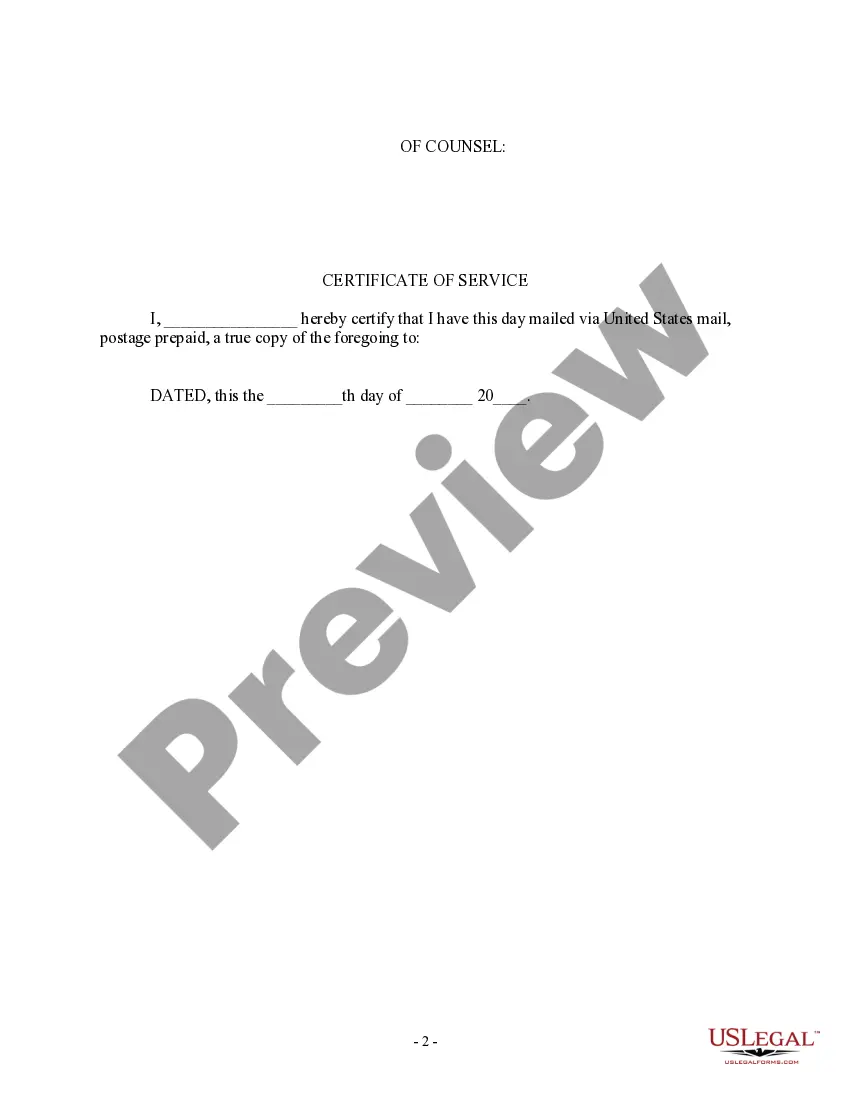

Get your form ready online
Our built-in tools help you complete, sign, share, and store your documents in one place.
Make edits, fill in missing information, and update formatting in US Legal Forms—just like you would in MS Word.
Download a copy, print it, send it by email, or mail it via USPS—whatever works best for your next step.
Sign and collect signatures with our SignNow integration. Send to multiple recipients, set reminders, and more. Go Premium to unlock E-Sign.
If this form requires notarization, complete it online through a secure video call—no need to meet a notary in person or wait for an appointment.
We protect your documents and personal data by following strict security and privacy standards.

Make edits, fill in missing information, and update formatting in US Legal Forms—just like you would in MS Word.

Download a copy, print it, send it by email, or mail it via USPS—whatever works best for your next step.

Sign and collect signatures with our SignNow integration. Send to multiple recipients, set reminders, and more. Go Premium to unlock E-Sign.

If this form requires notarization, complete it online through a secure video call—no need to meet a notary in person or wait for an appointment.

We protect your documents and personal data by following strict security and privacy standards.
Looking for another form?
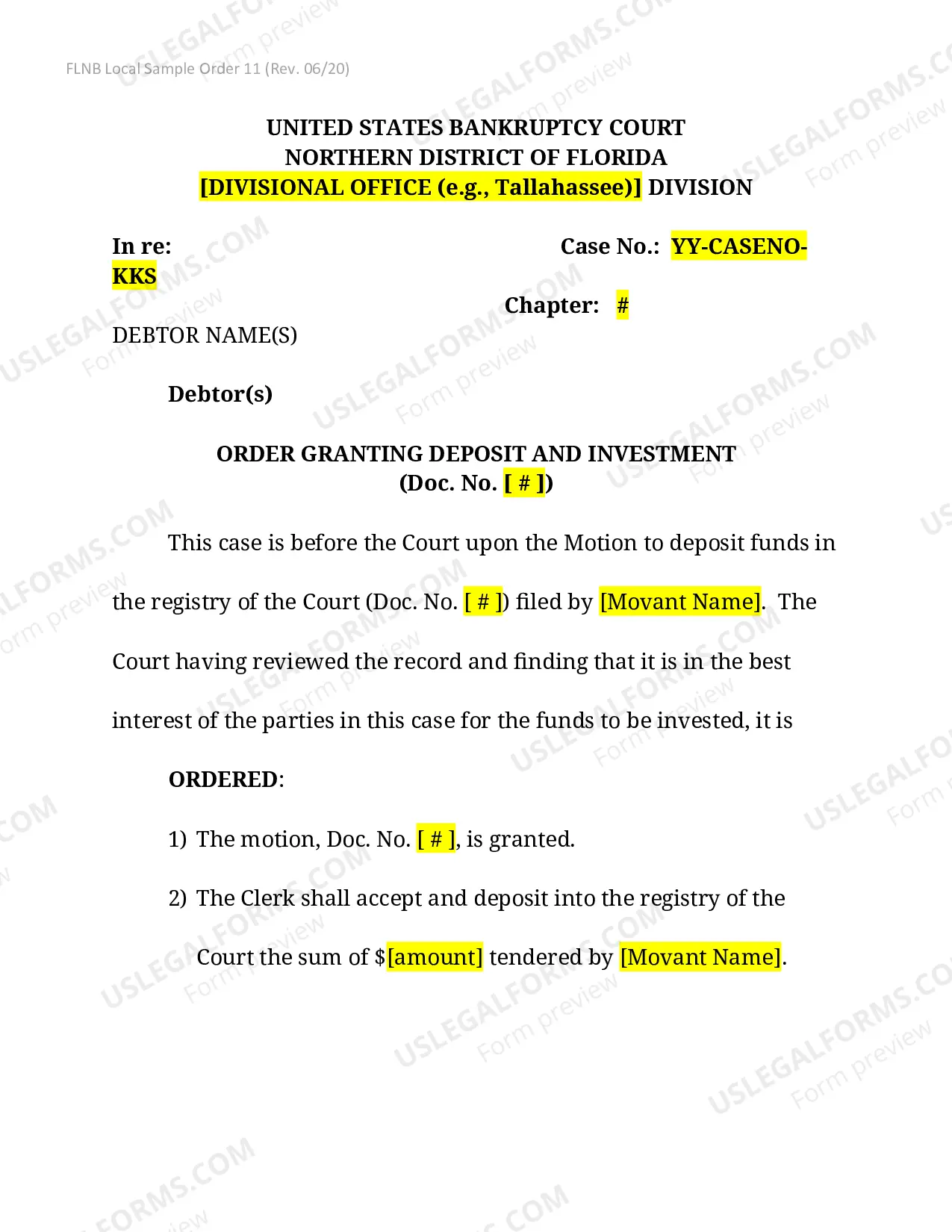



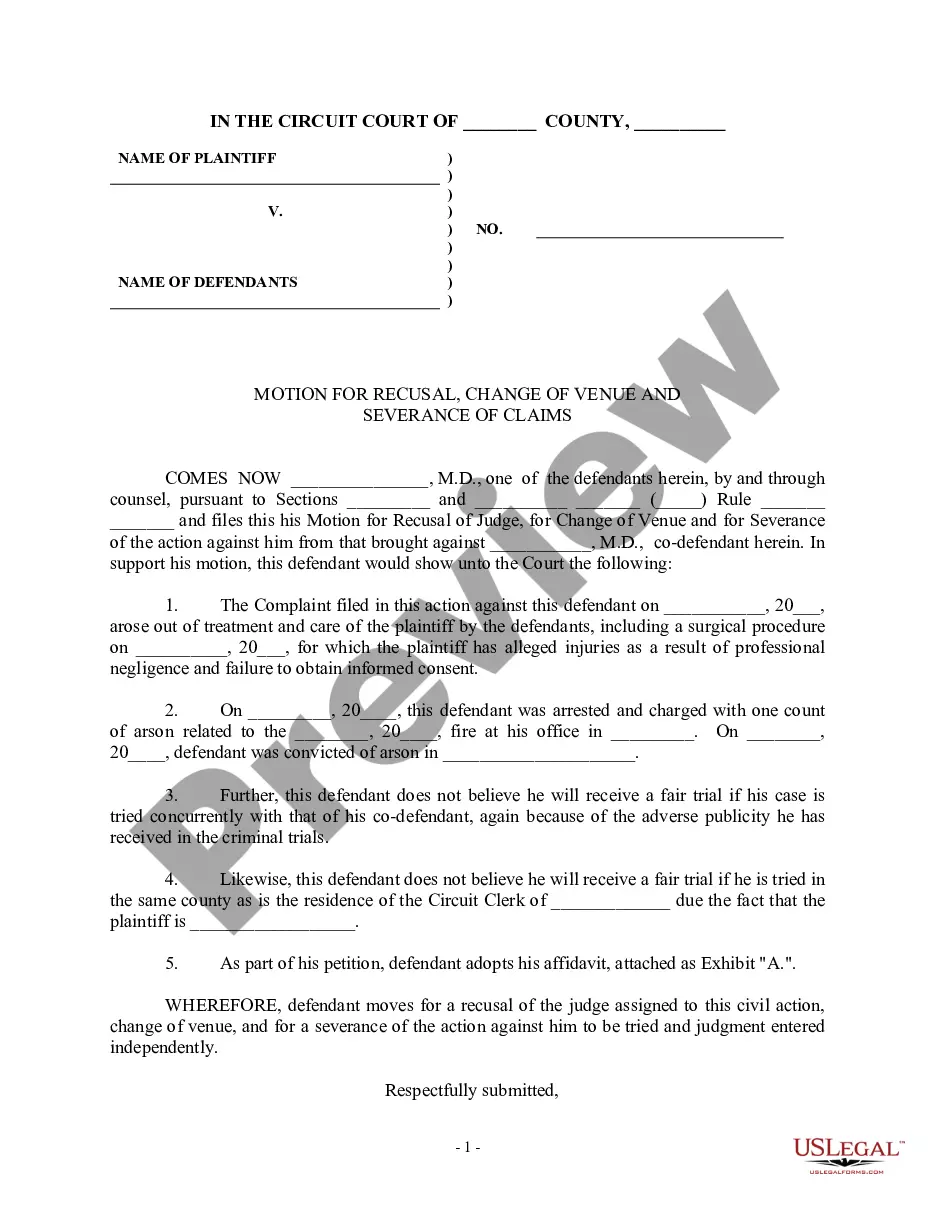
How to fill out Motion For Change Of Venue - Incorrect Court District?
Acquiring legal document examples that adhere to federal and state regulations is vital, and the internet provides a plethora of choices to choose from.
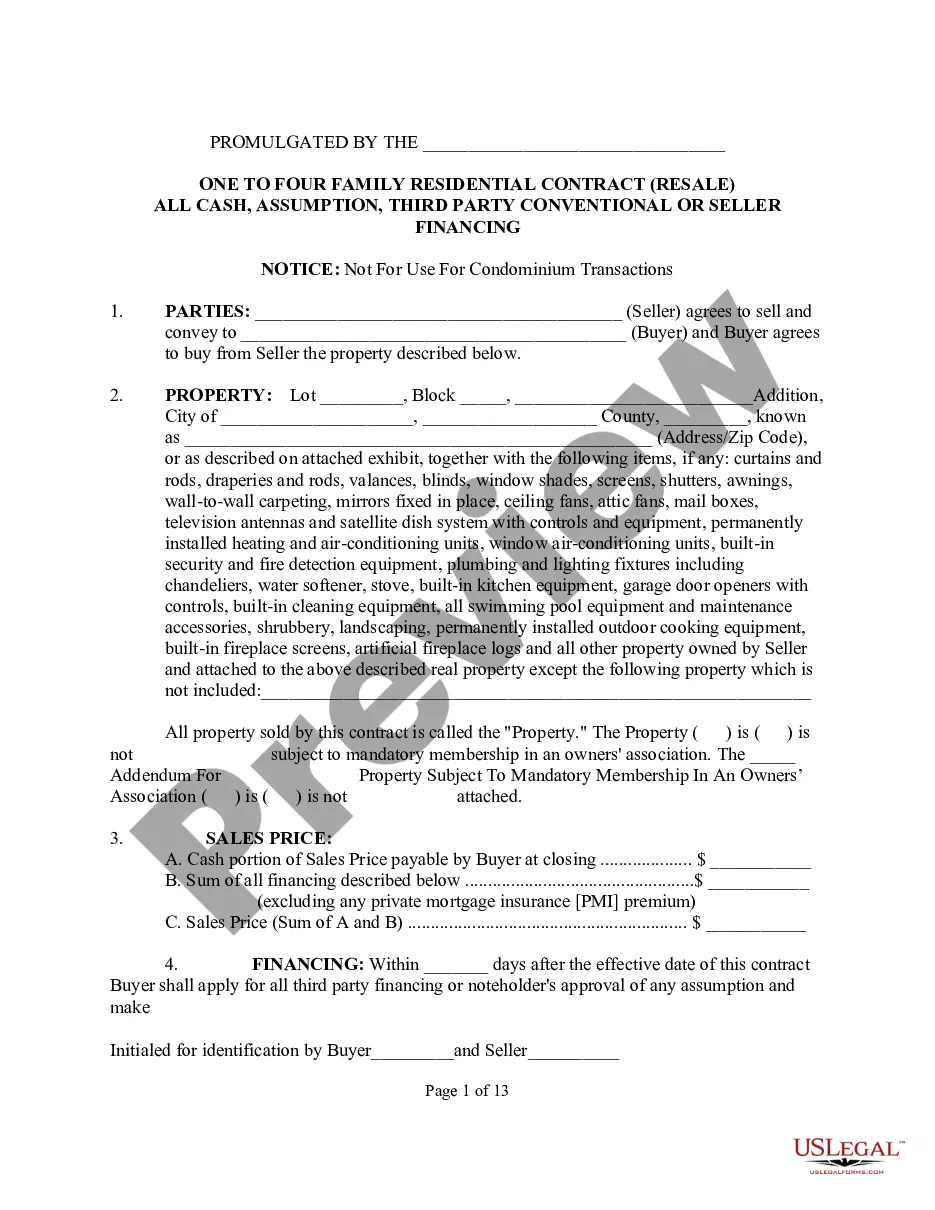
However, what is the purpose of spending time searching for the properly crafted Venue In Court Terms example online when the US Legal Forms digital repository already houses such templates consolidated in one location.
US Legal Forms is the largest online legal directory featuring over 85,000 editable templates created by lawyers for any commercial and personal situation.
Review the template using the Preview feature or via the textual outline to confirm it satisfies your needs. Locate another sample using the search tool at the top of the page if necessary. Click Buy Now once you’ve identified the appropriate form and choose a subscription option. Register for an account or Log In and complete the payment through PayPal or a credit card. Select the fitting format for your Venue In Court Terms and download it. All documents you find through US Legal Forms are reusable. To re-download and complete previously acquired forms, access the My documents tab in your account. Take pleasure in the most extensive and user-friendly legal documentation service!
- They are simple to navigate with all documents categorized by state and intended use.
- Our experts stay updated with legislative changes, ensuring that your documentation is timely and compliant when obtaining a Venue In Court Terms from our site.
- Acquiring a Venue In Court Terms is quick and straightforward for both existing and new users.
- If you already possess an account with an active subscription, Log In and store the document sample you require in the desired format.
- If you are a newcomer to our website, adhere to the steps below.
Form popularity
FAQ
To determine if a venue is proper, you should assess where the parties live, where the underlying events occurred, and any contractual stipulations regarding venue. Analyzing these factors helps ensure that the court has the authority to hear your case, which is a fundamental aspect of venue in court terms. If you're uncertain about the proper venue for your situation, consider consulting US Legal Forms for detailed assistance and templates that can guide you through the process.
In California, the venue rule states that a legal action must be filed in a county where the defendant resides, where a contract was signed, or where the event causing the legal action took place. This rule ensures that cases are heard in a location relevant to the parties involved, promoting fairness in the legal process. Understanding venue in court terms can help you navigate California's specific regulations effectively. Utilizing resources from US Legal Forms can provide you with the necessary information to comply with these rules.
A venue is considered improper when the location does not comply with legal requirements for jurisdiction. This can happen if the parties involved do not reside in the area, or if the events leading to the legal action did not occur there. Understanding venue in court terms is crucial, as an improper venue can lead to delays or dismissals of your case. To avoid these issues, it's important to consult platforms like US Legal Forms for guidance on determining the correct venue.
A venue constitutes the specific location where legal proceedings occur, such as a court in a specific county or city. In court terms, this location must have jurisdiction over the parties and the subject matter of the case. Elements like the residence of the parties and the location of the incident are crucial in defining a venue. Understanding these components will help you navigate legal processes more effectively.
Court venue is determined by evaluating the connections between the case and various geographic locations. In court terms, factors such as the location of the incident, the residence of the defendants, and the nature of the claims all influence this decision. Courts aim to select a venue that serves the interests of justice and convenience. By using tools like USLegalForms, you can identify the best venue for your legal needs.
To determine where venue is proper, analyze the facts of the case and the relevant laws governing jurisdiction. Venue in court terms often aligns with where the significant events occurred or where the parties live. Additionally, you may need to consider contractual agreements that specify a venue. Utilizing resources available through USLegalForms can simplify this determination process.
Venue is decided based on a combination of factors including the location of the events, the residence of the parties, and applicable laws. In court terms, this decision aims to provide a fair setting for the trial. The court typically evaluates these factors to determine the most appropriate venue. If you are uncertain, consulting with USLegalForms can clarify venue decisions for your specific situation.
The rule of venue establishes guidelines for determining where a legal case should be heard. In court terms, this rule is designed to ensure fairness and convenience for all parties involved. Generally, it requires that cases be filed in a venue that is connected to the events or the individuals involved. Familiarizing yourself with the rules of venue can lead to a smoother legal process.
In court terms, a venue is the specific district or location where a legal case is tried. This can include counties, cities, or regions that have jurisdiction over the matter at hand. Factors such as the location of the incident or the residence of the parties play a significant role in determining what counts as a venue. Understanding these aspects can help you select the appropriate venue for your case.
To establish a proper venue, you need to consider the nature of the case and the location of the parties involved. Venue in court terms refers to the specific geographic area where a case can be heard. Typically, you will choose a venue based on where events occurred or where the parties reside. Using resources like USLegalForms can help you navigate this process and ensure you choose the correct venue.