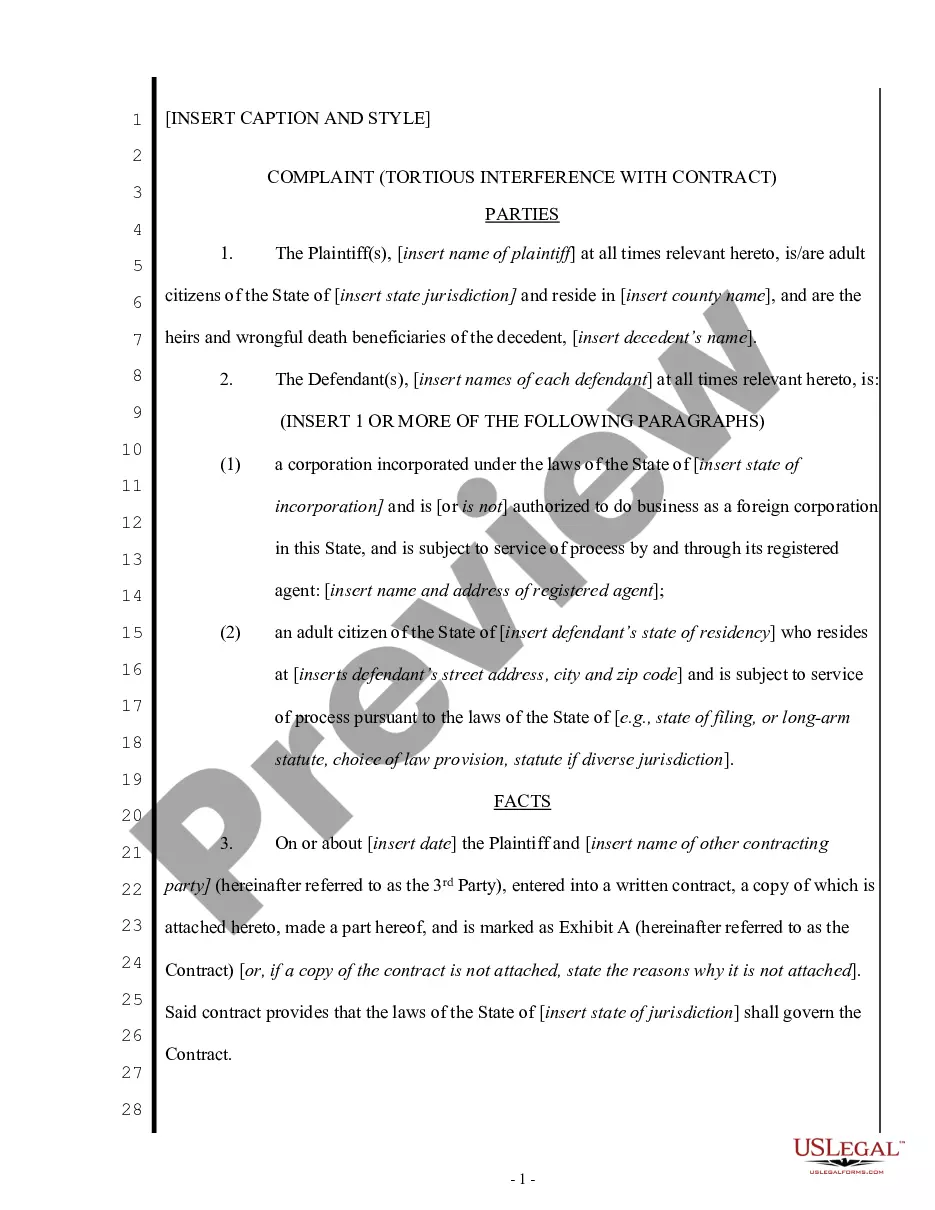
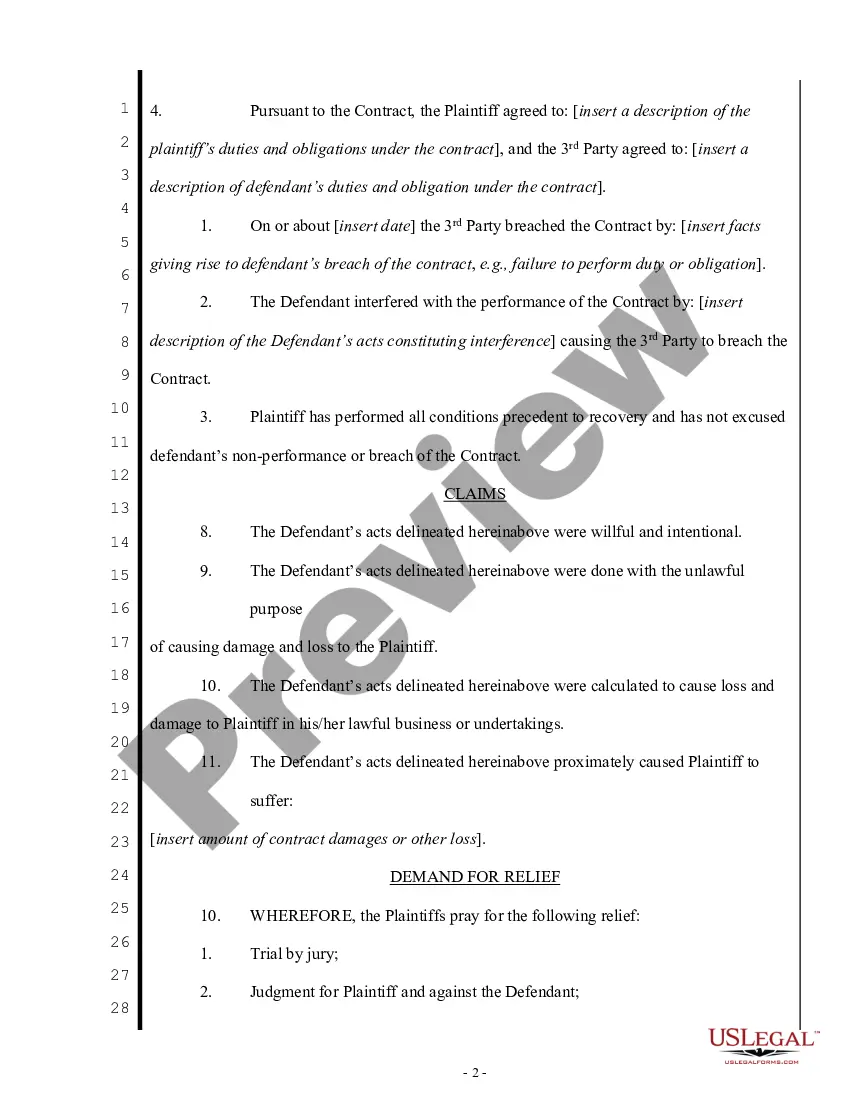
Tortious Interference Cases With Card Holder
Description


Get your form ready online
Our built-in tools help you complete, sign, share, and store your documents in one place.
Make edits, fill in missing information, and update formatting in US Legal Forms—just like you would in MS Word.
Download a copy, print it, send it by email, or mail it via USPS—whatever works best for your next step.
Sign and collect signatures with our SignNow integration. Send to multiple recipients, set reminders, and more. Go Premium to unlock E-Sign.
If this form requires notarization, complete it online through a secure video call—no need to meet a notary in person or wait for an appointment.
We protect your documents and personal data by following strict security and privacy standards.

Make edits, fill in missing information, and update formatting in US Legal Forms—just like you would in MS Word.

Download a copy, print it, send it by email, or mail it via USPS—whatever works best for your next step.

Sign and collect signatures with our SignNow integration. Send to multiple recipients, set reminders, and more. Go Premium to unlock E-Sign.

If this form requires notarization, complete it online through a secure video call—no need to meet a notary in person or wait for an appointment.

We protect your documents and personal data by following strict security and privacy standards.
Looking for another form?
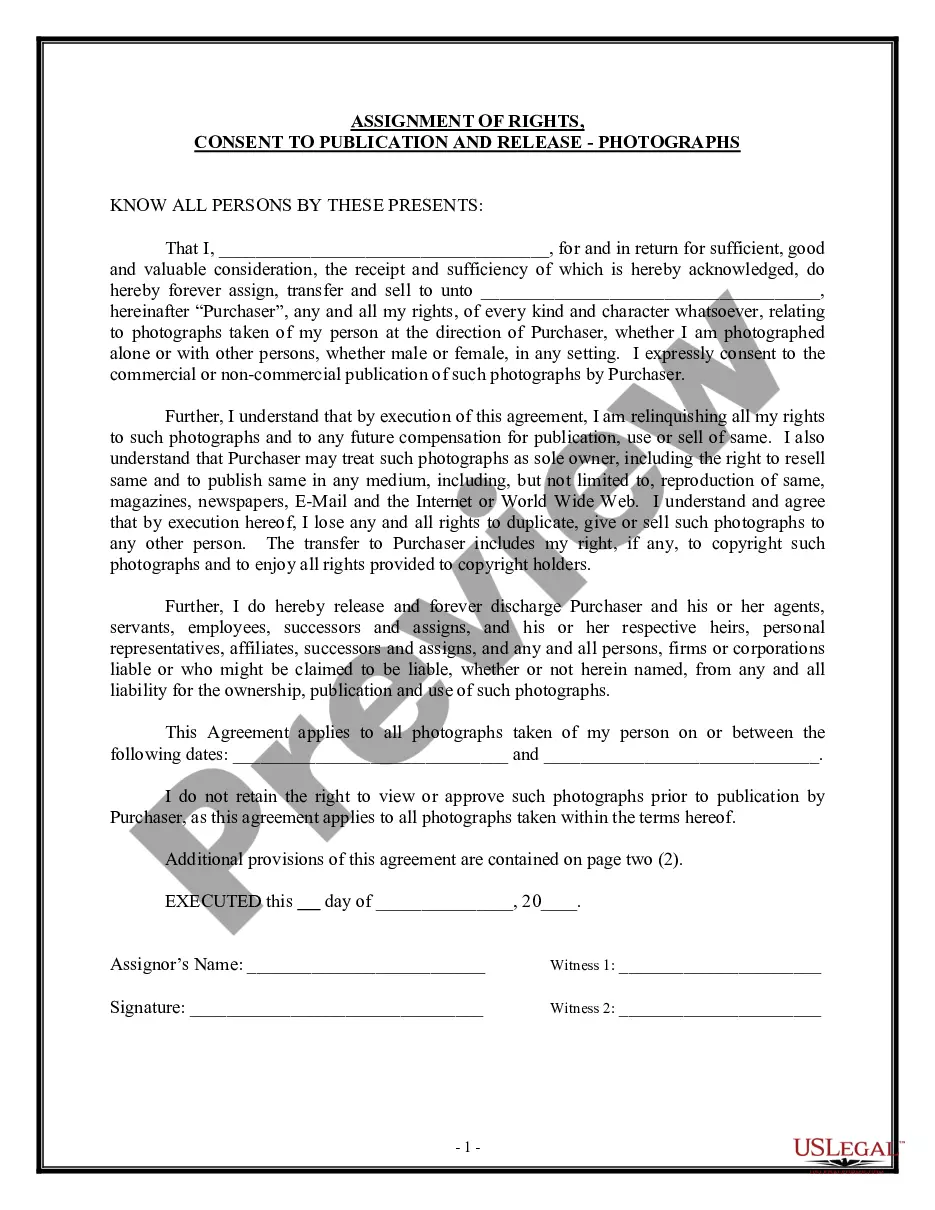



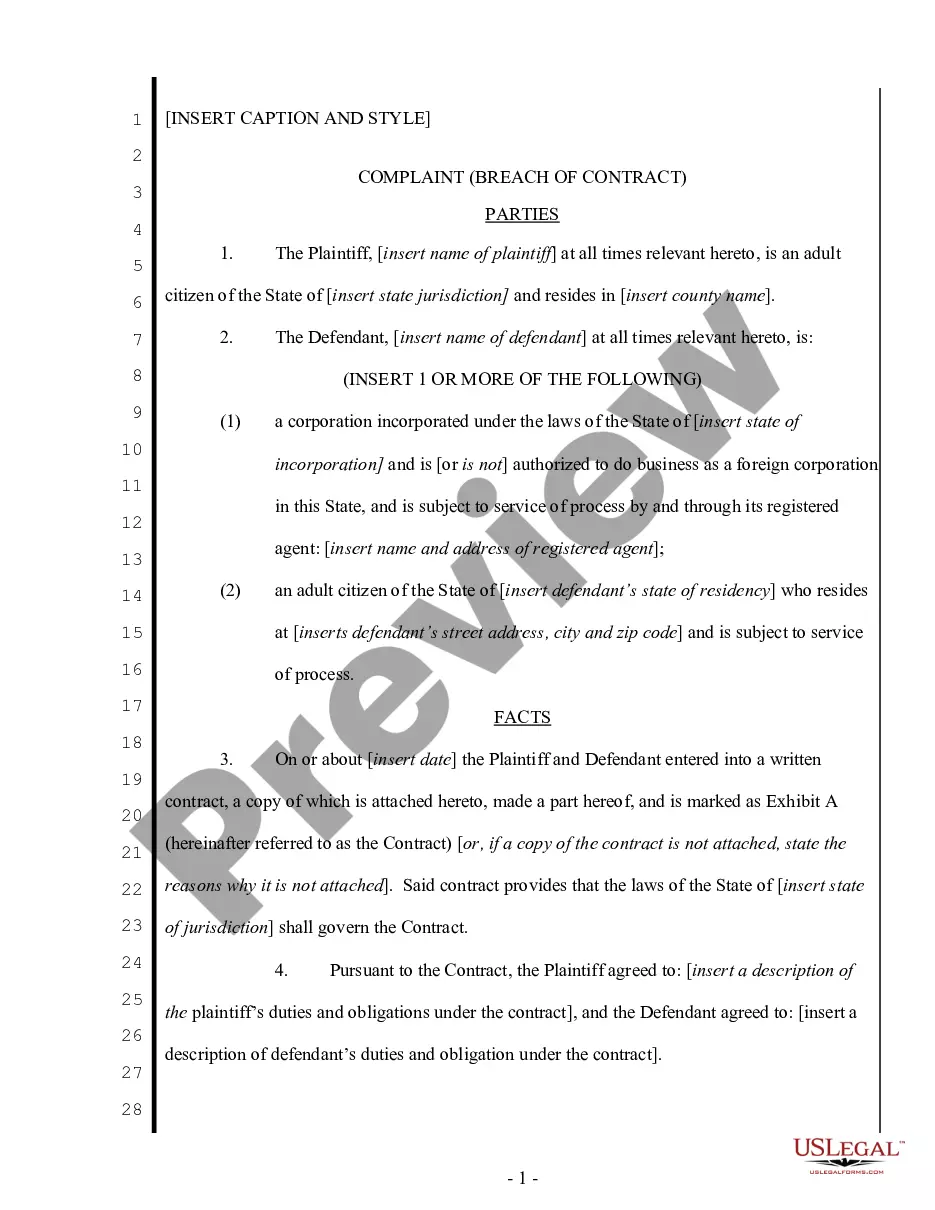
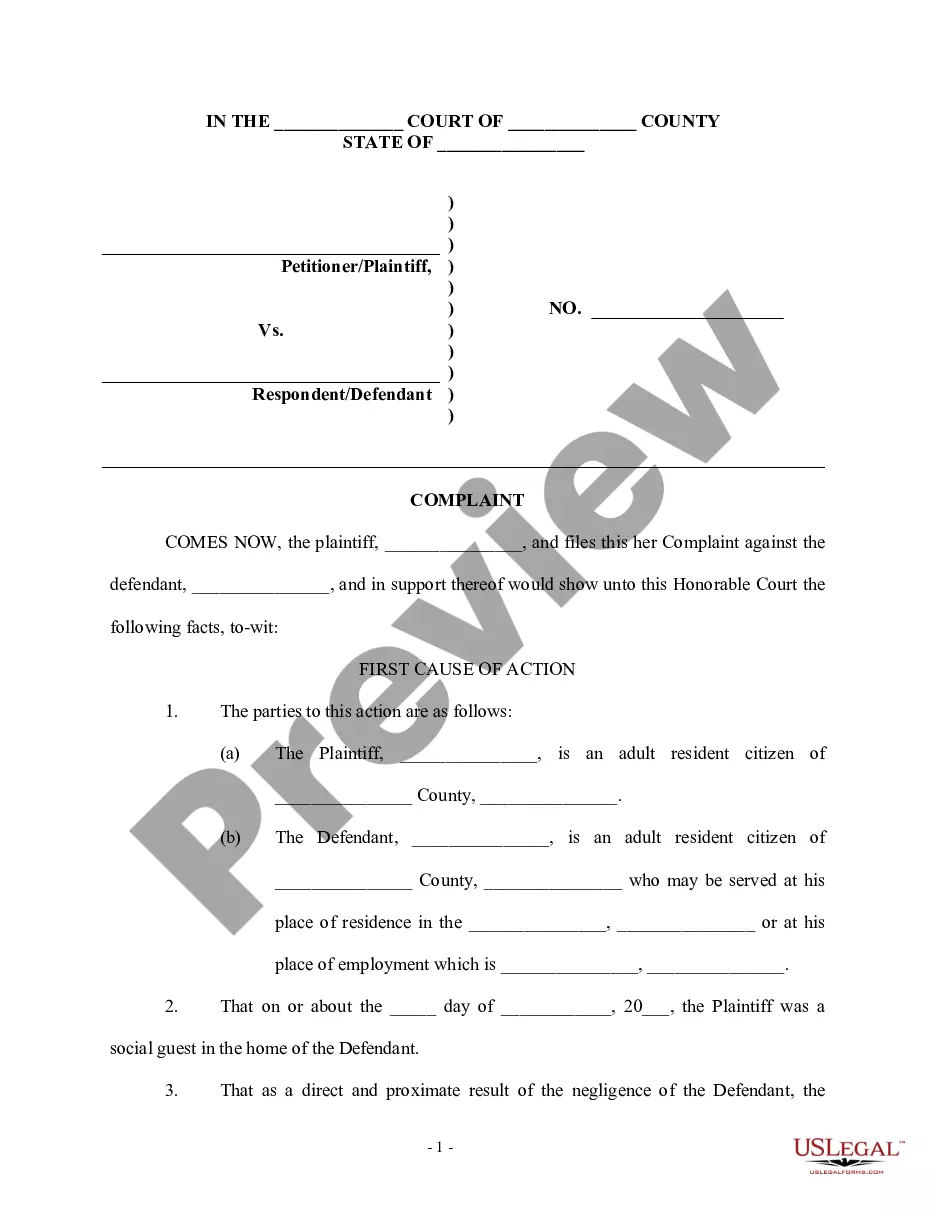
How to fill out Complaint Regarding Intentional Interference With Contract?
Managing legal paperwork can be daunting, even for skilled professionals.
When you're looking for Tortious Interference Cases With Card Holder and don't get the opportunity to dedicate time to finding the correct and updated version, the tasks could be challenging.
Gain entry to a helpful repository of articles, guides, and resources related to your situation and requirements.
Save time and effort searching for the documents you require, and utilize US Legal Forms’ advanced search and Preview feature to find Tortious Interference Cases With Card Holder and obtain it.
Take advantage of the US Legal Forms online library, supported by 25 years of expertise and reliability. Transform your daily document management into a seamless and user-friendly process today.
- If you have a subscription, Log In to your US Legal Forms account, locate the form, and get it.
- Check the My documents section to view the documents you have previously saved and to manage your folders as desired.
- If it's your first time with US Legal Forms, create a free account and gain unlimited access to all the benefits of the library.
- Here are the steps to follow after downloading the form you need.
- Verify that this is the correct form by previewing it and reviewing its details.
- Make sure the sample is valid in your state or county.
- Click Buy Now when you're prepared.
- Select a monthly subscription plan.
- Choose the format you need, and Download, complete, eSign, print, and send your documents.
- Access state- or county-specific legal and business documents.
- US Legal Forms addresses any needs you may have, from personal to corporate documentation, in one central location.
- Leverage innovative tools to complete and manage your Tortious Interference Cases With Card Holder.
Form popularity
FAQ
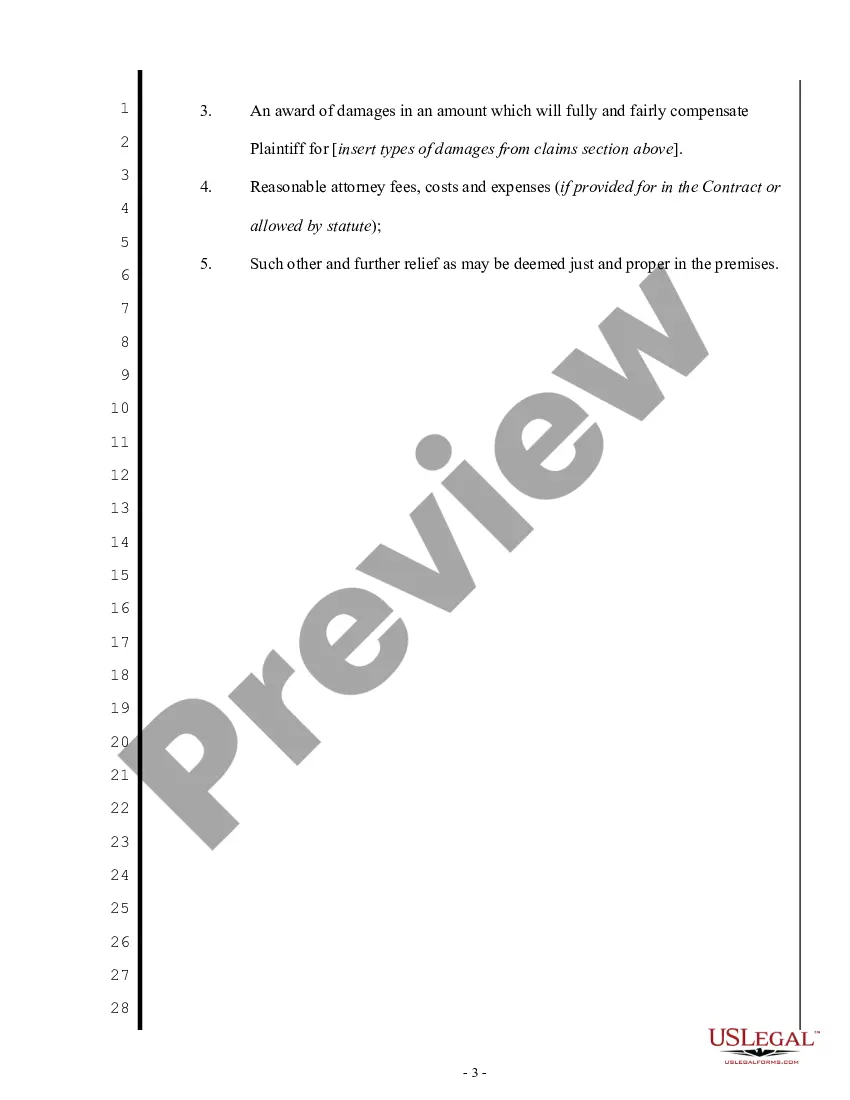
Remedies for tortious interference include compensatory damages for the actual loss incurred due to the wrongful interference, as well as any consequential damages that may have resulted. In some instances, punitive damages may also be awarded if the defendant's actions were significantly harmful or malicious. Resources like uslegalforms can provide valuable assistance in navigating these claims and seeking the right remedies effectively.
In tortious interference cases with card holder, three elements are essential: first, the existence of a valid and enforceable contract; second, the interfering party's knowledge of that contract; and finally, intentional interference that results in a breach or detrimental impact on the contractual relationship. Each element must be clearly established to support a claim. This understanding helps victims of interference take appropriate action against wrongful conduct.
To prove tortious interference in cases involving a card holder, the plaintiff must demonstrate three main elements: the existence of a valid contract, the defendant's knowledge of that contract, and the defendant's intentional actions that caused a breach. Additionally, it’s crucial to show that the interference was done without justification or privilege. Successful claims require clear evidence supporting each of these elements to hold the interfering party accountable.
The tort of interference with a contract occurs when one party wrongfully disrupts the contractual relationship between two other parties. This can include persuading a party to breach their contract or creating obstacles that make it difficult for them to fulfill their obligations. In tortious interference cases with card holder, this unlawful interference can lead to significant damages for the affected party. Understanding this tort is essential for those involved in contractual agreements.
In tortious interference cases with card holder, the first threshold requirement is the existence of a valid contract between the plaintiff and a third party. The plaintiff must demonstrate that they had a legally enforceable agreement. Without a valid contract, the interference claim cannot proceed. Therefore, establishing the presence of a contract is crucial.
In tortious interference cases with card holder, several tests can determine the legitimacy of a claim. Generally, courts look for proof of a valid contract, proof of intentional interference, and evidence that the interference caused harm or damages. Each case may have specific nuances, so consulting legal resources ensures you're well-prepared for court.
An example of tortious interference cases with card holder can involve a third party persuading a client to break a contract with you. For instance, if another business actively encourages your clients to terminate their agreements, this can be grounds for a tortious interference claim. Such scenarios highlight the need for clear legal strategies, which platforms like US Legal Forms can help you with.
Requirements for tortious interference in cases involving card holder include demonstrating the presence of a valid contract, intentional acts of interference, and resulting damages. Additionally, showing that the interference was not justified is crucial. It's important to gather all necessary documentation and evidence early on to support your claim effectively.
The difficulty of proving tortious interference cases with card holder varies based on the specifics involved. Each case is unique, relying on the complexity of the situation, the available evidence, and how well you can support your claims. With thorough preparation and resources, such as those offered by US Legal Forms, you can simplify the process and strengthen your position.
To prove tortious interference in cases with card holder, there are several key elements you must establish. First, you need to show that a valid contract existed. Next, you must demonstrate that the interference was intentional and caused harm. Finally, you should provide evidence of damages linked to the interference. Understanding these elements can help you prepare a stronger case.