Wrongful Form Withdraw
Description
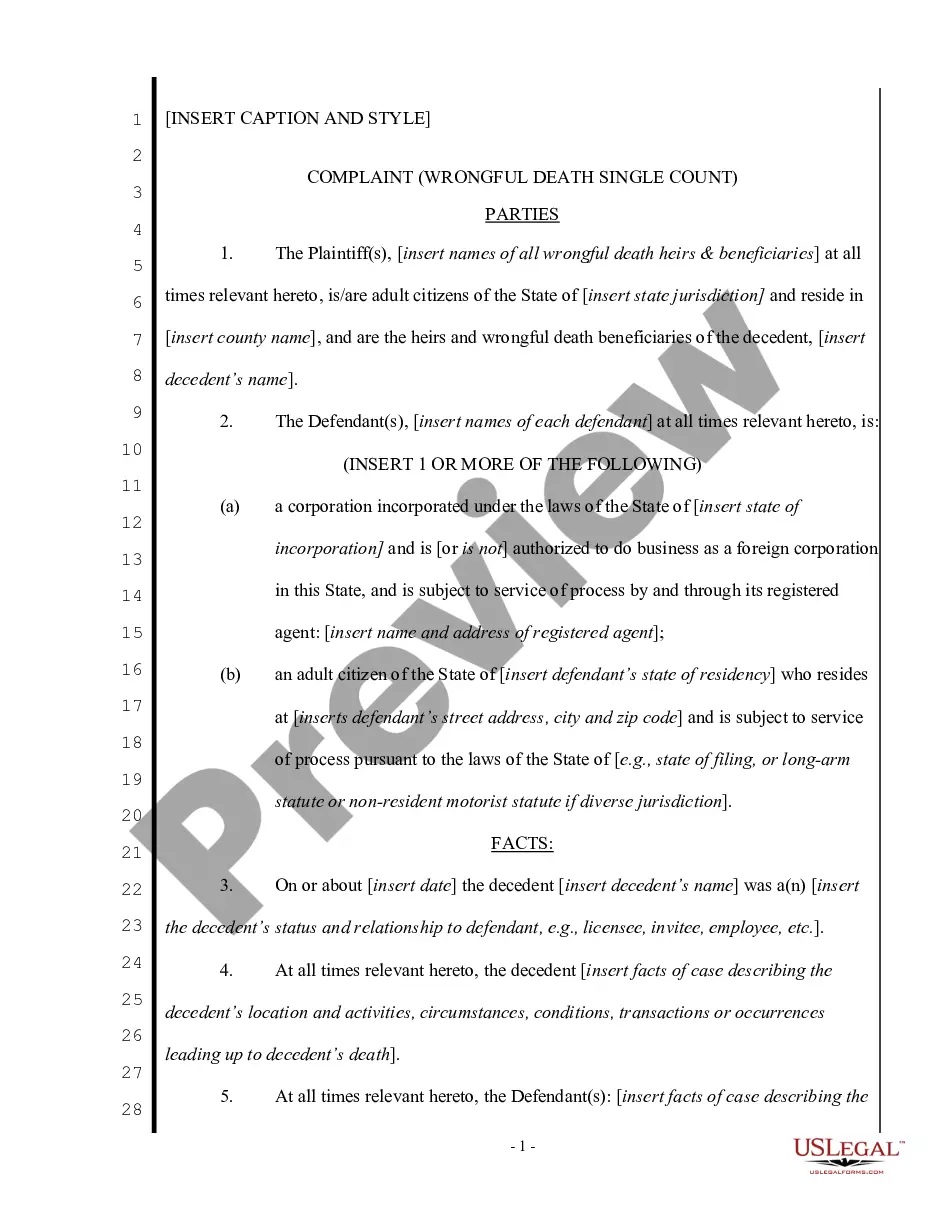

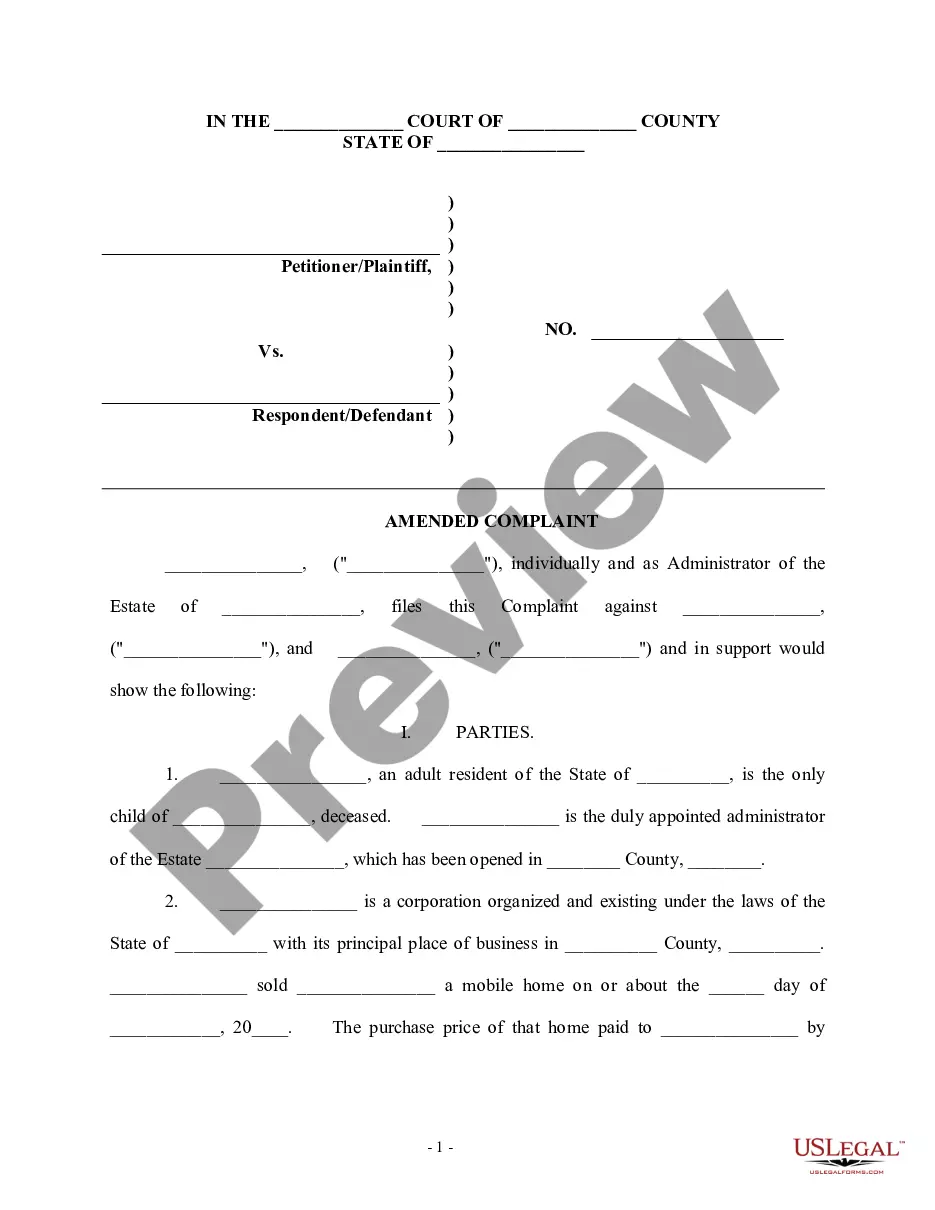
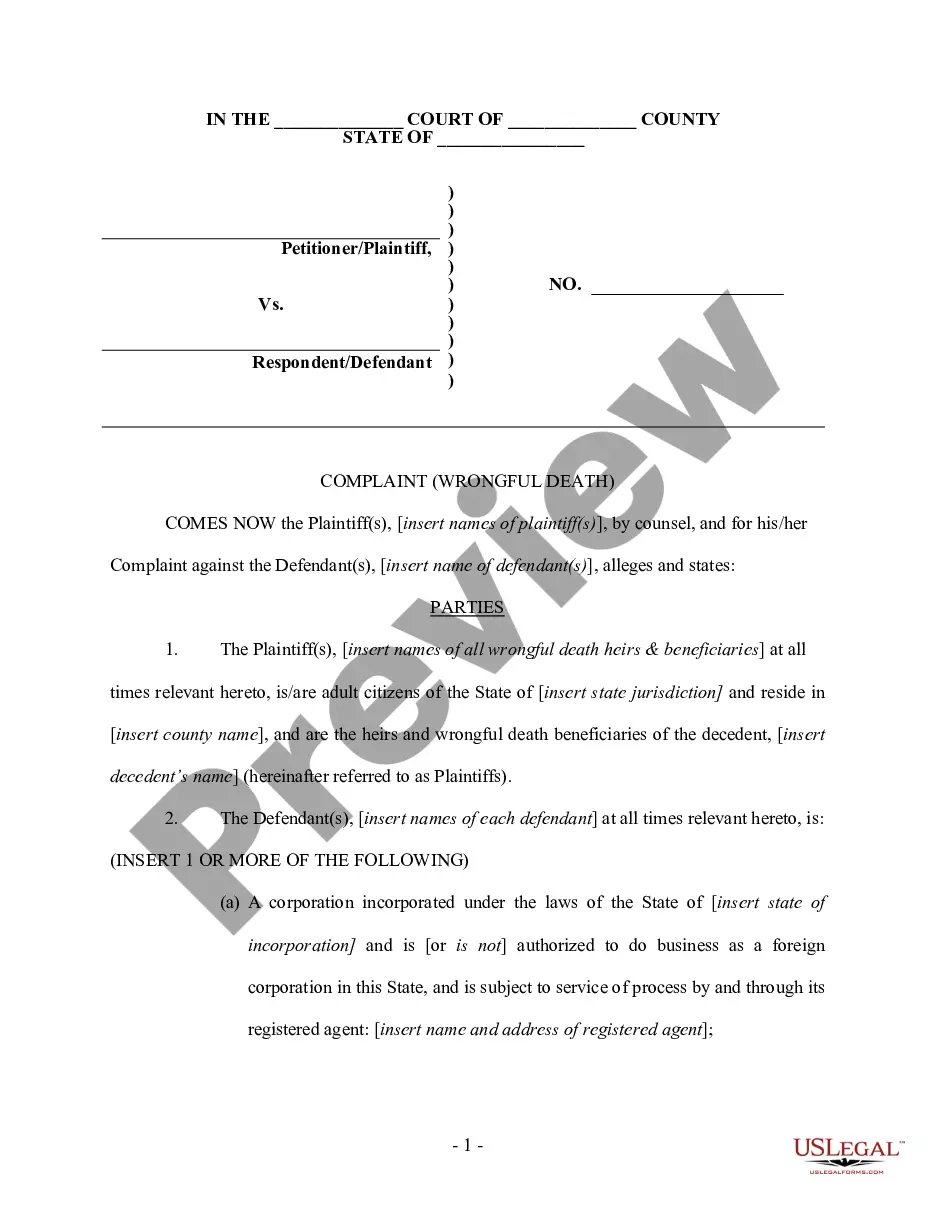
Get your form ready online
Our built-in tools help you complete, sign, share, and store your documents in one place.
Make edits, fill in missing information, and update formatting in US Legal Forms—just like you would in MS Word.
Download a copy, print it, send it by email, or mail it via USPS—whatever works best for your next step.
Sign and collect signatures with our SignNow integration. Send to multiple recipients, set reminders, and more. Go Premium to unlock E-Sign.
If this form requires notarization, complete it online through a secure video call—no need to meet a notary in person or wait for an appointment.
We protect your documents and personal data by following strict security and privacy standards.

Make edits, fill in missing information, and update formatting in US Legal Forms—just like you would in MS Word.

Download a copy, print it, send it by email, or mail it via USPS—whatever works best for your next step.

Sign and collect signatures with our SignNow integration. Send to multiple recipients, set reminders, and more. Go Premium to unlock E-Sign.

If this form requires notarization, complete it online through a secure video call—no need to meet a notary in person or wait for an appointment.

We protect your documents and personal data by following strict security and privacy standards.
Looking for another form?

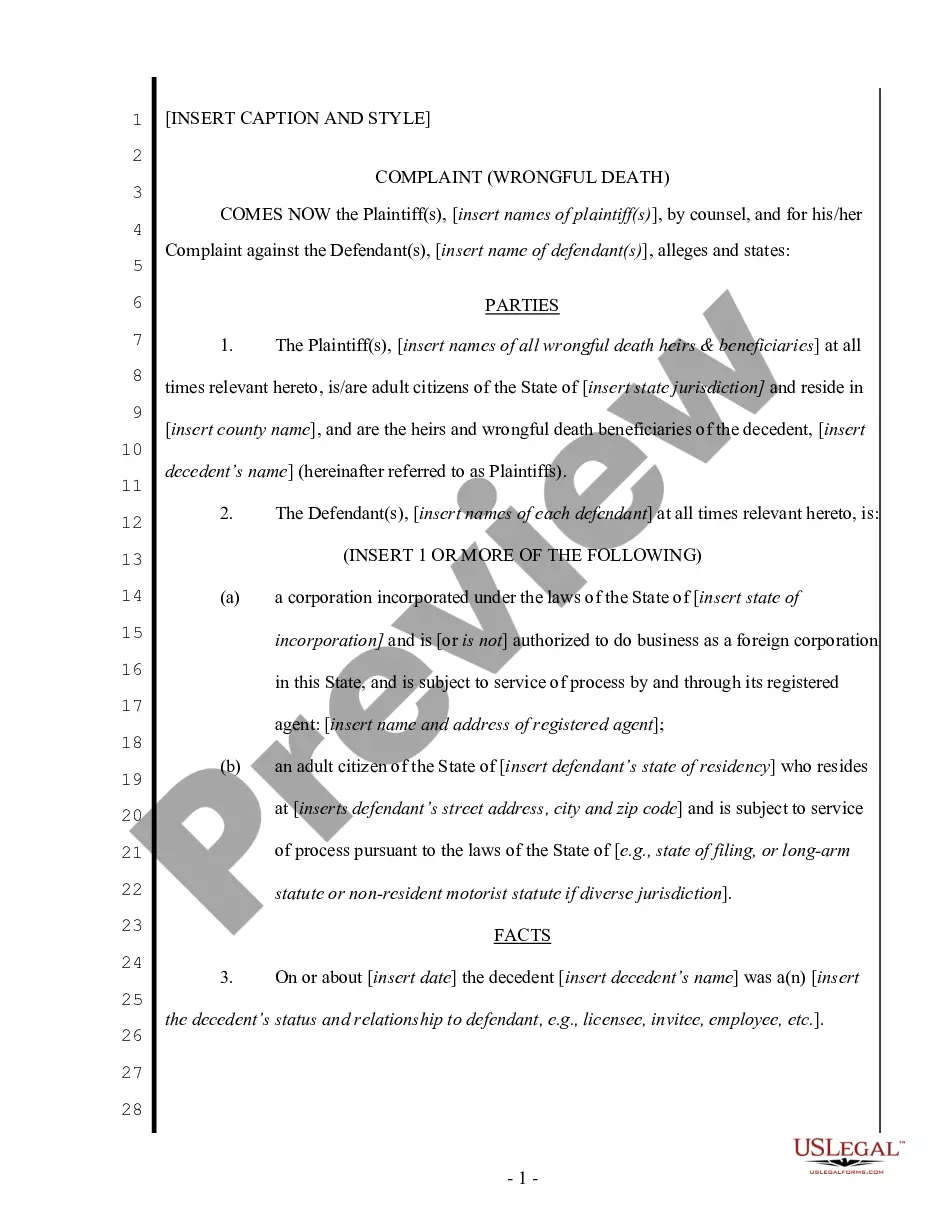
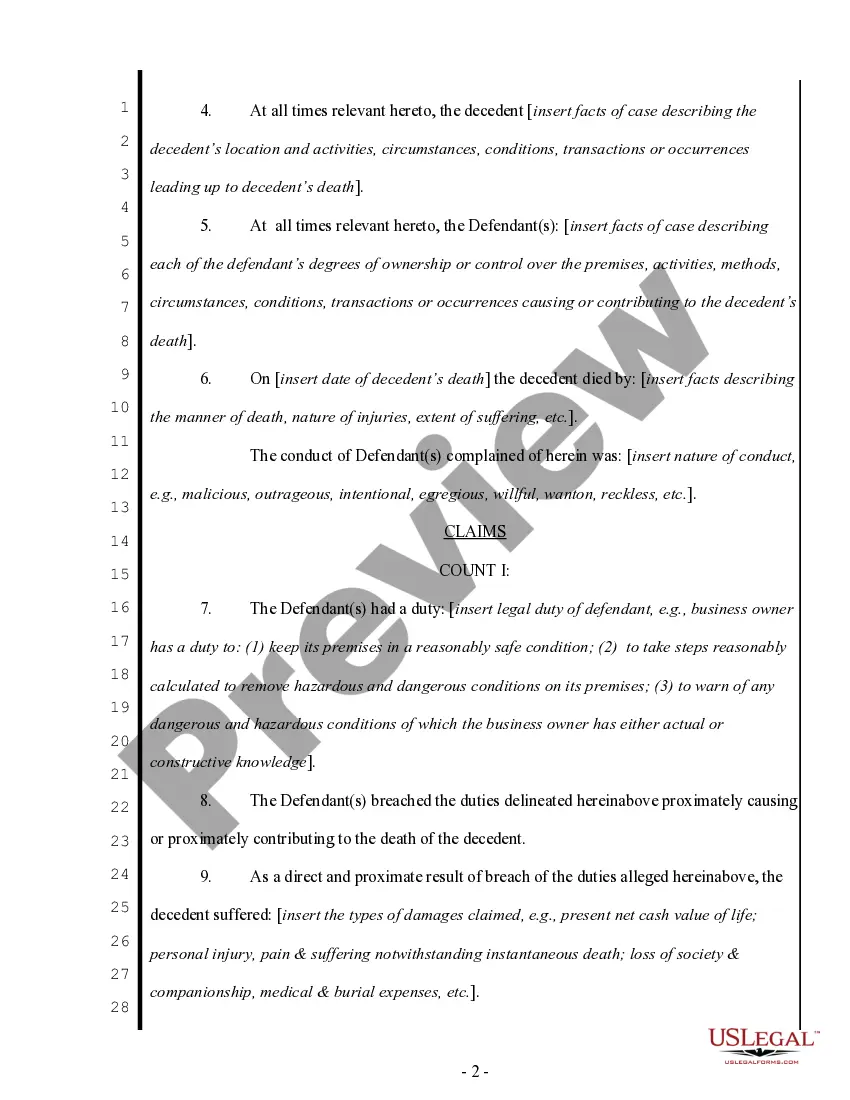
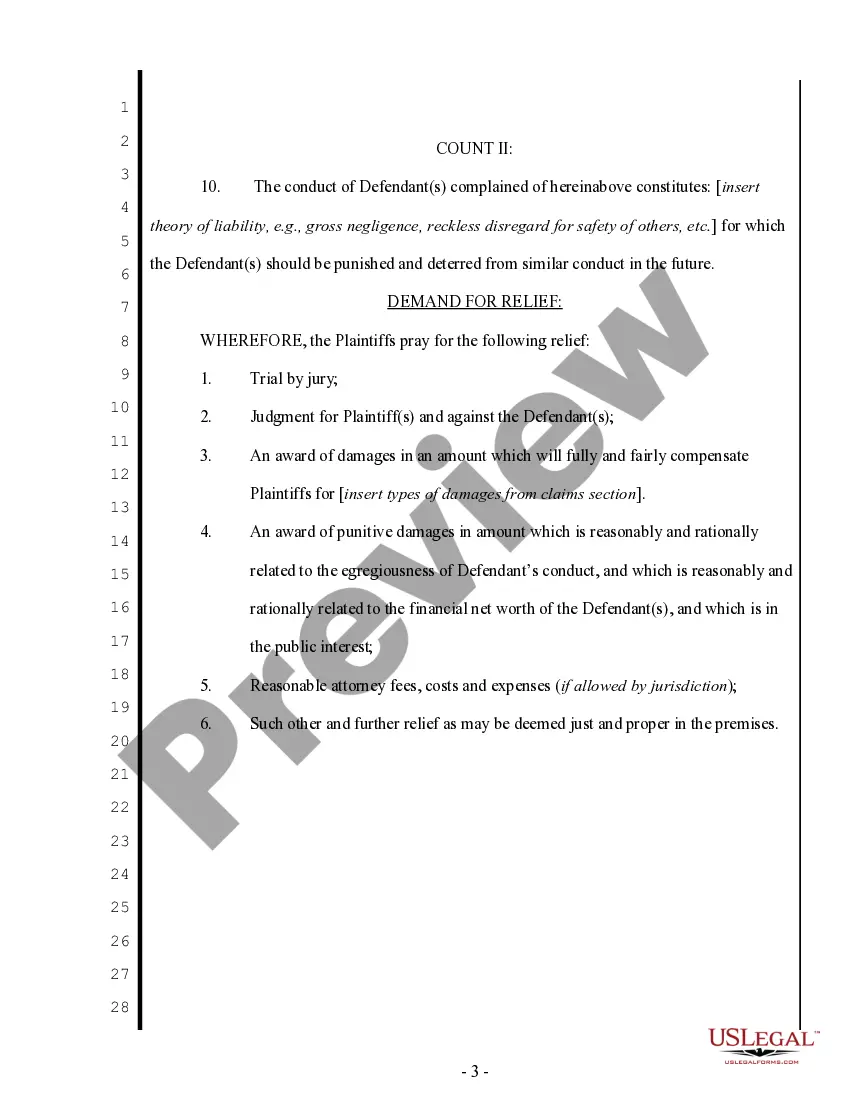
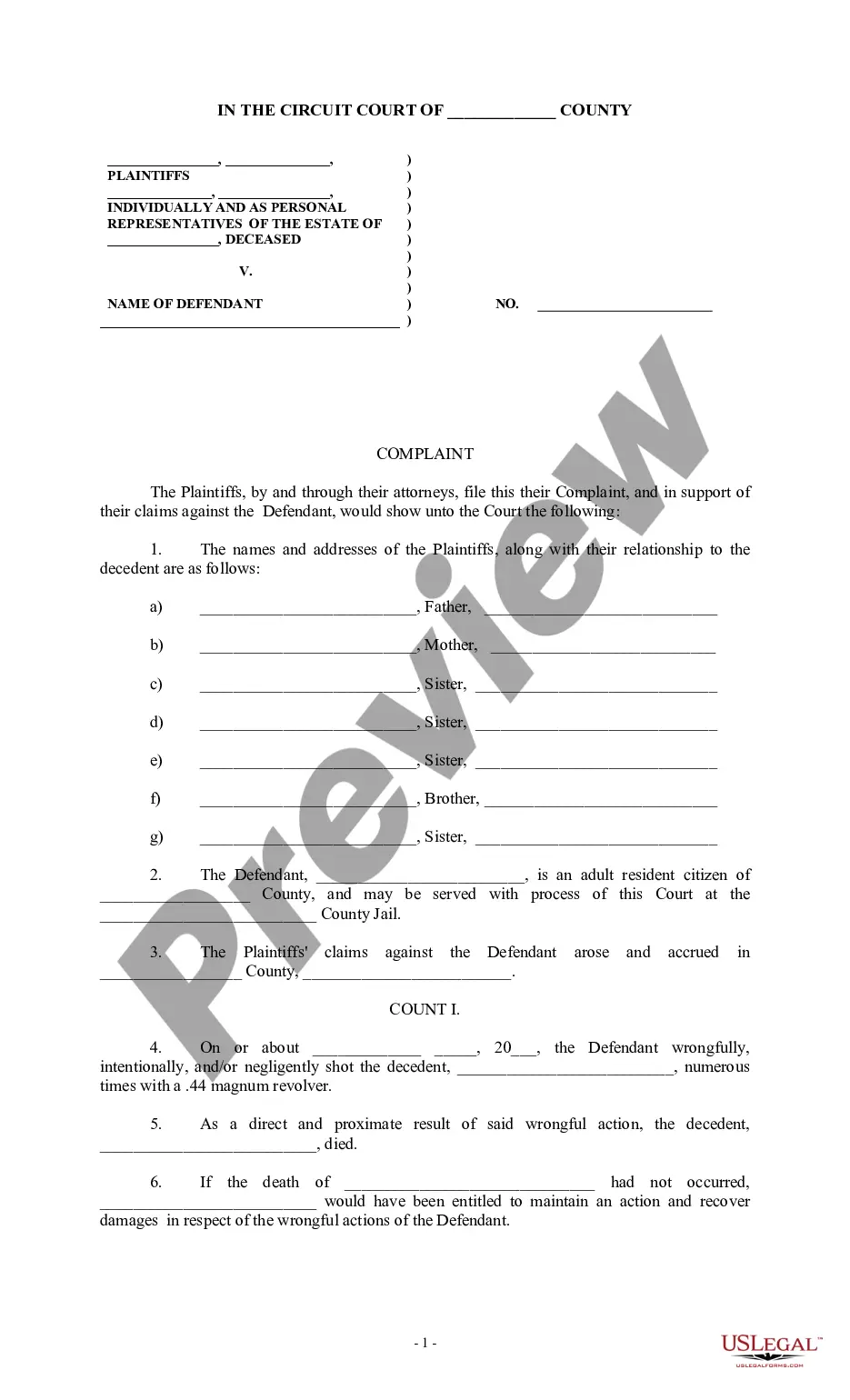
How to fill out Complaint For Wrongful Death - Multiple Counts?
Identifying a reliable source for obtaining the most updated and pertinent legal templates is a significant part of navigating bureaucracy.
Finding the appropriate legal documents requires precision and thoroughness, which is why it's crucial to draw samples of Wrongful Form Withdraw exclusively from trusted providers, such as US Legal Forms.
Eliminate the stress associated with your legal documentation. Explore the vast US Legal Forms catalog to discover legal samples, verify their applicability to your situation, and download them instantly.
- Utilize the library navigation or search function to find your template.
- Check the form’s description to ensure it meets the specifications of your state and county.
- Access the form preview, if available, to confirm that the template is indeed the one you require.
- Return to the search feature and look for the suitable template if the Wrongful Form Withdraw does not meet your requirements.
- If you are certain about the form’s suitability, proceed to download it.
- If you are a registered user, click Log in to authenticate and access your selected templates in My documents.
- If you do not have an account yet, click Buy now to purchase the form.
- Choose the pricing plan that aligns with your needs.
- Proceed to registration to complete your transaction.
- Conclude your purchase by selecting a payment method (credit card or PayPal).
- Choose the file format for downloading Wrongful Form Withdraw.
- Once you have the form on your device, you can edit it using the editor or print it out and complete it manually.
Form popularity
FAQ
To politely decline legal representation, express appreciation for the lawyer's time and effort. Clearly state your decision to not proceed with their services, and if applicable, mention your reasons. Keeping communication respectful can help avoid misunderstandings, especially in situations involving a wrongful form withdraw.
Writing a letter of withdrawal involves stating your intent clearly and providing relevant details like the case number. It is also important to mention any next steps regarding your case. If you fear a wrongful form withdraw, consider using templates available on platforms like US Legal Forms for guidance.
A letter of termination of representation formally ends the attorney-client relationship. This document should outline the reasons for termination and any final steps that need to be taken. If you suspect a wrongful form withdraw, including a request for the return of your files can be beneficial.
A sample letter to withdraw from representation should include your name, the lawyer's name, and a clear statement of withdrawal. It is important to express gratitude for their services while stating your decision firmly. For a wrongful form withdraw, ensure you address any outstanding matters before sending the letter.
When a lawyer withdraws from a case, it can raise questions, but it does not always reflect poorly on the client. Factors like conflicts of interest or a breakdown in communication can lead to a lawyer's withdrawal. If you face a wrongful form withdraw, it is essential to seek new representation promptly.
There can be various reasons for withdrawing a case, such as reaching a settlement, realizing a lack of evidence, or changing personal circumstances. Sometimes, a party may wish to withdraw due to dissatisfaction with legal representation. Understanding the reasons behind a wrongful form withdraw can help you make informed decisions.
Withdrawing from a lawsuit typically involves filing a notice of withdrawal with the court. You may need to provide a reason for your withdrawal, especially if it is contested. It's crucial to consult with your attorney or understand the implications of a wrongful form withdraw in your specific case.
When you cancel a lawsuit, it is commonly referred to as a dismissal. If you feel your case was a wrongful form withdraw, you might want to explore your options for dismissal. You can voluntarily dismiss your case, which means you are choosing to withdraw it without prejudice. This allows you to potentially refile in the future if needed.
Yes, a lawsuit can be withdrawn at any time before a court judgment is made. If you believe your lawsuit was a wrongful form withdraw, you may need to file a notice of dismissal. This process can vary based on your circumstances, so it’s wise to seek legal advice. Understanding your rights will empower you to make informed choices.
Yes, you can change your mind after agreeing to a settlement, but it can be complicated. If you feel you have made a wrongful form withdraw, you should consult a legal expert immediately. They can help you assess your options and determine if there are grounds for reopening your case. It’s crucial to act quickly, as there are deadlines to consider.