Wrongful Death Statement For Sibling
Description
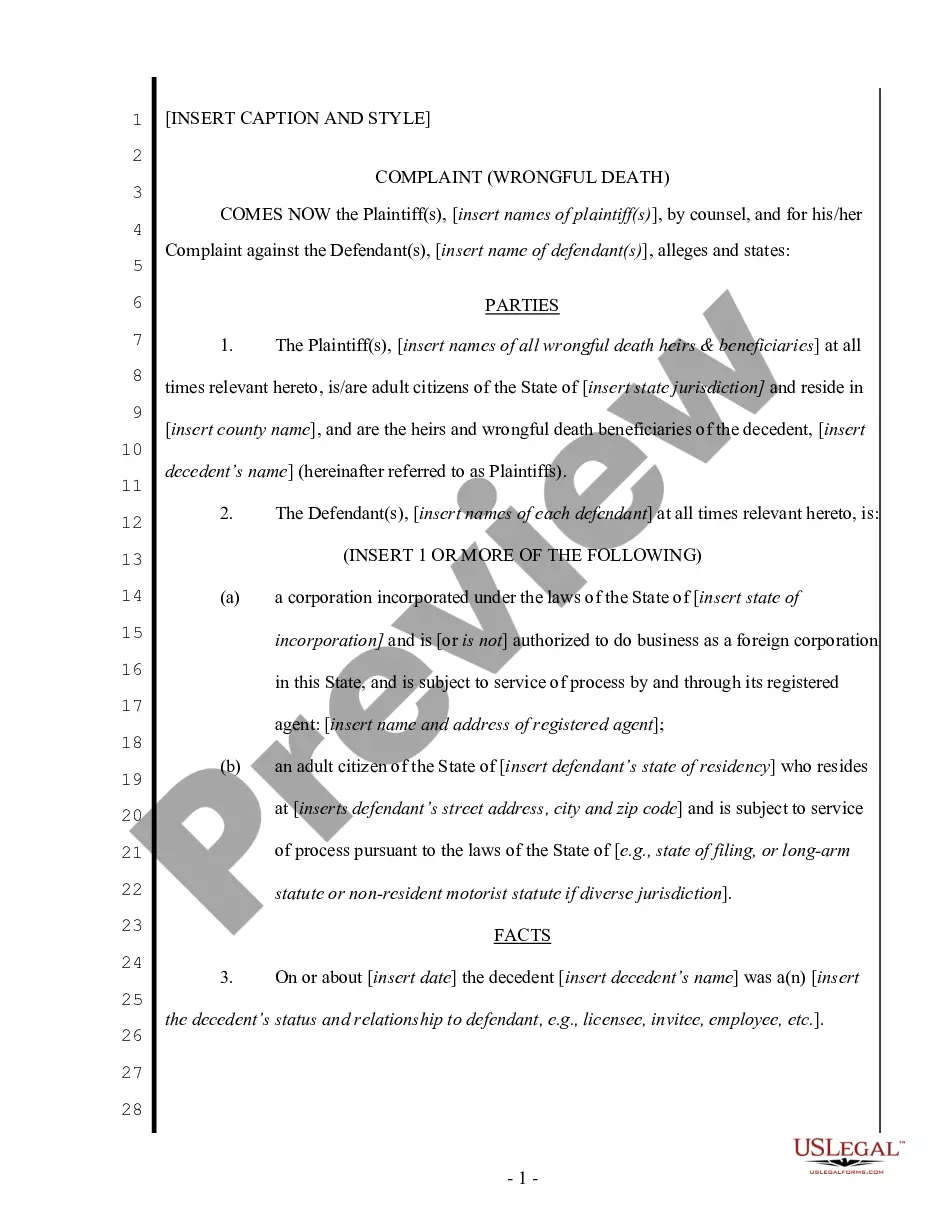
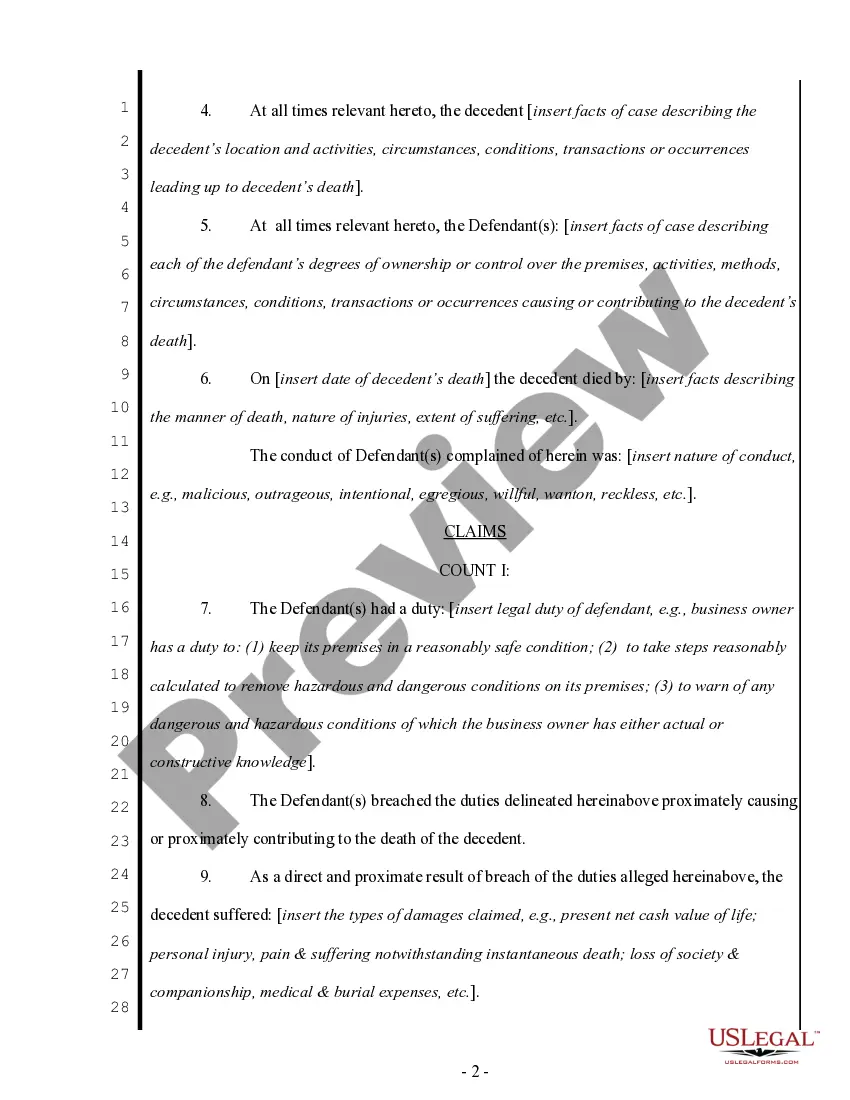
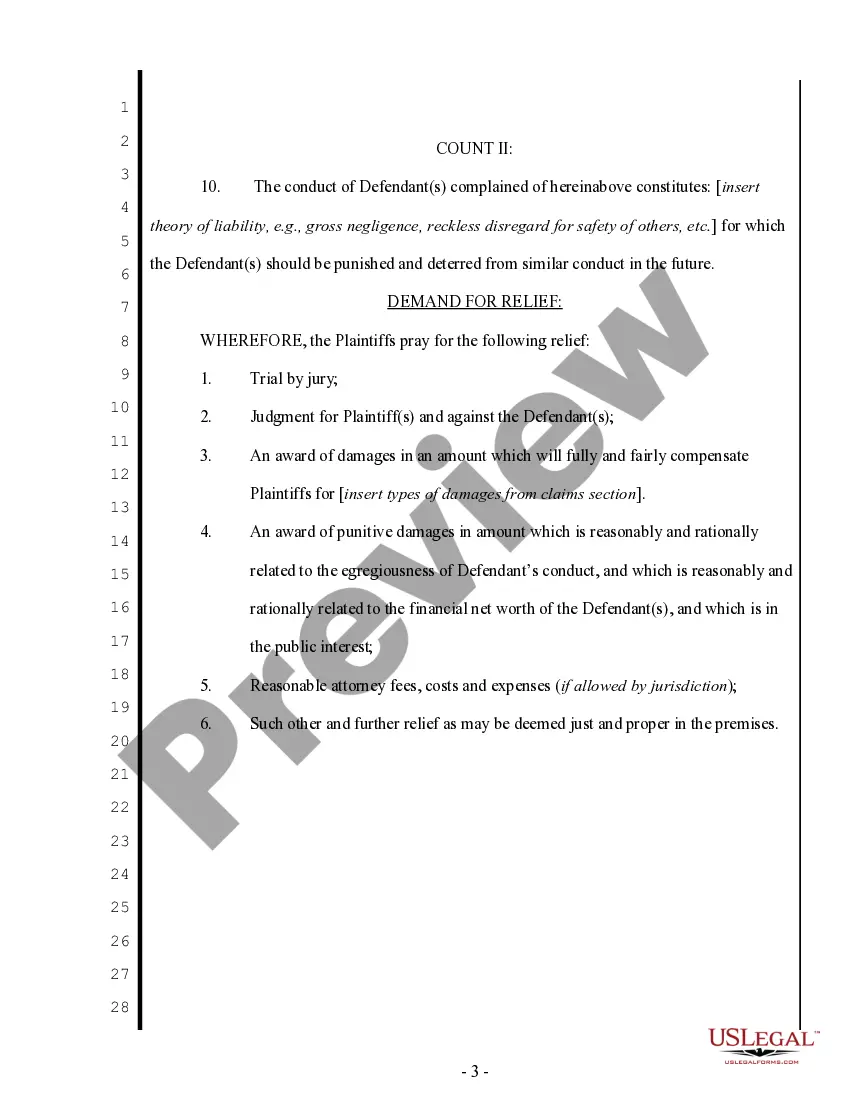
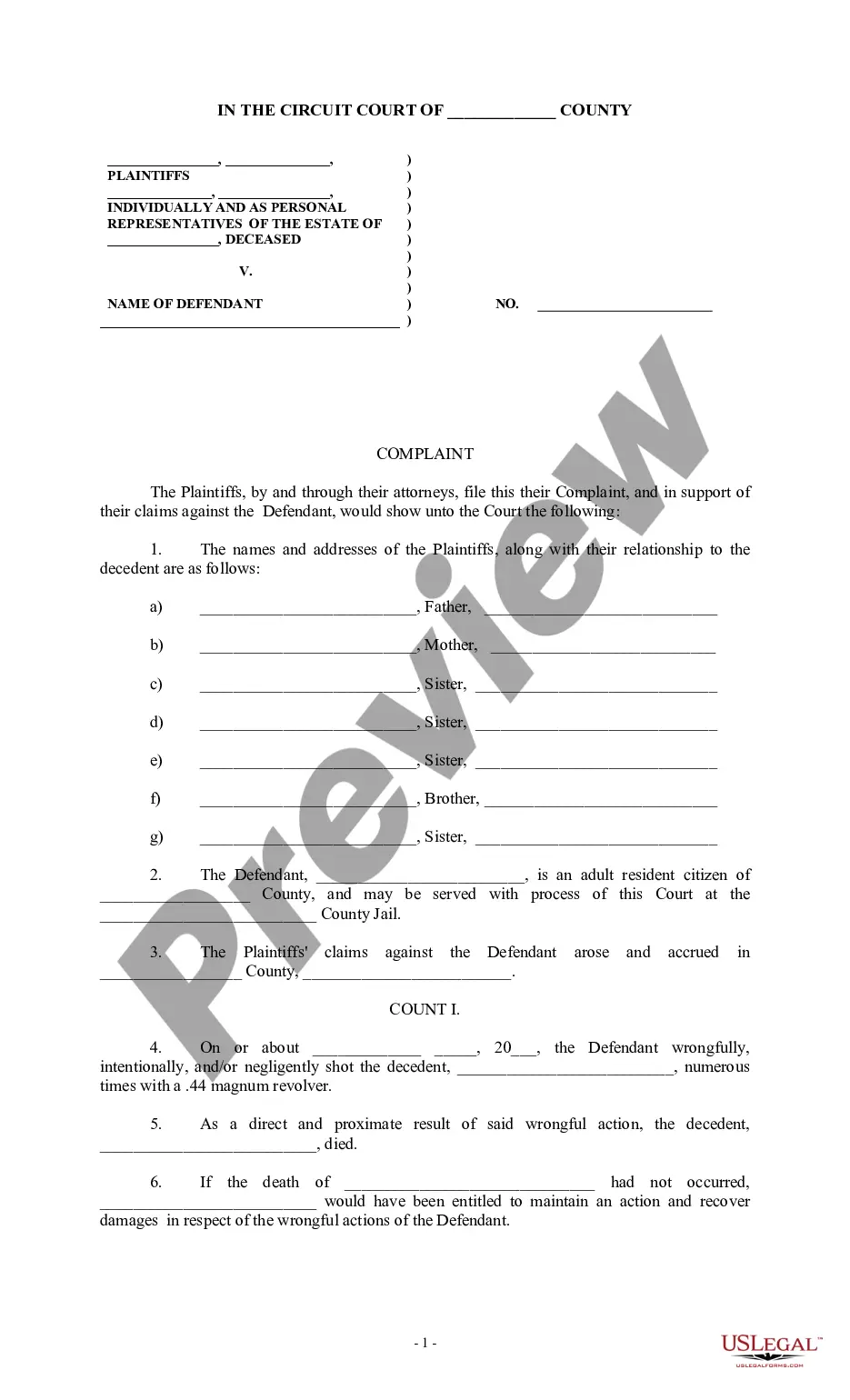

Get your form ready online
Our built-in tools help you complete, sign, share, and store your documents in one place.
Make edits, fill in missing information, and update formatting in US Legal Forms—just like you would in MS Word.
Download a copy, print it, send it by email, or mail it via USPS—whatever works best for your next step.
Sign and collect signatures with our SignNow integration. Send to multiple recipients, set reminders, and more. Go Premium to unlock E-Sign.
If this form requires notarization, complete it online through a secure video call—no need to meet a notary in person or wait for an appointment.
We protect your documents and personal data by following strict security and privacy standards.

Make edits, fill in missing information, and update formatting in US Legal Forms—just like you would in MS Word.

Download a copy, print it, send it by email, or mail it via USPS—whatever works best for your next step.

Sign and collect signatures with our SignNow integration. Send to multiple recipients, set reminders, and more. Go Premium to unlock E-Sign.

If this form requires notarization, complete it online through a secure video call—no need to meet a notary in person or wait for an appointment.

We protect your documents and personal data by following strict security and privacy standards.
Looking for another form?

How to fill out Complaint For Wrongful Death - Multiple Counts?
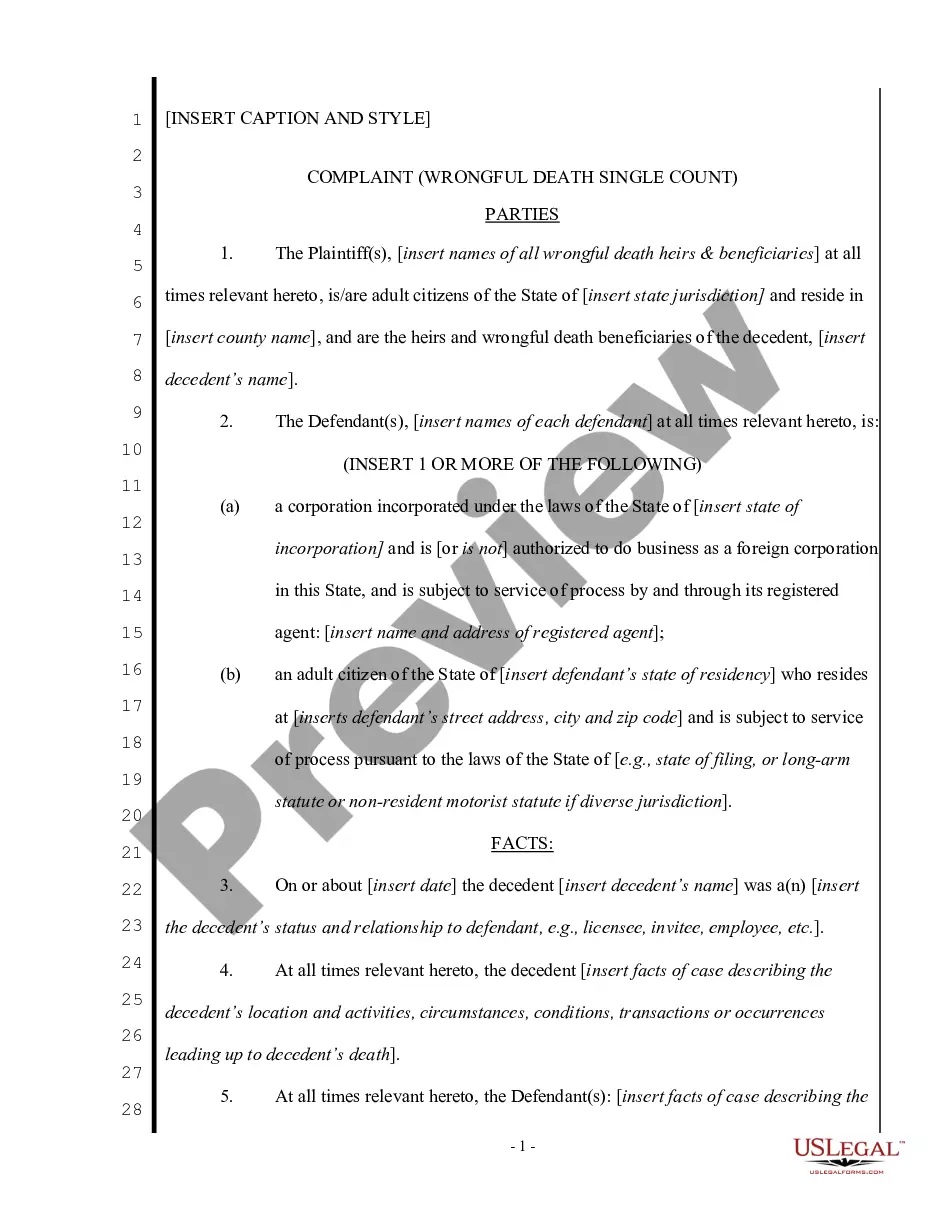
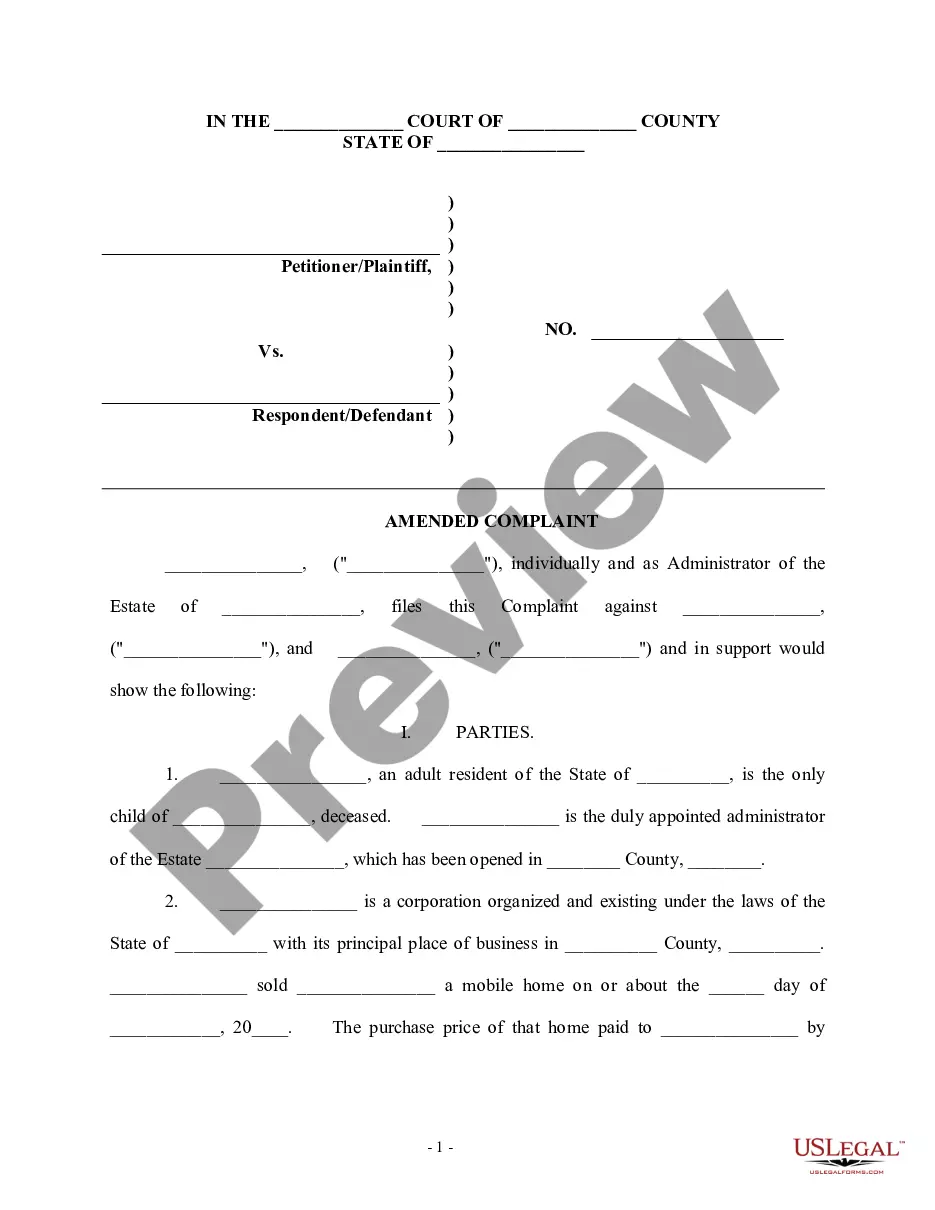
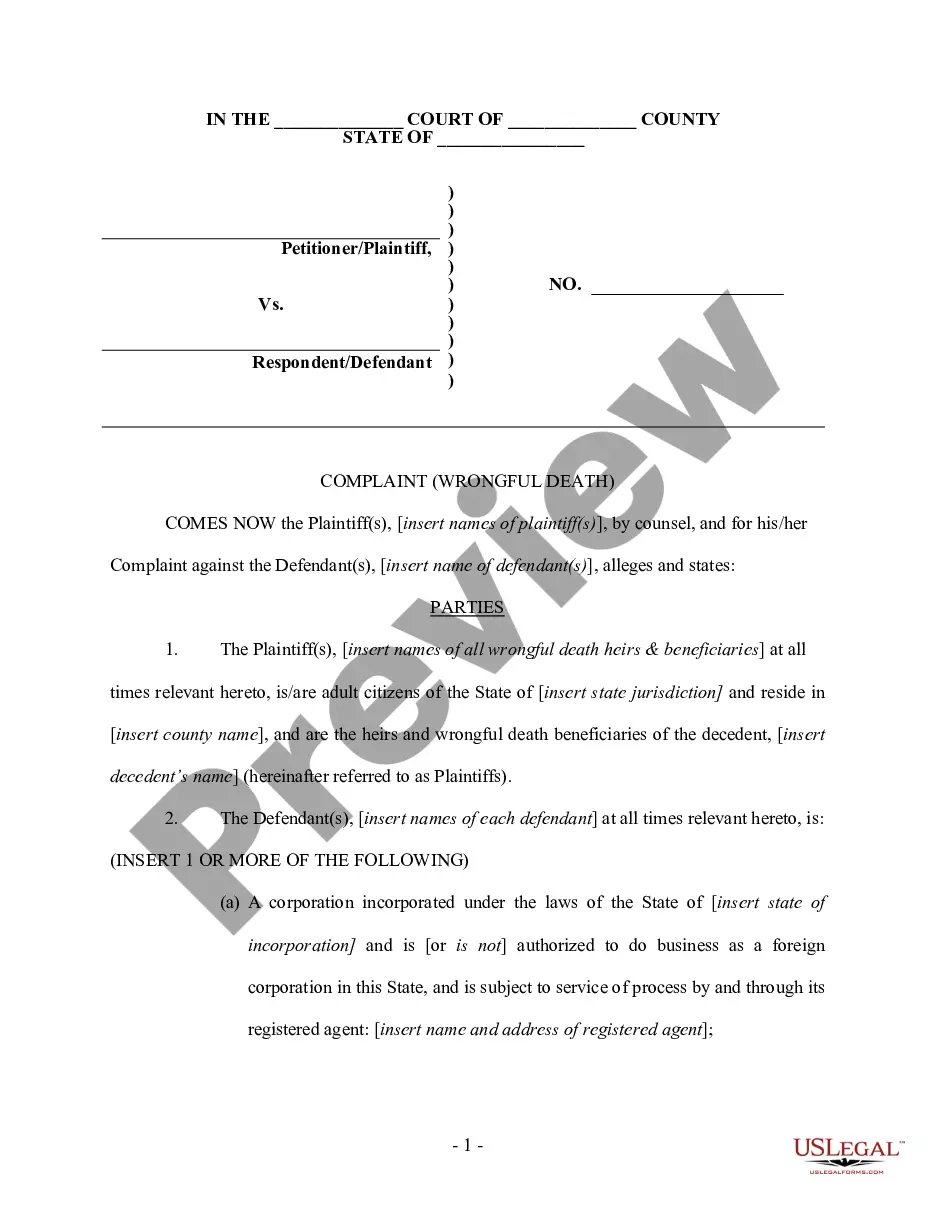
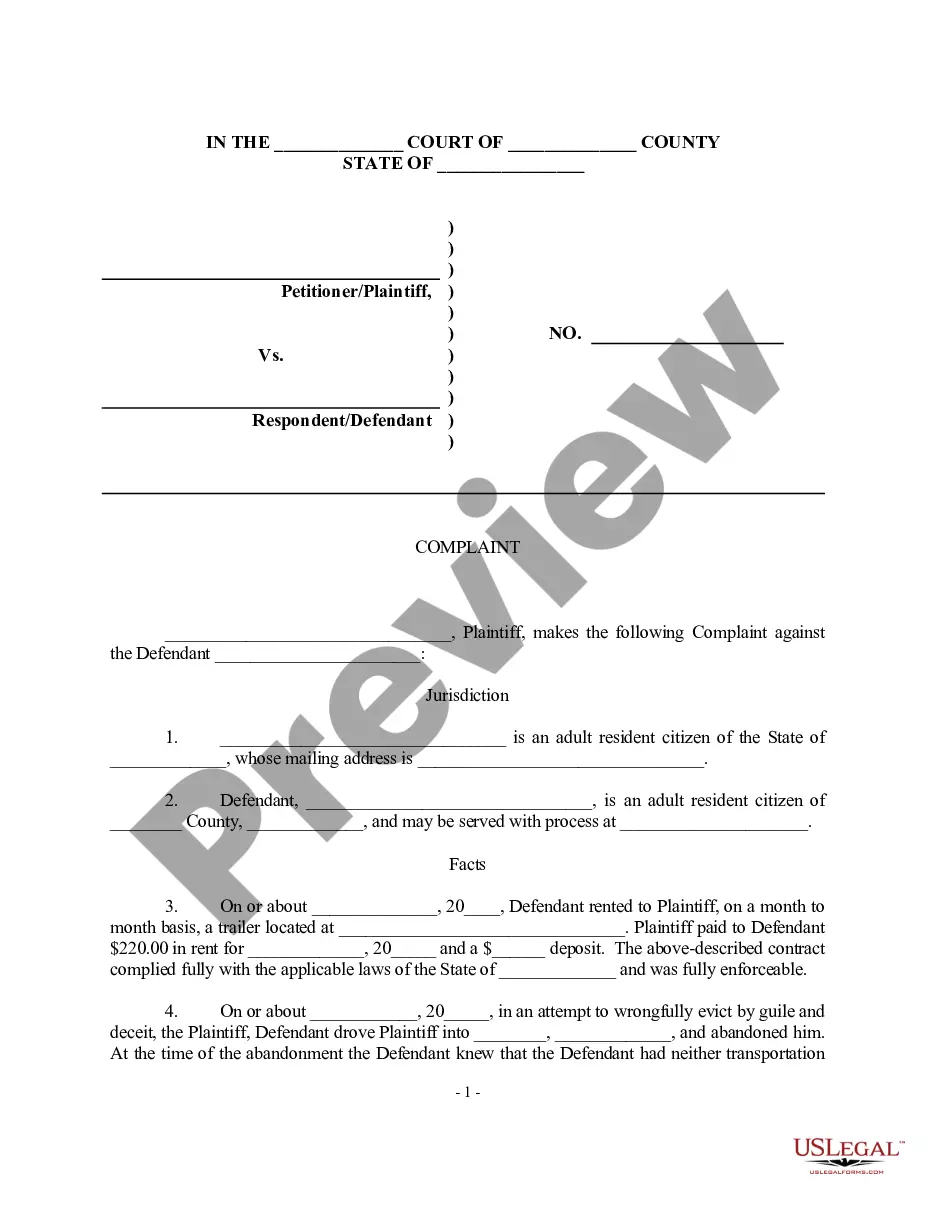
Securing a reliable resource to obtain the most up-to-date and suitable legal templates is a significant part of navigating bureaucracy. Accurately locating the appropriate legal paperwork requires precision and careful consideration, which is why it is vital to source examples of Wrongful Death Statement For Sibling exclusively from trustworthy providers, such as US Legal Forms. An incorrect template will squander your time and hinder the matter at hand. With US Legal Forms, you can feel reassured. You can access and review all the details regarding the document's applicability and significance for your circumstances and in your jurisdiction.
Consider the following steps to complete your Wrongful Death Statement For Sibling.
Dispense with the stress associated with your legal paperwork. Explore the comprehensive US Legal Forms inventory to discover legal templates, assess their relevance to your situation, and download them immediately.
- Utilize the catalog navigation or search bar to find your template.
- Examine the form's description to determine if it meets the standards of your state and county.
- Check the form preview, if available, to confirm that the template is indeed the one you desire.
- Return to the search to find the correct document if the Wrongful Death Statement For Sibling does not satisfy your needs.
- If you are certain of the form's relevance, proceed to download it.
- If you are a registered user, click Log in to verify and access your selected templates in My documents.
- If you do not have an account yet, click Buy now to acquire the template.
- Choose the pricing option that best suits your requirements.
- Continue to the registration to complete your purchase.
- Finalize your transaction by selecting a payment method (credit card or PayPal).
- Choose the file format for downloading Wrongful Death Statement For Sibling.
- After obtaining the form on your device, you can modify it using the editor or print it out and complete it by hand.
Form popularity
FAQ
The Fair Debt Collection Practices Act (FDCPA) prohibits debt collectors from using abusive, unfair, or deceptive practices to collect debts from you, including: Misrepresenting the nature of the debt, including the amount owed. Falsely claiming that the person contacting you is an attorney.
Debt collectors may not be able to sue you to collect on old (time-barred) debts, but they may still try to collect on those debts. In California, there is generally a four-year limit for filing a lawsuit to collect a debt based on a written agreement.
Can a Debt Collector Collect After 10 Years? In most cases, the statute of limitations for a debt will have passed after 10 years. This means a debt collector may still attempt to pursue it (and you technically do still owe it), but they can't typically take legal action against you.
The Fair Debt Collection Practices Act was signed into law by President Jimmy Carter on September 20, 1977. The act prohibits certain debt collection practices, and requires debt collectors to identify themselves when communicating with a consumer and to validate the debt at the consumer's request.
The amended FDCPA allows debt collectors to use newer technologies, such as email and text messages, to communicate with consumers regarding their debts, subject to certain limitations, which protect consumers against harassment or abuse.
Oral agreements: 5 years. Promissory notes: 5 years. Open accounts (credit card debt, department store accounts, or any revolving credit): 5 years. Judgments: 20 years.
If the debt is based on an unwritten contract (like many credit cards), the time limit is five years from the date of the last payment or charge on the card, whichever is more recent. If the debt is based on a written contract, the time limit is ten years from the date you made the last payment or broke the contract.
Statutes of limitations for each state (in number of years) StateWritten contractsOpen-ended accounts (including credit cards)Iowa105Kansas53Kentucky155Louisiana10347 more rows ?