Excavation Work
Description
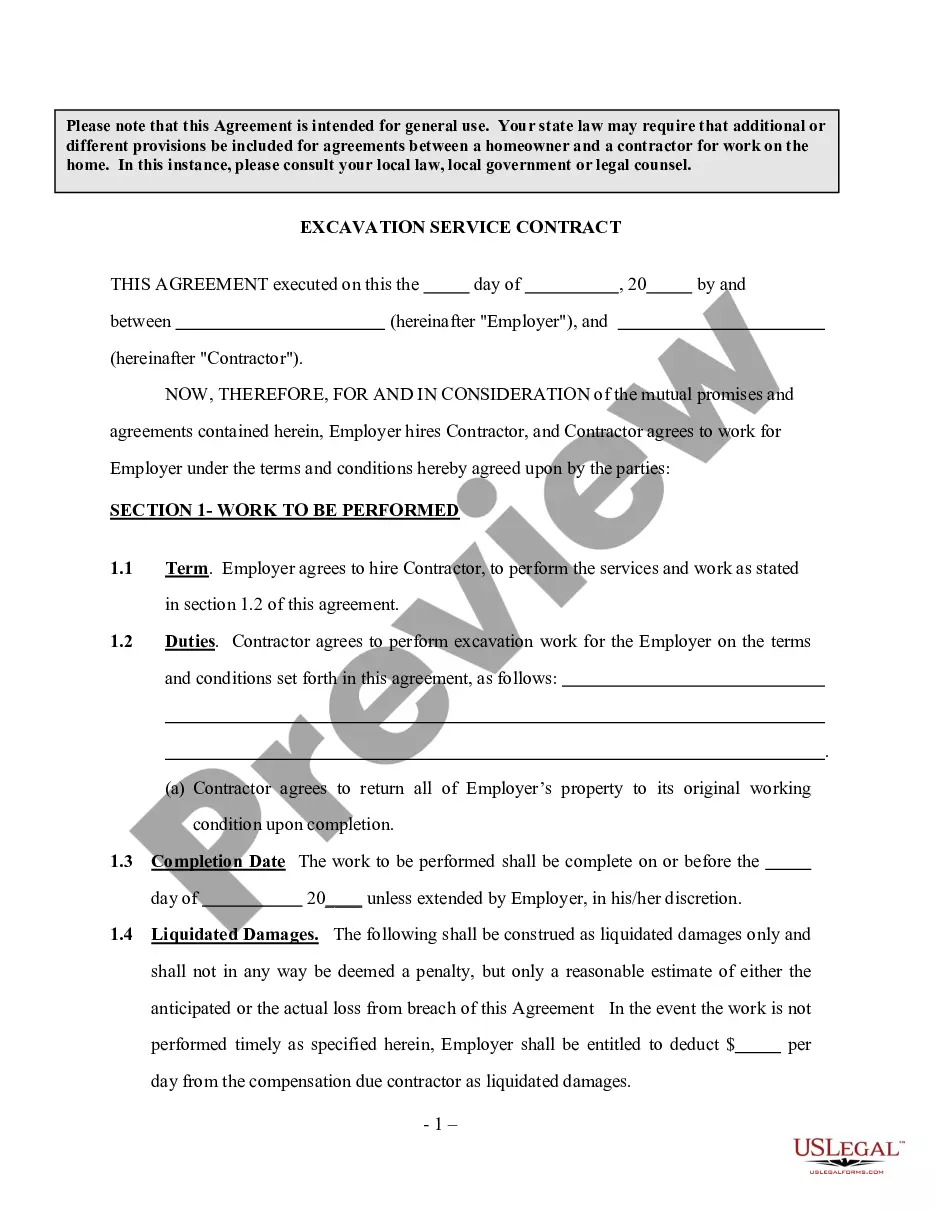
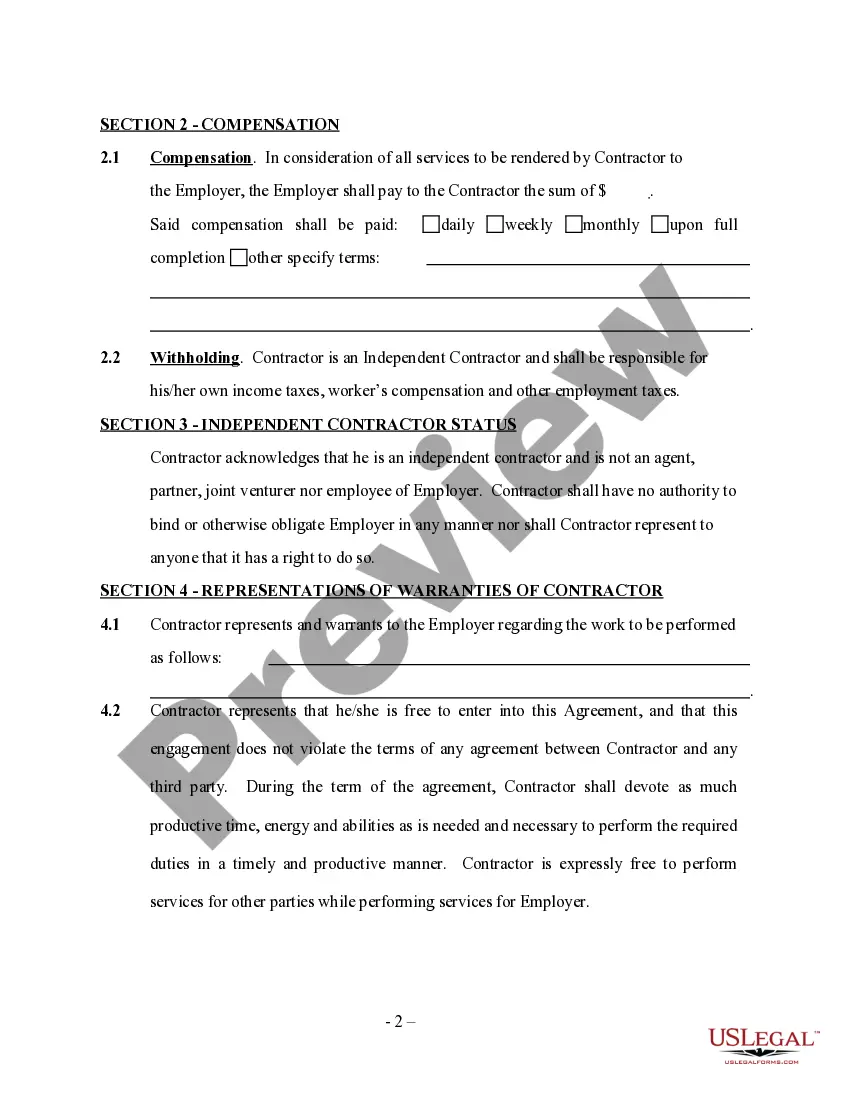
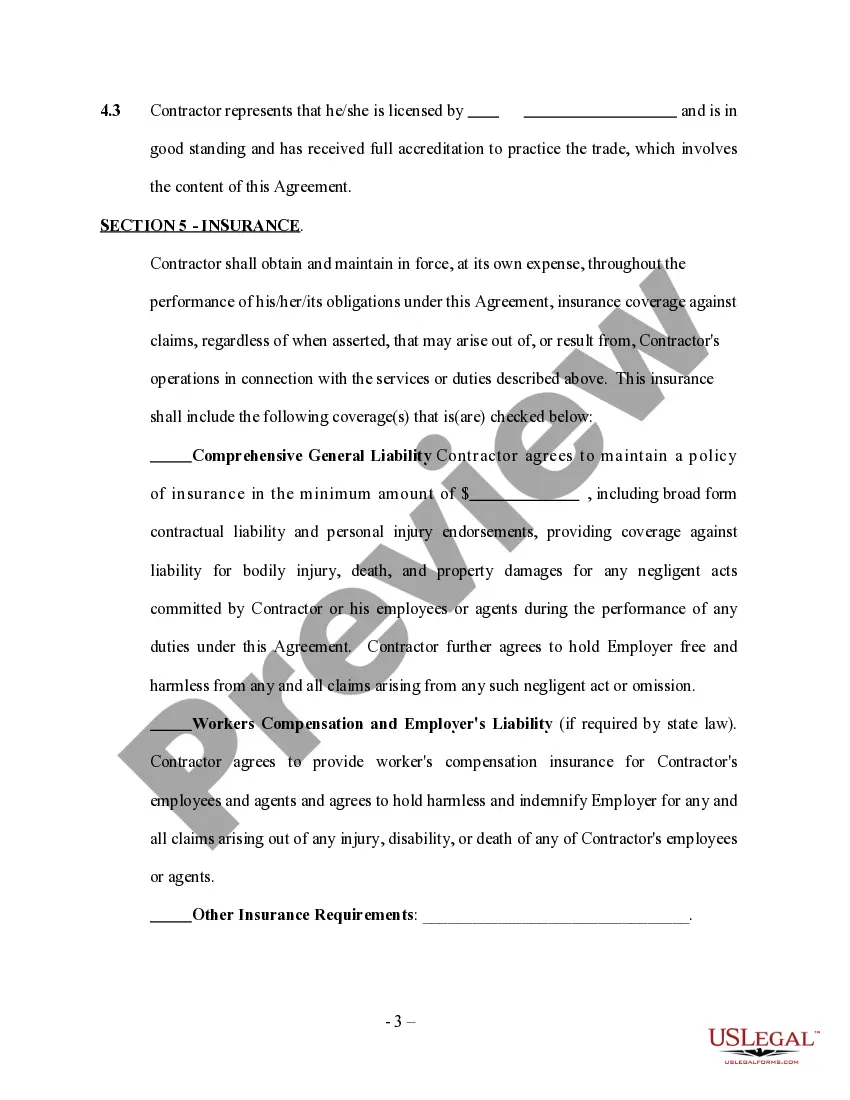
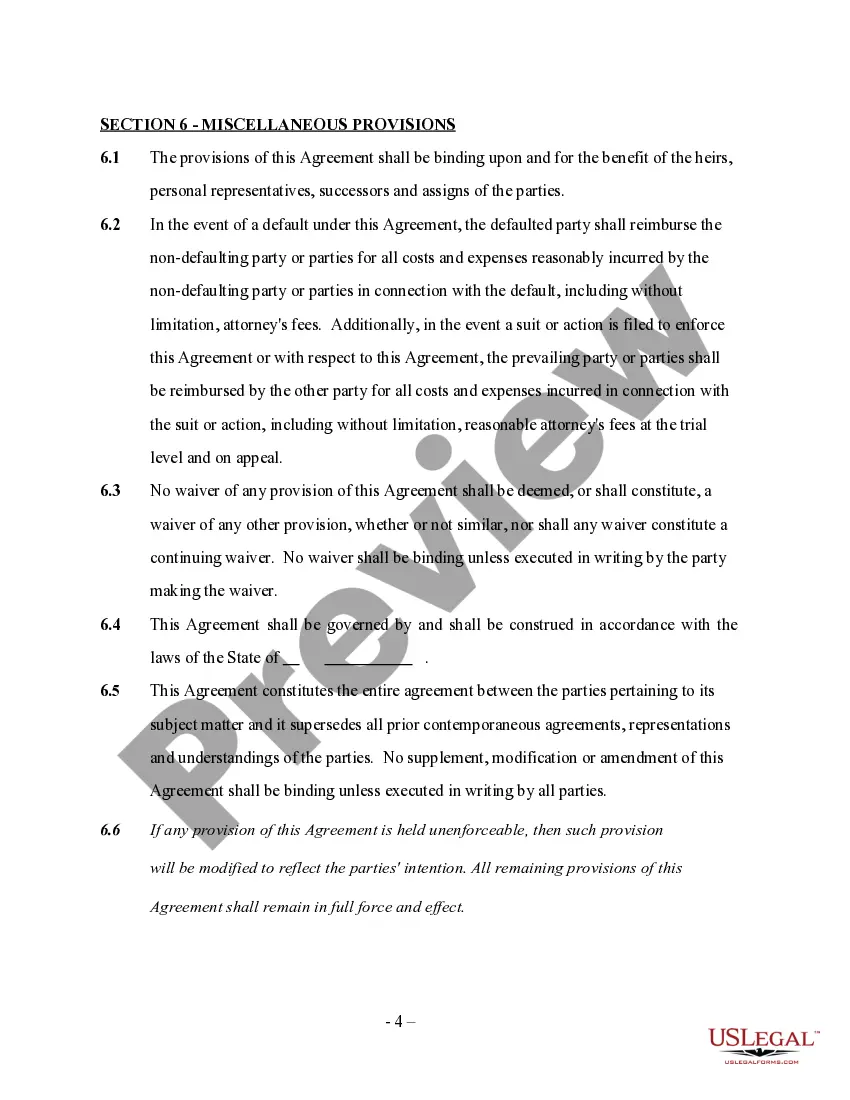

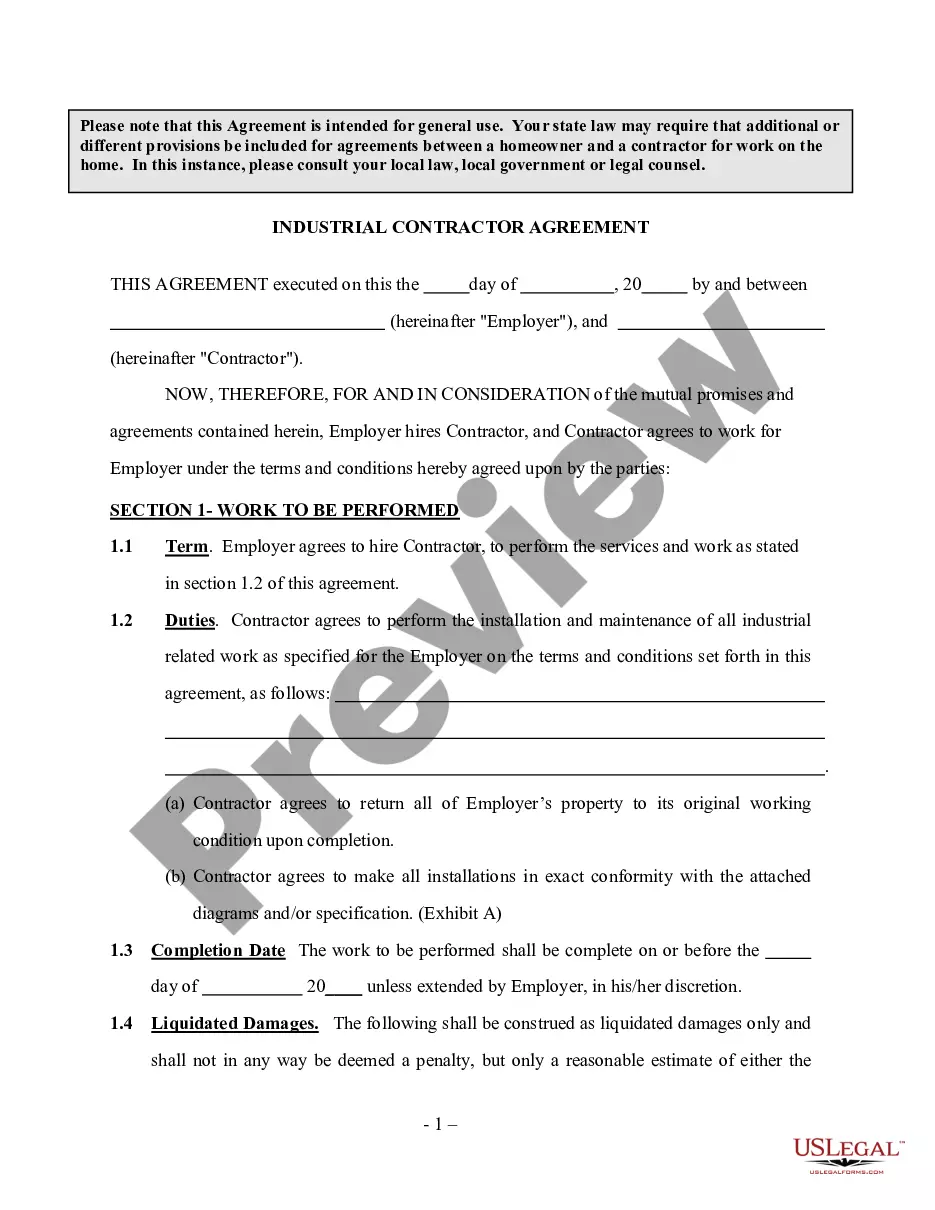
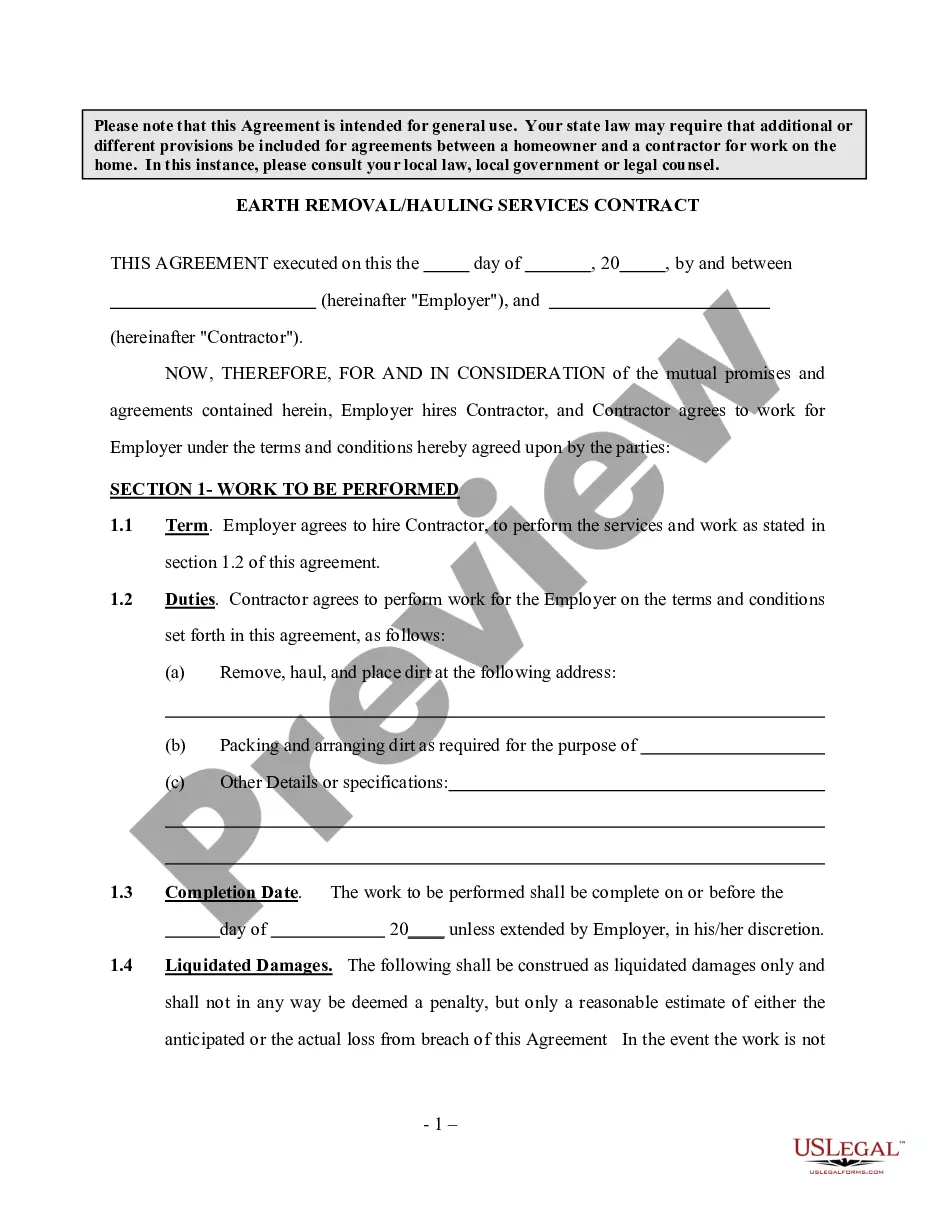
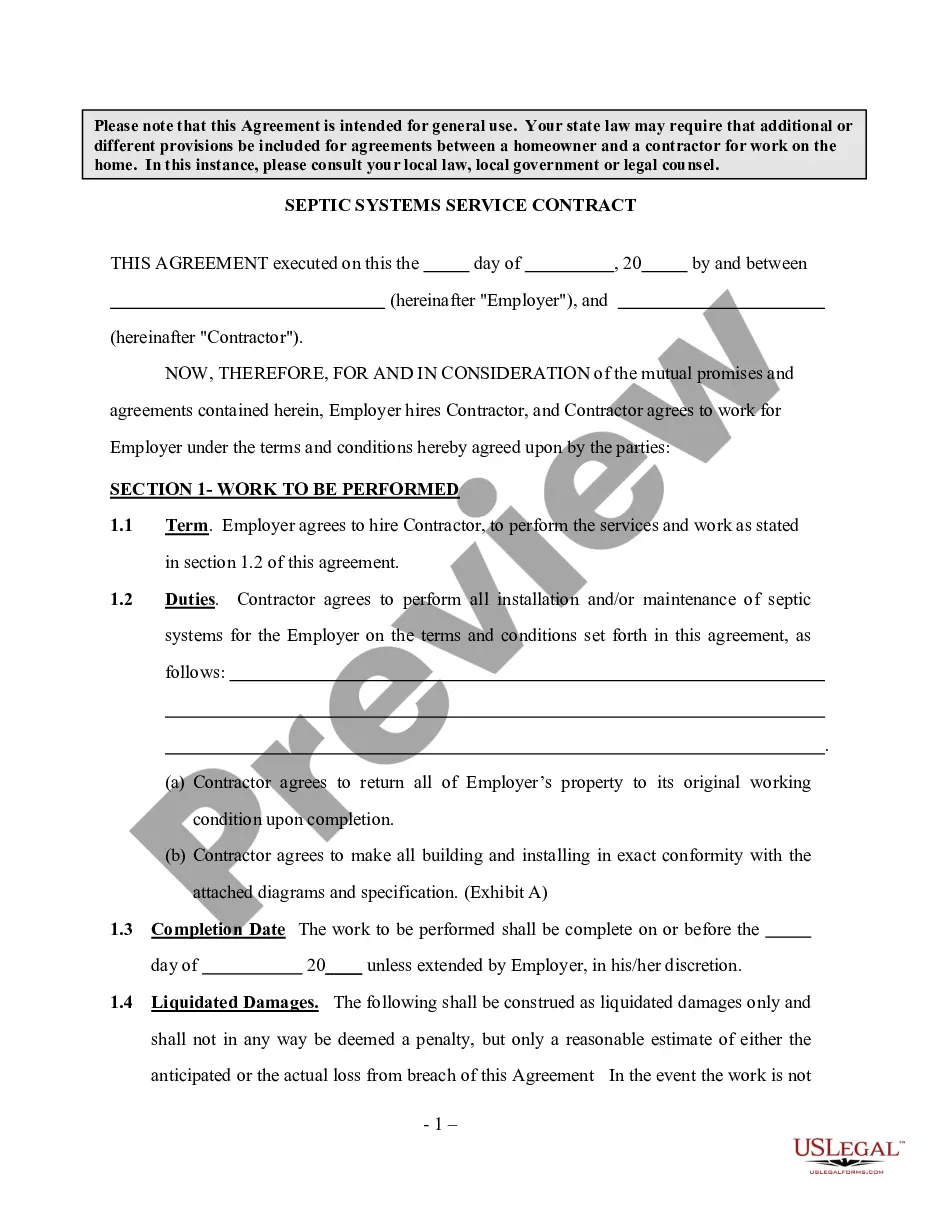







How to fill out Self-Employed Excavation Service Contract?
- Log in to your account if you are a returning user. Ensure your subscription is active; renew if necessary.
- Explore the form library. Use the Preview mode to verify that the document meets your requirements and local jurisdiction.
- If you need a different template, utilize the Search tab to locate the correct form quickly.
- Select the document you need and click 'Buy Now' to choose your subscription plan.
- Complete your purchase by providing your payment details via credit card or PayPal.
- Download your selected form to begin working on it. Access it anytime from the 'My Forms' section in your account.
With US Legal Forms, you can be confident that you're utilizing a platform with a robust collection of legal forms and expert assistance.
Start your excavation work documentation today, and ensure your legal forms are in order with US Legal Forms.
Form popularity
FAQ
The three types of excavation work include earth excavation, rock excavation, and unclassified excavation. Earth excavation focuses on removing soil, while rock excavation involves breaking up hard ground materials. Unclassified excavation encompasses both soil and rock removal without differentiating between the two. Each type serves specific construction needs, contributing to successful project outcomes.
While excavation work can be challenging, especially in harsh weather, it is a rewarding job for those committed to the trade. Workers face physical demands and must learn to operate heavy equipment. However, with training and experience, many find the rewards outweigh the challenges. The key is understanding the techniques and safety measures vital for effective excavation.
Excavation work involves digging, moving, and grading earth materials to prepare sites for construction or landscaping. Typically, excavators use heavy machinery to complete these tasks efficiently. The job may include trenching, lifting soil, and creating foundations. This essential role supports various projects, from residential properties to commercial developments.
Excavation work can be physically demanding, but it is manageable with the right training and experience. Workers must be prepared for outdoor conditions and equipment operation. Understanding the tools and techniques can make the job easier. Additionally, proper safety practices help minimize risks, making the work more accessible.
Yes, excavation work is currently in high demand across various sectors. As infrastructure projects increase, construction companies require skilled operators to perform excavation tasks. This demand ensures job stability for workers in the excavation industry. By investing in excavation skills, you can position yourself for long-term employment opportunities.
The 5 4 3 2 1 trench rule outlines safety measures for excavation work. It states that trenches deeper than five feet need protection, such as a trench box or shoring. Additionally, each wall of the trench must be sloped at a specific angle to ensure stability. Following this rule helps to prevent accidents and ensures that workers remain safe during excavation tasks.
OSHA has established clear regulations to ensure safety during excavation work. These rules require proper protective systems to prevent collapse, adequate training for workers, and effective site management. OSHA also mandates regular inspections of excavation sites to identify hazards and maintain safety standards. Understanding and applying these OSHA rules can significantly reduce risks and enhance the safety of your excavation projects.
The 5 rule of excavation emphasizes five key principles for safe excavation work. These principles focus on identifying site conditions, ensuring proper shoring and bracing, maintaining safe access and egress, managing water accumulation, and training workers effectively. Following these guidelines helps to minimize risks and enhances safety during excavation projects. By adhering to the 5 rule of excavation, you can create a safer work environment and protect your team.
The salary for excavation laborers can vary based on location, experience, and the complexity of the work. On average, laborers in this field make a competitive wage. With experience and advanced skills, their earnings can increase significantly. Investing in professional development can further enhance your earning potential in excavation work.
An excavation laborer plays a crucial role in preparing sites for construction projects. Their responsibilities include digging, moving earth, and operating heavy machinery under the supervision of a foreman. These workers ensure that the excavation work meets safety and quality standards. Their skills are vital to the success of any construction project.