Excavation Contracts With Banks
Description
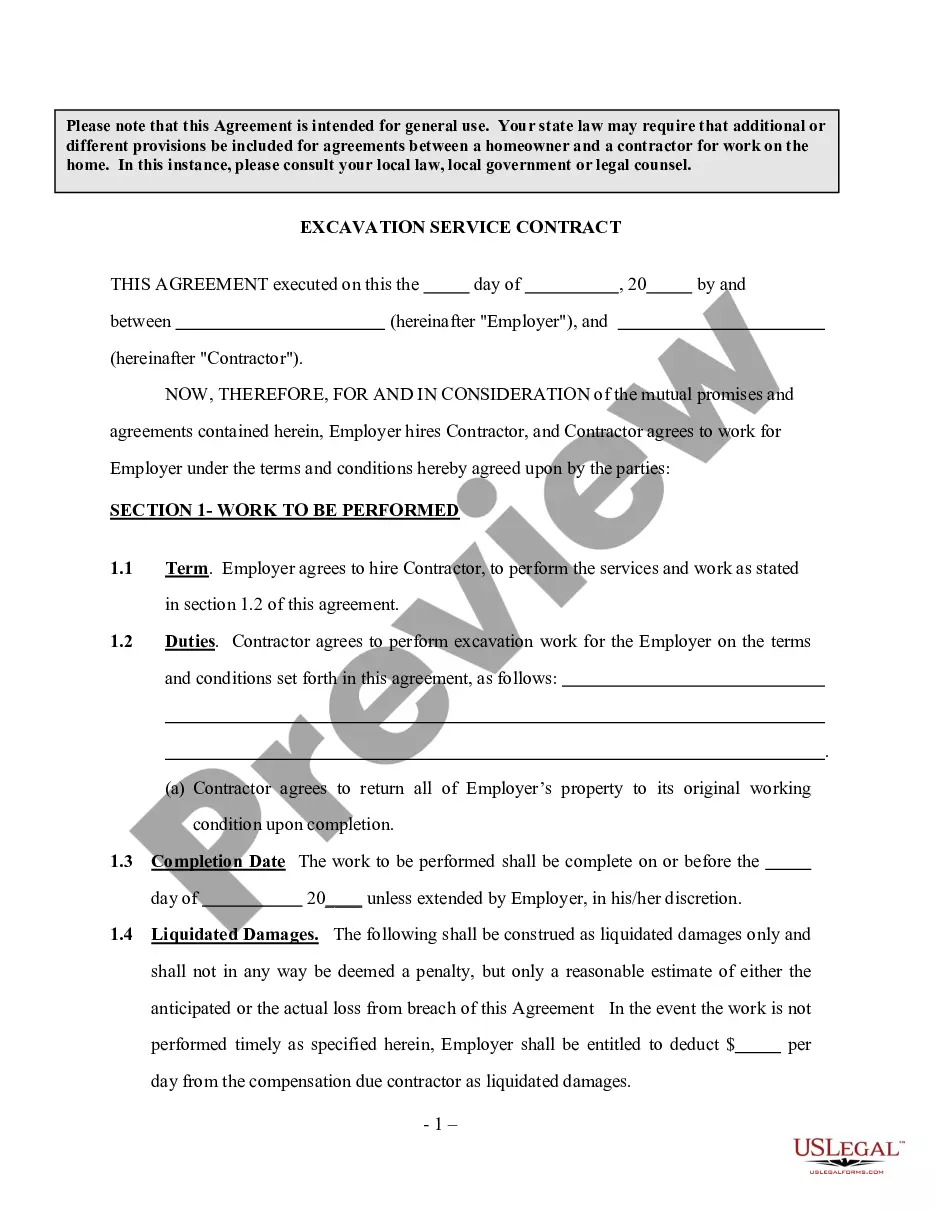
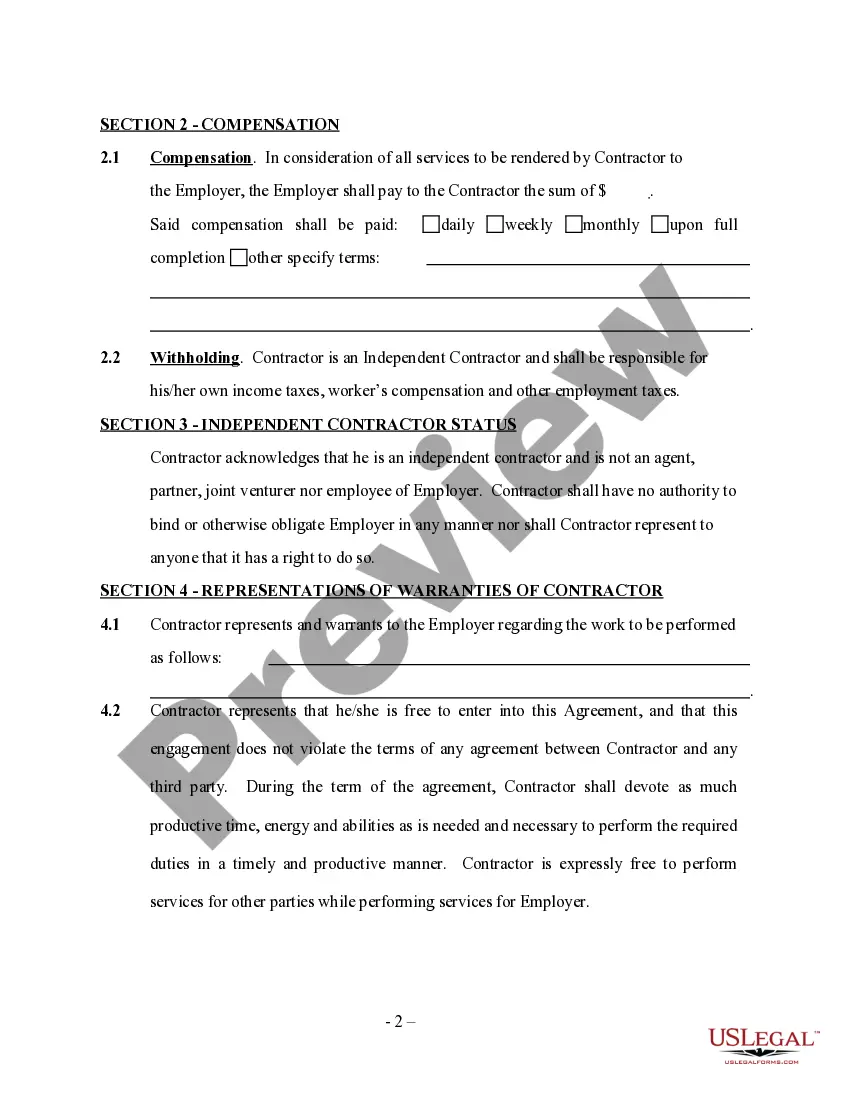
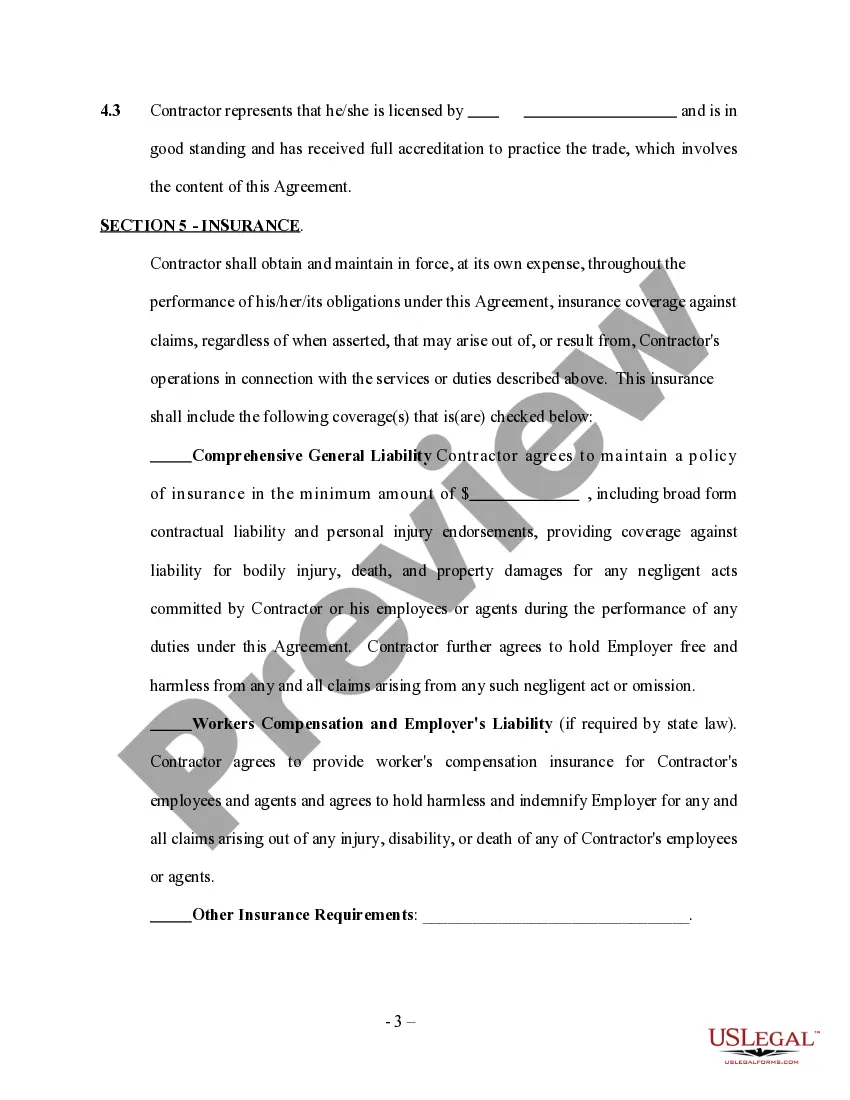
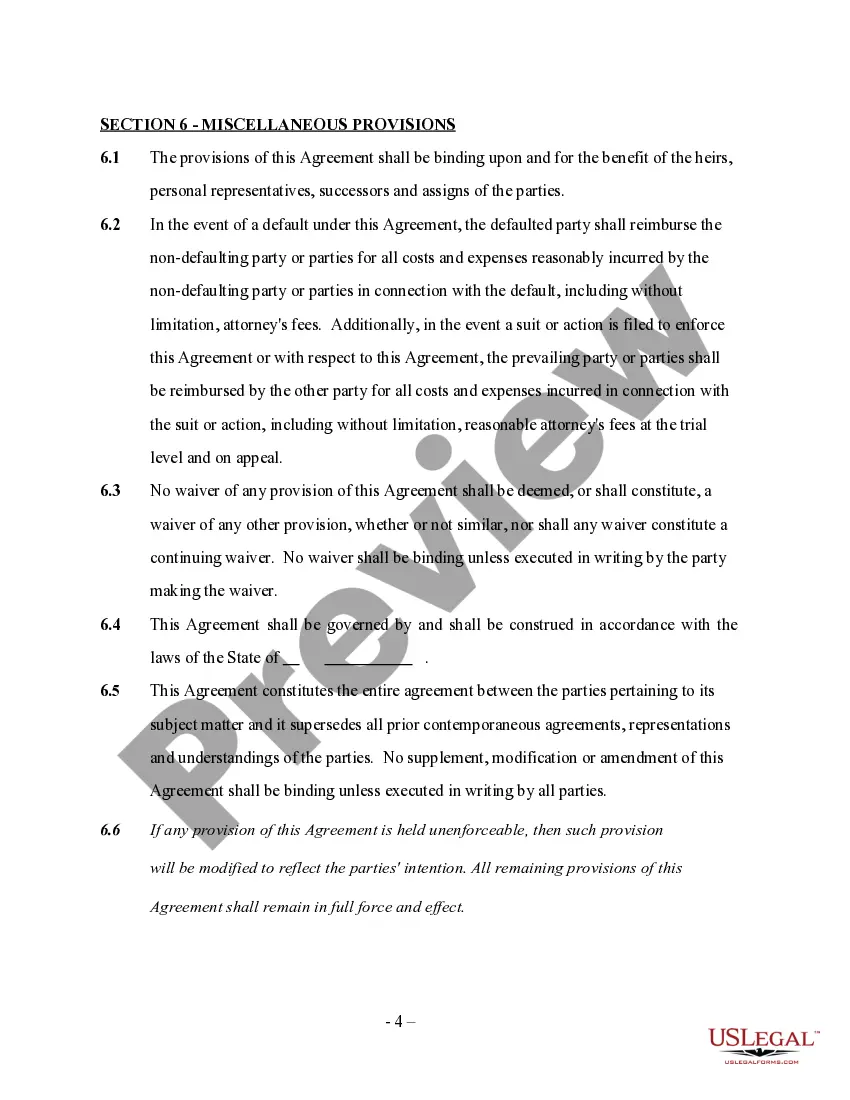
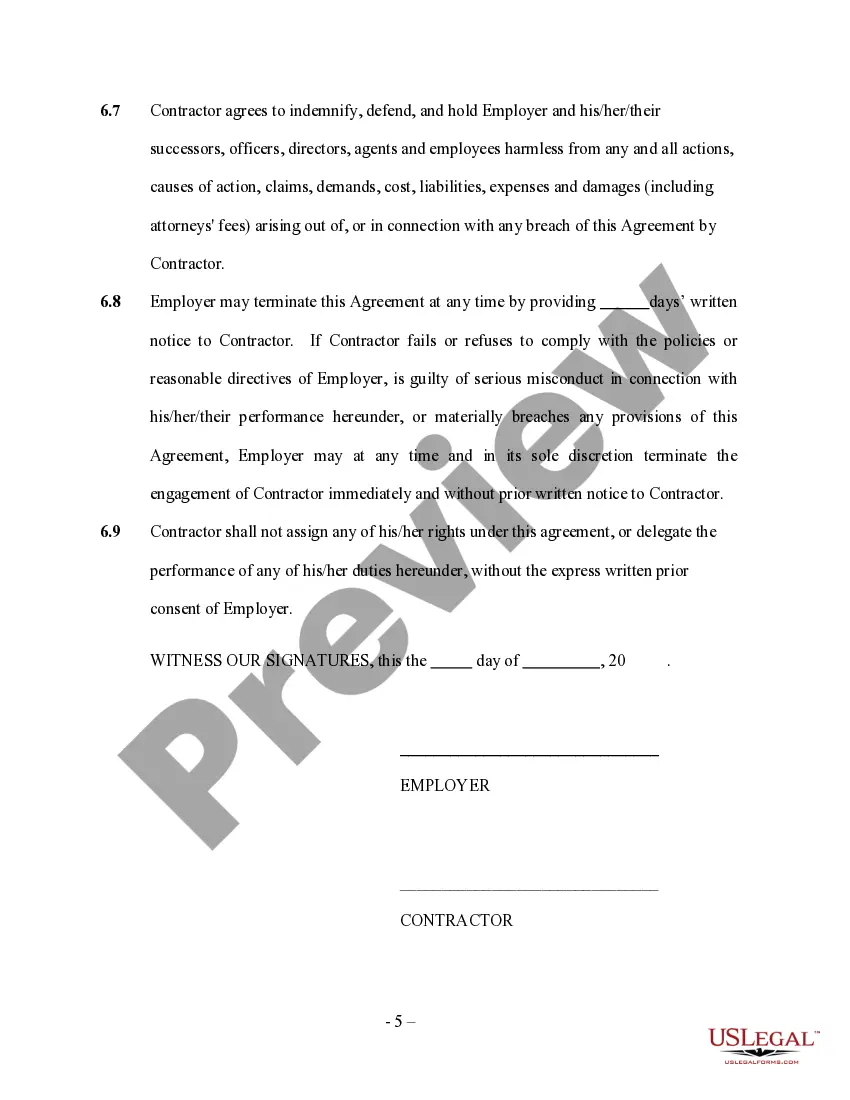
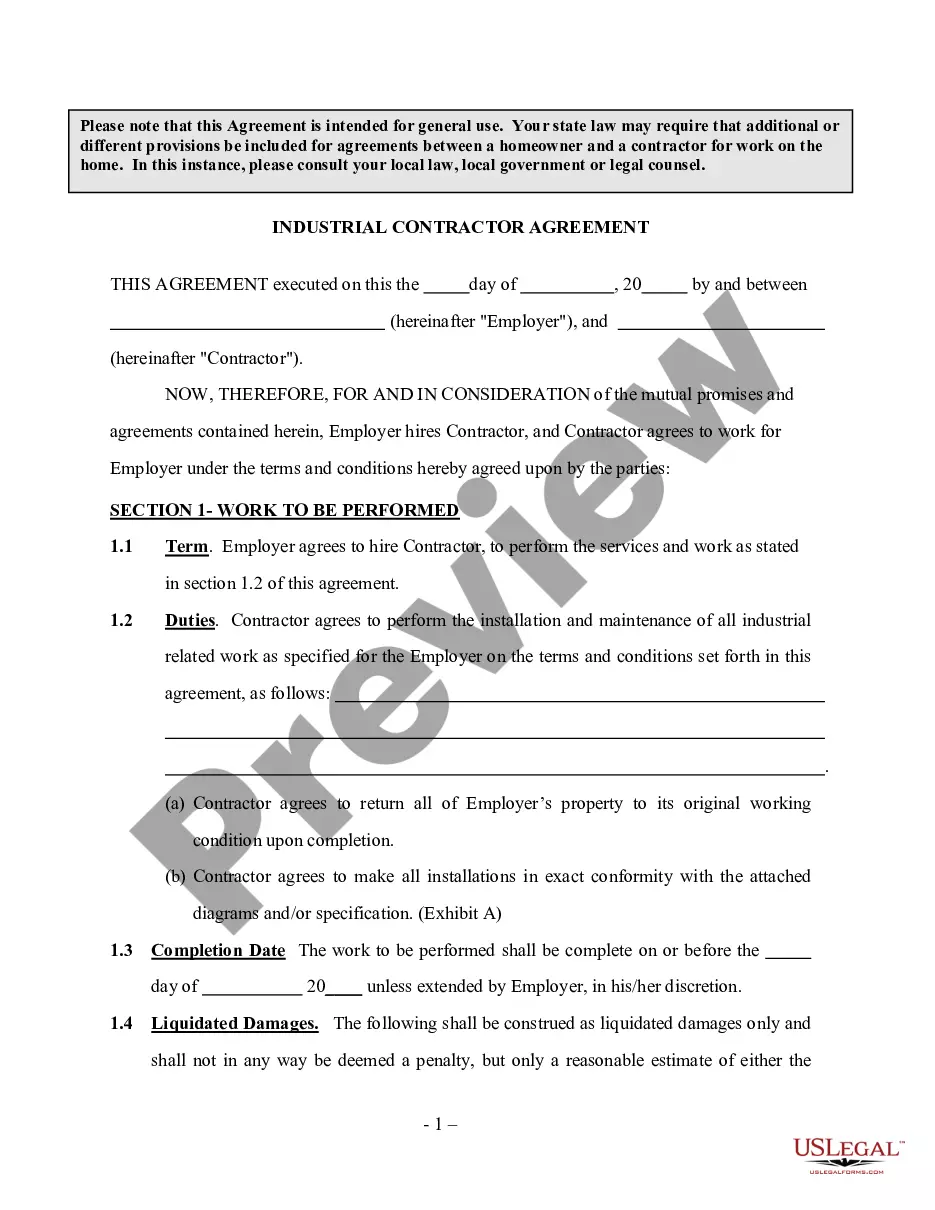
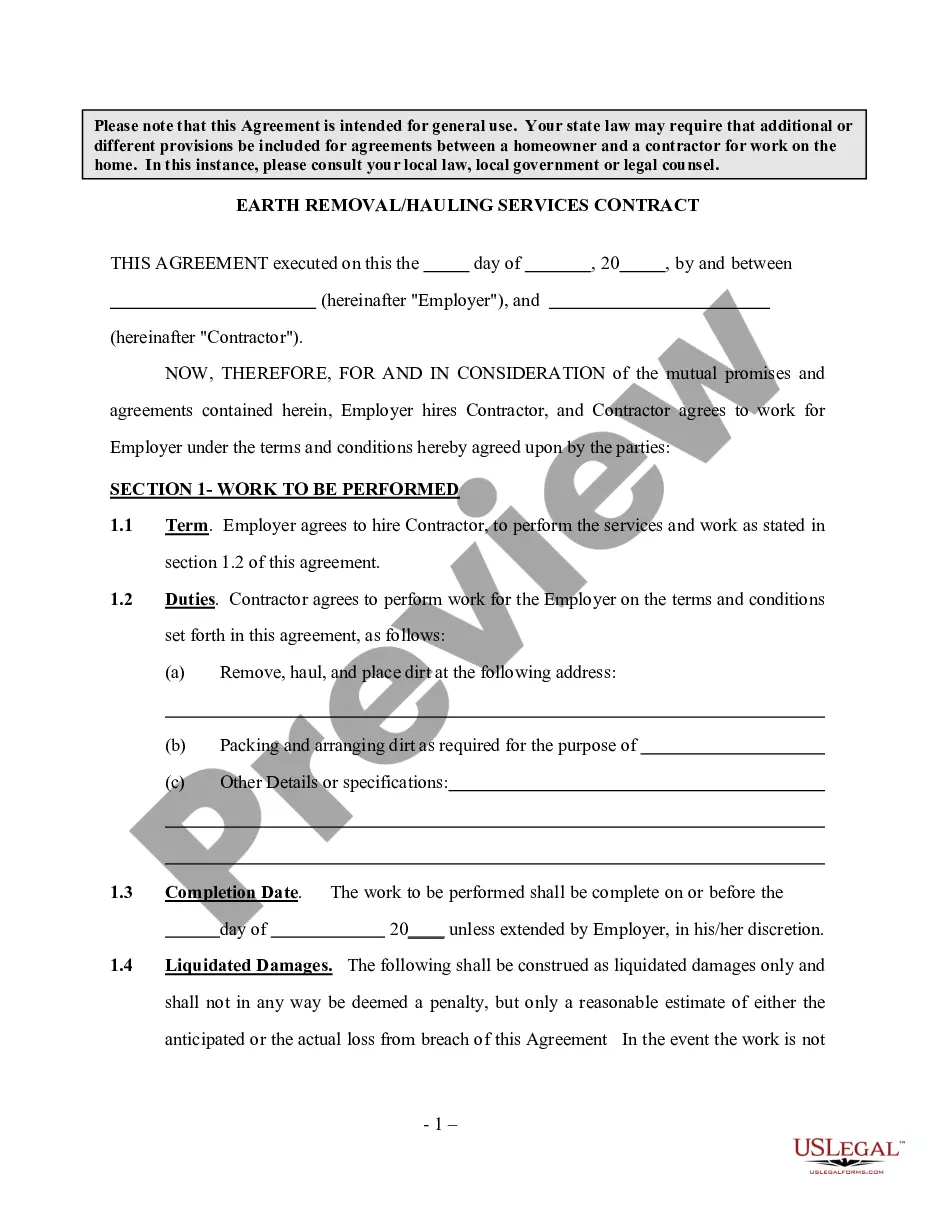
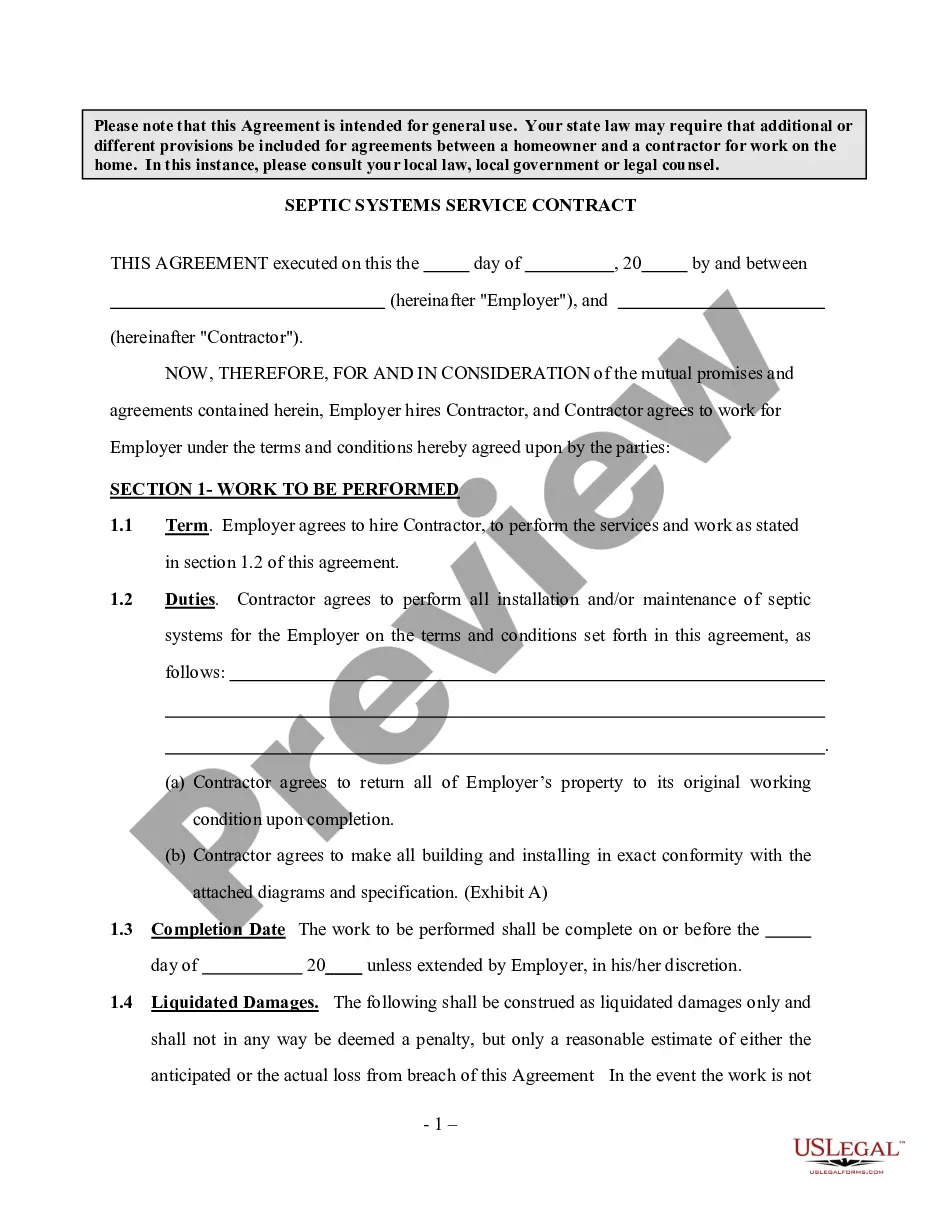

How to fill out Self-Employed Excavation Service Contract?
Regardless of whether for commercial reasons or personal matters, everyone must handle legal issues at some point in their lives.
Completing legal documents requires meticulous care, starting with selecting the correct form template.
With a comprehensive US Legal Forms catalog available, you never need to waste time searching for the correct template online. Use the library’s straightforward navigation to find the appropriate form for any situation.
- For instance, if you choose an incorrect version of the Excavation Contracts With Banks, it will be rejected upon submission.
- Thus, it is crucial to have a reliable source of legal documents like US Legal Forms.
- If you wish to obtain an Excavation Contracts With Banks template, follow these simple steps.
- Locate the template you require by using the search bar or catalog browsing.
- Review the form’s description to ensure it aligns with your situation, state, and area.
- Click on the form’s preview to view it.
- If it is the incorrect document, return to the search feature to find the Excavation Contracts With Banks template you need.
- Download the file if it satisfies your requirements.
- If you already possess a US Legal Forms account, simply click Log in to access previously saved documents in My documents.
- In case you don’t have an account yet, you can acquire the form by clicking Buy now.
- Select the appropriate payment option.
- Complete the profile registration form.
- Choose your payment method: use a credit card or PayPal account.
- Select the document format you prefer and download the Excavation Contracts With Banks.
- Once downloaded, you can fill out the form using editing software or print it and complete it manually.
Form popularity
FAQ
Ab = Wb * Lb, where Wb and Lb are the width and length of the bottom of the excavation. At = Wt * Lt, where Wt and Lt are the width and length of the top of the excavation. In our example, Wb = Lb = 5 and Wt = Lt = 15, so Ab = 5 * 5 = 25 and At = 15 * 15 = 225, and D = 5. Therefore, the volume is: = 542 cf or 20.0 cy.
OSHA requires employers to provide ladders, steps, ramps, or other safe means of egress for workers working in trench excavations 4 feet (1.22 meters) or deeper. The means of egress must be located so as not to require workers to travel more than 25 feet (7.62 meters) laterally within the trench.
An excavator could be used to dig anywhere from 350 to 1,000 cubic yards per day, depending on a number of factors including bucket capacity, type of ground, operator skill and efficiency level, and more.
How to Create an Excavation Safety Plan Scope of work. Excavation procedure methods. Health and safety hazard analysis. Incident response plans. Safety chain of command, including roles and responsibilities. Equipment records. Employee training records.
How to calculate excavation costs. To calculate excavation costs, multiply the excavated zone's length, width, and depth to estimate its volume. To obtain the cost of excavation, multiply the total excavation volume by the price of the area per unit.