Professional Contract Format
Description
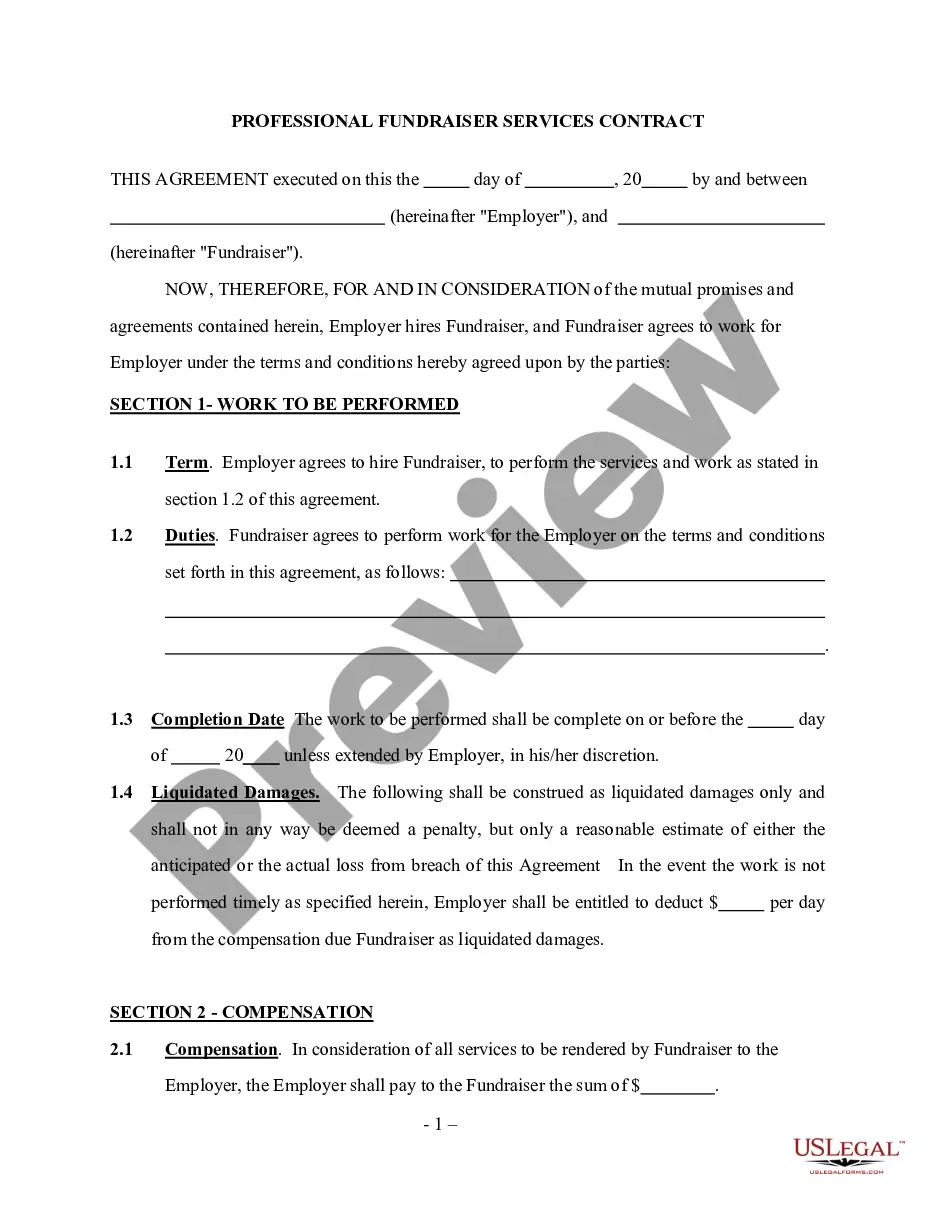
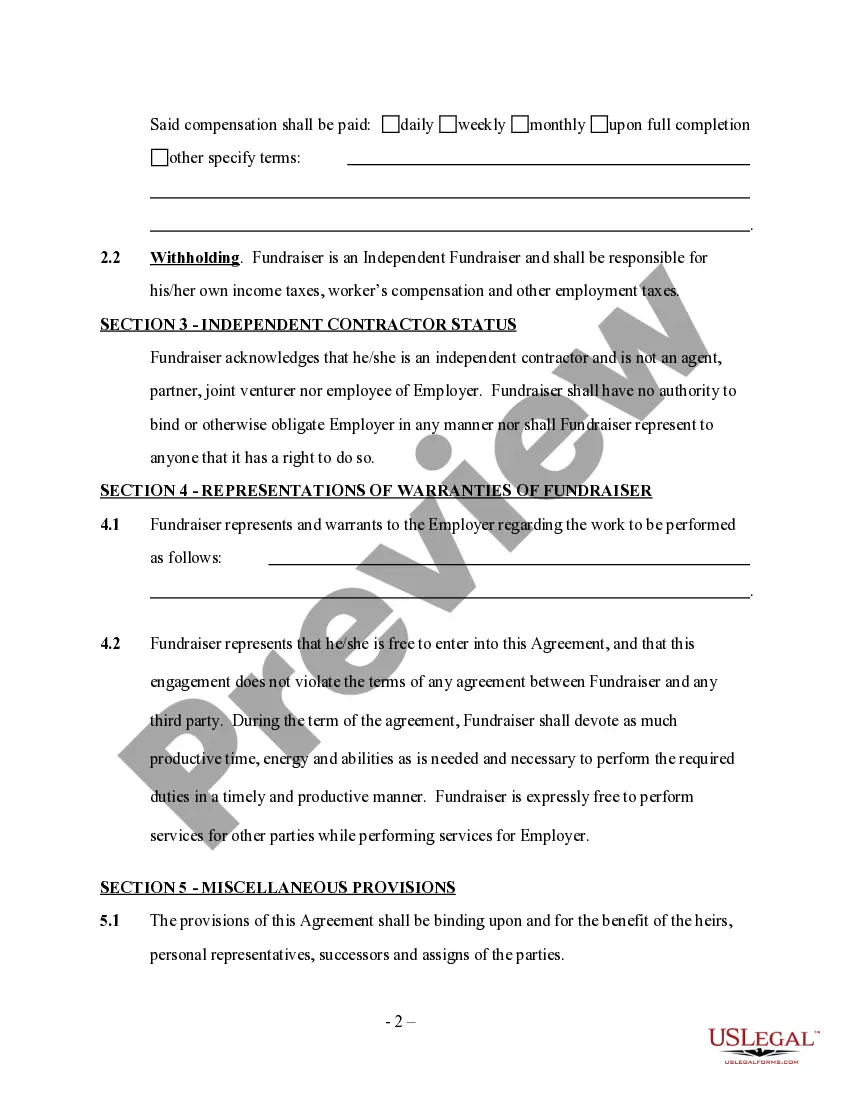
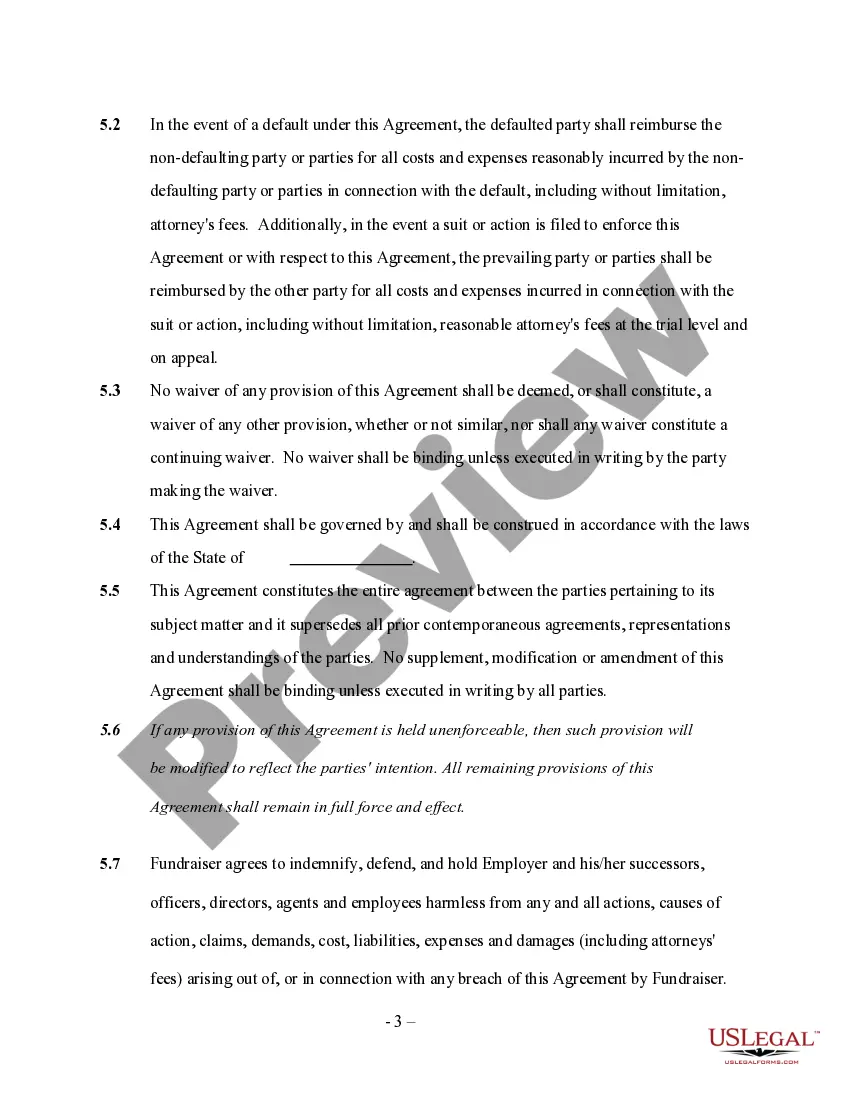
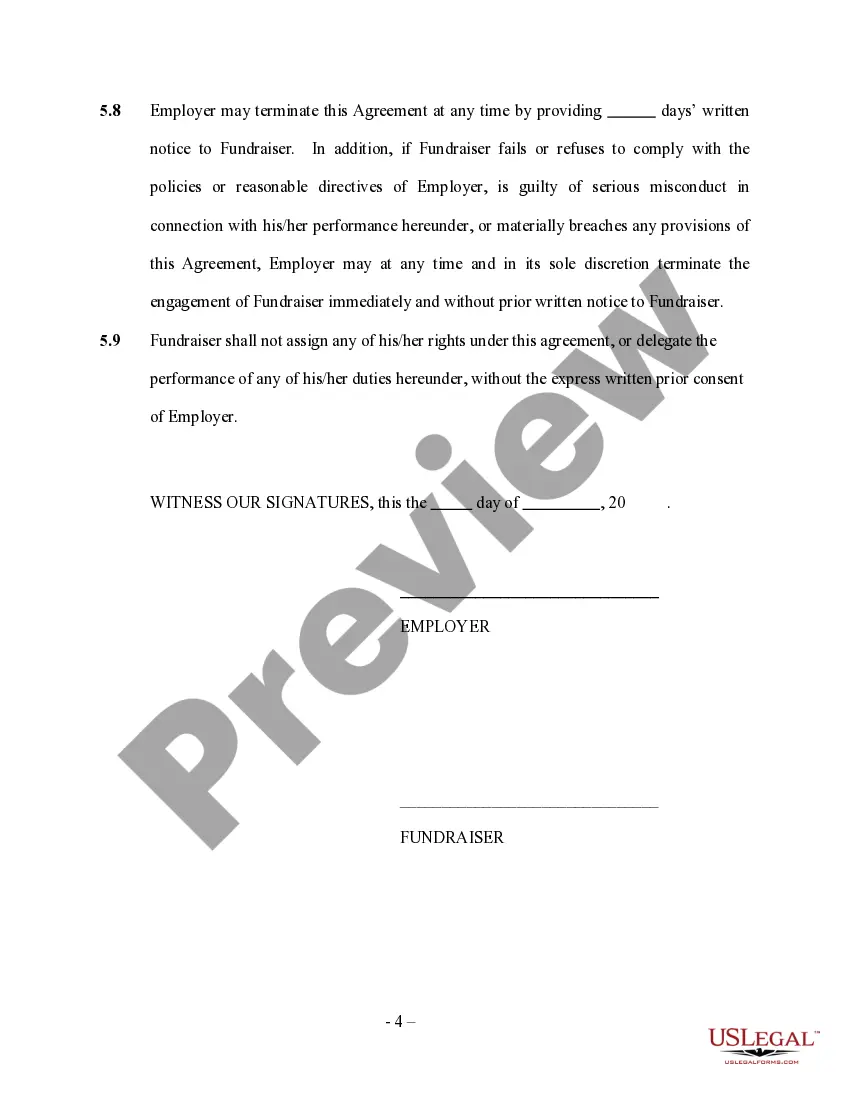
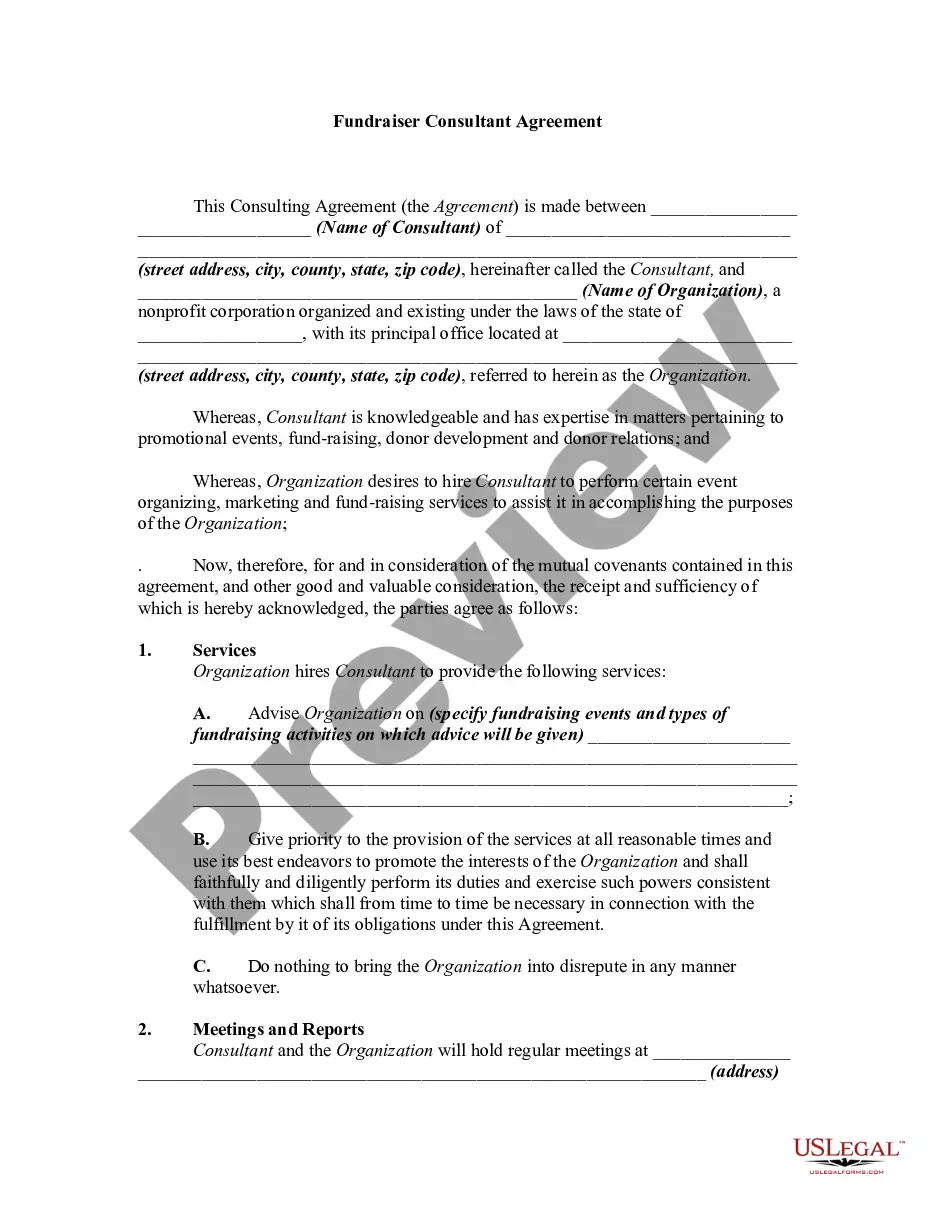
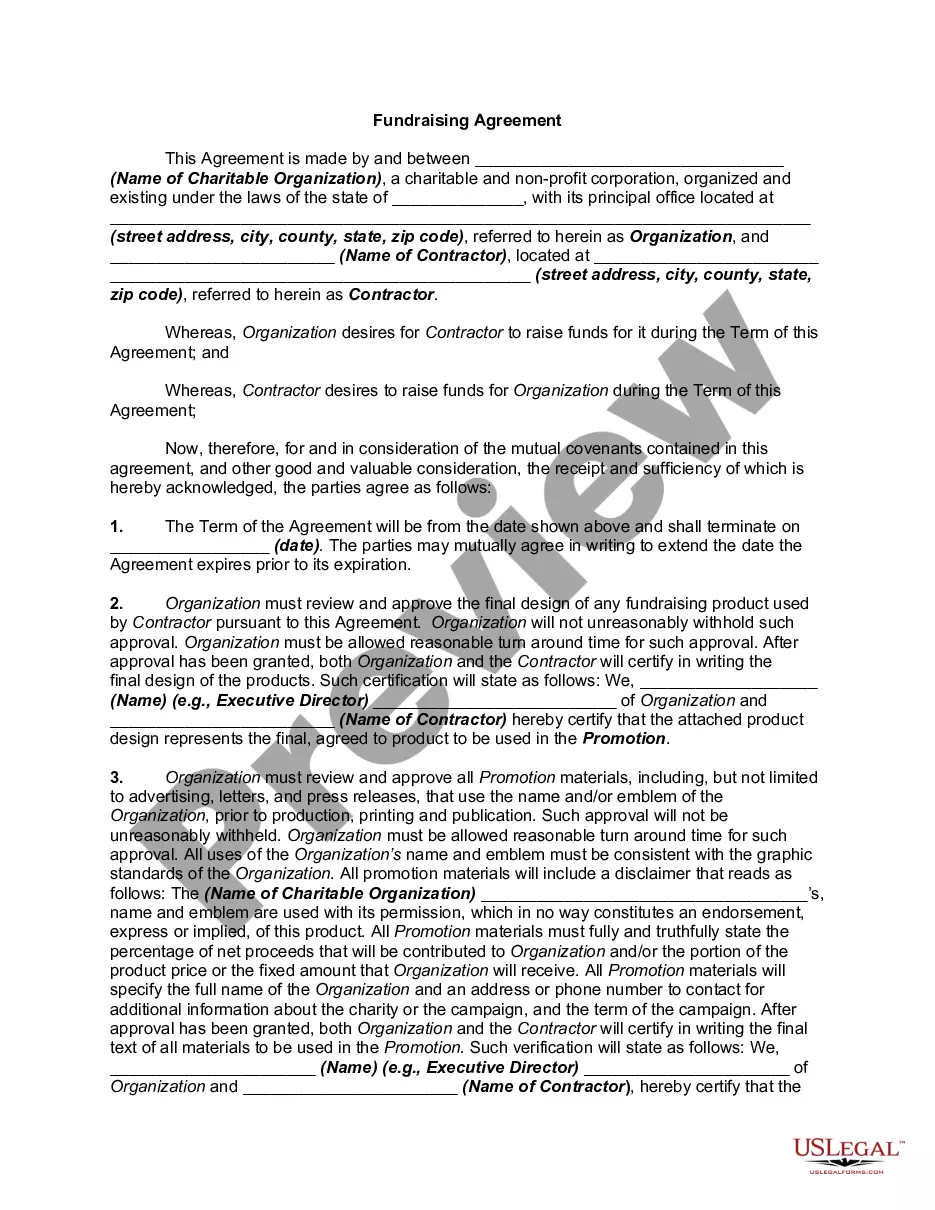
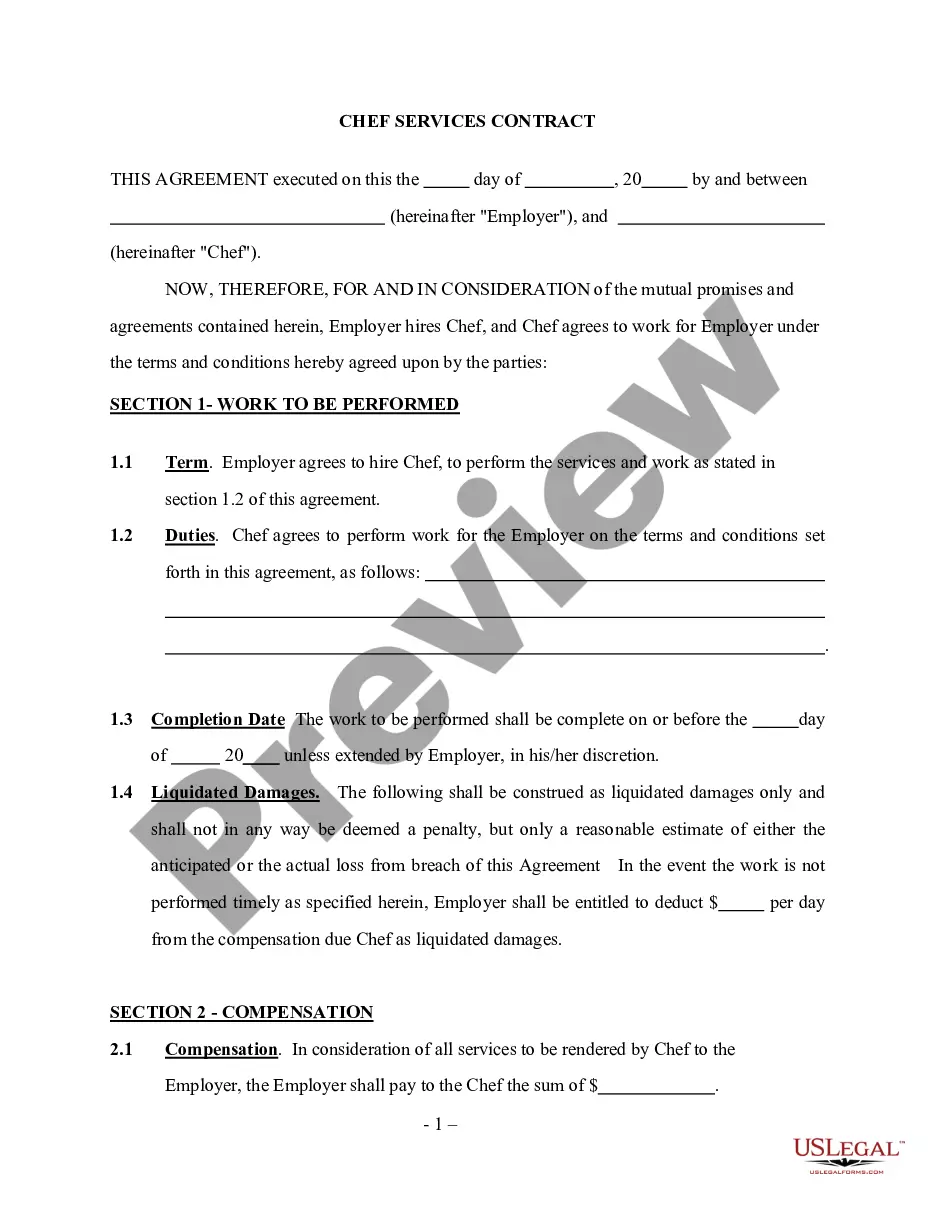
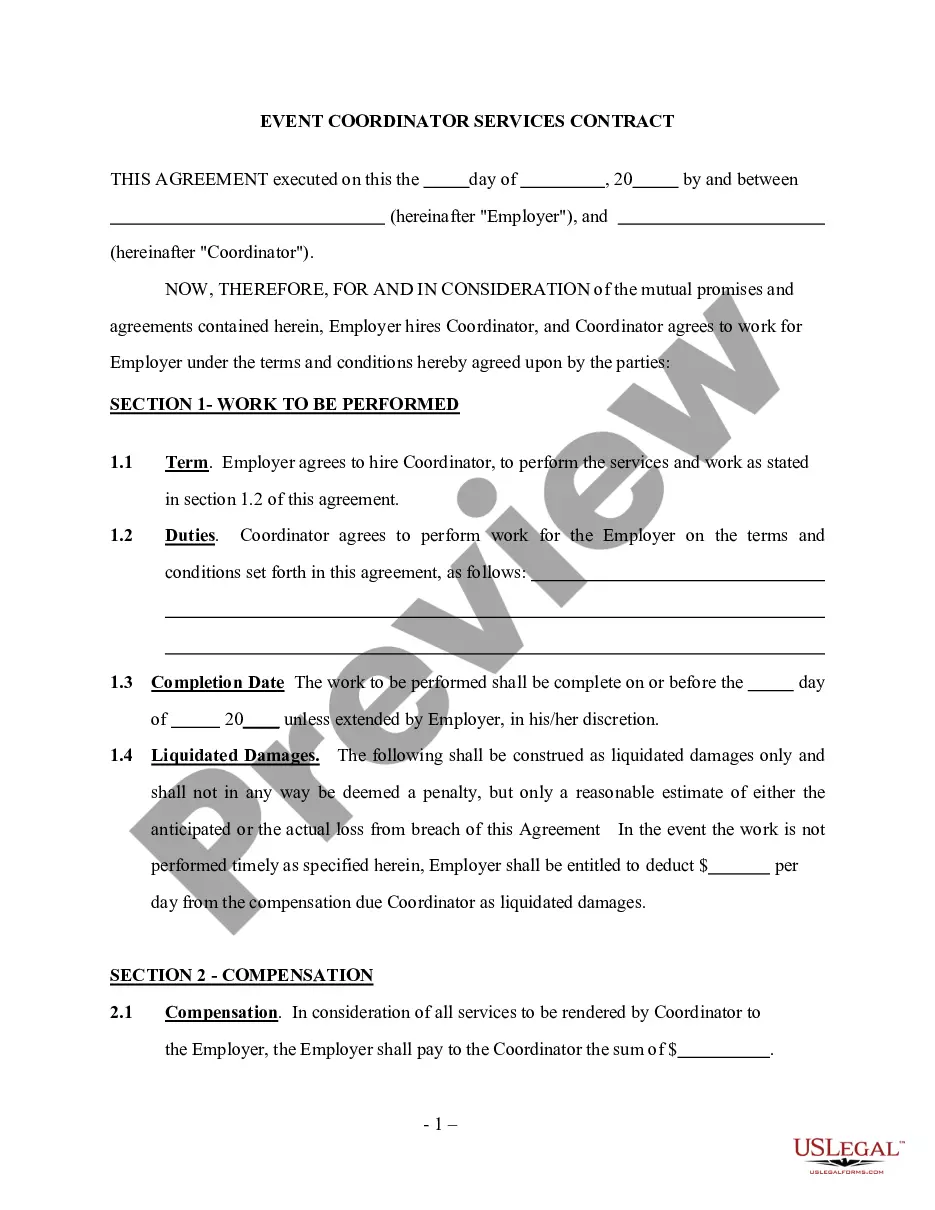
Get your form ready online
Our built-in tools help you complete, sign, share, and store your documents in one place.
Make edits, fill in missing information, and update formatting in US Legal Forms—just like you would in MS Word.
Download a copy, print it, send it by email, or mail it via USPS—whatever works best for your next step.
Sign and collect signatures with our SignNow integration. Send to multiple recipients, set reminders, and more. Go Premium to unlock E-Sign.
If this form requires notarization, complete it online through a secure video call—no need to meet a notary in person or wait for an appointment.
We protect your documents and personal data by following strict security and privacy standards.

Make edits, fill in missing information, and update formatting in US Legal Forms—just like you would in MS Word.

Download a copy, print it, send it by email, or mail it via USPS—whatever works best for your next step.

Sign and collect signatures with our SignNow integration. Send to multiple recipients, set reminders, and more. Go Premium to unlock E-Sign.

If this form requires notarization, complete it online through a secure video call—no need to meet a notary in person or wait for an appointment.

We protect your documents and personal data by following strict security and privacy standards.
Looking for another form?


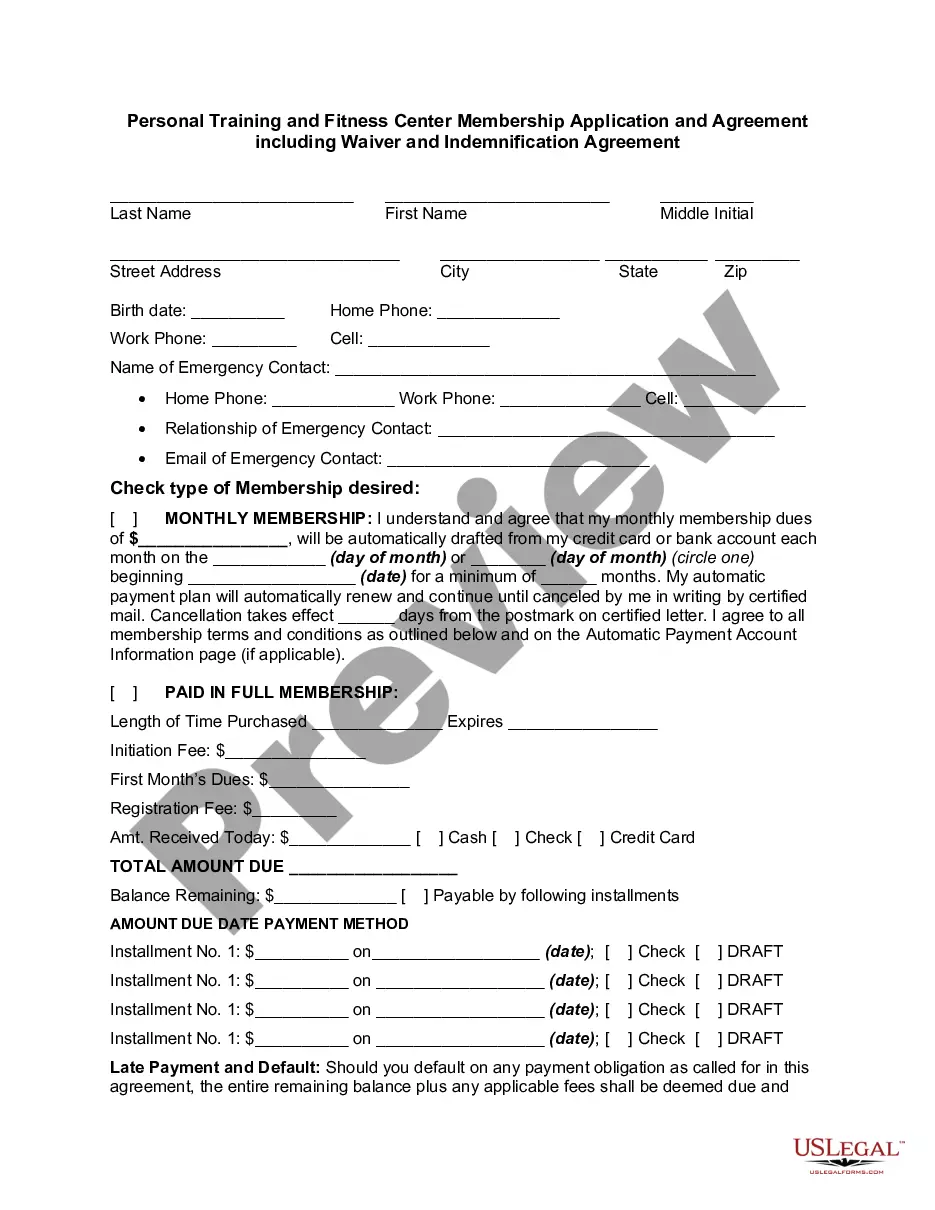

How to fill out Professional Fundraiser Services Contract - Self-Employed?
It’s well known that you cannot become a legal authority instantly, nor can you determine how to swiftly create a Professional Contract Format without a specialized background.
Drafting legal documents is a lengthy procedure that demands specific training and expertise. So why not entrust the creation of the Professional Contract Format to the experts.
With US Legal Forms, one of the most extensive libraries of legal templates, you can discover everything from court papers to templates for internal corporate correspondence.
If you need a different template, start your search anew.
Sign up for a free account and choose a subscription plan to purchase the form. Click Buy now. Once the payment is completed, you can download the Professional Contract Format, fill it out, print it, and send or mail it to the necessary individuals or entities.
- Understand how vital compliance and adherence to federal and local regulations are.
- That’s why, on our platform, all templates are location-specific and current.
- Here’s how you can commence with our platform and acquire the form you need in just a few minutes.
- Locate the document you need by utilizing the search bar at the top of the page.
- Preview it (if this option is available) and read the accompanying description to ascertain whether the Professional Contract Format is what you require.
Form popularity
FAQ
The 5 C's of contract law include Capacity, Consideration, Consent, Clarity, and Compliance. These elements ensure that a contract is enforceable and fair. Understanding these principles can help you draft a professional contract format that meets legal standards. US Legal Forms provides resources to help you navigate these concepts effectively.
To create a professional contract, start by defining the purpose and the key terms involved. Clearly outline the responsibilities of each party, payment details, and deadlines. Using a professional contract format helps ensure clarity and legal validity. You can explore platforms like US Legal Forms, which offer templates and guidance to simplify this process.
A marriage license is considered a formal contract as well as a real estate contract. Many business contracts are formal contracts. For example, a construction company and a landowner would have a formal contract because they would include large sums of money, specific deadlines and specifications that need to be met.
Write explicitly what one party is promising to deliver and what the other agrees to pay or do in exchange. If services are part of the deal, state what services will be performed. Specify who will perform the services, for whom, where, when, for how long and for what consideration.
A formal contract also contains several elements that must be present, like offer, acceptance, consideration, legal capacity, mutuality and legally enforceable terms. An informal contract can be in written or oral form and is not recorded with the court, like the purchase of food at your favorite restaurant.
How to write a business contract Determine why you need a contract. Define all applicable parties. Include all essential elements of a contract. Select the appropriate governing law and jurisdiction. Write everything in plain language. Use repeatable language and formats when possible. Use tables, lists, and other tools.
Prepare a contract Provide details of the parties. Describe services or results. Set out payment details. Assign intellectual property rights. Explain how to treat confidential information. Identify who is liable ? indemnity. Provide insurance obligations. Outline any subcontracting agreements.