Performer Agreement Template For Nonprofit
Description
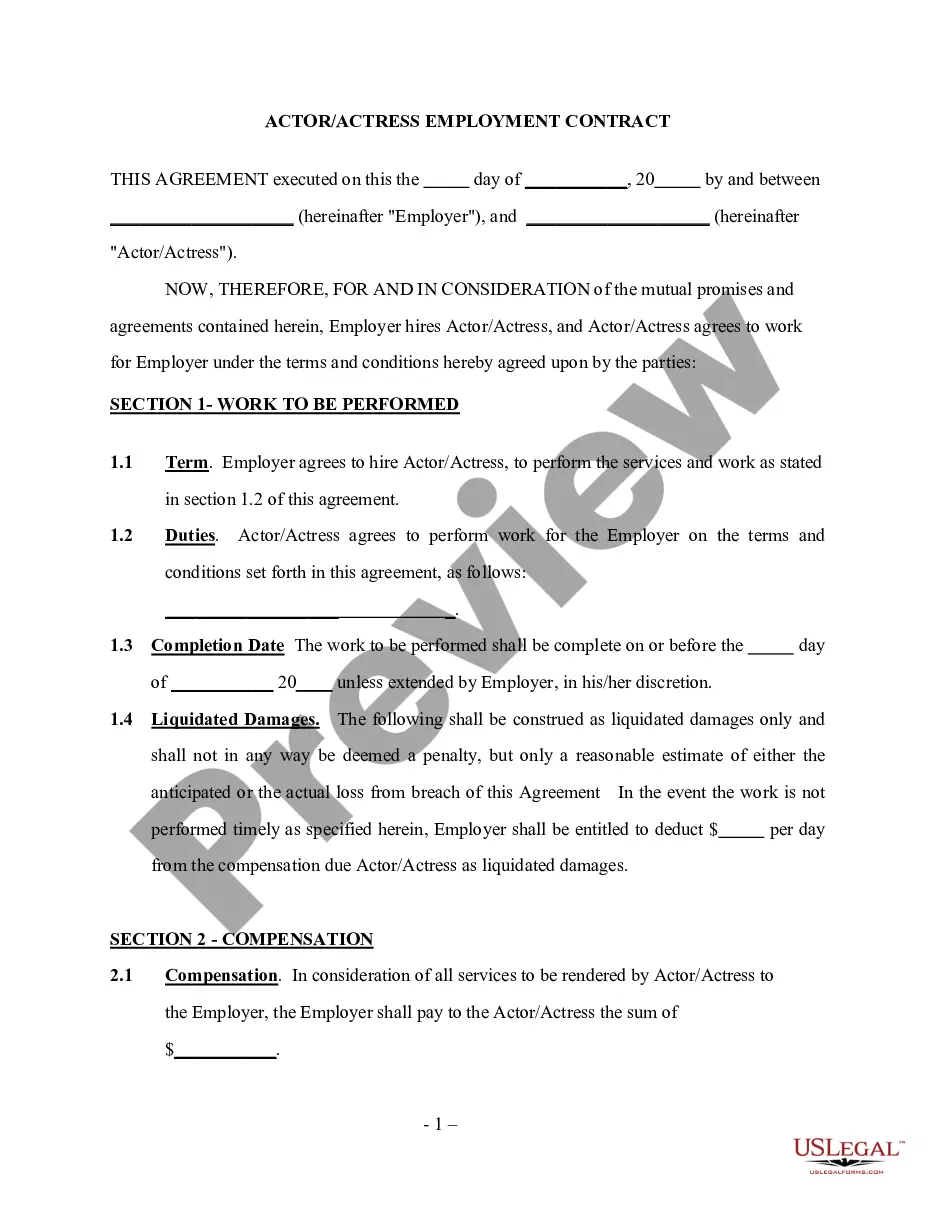
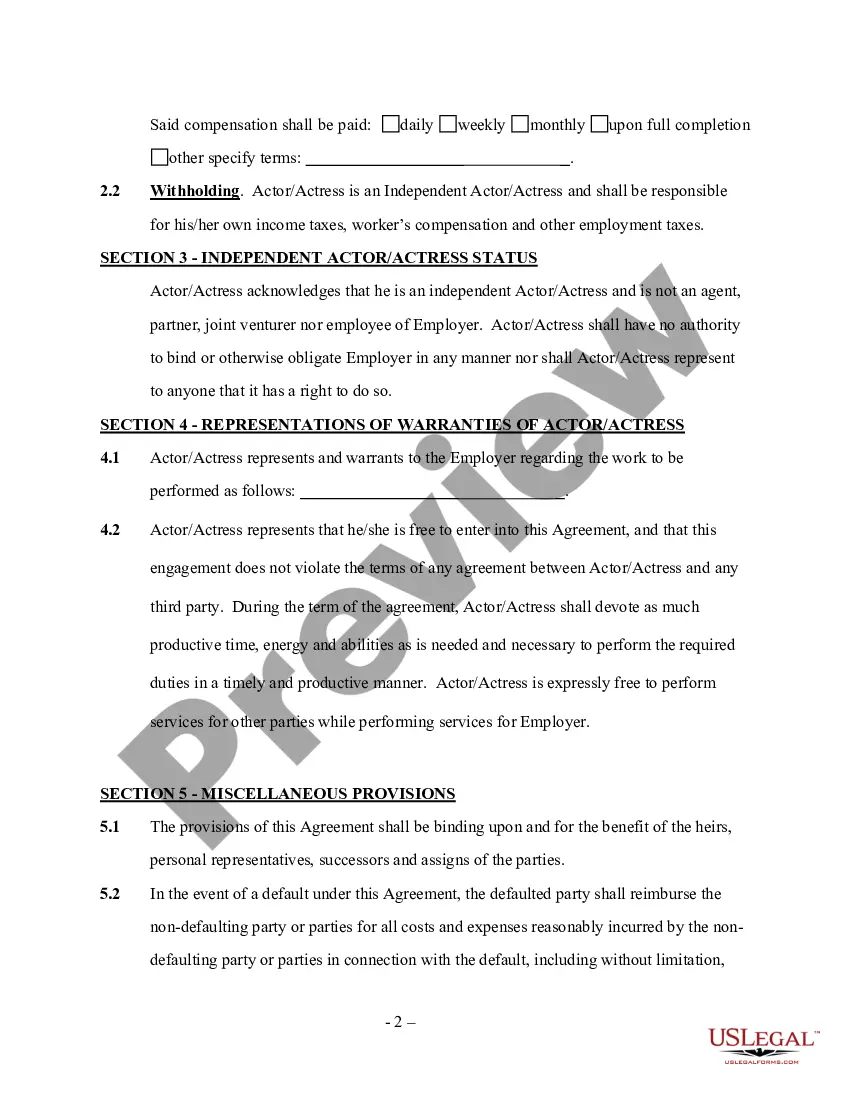
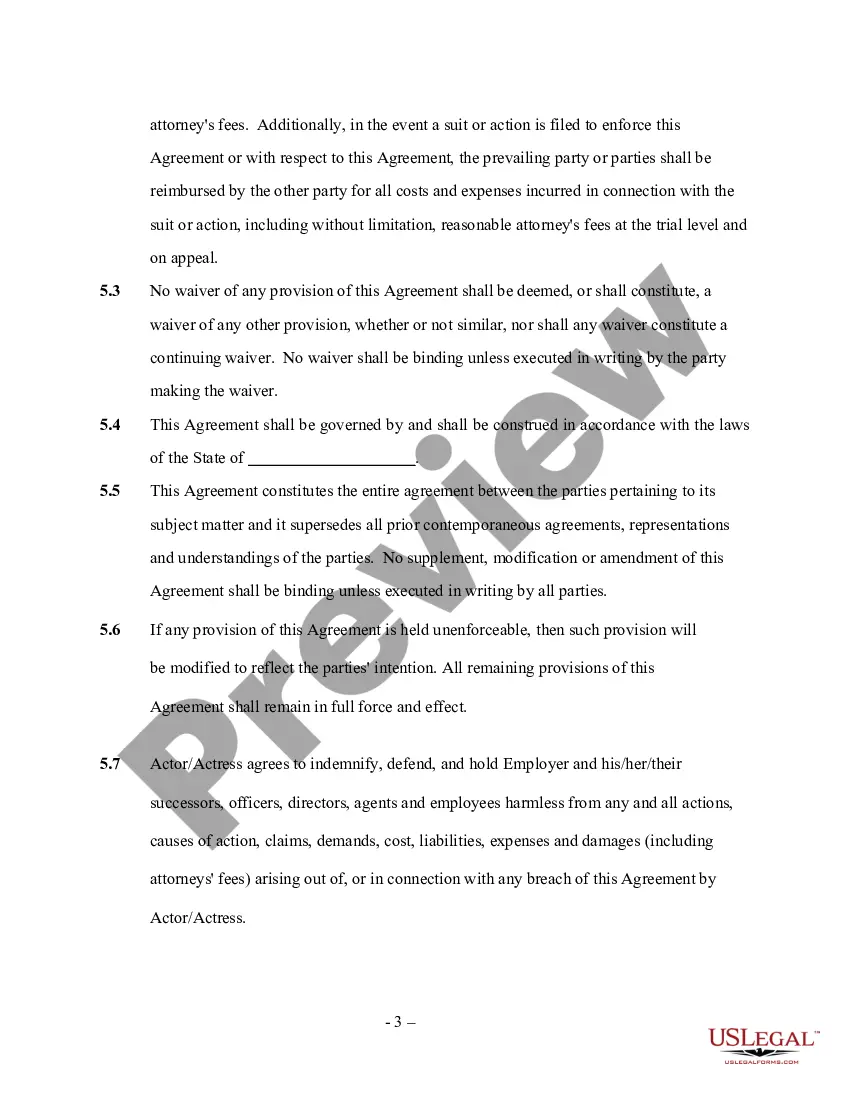
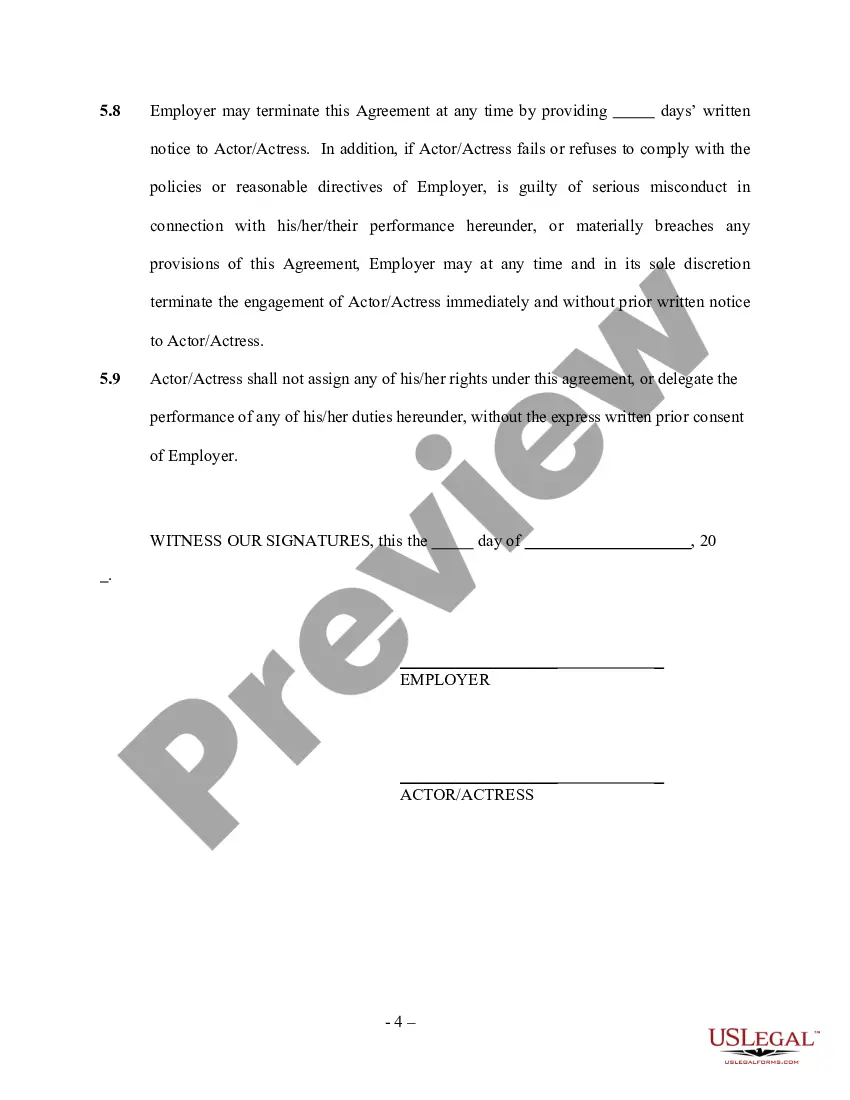
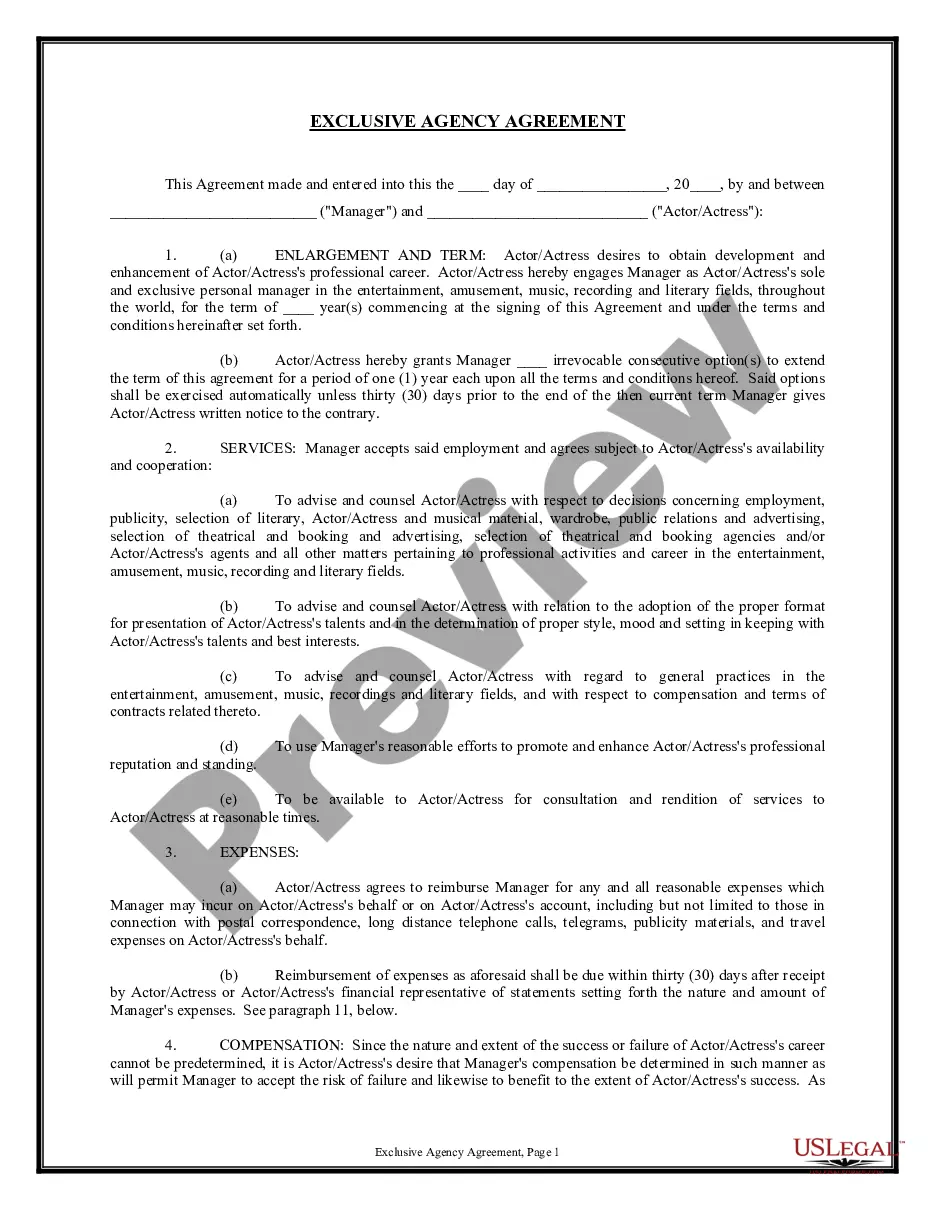
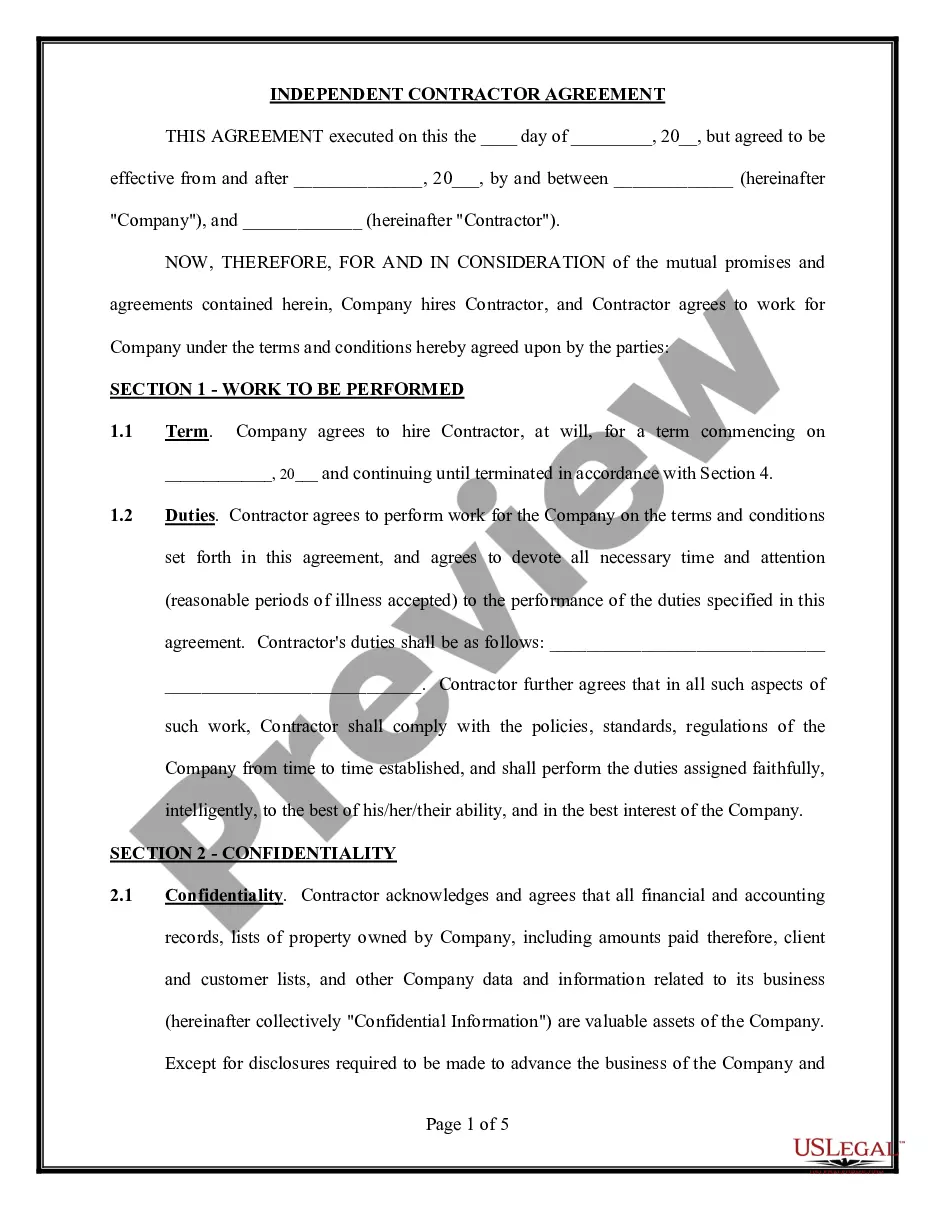
Get your form ready online
Our built-in tools help you complete, sign, share, and store your documents in one place.
Make edits, fill in missing information, and update formatting in US Legal Forms—just like you would in MS Word.
Download a copy, print it, send it by email, or mail it via USPS—whatever works best for your next step.
Sign and collect signatures with our SignNow integration. Send to multiple recipients, set reminders, and more. Go Premium to unlock E-Sign.
If this form requires notarization, complete it online through a secure video call—no need to meet a notary in person or wait for an appointment.
We protect your documents and personal data by following strict security and privacy standards.

Make edits, fill in missing information, and update formatting in US Legal Forms—just like you would in MS Word.

Download a copy, print it, send it by email, or mail it via USPS—whatever works best for your next step.

Sign and collect signatures with our SignNow integration. Send to multiple recipients, set reminders, and more. Go Premium to unlock E-Sign.

If this form requires notarization, complete it online through a secure video call—no need to meet a notary in person or wait for an appointment.

We protect your documents and personal data by following strict security and privacy standards.
Looking for another form?
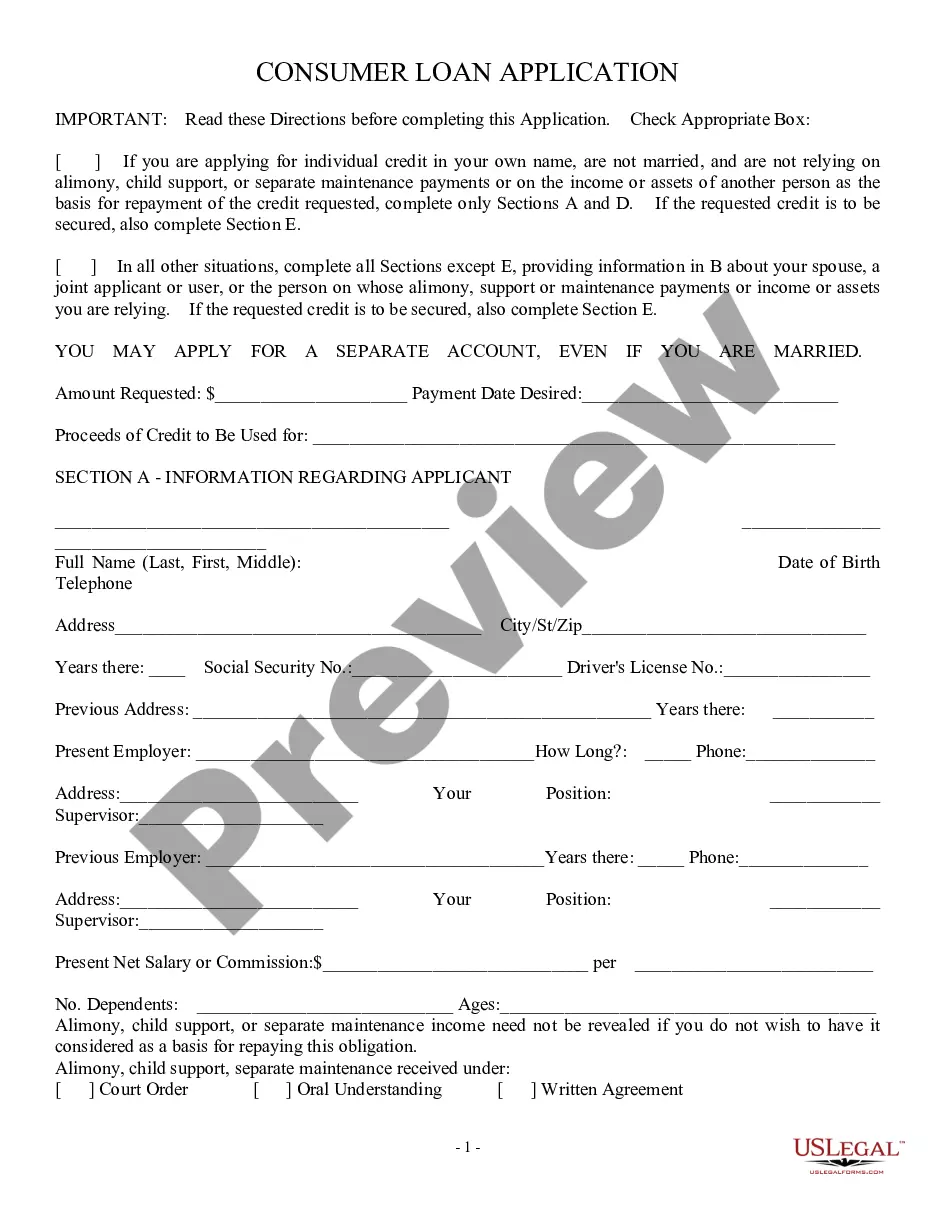

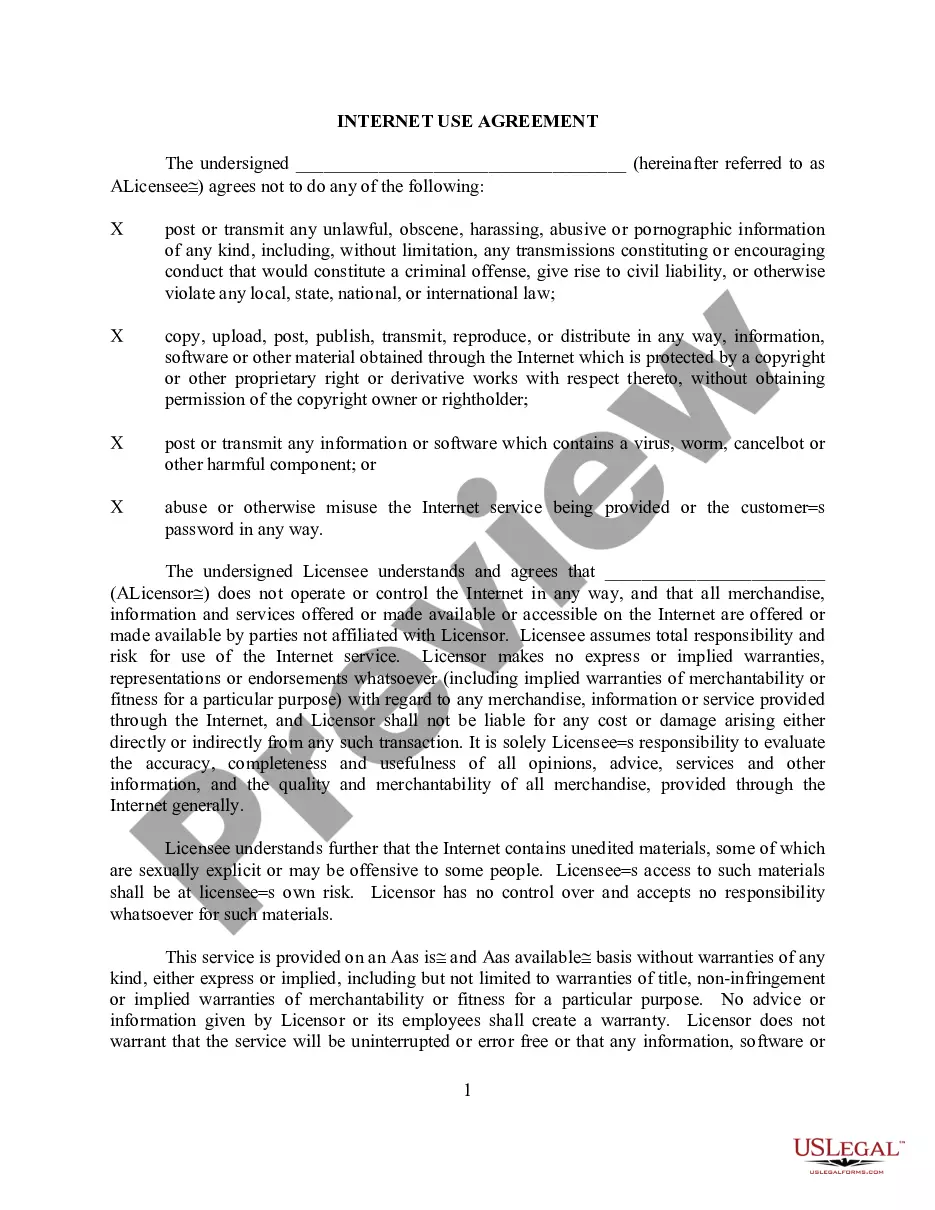
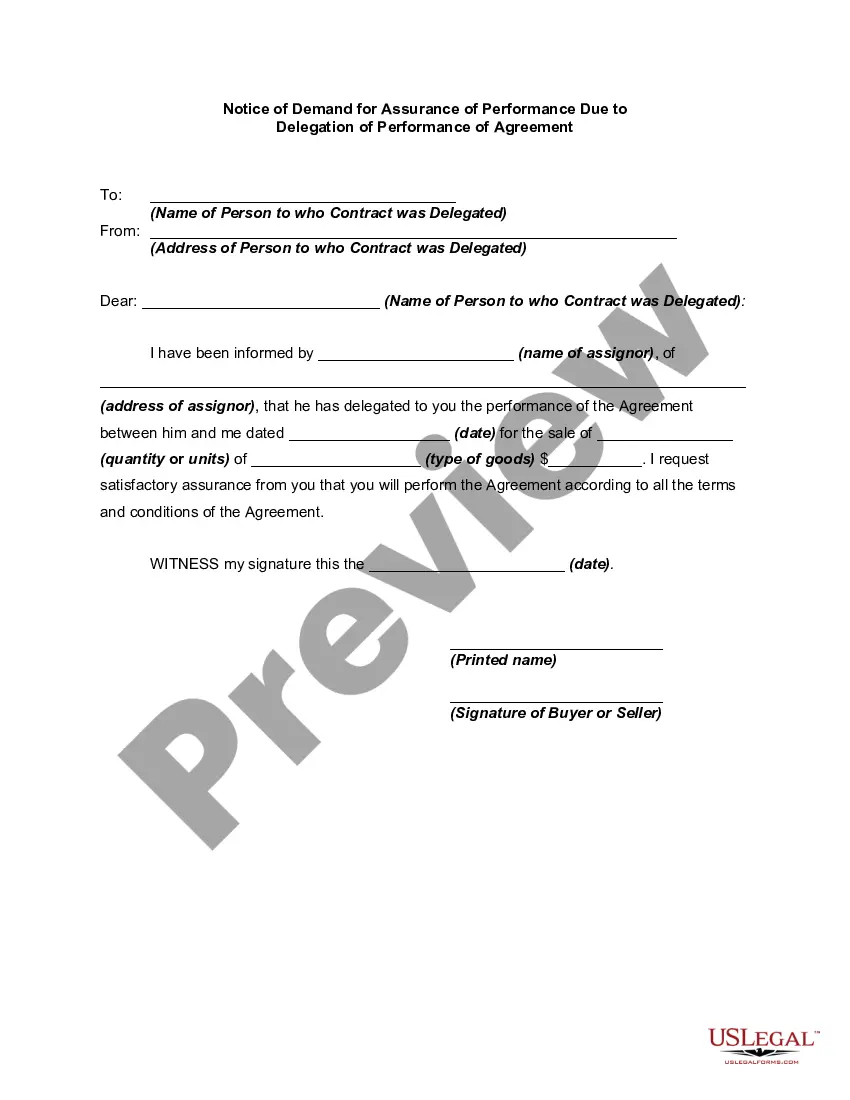
How to fill out Actor - Actress Employment Agreement - Self-Employed Independent Contractor?
The Performer Agreement Template for Nonprofit available on this site is a versatile legal document created by skilled attorneys in accordance with federal and local regulations.
For over 25 years, US Legal Forms has been providing individuals, entities, and legal experts with more than 85,000 validated, state-specific documents for any corporate and personal need.
Fill out and sign the document. Print the template for manual completion or utilize an online versatile PDF editor to quickly and accurately fill out and sign your form with a legally binding electronic signature. Download your documents again as needed. Access the My documents tab in your account to re-download any forms you have previously saved.
- Search for the required document and review it.
- Browse through the example you searched and either preview it or read the form description to ensure it meets your needs. If it doesn't, utilize the search feature to find the correct one. Press Buy Now once you locate the template you require.
- Register and Log In.
- Choose the subscription plan that fits you and create an account. Use PayPal or a credit card for a swift payment. If you already possess an account, Log In and verify your subscription to continue.
- Obtain the editable template.
- Select the format you prefer for your Performer Agreement Template for Nonprofit (PDF, Word, RTF) and store the document on your device.
Form popularity
FAQ
An example of a performance-based contract is an agreement where a nonprofit pays an artist based on ticket sales or donations collected during an event. This type of contract can incentivize the artist to promote the event effectively. Using a performer agreement template for nonprofit can help create a clear and mutually beneficial performance-based contract.
This document was created when a mortgagee wished to recover his money, but the mortgagor could not pay it back. The mortgagee would assign the mortgage to another person, who would pay him the money he was owed.
The purpose of the mortgage or deed of trust is to provide security for the loan that's evidenced by a promissory note. Loan Transfers. Banks often sell and buy mortgages from each other. An "assignment" is the document that is the legal record of this transfer from one mortgagee to another.
The assignment transfers all of the interest the original lender had under the mortgage to the new bank. By tracking loan transfers electronically, MERS eliminates the long-standing practice that the lender must record an assignment with the county recorder every time the loan is sold from one bank to another.
The most common example of an Assignment of Mortgage is when a mortgage lender transfers/sells the mortgage to another lender. This can be done more than once until the balance is paid. The lender does not have to inform the borrower that the mortgage is being assigned to another party.
You can check the loan documents to see whether assumptions are permitted. The loan document will typically state whether or not the loan is assumable under the "assumption clause." The terms may also appear under the "due on sale clause" if loan assumption isn't permitted.
An assignment of mortgage documents the transfer of a mortgage from an original lender or borrower to another person or entity. Lenders regularly sell mortgages to other lenders. Less often, a borrower transfers the mortgage to someone else who assumes the mortgage.
An assignment of mortgage gives the loan seller's rights under the mortgage, including the right to foreclose if the borrower doesn't make payments, to the new owner of the loan.
If it does not have an assignment or failed to record it as required by state law, this may result in the dismissal of the foreclosure action. Recording rules may require that the foreclosing party record the assignment before starting the foreclosure.