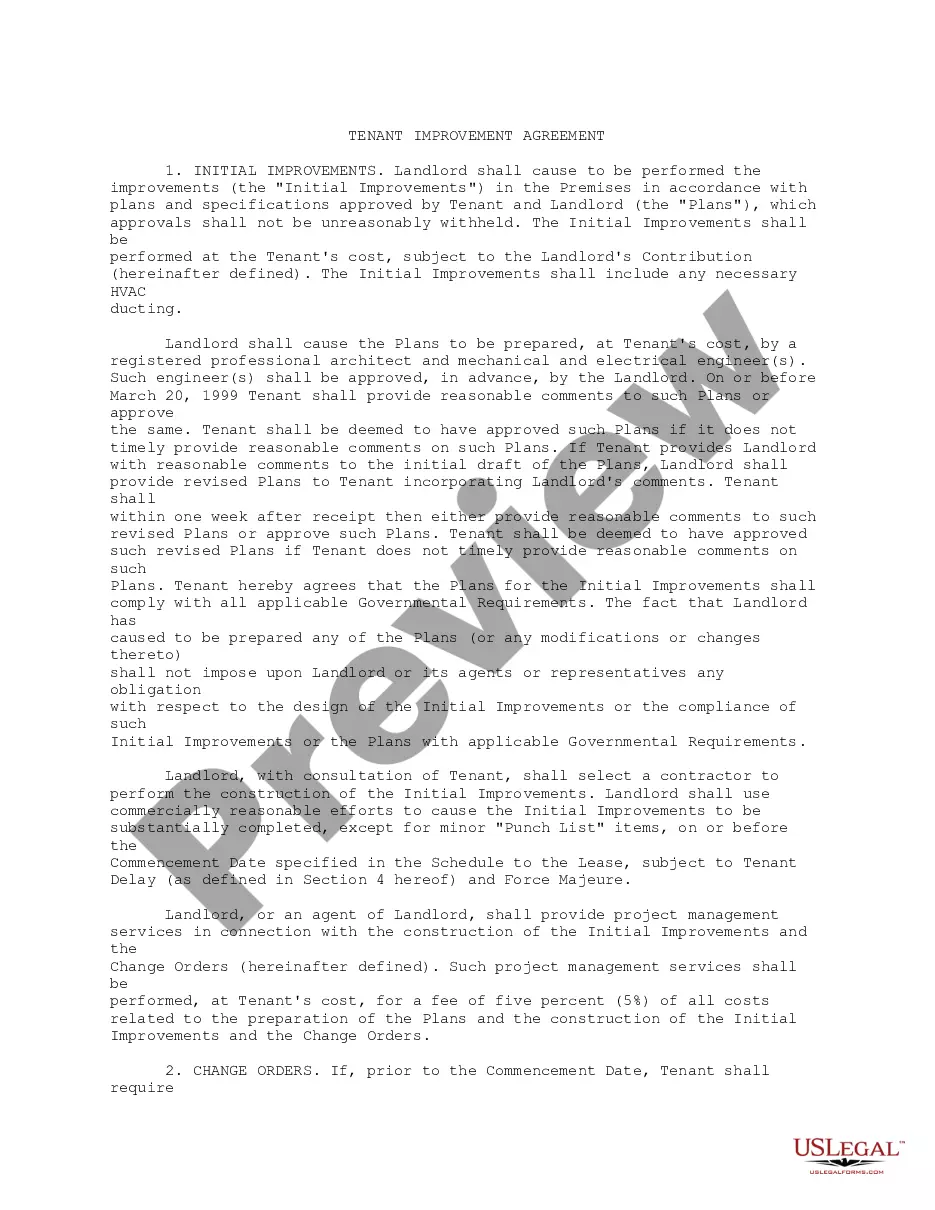
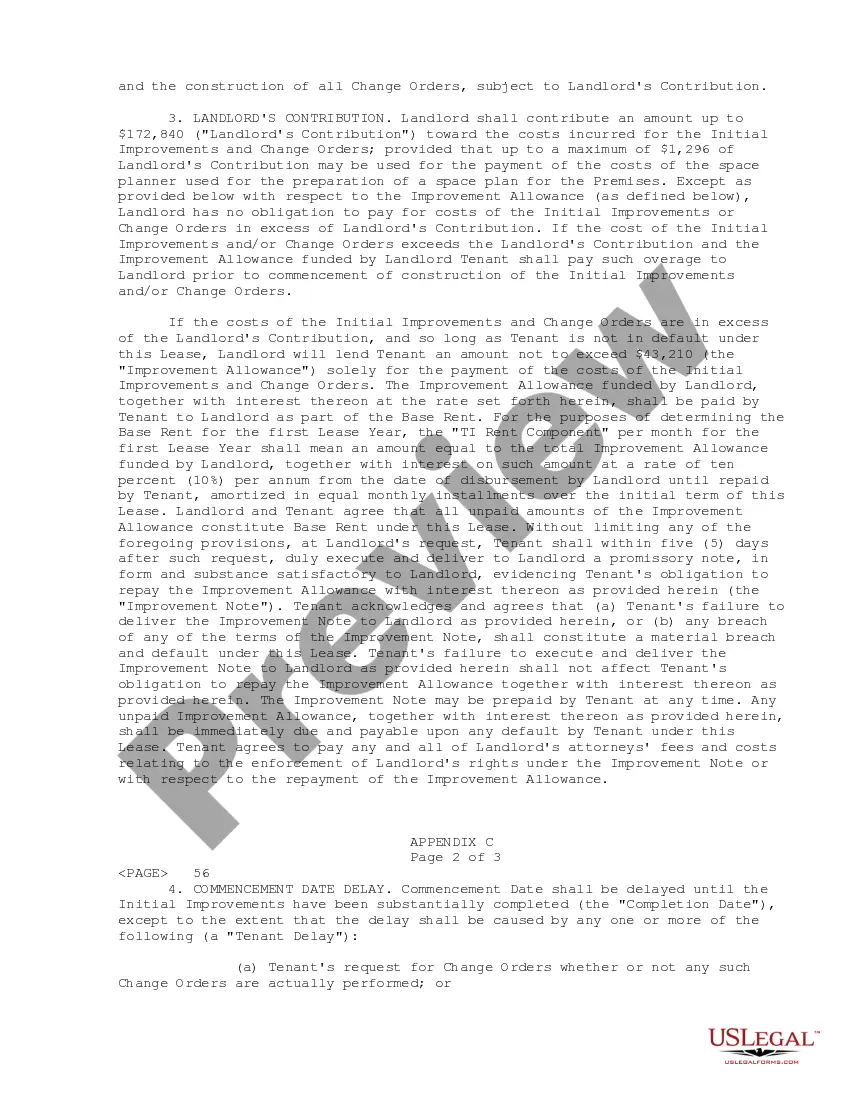
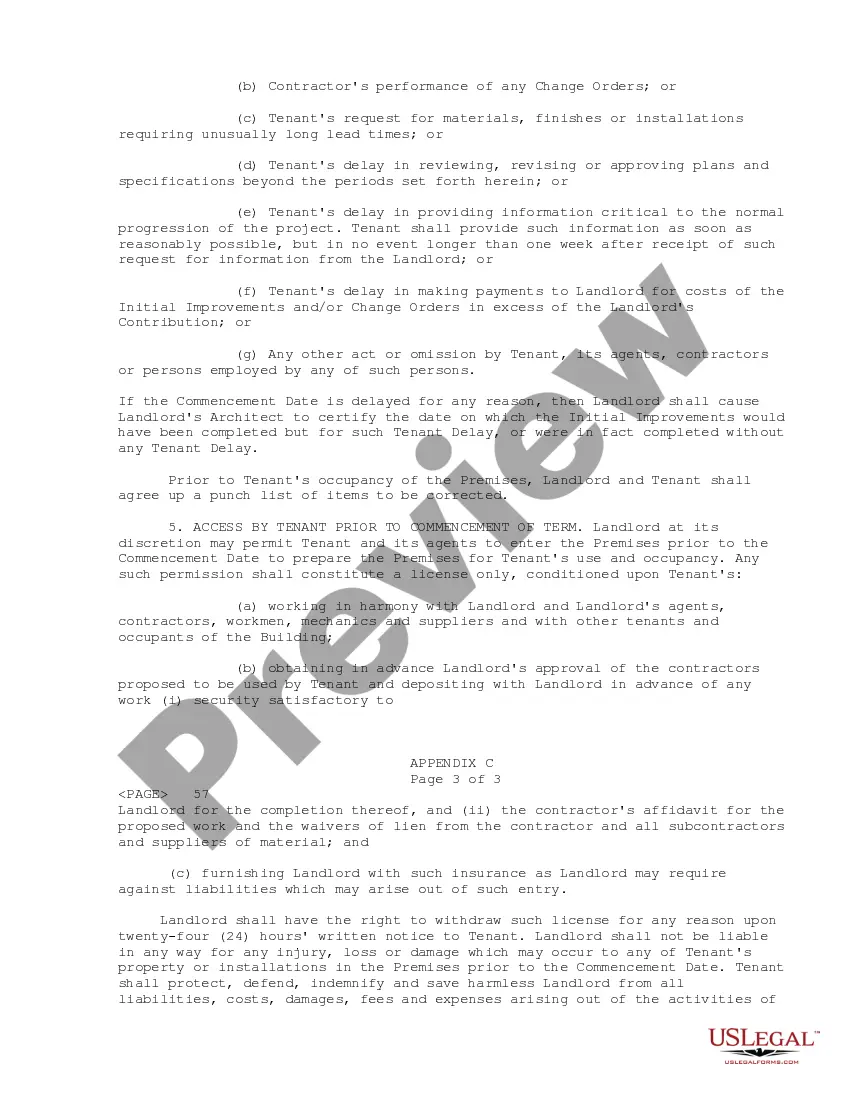
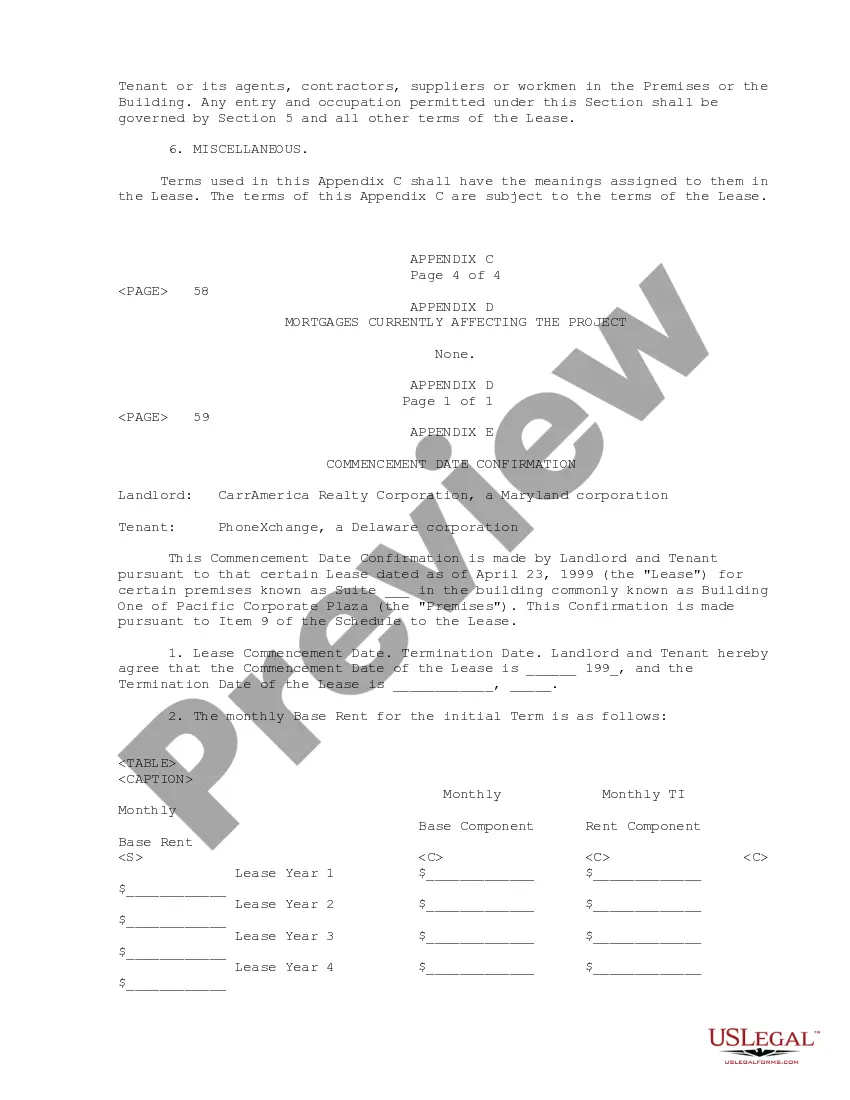
Tenant Improvement
Description

Get your form ready online
Our built-in tools help you complete, sign, share, and store your documents in one place.
Make edits, fill in missing information, and update formatting in US Legal Forms—just like you would in MS Word.
Download a copy, print it, send it by email, or mail it via USPS—whatever works best for your next step.
Sign and collect signatures with our SignNow integration. Send to multiple recipients, set reminders, and more. Go Premium to unlock E-Sign.
If this form requires notarization, complete it online through a secure video call—no need to meet a notary in person or wait for an appointment.
We protect your documents and personal data by following strict security and privacy standards.
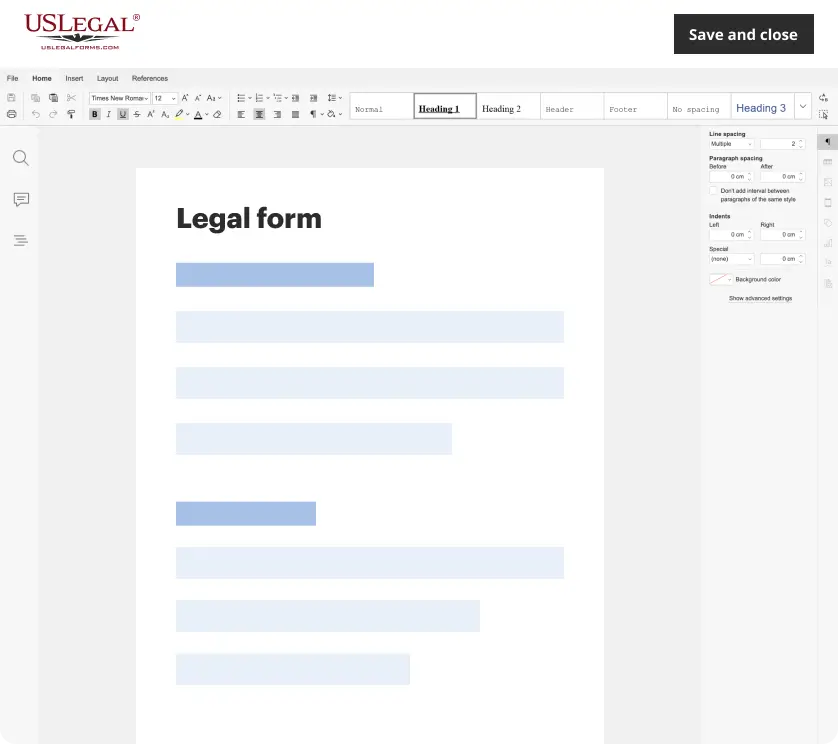
Make edits, fill in missing information, and update formatting in US Legal Forms—just like you would in MS Word.
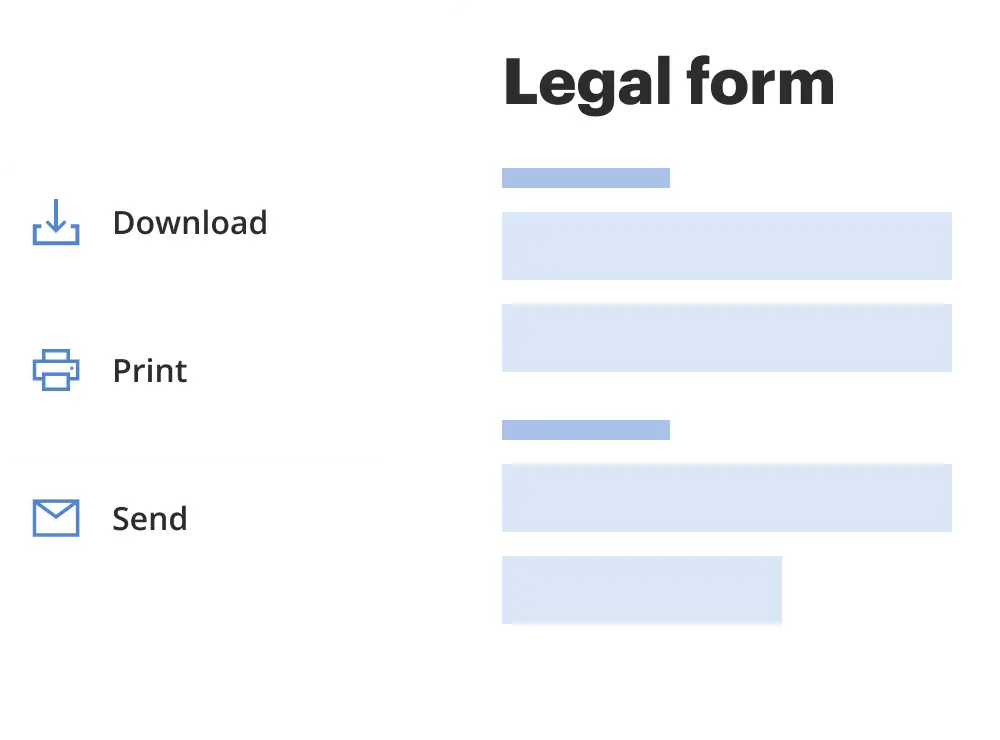
Download a copy, print it, send it by email, or mail it via USPS—whatever works best for your next step.
Sign and collect signatures with our SignNow integration. Send to multiple recipients, set reminders, and more. Go Premium to unlock E-Sign.
If this form requires notarization, complete it online through a secure video call—no need to meet a notary in person or wait for an appointment.
We protect your documents and personal data by following strict security and privacy standards.
Looking for another form?
How to fill out Tenant Improvement Lease?
- Log in to your US Legal Forms account if you're a returning user. Verify your subscription is active. Otherwise, renew it according to your chosen payment plan.
- For new users, start by checking the Preview mode and form description. Confirm you’ve selected the form that fits your local jurisdiction and requirements.
- If the document isn't suitable, use the Search tab to locate the correct form that meets your criteria.
- Purchase the document by clicking on the Buy Now button. Select your preferred subscription plan and create an account to access the library.
- Complete your transaction by entering your credit card details or using your PayPal account for payment.
- Download your selected form and save it to your device. Access it anytime through the My Forms section in your profile.
Using US Legal Forms not only simplifies the documentation process but also ensures compliance with local laws. With a library of over 85,000 forms and access to legal experts, you're in good hands.
Get started today by visiting US Legal Forms and explore how easy managing your tenant improvement documents can be!
Form popularity
FAQ
You can account for tenant improvements by categorizing them as capital expenses in your financial records. It's essential to document all costs and maintain receipts for future reference. Additionally, platforms like US Legal Forms offer templates that can help you outline and manage accounting practices related to tenant improvements effectively.
Tenant improvements refer to the modifications or enhancements made to a leasing space by the tenant. These improvements help tailor the environment to meet business requirements and can range from cosmetic updates to major structural changes. Understanding the meaning of tenant improvements is crucial, as it impacts leasing agreements and tenant satisfaction.
A common example of a tenant improvement project is a restaurant build-out, which often involves extensive renovations like kitchen installations, dining area setups, and restrooms. These projects are customized to meet the specific operational needs of the tenant. Keeping communication open with the landlord during such projects is essential to ensure smooth execution and compliance with lease terms.
A lease improvement can be as simple as installing new flooring or creating additional office space through interior walls. These changes aim to enhance the usability and aesthetic appeal of the premises. Clearly defining lease improvements in your lease agreement can prevent disputes and ensure both parties understand their commitments.
An example of a property improvement could be upgrading the heating and cooling system to enhance energy efficiency. Such improvements not only elevate the comfort of tenants but also increase the property's overall value. By investing in tenant improvements, you create a more inviting environment that can attract and retain renters.
Estimating tenant improvements involves evaluating the scope of the project, including materials, labor, and any necessary designs. You can calculate potential costs by obtaining quotes from contractors and considering the time frame for completion. Utilizing platforms like US Legal Forms can help streamline the process by providing standard templates and agreements to guide your estimates.
A tenant improvement clause typically outlines the responsibilities regarding the modifications to the leased space. This may include details on who pays for specific renovations and how the tenant can alter the space to suit their needs. For instance, the lease might state that the landlord must approve all changes and cover some costs, which can help safeguard your investment in the space.
Yes, a tenant improvement allowance is generally considered taxable income for the recipient. This treatment ensures that the funds received for property enhancements are accounted for properly. However, related expenses can often be deducted, which helps mitigate the tax impact. For specific scenarios, consulting with a tax advisor is advisable.
To expense tenant improvements, document the costs incurred for upgrades or renovations done to the rented space. These costs can be amortized over several years, aligning with the property's life. Accurate record-keeping is essential for compliance and potential tax benefits. Consider using tools from US Legal Forms for assistance.
To report your tenant improvement allowance effectively, first categorize it as a capital expense. This allows you to allocate the costs over the useful life of the improvements. Ensure all documentation, such as invoices and agreements, is properly recorded. Utilizing US Legal Forms will assist you in structuring your reporting accurately.